

Koop 10 boeken voor 10 € hier!
Bookbot

Maximilian Graf

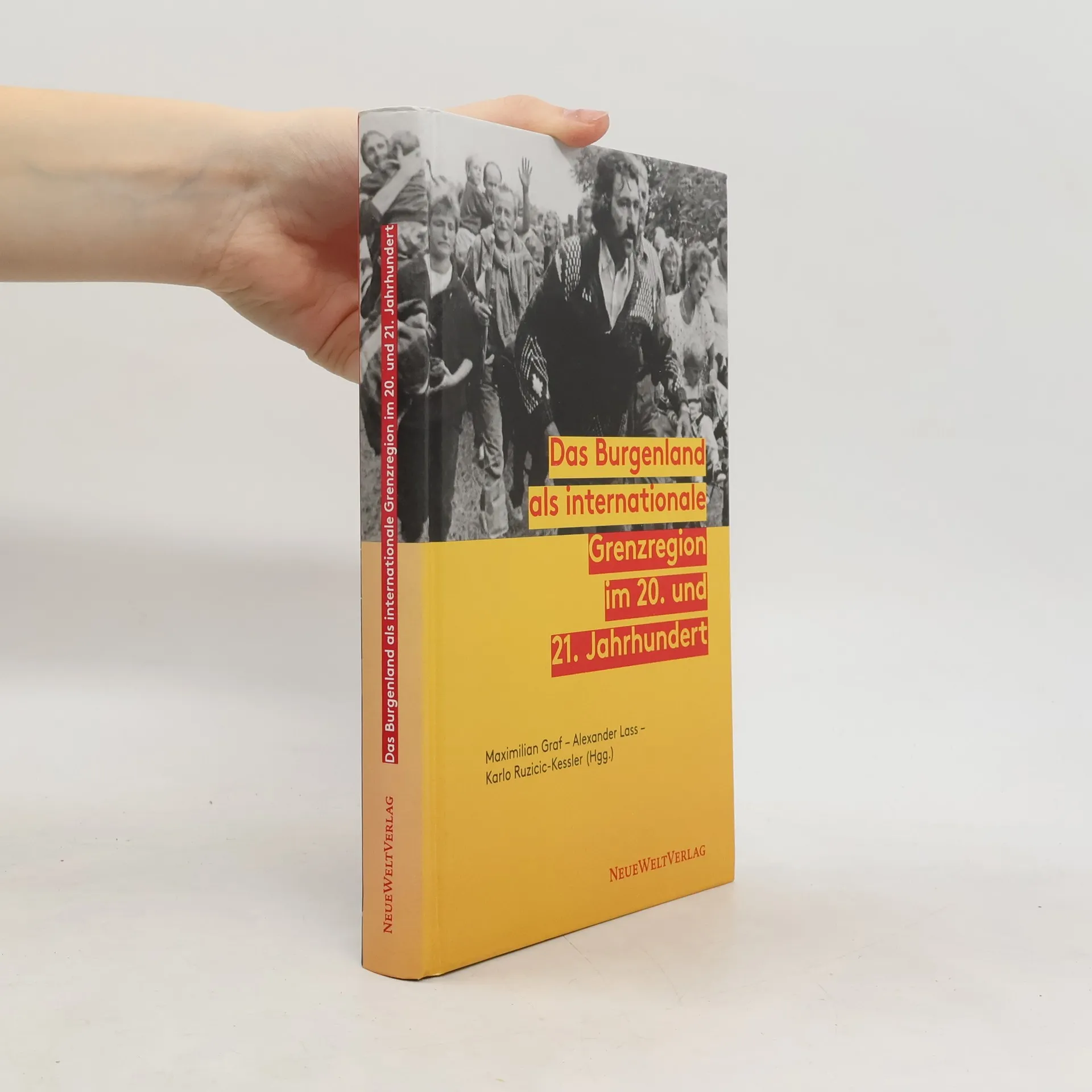
    Das Burgenland als internationale Grenzregion im 20. und 21. Jahrhundert
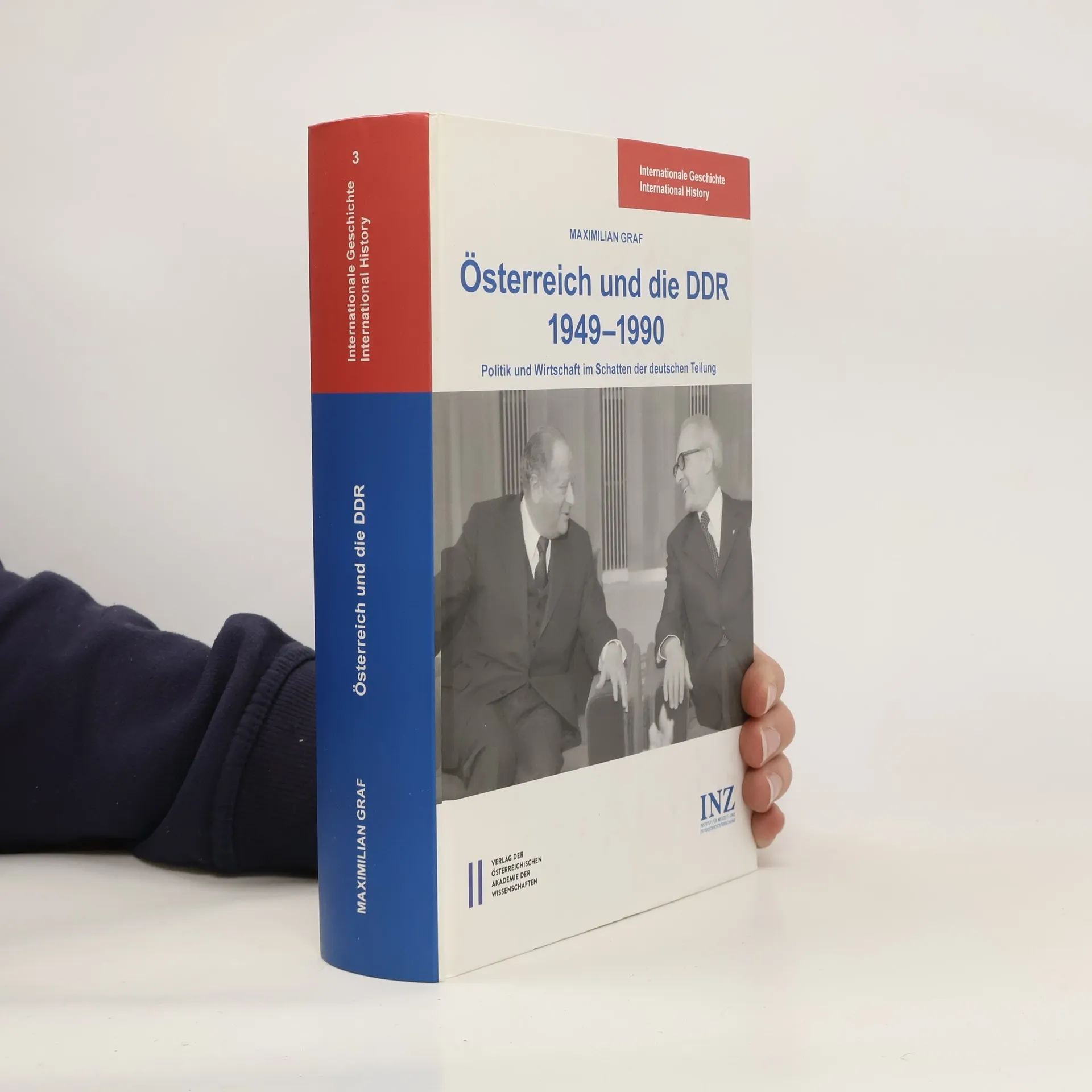
    Österreich und die DDR 1949-1990
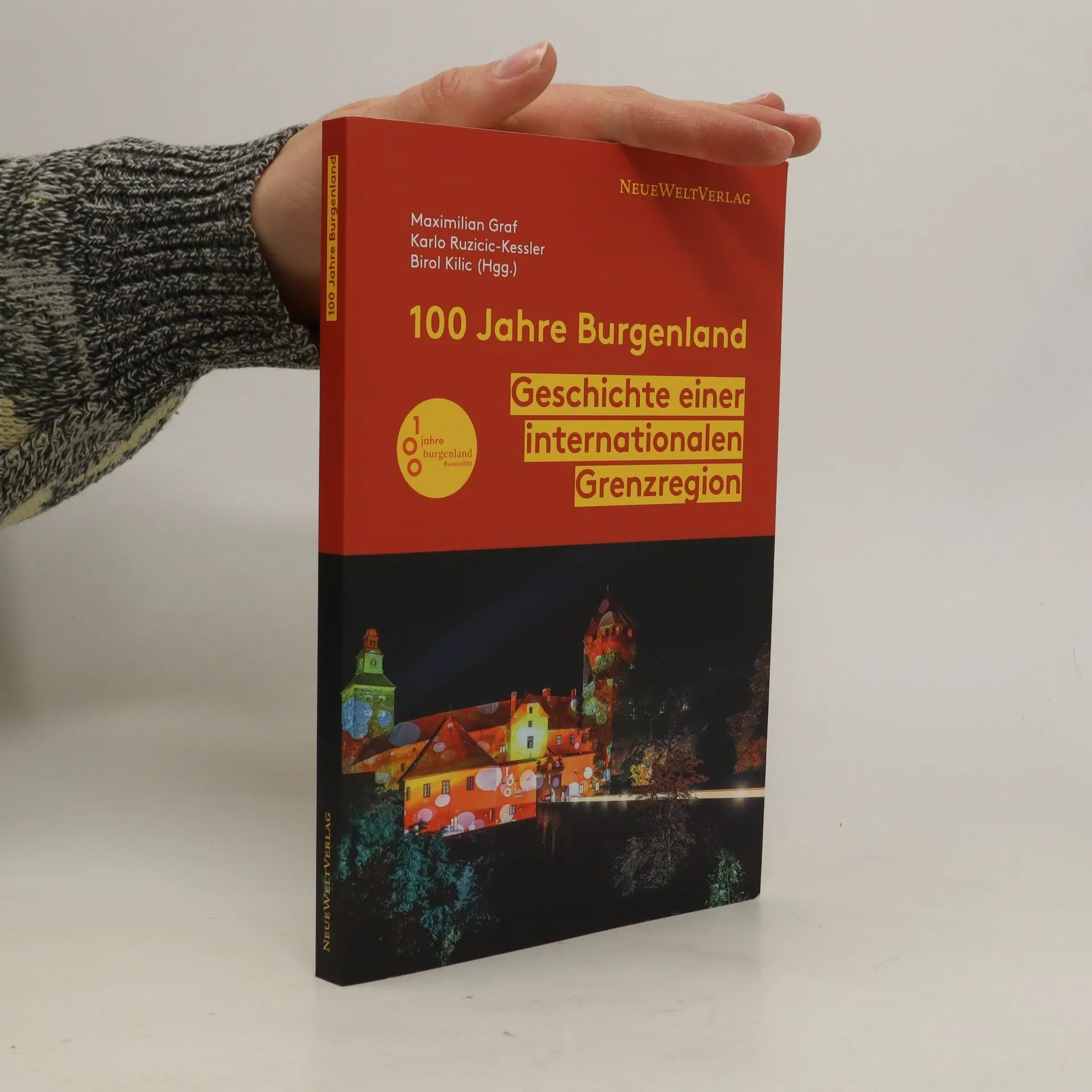
    100 Jahre Burgenland
    • 100 Jahre Burgenland

      Geschichte einer internationalen Grenzregion

      Im Jahr 2021 feiert das Burgenland sein 100jähriges Bestehen und der Neue Welt Verlag aus Wien feiert mit. Seine Geschichte ist auch die einer internationalen Grenzregion, der dieser Band nachgeht. Kenntnisreich zeichnen die Beiträge ihre Entwicklung von der „Burgenlandnahme“, über die Nachbarschaft in der Zwischenkriegszeit bis zum „Dritten Reich“ und vom „Eisernen Vorhang“, über die Grenzöffnung 1989 bis zur Binnengrenze im Schengen-Raum der Europäischen Union nach. Nahezu alle weltgeschichtlichen Zäsuren seit dem Ersten Weltkrieg hatten direkte Auswirkungen auf das Burgenland und den Charakter seiner Außengrenze. Mehrmals, nicht zuletzt 1956 und 1989, wurde sie auch zum Schauplatz zentraler, damit in Verbindung stehender Ereignisse. Dies macht das Burgenland und seine Grenze gleichsam zu einem Fokus europäischer Geschichte.

      100 Jahre Burgenland
    • Österreich und die DDR 1949-1990

      Politik und Wirtschaft im Schatten der deutschen Teilung

      This book offers the first systematic overview of Austrian–East German relations during the Cold War, drawing on extensive archival research. It begins by examining the divergent post-World War II developments in Austria and Germany, focusing on the period of non-recognition prior to 1972. Despite official relations being taboo due to West German interests, significant unofficial diplomatic and political contacts emerged, shaping future economic relations. The book also addresses the situation of approximately 20,000 Austrians living in the GDR. Following diplomatic recognition, Austria acted as a diplomatic “ice breaker” for the GDR, which was acknowledged by East Berlin in various ways. In 1975, Austria became the first Western nation to officially recognize East German citizenship, provoking anger in West Germany but resolving many humanitarian issues. Chancellor Bruno Kreisky played a pivotal role in fostering relations with East Berlin, leading to a substantial increase in economic ties. Austria provided loans and received large orders from its nationalized industries, a strategy that ultimately contributed to the crisis of these industries in the mid-1980s. Despite this, Austria and the GDR established a partnership, and Austria's stance on German reunification remained ambivalent. This monograph significantly enhances our understanding of East German foreign and economic policy and the political culture of neutral Austr

      Österreich und die DDR 1949-1990