Charles SeifeVolgorde van de boeken (chronologisch)
1 januari 1972
Charles Seife, een professor in de journalistiek aan de New York University, duikt in de bijzondere en vaak over het hoofd geziene concepten die ons wereldbeeld vormen. Zijn schrijven kenmerkt zich door een diepgaande verkenning van complexe onderwerpen, waarbij hij verborgen betekenissen en verbanden blootlegt. Seife combineert meesterlijk zijn journalistieke expertise met analytische scherpte, waardoor fascinerende gebieden van wetenschap en wiskunde tot leven komen voor de lezer. Zijn werk daagt conventioneel denken uit en nodigt uit tot contemplatie over de fundamentele principes die onze realiteit definiëren.
Als Stephen Hawking in den frühen 1960er Jahren mit seiner Forschung begann, war sein Fach, die Kosmologie, eine verschlafene Disziplin. Als er 2018 starb, war sie das wohl aufregendste Forschungsgebiet der Physik, das einen Nobelpreis nach dem anderen einheimste. Und Stephen Hawking galt weithin als der beste Physiker, wenn nicht sogar als der klügste Mensch der Welt. Diese aufregende, zuweilen beunruhigende Biographie zeigt, wie es dazu kam.
156 denkers over de meest elegante inzichten aller tijden - Druk 3
443bladzijden
16 uur lezen
‘Als je het niet simpel kunt uitleggen, dan begrijp je het niet goed genoeg.’ – Einstein wist als geen ander hoe wetenschap kan zijn. Wetenschap is op zijn mooist als ingewikkelde problemen op elegante wijze verklaard kunnen worden. De 156 verklaringen in dit boek zijn zo mooi dat je hart er sneller van gaat kloppen. John Brockman, oprichter van de website edge.org, stelt jaarlijks één vraag aan een selectie van de meest interessante wetenschappers en kunstenaars ter wereld. Dit jaar was de vraag: ‘Wat is je favoriete diepe, elegante of mooie verklaring?’ In Dit verklaart alles delen 156 Nederlandse en internationale toonaangevende denkers hun antwoord op deze vraag. De wetenschappers die aan het woord komen zijn dagelijks bezig met de theorieën en oplossingen van deze tijd, vanuit de filosofie, wiskunde, economie, geschiedenis, linguïstiek en gedragswetenschappen. De bijdragen zijn van Susan Blackmore, Mihaly Csikszentmihalyi, Richard Dawkins, Brian Eno (muzikant en producer van U2), Stine Jensen, Steven Pinker en nog 150 anderen. Op filosofische, intellectuele, humoristische, confronterende en innovatieve wijze worden de meest elegante wetenschappelijke verklaringen uitgelegd. In dit boek staan de antwoorden der antwoorden op de vragen der vragen.
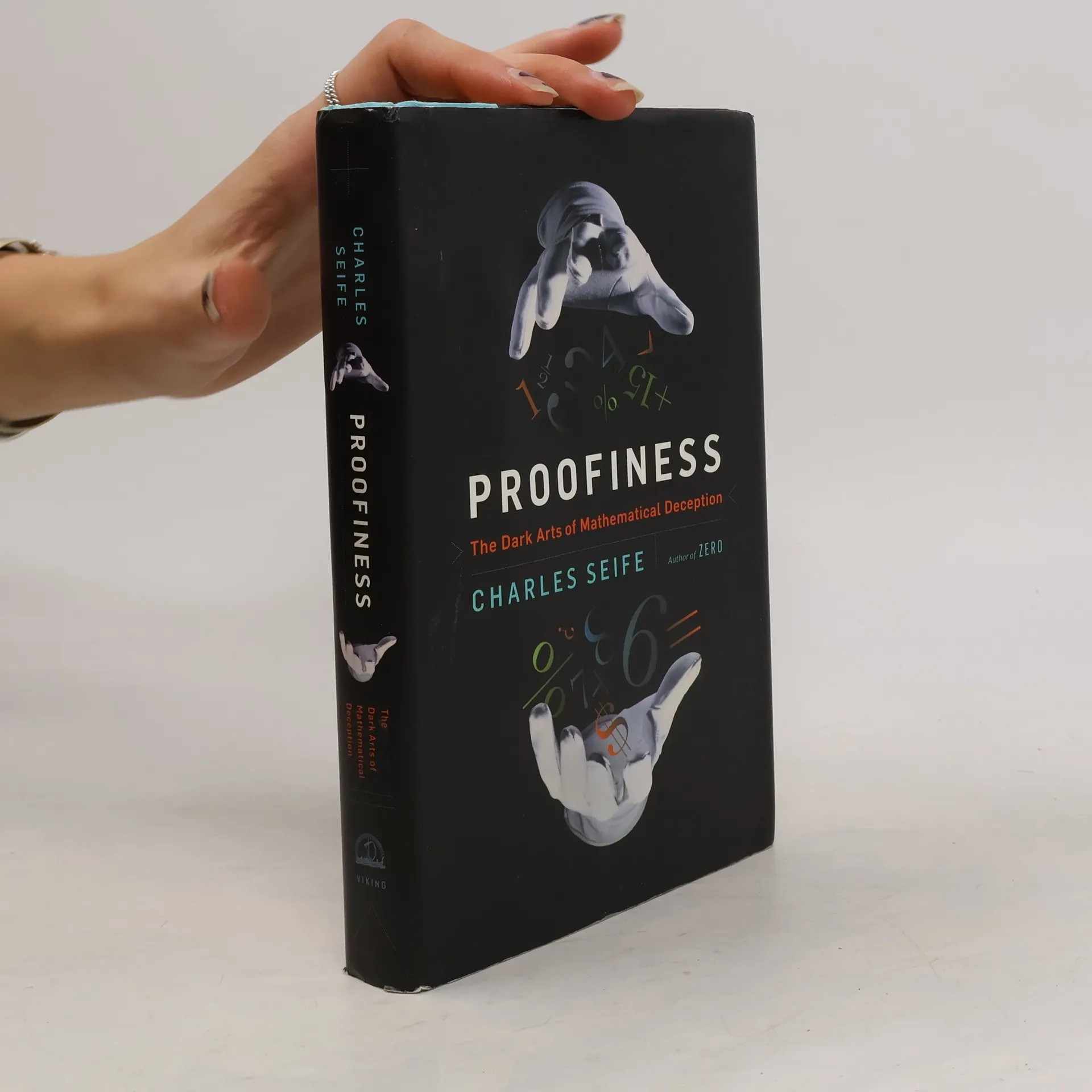
Exploring the concept of "proofiness," the book delves into how skewed metrics manipulate public perception through both humorous and alarming examples. From absurd mathematical claims to serious implications for democracy, it highlights the misuse of statistics in undermining justice and influencing elections. The author employs real mathematical analysis to critique society's fixation on metrics, revealing the dangers of misinformation while maintaining a lighthearted tone. Seife's examination serves as a call to recognize and challenge the deceptive use of numbers in media and government.
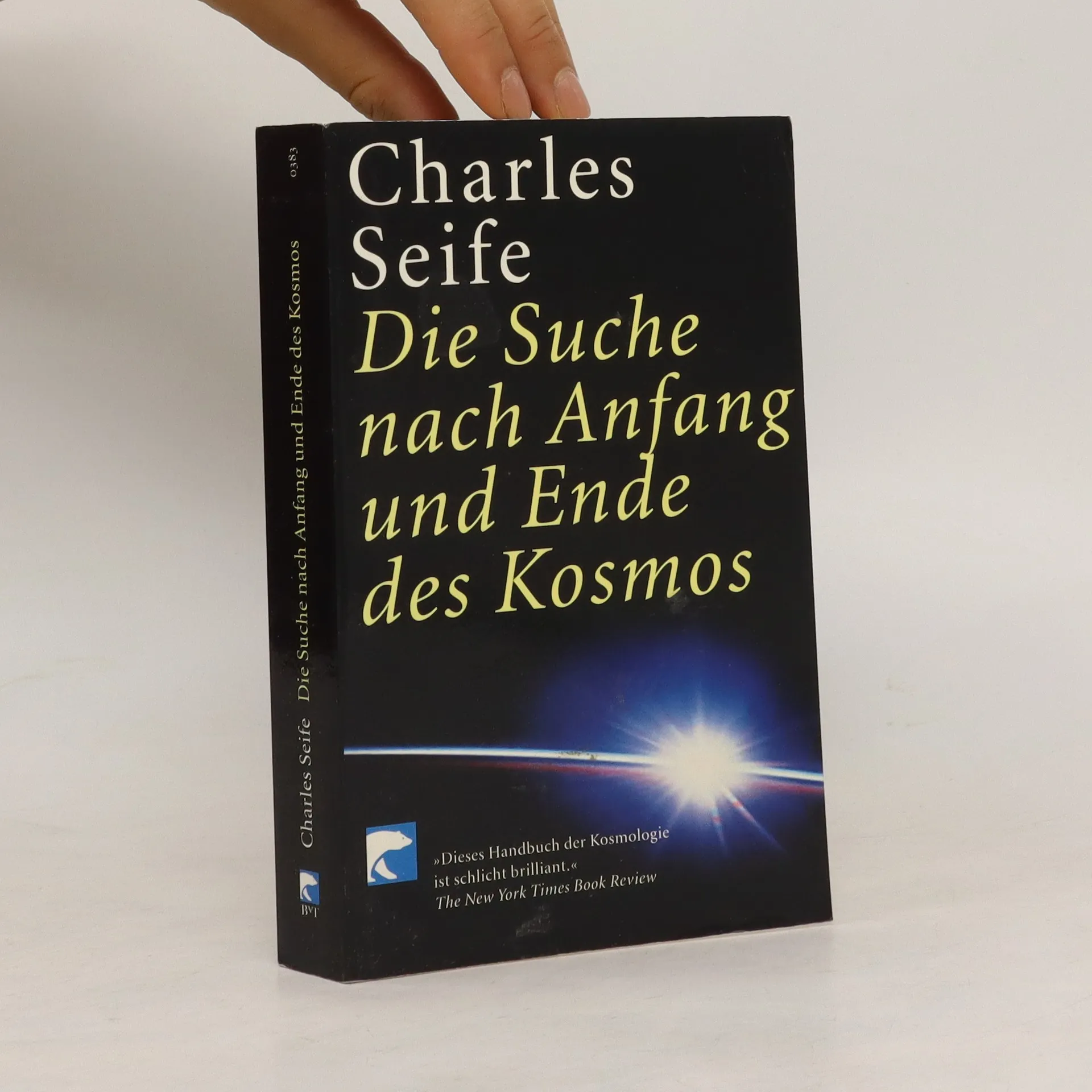
Astronomen und Physiker sind dabei, die ultimativen Fragen, die die Menschheit seit Anbeginn beschäftigt haben, zu beantworten: Wie entstand das Universum, und wie wird es enden? Begeisternd und für jeden verständlich erzählt Charles Seife die schier unglaubliche Geschichte dieser aktuellen kosmologischen Revolution.
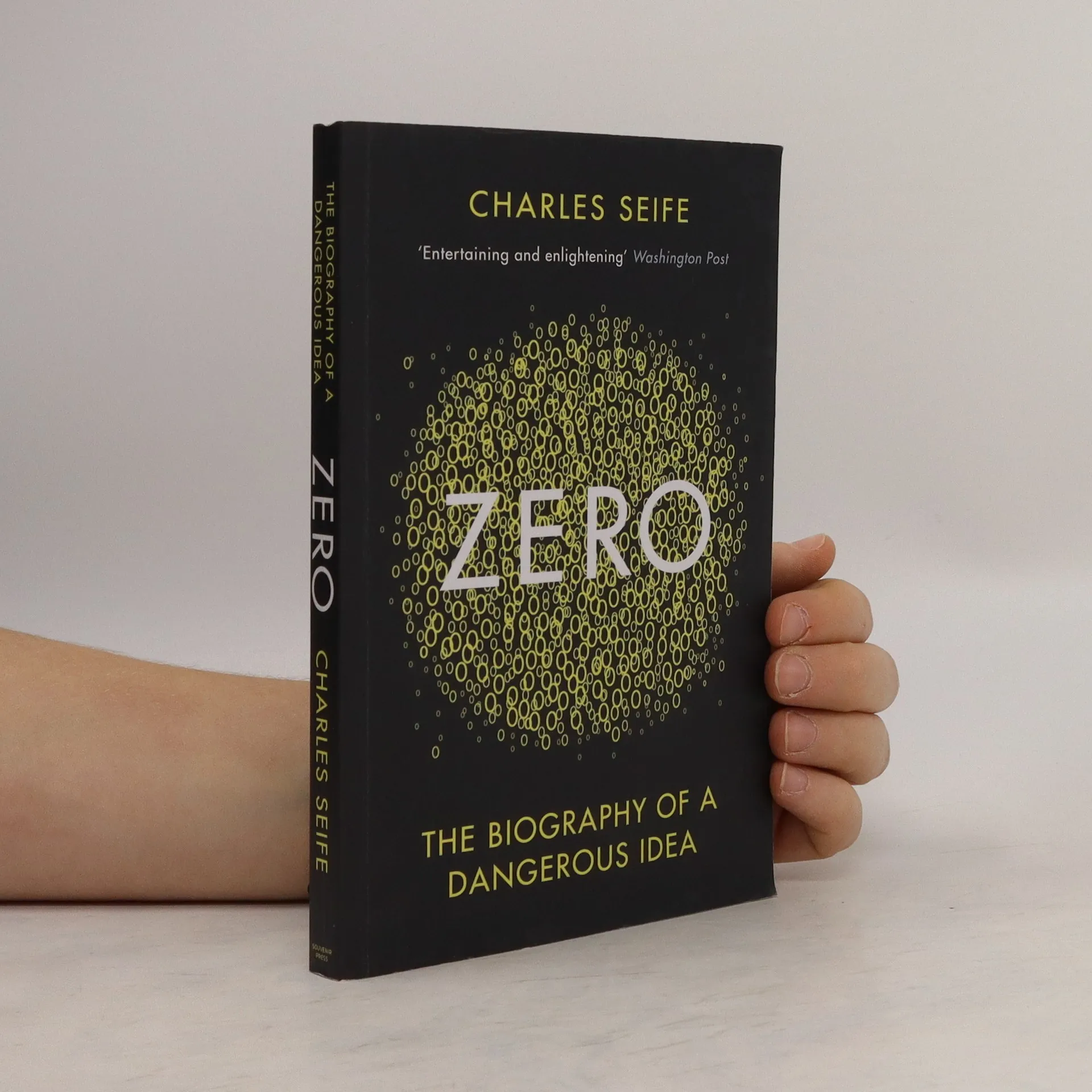
A NEW YORK TIMES NOTABLE BOOKThe Babylonians invented it, the Greeks banned it, the Hindus worshipped it, and the Christian Church used it to fend off heretics. Today it's a timebomb ticking in the heart of astrophysics. For zero, infinity's twin, is not like other numbers. It is both nothing and everything.Zero has pitted East against West and faith against reason, and its intransigence persists in the dark core of a black hole and the brilliant flash of the Big Bang. Today, zero lies at the heart of one of the biggest scientific controversies of all time: the quest for a theory of everything. Within the concept of zero lies a philosophical and scientific history of humanity.Charles Seife's elegant and witty account takes us from Aristotle to superstring theory by way of Egyptian geometry, Kabbalism, Einstein, the Chandrasekhar limit and Stephen Hawking. Covering centuries of thought, it is a concise tour of a world of ideas, bound up in the simple notion of nothing.