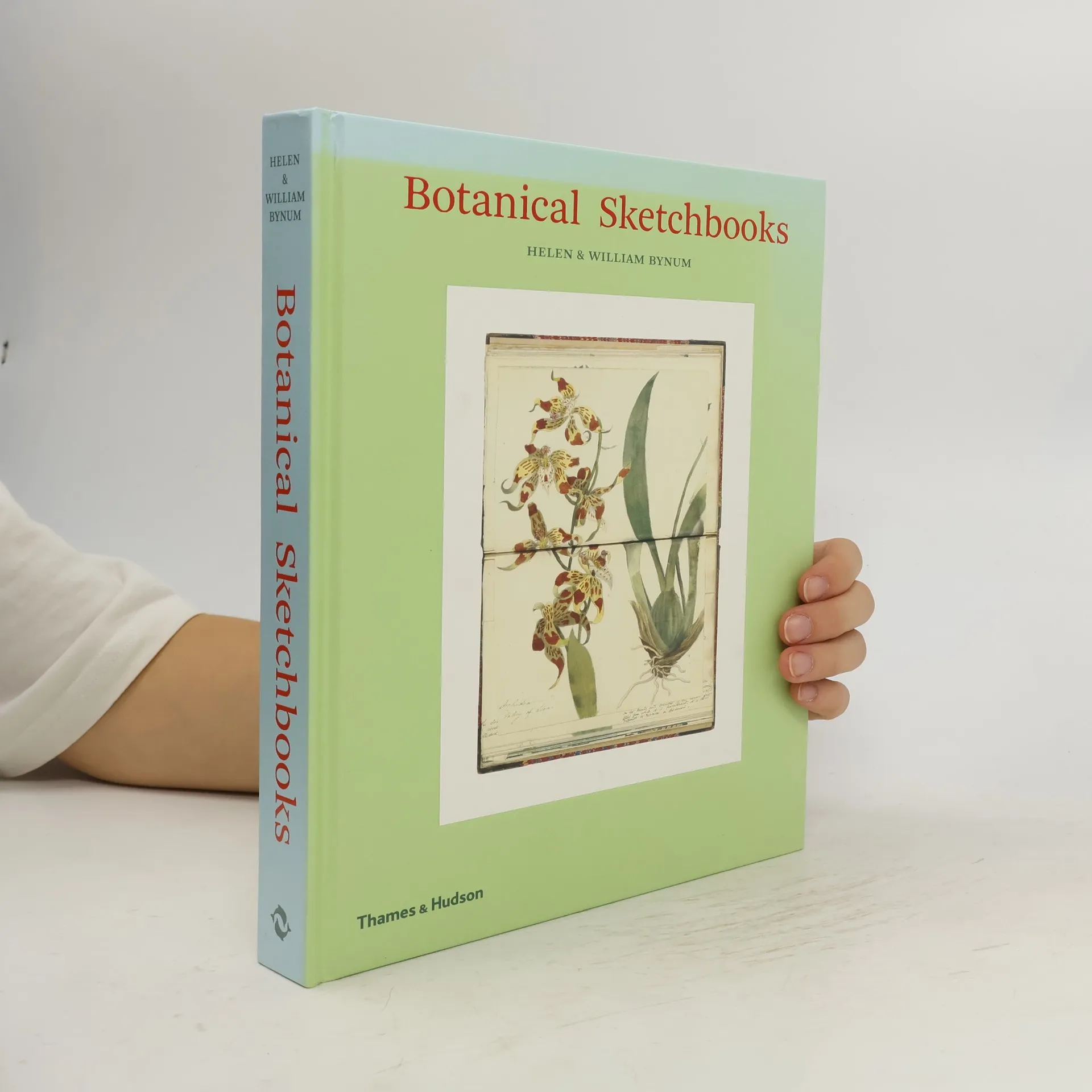
Botanical Sketchbook
- 296bladzijden
- 11 uur lezen
Illuminates a range of intriguing characters, from many different countries and cultures, including Germany, France, Italy, America, Australia, Japan and China.



Illuminates a range of intriguing characters, from many different countries and cultures, including Germany, France, Italy, America, Australia, Japan and China.
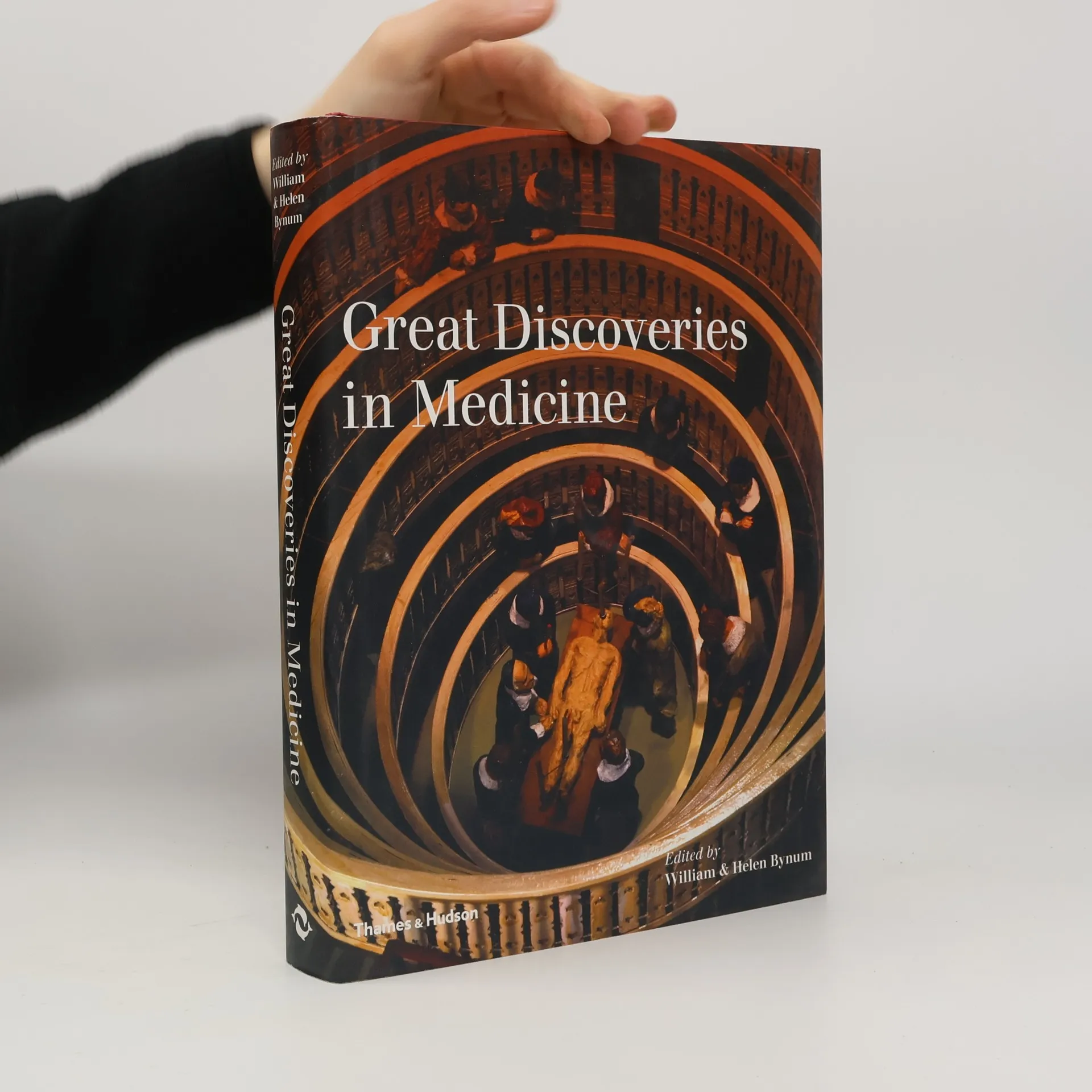
Provides an account of the evolution of medical knowledge and practice from ancient Egypt, India and China to todays technology, from letting blood to keyhole surgery, from the theory of humours to the genetic revolution.
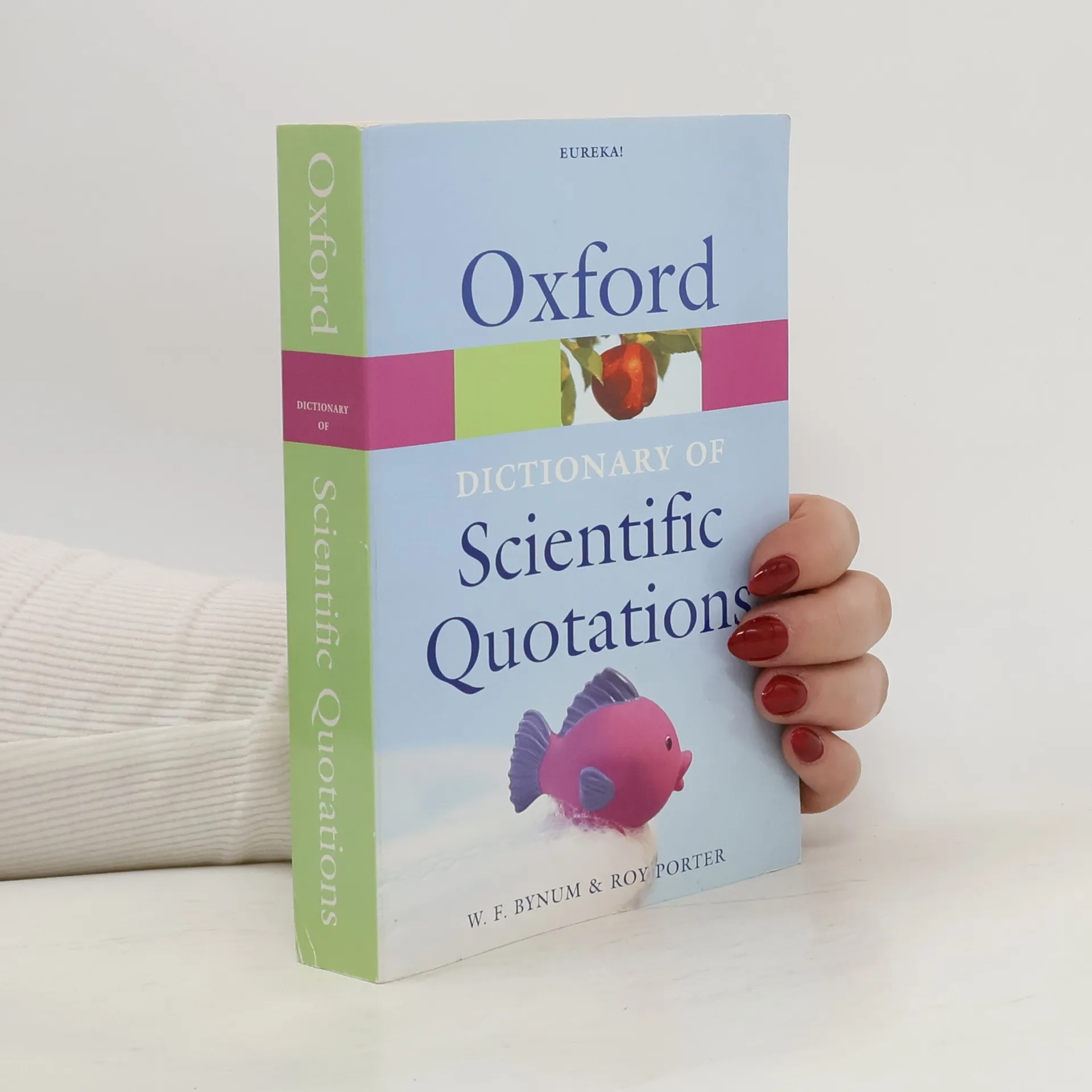
The original words announcing great scientific discoveries, from the first 'Eureka!' to the cloning of Dolly the sheep, can all be found in this fascinating addition to the world-famous Oxford Quotations series. An essential reference tool, put together over fifteen years with the assistanceof a distinguished team of specialist advisers, it includes full author descriptions, exact sources, and a word-finding index for easy reference. Scholarly but accessible, it also presents the human face of science, as scientists reflect on achievements and failures in their own lives and those ofothers. For example, you've probably already hear Darwin's own thoughts on natural selection, but how about his assessment of the pros and cons of marriage?From Archimedes to Einstein and beyond, the Oxford Dictionary of Scientific Quotations charts the progress of the great ideas of science. It is an engaging and surprising read for all lovers of science, history, or wit.
Science is fantastic. It tells us about the infinite reaches of space, the tiniest living organism, the human body, the history of Earth. People have always been doing science because they have always wanted to make sense of the world and harness its power. From ancient Greek philosophers through Einstein and Watson and Crick to the computer-assisted scientists of today, men and women have wondered, examined, experimented, calculated, and sometimes made discoveries so earthshaking that people understood the world, or themselves, in an entirely new way. This book tells the history of science. It takes readers to the stars through the telescope, as the sun replaces the Earth at the center of our universe. It delves beneath the surface of the planet, charts the evolution of chemistry's periodic table, introduces the physics that explain electricity, gravity, and the structure of atoms. It recounts the scientific quest that revealed the DNA molecule and opened unimagined new vistas for exploration. Emphasizing surprising and personal stories of scientists both famous and unsung, this book traces the march of science through the centuries. It opens a window on the exciting and unpredictable nature of scientific activity and describes the uproar that may ensue when scientific findings challenge established ideas
This Very Short Introduction explores the history of Western medicine, examining the key turning points, discoveries, and controversies in its rich history from classical times to the present.
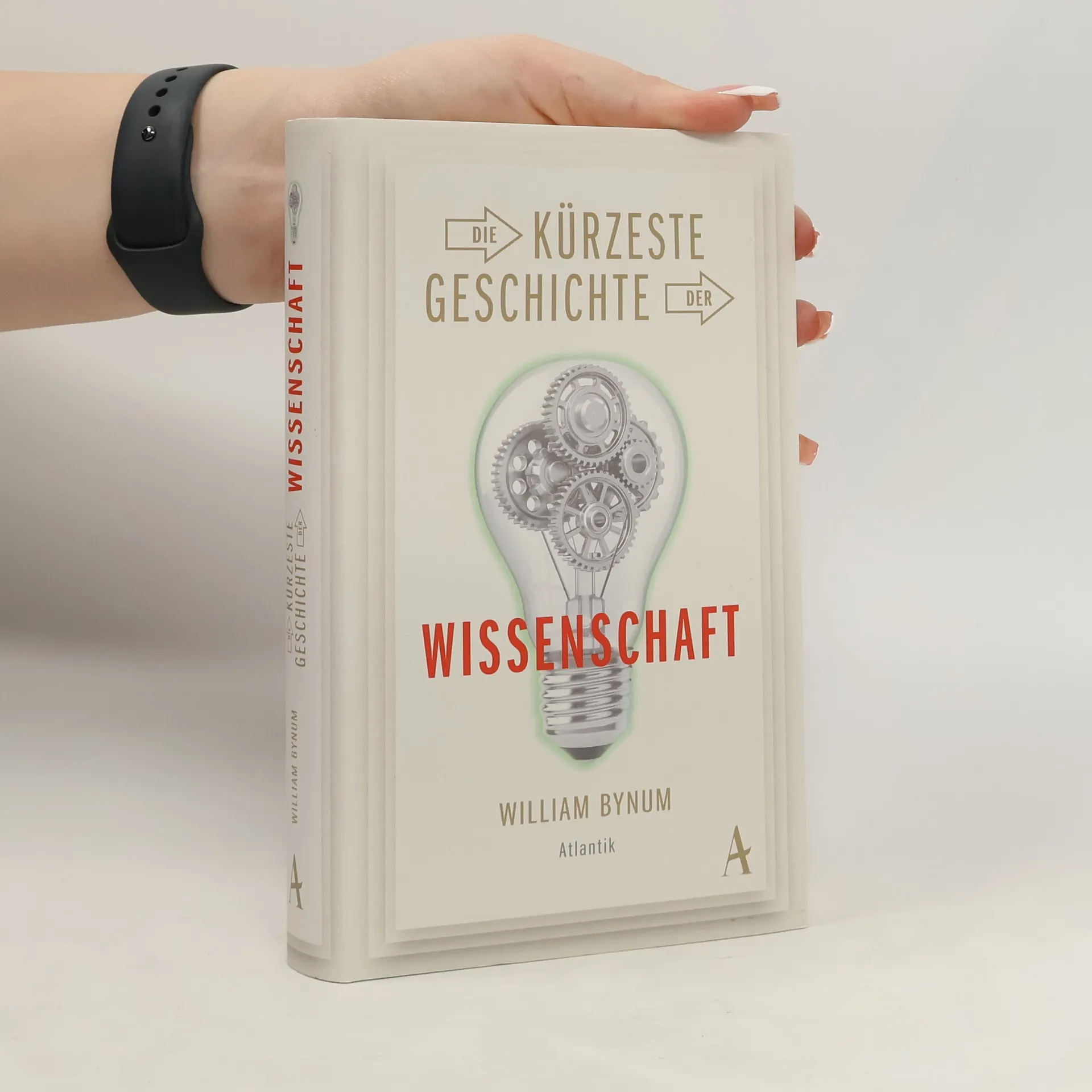
Von den alten Babyloniern zum World Wide WebWer fand heraus, dass der Mittelpunkt der Erde nicht gleichzeitig der Mittelpunkt des Universums ist? Wie kommt es, dass ein Pfeil umso weiter fliegt, je stärker man den Bogen spannt? Welche Kräfte walten bei einem Gewitter? Seit Tausenden von Jahren suchen die Menschen nach Erklärungen für das, was sie um sich herum wahrnehmen. In vierzig Kapiteln erzählt William Bynum anschaulich, spannend und anekdotenreich vom Abenteuer Wissenschaft.
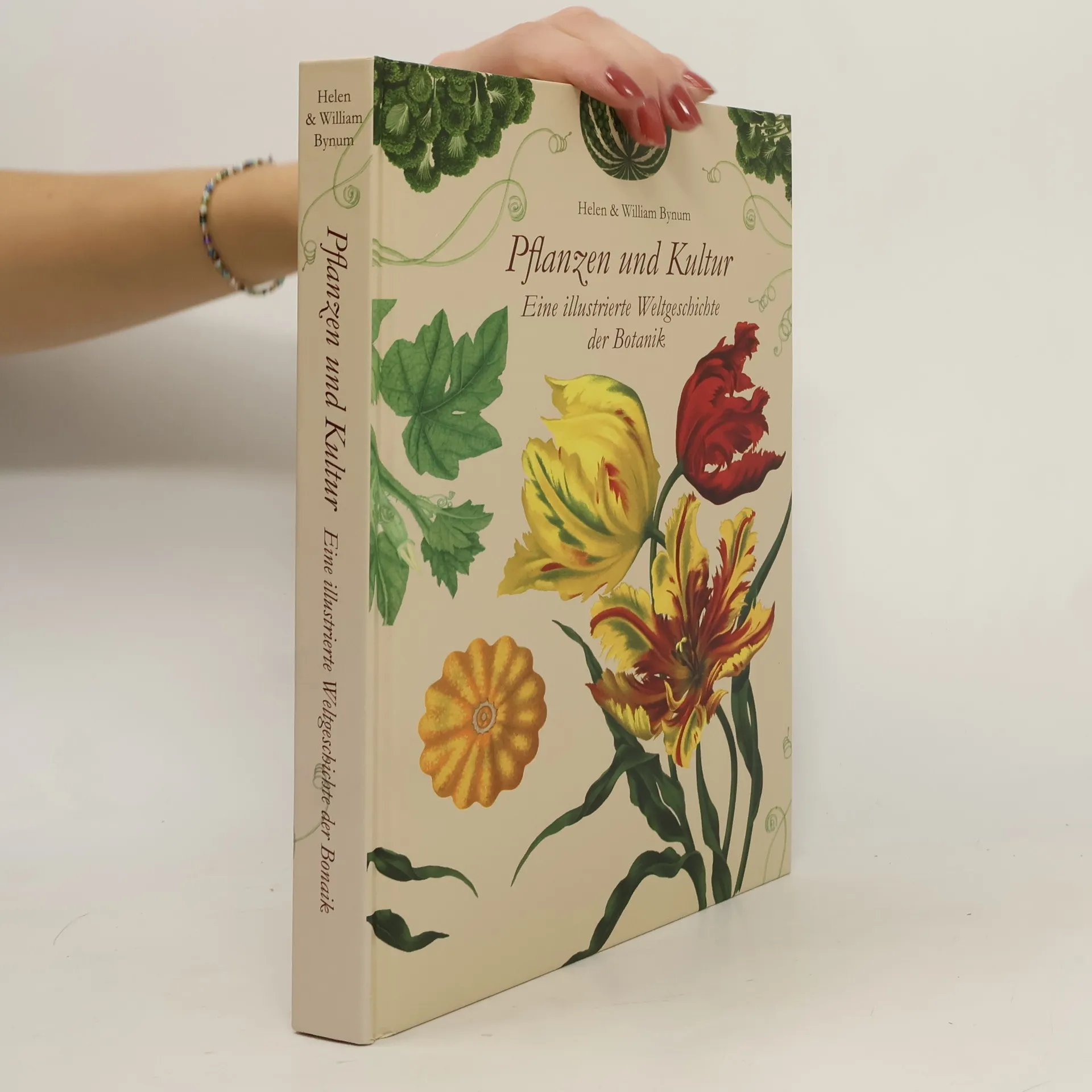
Dieses Buch, geschmückt mit 205 Bildern, darunter 174 farbige, ist eine Hommage an die Schönheit, Vielfalt und Bedeutung bemerkenswerter Pflanzen, die unsere Welt geprägt haben. Seit Tausenden von Jahren nutzen wir Pflanzen für unsere Bedürfnisse in Ernährung, Unterkunft, Bekleidung, Transport und Heilung. Obwohl wir heute den Komfort moderner petrochemischer Produkte genießen, sind wir nach wie vor in gleichem Maße auf Pflanzen angewiesen. Pflanzen bilden die Grundlage unserer Nahrungskette, und trotz aller Kreativität konnten wir dies nicht ändern. In einer zunehmend urbanisierten Welt ist es von großer Bedeutung, dass Pflanzen als grüne Lunge für Großstädte fungieren und den Stadtbewohnern Trost und Ruhe bieten. Die schnell schrumpfenden und zunehmend rar werdenden wilden Naturflächen sind heute wertvoller denn je. Dieses Buch behandelt die Welt der Pflanzen und ihre vielfältigen Mitglieder, die unseren Übergang von der Jäger- und Sammlergesellschaft zur Landwirtschaft begleitet haben.