Ian Ward Boeken


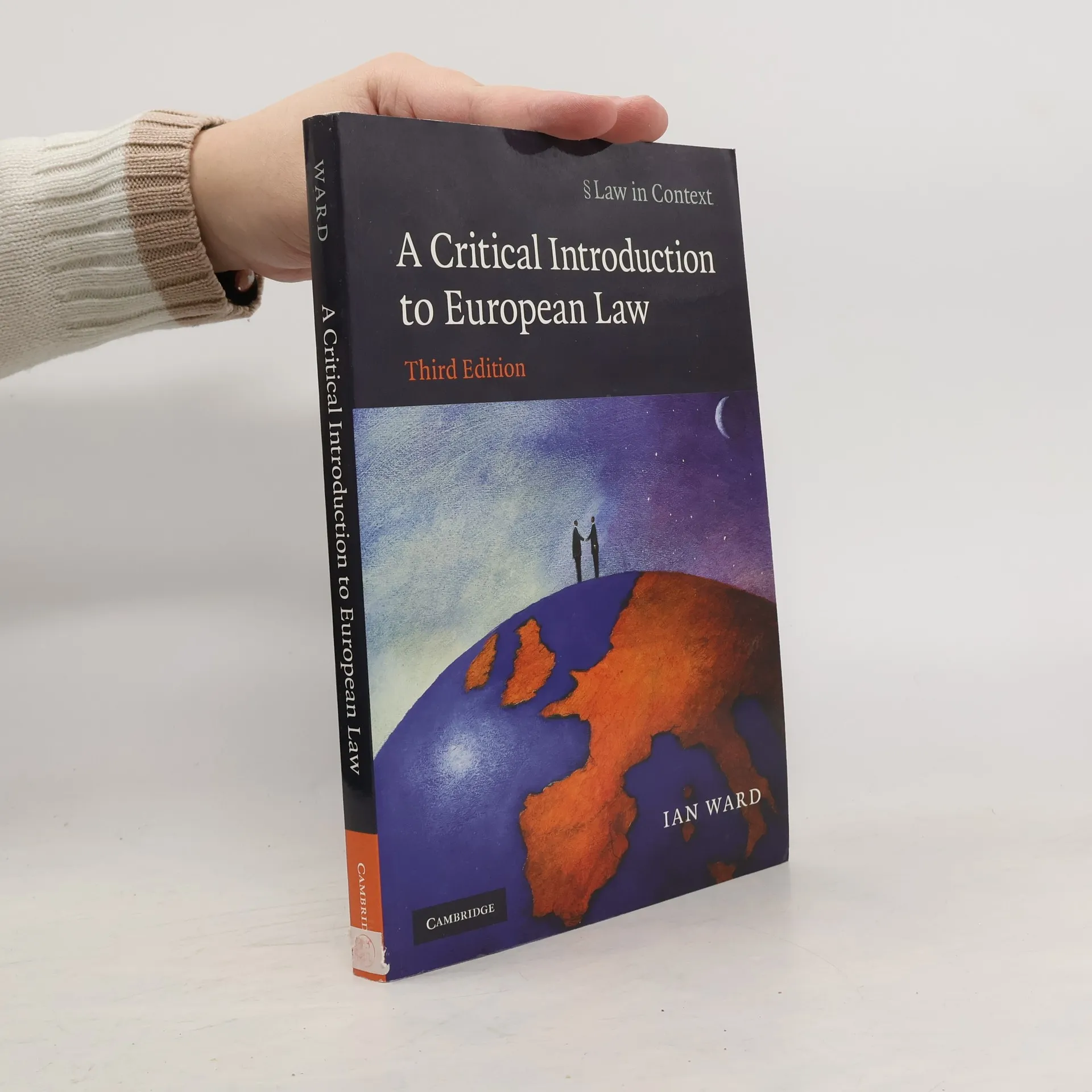
A Critical Introduction to European Law
- 316bladzijden
- 12 uur lezen
The third edition offers a comprehensive introduction to the historical development and institutional framework of European Union law. It delves into the evolution of legal principles and the structure of EU institutions, providing readers with a thorough understanding of how EU law operates within the broader context of European governance. This edition includes updated content reflecting recent legal developments, making it an essential resource for students and professionals interested in EU law.
Exploring the intersection of law and literature, this work delves into how legal principles and concepts can illuminate literary texts. It examines the ways in which narratives reflect, critique, and shape legal systems, offering a unique perspective on both fields. By analyzing various literary works through a legal lens, the book highlights the intricate relationship between storytelling and law, revealing deeper insights into societal norms and ethical dilemmas.

One of the iconic moments in English history, the trial and execution of King Charles I has yet to be studied in-depth from a contemporary legal perspective. Professor Ian Ward brings his considerable legal and historical acumen to bear on the particular constitutional issues raised by the regicide of Charles, and not only analyses the unfolding of events and their immediate historical context, but also draws out their wider importance and legacy for the generations of historians, politicians, and writers over the ensuing three and a half centuries. This is a book about constitutional history and thought, but also about the writing of constitutional history and thought and the forms they have taken -whether as scholarship, polemics, or literary experiments - in collective British memory. Chapters range from the events leading up to and through the trial and execution of Charles; to their theatricality, legality, and constitutionality; to the political writings such as Milton's Tenure of Kings and Hobbes' Leviathan that followed; and finally trace the various subsequent histories and trials of Charles I that presented him either as martyr, Tory or -- in the 18th and 19th centuries -- the Whig.