

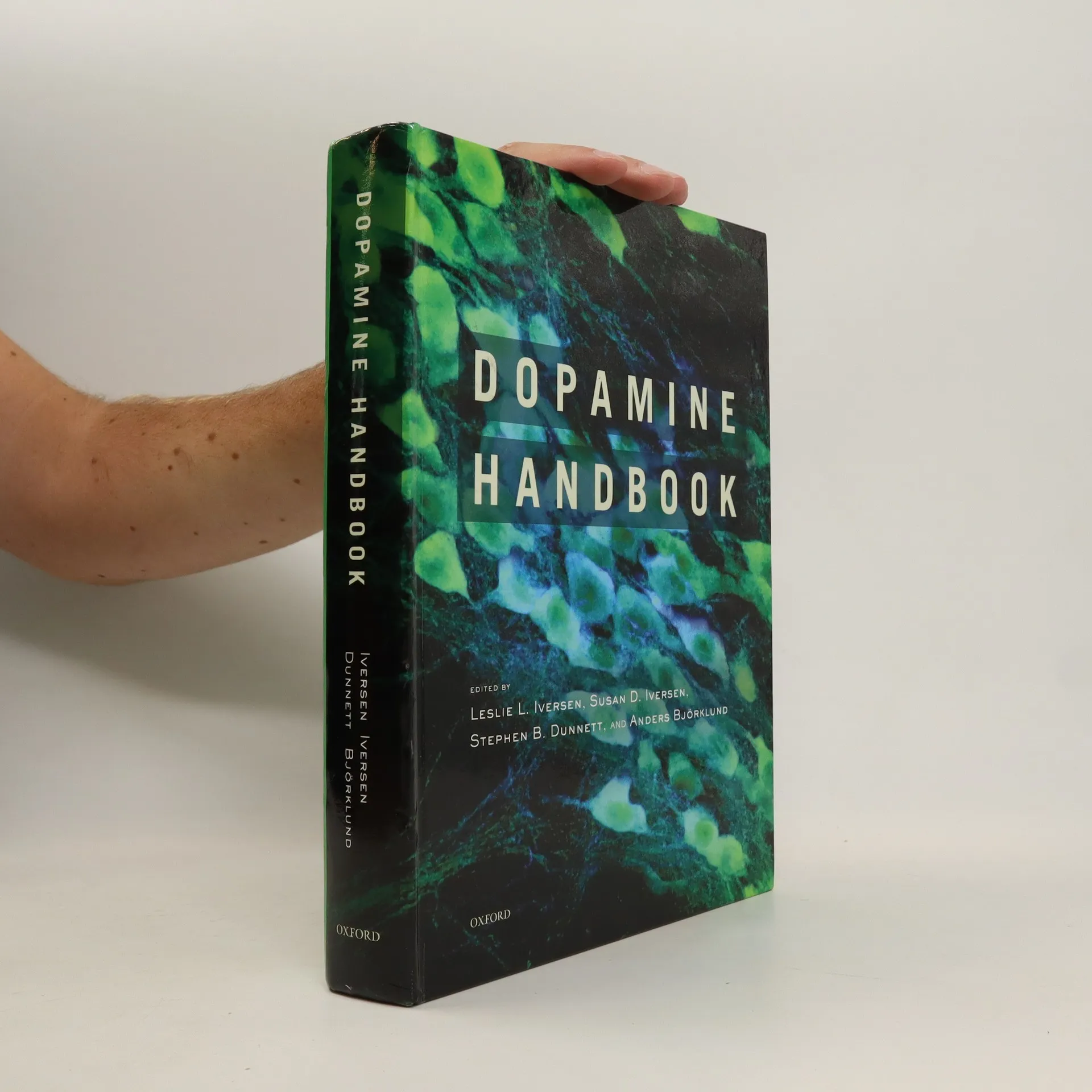
The discovery of dopamine in 1957-1958 was one of the seminal events in the development of modern neuroscience, and has been extremely important for the development of modern therapies of neurological and psychiatric disorders. Dopamine has a fundamental role in almost all aspects of from motor control to mood regulation, cognition and addiction and reward, and dopamine research has been unique within the neurosciences in the way it has bridged basic science and clinical practice. Over the decades research into the role of dopamine in health and disease has been in the forefront of modern neuroscience. The Dopamine Handbook is the first single-volume publication to capture current progress and excitement in this dynamic research field.
Leslie L. Iversen Boeken
Deze auteur duikt in de ingewikkelde neurochemie van synaptische transmitters. Hun werk onderzoekt de fundamentele mechanismen die de hersenfunctie en het gedrag sturen. Lezers kunnen een diepgaande verkenning verwachten van de werking van het zenuwstelsel. Dit werk is essentieel voor iedereen die geïnteresseerd is in het wetenschappelijke begrip van de geest.
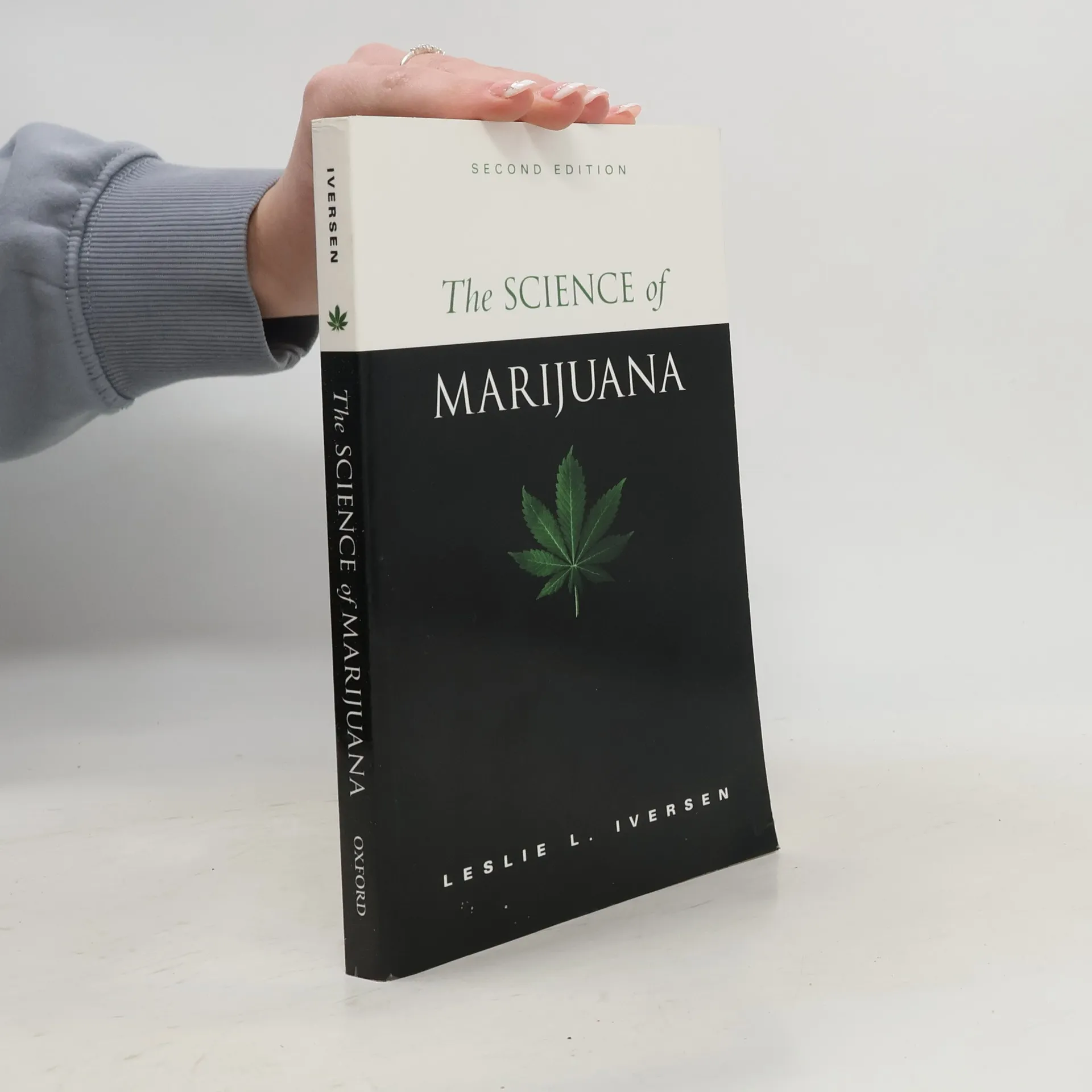
In The Science of Marijuana Leslie Iversen explains the remarkable advances that have been made in scientific research on cannabis with the discovery of specific receptors and the existence of naturally occurring cannabis-like substances in the brain. Dr. Iversen provides an objective and up-to-date assessment of the scientific basis for the medical use of cannabis and what risks this may entail. The recreational use of the drug and how it affects users is described along with some predictions about how attitudes to cannabis may change in the future.
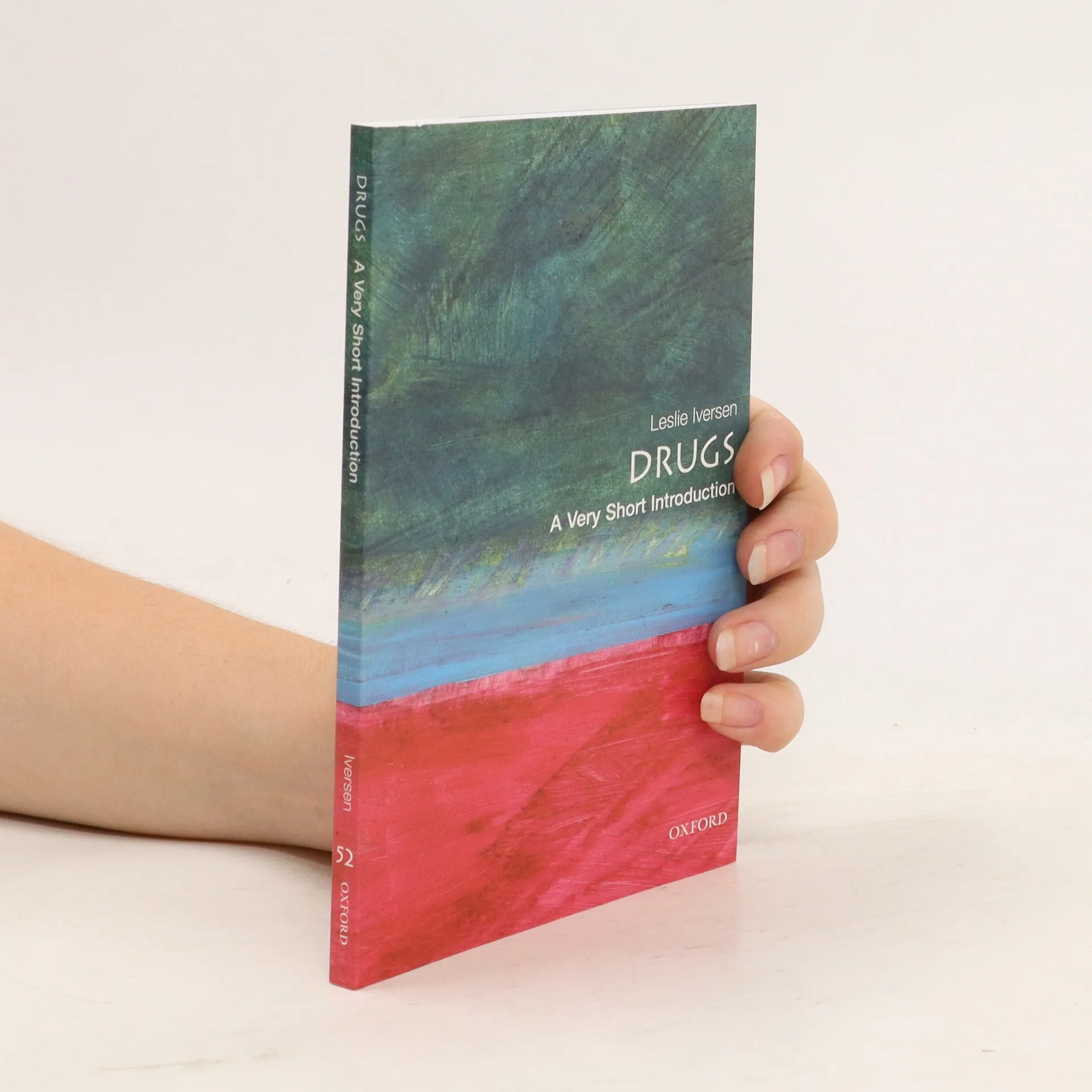
Drugs: A Very Short Introduction
- 144bladzijden
- 6 uur lezen
The twentieth century saw a remarkable upsurge of research on drugs, with major advances in the treatment of bacterial and viral infections, heart disease, stomach ulcers, cancer, and mental illnesses. These, along with the introduction of the oral contraceptive, have altered all of our lives.There has also been an increase in the recreational use and abuse of drugs in the Western world. This Very Short Introduction gives a non-technical account of how drugs act on the body and how therapeutic drugs are developed and tested, then goes on to review both legal (prescription, alcohol,nicotine, and caffeine) and illegal drugs, and discuss current ideas about why some drugs are addictive, and whether drug laws need reform.