Theaster Gates confronts German and American legacies of racism through the life of Jesse Owens Guided by the forms of solidarity found within Black communities, American artist Theaster Gates (born 1973) creates visionary installations that transform public spaces into places of artistic and cultural intervention. In Black Chapel , Gates explores recent German and American history through the life of the great African American athlete Jesse Owens. In this expansive exhibition, Gates responds directly to the architecture of Haus der Kunst’s massive Middle Hall, exposing it to a complex and politically charged narrative. Alongside Owens’ complete and fully illustrated record collection being made available for the first time, the exhibition consists of several large pavilions containing sculptures, photographs and documents, as well as huge illuminated rotating panels displaying photographs from the archives of Ebony and Jet , two magazines that contributed significantly to the dissemination of Black culture in the United States. This interplay of sculpture and photography interrogates Black history, spirituality and representation, and recasts them visually.
Anna Schneider Boeken


'Hamid Zénati. All-Over' is a richly illustrated monograph dedicated to the vibrant oeuvre of the artist Hamid Zénati (b. 1944 Constantine, Algeria; d. 2022 Munich, Germany).Travelling between Munich and Algiers, Zénati's artistic practice ranged from painting and textiles to interior and fashion design to photography, always driven by an anarchic impetus to create.This first monograph on the artist features textile works from a five decade-long career and provides insight into the artist's distinct cosmos for the first time.The publication encompasses diverse perspectives by leading thinkers on art and culture.With contributions by Wassila Bedjaoui, Andrea Lissoni, Natasha Marie Llorens, Chus Martínez, Duro Olowu, and Anna Schneider.Published on occasion of the exhibition 'Hamid Zénati. All-Over', 13 Mar - 23 Jul 2023, Haus der Kunst, Munich.This was the first institutional exhibition dedicated to the artist's work.English with a German supplement.
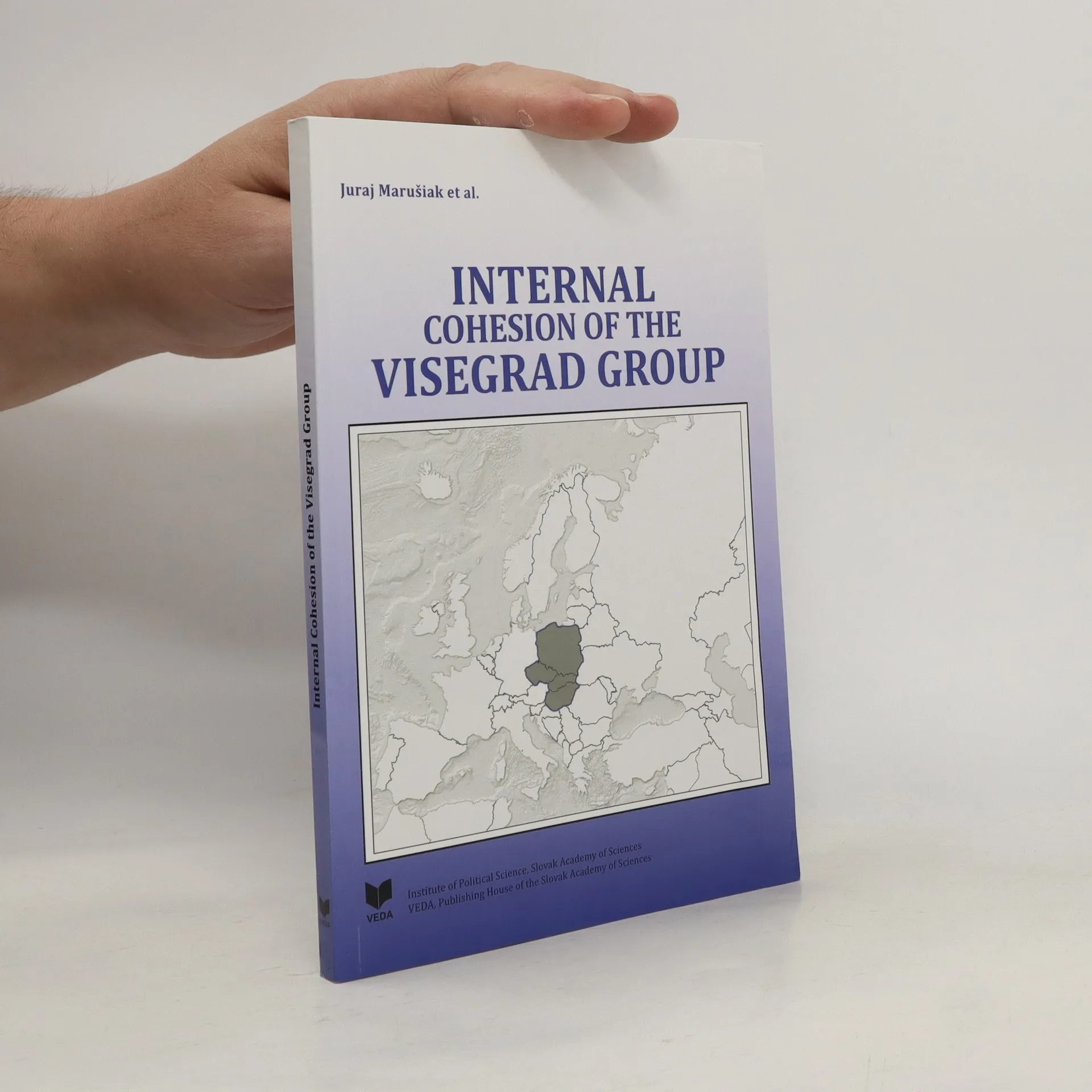
Internal cohesion of the Visegrad group
- 178bladzijden
- 7 uur lezen
This publication analyzes the existence of a commonly shared identity within the Visegrad Group and identifies integrative factors among its members. The authors explore historical identities, memory, economic cohesion, and the role of Visegrad topics in university education and political culture. It concludes that Visegrad cooperation is primarily interest-based rather than identity-driven, though citizens recognize it as a significant regional entity. The perception of Visegrad as a "brand" by both domestic and foreign political elites contributes to regional identity formation. However, political leaders' motivations remain pragmatic rather than rooted in a sense of belonging. External factors, such as the EU and geopolitical crises, exert a stronger influence on V4 cooperation than internal pressures. The V4 is viewed as a more successful transition and integration project compared to other post-communist states, despite notable disparities in economic development, living standards, and political behavior. Central and Eastern Europe, including Visegrad, continues to be peripheral within the EU, though EU membership fosters stability and mitigates marginalization. A concerning trend is the decline in democracy and rise in authoritarianism, driven by pragmatic political objectives rather than deliberate strategies. Nonetheless, Visegrad remains a stable zone compared to other European regions, attributed to successful reform
Zborník príspevkov z medzinárodnej vedeckej konferencie, ktorá sa konala v dňoch 29.-30. septembra 2015. Zborník je delený do troch sekcií – Problematika ukončenia 2. svetovej vojny v historickom kontexte, Vojna ako extrémna forma riešenia medzinárodných vzťahov a Problémy globalizácie sveta.
This publication charts the Haus der Kunst München exhibition 'Trace--Formations of Likeness.', drawn exclusively from The Walther Collection.The exhibition explores portrait photography and the tracing of societal transformation across geographic spaces as well as contrasting socio-political and cultural landscapes.Portrait photography has been deployed as a means to shape identity, to advocate for social change, and as a subversive strategy for visibility, often through an intimate investigation of the politics of memory, history, and embodiment.This book encompasses works from the last two hundred years and brings together artists from Africa, the Americas, Europe, and Asia.The juxtaposition of archival, documentary, and vernacular photography offers a global context to reflect on the divergent trajectories of historical and contemporary photography today.Collectively, these works showcase the medium's capacity as both an instrument for empowerment and a formation of the self, as well as its complex uses as a tool for control and subjugation.Features an essay by British curator and cultural historian Mark Sealy.Artists include: anonymous artists and Ai Weiwei, Jane Alexander, Dieter Appelt, Richard Avedon, Martina Bacigalupo, Sammy Baloji, Yto Barrada, Bernd & Hilla Becher, Jodi Bieber, Karl Blossfeldt, Candice Breitz, Cang Xin, Edson Chagas, Kudzanai Chiurai, Mitch Epstein, Em'kal Eyongakpa, and others.
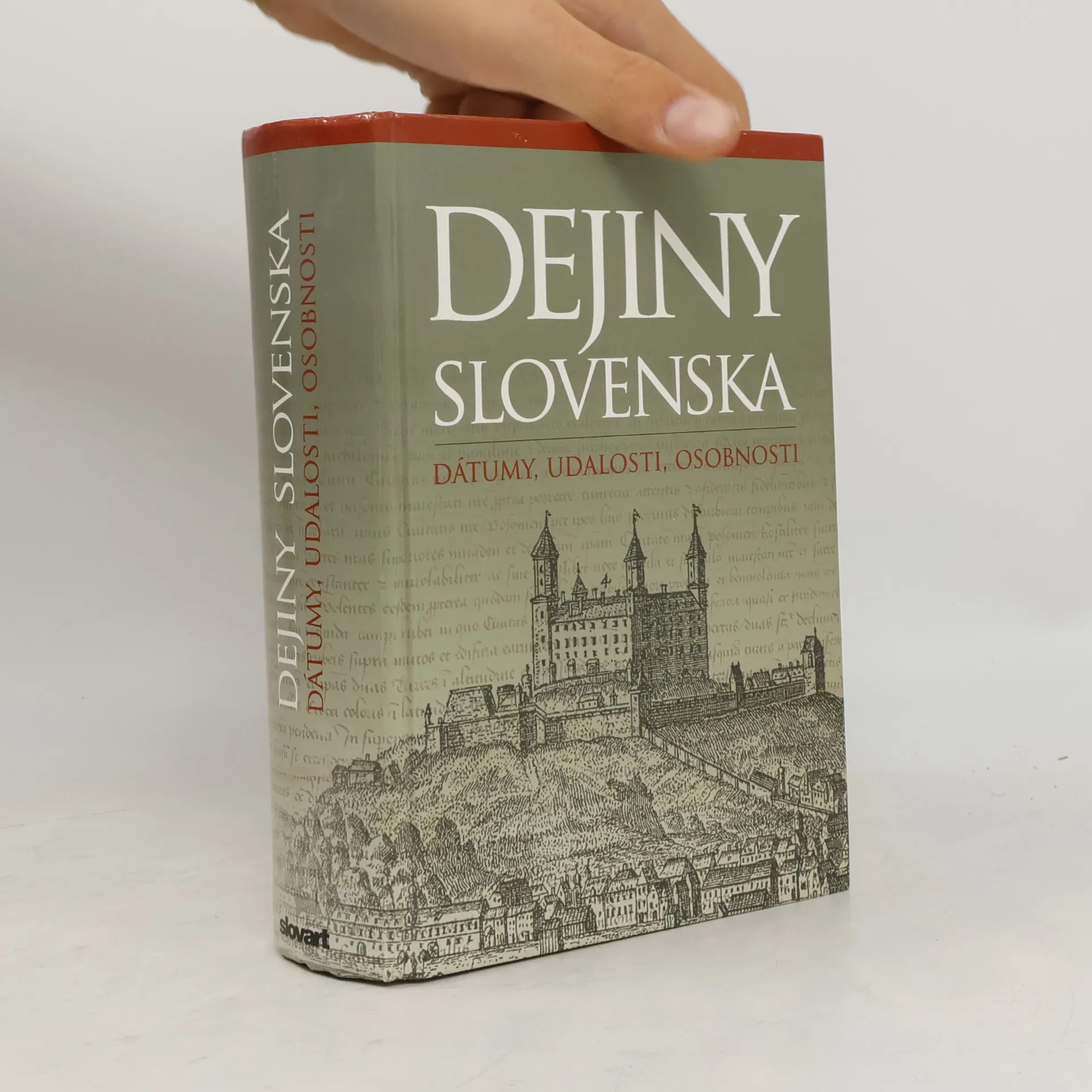
Dejiny Slovenska: dátumy, udalosti, osobnosti
- 882bladzijden
- 31 uur lezen
Kolektív autorov-historikov v chronologickom prehľade udalostí podrobne mapuje dejiny Slovenska od praveku až po súčasnosť. Koncept knihy nadväzuje na dnes už štandardnú príručku českého historika doc. Františka Čapka Dějiny zemí koruny české v datech, ktorá vyšla v českom vydavateľstve Libri a veľmi úspešne sa etablovala na českom trhu. Prvoradou úlohou publikácie je priblíženie kľúčových dátumov viažucich sa na územie Slovenska, no keďže Slovensko bolo dlhý čas súčasťou väčších štátnych celkov, spomenuté sú aj historické udalosti, ktoré sa odohrali mimo jeho územia a mali vplyv na vývoj našej krajiny.
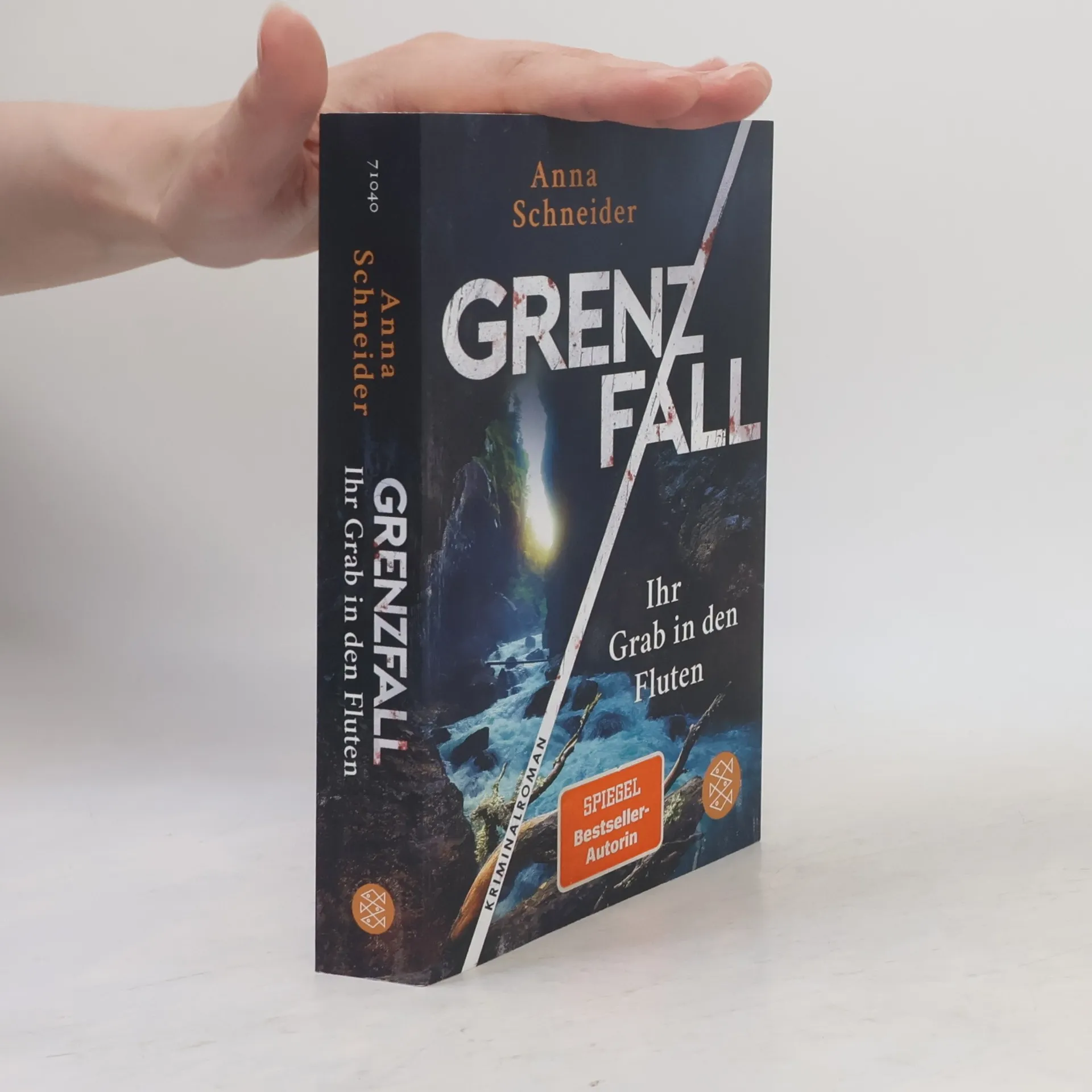
Grenzfall – Ihr Grab in den Fluten
Kriminalroman | Die grenzüberschreitende Bestseller-Serie zwischen Deutschland & Österreich
- 400bladzijden
- 14 uur lezen
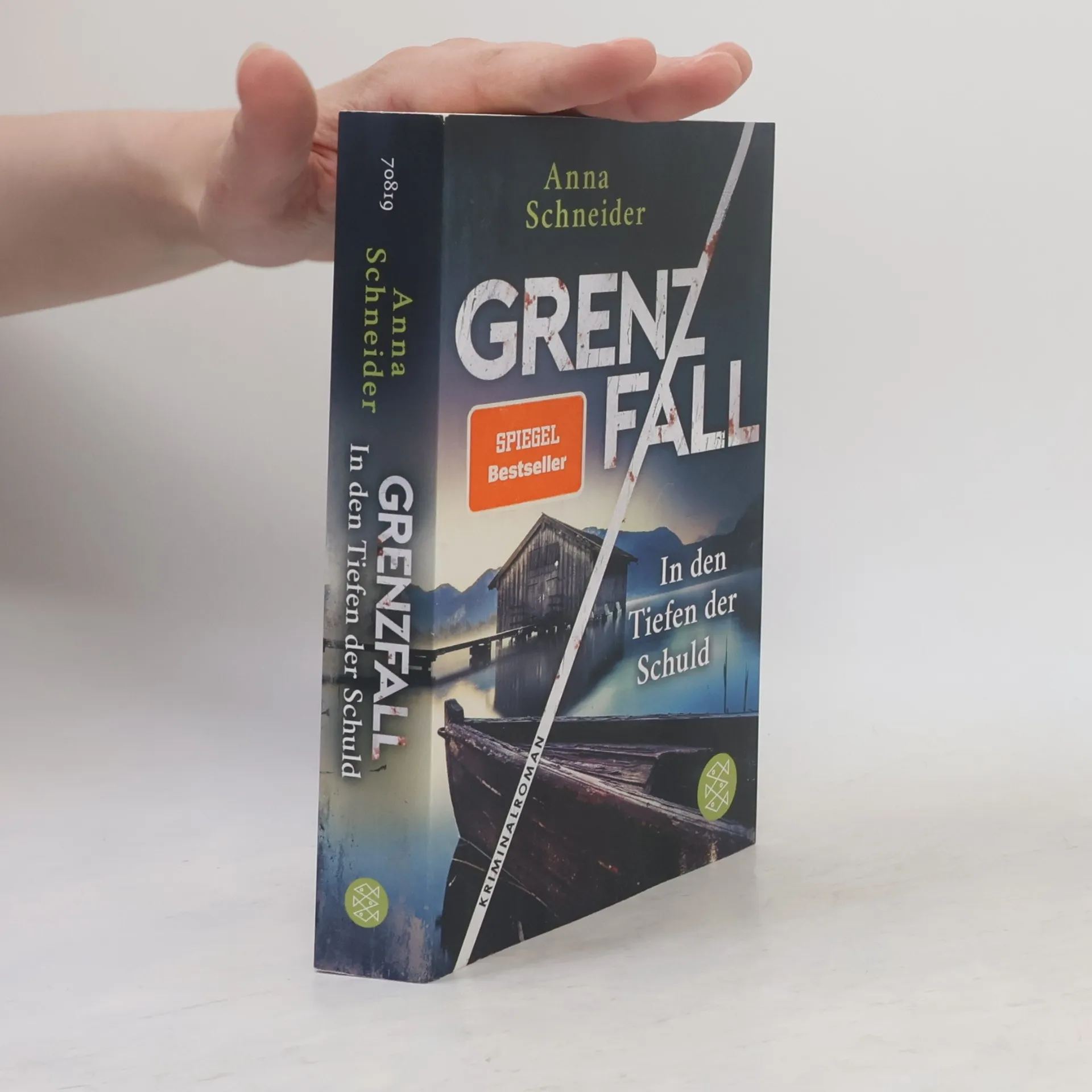
»Lassen Sie sich mit der Grenzfall-Serie auf die dunkle Seite der Alpen entführen. Allerfeinste Krimiunterhaltung!« Romy Fölck Das Böse sprengt jede Grenze – der sechste Band der SPIEGEL-Bestseller-Serie um das deutsch-österreichische Ermittlerteam Alexa Jahn und Bernhard Krammer Bei Oberkommissarin Alexa Jahn steht das Telefon nicht mehr still. In der Grenzregion Karwendel sind in Folge heftiger Unwetter die Flüsse über die Ufer getreten, und die Wassermassen reißen alles mit sich. Zahlreiche Personen gelten bereits als vermisst, und es werden von Minute zu Minute mehr. Auch auf österreichischer Seite wütet der Sturm, doch Chefinspektor Bernhard Krammer, der nach einer Verletzung im Dienst noch nicht wieder voll im Einsatz ist, versucht einen kühlen Kopf zu bewahren. Als kurz darauf ein Toter in einer Schlucht gefunden wird, stellen die Einsatzkräfte fest, dass der Mann nicht ertrunken ist. Er wurde ermordet. Wer hat das Chaos ausgenutzt, um ihn zu töten? Alexa Jahn nimmt trotz der kritischen Lage sofort die Ermittlungen auf. Und gerät dabei mitten in eine Tragödie ungeahnten Ausmaßes, die vor vielen Jahren ihren Anfang nahm. Jeder Band der SPIEGEL-Bestsellerserie behandelt einen eigenständigen und abgeschlossenen Fall, alle Bände können unabhängig voneinander gelesen werden.
Slovník je užitočný pre tých, ktorí začínajú budovať svoju kariéru, ako aj pre tých, ktorí už pracujú na rôznych manažérskych pozíciách. Určite bude dobrou pomôckou aj pre zahraničných expertov pôsobiacich na Slovensku, ktorí sa chcú zdokonaliť v odbornej terminológii v slovenskom jazyku.
Aktualizované 5-dielne vydanie učebnej sady pre stredné školy
Publikácia obsahuje úplné znenie zákona č. 161/2015 Z.z. Civilný mimosporový poriadok s účinnosťou od 1. júla 2016.
Publikácia obsahuje aktualizované úplné znenie Občianskeho zákonníka s účinnosťou od 1. júla 2016, aj s výraznenými novými zmenami poslednej novelizácie, zákonom č. 91/2016 Z.z. a č. 125/2016 Z.z.
Publikácia obsahuje aktualizované úplné znenie Autorského zákona č. 185/2015 Z.z. s právnym stavom k 15. septembru 2016, so zmenami poslednej novelizácie zákona č. 125/2016 Z.z.
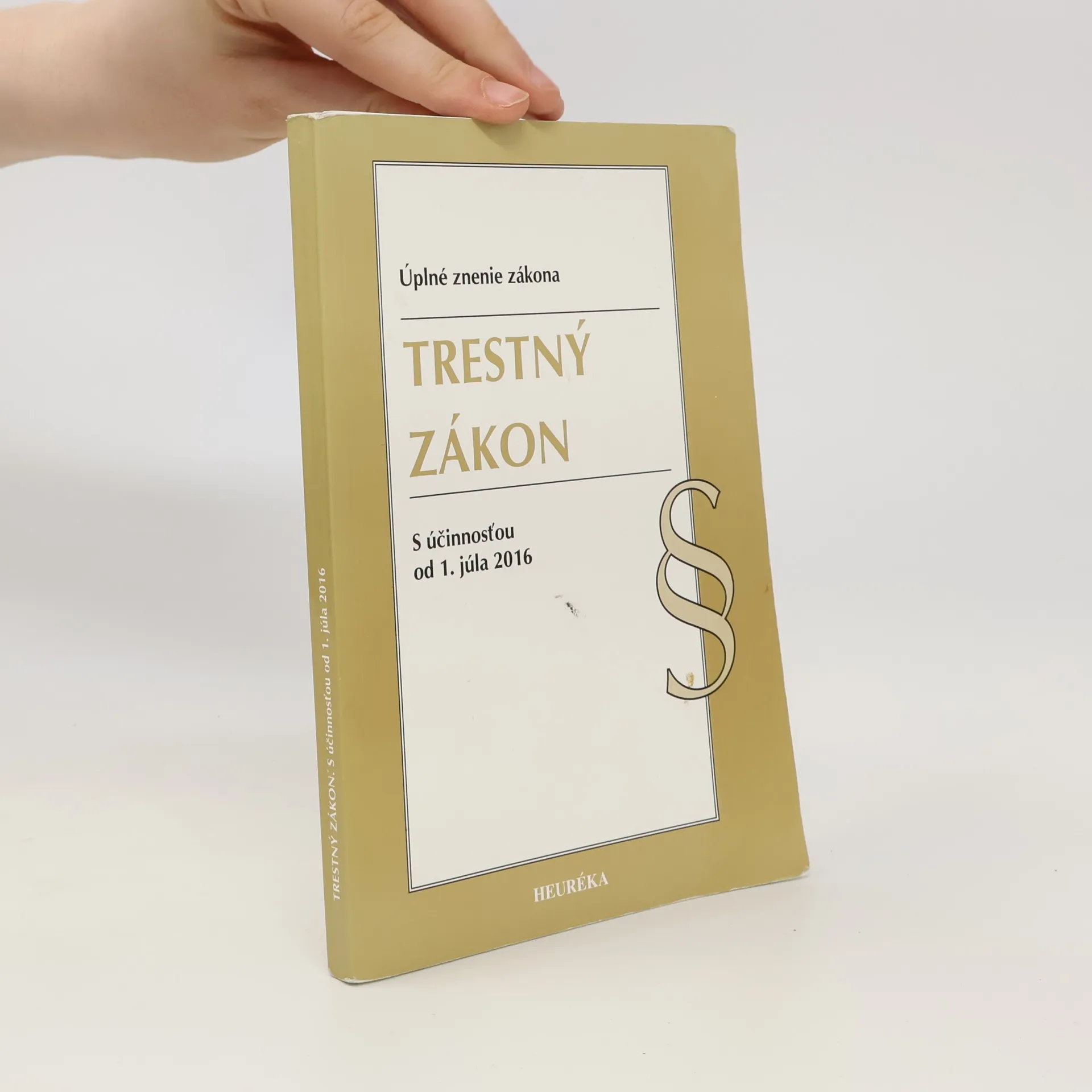
Publikácia obsahuje aktualizované úplné znenie Trestného zákona s účinnosťou od 1. júla 2016, aj s výraznenými novými zmenami poslednej novelizácie, zákonom č. 91/2016 Z.z. a č. 125/2016 Z.z.
Grenzfall
- 400bladzijden
- 14 uur lezen
"Chefinspektor Bernhard Krammer steht geschockt in der Wohnung seiner Kollegin Roza Szabo in Innsbruck. In ihrem Wohnzimmer liegt eine männliche Leiche mit einer Tauchermaske. Doch von Roza selbst fehlt jede Spur. Was ist geschehen? Warum hat sie nicht die Kollegen alarmiert, sondern ist wie vom Erdboden verschwunden? Als klar ist, dass Roza das letzte Mal am Walchensee gesehen wurde, bittet Krammer Oberkommissarin Alexa Jahn von der Inspektion Weilheim um Hilfe. Aber Rozas Spur verliert sich am See. Die Ermittlungen geraten zusehends ins Stocken, doch eines wird immer klarer: Jemand ist hinter Roza her. Und wenn Alexa und Krammer sie nicht rechtzeitig aufspüren können, wird sie mit ihrem Leben bezahlen." --
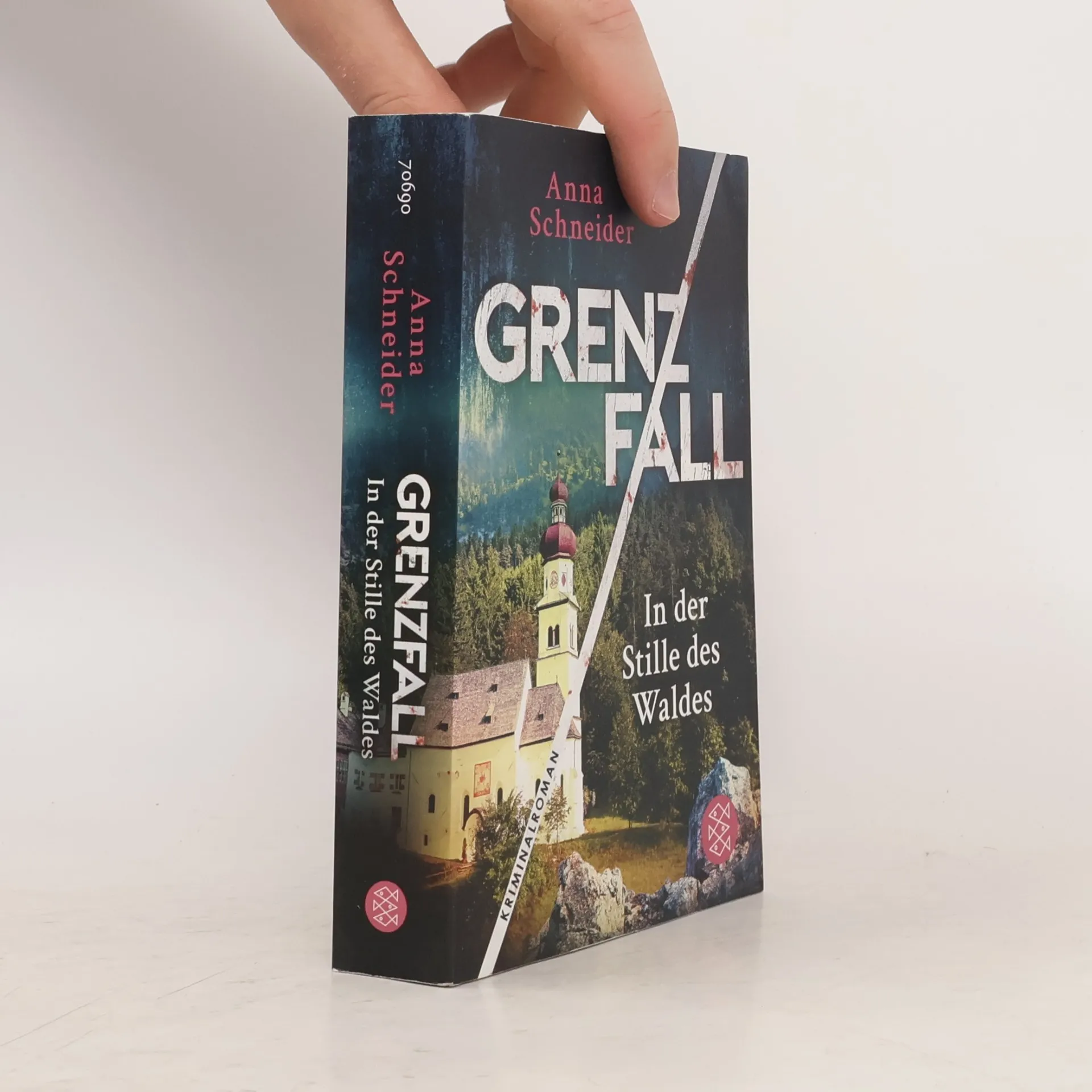
»Lassen Sie sich mit der Grenzfall-Serie auf die dunkle Seite der Alpen entführen. Allerfeinste Krimiunterhaltung!« Romy Fölck Der dritte Band der SPIEGEL-Bestseller-Serie um das deutsch-österreichische Ermittlerteam Alexa Jahn und Bernhard Krammer Ratlos begutachtet Chefinspektor Bernhard Krammer den Fund auf einer Baustelle am Ortsrand von Gnadenwald in Tirol. Zwei präparierte Dachse, in deren Inneren Babykleidung versteckt wurde. Weshalb? Und wer hat die ausgestopften Tiere vergraben? Zur gleichen Zeit erholt sich Oberkommissarin Alexa Jahn in Lenggries von einer Schussverletzung. Bis ein ehemaliger Kollege aus Aschaffenburg mit schlechten Nachrichten vor der Tür steht: In einem alten Fall wurde der Falsche verhaftet. Alexa macht sich Vorwürfe – hat sie damals bei den Ermittlungen etwas übersehen? Während sie den Fall neu aufrollt, kommt Krammer einer Tragödie auf die Spur, deren wahres Ausmaß zunächst niemand ahnt. »Mein Fazit: Besser kann man einen Krimi nicht schreiben.« Deutschlandfunk Kultur, Mike Altwicker »Hochspannend ... genial fügen sich wie bei einem Puzzle alle Teile zusammen.« Süddeutsche Zeitung Band 3 der packenden Krimiserie in der Grenzregion Deutschland – Österreich
Blut ist im Schuh
- 256bladzijden
- 9 uur lezen
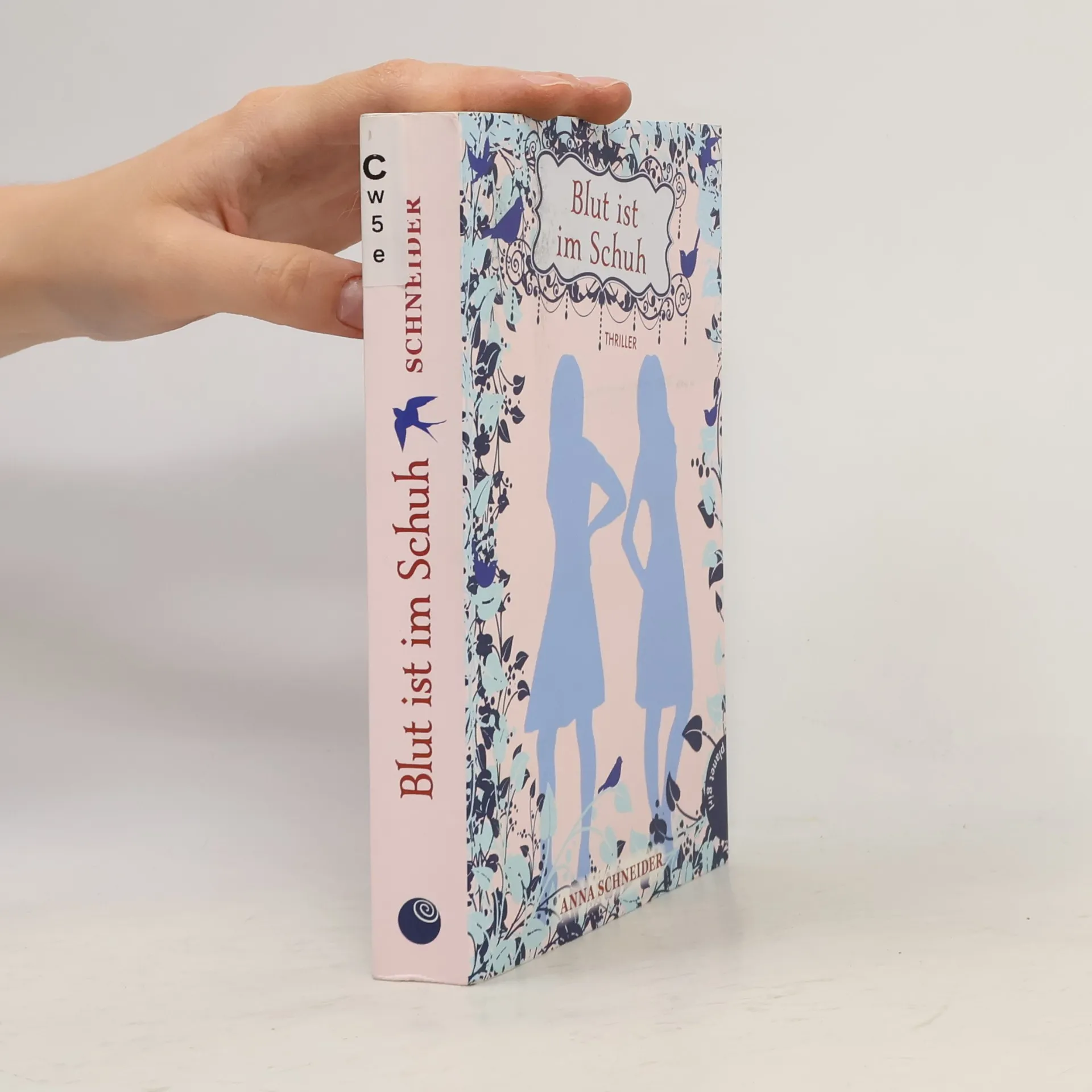
Die Frau hatte zwei Töchter ins Haus gebracht, die schön und weiß von Angesicht waren, aber garstig und schwarz von Herzen. Gespenstische Stille liegt über dem Friedhof - Amelies einzigem Zufluchtsort vor den Bosheiten ihrer Stiefschwester. Sarah hatte sie bestohlen, gedemütigt, verletzt. Wie weit würde sie noch gehen? Schon spürt Amelie wieder das Stechen im Nacken, wie von eiskalten Augen, die ihr überallhin folgen. Ihr einziger Hoffnungsschimmer ist der Abschlussball mit Ben: Wird er sie wach küssen aus diesem Albtraum?
Krizová intervence pro praxi
- 196bladzijden
- 7 uur lezen
Základy krizové intervence, která v sobě integruje různé formy pomoci, jejichž cílem je obnova psychické rovnováhy jedince postiženého kritickou životní situací, událostí. Krizová intervence je praktická okamžitá pomoc klientovi v krizové životní situaci zahrnující psychologickou, lékařskou, sociální a právní pomoc. Kniha je vyčerpávajícím průvodcem činnostmi a aktivitami, které pomáhají lidem, kteří utrpěli vztahovou, materiální či psychickou ztrátu, nebo byli vystaveni násilí (rodinné, sexuální násilí). Text je doplněn jednotlivými příběhy z praxe autorů. Publikace je určena pracovníkům v pomáhajících profesích. První vydání.
Grenzfall – ihre Spur in den Flammen
- 400bladzijden
- 14 uur lezen
In der Grenzregion Karwendel bringt ein heftiger Schneefall das Leben zum Stillstand. Inmitten des Chaos verschwindet eine junge Frau auf dem Weg zu ihrem Elternhaus in der Jachenau. Gleichzeitig werden in Innsbruck zwei Studentinnen aus einem Wohnheim vermisst. Das Ermittlerteam Alexa Jahn und Bernhard Krammer hat es schwer, grenzübergreifend zusammenzuarbeiten, als zwei weitere Vermisstenmeldungen eingehen. Die Fälle scheinen miteinander verbunden zu sein, und ein Zufall ist ausgeschlossen. Bernhard Krammer wird von einem unguten Gefühl beschlichen, das ihn an einen alten Fall erinnert. Bevor er Alexa Jahn darüber informieren kann, begeht sie jedoch einen folgenschweren Fehler. Die komplexe Handlung und die düstere Atmosphäre machen diesen Kriminalfall zu einem fesselnden Leseerlebnis. Die Kritiken loben die packende Erzählweise und die Entwicklung der Charaktere, während die Spannung bis zur letzten Seite aufrechterhalten wird. Dies ist der zweite Band einer packenden Krimiserie, die die Leser in die geheimnisvolle und gefährliche Grenzregion zwischen Deutschland und Österreich entführt.
Kolektívna vedecká monografia 'Poetika a politika. Umenie a päťdesiate roky', ktorá vznikla pod vedení Jeleny Pastekovej reprezentuje spoluprácu viacerých ústavov SAV. Okrem štyroch literárnych vedcov na projekte participovali odborníci z oblasti všeobecnej histórie, divadla, filmu, televíznej tvorby a hudby. Z hľadiska dotykov umenia a totalitnej moci predstavujú päťdesiate roky materiál plný vnútorného dramatizmu, ktorý určoval represívny politický diktát a nedokončená liberalizačná vlna. V období čiastočného uvoľnenia pôsobili aj umelecké diela ako subverzia socialisticko-realistického kaňonu, ale tiež odľudšteného politického systému. Pätnásť štúdií monografie sa zameriava na 'zakladateľské' obdobie socialistického realizmu u nás, ktoré sa odlišuje od období neskorších koncentrovanosťou ideológie, normotvorbou a psychickými a fyzickými represiami. Napriek unitárnemu, mocensky presadenému modelu sa ukazuje, že umenie ako systém sa aj za takýchto podmienok vyznačovalo istou elastickosťou, ktorá bola schopná čiastočne vyrovnávať a 'spracúvať' tlak direktívne šíreného kaňonu.
Sie könnten unterschiedlicher nicht sein und müssen doch gemeinsam einen Mörder jagen – der erste Fall für das deutsch-österreichische Ermittlerteam Alexa Jahn und Bernhard Krammer. Am Brauneck in Lenggries wird an einer Felswand eine leblose Frau entdeckt. Doch was auf den ersten Blick wie ein Kletterunfall aussah, entpuppt sich als grausamer Mord. Dem Oberkörper der Toten wurden Beine aus Stroh angenäht. Kurz darauf tauchen weitere Leichenteile am Achensee in Tirol auf. Stammen sie ebenfalls von der Toten? Doch weshalb sollte der Täter die Leiche auf zwei Länder verteilen?Für die junge und engagierte Oberkommissarin Alexa Jahn, die gerade ihren Dienst bei der Kripo Weilheim angetreten hat, ist es die erste große Ermittlung. Sie könnte jede Unterstützung gebrauchen, doch auf den desillusionierten Kollegen auf österreichischer Seite, Chefinspektor Bernhard Krammer, kann sie nicht zählen.Alexa ist lange auf sich allein gestellt und bekommt es mit einem Täter zu tun, dem sie vielleicht nicht gewachsen ist...
U.F.O.s.
- 80bladzijden
- 3 uur lezen
"The sightings of alien people and spacecraft from the earliest centuries to the present day"--Jacket subtitle.
Nova liegt reglos auf dem Boden, ihre Augen starren ins Leere. Was ist in dieser Nacht passiert? Die einzigen Zeugen schweigen und Nova kann ihre Geschichte nicht erzählen, weil sie seither im Koma liegt. Doch Daniel ahnt, dass etwas Schreckliches geschehen sein muss. Zusammen mit Novas bester Freundin Jessi macht er sich auf die gefährliche Suche nach der Wahrheit. „Gutes Thema. Gute Geschichte. Gut erzählt.“ Monika Feth
Freiheit beginnt beim Ich
Liebeserklärung an den Liberalismus | Politik und Gesellschaft leiden unter dem Zwang der Mehrheit
Von der Unverschämtheit, Ich zu sagen Das »Ich« ist politisch nicht im Trend. Wer sich zur individuellen Freiheit als Ideal bekennt, steht schnell im Verdacht des rücksichtslosen Egoismus. Zu Unrecht, meint die junge Juristin und Journalistin Anna Schneider. In ihrem Debattenbuch schwärmt und wirbt sie im Dialog mit großen Denkerinnen und Denkern des Liberalismus für die Freiheit, das unbeliebte Ideal. Sie prangert antiliberale Tendenzen im politischen Diskurs der Gegenwart an und sucht eine Erklärung für die Freiheitsskepsis, die sie den Deutschen diagnostiziert. Ihr Buch ist eine Einladung zur Feier des Individuums, eine Ode an die Freiheit des mündigen Subjekts, an das »Ich« im »Wir«. Denn ohne Ich, so Schneider, gibt es keine Freiheit, und ohne Freiheit kein Ich.
Monografia definuje ucelený rámec venovaný problematike tvorby a reštrukturalizácie poštových prepravných sietí národných poštových operátorov. Detailne sa zameriava na procesy dizajnu a optimalizácie poštových prepravných sietí, technológií a matematických modelov využívaných na riešenie týchto úloh.
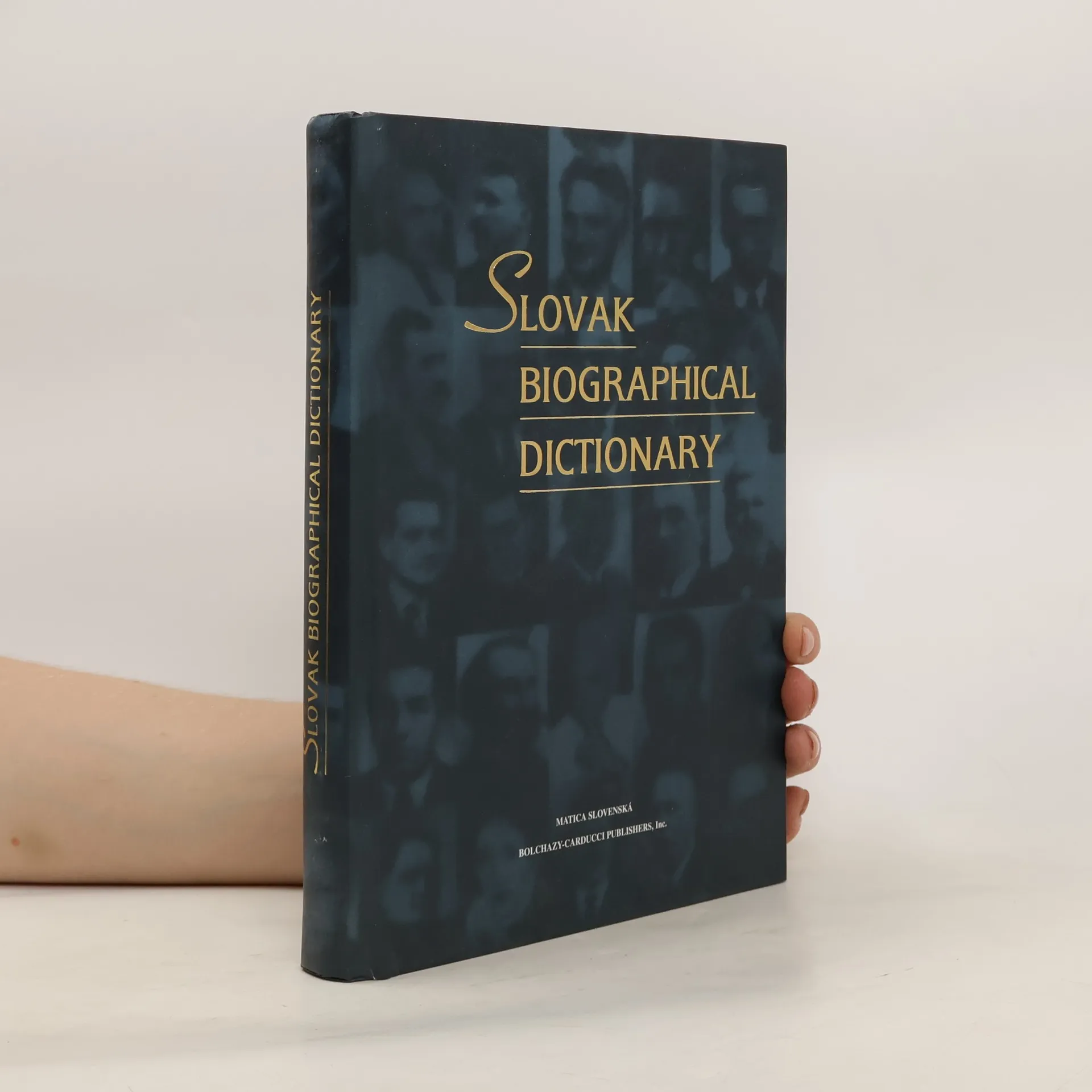
Slovak biographical dictionary
- 417bladzijden
- 15 uur lezen
Tento lexikón poskytuje skrátený prehľad viac ako 850 významných osobností Slovenska, od staroveku po súčasnosť, ktoré zohrali viditeľnú úlohu vo všetkých rôznych oblastiach tvorivej činnosti, vrátane umeleckej, vedeckej, literárnej, ekonomickej a sociopolitickej. Každý záznam obsahuje diakritické znamienka. Okrem takýchto záznamov ako bankár Michal Bošák, kanonizovaný svätec Andrej Svorad, hudobný skladateľ Alexander Albrecht, vynálezca Jozef Murgas, filmoví priekopníci Ján Kadar a Daniel Siakel a umelec Andy Warhol, existuje viac ako 850 ďalších Slovákov, ktorí prispeli svojím umením, technológiou a poéziou k zlepšeniu ľudskej existencie a obohateniu svetovej civilizácie a kultúry.
Právo životního prostředí k 1.7.2008,č.87
- 672bladzijden
- 24 uur lezen
Tento sešit obsahuje životní prostředí, právo na informace o životním prostředí, posuzování vlivů na životní prostředí, integrovanou prevenci, Českou inspekci životního prostředí, vodní zákon a ochranu ovzduší. Dále se dočtete o ochraně zemědělského půdního fondu, lesích, horním zákonu, ochraně přírody a krajiny, odpadech, obalech, chemických látkách, prevencích závažných havárií a ochraně veřejného zdraví.
Tento sešit obsahuje : porovnání a přejímání údajů katastru nemovitostí ČR a evidenci obyvatel poskytování údajů z katastru nemovitostí ČR zemědělské a katastrální orgány seznam katastrálních pracovišť katastrálních úřadů pozemkové úpravy * pozemkové úřady.
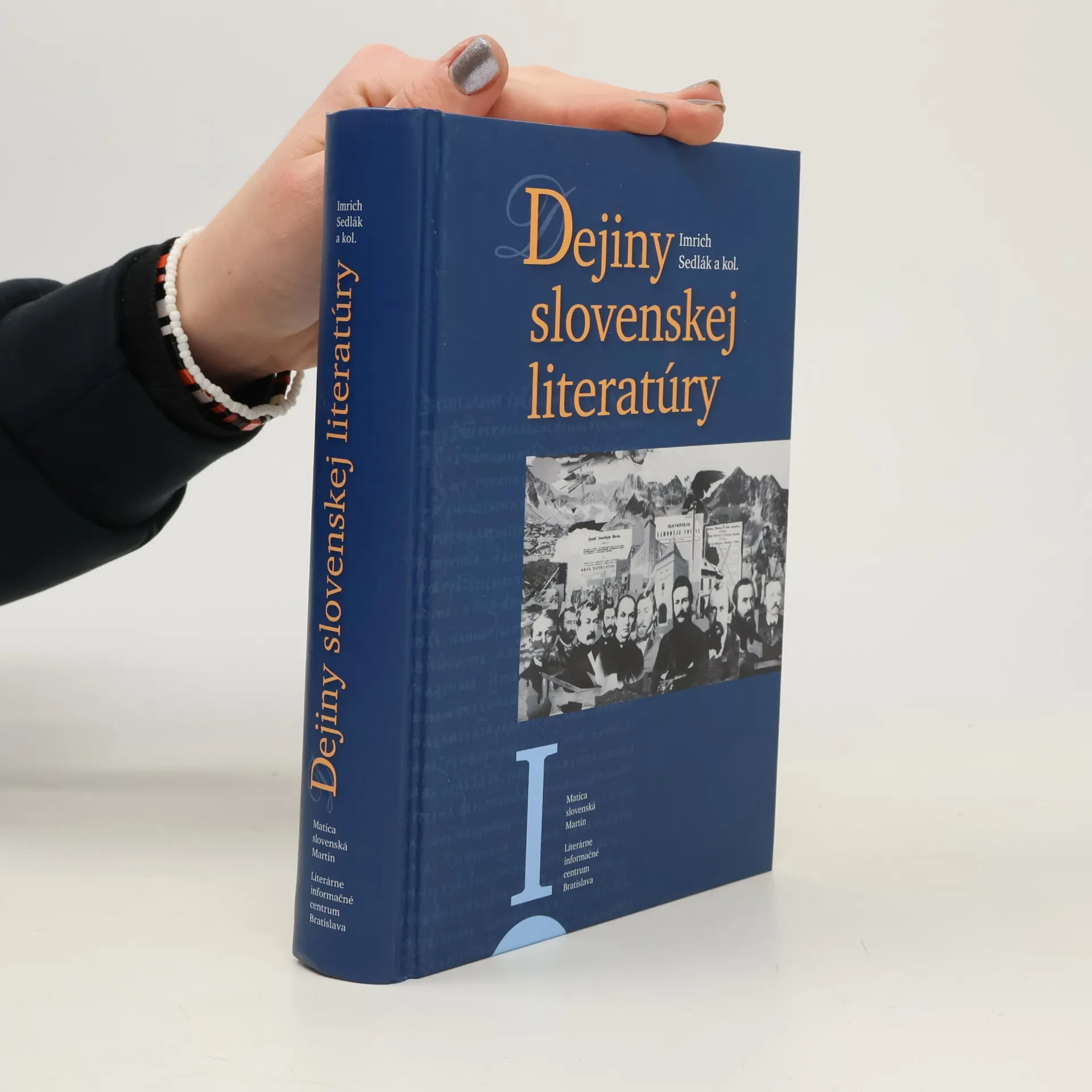
Dejiny slovenskej literatúry I
- 581bladzijden
- 21 uur lezen
Monumentálne kolektívne dielo v dvoch zväzkoch a desiatich kapitolách predstavuje slovenskú literatúru (a jej najvýznamnejších predstaviteľov) v celom historickom vývine, od stredoveku po rok 1918. Ide o dosiaľ najucelenejšiu syntézu našej literárnej histórie. Opiera sa o najnovšie poznatky, vyniká ucelenosťou, prehľadnosťou, komplexnosťou, i keď nezapiera subjektívne nazeranie každého z autorov jednotlivé obdobia, literárne útvary, žánre, smery. Dielo je výsledkom edičnej spolupráce Matice slovenskej a Literárneho informačného centra.
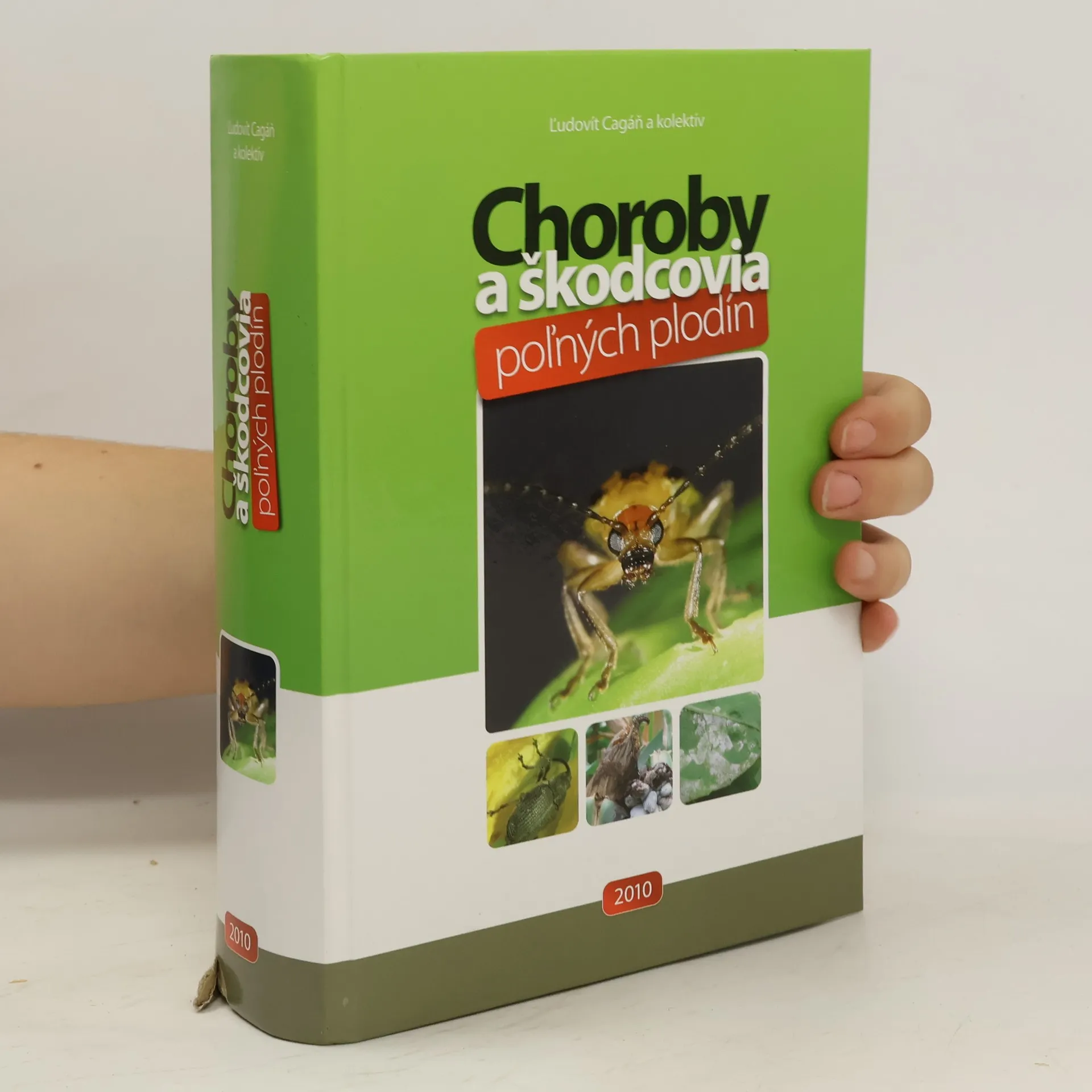
Publikácia 'Choroby a škodcovia poľných plodín' je prvým dielom súboru, ktorý zahŕňa aj druhý diel 'Choroby a škodcovia záhradníckych rastlín'. Obsahuje doteraz nejpodrobnejšiu charektiristiku chorôb a škodcov poľných plodín vydanú v slovenskom jazyku. V úvodných kapitolách je podrobne popísaný systém pôvodcov chorôb a škodcov poľných plodín a záhradníckych rastlín, chemická ochrana a alternatívne metódy ochrany (napríklad biologické). Pri každej plodine je tiež uvedená súhrnná tabuľka informujúca o celoročnej ochrane proti patogénom rastlín a škodcom. Textovú časť dopĺňajú farebné fotografie popísaných druhov a symptómov poškodenia na hostiteľských rastlinách. Boli vybrané také druhy, ktoré sa v poľnohospodárskej praxi vyskytujú najčastejšie.
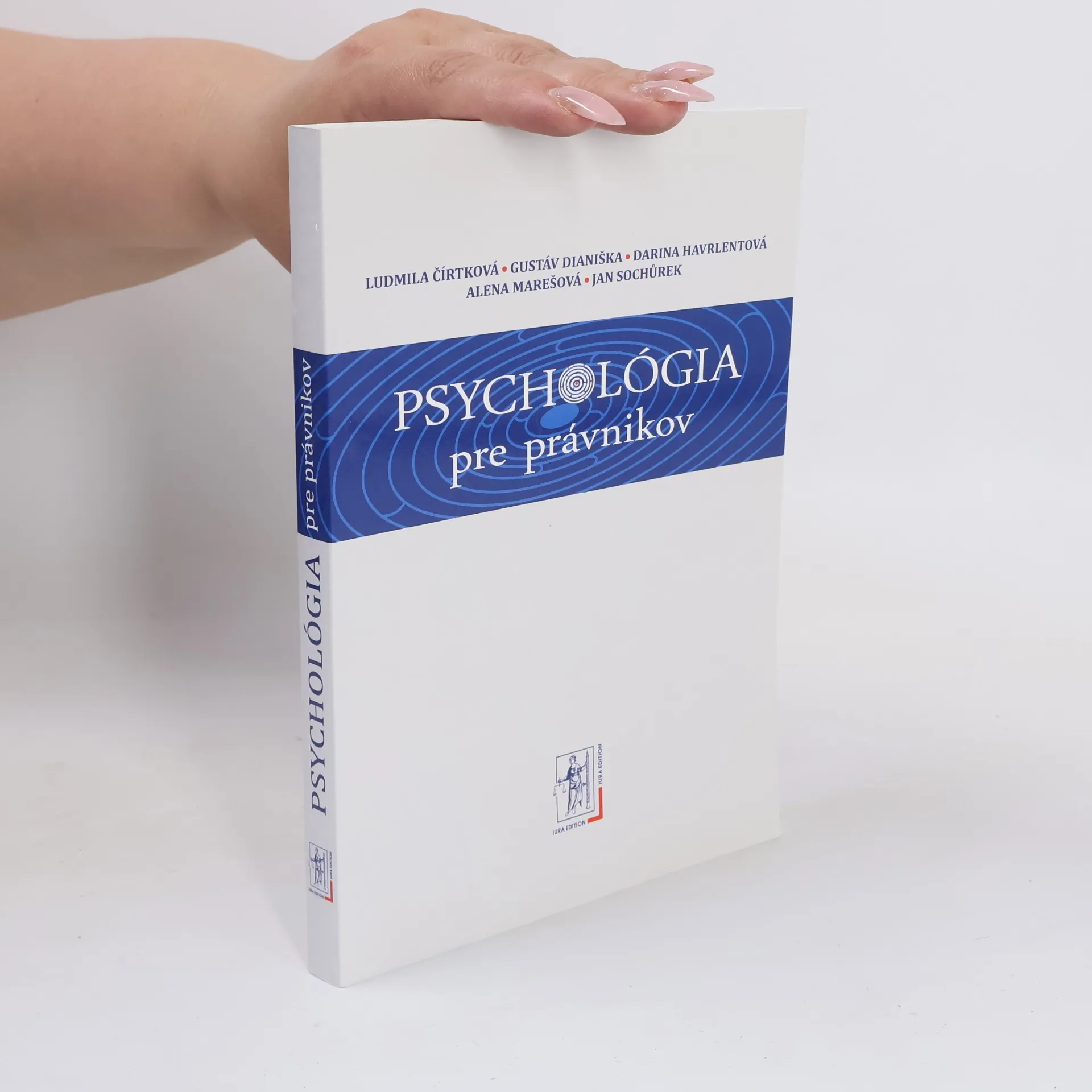
Publikácia poskytuje relevantné poznatky o vybraných problémoch forenznej psychológie. Výber jednotlivých tém vychádza z potrieb vedomostných nárokov na základné znalosti študentov práva v oblasti psychológie. Učebnica vysvetľuje vzťah psychológie k právu, objasňuje psychológiu a patopsychológiu osobnosti a venuje sa psychickej podmienenosti možných sociálnych zlyhaní. Zaoberá sa jednotlivými etapami právneho procesu, podľa ktorých sú pomenované aj odbory forenznej psychológie. Ide o kriminalistickú psychológiu, súdnu psychológiu, penitenciárnu psychológiu a postpenitenciárnu psychológiu. Dôležitou súčasťou práce je kriminologická psychológia, ktorá poskytuje súbor vedeckých zistení najmä vo vzťahu k osobnosti páchateľa, a rozbor sociálno-patologických javov a kriminálnej psychopatológie. Autori opisujú aj konkrétne podoby možných sociálnych zlyhaní jednotlivca v spoločnosti. Učebnica kladie dôraz aj na psychologickú súdnu expertízu v občianskoprávnej i trestnoprávnej oblasti a na problematiku forenznej personalistiky. Publikácia je určená predovšetkým študentom práva, svojimi rozsiahlymi poznatkami však zaujme aj psychológov, sociálnych pracovníkov, pedagógov a sociológov.
Publikace „Soubor právních předpisů k zajištění bezpečnosti práce a technických zařízení' je vydávána již popáté. Vzhledem k tomu, že by měla být nezbytným pomocníkem každého, kdo se setkává s problematikou BOZP, je zařazena do tématické řady Bezpečnost práce v praxi. Publikace je rozdělana do tří kapitol. V Kapitole I. je zařazena část zákoníku práce upravující oblast BOZP (Část pátá), zákon o zajištění dalších podmínek bezpečnosti a ochrany zdraví při práci a dále dosud vydaná nařízení vlády k těmto zákonům. Kapitola II. obsahuje dosud platné vyhlášky vydané Českým úřadem bezpečnosti práce, resp. ve spolupráci s Českým báňským úřadem. V jejím závěru jsou zařazeny tabulky, ve kterých čtenář nalazne aktuální rozdělení kompetencí mezi inspekcí práce a Institutem technické inspekce Praha právě ve stanovených právech a povinnostech kontrolních orgánů, které uvedené vyhlášky obsahují. Kapitola III. obsahuje základní nařízení vlády pro problematiku hygieny práce; u nařízení vlády č. 361/2007 Sb. jsou uvedeny i znění nejdůležitějších příloh. Na konci jednotlivých předpisů jsou uvedeny odkazy pod čarou - pokud byl některý předpis v odkazu v průběhu let zrušen, je na tuto skutečnost upozorněno a tučně kurzívou je uveden předpis v současné době platný.
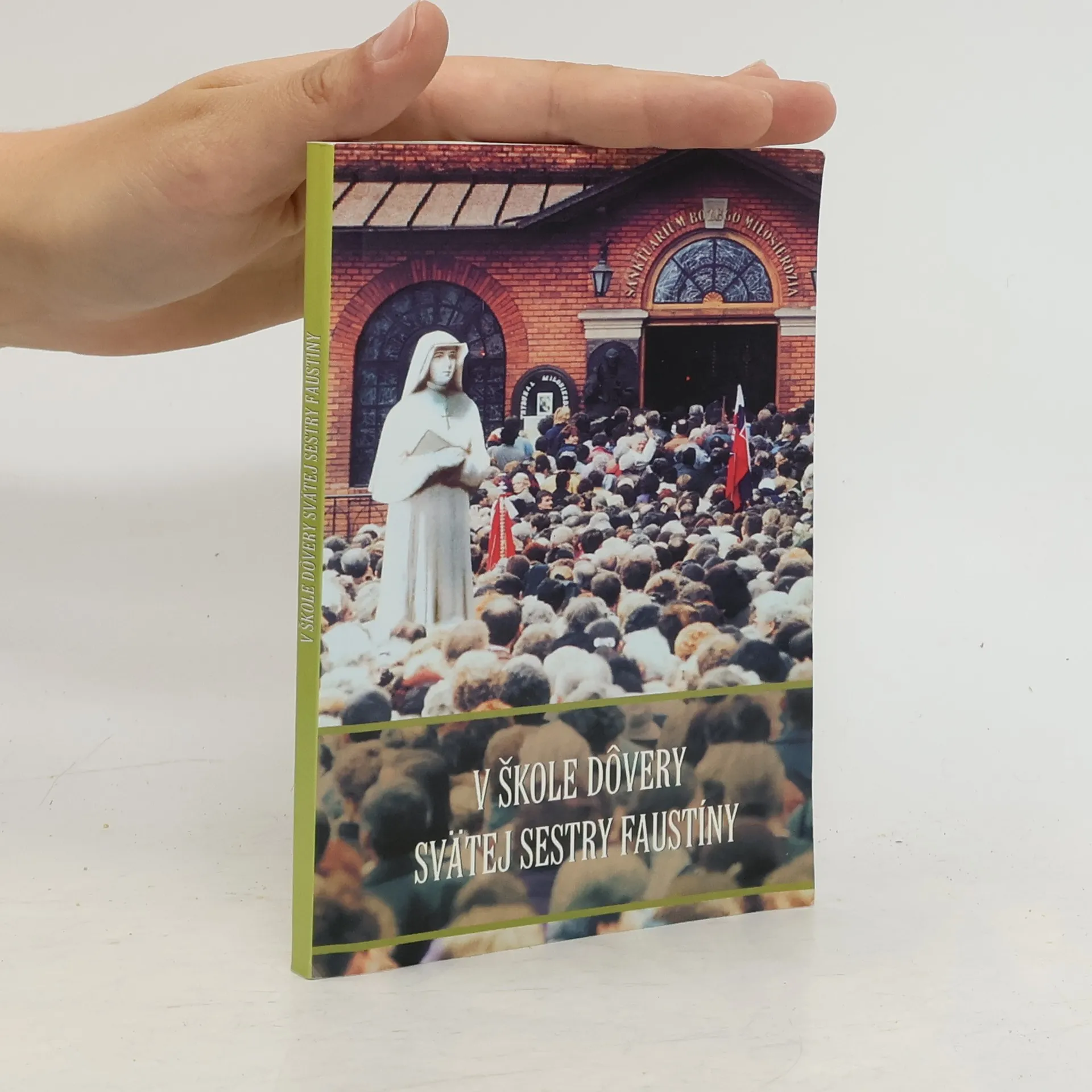
V škole dôvery svätej sestry Faustíny
- 175bladzijden
- 7 uur lezen
Obšírne uvažovanie o postoji dôvery voči Pánu Bohu, ktorý je charakteristický pre duchovnosť sv. Faustíny. Jej dôvera nie je ani zbožným citom, ani intelektuálnou akceptáciou právd viery, ale celkovým osobným postojom človeka voči Bohu, vyjadreným v plnení Božej vôle, obsiahnutej v prikázaniach, v povinnostiach životného stavu i rozoznaných vnuknutiach Ducha Svätého.
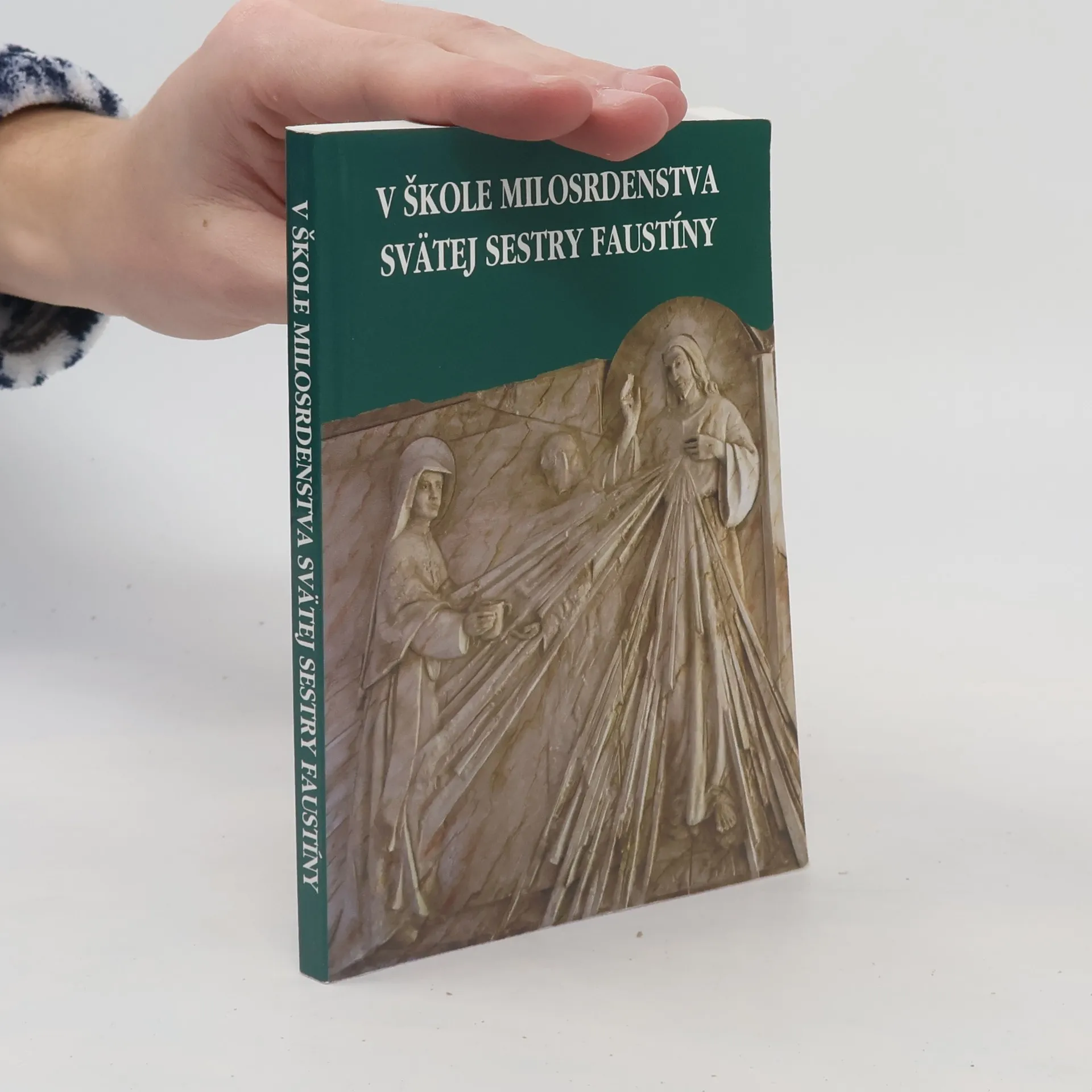
V škole milosrdenstva svätej sestry Faustíny
- 169bladzijden
- 6 uur lezen
Dnes veľa kresťanov na celom svete túži kráčať v stopách sv. Faustíny a učiť sa od nej detskej dôvere v Boha a činorodej láske k blížnym. V škole milosrdenstva, do ktorej nás pozýva, chce prehĺbiť našu predstavu milosrdenstva a pomôcť nám práve v tomto duchu formovať svoj vlastný život.
Kronika 20. storočia 1996-1999
- 109bladzijden
- 4 uur lezen
Najdôležitejšie udalosti sveta od januára 1996 do decembra 1999.
Správne právo
- 469bladzijden
- 17 uur lezen
Z vedecko-pedagogického hľadiska učebnica predstavuje predovšetkým syntézu dvoch hlavných metód vysokoškolskej výučby, a to metódu založenú na dosiahnutom stave teórie a metódu, základom ktorej je zhromažďovanie faktov, ich analýza, hodnotenie a formulovanie teoretických poznatkov...
Unidroit – Zásady medzinárodných obchodných zmlúv
- 324bladzijden
- 12 uur lezen
Po vyše dvadsaťročnom skúmaní rôznych systémov zmluvného práva túto publikáciu pripravoval vyše stočlenný tím právnikov z piatich svetadielov pod záštitou Medzinárodného ústavu pre zjednotenie súkromného práva (UNIDROIT) so sídlom v Ríme. Ide o nezávislú medzivládnu organizáciu združujúcu 58 štátov. Zásady medzinárodných obchodných zmlúv nemajú povahu medzinárodného dokumentu záväzného pre členské štáty, čím sa zásadne odlišujú od Viedenského dohovoru o medzinárodnej kúpe tovaru, hoci obsahovo s ním nie sú v rozpore. Orientujú sa priamo na súkromnoprávne subjekty z rôznych štátov tým, že im ponúkajú ucelený systém pravidiel zmluvného práva, ktoré sa pre nich stanú záväznými výlučne na základe ich dohody. Svojou komplexnosťou, doloženou okrem ustanovení Zásad aj komentárom a mnohými príkladmi z rôznych oblastí medzinárodného obchodu, ale aj nezávislosťou od jednotlivých právnych poriadkov (s výnimkou kogentných noriem), umožňujú vyhnúť sa právnej neistote vyplývajúcej z neznalosti zahraničného hmotného práva, ktorá sprevádza uplatňovanie tradičných techník medzinárodného súkromného a obchodného práva. V spojitosti s primeranou rozhodcovskou doložkou môžu viesť k pružnejšiemu riešeniu prípadných sporov. Súčasťou slovenského vydania je text ustanovení zásad UNIDROIT v anglickom, francúzskom, španielskom, talianskom a nemeckom jazyku.
Svět cizích jazyků Svet cudzích jazykov DNES
- 188bladzijden
- 7 uur lezen
Kniha nabízí popis jedenácti inovační metod vyučování a ukazuje tak rozdílné přístupy k učení - vysvětluje například metodu celkové fyzické odpovědi (TPR), přrozený přístup, waldorfskou školu, aktivizující metody výuky cizích jazyků, tichou metodu, apod.
Piesne, hry a riekanky detí predškolského veku 1. časť
- 180bladzijden
- 7 uur lezen
Detský spev má v našom národe bohatú tradíciu, prostredníctvom piesní, riekaniek a hudobno-pohybových hier deti vyjadrujú radosť zo života a vzťah k svetu. Tieto drobné umelecké útvary môžu ovplyvniť citový a rozumový svet dieťaťa, a preto je dôležité, aby sa zachovali v materských školách a rodinách. Publikácia obsahuje piesne, hry, riekanky a hádanky rozdelené do tematických okruhov, ktoré sú vhodné pre každé ročné obdobie. Prvá časť sa zameriava na jar a leto, pričom vychádza z tematických oblastí, ktoré zodpovedajú záujmom predškolákov a rešpektujú ich hudobný rozvoj. Materiál dopĺňajú metodické poznámky pre študentky, učiteľky a rodičov, ponúkajúce návody na spojenie piesní s pohybom a hrou na hudobných nástrojoch. Pripravujeme aj druhú časť, ktorá sa zameria na jeseň a zimu, vrátane nových piesní a hier pre Vianoce a karnevaly. Obsahovať bude aj piesne a hry v angličtine a nemčine, čím obohatí vyučovanie cudzích jazykov. Veríme, že detské piesne a popevky otvoria srdcia malých speváčikov, poskytnú im bohatú sebarealizáciu a prinesú radosť.
Detské zubné lekárstvo
- 392bladzijden
- 14 uur lezen
Kniha je ilustrovaná farebne/čiernobielo. Odborná stomatologická pospolitosť na Slovensku dostala do rúk novú učebnicu detského zubného lekárstva. Kniha je bohato ilustrovaná farebnými/čiernobielymi (na výber) fotografiami a nemala by chýbať v knižnici žiadneho stomatológa.
Piesne, hry a riekanky detí predškolského veku 2.časť
- 181bladzijden
- 7 uur lezen
Publikácia naväzuje na prvú časť, ktorá je zameraná na ročné obdobia – jar a leto. Druhá kniha je zameraná na ďalšie dve ročné obdobia – jeseň a zimu. Obsahuje piesne, hudobno-pohybové hry, riekanky a hádanky, ktoré sa viažu i k obdobiu Vianoc. Tento materiál dopĺňajú metodické poznámky určené nielen študentkám, kvalifikovaným učiteľkám, ale i rodičom. Sú to návody, ako možno pieseň alebo riekanku spojiť s pohybom, s hrou hudobný nástroj, tak, aby deťom priniesla potešenie. V druhej časti tejto knihy sú aj piesne a hry v anglickom a nemeckom jazyku, ktoré môžu spestriť vyučovanie cudzích jazykov detí na školách.
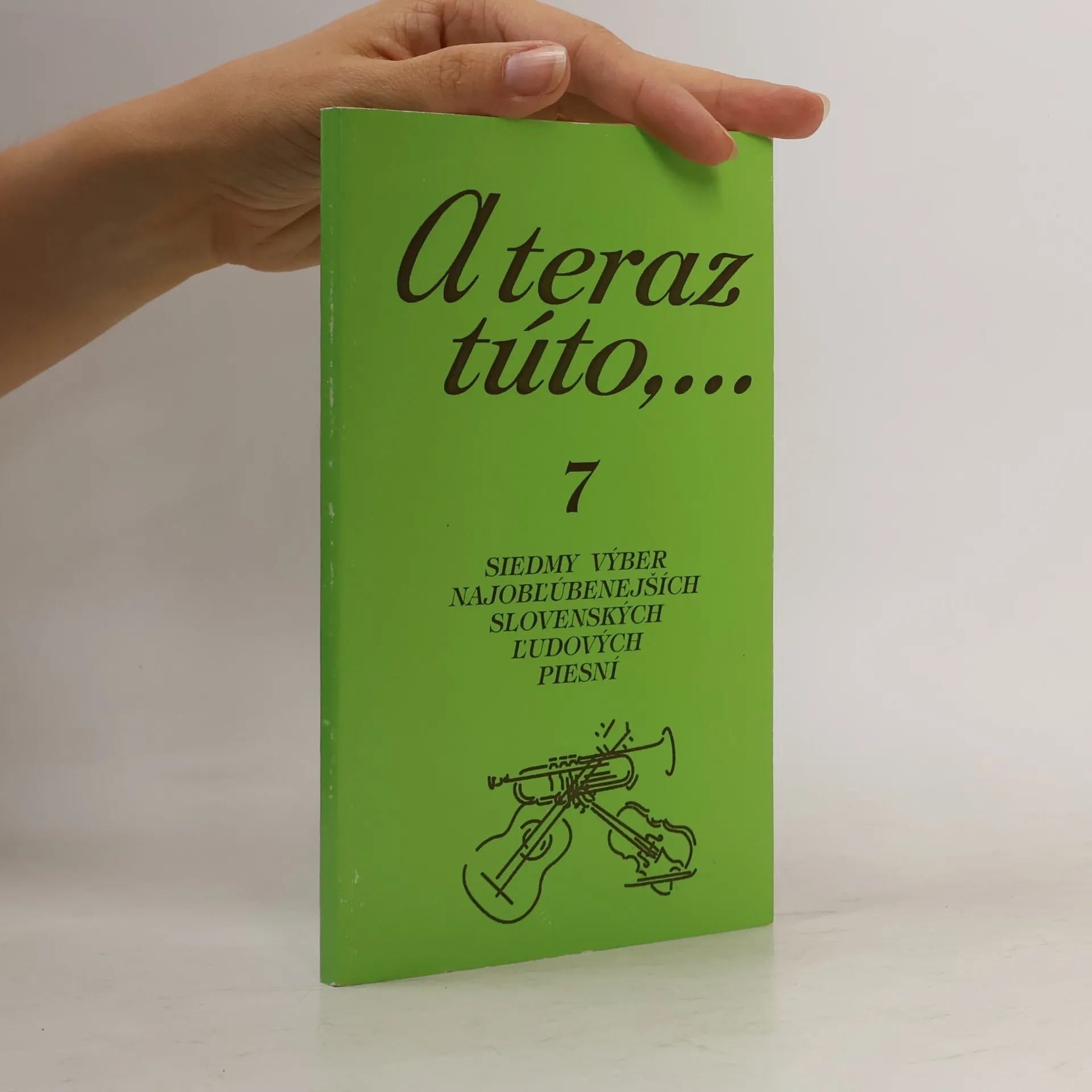
A teraz túto 7
- 151bladzijden
- 6 uur lezen
Knižka obsahuje najviac piesní z východného Slovenska a Gemera, o niečo menej z Podpoľania, Pohronia, Horehronia, Liptova, Myjavy a Považia, ale sú tu v menšom počte i pesničky z Hontu, Ponitria i Požitavia, Záhoria, Oravy, Tekova, Kysúc, ale aj z Trnavy. Môžete si podľa nej zahrať, či už na harmonike, na husliach, klavíri alebo aj na gitare...
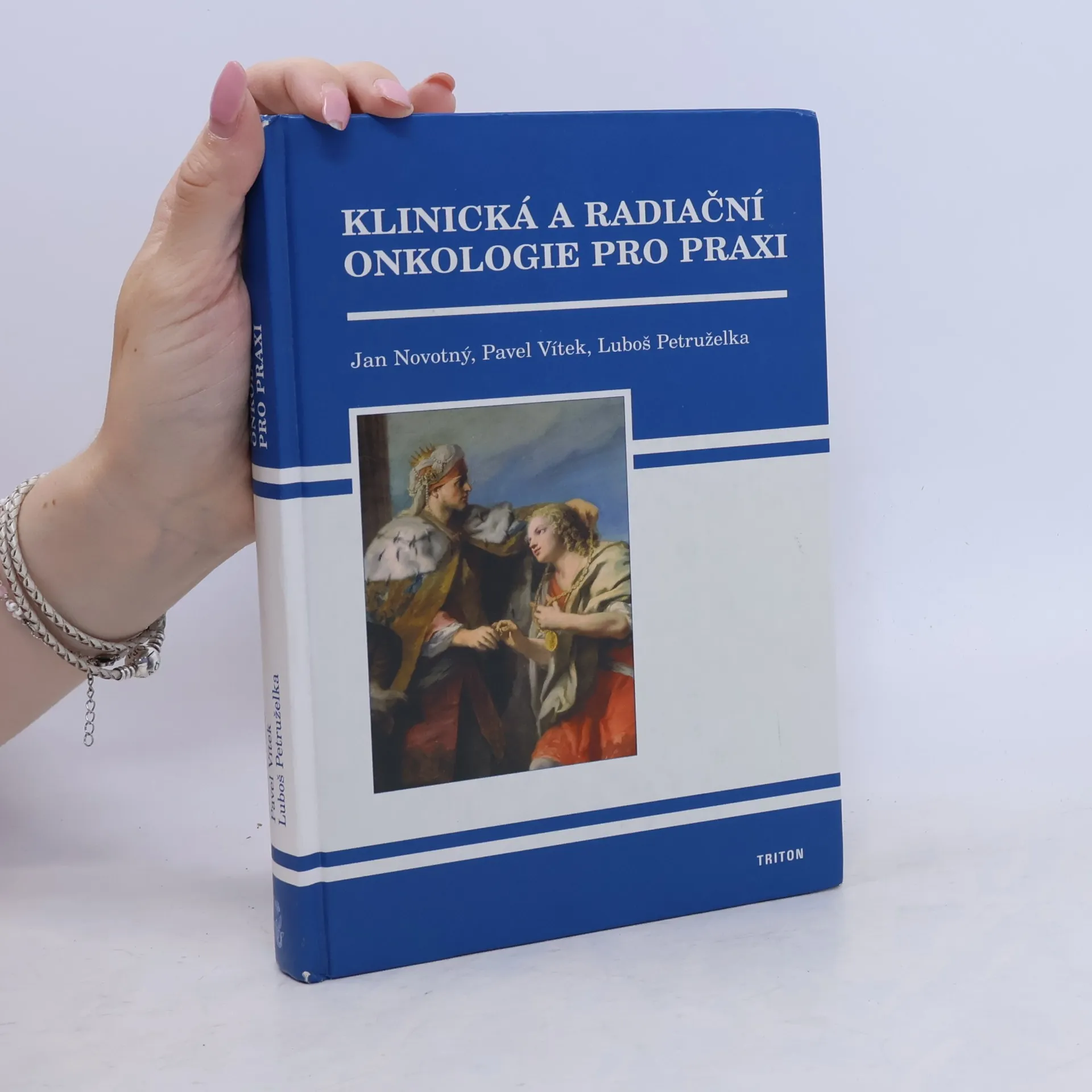
Klinická a radiační onkologie v praxi
- 308bladzijden
- 11 uur lezen
Úspěšnost léčby nádorů se v různých zemích liší o více než 10 procent. Autorský kolektiv proto věnuje tuto publikaci shrnutí optimálních postupů léčby zhoubných nádorů pro potřeby praxe.Po základní charakteristice tumoru, rizikových faktorů jeho vzniku a prognóze následují terapeutická doporučení s ohledem na jednotlivá stadia vývoje nádoru. Přílohy obsahují mimo jiné přehledy dávkování nefrotoxických léků, vedlejších účinků antiestrogenních léků a indikací ke genetickému vyšetření. Knihu lze doporučit nejen onkologům, ale i zástupcům většiny ostatních oborů medicíny.
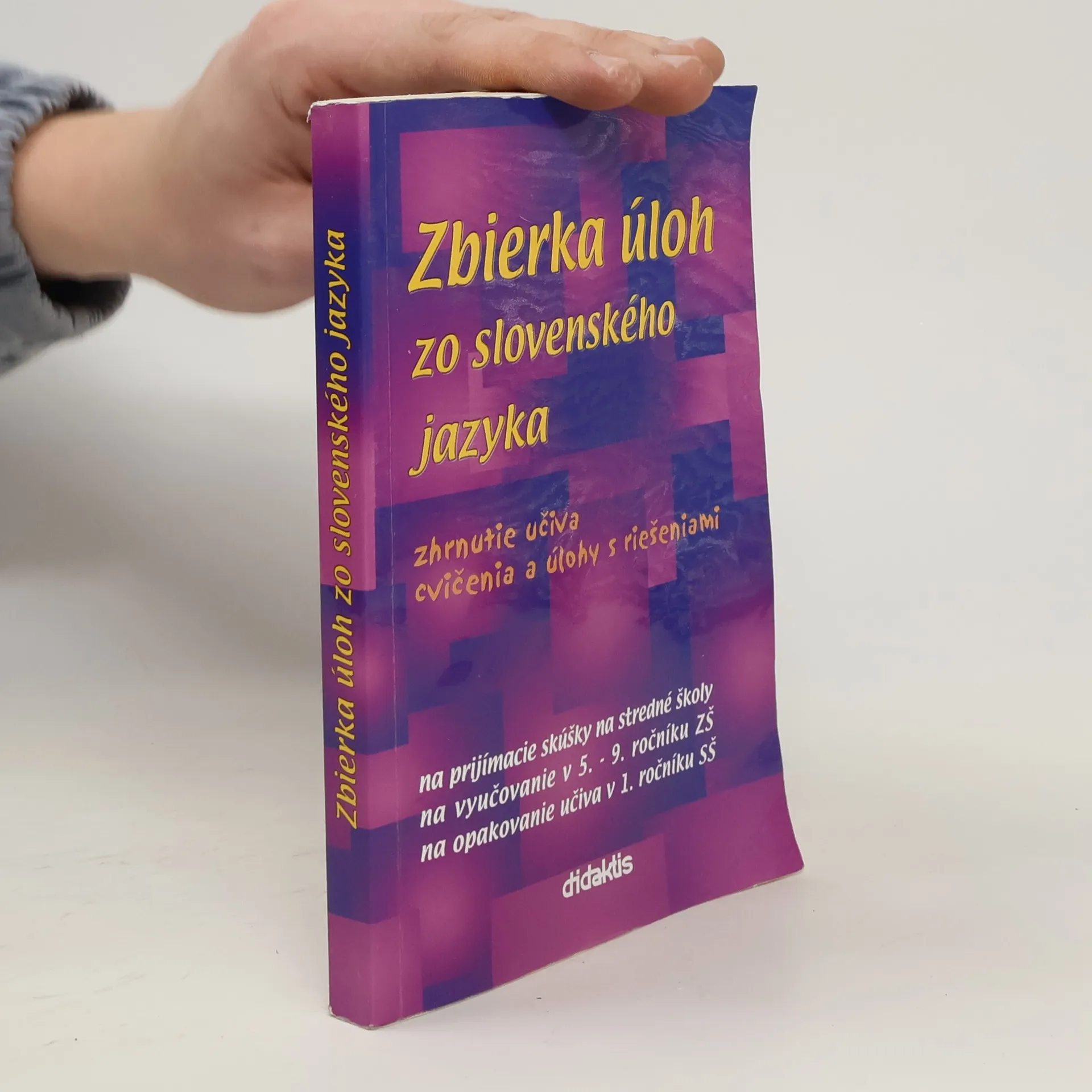
Zbierka úloh zo slovenského jazyka
- 231bladzijden
- 9 uur lezen
Vše, co potřebuje žák základní školy vědět ze slovenského jazyka, slohu a literatury, najde v této publikaci. Poskytuje kompletní a přehledné shrnutí učiva ZŠ, ale také cvičení a úlohy na prověření znalostí a diktáty na prověření pravopisu.
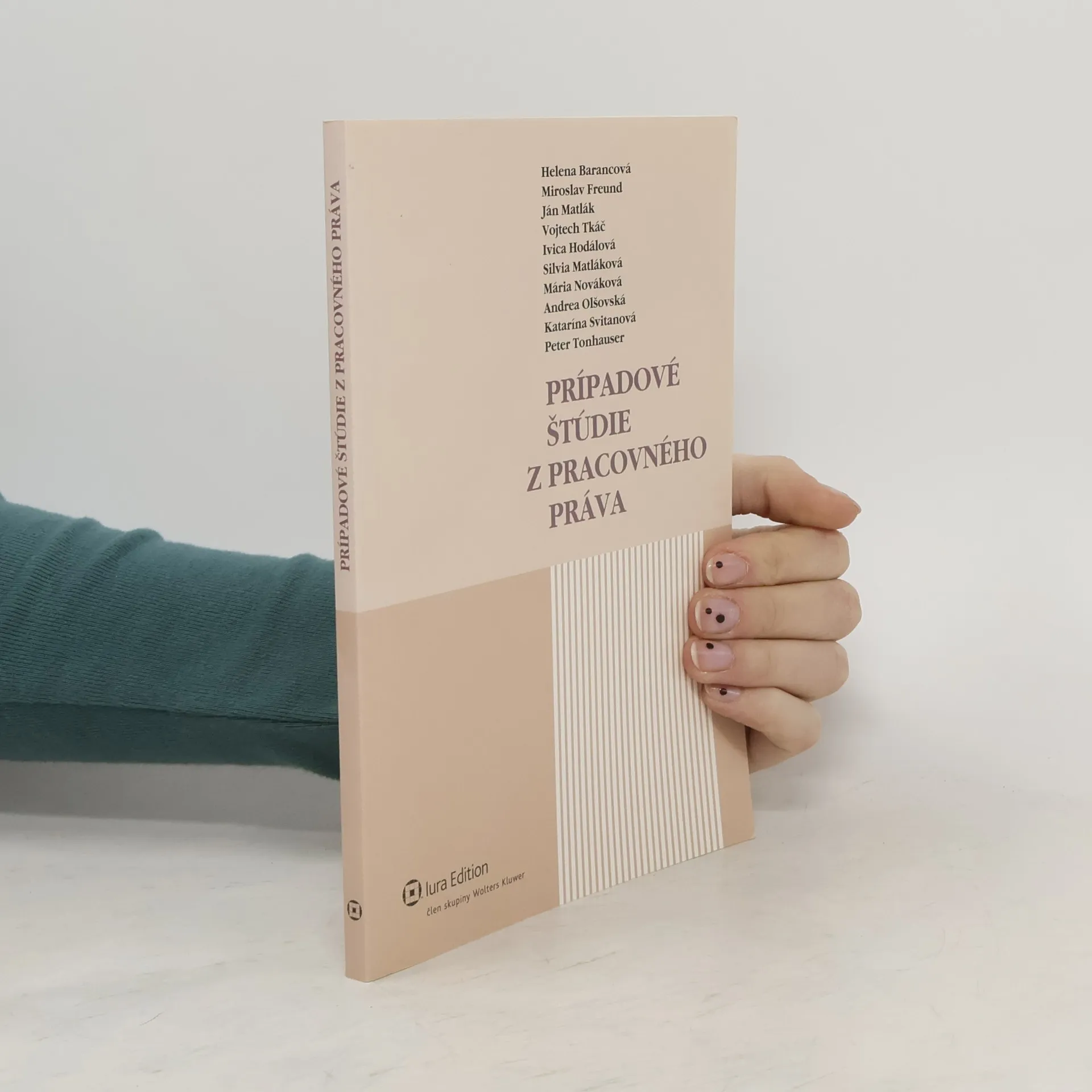
Tieto učebné texty z oblasti pracovného práva patria medzi prvé učebnice s kvalitatívne novým vzdelávacím prístupom k študentom. Ide o špecifické prípadové štúdie, ktorých výučba je založená na riešení konkrétnych prípadov s použitím počítača (e-learning). Publikácia obsahuje CD a 94 prípadových štúdií, ktoré sú doplnené jednotlivými úlohami, otázkami, relevantnou právnou úpravou a judikatúrou. Členenie prípadových štúdií sa odvíja od systematiky Zákonníka práce. V porovnaní s klasickými vyučovacími metódami je publikácia najmä pre študentov právnických fakúlt atraktívnejšia práve pre nové zaujímavé prvky práce s počítačom.
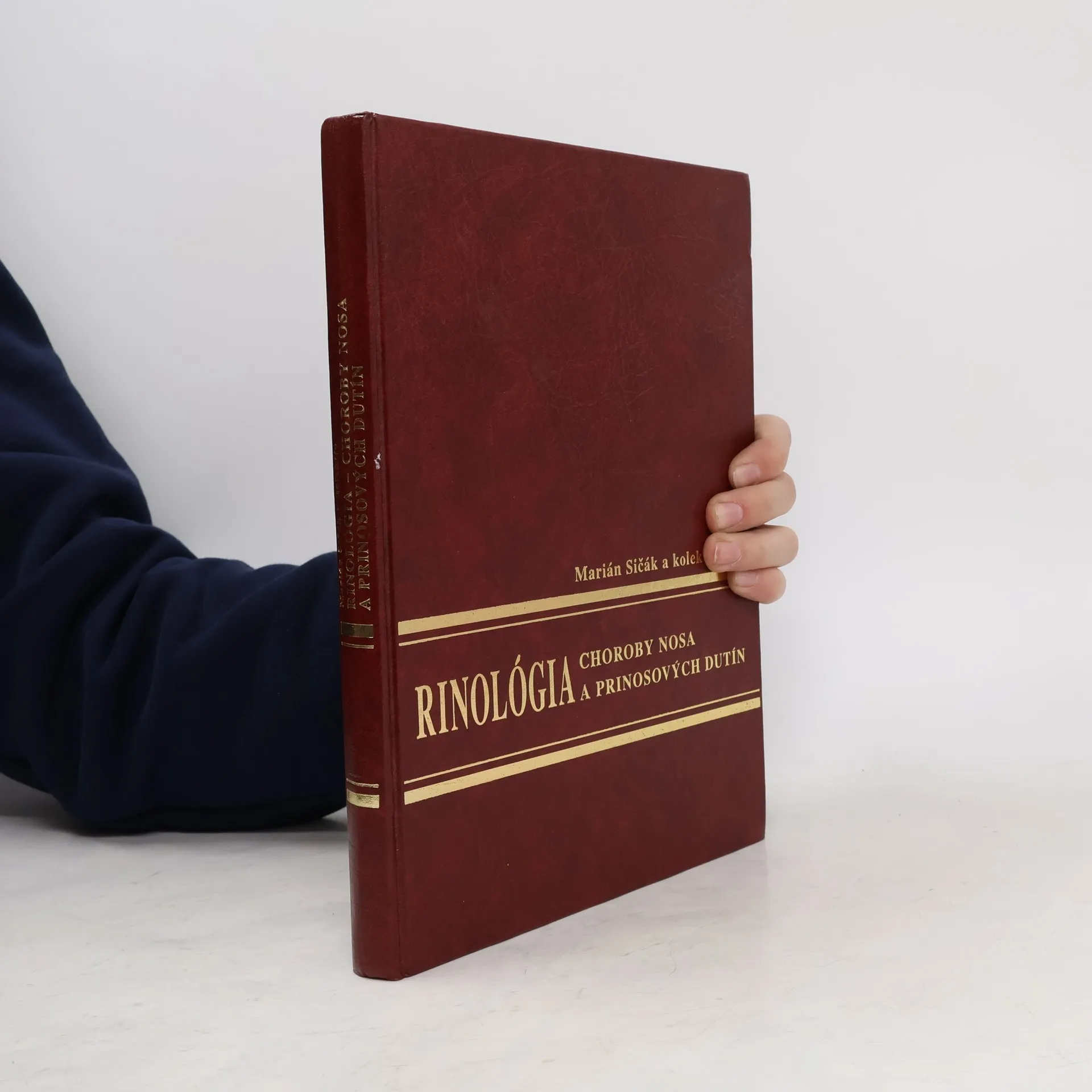
Rinológia Choroby nosa a prinosových dutín
- 339bladzijden
- 12 uur lezen
Špičková publikácia s tématikou ORL (jediná svojho druhu na Slovensku a v Českej republike) od autora MUDr. M. Sičáka, PhD., prednostu kliniky otolaringoógie a chirurgie hlavy a krku Ústrednej vojenskej nemocnice v Ružomberku. Vedúcim autorského kolektívu je doc. MUDr. Ján Vokurka, CSc prednosta ORL Kliniky Lékařské fakulty Karlovy Univerzity v Hradci Králové.
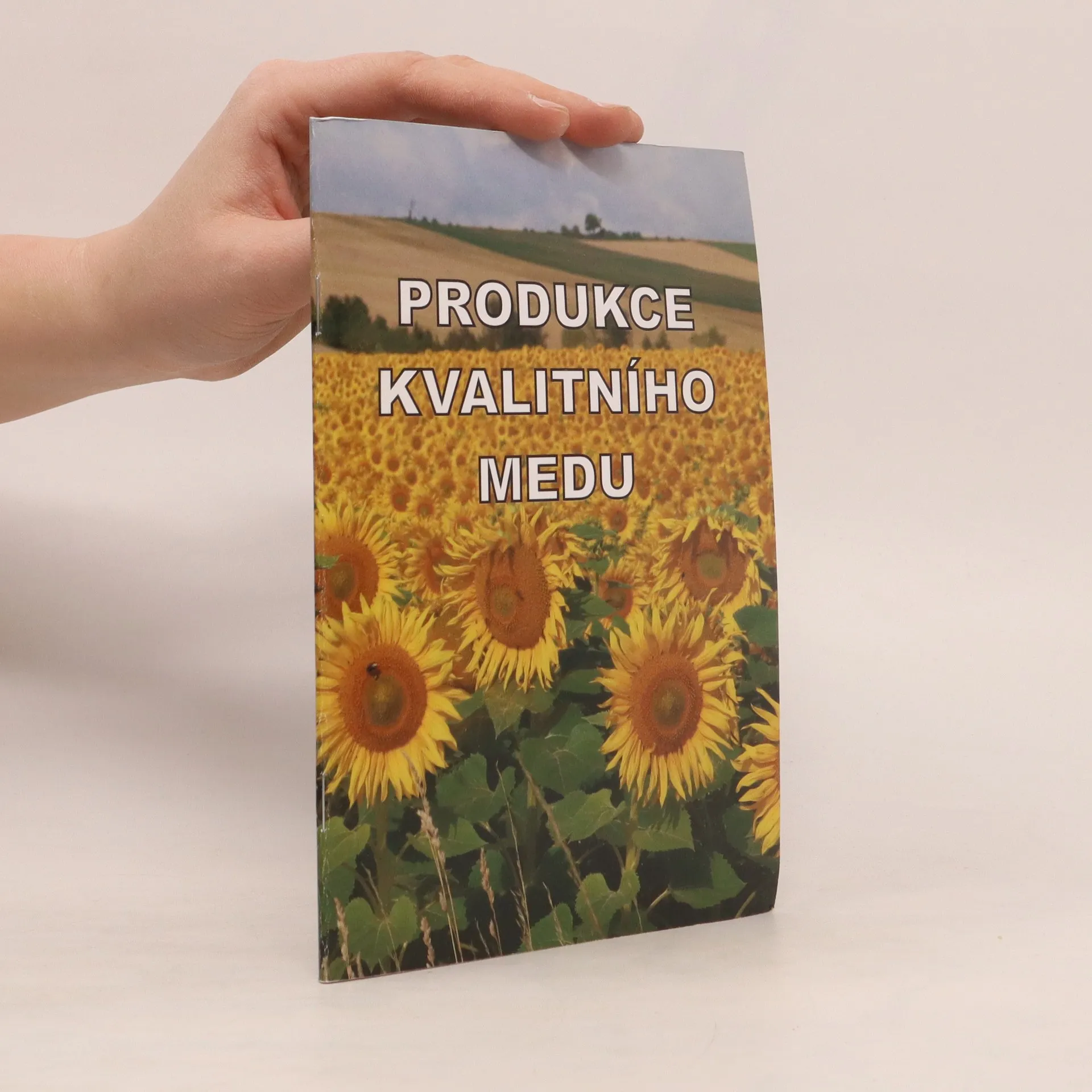
Produkce kvalitního medu
- 40bladzijden
- 2 uur lezen
Tato publikace by měla být nápomocná všem včelařům při získávání kvalitního medu pro vlastní potřebu, trh i speciální produkci pro použití medu jako léku, tj. ve farmacii.
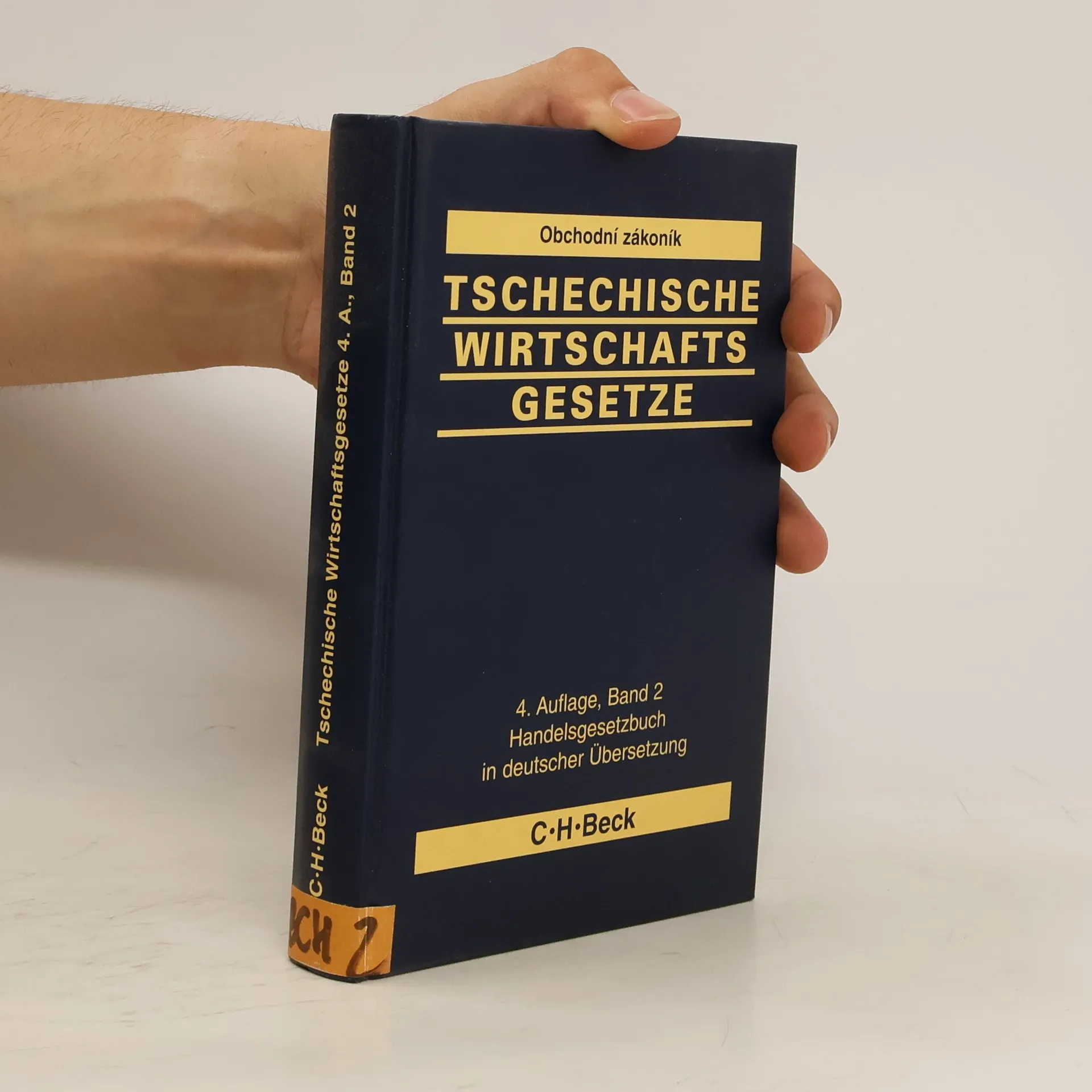
Tschechische Wirtschaftsgesetze, Band II.
- 374bladzijden
- 14 uur lezen
Nejdůležitější české zákony z civilněprávní, pracovněprávní a správní oblasti v německém překladu.
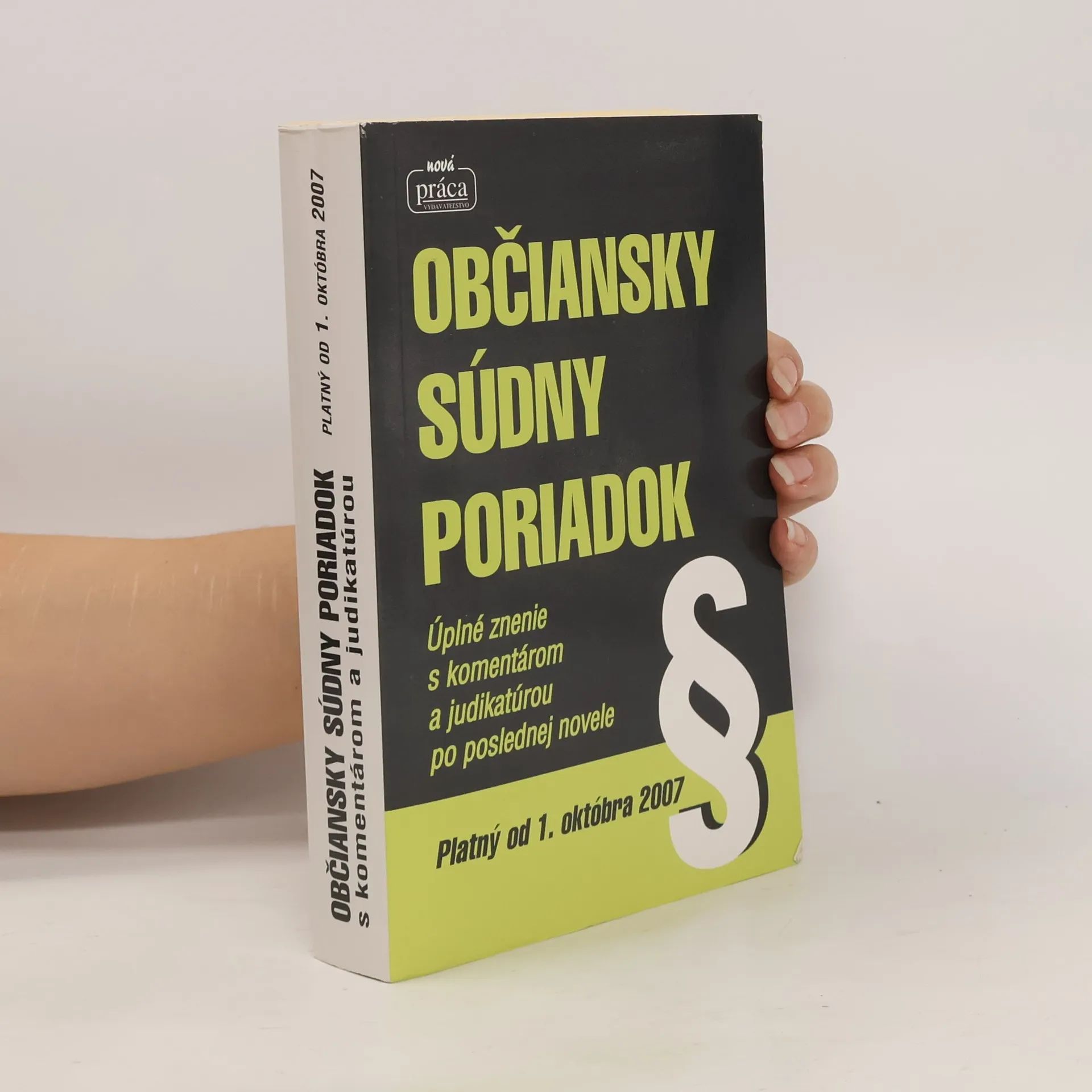
Občiansky súdny poriadok
- 582bladzijden
- 21 uur lezen
Základným prameňom civilného procesného práva ako relatívne samostatného právneho odvetvia slovenského právneho poriadku je Občansky súdny poriadok (OSP), ktorý bol už veľakrát novelizovaný. Preto prichádza na trh táto publikácia, kde je uverejnené úplne znenie zákona s komentárom, judikatúra s uvedenými právnymi predpismi, úzko súvisiacimi s OSP.
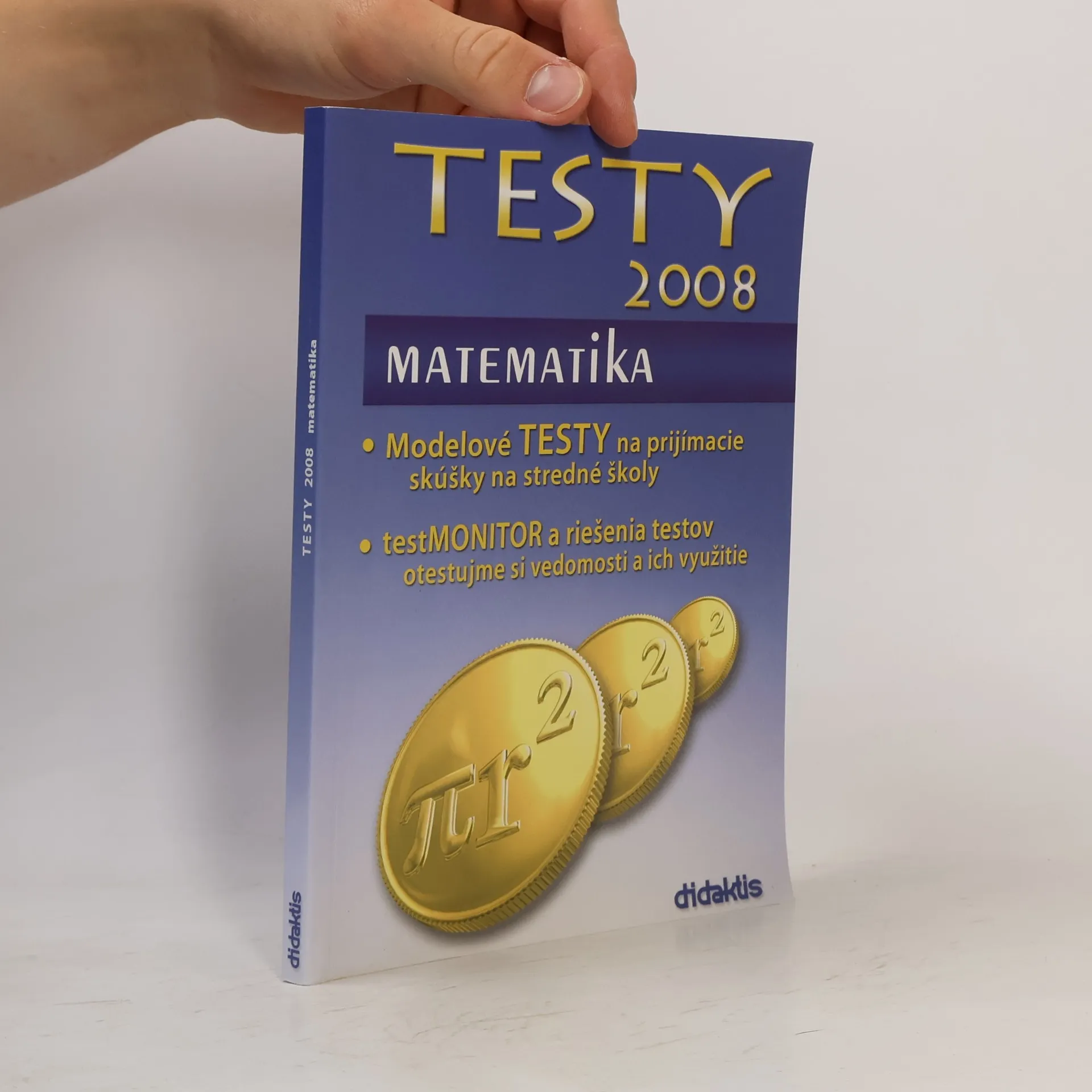
Publikácia je zbierkou príkladov pre žiakov i učiteľov základných škôl na preverenie a upevnenie vedomostí. Umožní tiež otestovať, do akej miery sú žiaci schopní svoje poznatky využiť pri riešení úloh.Množstvo úloh je z bežného života, čím priamo podporuje využitie matematických poznatkov v praktických situáciách. Všetky príklady obsahujú okrem výsledkov aj postup riešenia a mnohé z nich sú vyriešené viacerými, niekedy aj netradičnými postupmi riešenia.Dvojfarebný dizajn prispieva k ľahšej čitateľnosti. Farebné odlíšenie často pomáha lepšie pochopiť súvislosti medzi jednotlivými krokmi riešenia. Kniha obsahuje dva typy testov: modelové testy na prijímacie skúšky na stredné školy s podrobnými riešeniami a vysvetleniami a s radami, ako sa vyhnúť najčastejším chybám a nedostatkom v uvažovaní, ktoré vedú k nesprávnemu riešeniu testMONITOR obsahuje typy úloh: úlohy, v ktorých treba vypracovať riešenie úlohy, v ktorých treba správnu odpoveď vybrať z daných možnostíKaždý test poskytuje tri úrovne náročnosti úloh: úlohy na preverenie základných vedomostíúlohy vyžadujúce pri riešení aplikovanie viacerých poznatkov (označené*) náročné úlohy, ktorých riešenie vyžaduje spájanie súvislostí a poznatkov niekedy zdanlivo nesúvisiacich (označené )
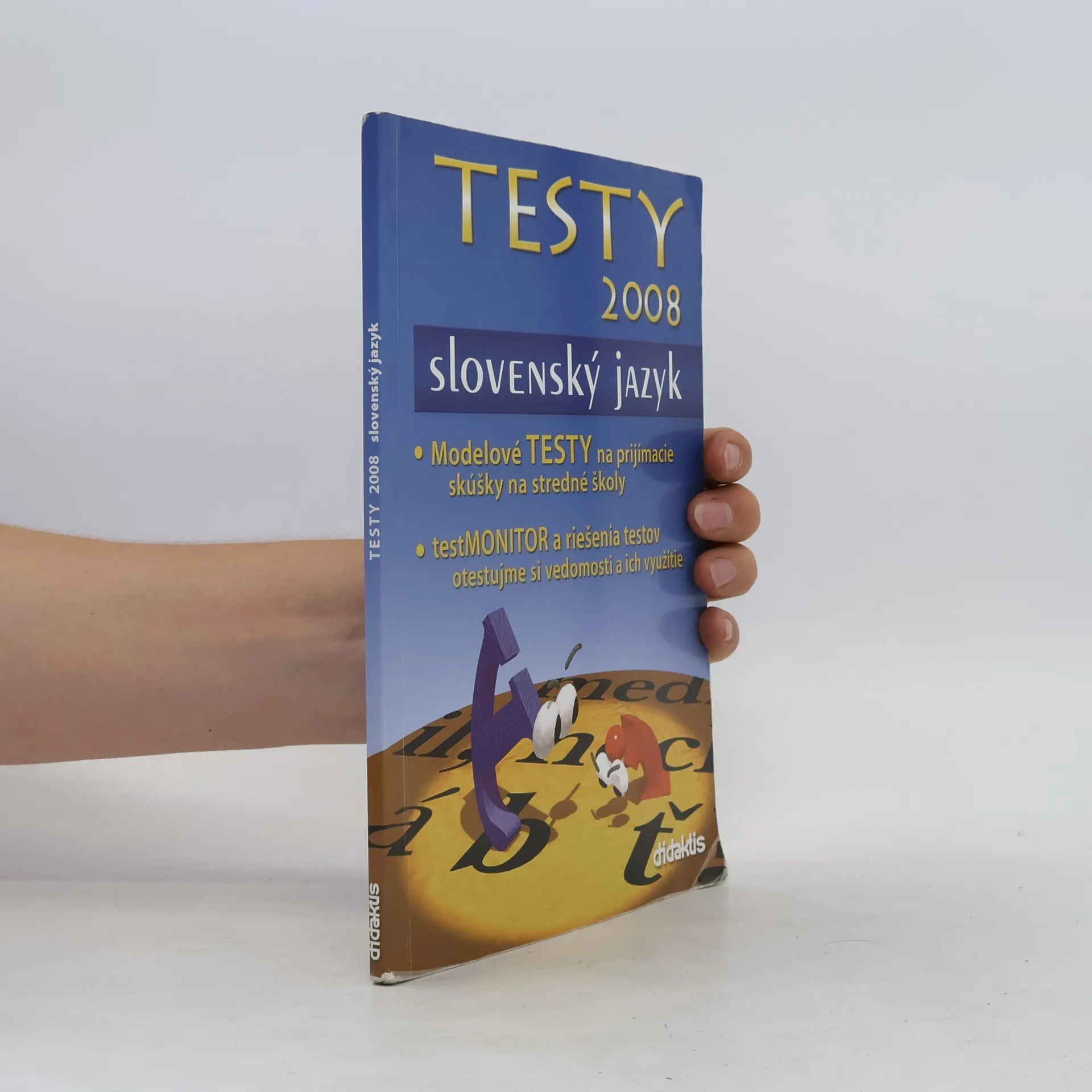
Publikácia je zbierkou úloh pre žiakov i učiteľov ZŠ na preverenie jazykových a literárnych vedomostí. Testy sú rozdelené do dvoch častí – modelové testy na prijímacie skúšky na strednú školu a testMONITOR. Všetky úlohy v modelových testoch obsahujú novinku – vysvetlenie a postup riešenia úloh „ako na to“ s poukázaním na niektoré nesprávne postupy žiakov. Jednoduchá, ale odborná forma výkladu žiakovi uľahčí prípadné ťažkosti s riešením testov. TestMONITOR ponúka možnosť preveriť si, ako by žiak obstál vo vedomostnom teste v 9. ročníku.V obidvoch typoch testov si žiak preveruje nielen znalosti zo slovenského jazyka, ale zároveň si zlepšuje svoje študijné návyky a zručnosti, napríklad schopnosť sústrediť sa, čítanie s porozumením, prácu s textom ukážky, využívanie poznatkov a pojmov na rozbor ukážok, viet, slov. Modelové testy na prijímacie skúšky: zadania testov a výsledkyrozbor – postup riešenia každej úlohyupozornenie na chybné postupy pri riešení úloh literárne úkážky a cvičenia na preskúšanie pravopisu testMONITORzadania testov a ich riešenia množstvo ukážok z rôznych druhov literatúry, s ktorými žiak pracuje (precvičuje si jazykové javy, pravidlá, pojmy a zdokonaľuje si logicko- abstraktné myslenie, schopnosť analyzovať text)ukážky popri umeleckých textoch ponúkajú i krátke zaujímavosti z populárno-náučnej literatúry, ktoré môžu žiaka zaujať a obohatiť
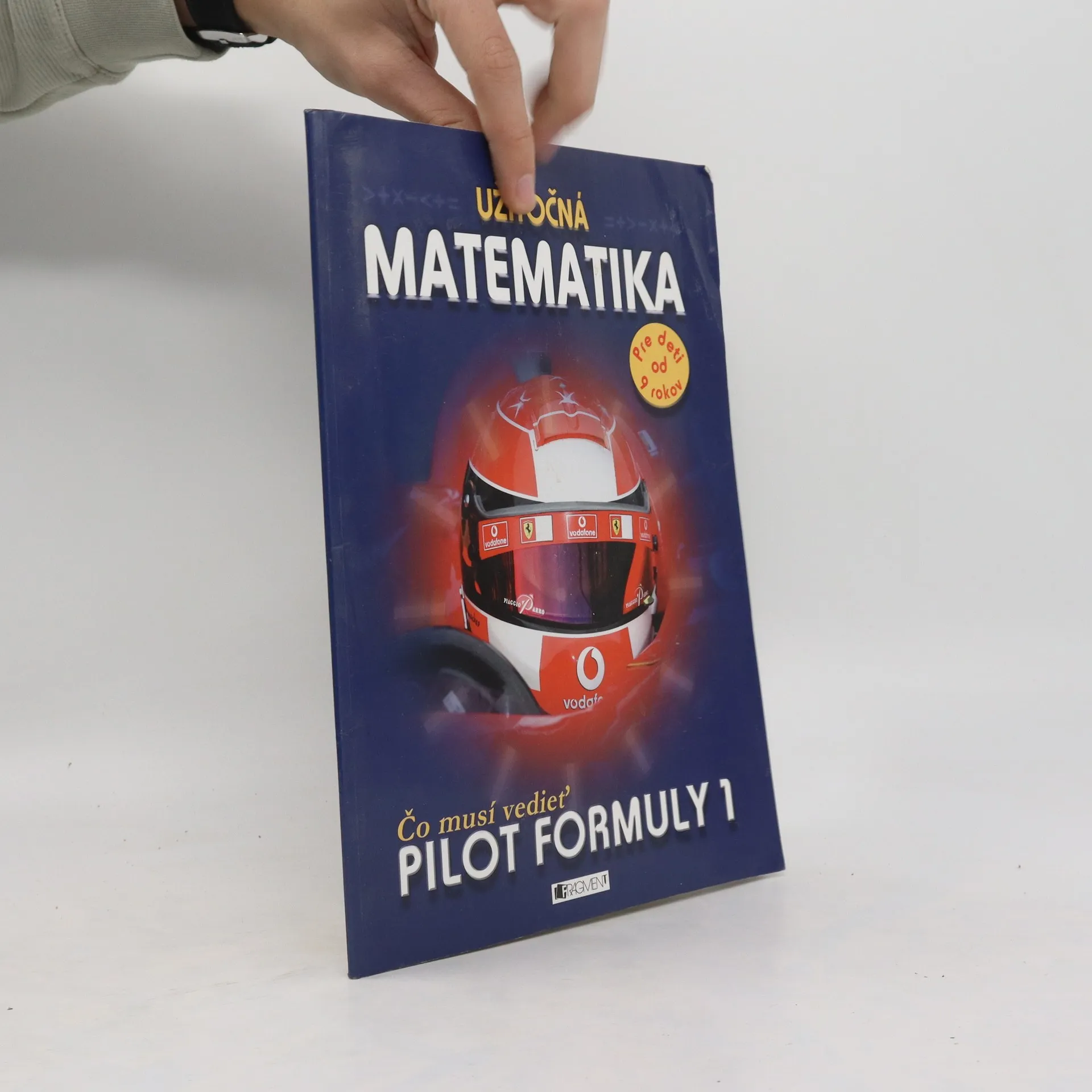
AKO JE MOŽNÉ, ŽE MATEMATIKA V TEJTO KNIHE JE TAKÁ ZÁBAVNÁ? Pretože toto je jediná kniha, v ktorej si školák precvičuje matematiku a zároveň je pilotom FORMULY 1! Zistíš, ako sa dá školská matematika použiť pri riadení formuly 1, vyriešiš zábavné úlohy, pomocou ktorých si precvičíš vedomosti z matematiky, použiješ údaje zo života a zaujímavé fakty, s ktorými budeš robiť presne také výpočty ako piloti formuly 1 a vypočítaš viac ako 60 matematických príkladov.Veľa zábavy!
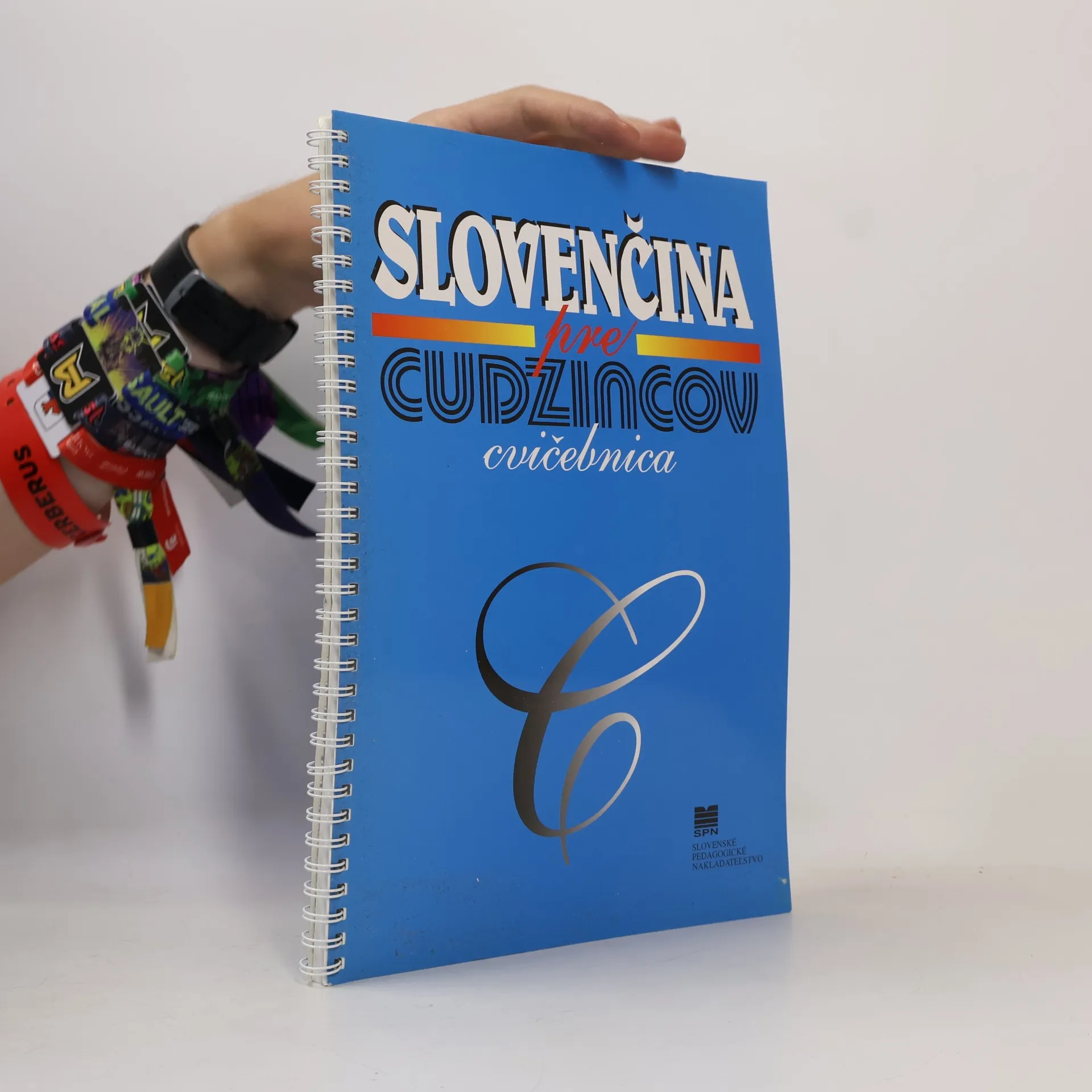
Vhodným doplnkom pre používateľov učebnice je cvičebnica. Nachádzajú sa v nej rôzne typy cvičení: orálne, písomné, doplňovacie, tvorivé atď. Pomocou týchto cvičení si každý môže overiť, nakoľko si osvojil gramatické javy či slovnú zásobu z učebnice. Pri každom cvičení je pokyn, ktorý vysvetľuje, ako riešiť úlohu v cvičení. Uvádzajú sa aj príklady, podľa ktorých možno pri riešení postupovať. Hoci učebnica ani cvičebnica nie sú špeciálne určené pre samoukov, ich koncepcia umožňuje použiť ich aj v takomto prípade.
V cvičeniach sa využívajú jednoduché vety a slová z každodenného života.V cvičeniach sa využívajú jednoduché vety a slová z každodenného života.Poznámky radia rodičom, ako môžu zlepšiť učenie sa dieťaťa.Pútavo usporiadané stránky, vhodné a veselé obrázky, ako aj zlaté hviezdičky a medialy uľahčia učenie sa a premenia ho na hru.
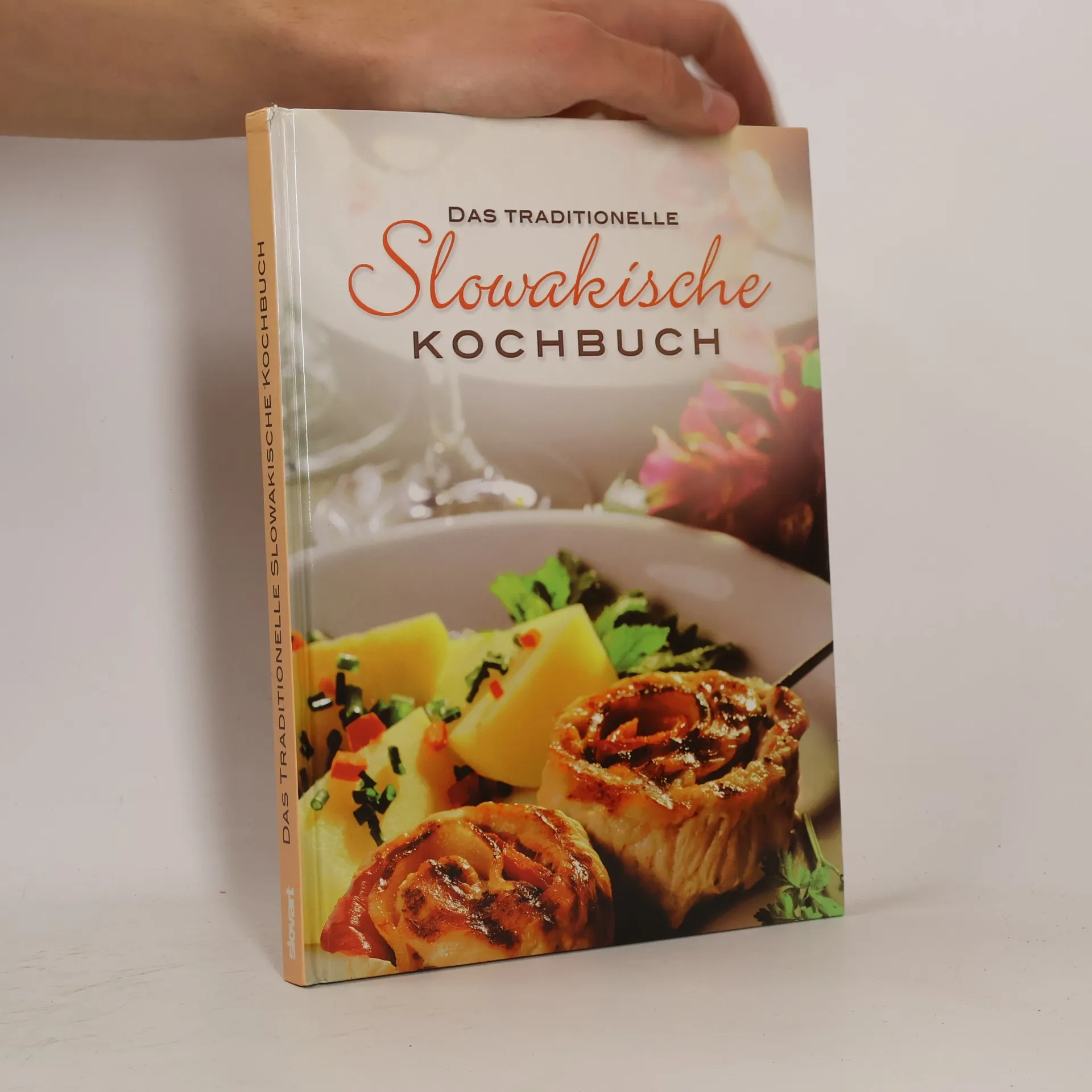
Mohlo by sa zdať, že slovenská kuchyňa sa ocitla zoči voči úžasnej konkurencii a ktovie, či má šancu nad ňou vyhrať. V podstate však nejde o nijakú rivalitu. Tak ako vplyv okolitých, ale aj vzdialených kuchýň zasahuje k nám, naše špeciality veľmi radi ochutnávajú zahraniční turisti. Veď kde inde by si pochutnali na preslávenej pečenej husacine, živánskej pečienke, bryndzových haluškách či strapačkách, slivkových knedličkách, úžasnej kapustnici, fazuľovej alebo hubovej polievke? Môžeme teda povedať, že slovenská kuchyňa sa usiluje zachovať staré, vyskúšané recepty osvedčených jedál, mnohých regionálnych špecialít, ale nebráni sa ani ich inovácii. Veríme, že v tejto knihe nájdete aspoň časť toho najlepšieho, čo ponúka slovenská kuchyňa, a svojim priateľom – aj zahraničným – podľa nej pripravíte nezabudnuteľný gastronomický zážitok.
Obsah: Konštrukcia a funkcia Mazanie a protimrazová ochrana Pracovný postup počas odstraňovania a výmeny kolies Konštrukcia, vybavenie, správne používanie a starostlivosť o pneumatiky Typy, prevádzka, hlavné časti, spoje a používanie brzdového systému a jeho každodenná údržba Metódy lokalizácie príčin porúch vozidla Zručnosti ako opravovať menšie poruchy pomocou správneho technického vybavenia Preventívna údržba vozidiel a nevyhnutné prevádzkové opravy
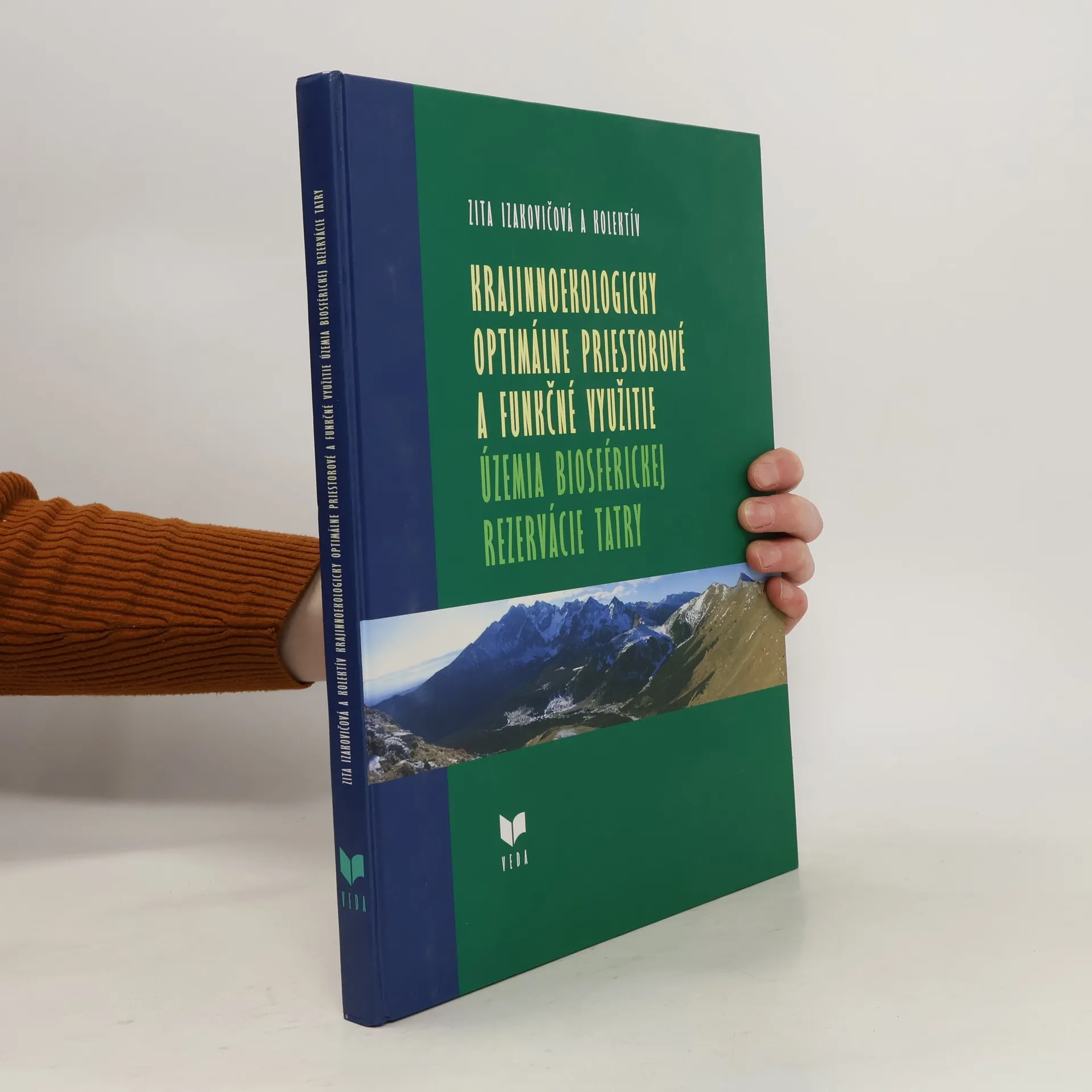
Publikácia novým komplexným integrovaným prístupom rieši problematiku udržateľného využívania horskej a podhorskej krajiny Tatier, problematiku vysoko aktuálnu a atraktívnu nielen vďaka samotnému územiu Tatier, ale aj v dôsledku novovzniknutej situácie po veternej kalamite v novembri 2004. Je všeobecne známe, že pokrok v akejkoľvek oblasti ľudských aktivít nie je možný bez myšlienky, bez intelektuálneho impulzu a v nových dobách ani bez odborného a vedeckého zdôvodnenia. Považoval som preto za samozrejmé, že vedecké posúdenie situácie v Tatrách, vedecké informácie a vedecké argumenty budú základom štúdie, resp. plánov pre akcie v Biosférickej rezervácii UNESCO Tatry tak, aby po ich uplatňovaní bol dosiahnutý (alebo dosahovaný) optimálny stav, ktorý je viac-menej trvalý, ekologicky stabilný a ekologicky udržateľný...
'Posudzovaná učebnica patrí medzi rozsiahlejšie texty svojej kategórie. Početnosť jej strán 'má na svedomí' značný počet ilustračných príkladov, ktoré približujú vnímaniu študenta neraz zložitú teoretickú analýzu toho-ktorého právneho inštitútu. Takýto sposob spracovania považujem za mimoriadne progresívny a prínosný. Systematika učebnice je logická a netradičná najma tým, že obsahuje dosiaľ málo spracované alebo nespracované kapitoly. Ide najma o časť Európske správne právo. Pozitívne hodnotím aj zaradenie netradičnej části Vymožiteľnosť práva vo verejnej správe z pohľadu občana.'
Špeciálna virológia
- 226bladzijden
- 8 uur lezen
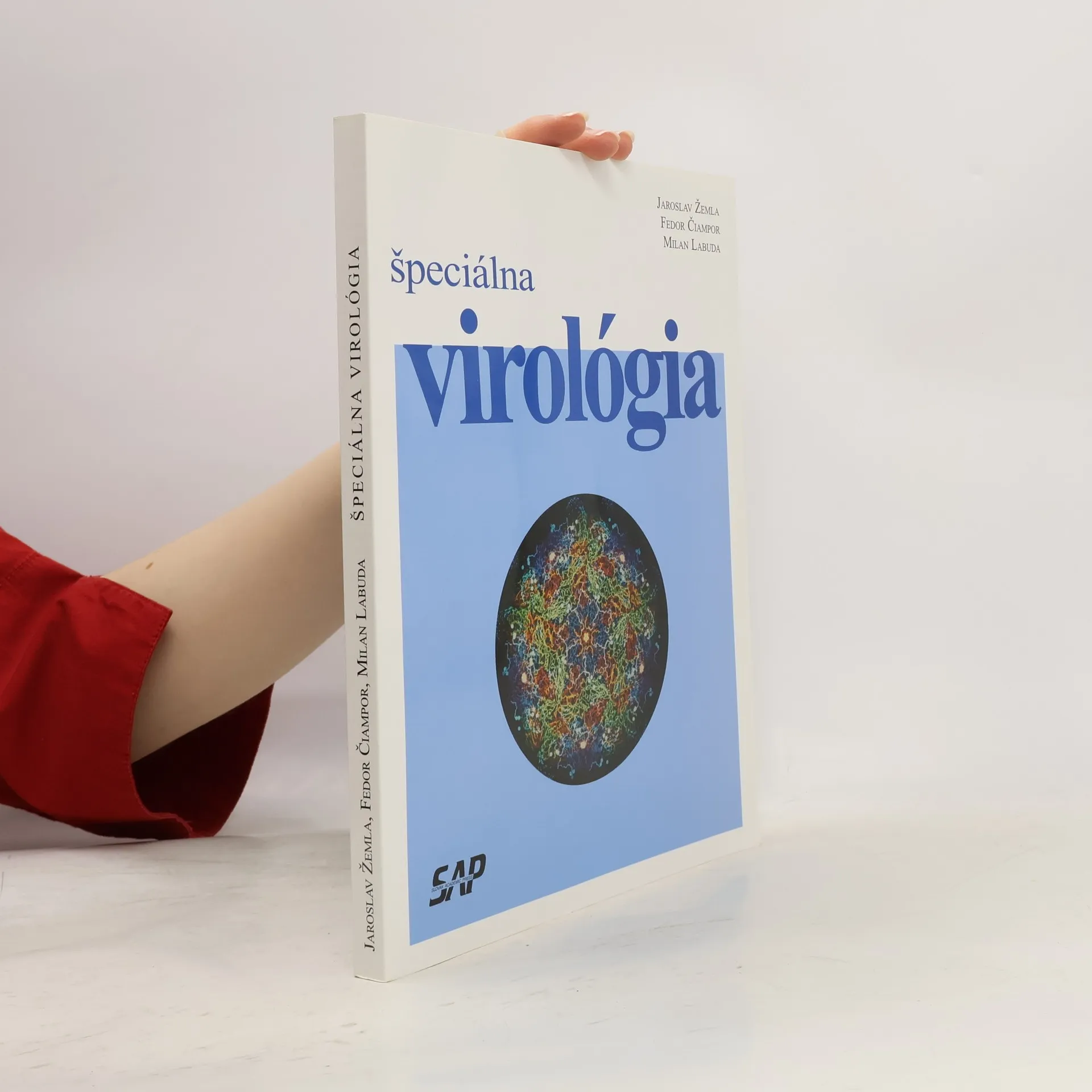
Špeciálna virológia vychádza dva roky po svojej predchodkyni Všeobecnej virológii ako prirodzený dôsledok snahy autorov sprístupniť najnovšie poznatky o vírusoch odbornej verejnosti. Kniha systematicky charakterizuje jednotlivé vírusy v rámci taxonomických celkov a zaoberá sa aj chorobami, ktoré tieto vírusy vyvolávajú.
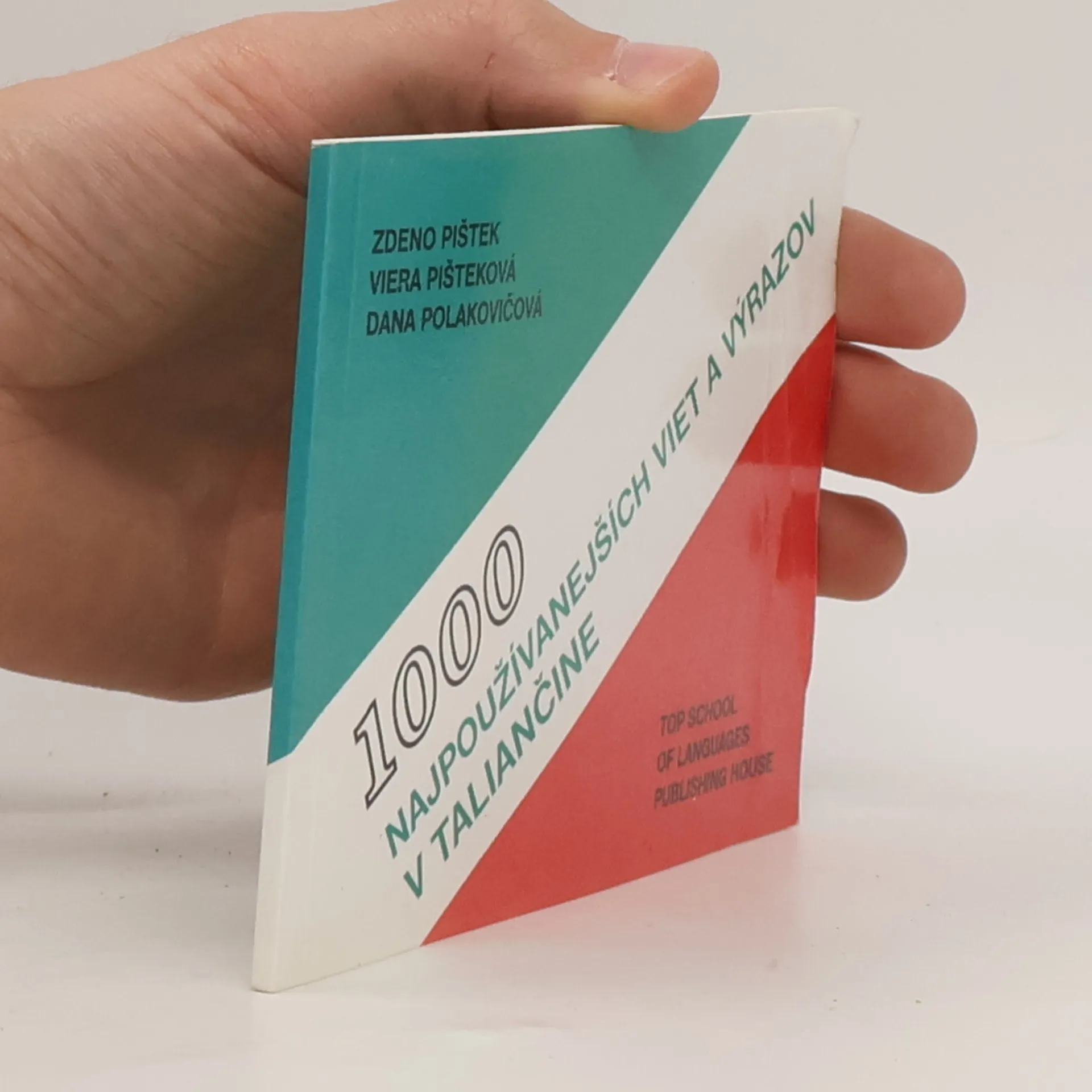
Titul obsahuje 1000 najpoužívanejších viet a výrazov v taliančine.
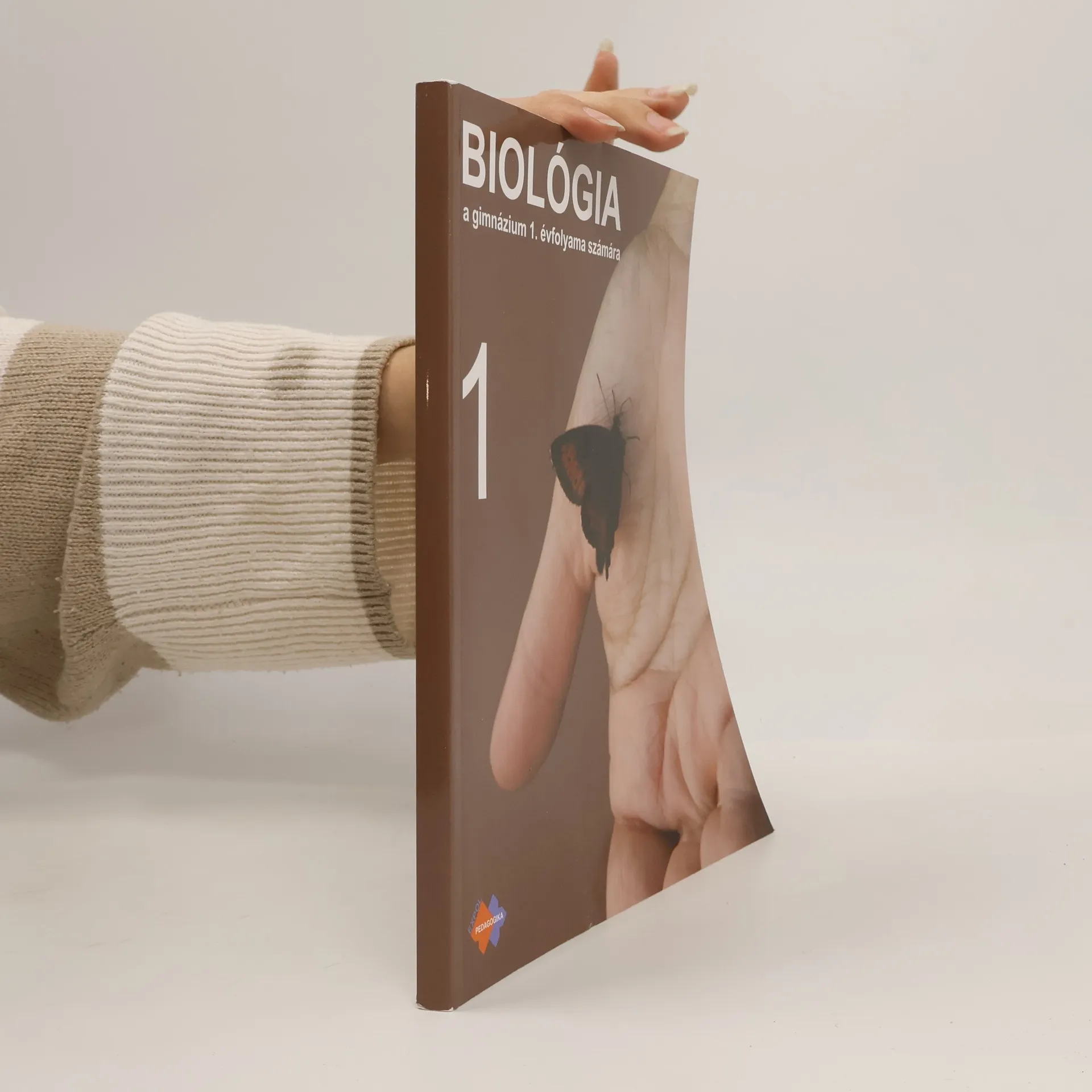
Učebnica biológie obsahuje informácie o základných skupinách rastlín, živočíchov a mikroorganizmov v ich prirodzenom prostredí a vo vzťahu k človeku. Obsah učebnice je rozdelený do piatich tematických celkov: - Organizmus a prostredie - slúži na zopakovanie a doplnenie pojmov z ekológie. - Život a voda - prostredníctvom života vo vode a pri vode predstavuje základné skupiny organizmov. Opis ich znakov a vlastností dopĺňajú informácie o ich mieste a úlohe v prostredí a o ich postavení a význame v evolúcii živej prírody. - Špecializácia rastlín a živočíchov - vysvetľuje schopnosť živej prírody adaptovať sa na rozmanité podmienky. - Mikrosvet - obsahuje prehľad a základnú charakteristiku mikroorganizmov. Poukazuje na ich význam v prírode a pre človeka. - Život s človekom - obsahuje informácie o živočíchoch, ktoré sa adaptovali na život v ľudských sídlach a informácie o rastlinách a hubách, ktoré využívame ako potravu, lieky, biosuroviny, ale aj na okrasu. Učebnicu dopĺňa príloha, ktorá obsahuje systematický prehľad základných skupín organizmov. Základný text učebnice je doplnený o rozširujúce informácie a ilustrácie, najmä vo forme autentických fotografií.
Kazuistiky sú vyhľadávaným informačným zdrojom a získavajú si u lekárov čoraz väčšiu popularitu. Diagnostika a všetky aspekty zdravotnej starostlivosti sú komplikované, a preto často nedodržaním štandardov a postupov môže dôjsť k poškodeniu pacienta. Okrem prípadov z praxe spracovanými špecialistami a praktickými lekármi, v brožúre uvádzame aj kazuistiky poskytnuté Úradom pre dohľad nad zdravotnou starostlivosťou. V publikácii nájdete: • prípady z praxe spracované odborníkmi z radov všeobecných lekárov, internistov a iných špecialistov z ústavnej starostlivosti, • kazuistiky riešené Úradom pre dohľad nad zdravotnou starostlivosťou, informujúce formou anamnestických údajov a epikritického zhrnutia o prípadoch, kde zdravotná starostlivosť nebola poskytnutá správne, prípadne podanie na ÚDZS bolo neopodstatnené. Veríme, že prostredníctvom prípadov a riešení uverejnených v tejto publikácii získate hodnotné informácie a odpovede, ktoré využijete aj vo Vašej praxi.
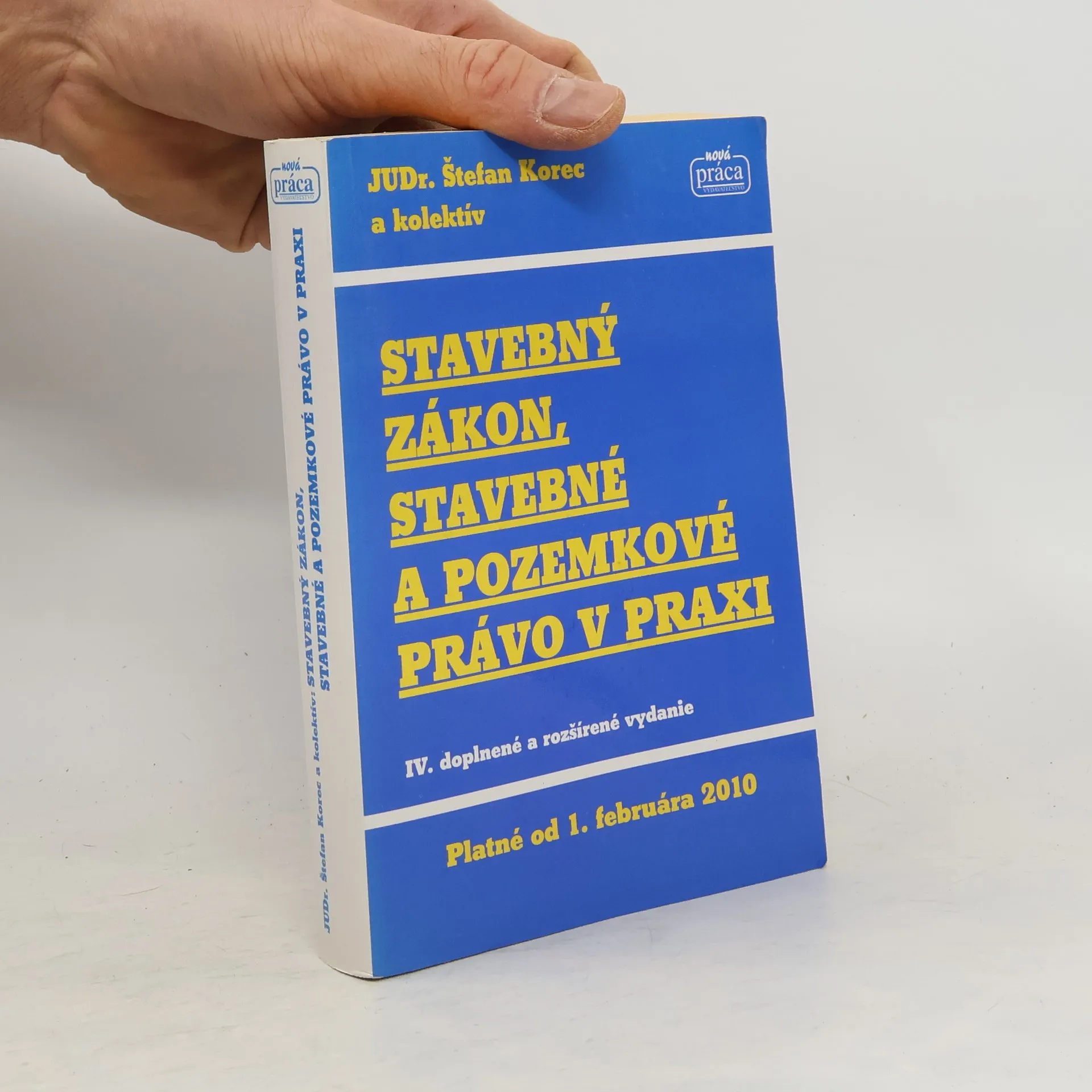
V tejto knihe poskytujeme základné informácie o všetkých dôležitých pozemkovoprávnych predpisoch a inštitúciách podľa platného práva v Slovenskej republike. Publikácia sumarizuje prehľad právneho usporiadania pozemkových vzťahov. Pomerne široký pohľad na stavebné a pozemkové právo dáva čitateľovi podrobný obraz o veľmi diskutovanej téme, akou je nesporne pôda. Všetky zákony sú doplnené podrobným komentárom a spolu vytvárajú kompaktné dielo. Publikácia zachytáva právny stav k 1. februáru 2010.
Občiansky súdny poriadok s judikatúrou, 4. vydanie
- 488bladzijden
- 18 uur lezen
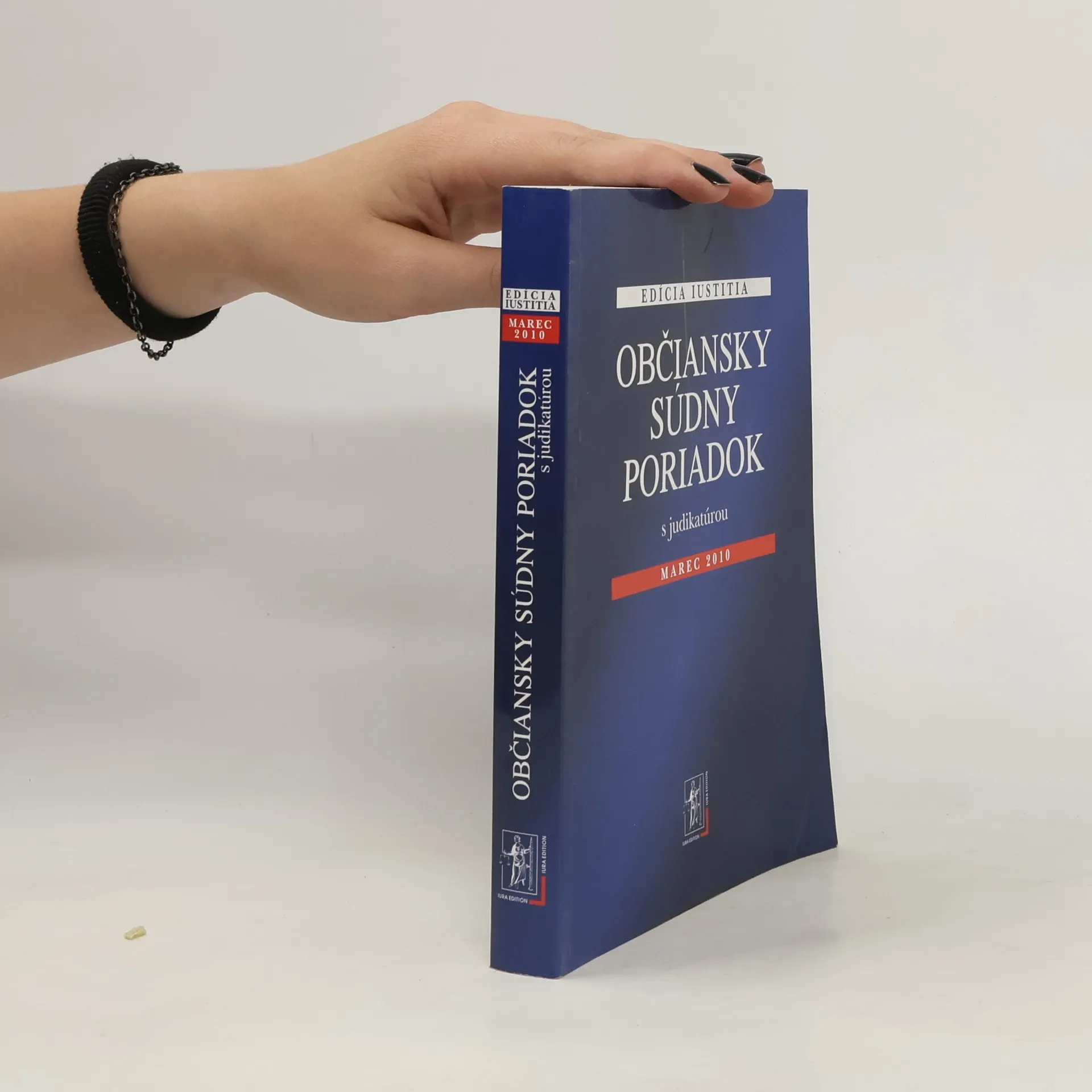
Publikácia Občiansky súdny poriadok s judikatúrou spracovaná netradičnou formou, ktorú zaiste oceníte vo Vašej každodennej práci je prvou z viacerých publikácií, ktoré budú vychádzať v novej edícii nazvanej IUSTITIA. Publikácie budú vychádzať opakovane, pravidelne raz ročne, prípadne po väčšej novele, v krátkom čase po nadobudnutí jej účinnosti, pričom vždy budú obsahovať znenia v časovom pásme päť rokov spätne od účinnosti poslednej novely.
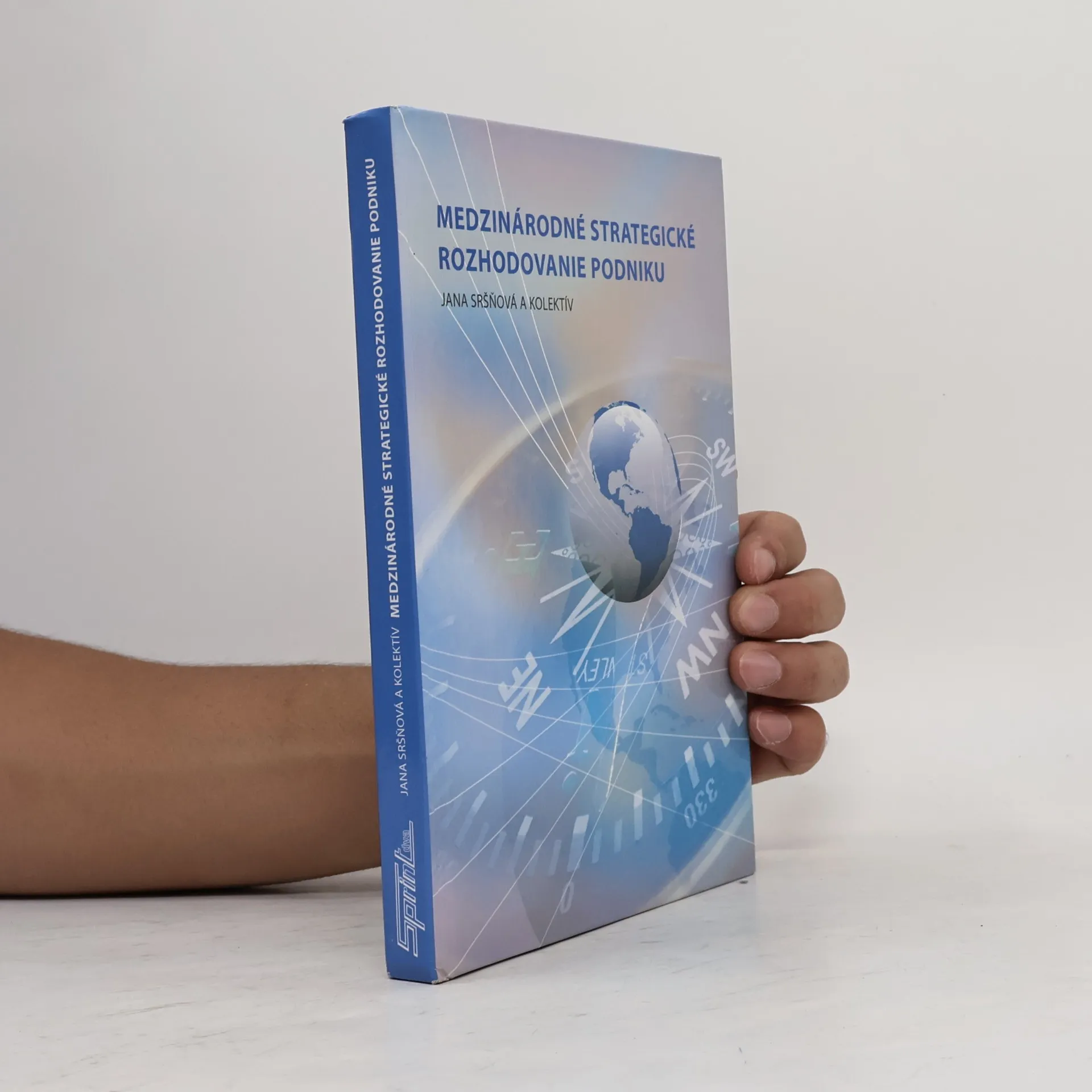
Internacionalizácia podniku. Teoretické základy. Faktory, motívy a ciele Rozhodovanie pre alebo proti internacionalizácii podniku – analýzy východiskovej situácie Výber základnej strategickej medzinárodnej orientácie podniku Výber zahraničného trhu Výber formy vstupu na zahraničný trh Multinacionálny podnik – vybrané charakteristiky jeho fungovania Kultúra ako determinanta medzinárodnej podnikovej politiky Vplyv internacionalizácie na vybrané oblasti podniku Aplikácia vybraných metód využívaných pri strategickom rozhodovaní v medzinárodnom podnikaní
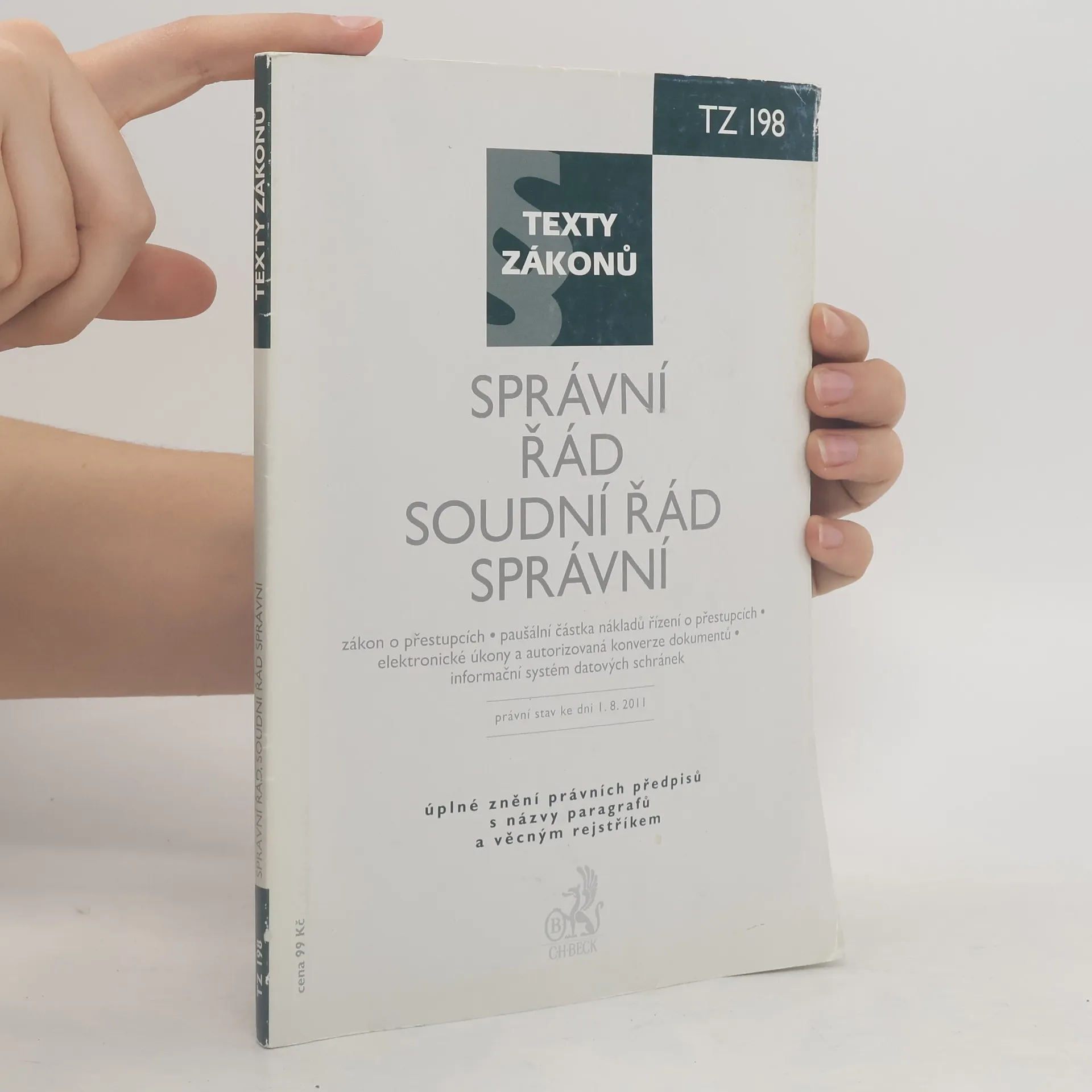
Tento sešit obsahuje : zákon o přestupcích paušální částku nákladů řízení o přestupcích elektronické úkony a autorizovanou konverzi dokumentů informační systém datových schránek Právní stav ke dni 1.8. 2011
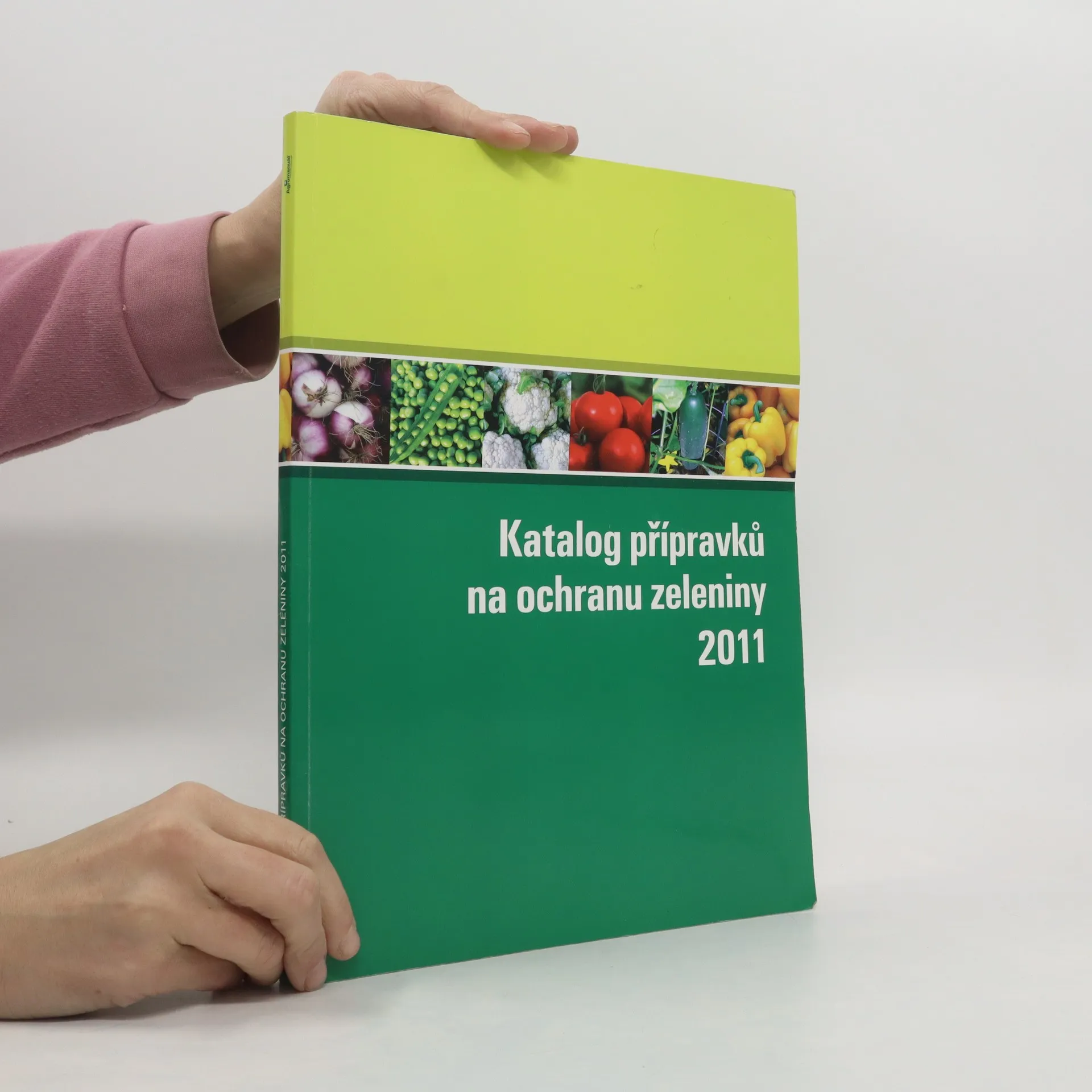
Podrobné a přehledné informace o použití přípravků v zelenině. Katalog obsahuje řešení pro ochranu následujících plodin: brokolice, kedlubna, kapusta, květát, zelí, salát, špenát, pažitka, celer bulvový, mrkev, petržel kořenová, ředkev, ředkvička, řepa červená, okurka, paprika, rajčata, cibule. česnek, pór, hrách zahradní, fazol a možnosti použití biologické ochrany ve sklenících.
Obsah: 1. Štruktúra funkcia biologických makromolekúl, 2. Základné mechanizmy v molekulárnej biológii, 3. Metódy v molekulárnej biológii, 4. Regulácie expresie génov, 5. Vlastnosti biologických membrán, 6. Transport látok cez membrány, 7. Premena energia, 8. Biogenéza bunkových organel a transport proteínov, 9. Bunková signalizácia, 10. Regulácia bunkového systému, 11. Cytoskelet, 12. Teloméry a replikačná senescencia, 13. Programová smrť buniek
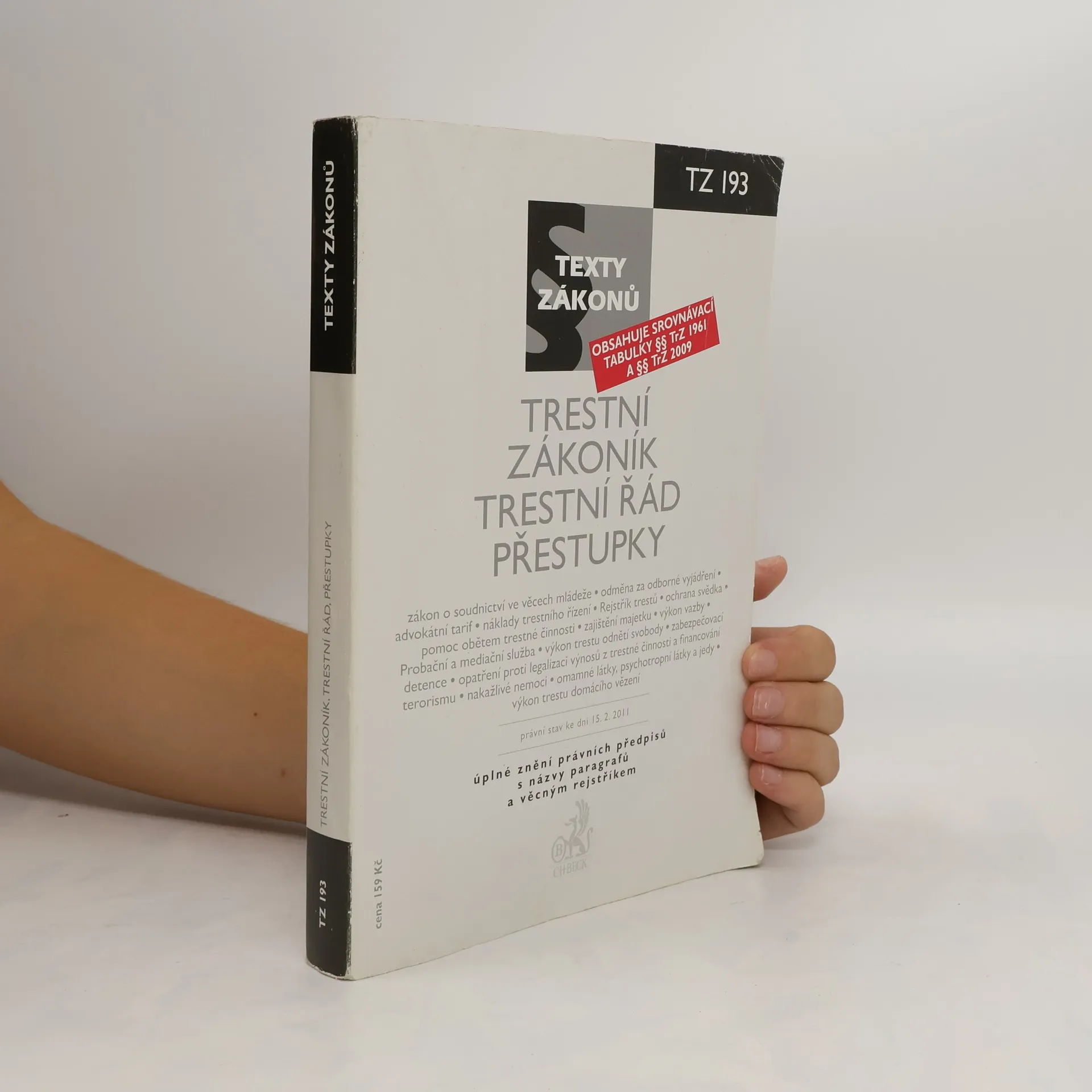
Tento sešit obsahuje : zákon o soudnictví ve věcech mládeže odměnu za odborné vyjádření advokátní tarif náklady trestního řízení Rejstřík trestů ochranu svědka pomoc obětem trestné činnosti zajištění majetku výkon vazby Probační a mediační službu výkon trestu odnětí svobody zabezpečovací detenci opatření proti legalizaci výnosů z trestné činnosti a financování terorismu nakažlivé nemoci omamné látky, psychotropní látky a jedy výkon trestu domácího vězení.
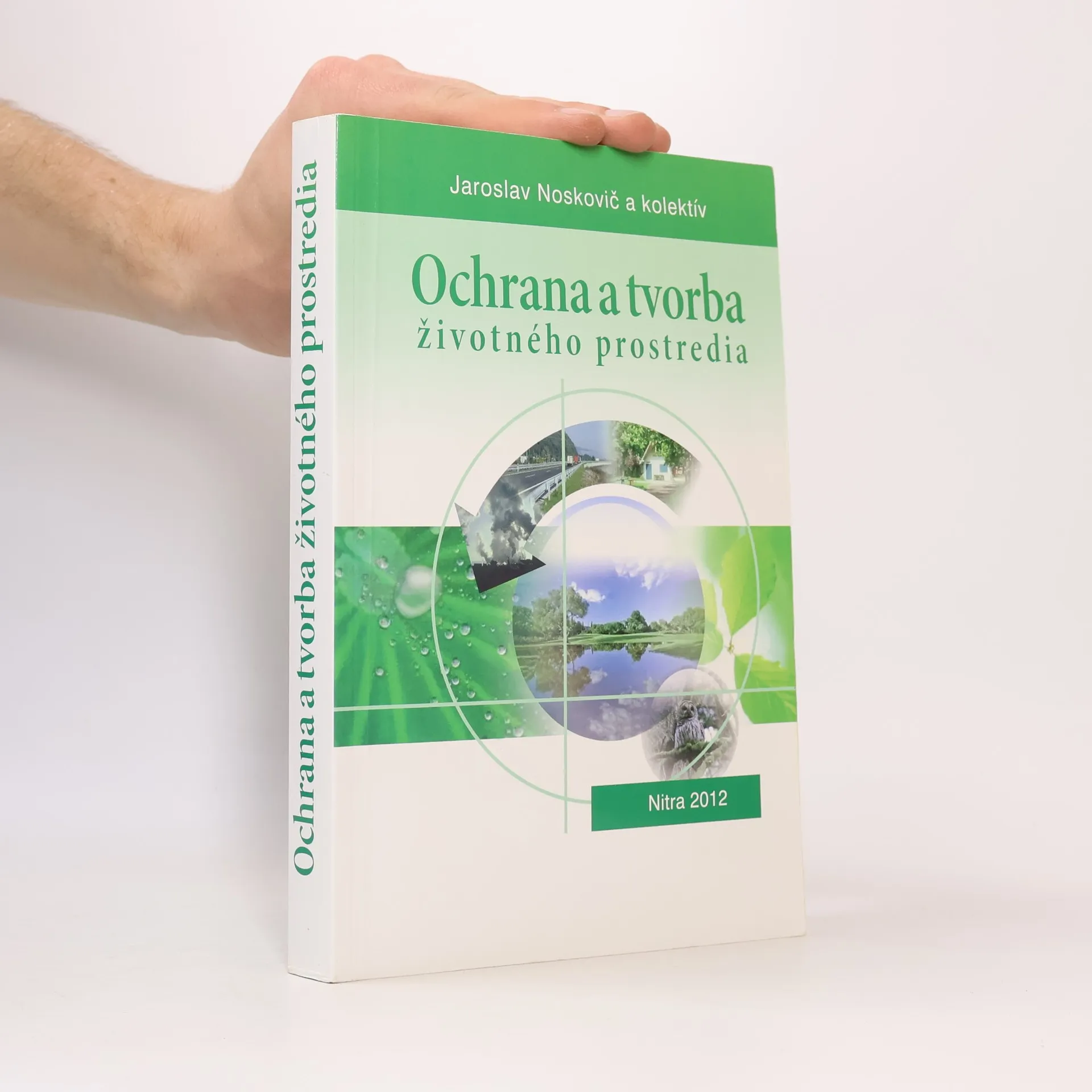
Cieľom knihy je poskytnúť najnovšie poznatky o základných pojmoch v oblasti životného prostredia, jeho ekologických základoch, prírodných zdrojoch, najmä pôde, vode, atmosfére jako zložke životného prostredia, ochrane prírody a krajiny, odpadoch, rizikových prvkoch v životnom prostredí, udržateľnom rozvoji, posudzovaní vplyvov na životné prostredie, environmentálnom manažérstve, monitorovaní životného prostredia a environmentálnom práve.
Publikácia obsahuje úplné znenie Zákonník práce s účinnosťou od 1. januára 2012, s výraznenými zmenami poslednej novelizácie v parlamente, (zákona č. xxx/2012 Z. z.)
Chov nosnic pro produkci konzumních vajec
- 68bladzijden
- 3 uur lezen
Základní údaje Definice chovů nosnic pro produkci konzumních vajec Označování konzumních vajec Dodavatelé technologických systémů chovu nosnic Požadavky na jednotlivé technologické systémy chovu nosnic a jejich provozní soubory, orientační údaje o hustotě zástavu, úhynech, spotřebách a produkcích Obohacený klecový systém Voliérový systém Podlahový systém Požadavky společné pro veškeré systémy chovu nosnic a jejich provozní soubory Udržování kvality vnitřního prostředí haly Sběr vajec Automatizace provozu Čištění a dezinfekce vnitřních prostor haly Stavební požadavky Havarijní zajištění dodávky elektrické energie Souhrnné údaje o jednotlivých technologických systémech chovu nosnic Dodržení požadavků na rozsah využitelných ploch Hustota zástavu, rozsah úhynu, spotřeby a produkce Pohoda a ochrana zdraví nosnic, pracovní podmínky ošetřovatelů Kvalita a ekonomika produkce vajec Vzorová řešení technologických systémů chovu nosnic Technologické systémy – Hostivická STM, s.r.o. Technologické systémy – KOVOBEL, v.d.
Vědomí evropanství a jeho proměny v kontextu edukace
- 200bladzijden
- 7 uur lezen
Cílem této monografie je postihnout proměny vědomostí a postojů zkoumané skupiny respondentů k vybraným aspektům evropanství a charakterizovat některé rysy reality dějepisného vyučování na školách, především zohledňování principu multiperspektivity a míru akcentování interkulturních témat.
Pro koho to děláš?
- 48bladzijden
- 2 uur lezen
Debata s pozvanými hosty nad smyslem a podobami současných doprovodných programů v galerijním a muzejním provozu. Tato publikace shrbuje textovou dokumentaci, která vznikla k debatě (anketa), a jednotlivé příspěvky oslovených hostů debaty.
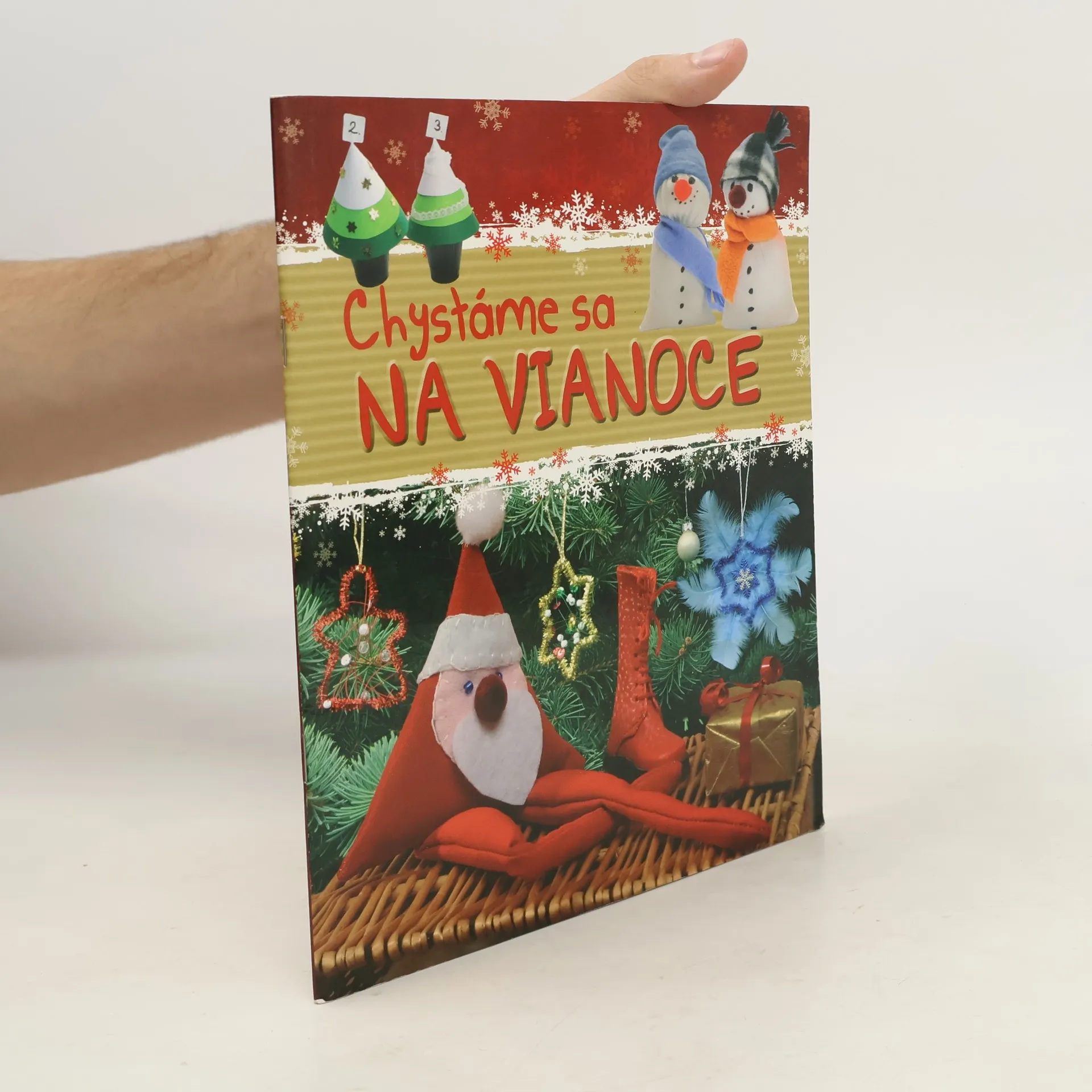
Chystáme sa na Vianoce
- 32bladzijden
- 2 uur lezen
Vianoce sú obdobím bohatým na očakávanie. Počas neho dostane chuť na tvorbu darčekov aj ten, kto inak v ručných prácach nie je veľmi zručný. Jednoduchých, ale zaujímavých nápadov nie je nikdy dosť! Táto kniha ponúka nápady na tvorbu dekorácií a darčekov z materiálov, ktoré sa nachádzajú v každej bežnej domácnosti. Ich príprava nie je časovo náročná. Skúsenosti sú také, že človek nedokáže prestať pri príprave jedného kusa. Tvorba týchto modelov poskytuje možnosť tráviť čas spoločne s deťmi a takto pripravená drobnosť zárovň ponúka aj príjemnú rodinnú aktivitu.
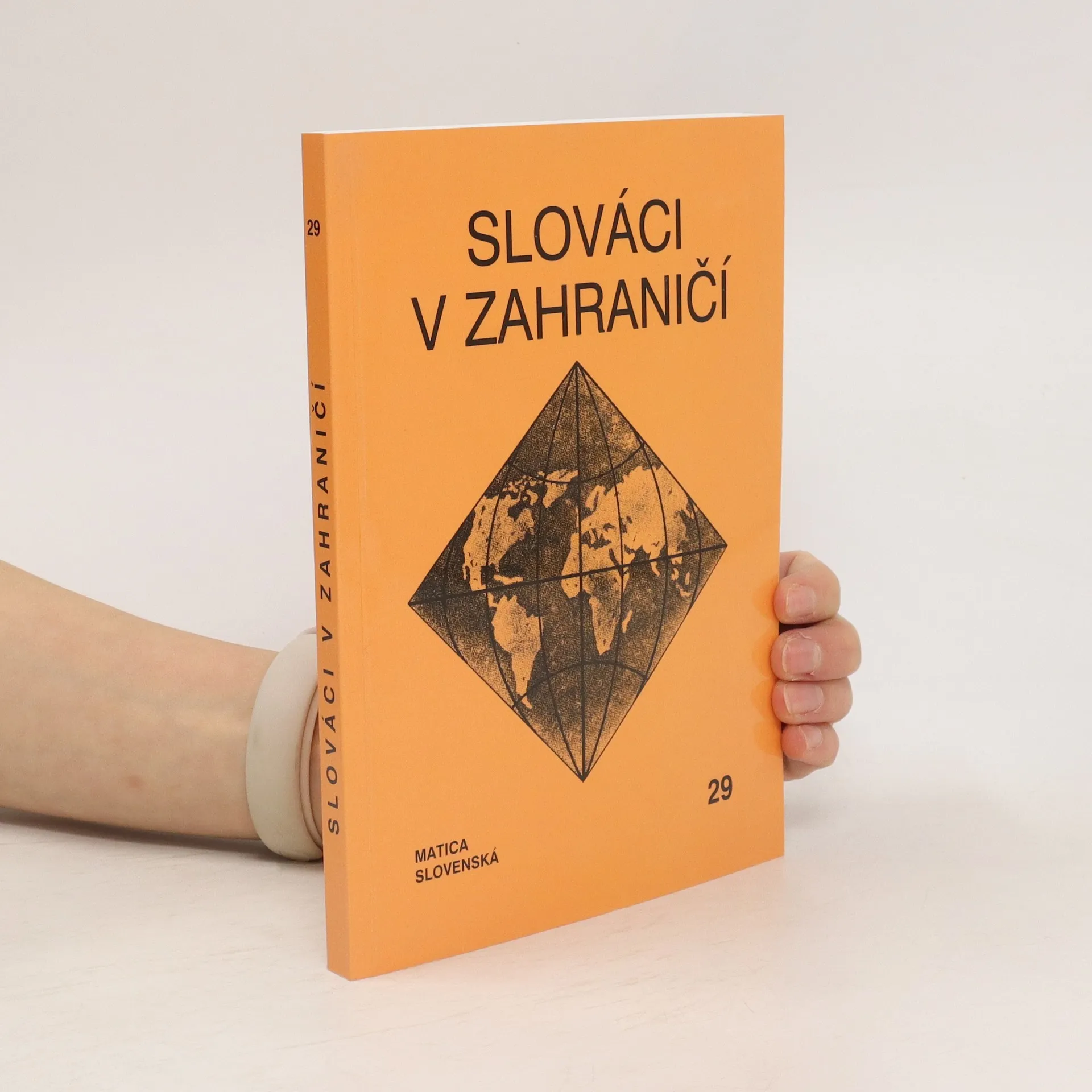
Slováci v zahraničí 29
- 210bladzijden
- 8 uur lezen
Kniha Slováci v zahraničí 29: 29. ročník zborníka Slováci v zahraničí je venovaný Roku Matice slovenskej pri príležitosti 150. výročia jej vzniku a 1 150. výročia príchodu Konštantína Cyrila a Metoda na naše územie.