The Lumumba Plot
- 638bladzijden
- 23 uur lezen
"A spellbinding work of history that reads like a Cold War spy thriller-about the US-sanctioned plot to assassinate the democratically elected leader of the newly independent Congo"-- Provided by publisher



"A spellbinding work of history that reads like a Cold War spy thriller-about the US-sanctioned plot to assassinate the democratically elected leader of the newly independent Congo"-- Provided by publisher
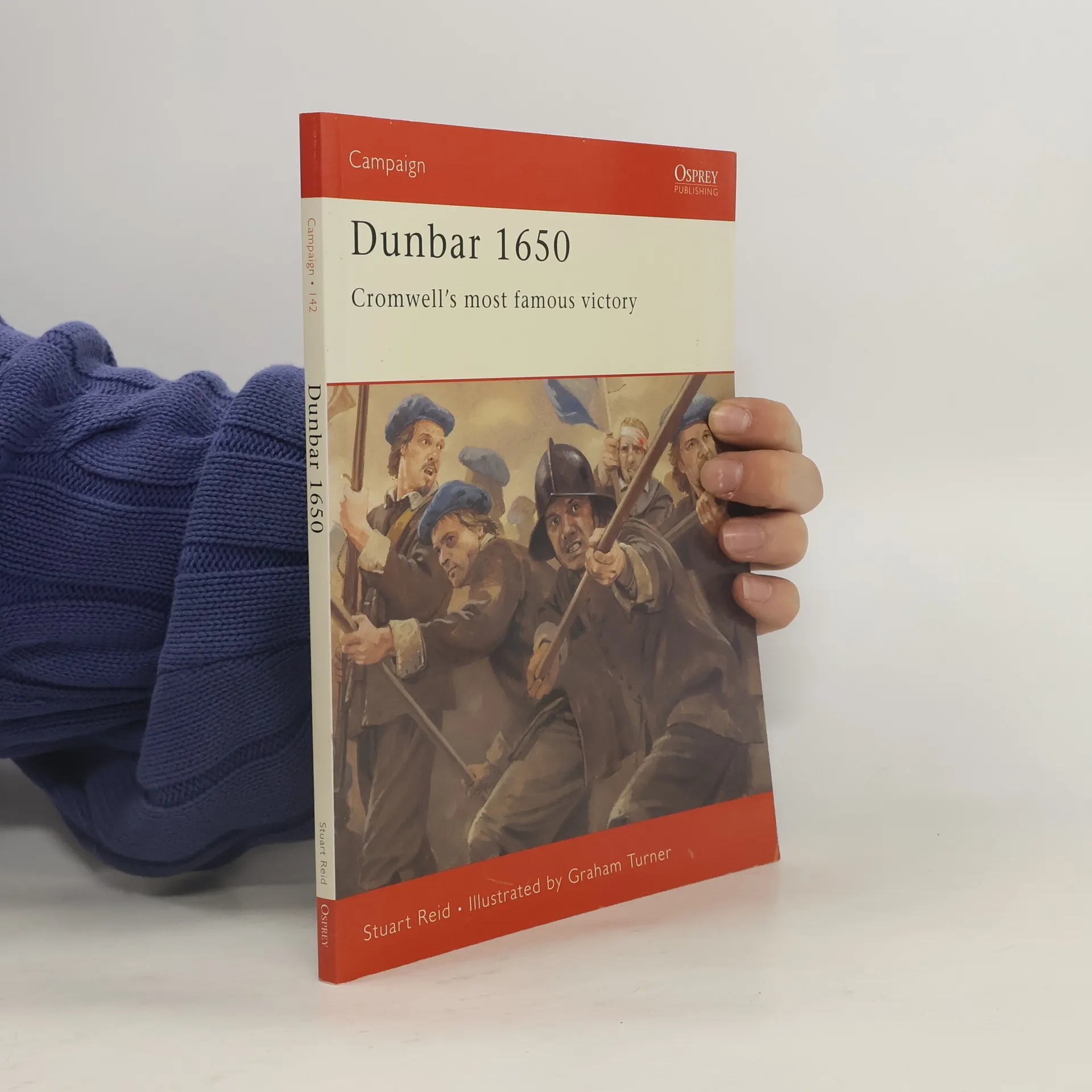
Osprey's study of the most famous battle of the Third English Civil War (1649-1651). Having already allied with his father, the Scots' acceptance of Charles II as king in 1649 caused deep suspicion in England. In July 1650, Oliver Cromwell led a powerful force across the Scottish border to remove the problem. For six weeks Cromwell waged a frustrating campaign against a Scots enemy that refused to meet him in battle. By the beginning of September Cromwell's army, poorly supplied, exhausted and ravaged by sickness, was apparently trapped at Dunbar by a powerful Scots army. On 3 September he won his greatest military victory just outside the town, but in this book Stuart Reid suggests that his triumph may in fact have begun as a breakout attempt.
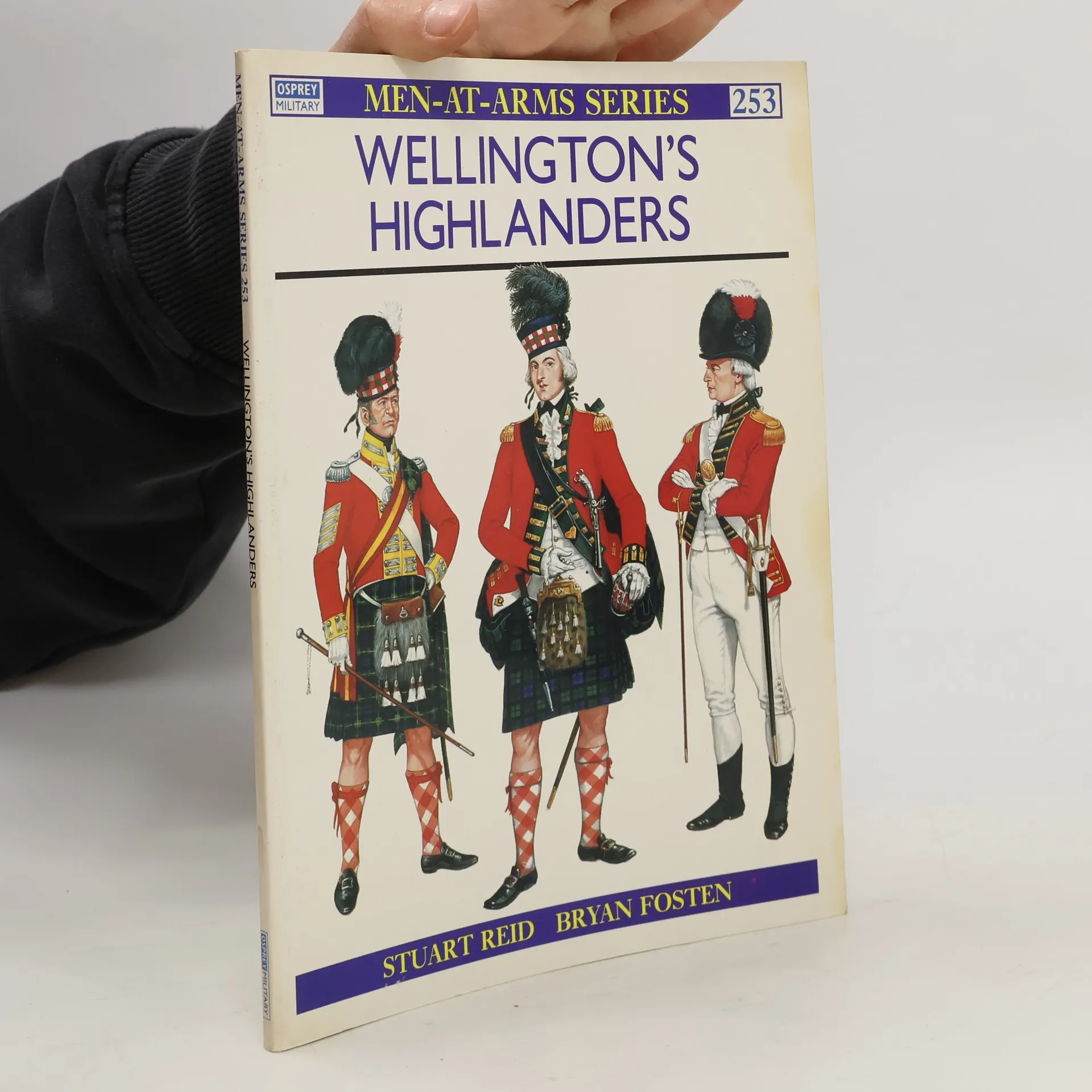
Ultimately, regiments are judged by their behaviour in battle; and highlanders have always had a reputation as 'stormers', as exemplified by the impetuous charge of the Gordons at Waterloo, intermingled with the Scots greys. This reputation probably resulted at least in part from an unusually close bonding between officers and men, and an assumption that highlanders were natural soldiers, possessed of an impetuous spirit and temperamentally more inclined to use the bayonet. Complemented by many illustrations, including eight full page colour plates by Bryan Fosten, Stuart Reid's engaging text examines the uniforms and organisation of Wellington's Highlanders.
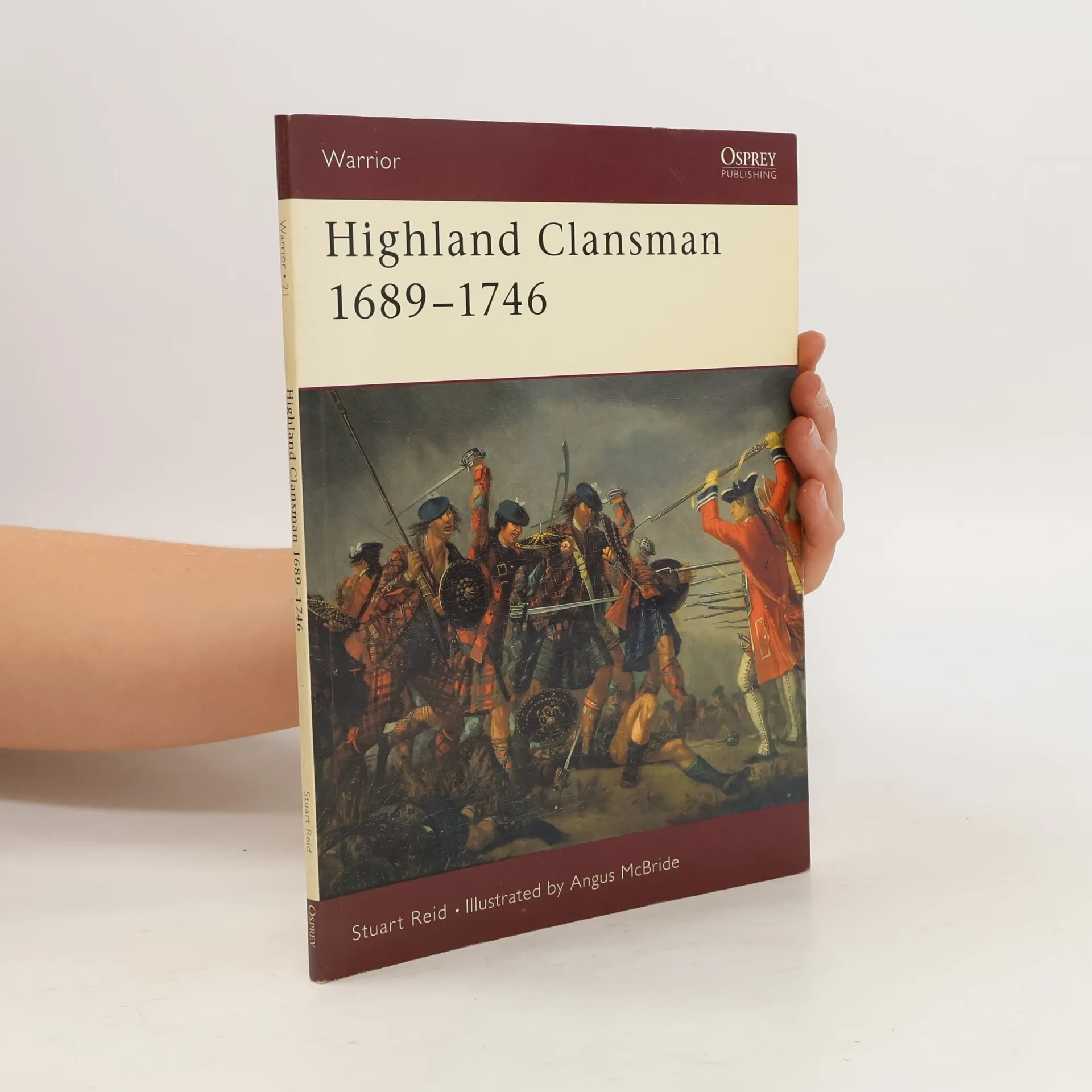
For nearly 60 years the clans of Highland Scotland proved to be an almost constant thorn in the side of a series of British monarchs. Fiercely independent, the clans comprised an agricultural peasantry dominated by a warrior aristocracy. They held most forms of authority in contempt and did not submit to London meekly. Their first loyalty was to the exiled house of Stuart and in a series of rebellions the Highland clans rose against the ruling monarch, although some of these rebellions, like the Battle of Culloden (1745) of the Jacobite Rising, were unsuccessful. The author examines in detail the society that produced these fierce fighters and the tactics they used in battle including the feared 'Highland Charge'.
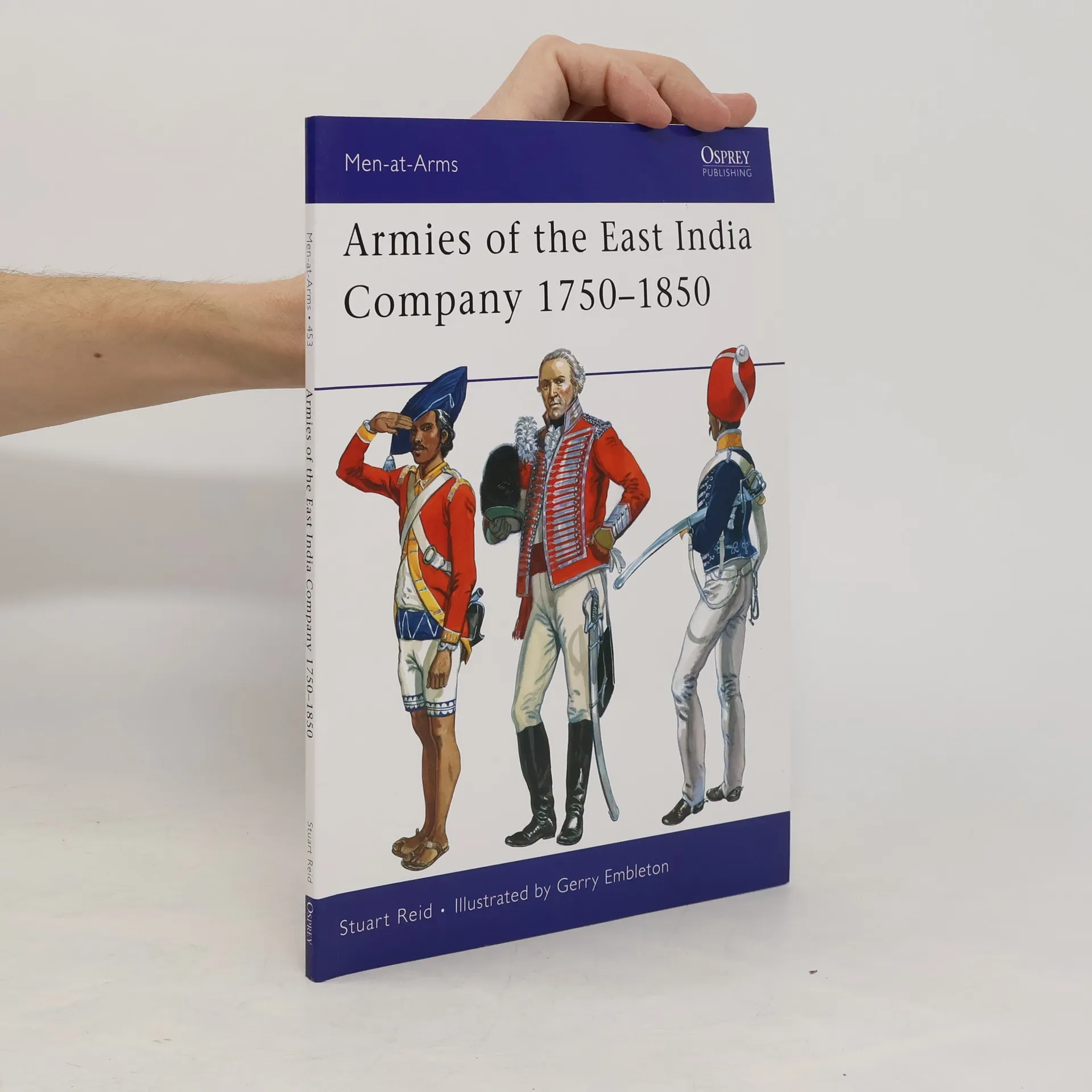
Contrary to popular belief, the capture of India was not accomplished by the British Army, but by the private armies of the East India Company, whose primary objective was the protection of their trading empire. Under the leadership of the legendary Robert Clive (founder of the East India Company) and Stringer Lawrence, this small force of mercenaries and adventurers grew in size and strength to eventually become an army larger than that of any European sovereign state. Highly disciplined and professional, it fought almost continuously for a century until the Great Mutiny of 1857 led to its disbandment and its troops passed into Crown service. One of the many British Army officers who fought with this force was Arthur Wellesley, the future Duke of Wellington. This is the fascinating history of the East India Company army, examining the many conflicts in which they fought, and their equipment and training, with its regiments of horse, foot and guns, which rivalled those of most European powers. The exotic uniforms combining traditional Indian and British dress are illustrated in detail and make for a wonderfully colorful account of a private band of adventurers that successfully captured the jewel of the British Empire.