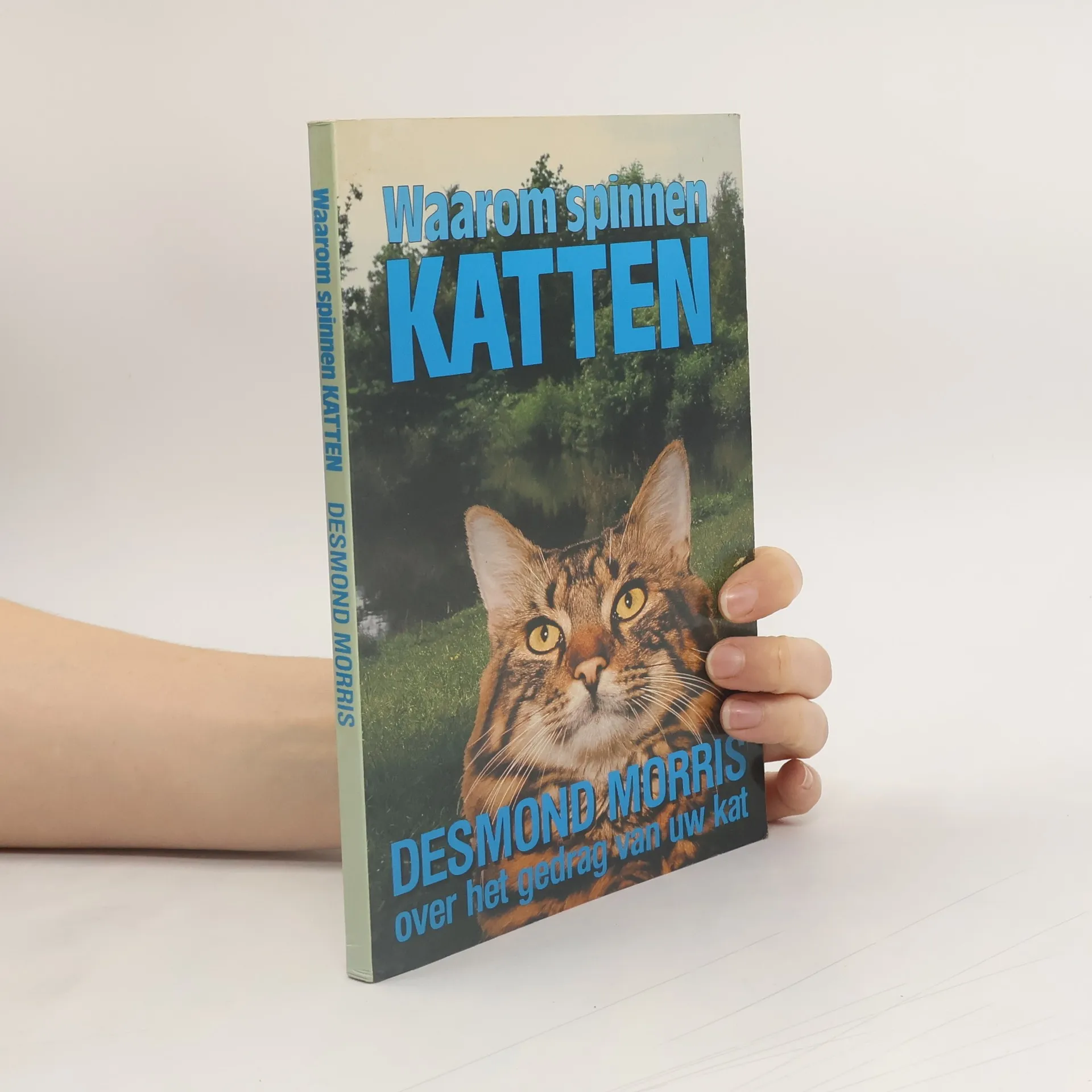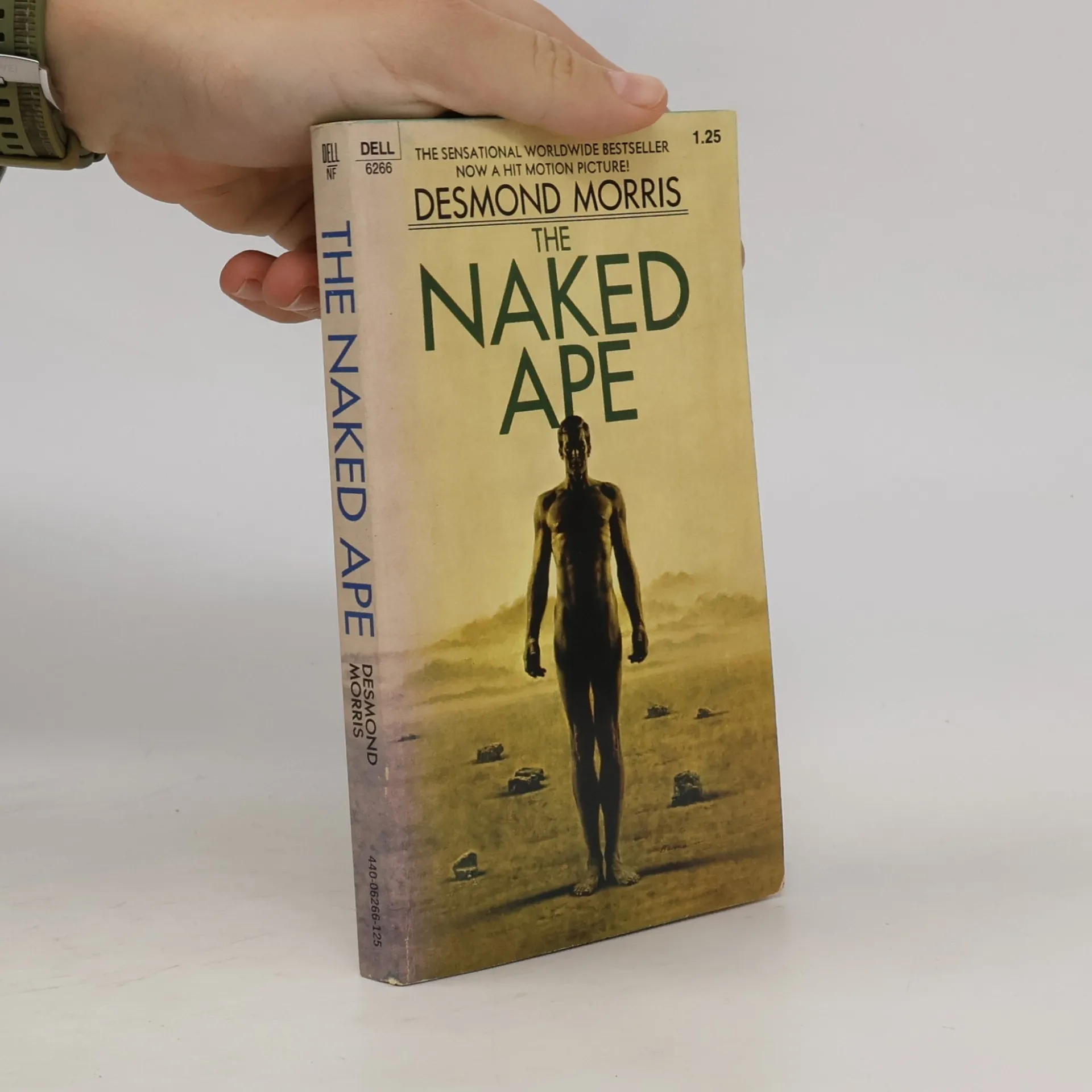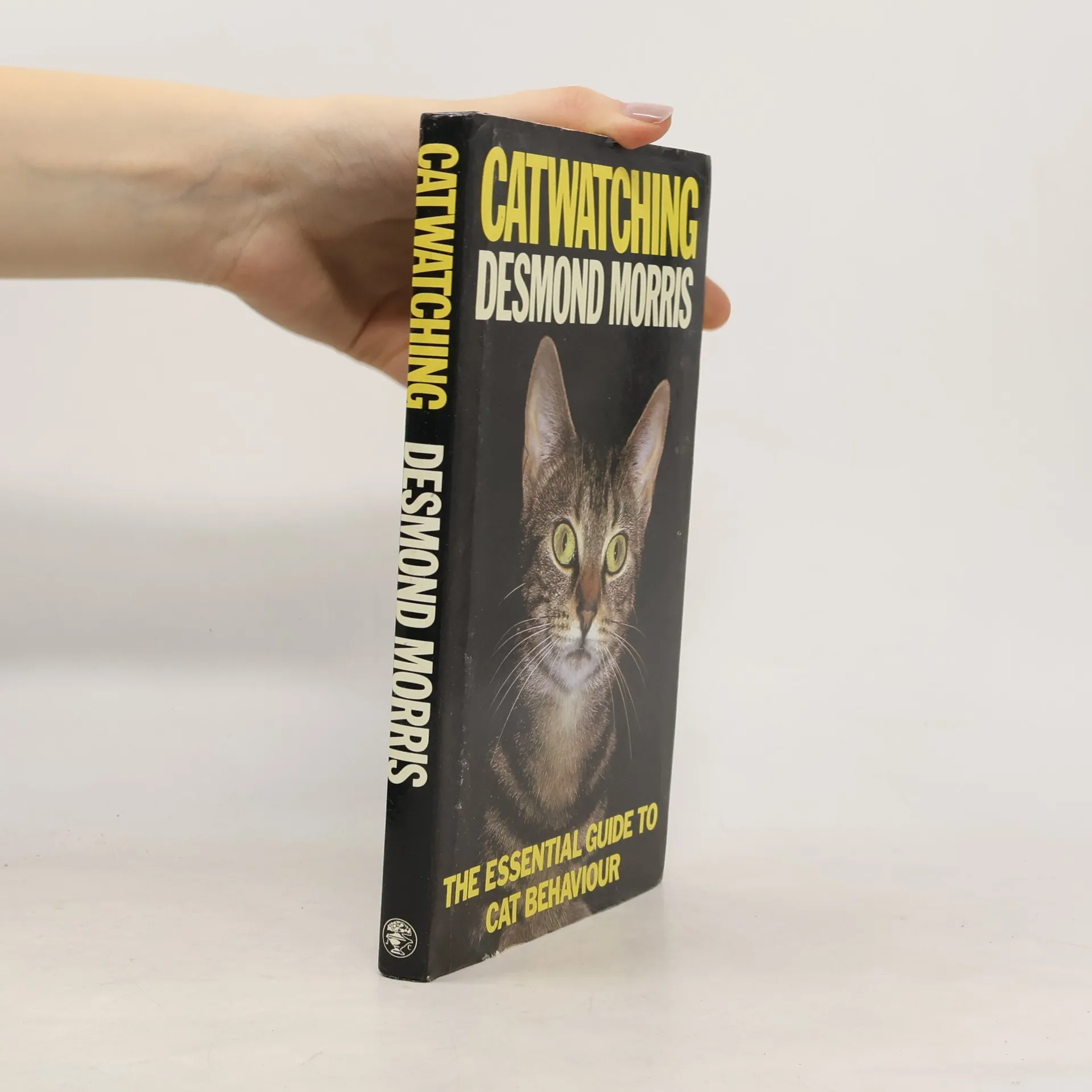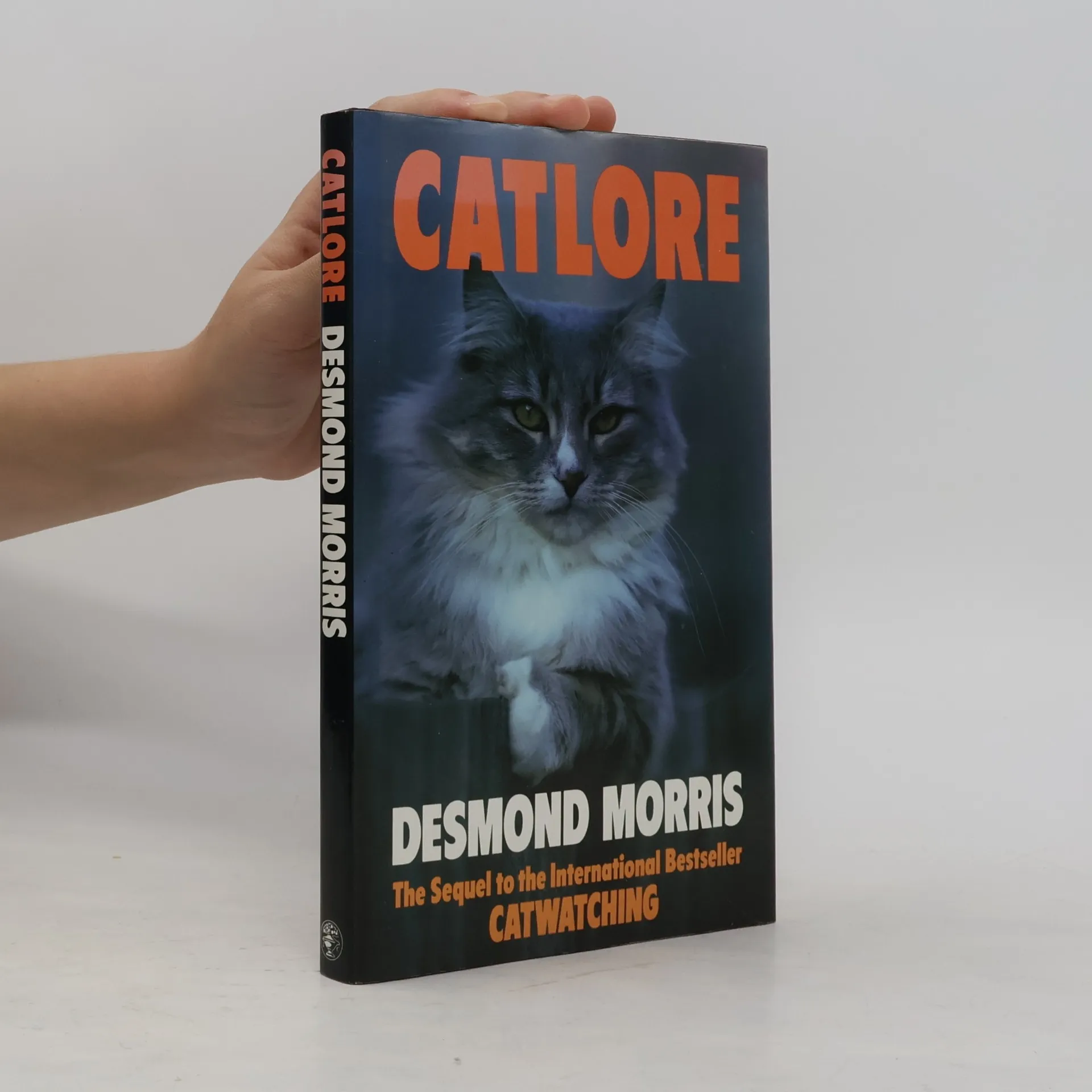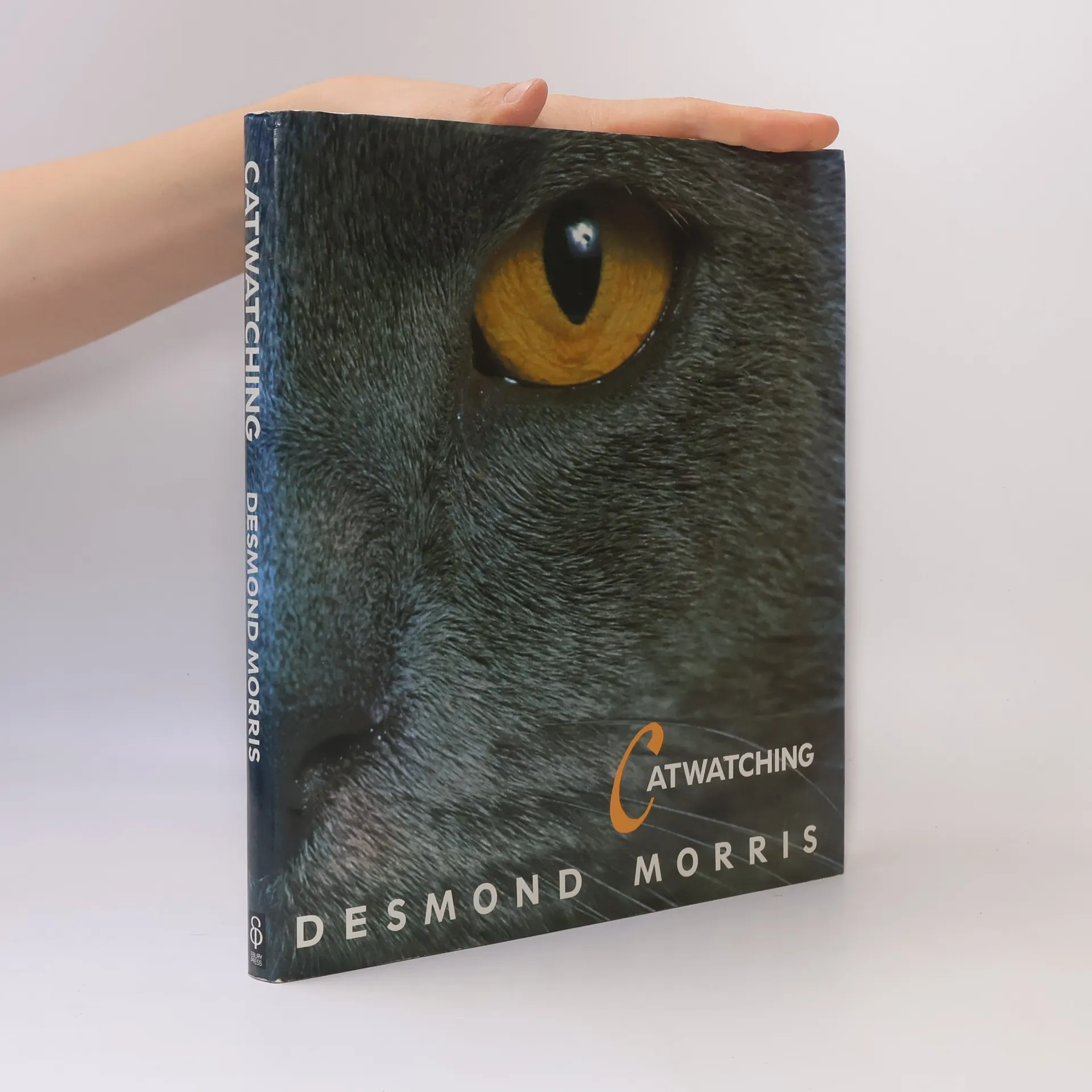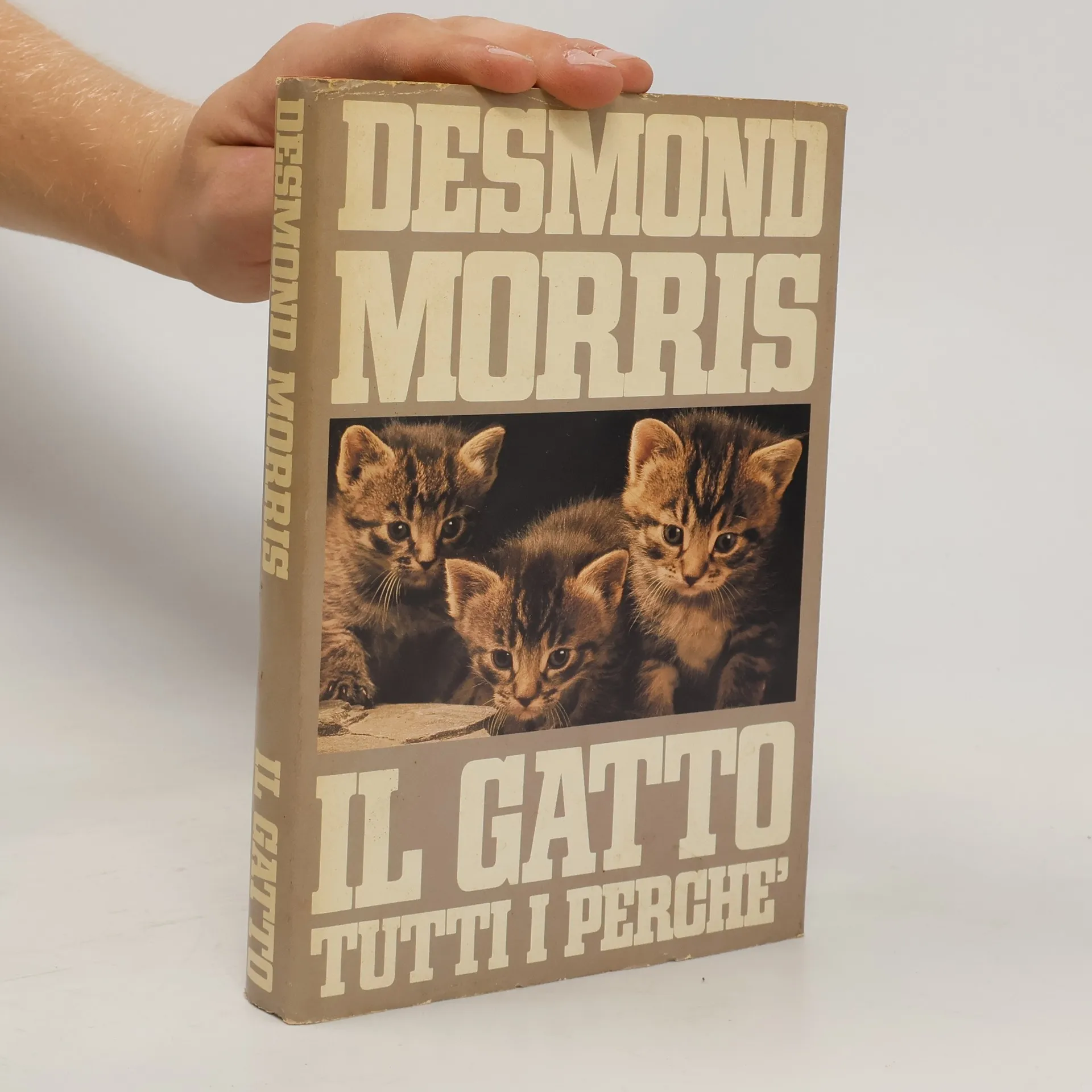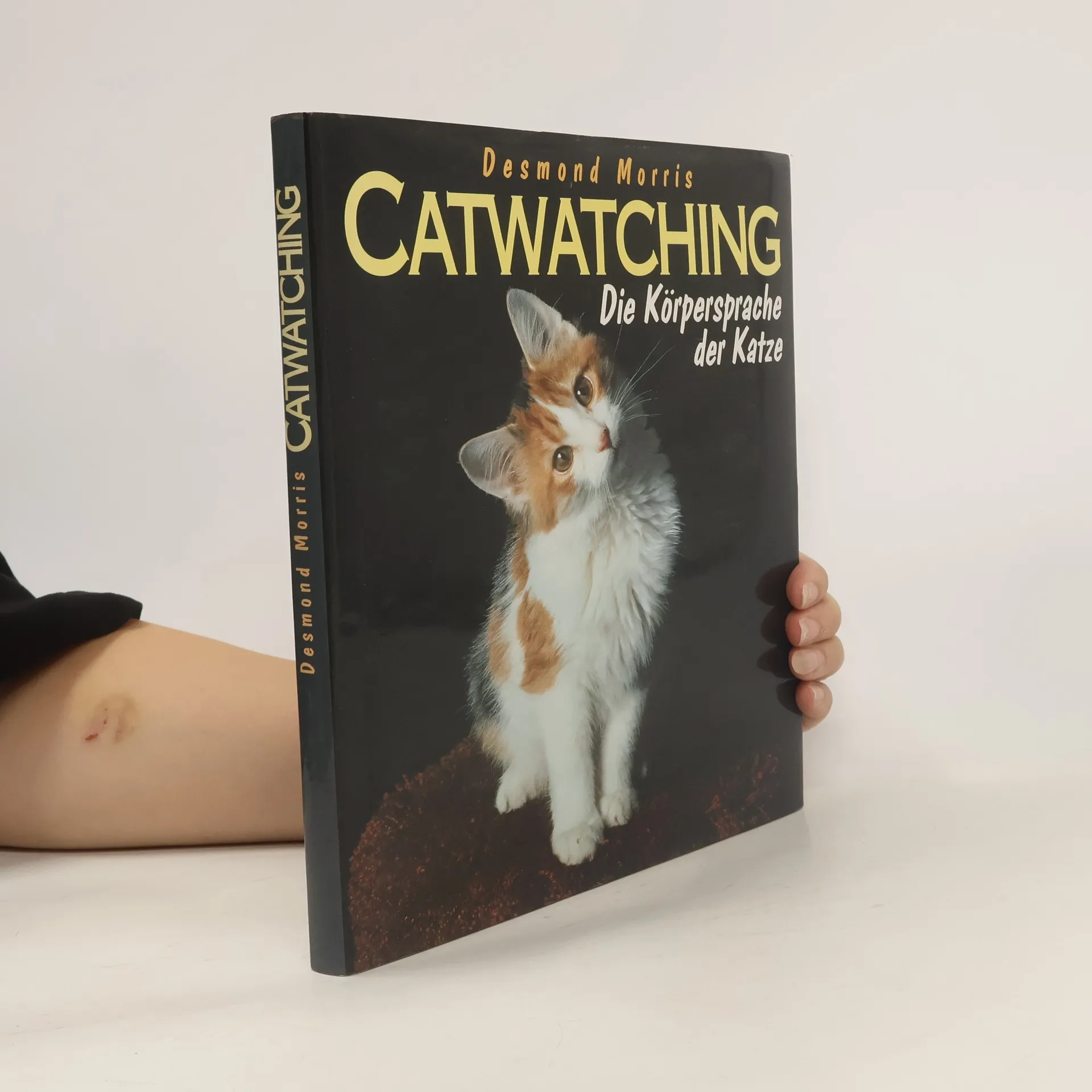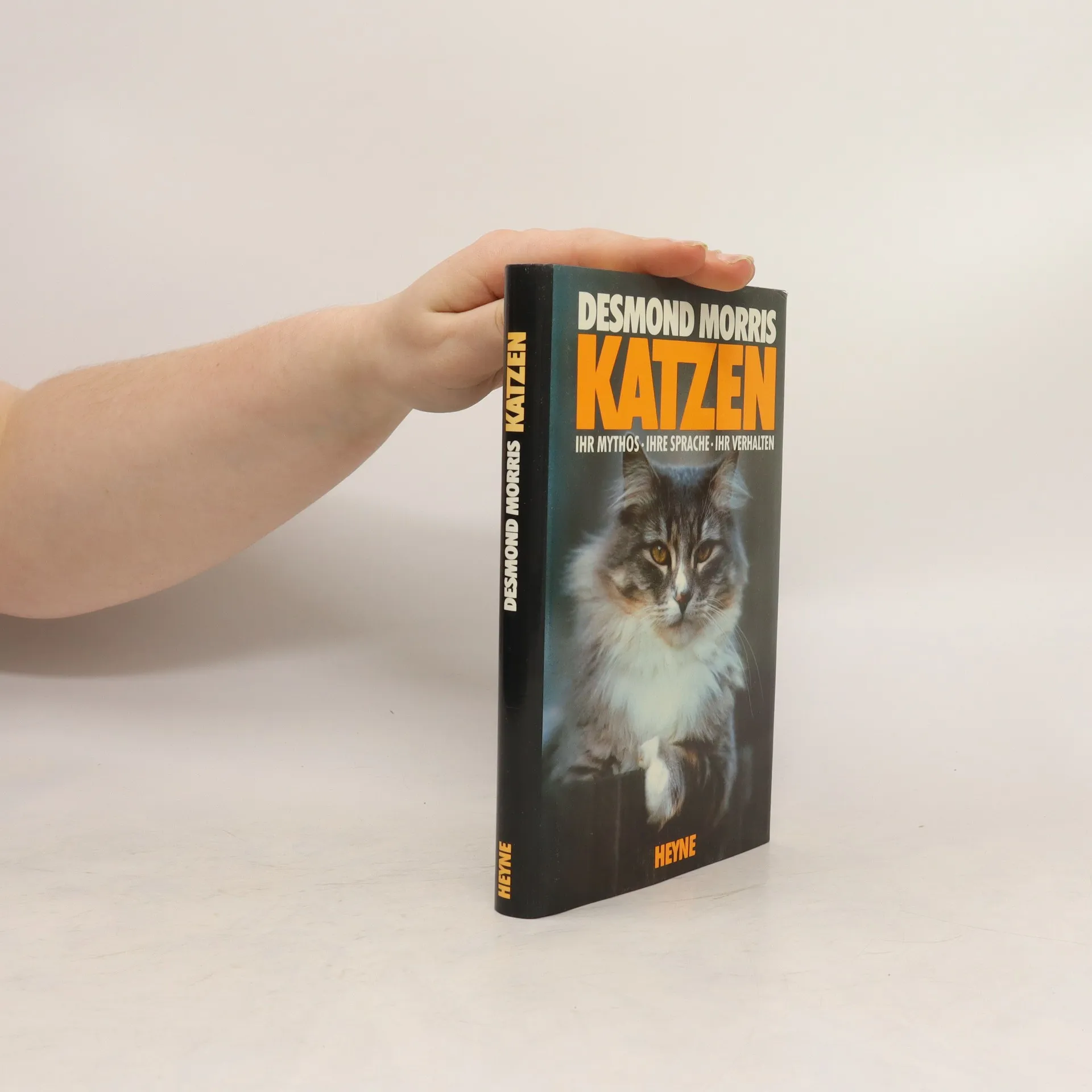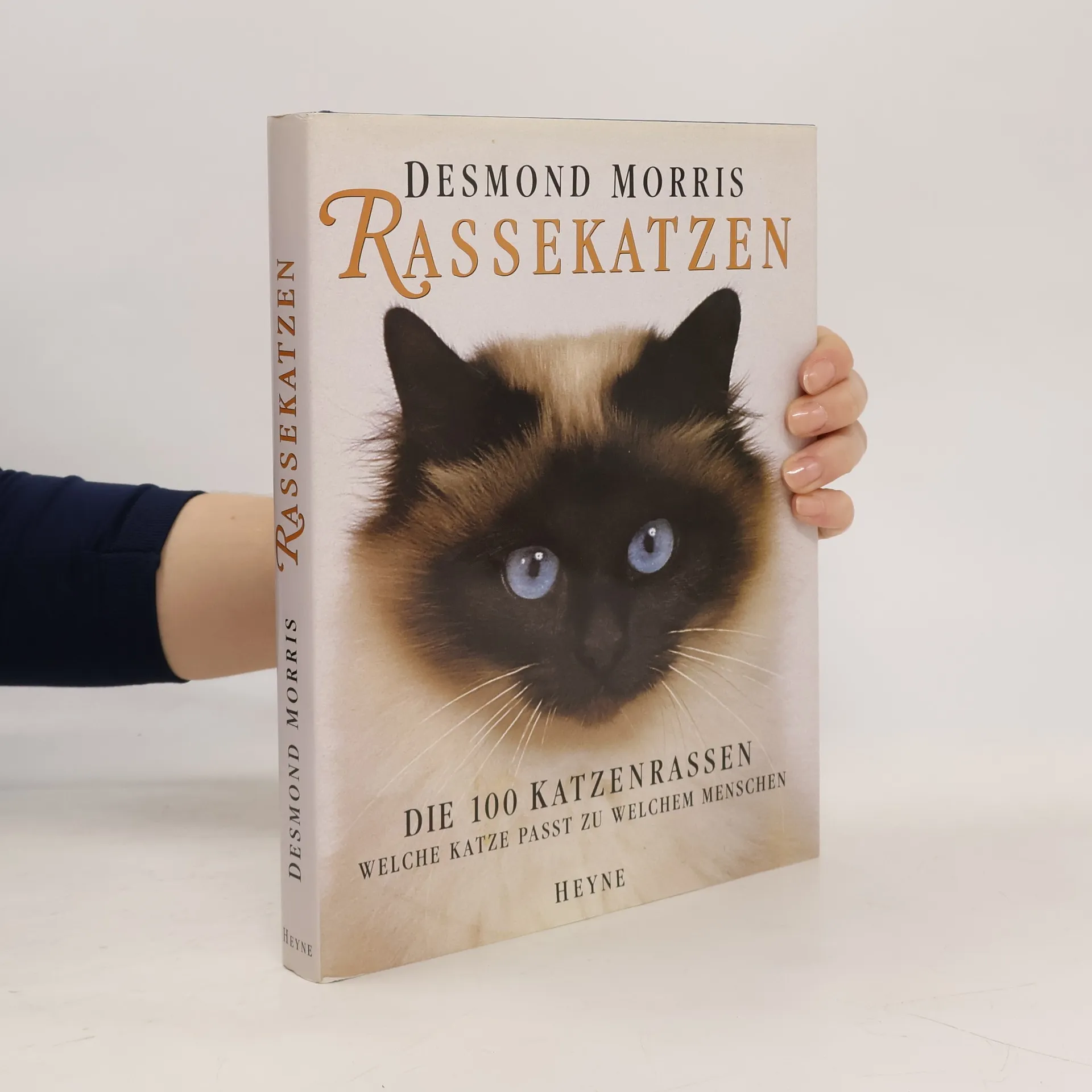
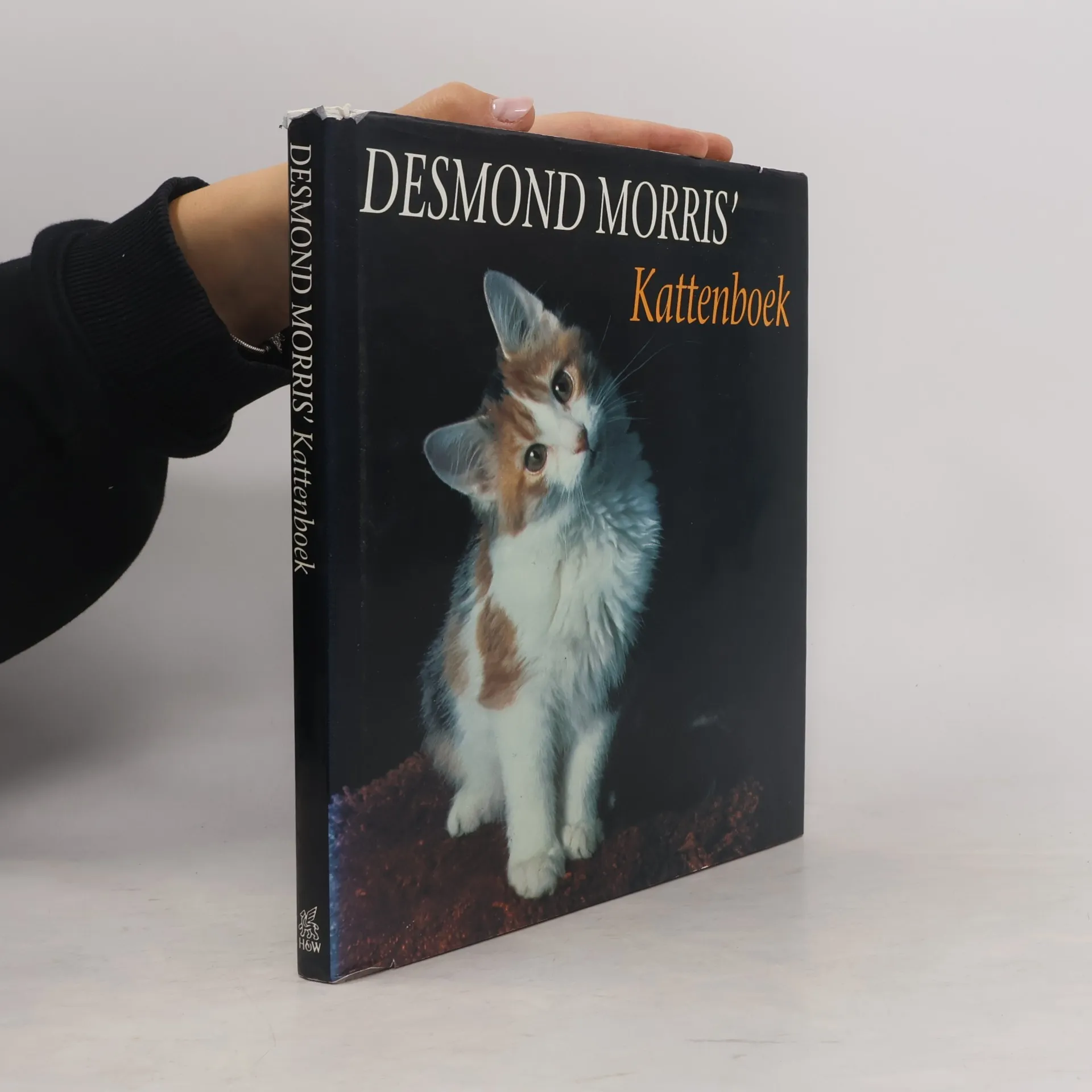
The wide-ranging coverage in this encylopaedia of cats encompasses entries on many kinds of domestic cat (from Abyssinian to Siamese), famous individual cats (from Felix to Macavity), and aspects of feline behaviour (from hunting to courtship). It also incorporates terminology, cat books and organizations, famous owners, authors and artists, and even people such as Julius Caesar and Napoleon, who hated cats.
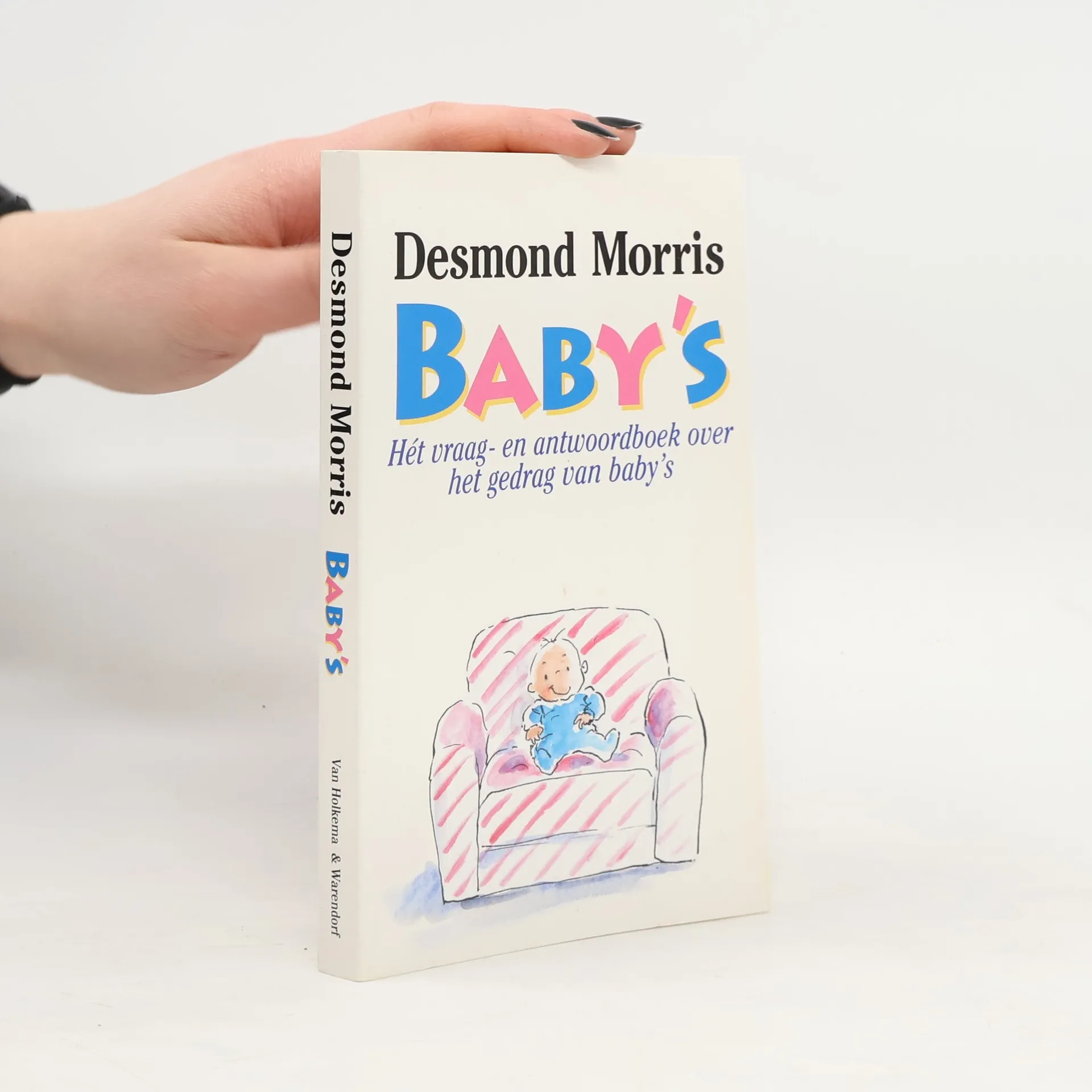
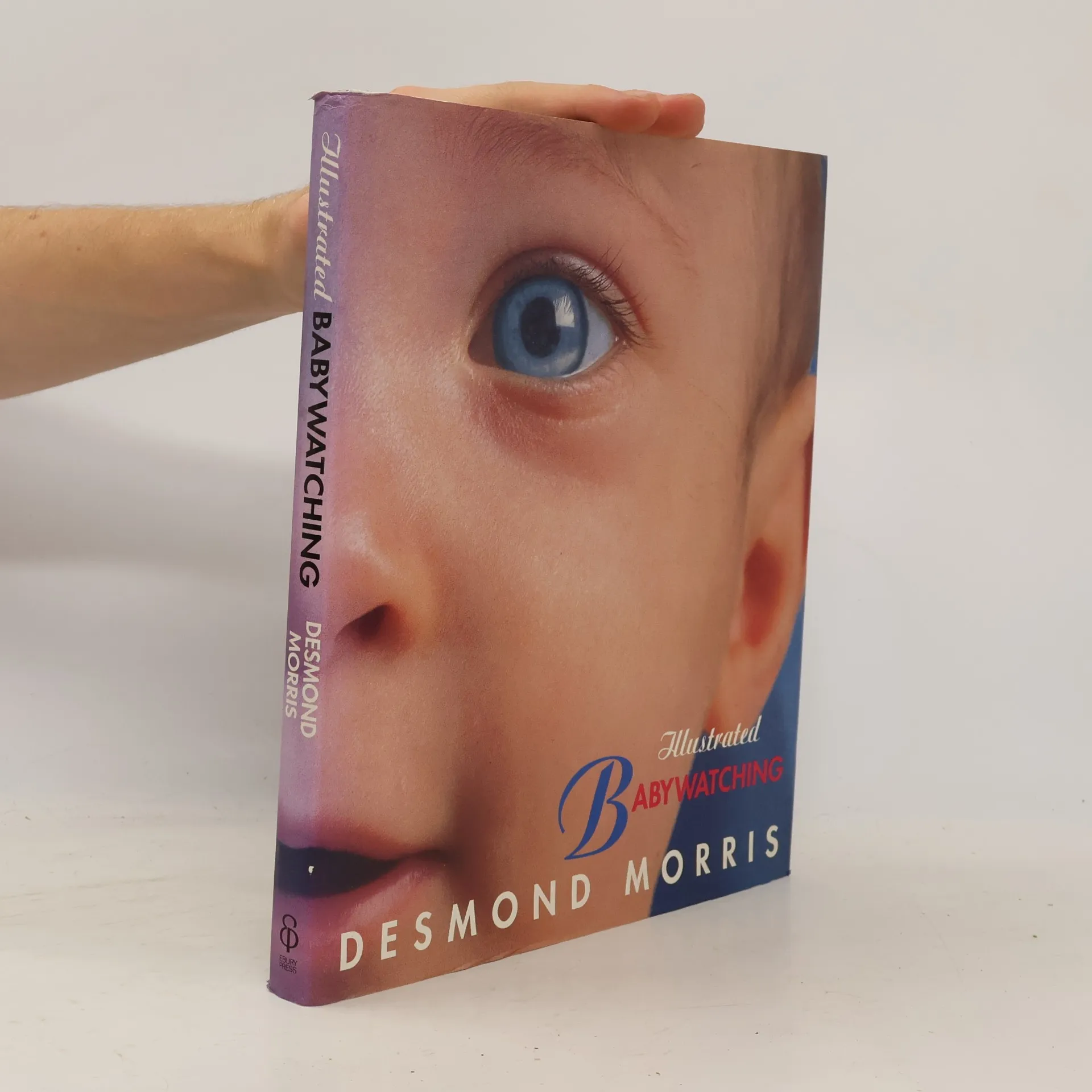
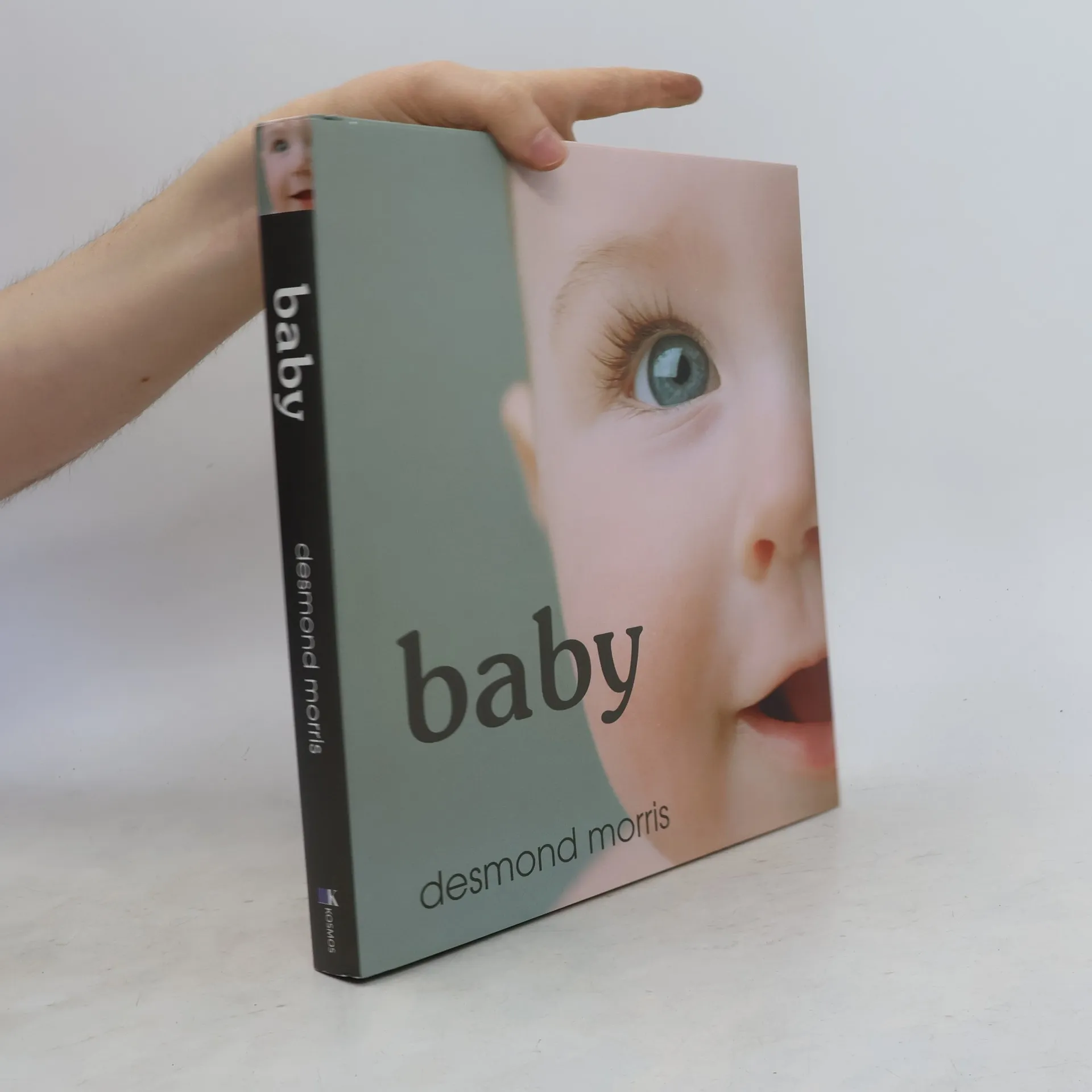
Babies are amazing, with incredible potential for growth and extraordinary powers of development. Desmond Morris's visually stunning and thought-provoking book sets out the astonishing facts to make you marvel at the complexity of the human body and a baby's ability to achieve so much in so little time.Covering learning and physical, emotional and social progress in the first two years as well as retrospective glimpses of life in the womb, Baby contains a wealth of fascinating information and captivating photographs. An engaging read and enchanting reference, Baby is the ideal gift or self-purchase for new parents, as well as anyone interested in how the human body works.
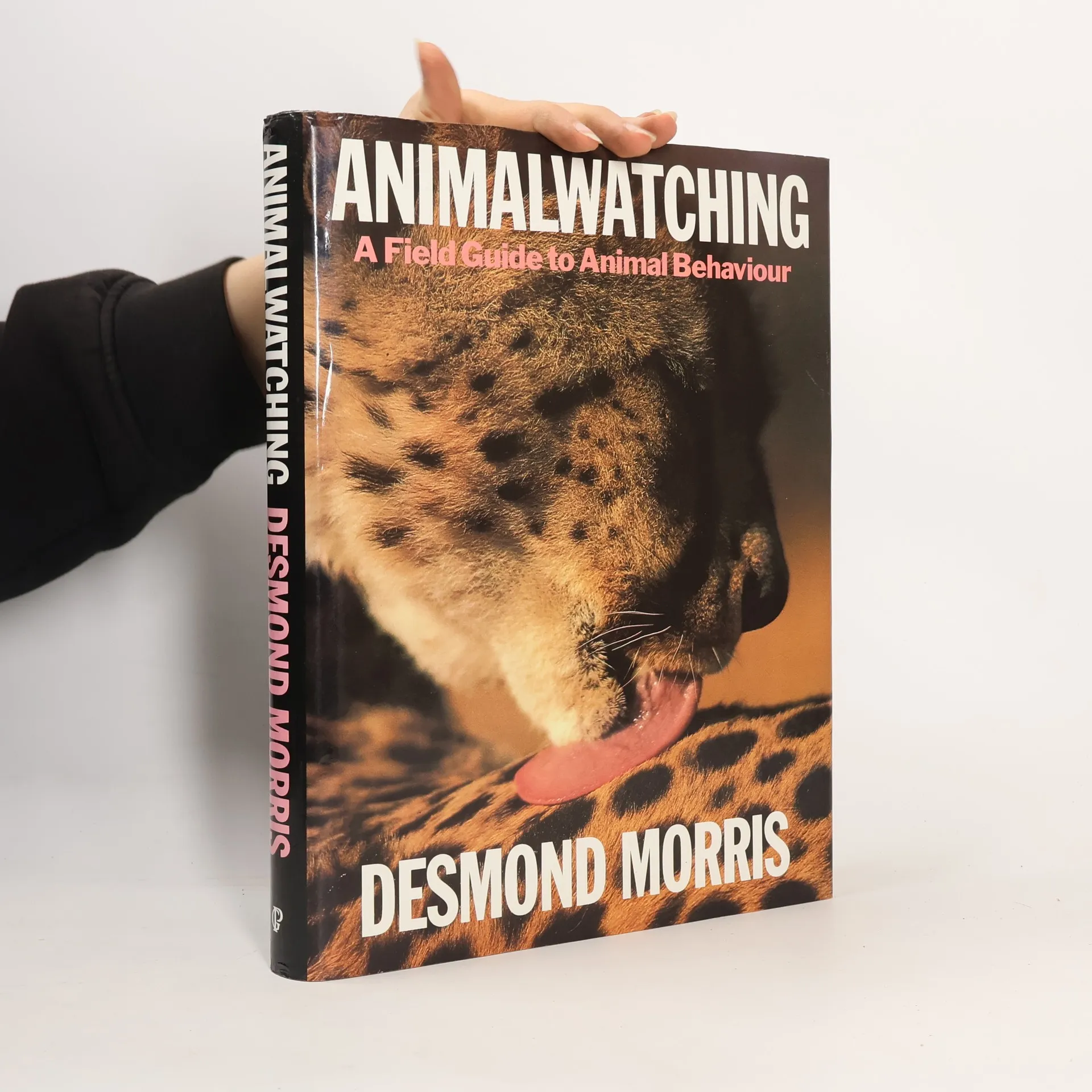
From the author of "The Naked Ape" and "The Human Zoo", this is an exploration of the animal kingdom, examining its dramas, challenges and extraordinary solutions to problems of survival. He describes animal behaviour ranging from lions in the Serengeti to hedgehogs in the back garden.
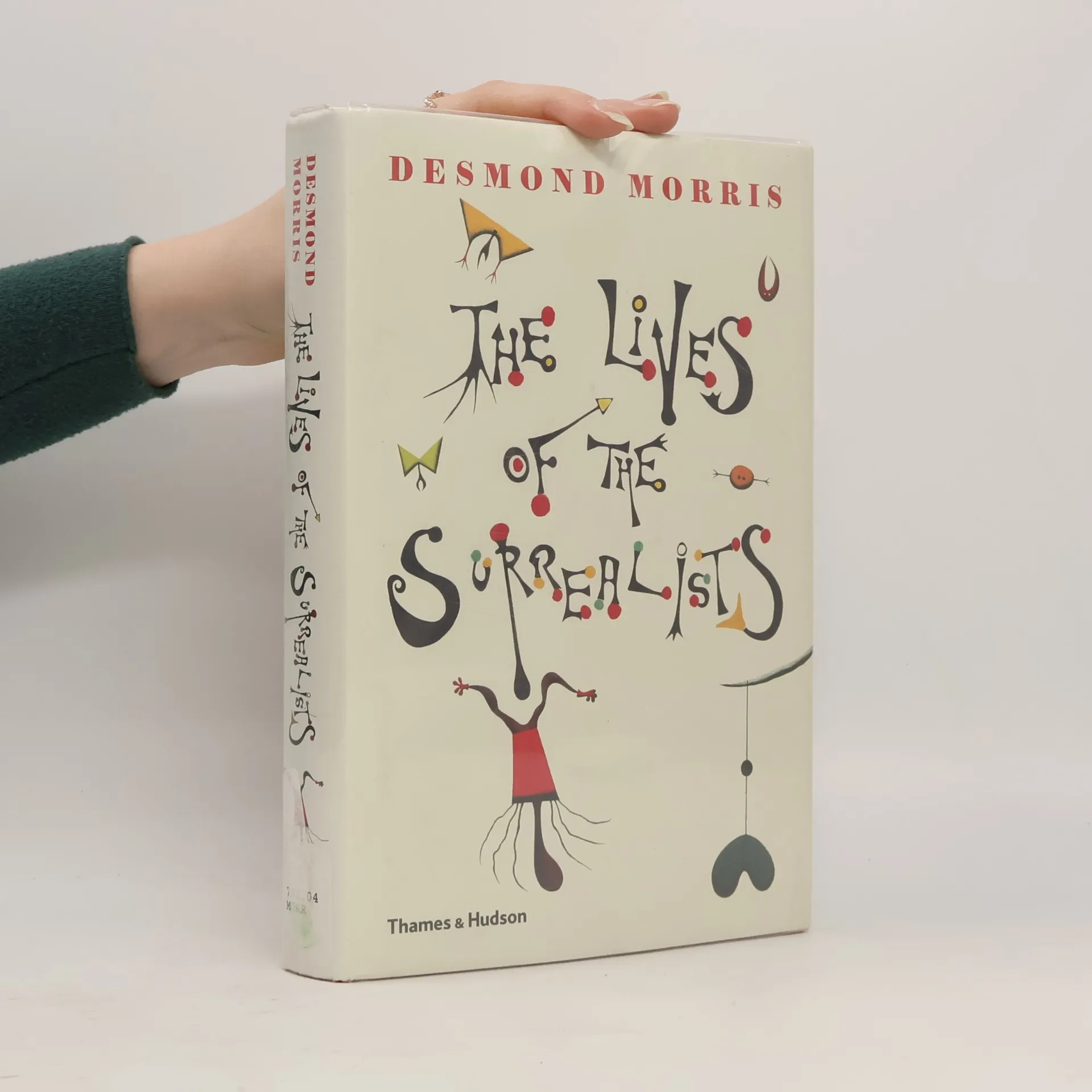
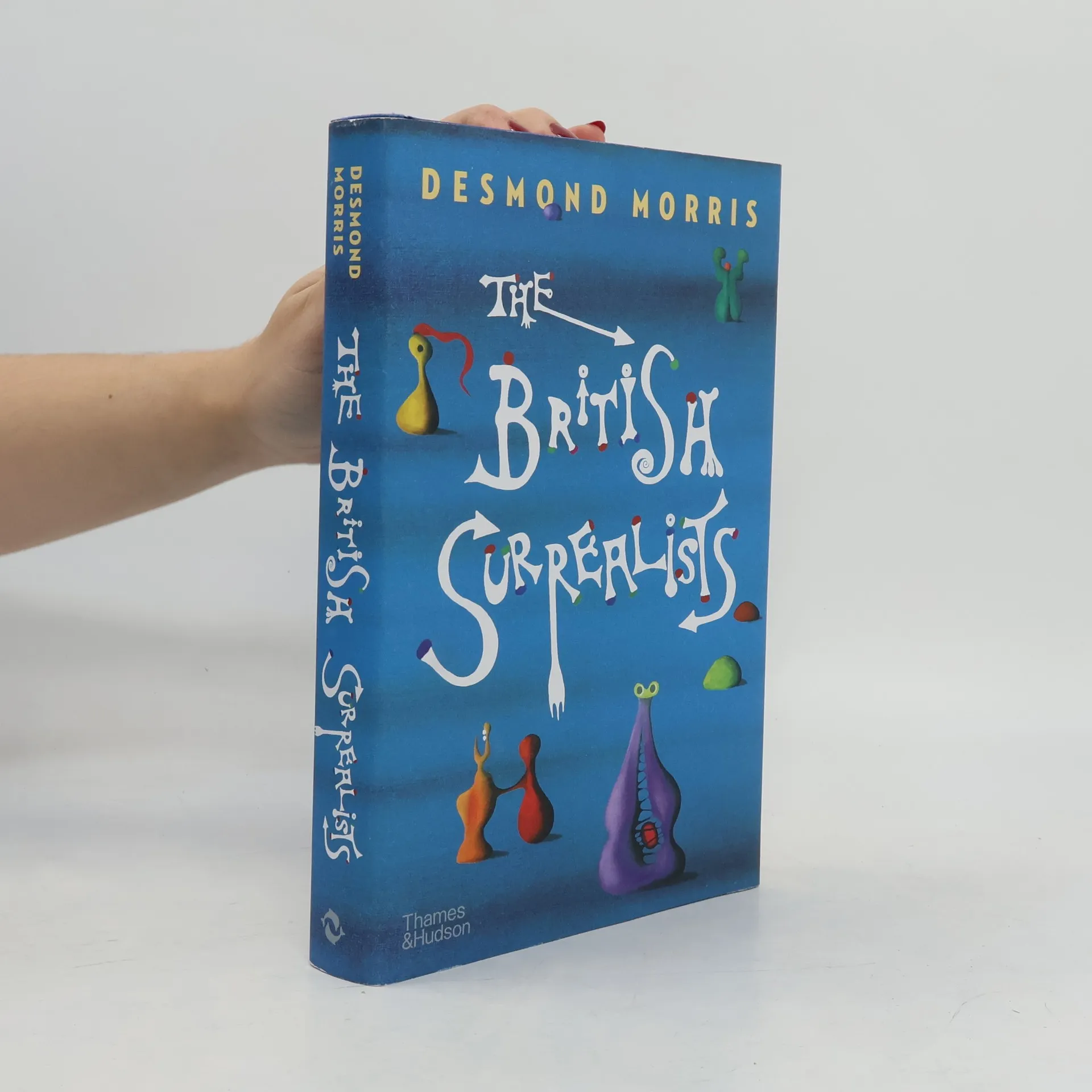
A lively history of the Surrealists, both known and unknown, by one of the last surviving members of the movement—artist and bestselling author Desmond Morris. Surrealism did not begin as an art movement but as a philosophical strategy, a way of life, and a rebellion against the establishment that gave rise to the World War I. In The Lives of the Surrealists, surrealist artist and celebrated writer Desmond Morris concentrates on the artists as people—as remarkable individuals. What were their personalities, their predilections, their character strengths and flaws? Unlike the impressionists or the cubists, the surrealists did not obey a fixed visual code, but rather the rules of surrealist philosophy: work from the unconscious, letting your darkest, most irrational thoughts well up and shape your art. An artist himself, and contemporary of the later surrealists, Morris illuminates the considerable variation in each artist’s approach to this technique. While some were out-and-out surrealists in all they did, others lived more orthodox lives and only became surrealists at the easel or in the studio. Focusing on the thirty-two artists most closely associated with the surrealist movement, Morris lends context to their life histories with narratives of their idiosyncrasies and their often complex love lives, alongside photos of the artists and their work.
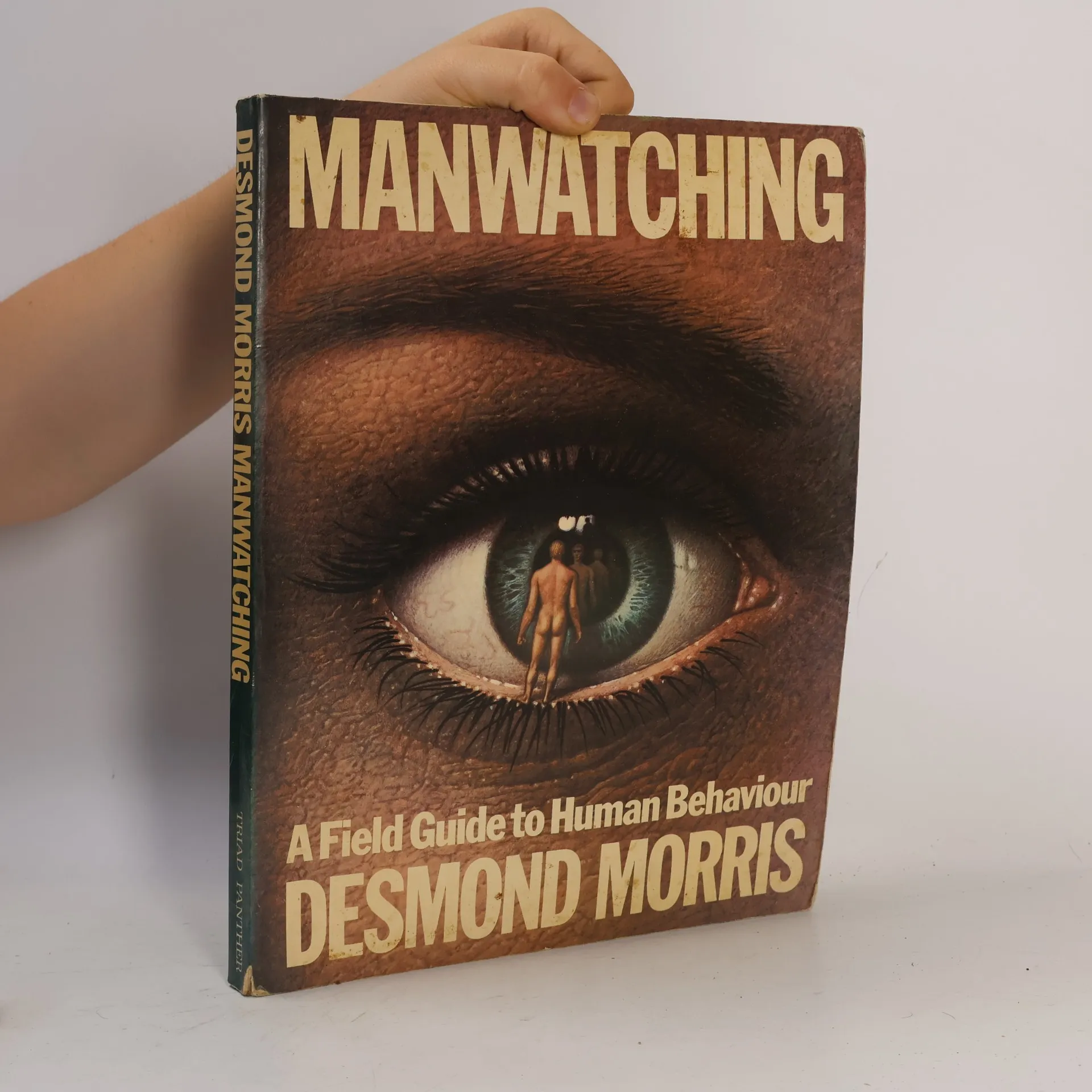
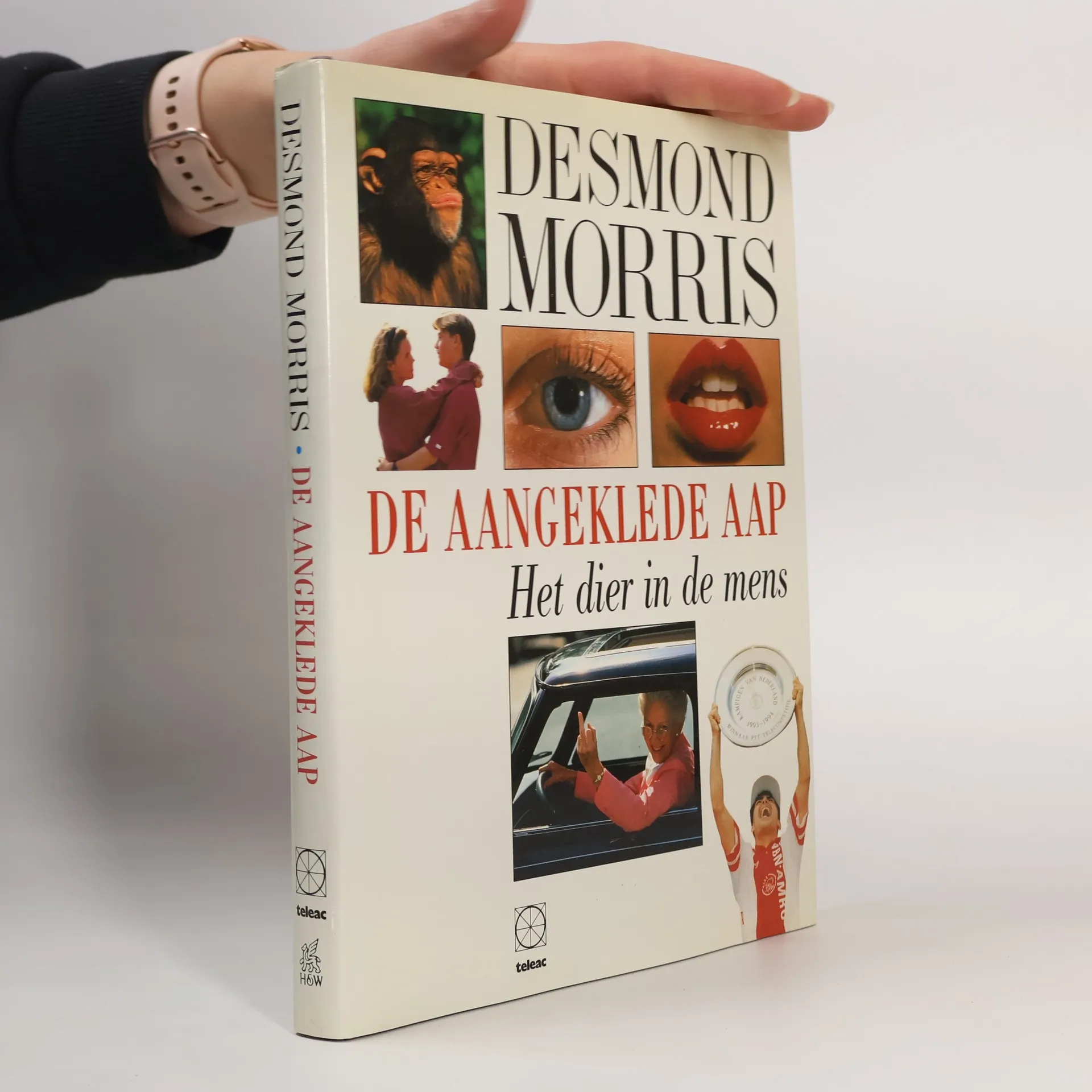
Peoplewatching is the culmination of a career of watching people - their behaviour and habits, their personalities and their quirks. Desmond Morris shows us how people, consciously and unconsciously, signal their attitudes, desires and innermost feelings with their bodies and actions, often more powerfully than with their words.
From ancient Babylon to Edward Lear's The Owl and the Pussycat and the
grandiloquent, absent-minded Wol from Winnie-the-Pooh to David Lynch's Twin
Peaks, owls have woven themselves into the fabric of human culture from
earliest times. Beautiful, silent, pitiless predators of the night, possessing
contradictory qualities of good and evil, they are enigmatic creatures that
dwell throughout the world yet barely make their presence known. In this
classic Reaktion title, now available in paperback, bestselling author and
broadcaster Desmond Morris explores the natural and cultural history of one of
nature's most popular creatures. He describes the evolution, the many species
and the wide spread of owls around the world, as well as their appearance in
folk tales, myths and legends, art, film, literature and popular culture.
Originally published in 2009, this new format edition features many telling
illustrations from nature and culture and will appeal to the many devotees of
this emblematic bird.
This copiously illustrated book, by the ever-provocative Desmond Morris, is a
pioneering and lively exploration of the importance of body language in how we
understand art.
In a revealing portrait of life, from the baby's point of view, Desmond Morris answers the questions parents ask: Do babies dream? What makes them cry, or smile? How well can they hear, smell and taste? and more.
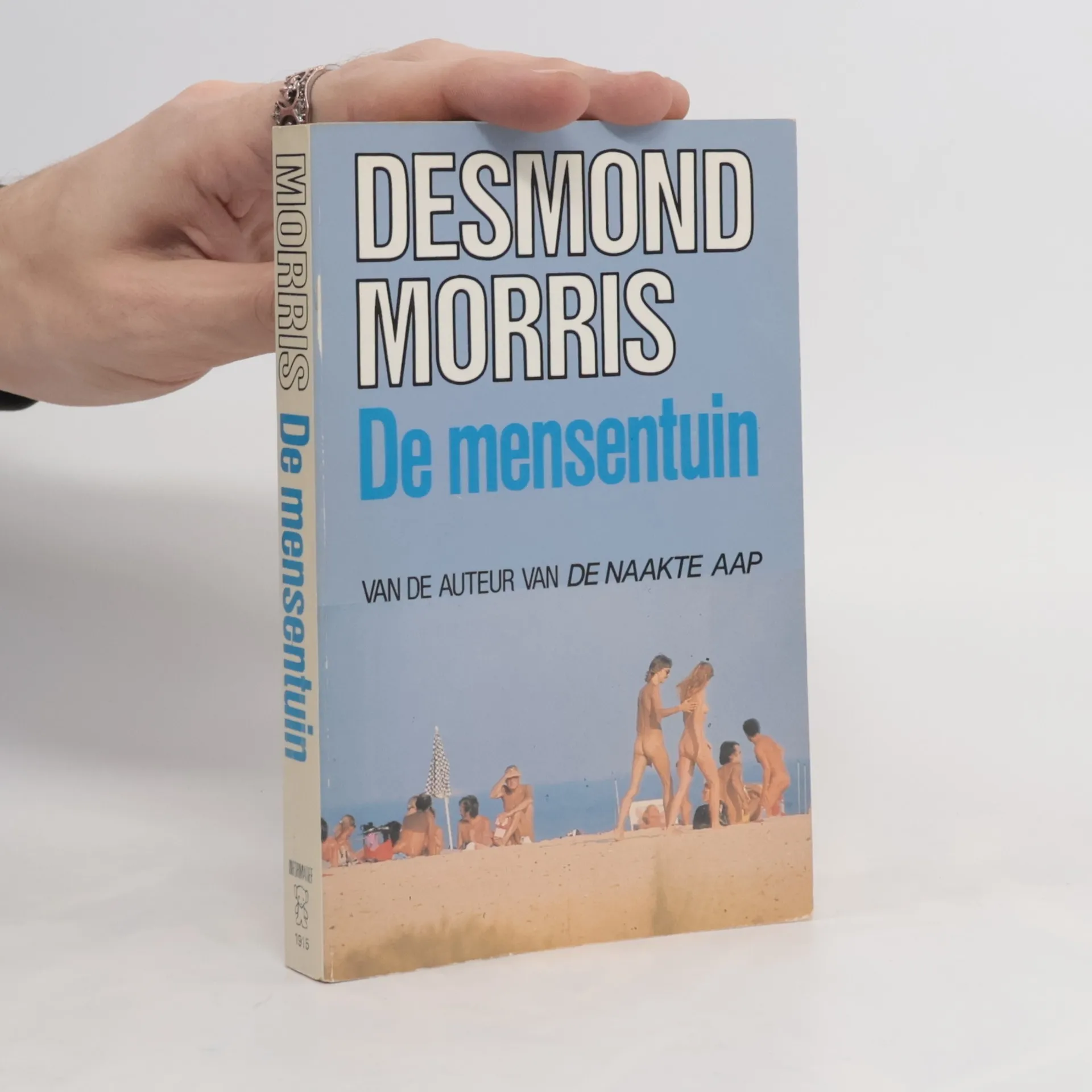
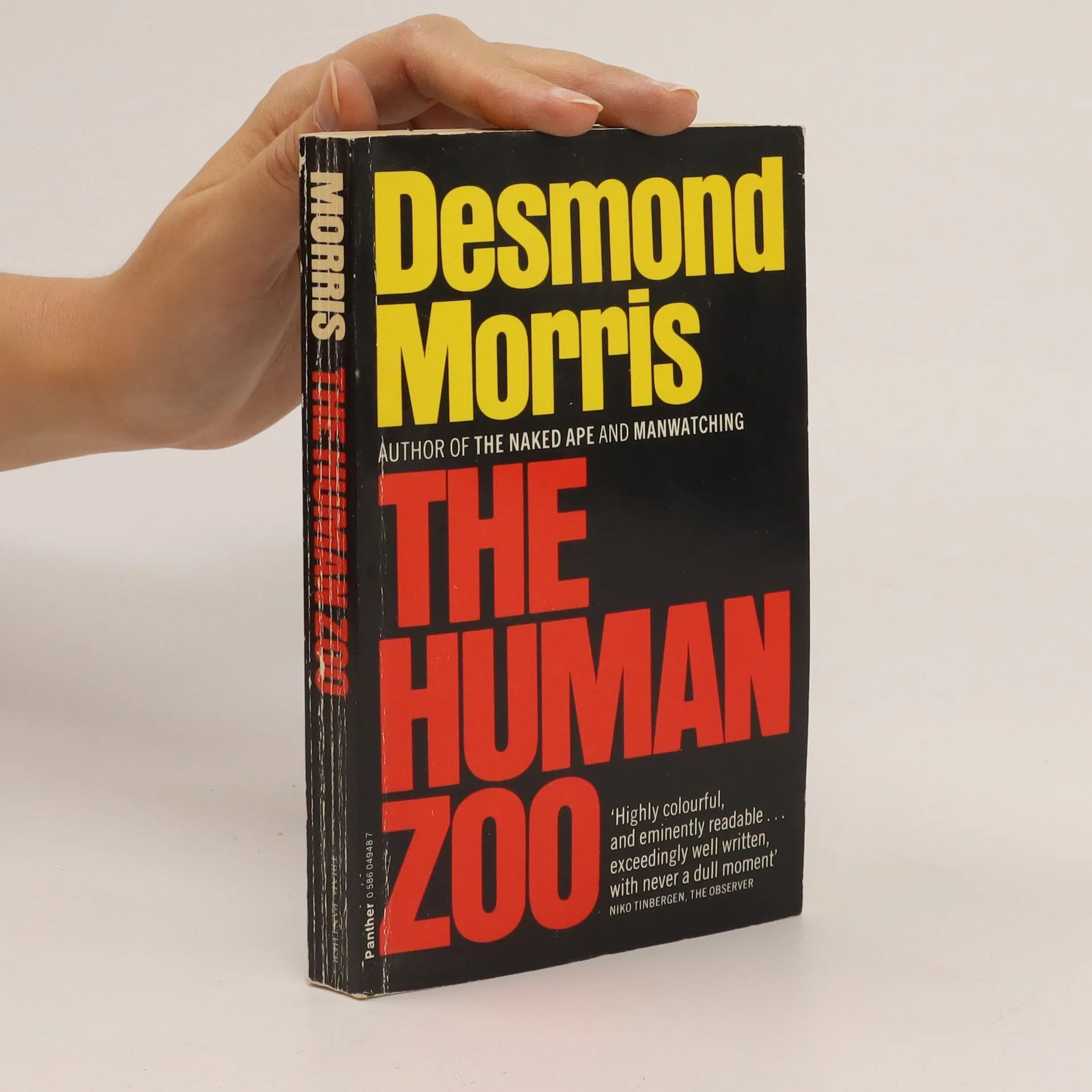
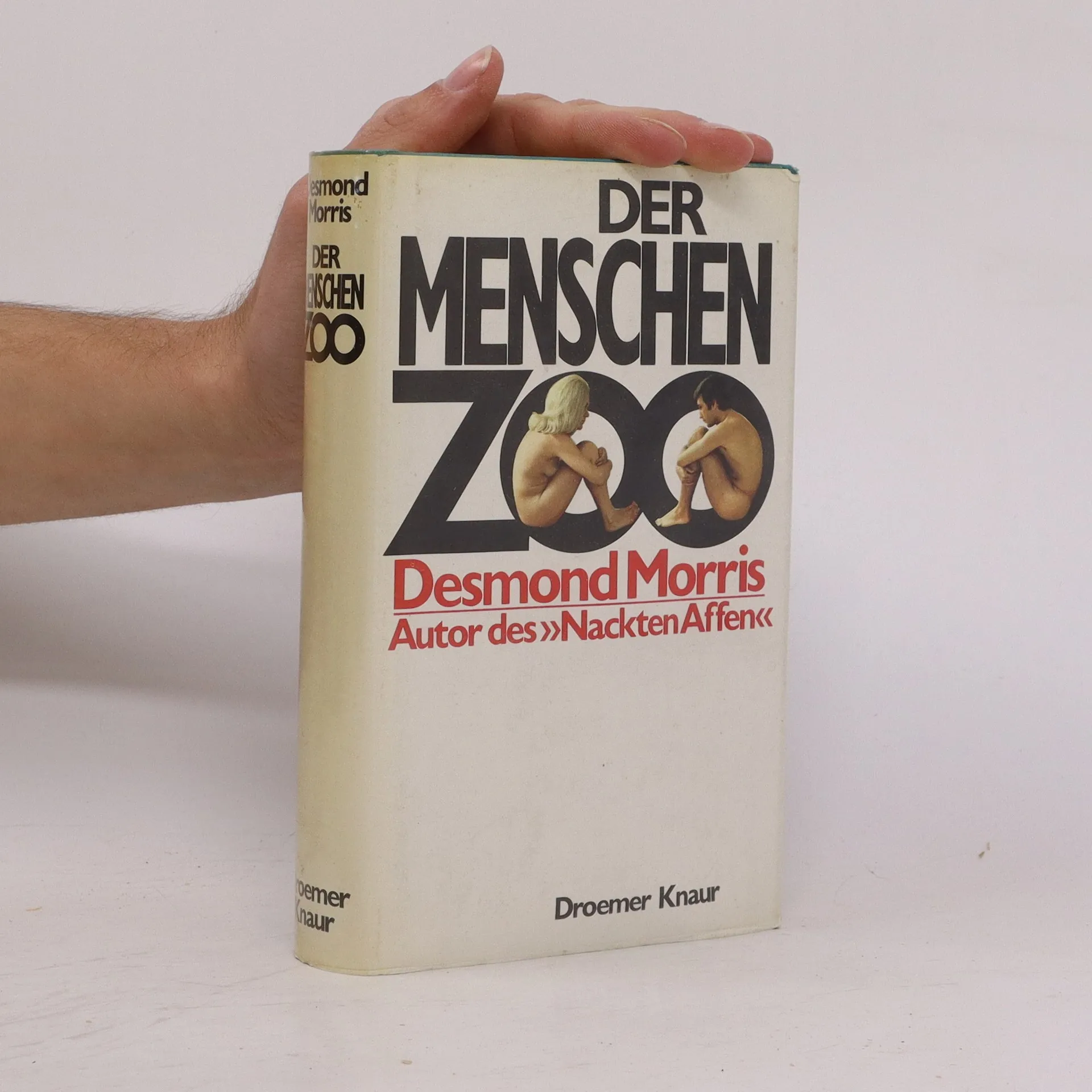
This study concerns the city dweller. Morris finds remarkable similarities with captive zoo animals and looks closely at the aggressive, sexual and parental behaviour of the human species under the stresses and pressures of urban living.
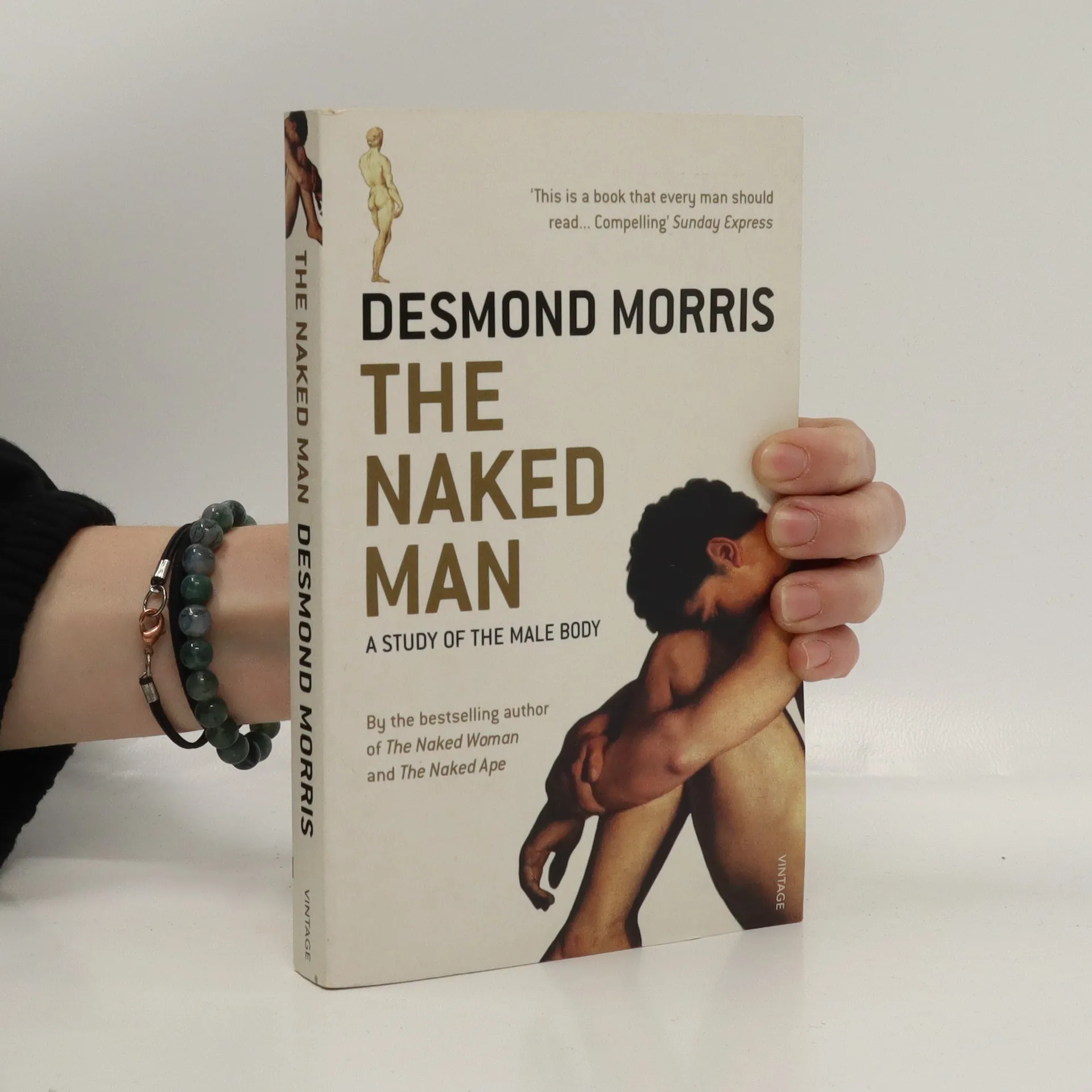
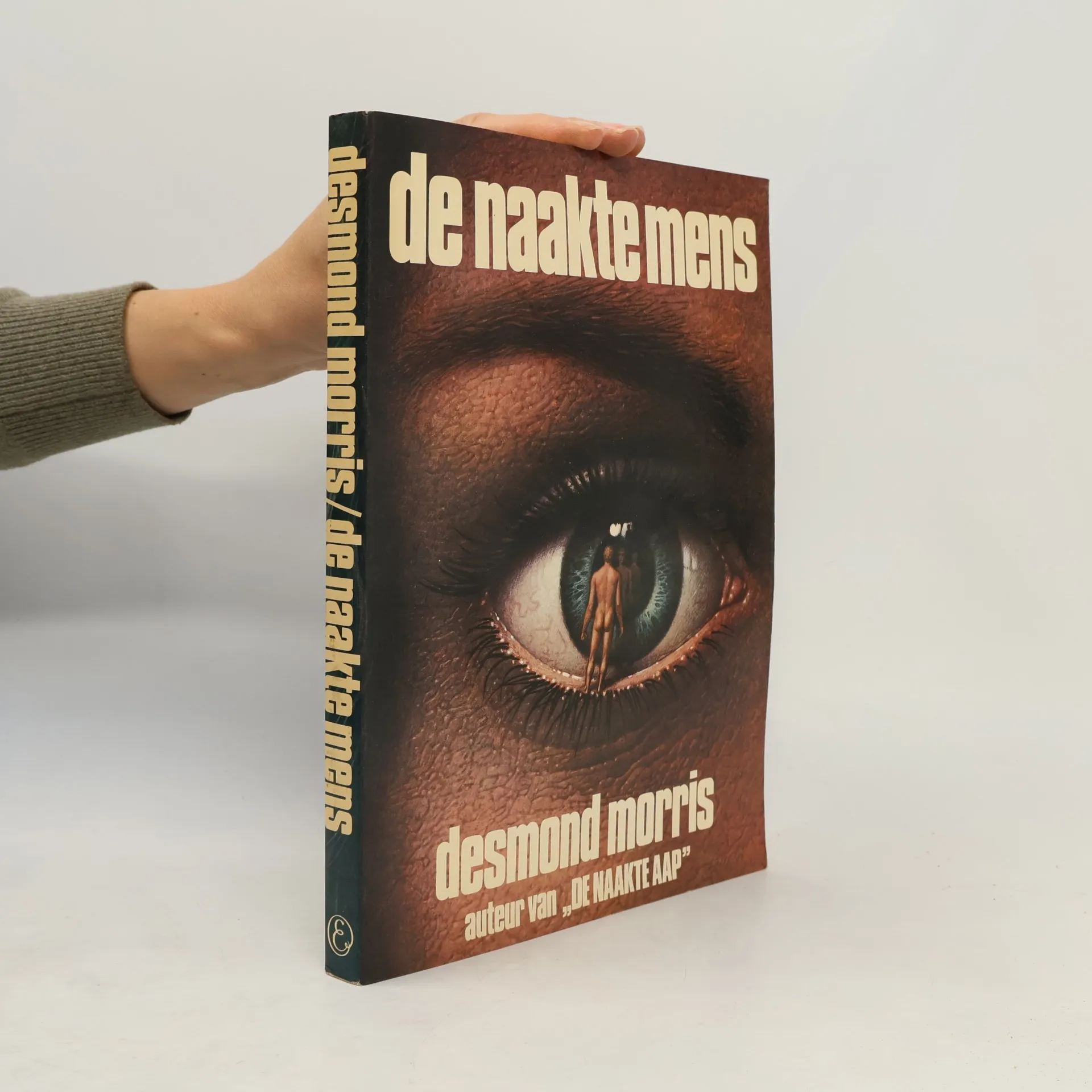
Following on from the international success of The Naked Woman, bestselling zoologist Desmond Morris turns his attention to the human male. The Naked Man is a study of the masculine body from head to toe, exploring how biological features have been modified, suppressed or exaggerated by customs and changes in social fashions. Packed full of scientific fact, engaging anecdote and thought-provoking conclusions, including a controversial chapter examining male sexuality, The Naked Man is a must-read for anyone interested in this far from rare, but nevertheless endangered species.