
Koop 10 boeken voor 10 € hier!
Bookbot

Bogdan Bartnikowski

    24 januari 1932

    Bogdan Bartnikowski is een schrijver wiens oorlogservaringen zijn literaire stem diepgaand hebben gevormd. Hij put uit zijn directe deelname aan de Opstand van Warschau en zijn daaropvolgende overleving van het concentratiekamp Auschwitz om de menselijke conditie onder extreme druk te onderzoeken. Zijn journalistieke achtergrond informeert een heldere, indrukwekkende prozastijl, terwijl zijn poëzie zich verdiept in de reflectieve aspecten van herinnering en veerkracht. Bartnikowski's werk biedt een krachtig getuigenis van de blijvende geest tegen de achtergrond van onvoorstelbare historische gebeurtenissen.

    Eine Kindheit hinterm Stacheldraht
    Nocą przychodzi śmierć
    Dětství v pruhovaném pyžamu
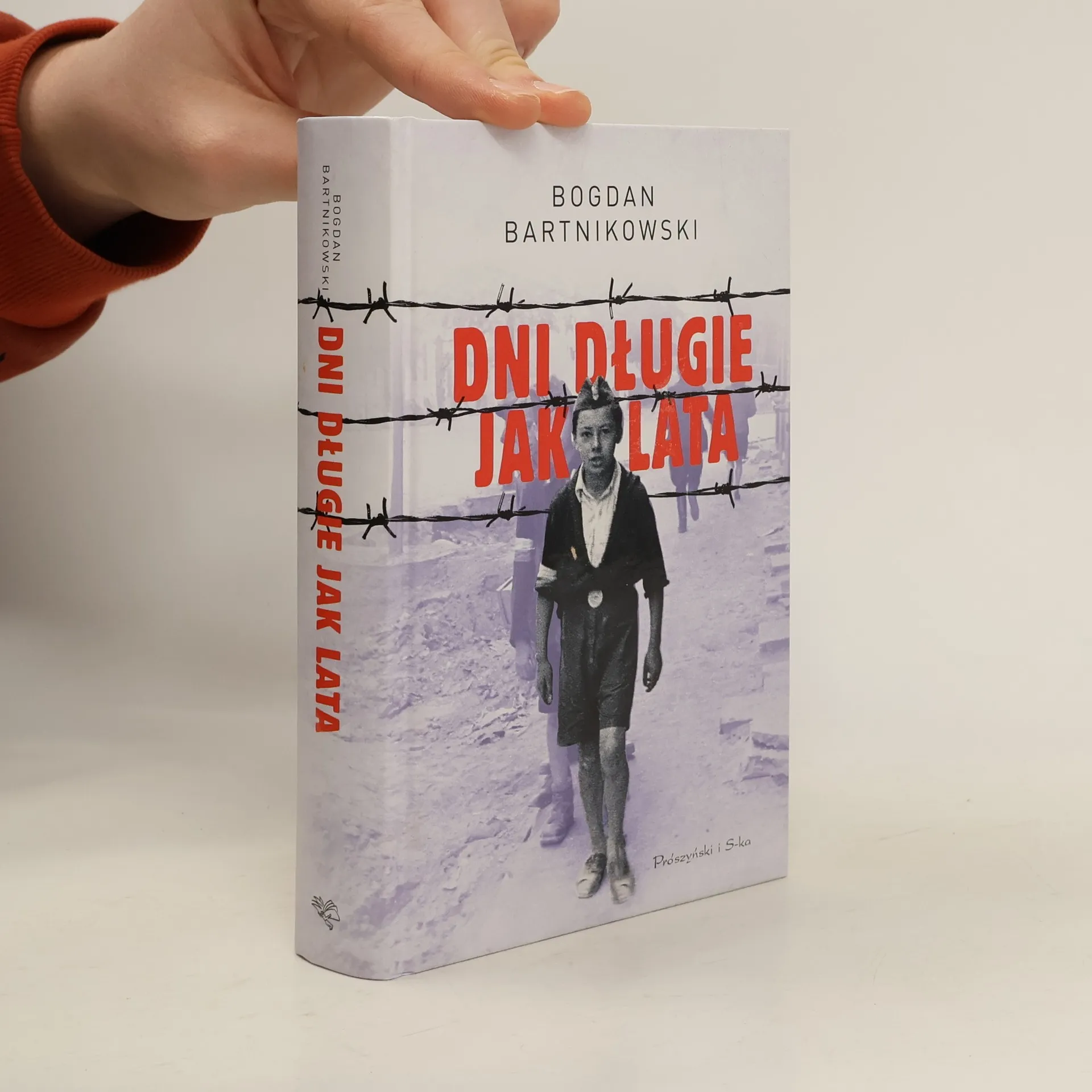
    Dni długie jak lata
    Childhood Behind Barbed Wire
    • 2024

      Przemilczana i zapomniana historia w cieniu II wojny światowej. Jest rok 1947. W małym miasteczku na Podlasiu sześciu milicjantów odpiera ataki bandy Obucha na posterunek. Przeciwko sobie stają ci, dla których odradzająca się Polska miała być wspólnym domem. Poruszająca i stawiająca niewygodne pytania o Żołnierzy Wyklętych opowieść autora bestsellerowego Dzieciństwa w pasiakach .

      Nocą przychodzi śmierć
    • 2022

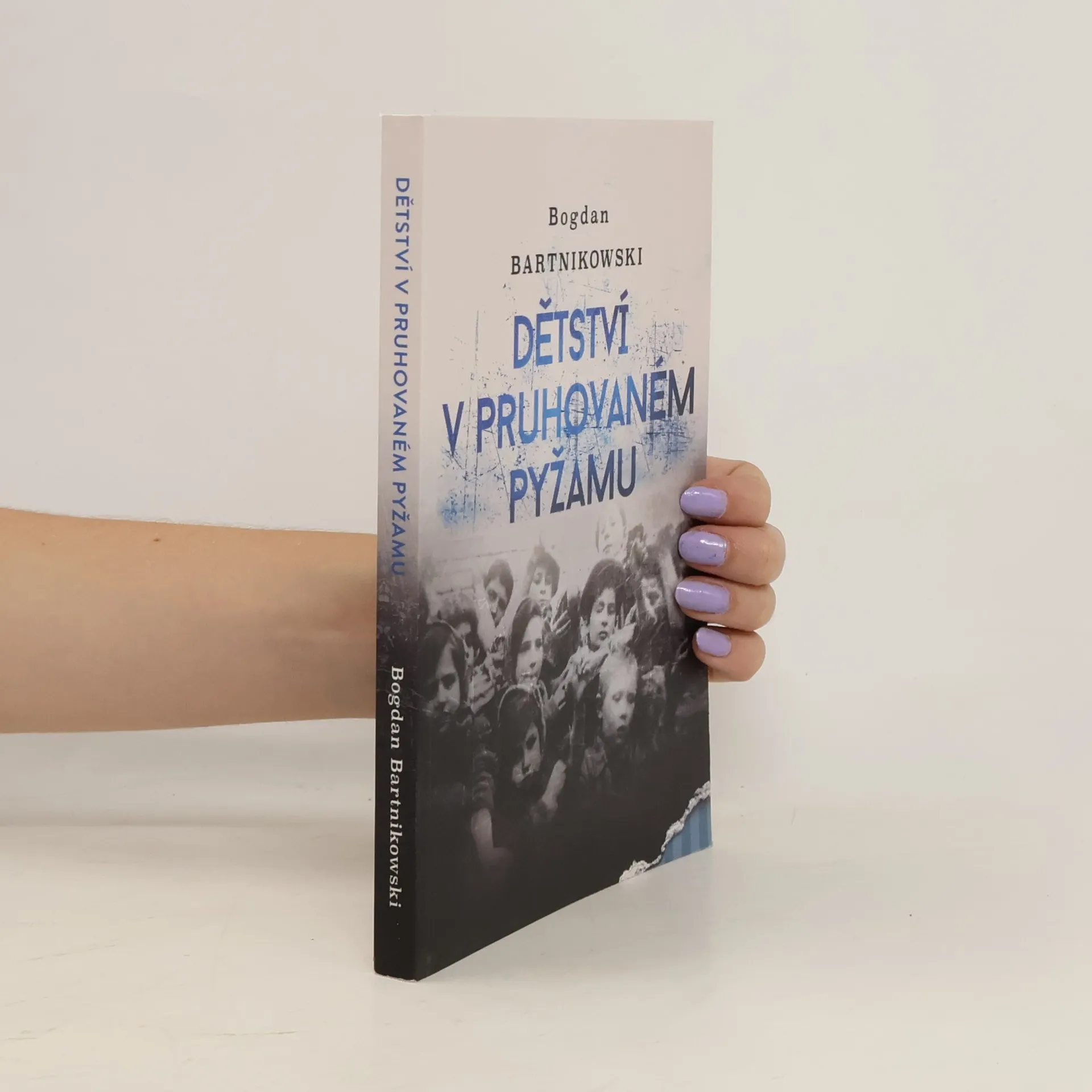
      Dětství v pruhovaném pyžamu

      • 186bladzijden
      • 7 uur lezen
      3,9(8)Tarief

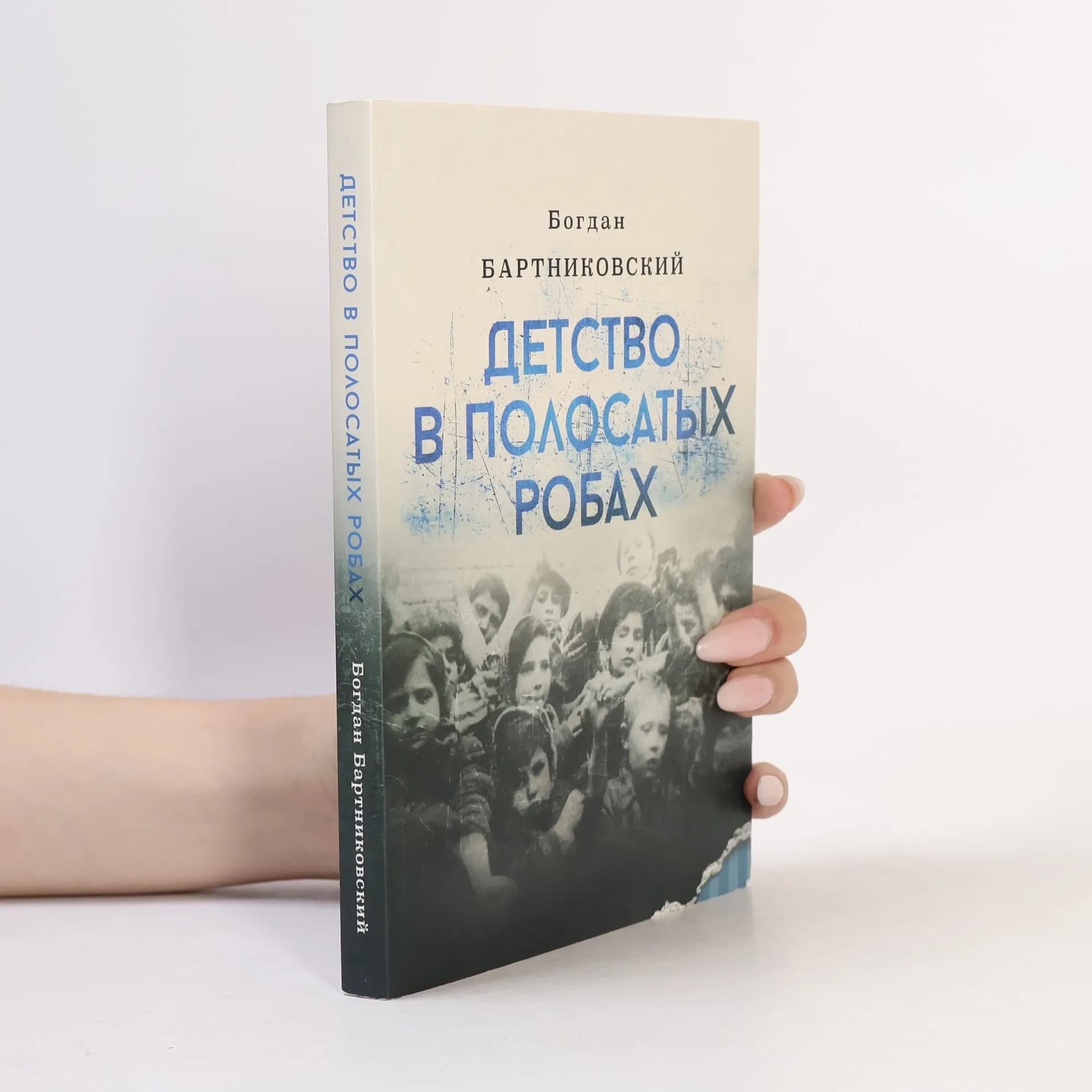
      Autorovy osobní vzpomínky na pobyt v koncentračním táboře Osvětim-Březinka, kam se dostal spolu se svou matkou během Varšavského povstání. Nejprve se dostal do přechodného tábora v Pruszkowě, odtud byl převezen 12. 8. 1944 do Osvětimi. Pobýval na dětském bloku, kde s ním byli vězněni další chlapci z Varšavy. Kniha představuje popis tábora dětskýma očima.

      Dětství v pruhovaném pyžamu
    • 2016

      Bartnikowski’s stories are one of the most moving evidence of tragic fate of children in Auschwitz, the camp is shown from their perspective. The author describes hunger, fear, loneliness and despair of children who were uprooted from the safe world of their childhood and left at the mercy of violence and death. Dry narration intensifies dramatic nature of depicted scenes. The camp experience is deeply engraved in Bartnikowski’s memory. He said in one of his interviews: “I wanted to throw it away, get rid of it. Forever! I started to write down my memories and memories of my friends. I hoped that once they had been written they would be gone. Unfortunately, it did not happen so…”. The polish version of 'Childhood Behind Barbed Wire' was first published in 1969.

      Childhood Behind Barbed Wire