

Bookbot

Mark Bray

    Mark Bray is een historicus van mensenrechten, terrorisme en politiek radicalisme in Modern Europa, en was een organisator van Occupy Wall Street. Zijn onderzoek richt zich op radicale politieke stromingen en hun historische wortels. Brays analyses bieden diepgaande inzichten in de aard en evolutie van politiek disensus.

    Confronting the Shadow Education System - What Government Policies for What Private Tutoring?
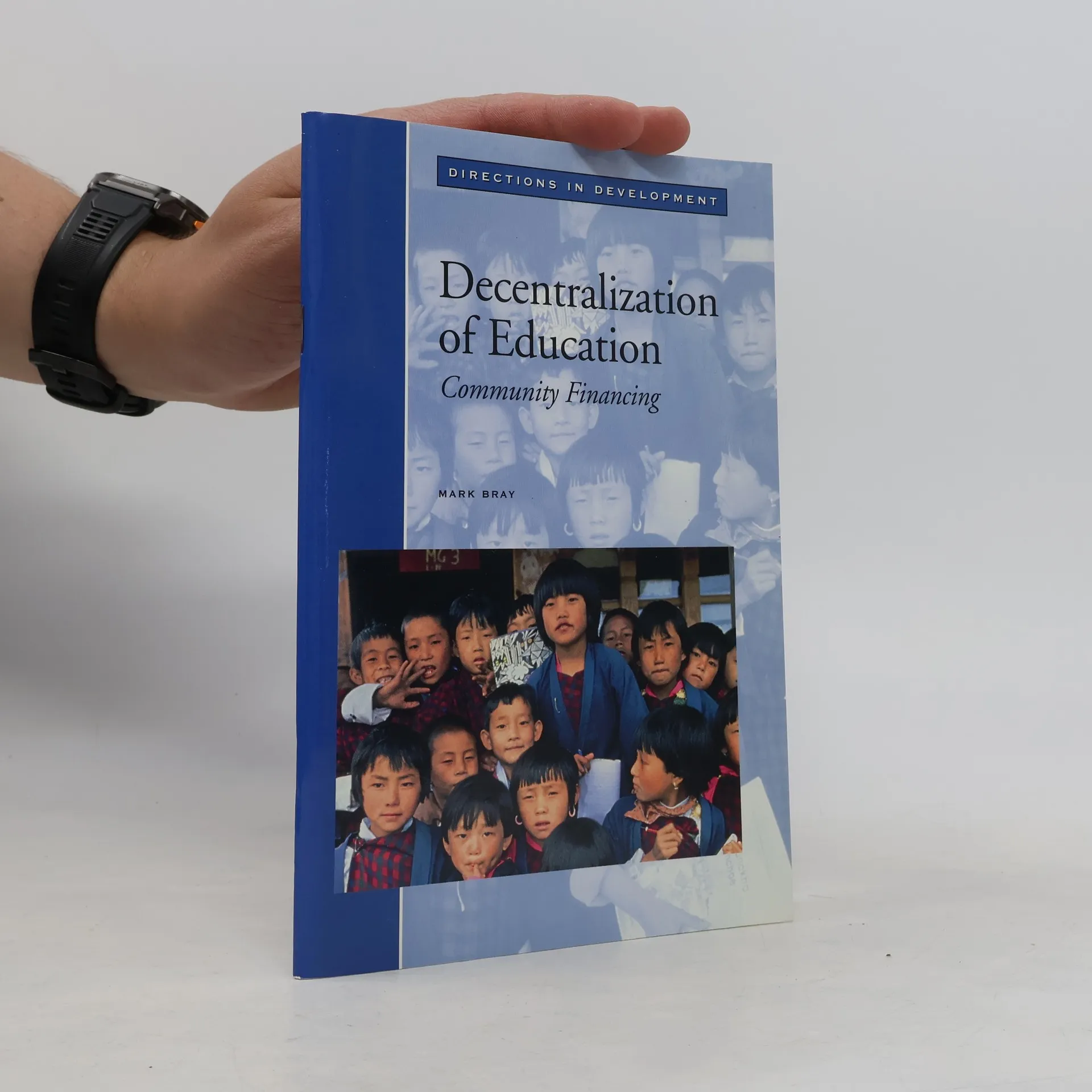
    Directions in Development: Decentralization of Education
    Antifa
    • Antifa

      • 259bladzijden
      • 10 uur lezen

      Focused and persuasive, this book serves as the first English-language transnational history of antifa, a guide for aspiring activists, and a collection of insights from anti-fascist organizers. Mark Bray fills the roles of spokesman, intellectual, and apologist, offering a methodical analysis informed by his historical training and extensive organizing experience. The book's most enlightening aspect is its historical overview of anti-fascist efforts over the past century, while its contemporary relevance lies in its justification for stifling hate speech and confronting white supremacists. Bray presents an accessible genealogy of today's militant anti-fascist movement, defending controversial tactics and challenging the liberal belief that democratic institutions alone can prevent fascism. With urgency, the book evaluates the movement and calls for action, especially in light of recent events like the Charlottesville attack. It provides historical context for antifa's resurgence in the U.S. and serves as an educational tool for those opposing fascism and white supremacy. Ultimately, it emphasizes the need to organize against fascism proactively, making it essential reading in the current political climate.

      Antifa
      4,0
    • Directions in Development: Decentralization of Education

      Community Financing

      • 51bladzijden
      • 2 uur lezen

      This book focuses on the financing of formal primary and secondary education in developing nations. The study does not consider the areas of pre-primary, post-secondary, or nonformal education. Financing includes not only monetary inputs to education, but also material, labor, expertise, and land. The study examines the volume, nature, and mechanics of community financing in a range of settings. Policy issues facing governments and those who work with them are presented. Instruments for incentives, guidance, and control of community activities are considered. Specific strategies from different countries are presented and evaluated, along with the importance of monitoring and evaluation. The paper concludes by summarizing the lessons in the context of debate about centralization and decentralization. Sections of the book include: (1) "Communities and Their Characteristics"; (2) "Scale, Motivation, and Nature of Community Financing"; (3) "Mechanics of Community Financing"; (4) "Policy Issues Confronting Governments"; (5) "Government Incentives, Guidance, and Controls"; (6) "Challenges and Risks"; (7) "Monitoring and Evaluation"; and (8) Conclusion. (Contains an 87-item list of references.) (EH)

      Directions in Development: Decentralization of Education