

Bookbot

Jan Zielonka

    Jan Zielonka is een vooraanstaand Europees politiek denker wiens werk ingaat op de complexe transformaties en uitdagingen van het moderne Europa. Zijn analyses richten zich vaak op de spanningen tussen liberalisme en contrarevolutionaire krachten, waarbij hij onderzoekt hoe liberale waarden onder druk komen te staan op het continent. Zielonka biedt diepgaande inzichten in de politieke en sociale dynamiek die Europa vormgeven, en biedt een kritisch perspectief op de huidige koers ervan. Zijn schrijven wordt gekenmerkt door een scherpe intellect en een diepe betrokkenheid bij de historische context.

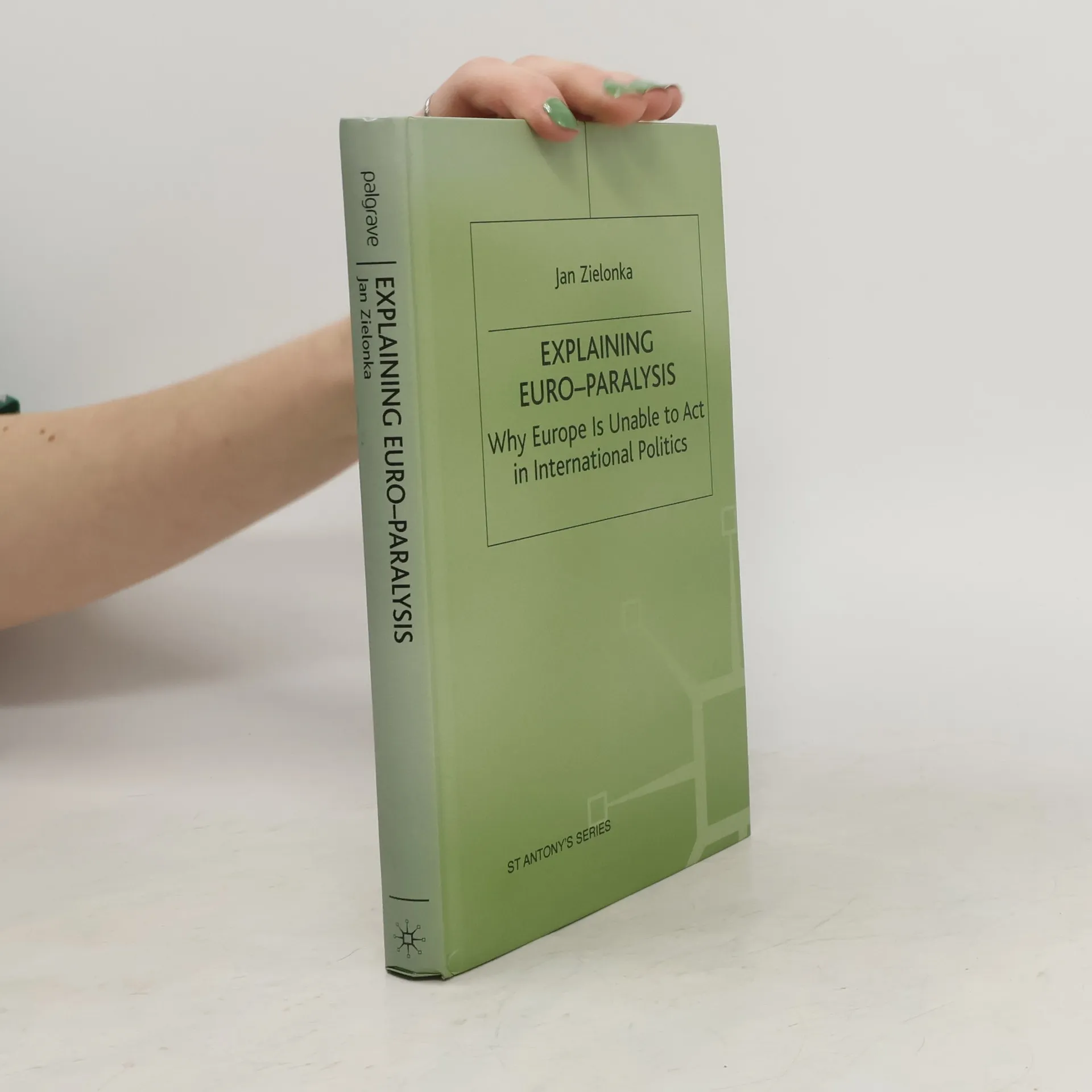
    Explaining Euro-paralysis
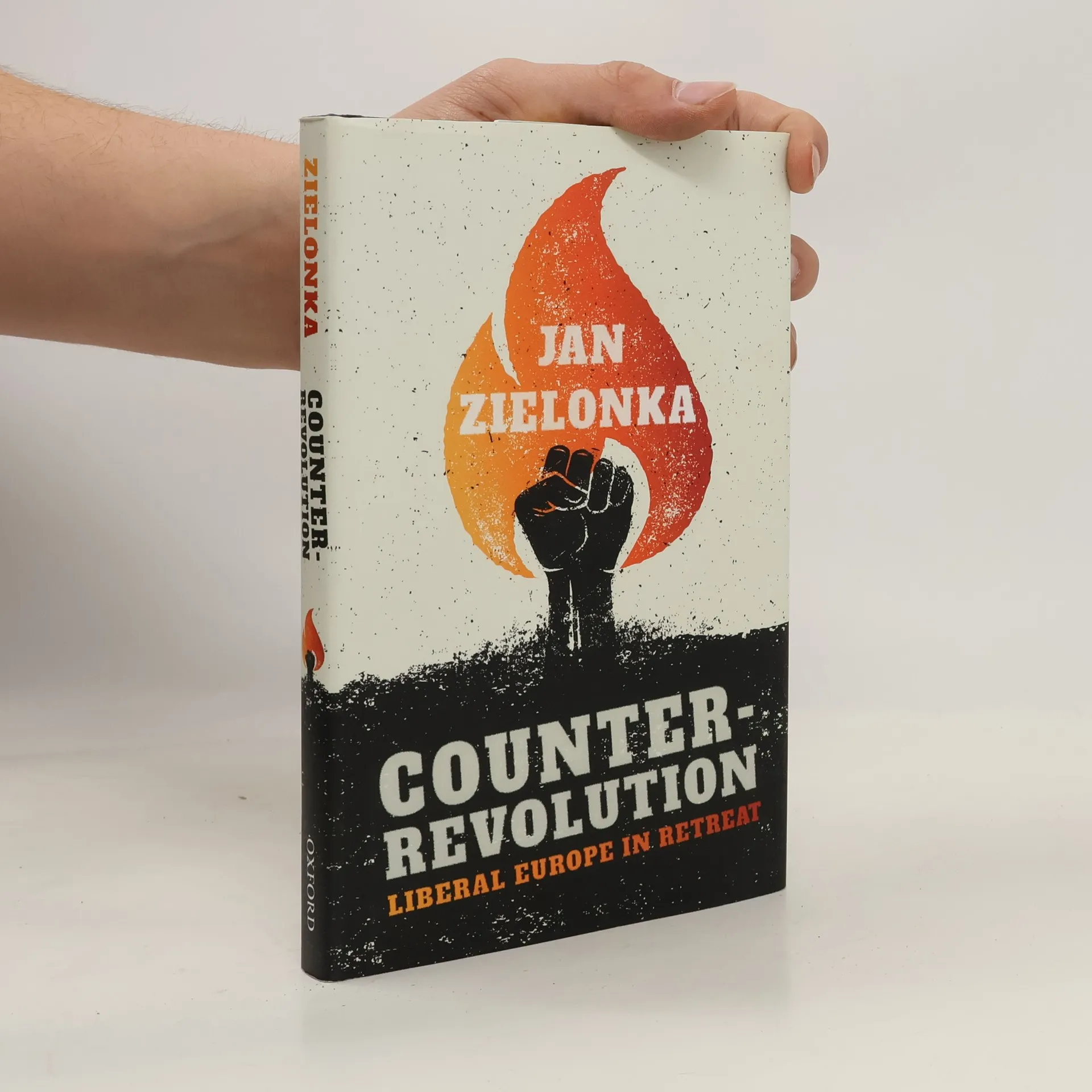
    Counter-Revolution
    The Lost Future
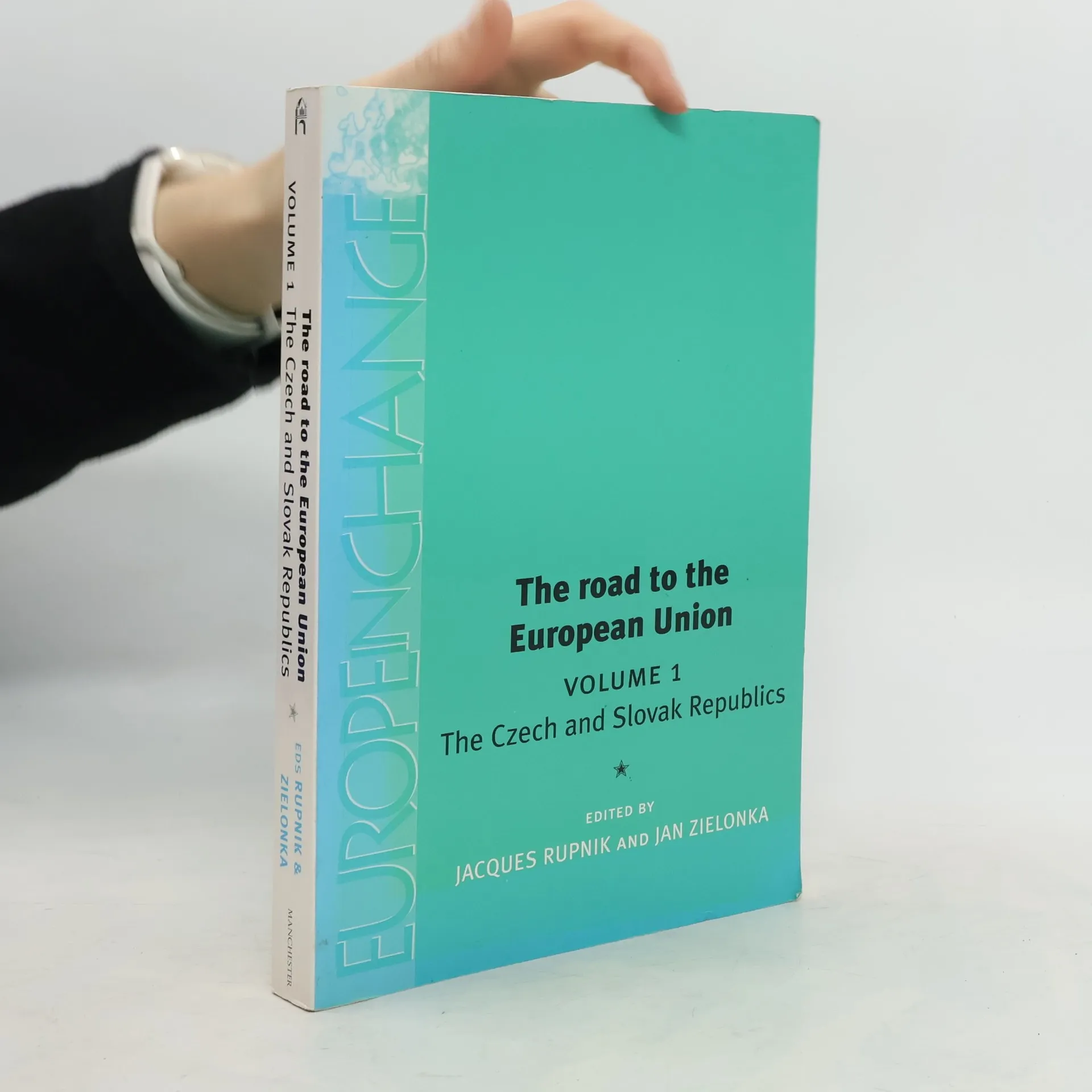
    The road to the European Union. Vol. 1, The Czech and Slovak Republics
    • Since the start of the new millennium, the issue of European Union enlargement has become Europe's major preoccupation. This text, the first of two volumes, deals comprehensively with this subject, covering the preparation for accession to the European Union in the Czech and Slovak Republics

      The road to the European Union. Vol. 1, The Czech and Slovak Republics
      4,0
    • A timely and compelling argument for a revitalized and restructured global politics

      The Lost Future
      3,0
    • Counter-Revolution

      • 164bladzijden
      • 6 uur lezen

      I read Zielonka's earnest analysis of todays Europe this past weekend and recommend you read it too; the book of some 150 pages might replace that slightly stale flavor that Ivan Krasnev's After Europe left me with: Yes, something might have gone wrong, but where exactly, and what now? Florian Eder, Politico

      Counter-Revolution
      3,5
    • Explaining Euro-paralysis

      • 275bladzijden
      • 10 uur lezen

      This text concerns Europe's apparent inability to cope with the complex international environment. Why does the Union fail to create a workable (sound) Common Foreign and Security policy? Five explanations for Euro-paralysis are considered, focusing on power politics, the assertion of national interests, misguided institutional designs, a crisis of modern democracy, and post-Cold War conceptual confusion.

      Explaining Euro-paralysis