

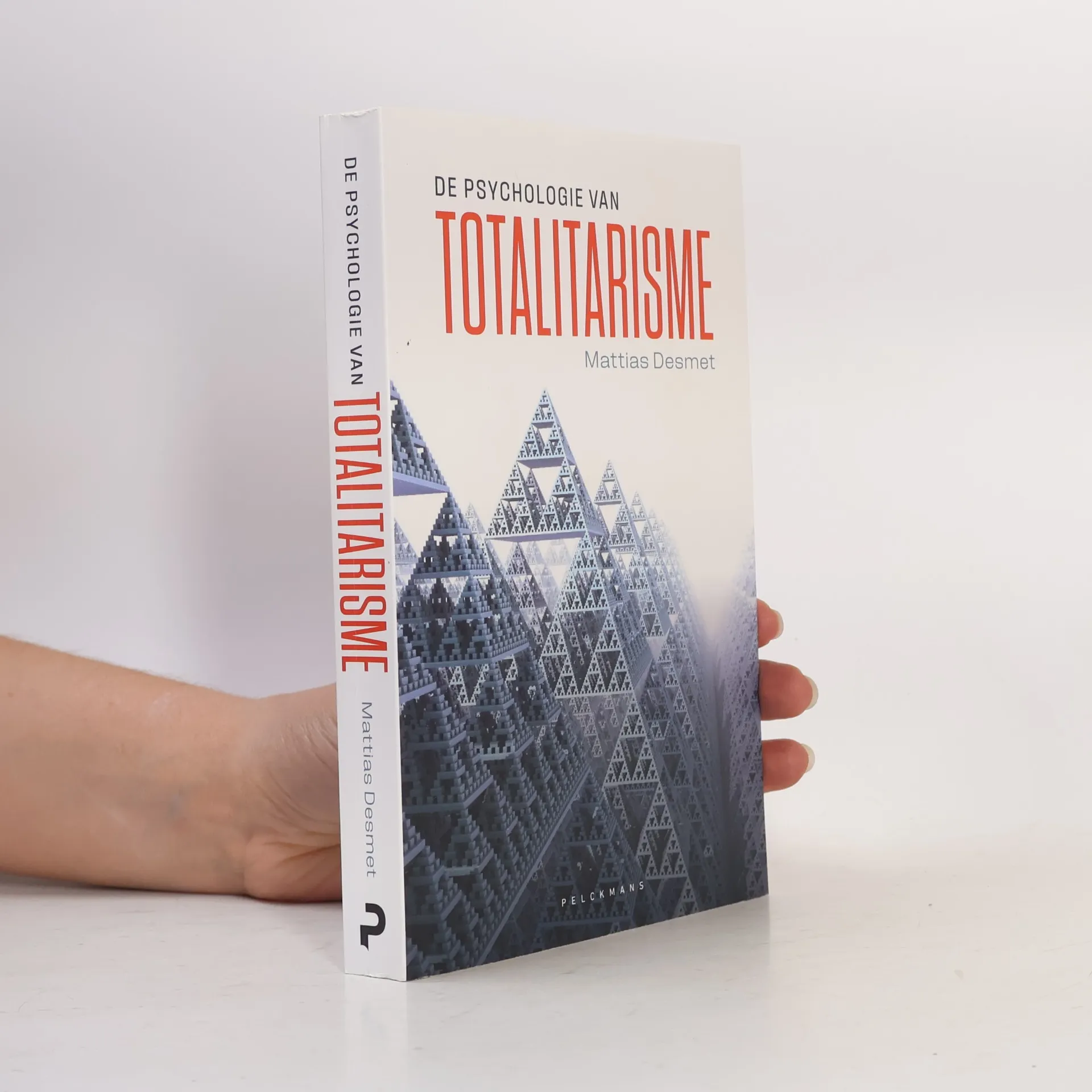
De psychologie van totalitarisme
- 220bladzijden
- 8 uur lezen
Het recht op privacy kalft af, (zelf)censuur neemt in sneltempo toe, de gezondheid van het individu wordt meer en meer een staatszaak, het aantal intrusieve acties door veiligheidsdiensten stijgt exponentieel de laatste decennia vergroot de greep van de overheid op het privéleven van het individu hand over hand. Het door Hannah Arendt opgeroepen dystopische toekomstbeeld dat na de val van het nazisme en het stalinisme er een nieuw soort totalitarisme zou oprijzen, geleid door saaie bureaucraten en technocraten, tekent zich merkwaardig realistisch af aan de maatschappelijke horizon.0Totalitarisme is geen historische toevalligheid. Het is het logische gevolg van een waanachtig geloof in de almacht van het menselijke verstand; het is het symptoom bij uitstek van de Verlichtingstraditie. Dit boek presenteert een glasheldere psychologische analyse van de historische opkomst van totalitarisme en het ermee verbonden fenomeen van massavorming. Het presenteert daarbij een bijwijlen genadeloze maatschappijkritische analyse van fenomenen als de woke cultuur, de Black Lives Matter-beweging en de angstcultuur die tot een hoogtepunt kwam tijdens de coronacrisis.00Mattias Desmet is professor klinische psychologie aan de Universiteit Gent. Hij heeft een psychoanalytische praktijk en is auteur van boeken als 'The pursuit of objectivity in psychology' en 'Lacan?s logic of subjectivity'.