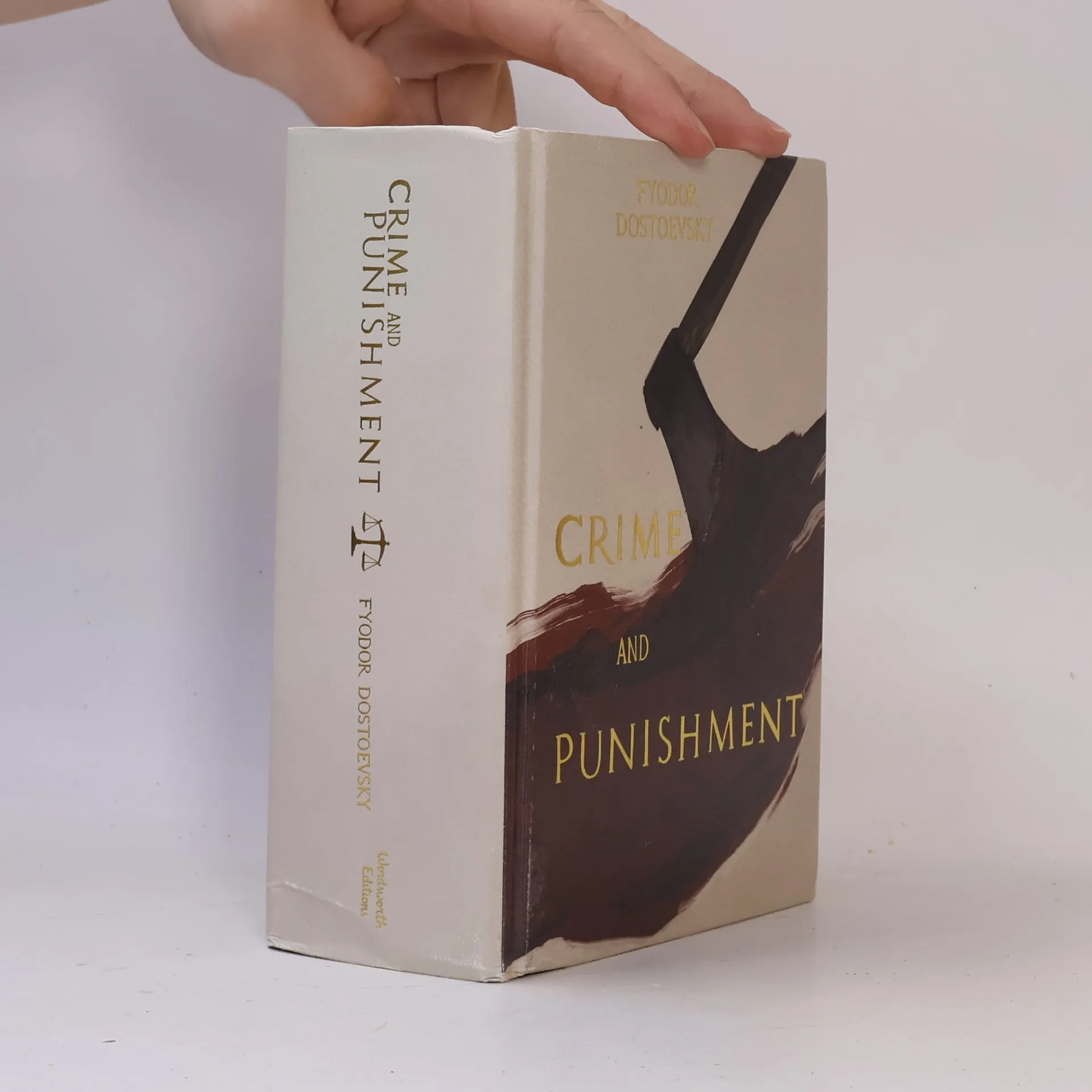
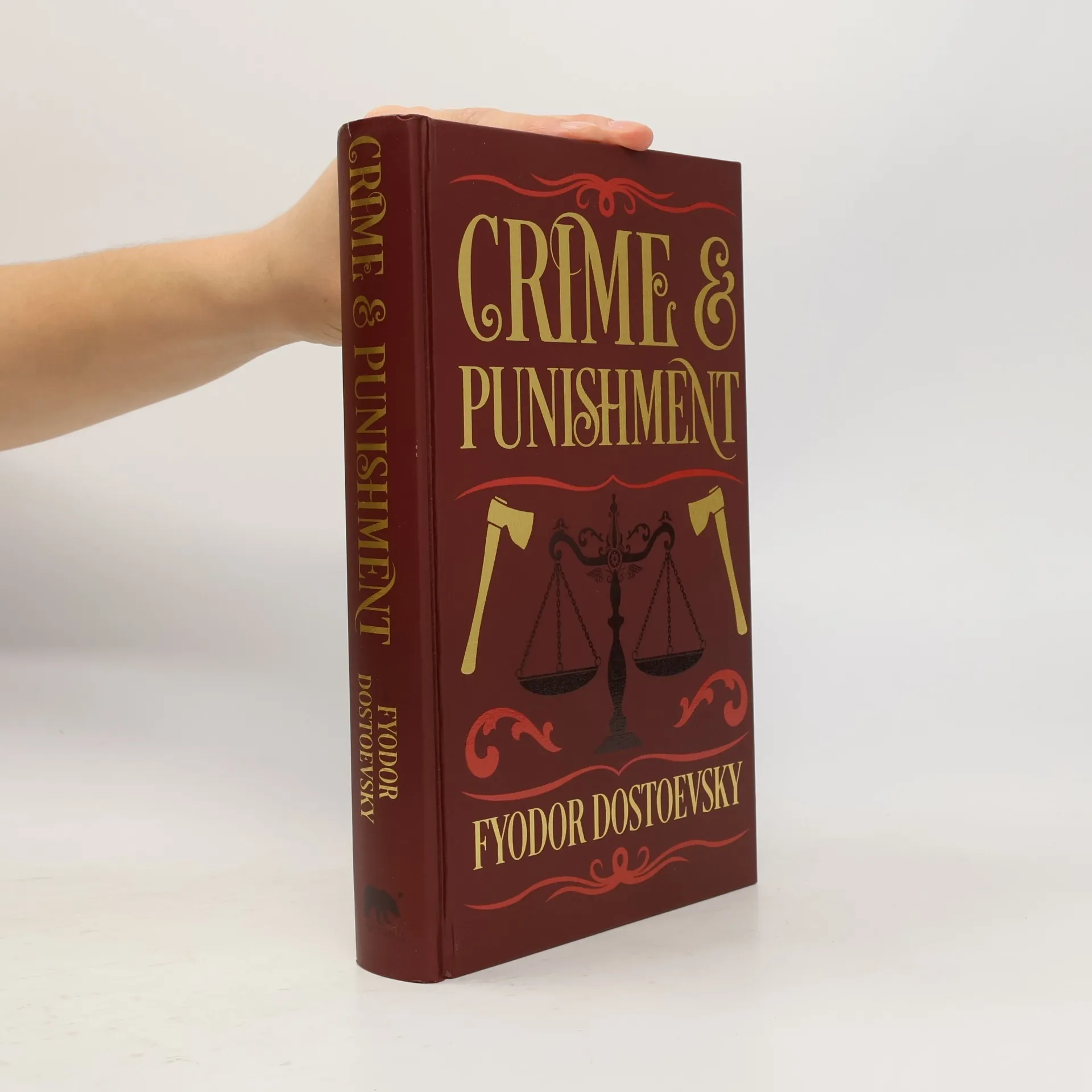
Een student denkt met de moord op een woekeraarster een goede daad gesteld te hebben, maar wordt allengs bekropen door wroeging.
Fjodor Michajlovič Dostojevskij Boeken
11 november 1821 – 28 januari 1881
Fjodor Dostojevski staat bekend om zijn diep psychologische romans die de complexiteit van de menselijke ziel en morele dilemma's verkennen. Zijn werken onderzoeken thema's als geloof, twijfel, lijden en verlossing met een intensiteit die de lezer tot introspectie aanzet. Dostojevski creëert meesterlijk personages die worstelen met innerlijke conflicten en maatschappelijke druk. Zijn unieke stijl en scherpe inzicht in de menselijke natuur maken hem tot een van de meest invloedrijke schrijvers in de wereldliteratuur.

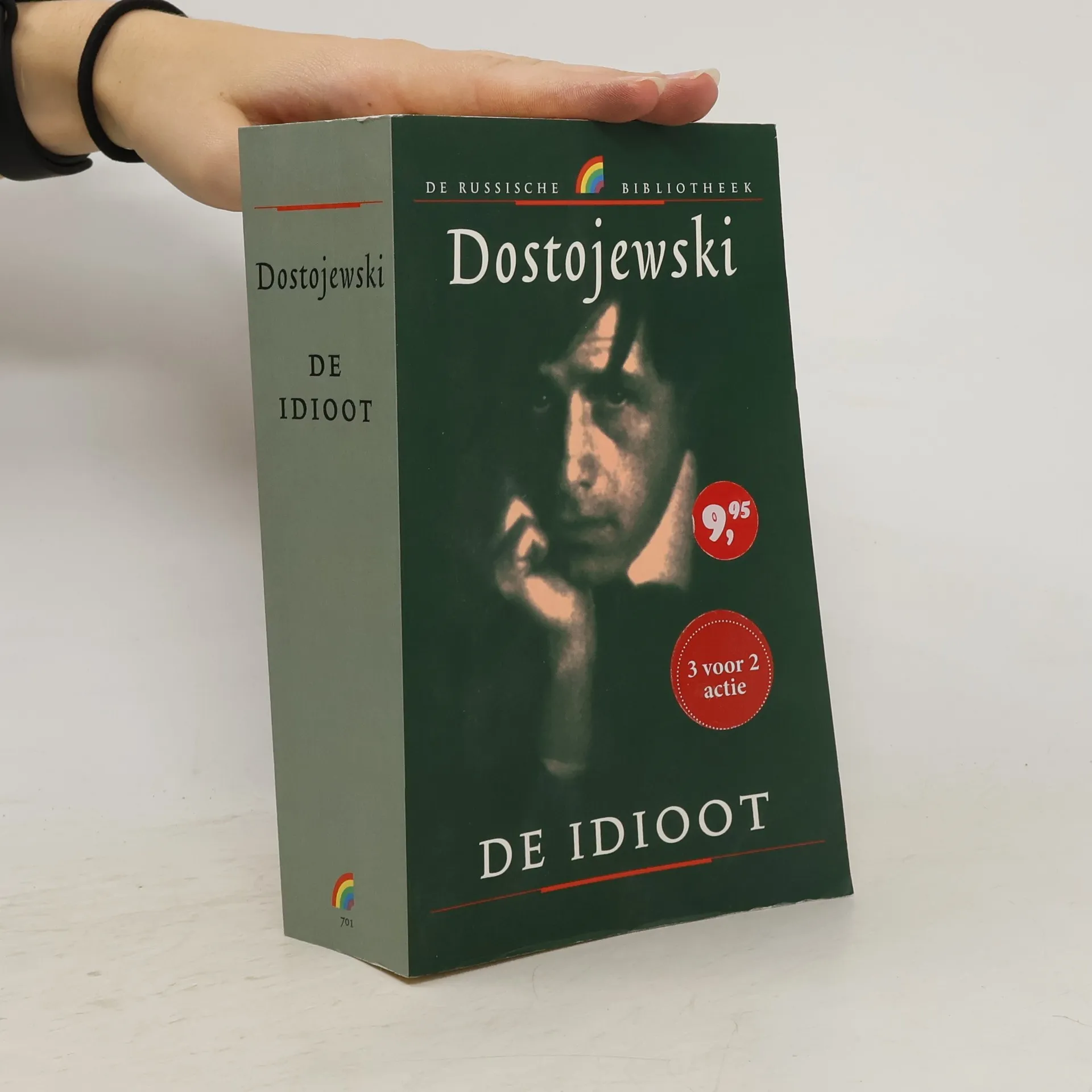
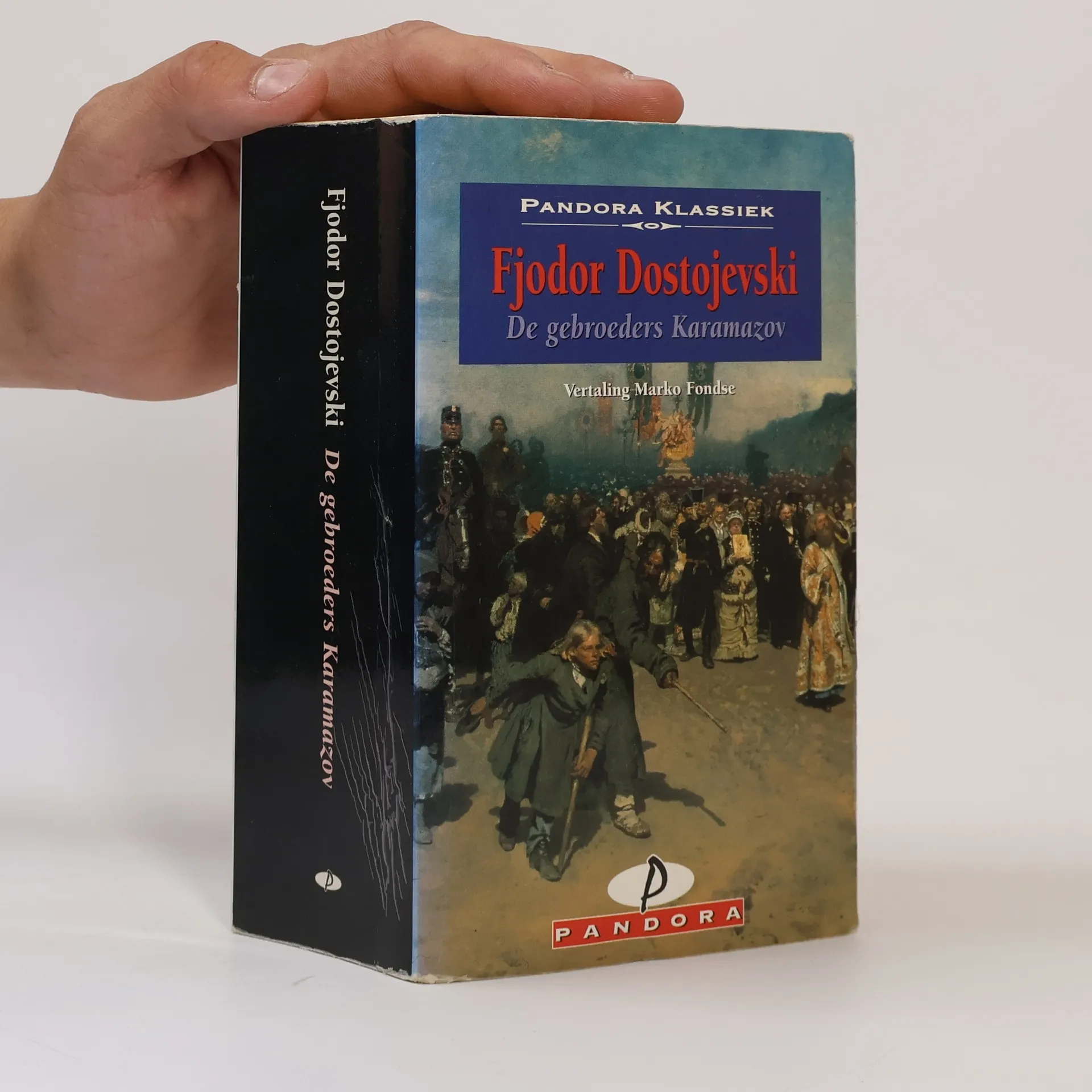
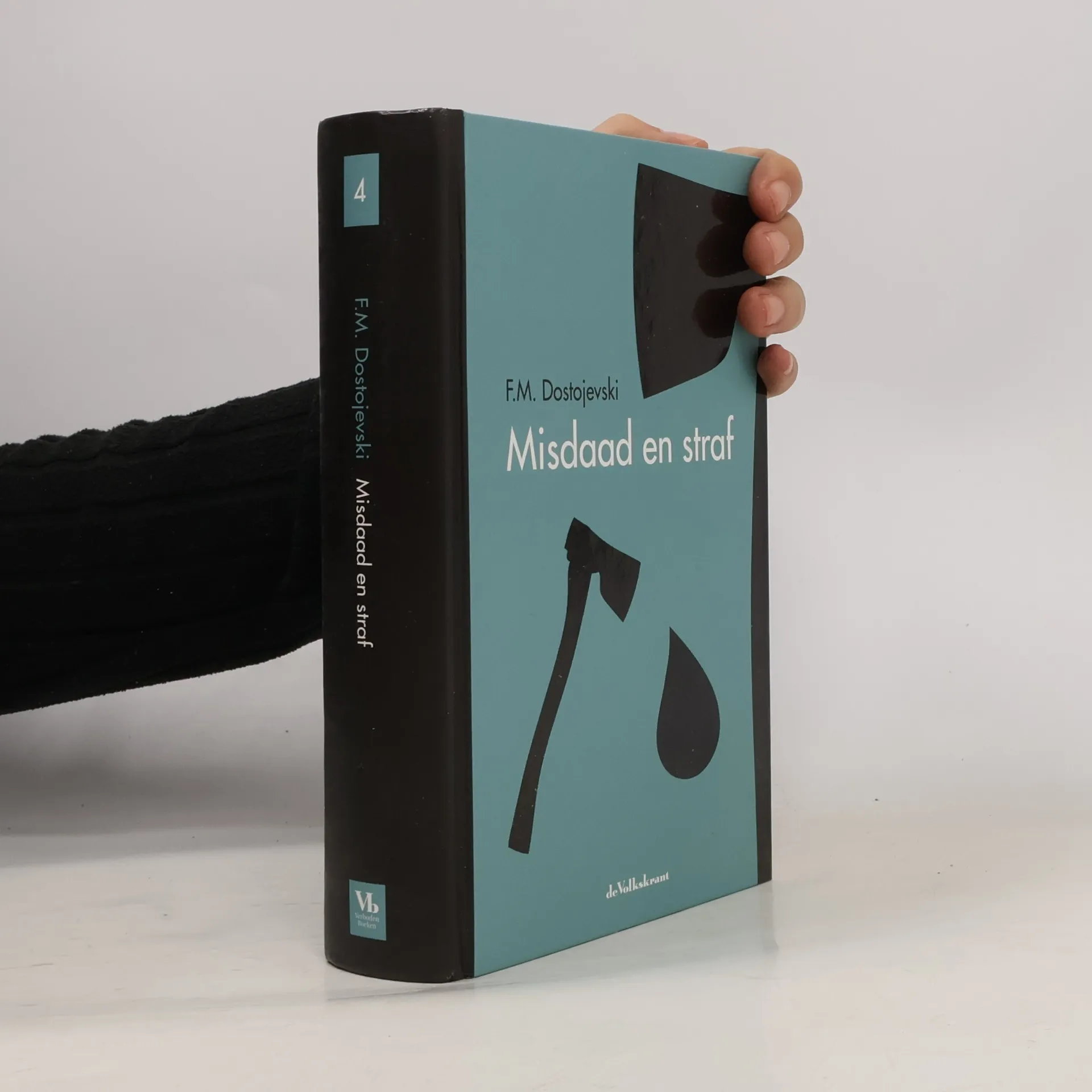
De idioot
- 761bladzijden
- 27 uur lezen
Een Russische prins zaait door zijn argeloosheid en eerlijkheid verbijstering in de society van Petersburg.
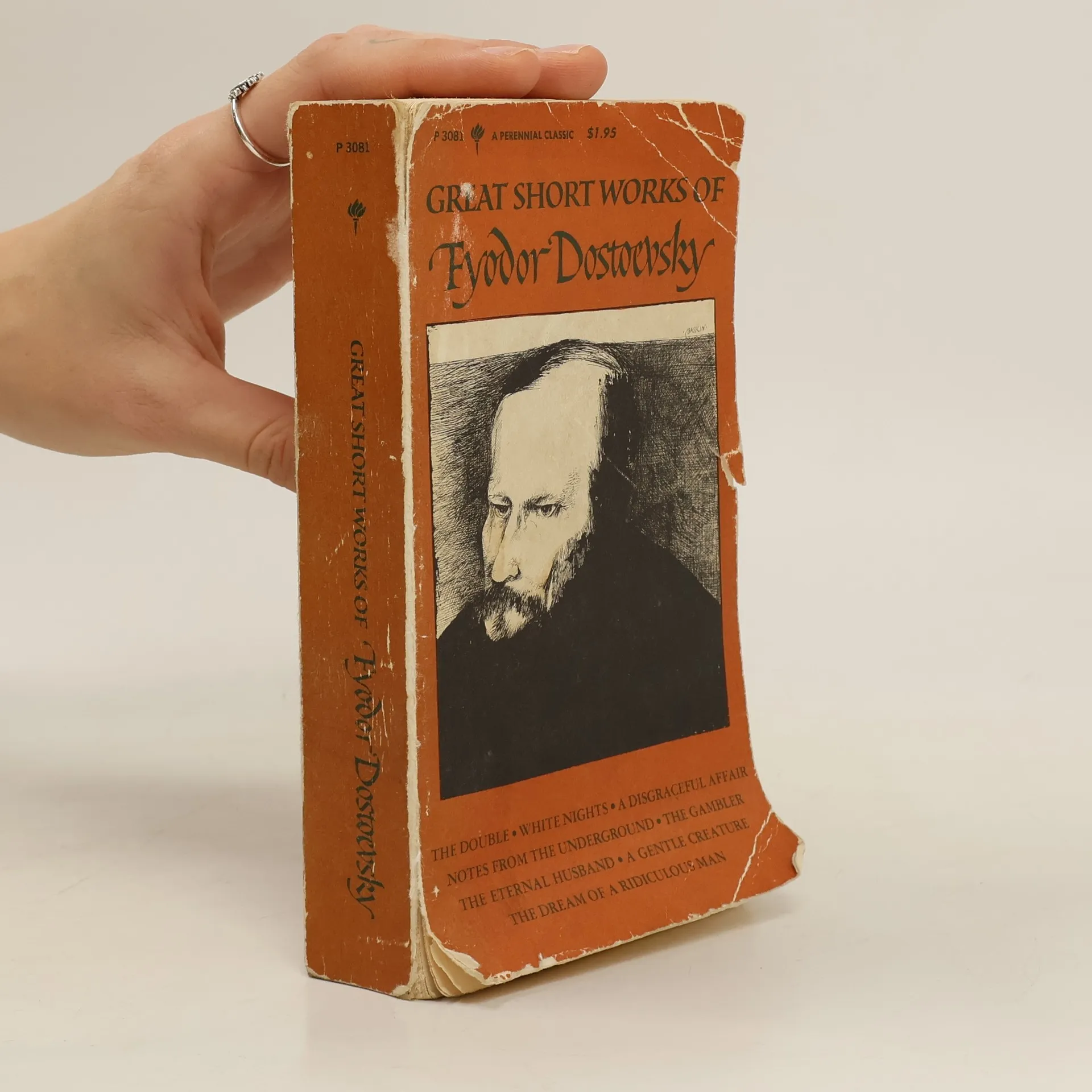
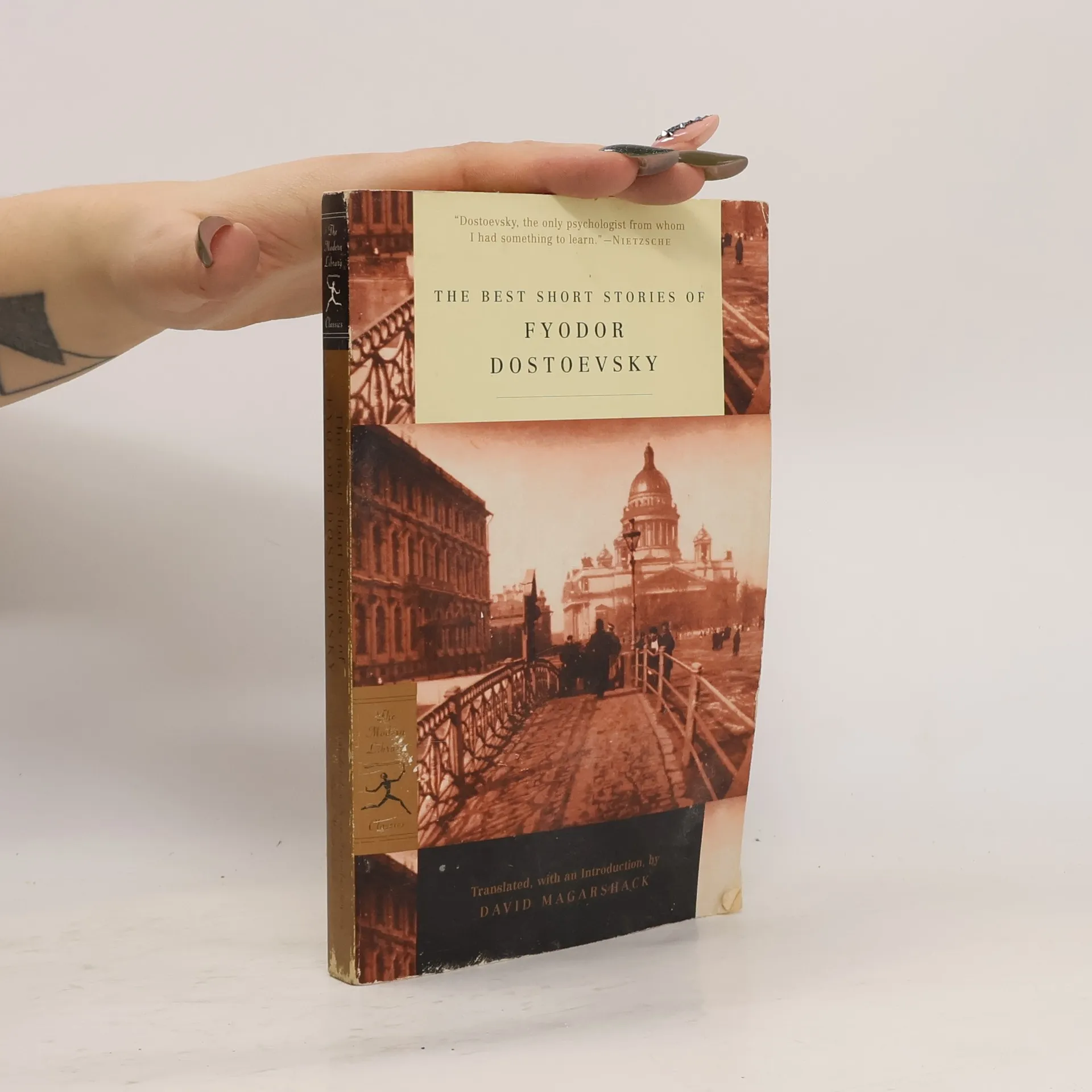
Deze verzameling bevat tien korte verhalen die zich afspelen in het tsaristische Rusland en verkent thema's van spirituele kwelling en psychologische strijd. Dostojevski gaat in op de complexiteit van de menselijke conditie en presenteert personages die geconfronteerd worden met morele dilemma's en existentiële crises. Opmerkelijke verhalen zijn onder andere "De Droom van een Belachelijke Man" en "Een Kerstboom en een Huwelijk," die zijn diepgaande invloed op de moderne gedachte, waaronder psychoanalyse en existentialisme, tonen. De verhalen bieden inzichtelijke reflecties op het conflict tussen vlees en geest, en benadrukken Dostojevski's literaire erfenis.
De psychologische strijd tussen Pavel Pavlovitch, de "eeuwige echtgenoot," en Velchaninov, de voormalige minnaar van zijn vrouw, verkent thema's van obsessie, wraak en verlossing. Terwijl Velchaninov zijn gevoelens ten opzichte van Pavel onder ogen ziet, ontvouwt het verhaal zich tot een meeslepende vertelling die wordt gekenmerkt door toenemende spanning. Dostojevski's verkenning van het menselijke hart komt tot uiting in dit intense werk, waarin zijn duistere genialiteit en diepgaande begrip van complexe relaties worden getoond. Deze minder bekende roman wordt geprezen om zijn krachtige vertelkunst en diepe psychologische inzichten.
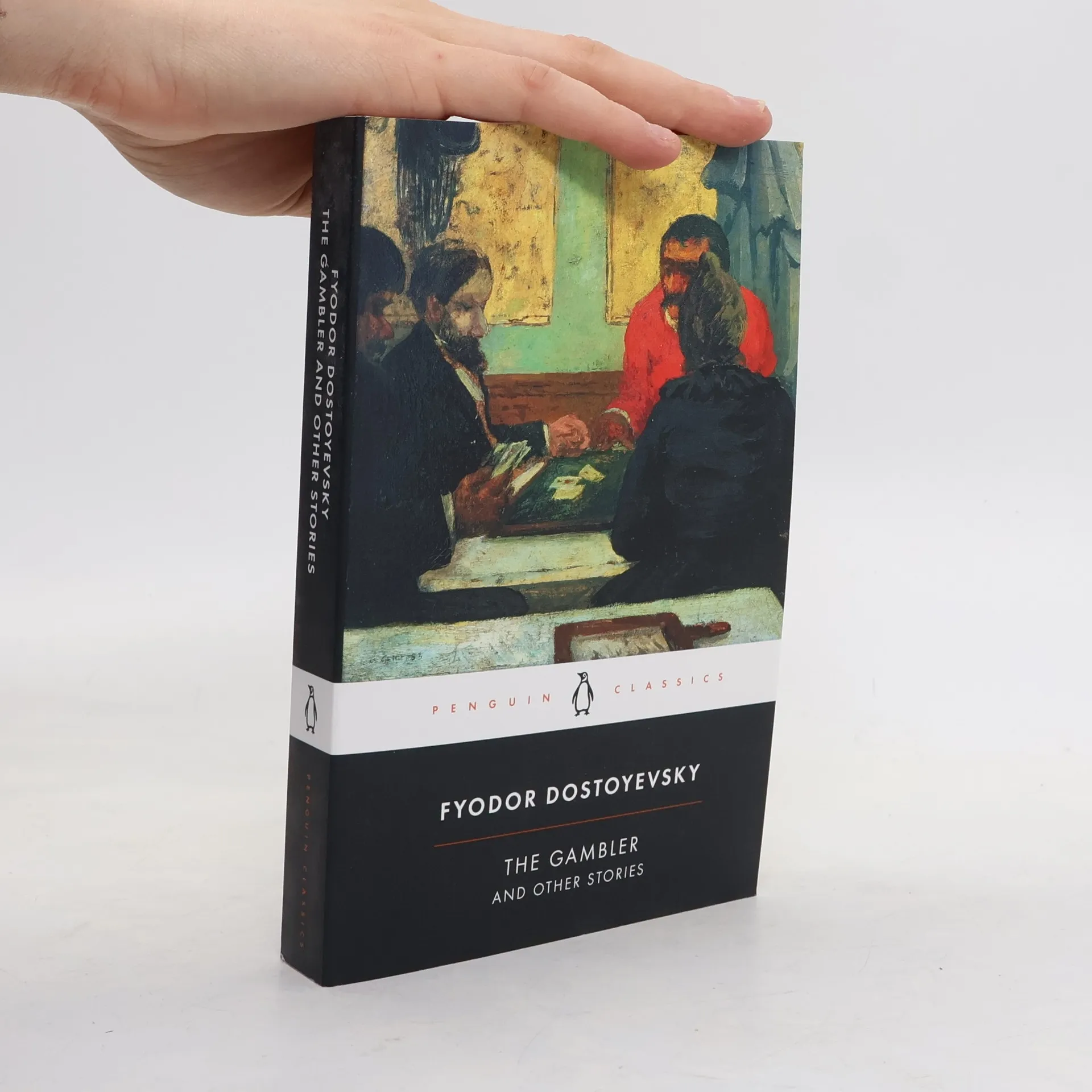
De speler is een roman van Fjodor Dostojewski. In een burleske en soms grotesk komische verhaal rond een groep mensen die op het punt staan van financiële ondergang, wachten ze in het fictieve kuuroord Roulettenburg op de reddende erfenis. Het boek biedt nauwkeurige en gedetailleerde beschrijvingen van de gokverslaving, die Dostojewski uit eigen ervaring kende. De speler verscheen in 1866, kort na Schuld en boete; Dostojewski dicteerde het in slechts 26 dagen aan zijn stenotypiste en latere vrouw Anna. Het verhaal heeft autobiografische elementen, waarbij Roulettenburg kan worden geassocieerd met Wiesbaden, waar Dostojewski zelf voor het eerst roulette speelde, of met Bad Homburg. Deze steden claimen beiden de inspiratie voor Dostojewski's Roulettenburg te zijn. De roman diende als basis voor Sergei Prokofjews gelijknamige opera (1917) en verschillende verfilmingen.
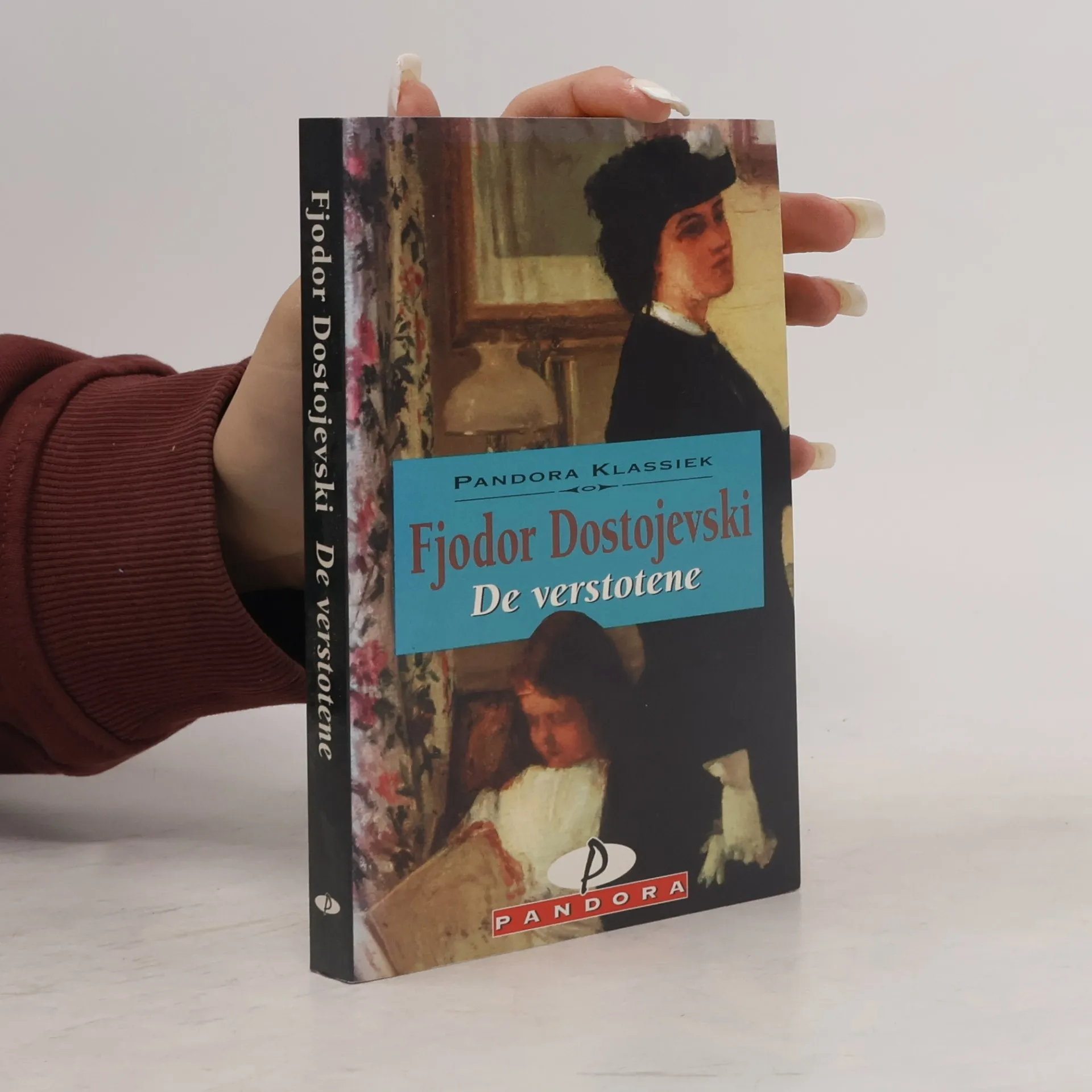
De verstotene
- 150bladzijden
- 6 uur lezen
Netochka Nezvanova--a 'Nameless Nobody'--tells the story of a childhood dominated by her stepfather, Efimov, a failed musician who believes he is a neglected genius. The young girl is strangely drawn to this drunken ruin of a man, who exploits her & drives the family to poverty. But when she is rescued by an aristocratic family, the abuse against Netochka's delicate psyche continues in a more subtle way, condemning her to remain an outsider--a solitary spectator of a glittering society. Conceived as part of a novel on a grand scale, Netochka Nezvanova remained incomplete after Dostoyevsky was exiled to Siberia for 'revolutionary activities' in 1849. With its depiction of the suffering, loneliness, madness & sin that affect both rich & poor in St Petersburg, it contains the great themes that were to dominate his later novels.
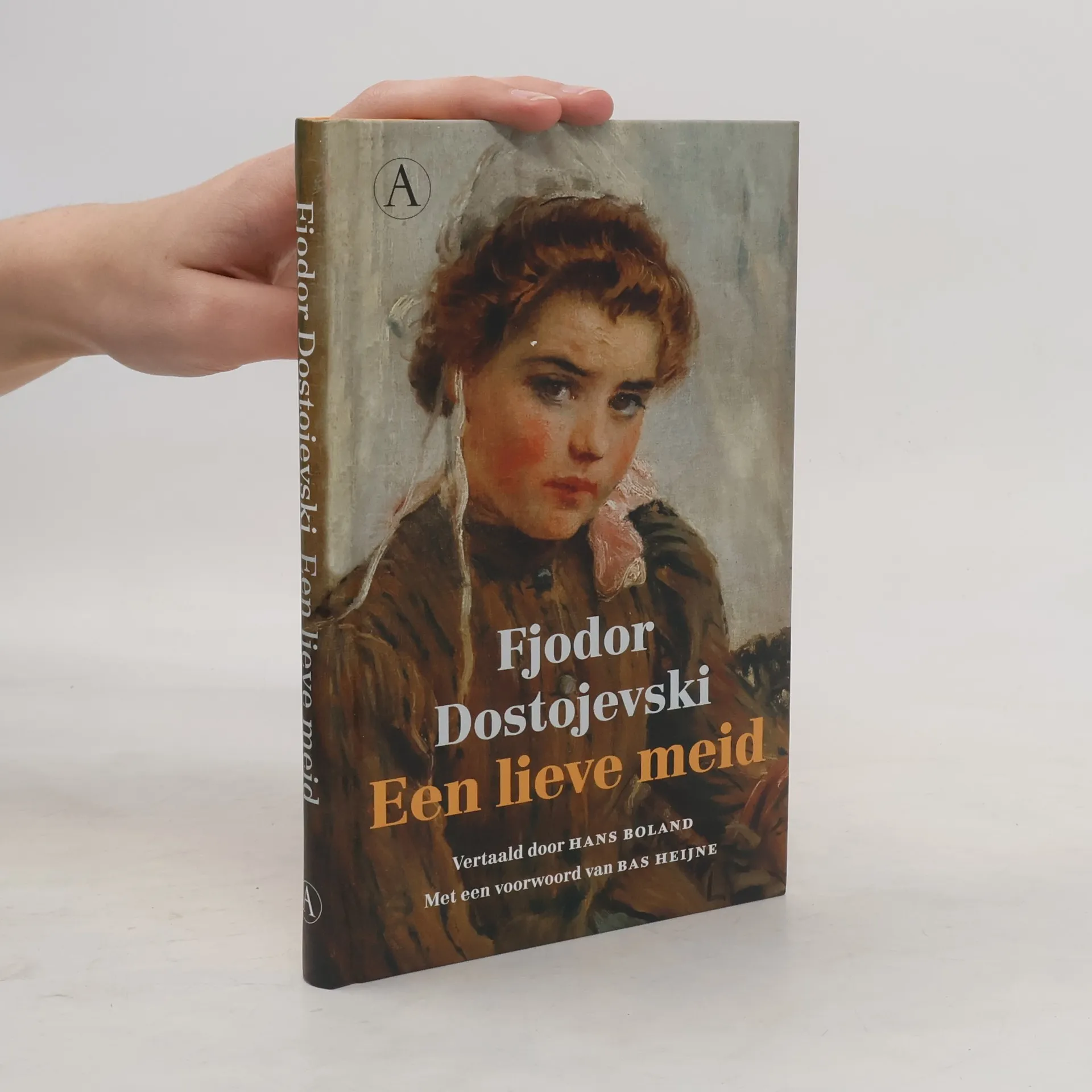
Een lieve meid
- 120bladzijden
- 5 uur lezen
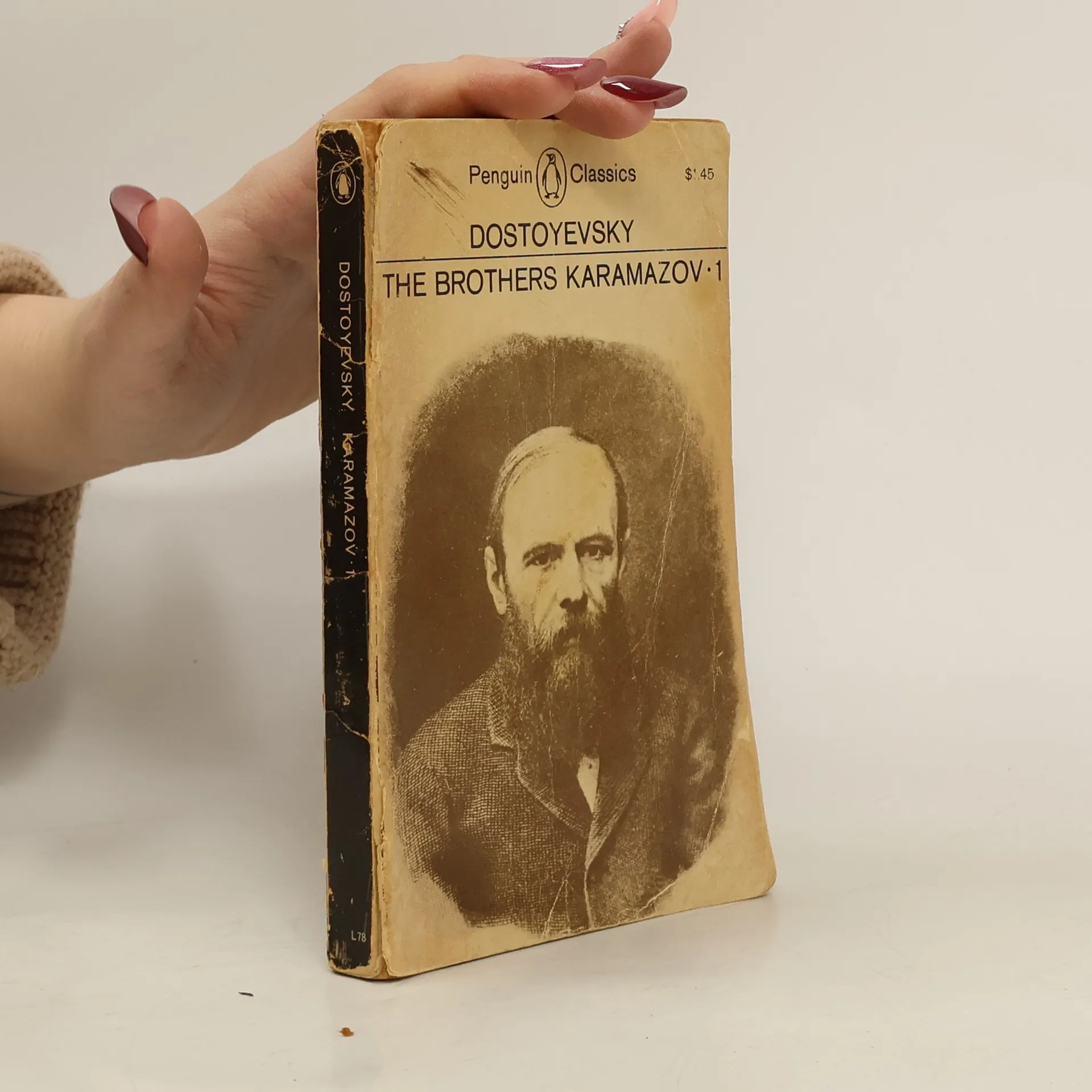
Roman over de drie zoons van een Russisch grootgrondbezitter, die een beeld geeft van het Russische volkskarakter en het leven in het 19e eeuwse Rusland.
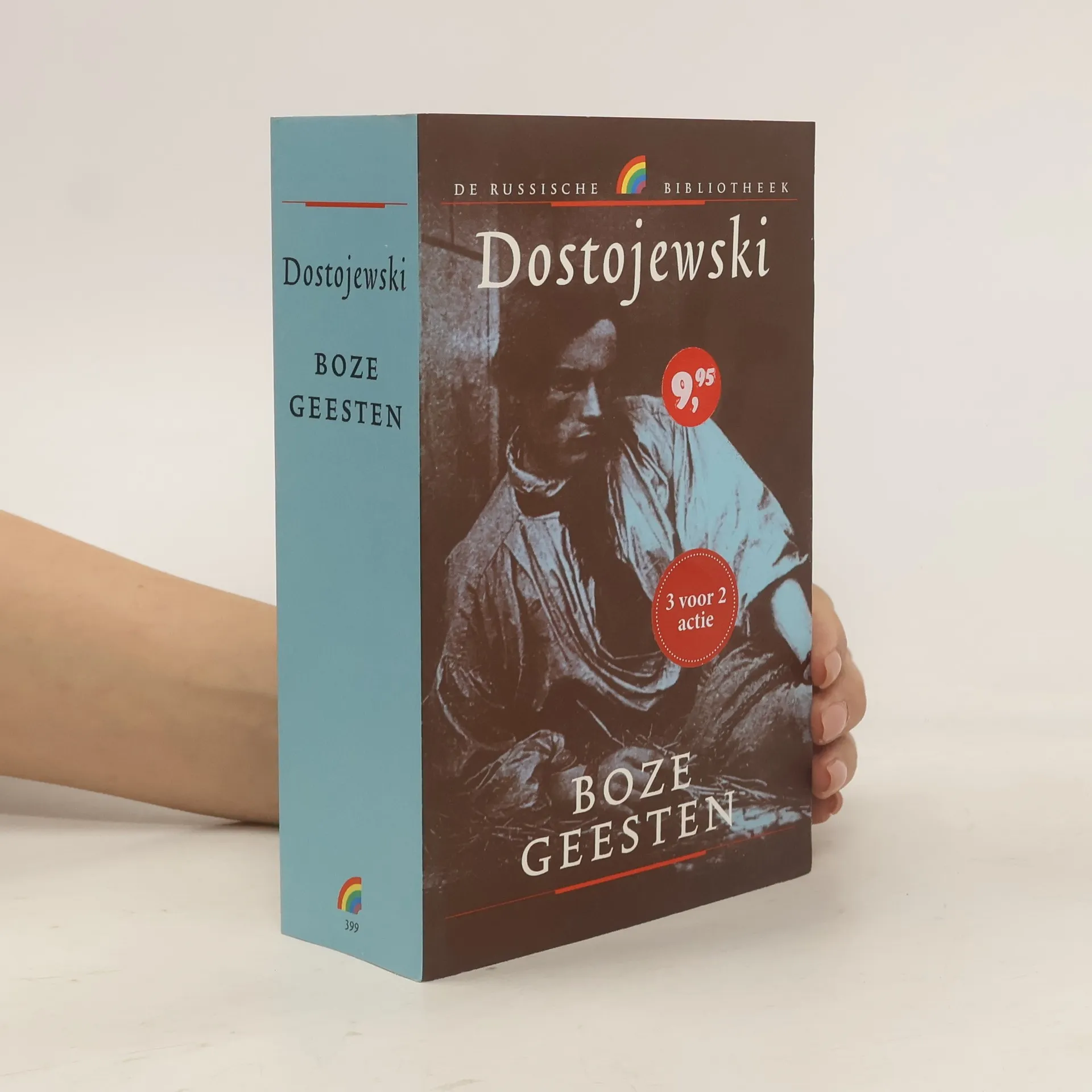
Boze geesten
- 783bladzijden
- 28 uur lezen
Een beweging van revolutionairen maakt in 1870 het leven in een Russisch provinciestadje tot een hel.
Aantekeningen uit het ondergrondse
- 165bladzijden
- 6 uur lezen
Een voormalige ambtenaar leidt een teruggetrokken bestaan in een vervuilde kamer en broedt daar zijn dwarse, antirationalistische gedachten uit over de vrije wil.
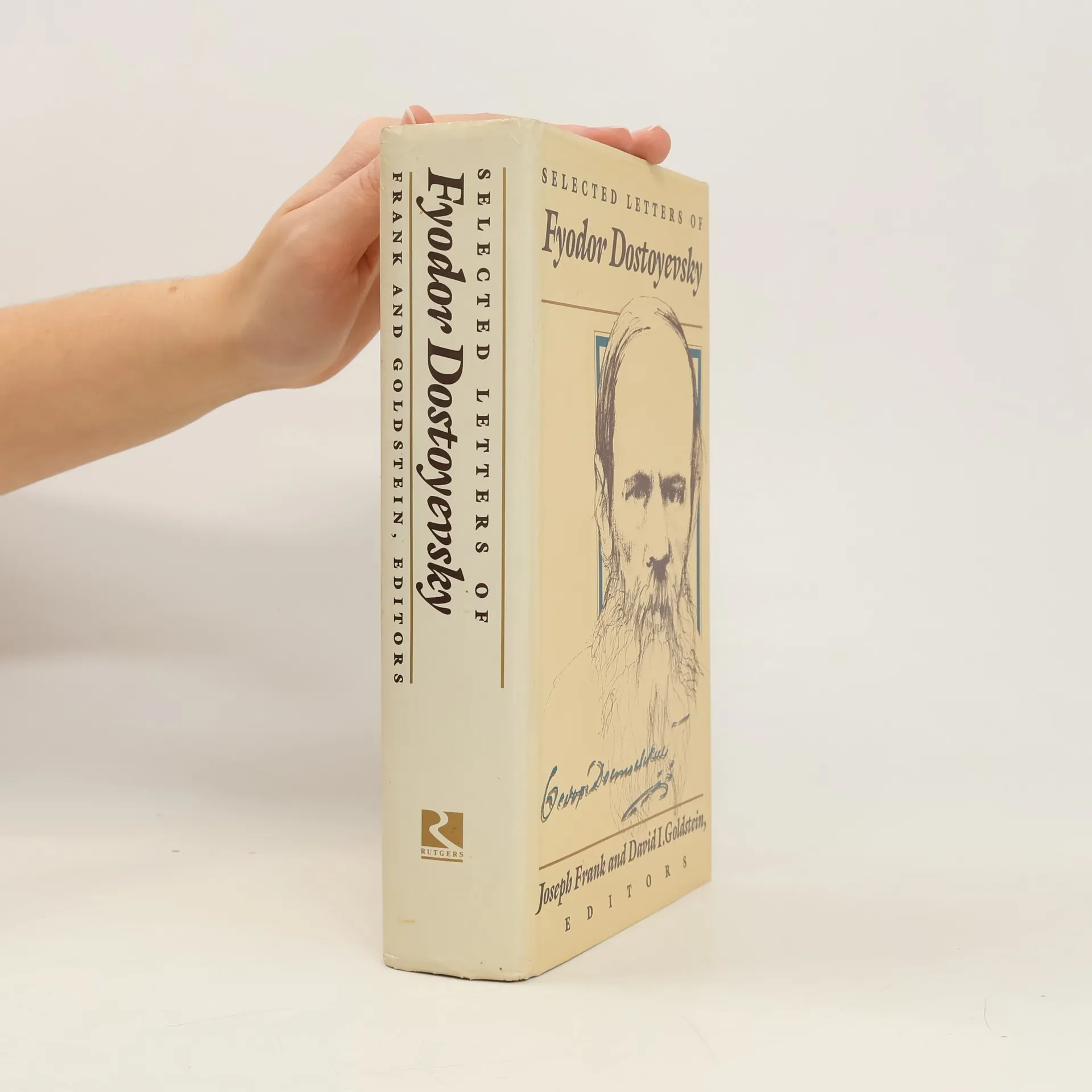
Selectie brieven van F. Dostojewski.Onderdeel van de Russische Bibliotheek.Keuze en commentaar: K. van het ReveVertaling: Titia Bouma en Theo Veenhof
Boze geesten (Verzamelde werken Dostojevski, 7)
- 783bladzijden
- 28 uur lezen
Bloemlezing van belangrijke theologische teksten, verzameld door acht protestantse en katholieke Nederlandse theologen.
Een epileptische Russische edelman symboliseert de mens van volmaakte morele schoonheid.
Bronnen van levensmoed
Karl Barth, R.N. Coudenhove-Kalergi, F.M. Dostojewski, J.W. Goethe, Hermann Hesse, Friedrich Nietzsche, Boris Pasternak en anderen
- 46bladzijden
- 2 uur lezen
Sfeervolle kerstvertellingen uit alle landen
- 240bladzijden
- 9 uur lezen
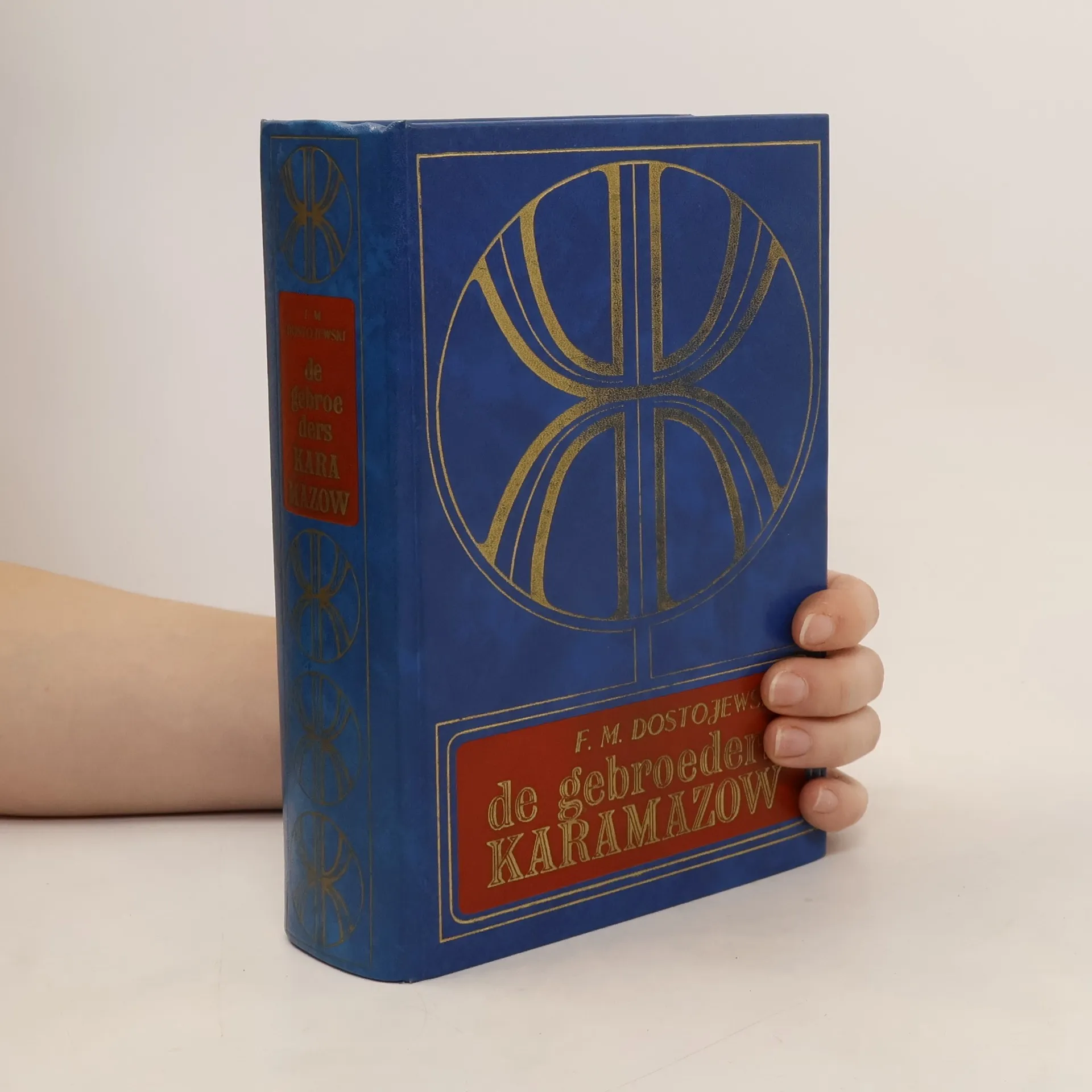
What is this last and renowned novel by Dostoevsky? It is a criminal, socio-philosophical, religious-mystical, familial, polemical, accusatory work, or something akin to a church treatise? Debates continue over these attributes, and all can be answered affirmatively. However, it is more accurate to say that it encompasses all of these elements and, moreover, that it is a terrible, cruel, and even horrifying book, whose issues and questions, particularly at the time of its creation, shook life and have continued to resonate in modern literature. It presents a complete world of Russian types, a broad depiction of Russian life, a novel of human fate, Russia, and humanity, as well as the entirety of Dostoevsky's thought and quest, his conflict with philosophical materialism and socialism, and the measure of his own doubts, protests against the injustice and cruelty of the world, and its divine and human order. The plot is evidently a reflection of Dostoevsky's tormenting thoughts, passionate feelings, and harsh doubts, advancing with unrelenting tension and drama, full of twists; the characters of the Karamazov brothers and their father will forever remain etched in the reader's memory.
A reckoning of a disillusioned individual, embodying the archetype of the angry citizen and misanthrope. A former civil servant bitterly resides in his basement apartment on the outskirts of St. Petersburg, lamenting the world around him. Although in his forties, he has resigned from his position and lives poorly off a small inheritance. His fury is directed at the "modern man" and the society shaped by him. With unrestrained candor, he recounts his own experiences of failure, alienation, and misunderstandings. As he delves deeper into his personal reckoning, he becomes increasingly relentless in his self-criticism. Dostoevsky's masterful psychological study captivates with the compelling force of a radically honest self and world description.
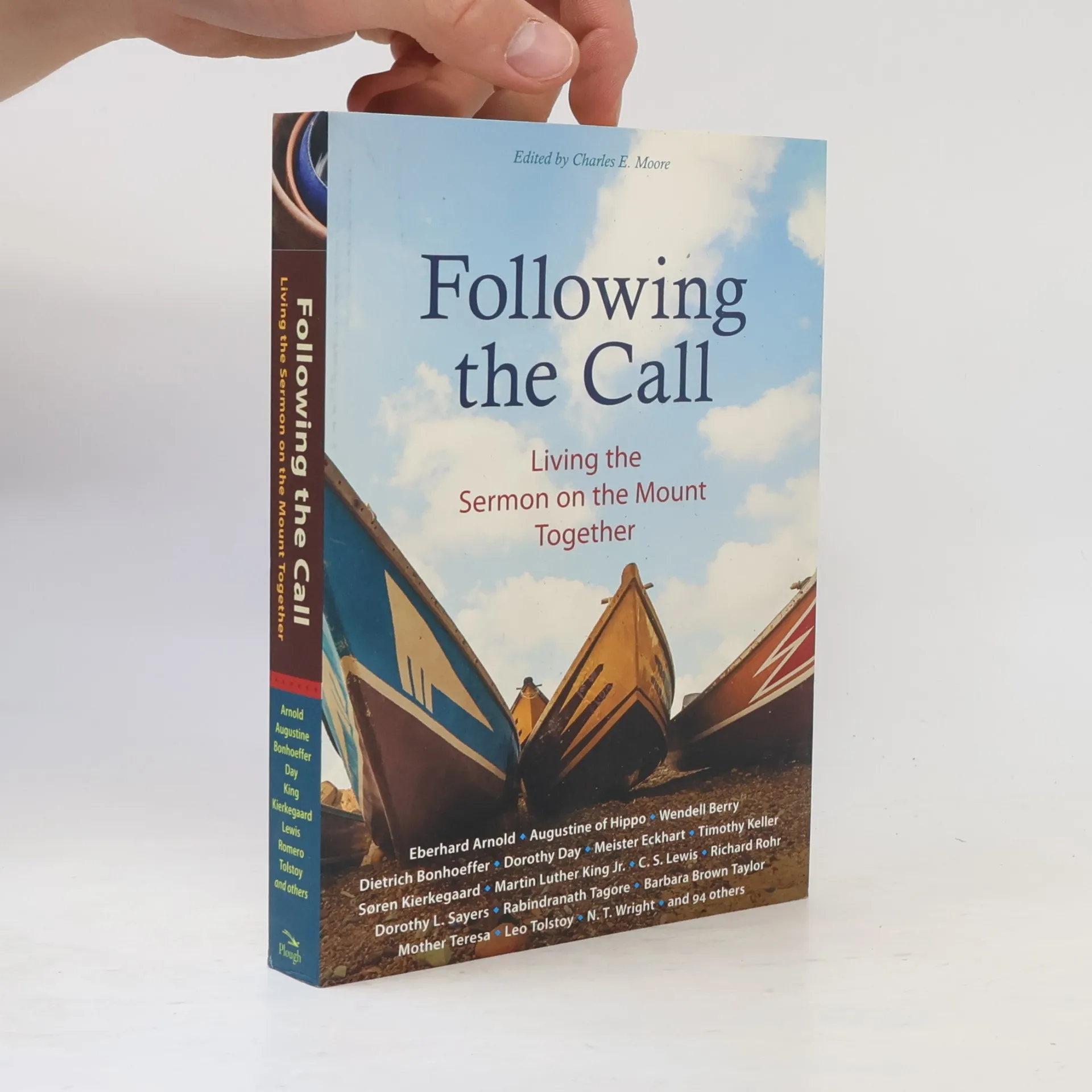
Following the Call
- 380bladzijden
- 14 uur lezen
Fifty-two readings to spark weekly group discussion on putting Jesus’ most central teachings into practice. Jesus’ most famous teaching, the Sermon on the Mount, possesses an irresistible quality . Who hasn’t felt stirred and unsettled after reading these words, which get to the root of the human condition?This follow-up to the acclaimed collection Called to The Life Jesus Wants for His People taps an even broader array of sources, bringing together prophetic voices from every era and a range of traditions to consider the repercussions of these essential words.More than a commentary or devotional , this book is designed to be read together with others, to inspire communities of faith to discuss what it might look like to put Jesus’ teachings into practice today.
Crime and Punishment. The Gambler. Notes from the Underground
- 696bladzijden
- 25 uur lezen
The Gambler is a short novel by Fyodor Dostoevsky about a young tutor in the employment of a formerly wealthy Russian general. The novella reflects Dostoevsky's own addiction to roulette, which was in more ways than one the inspiration for the book: Dostoevsky completed the novella under a strict deadline to pay off gambling debts.
Fire and Spirit
- 130bladzijden
- 5 uur lezen
"Lightning and forest fires could strike terror in primitive humans, yet they also cherished fire as a life-giving gift from the gods"-- Provided by publisher
The Idiot by Fyodor Dostoevsky
- 348bladzijden
- 13 uur lezen
The Idiot Dostoevskys Idiot, is one of the most famous novels by Fyodor Dostoevsky. After a five-year stay in a Swiss sanatorium, 26-year-old Prince Lev Myshkin returns to Russia one November morning to settle an inheritance matter in St. Petersburg following the death of a relative. Although his epilepsy has been successfully treated, his isolation has caused him to develop childishly naive behaviors and he is ridiculed by society as an "Idiot." The Idiot is rightly considered one of the greatest works of world literature. In his naive, unconventional way, the protagonist sees people in their personal and social tensions and contradictions and their resulting suffering. He fails in his efforts to help them and sinks back into his disease state of mental isolation. Dostoevksi the Idiot is a must for everyone's bookcase. A "Kultverlag Klassik" novel.
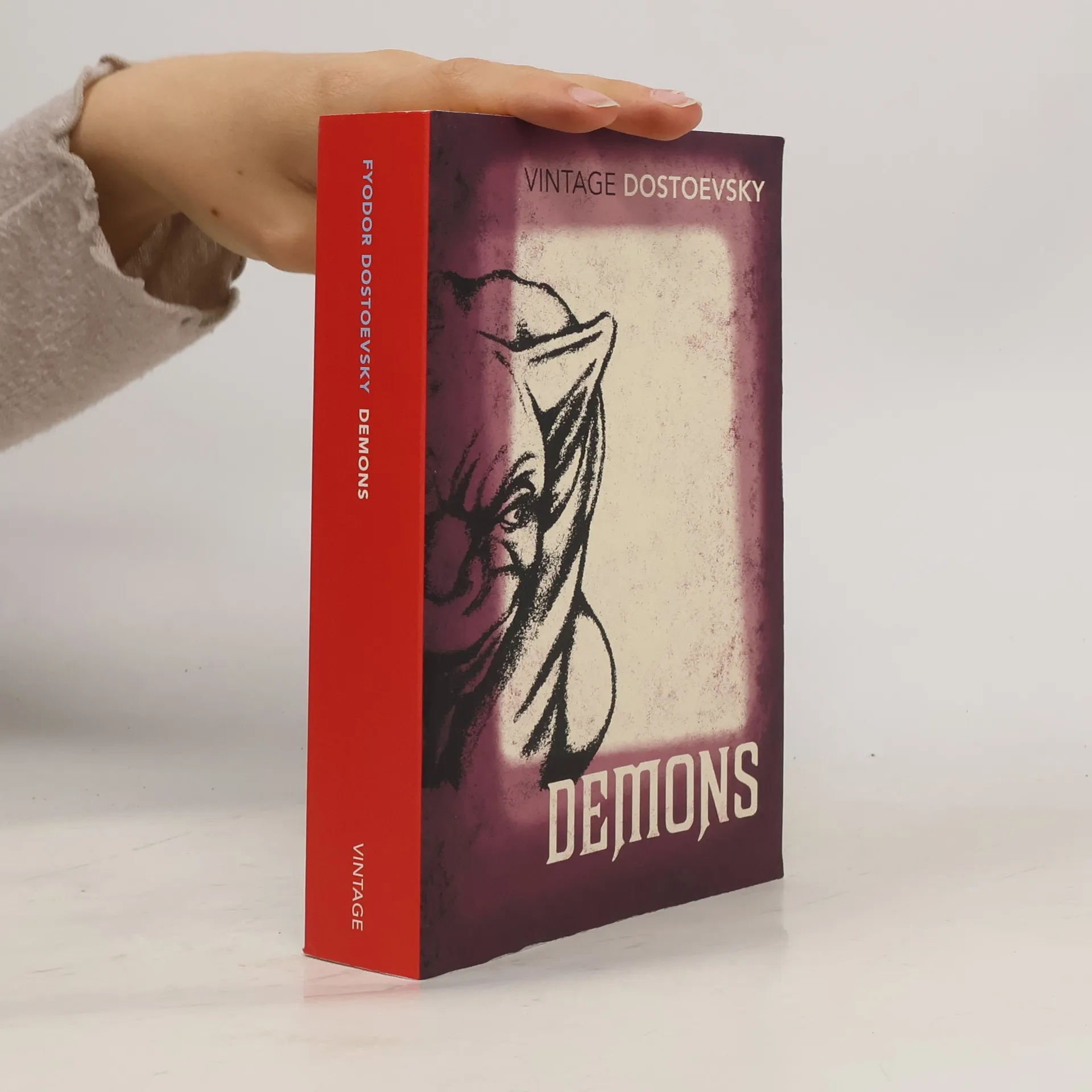
Demons
- 768bladzijden
- 27 uur lezen
From the award-winning translators of Crime and Punishment, Richard Pevear and Larissa Volokhonsky.Based on a real-life crime which horrified Russia in 1869, Dostoevsky intended his novel to castigate the fanaticism of his country's new revolutio
Presents a collection of short stories by the Russian author, including "White Nights," "The Peasant Marey," and "A Gentle Creature."
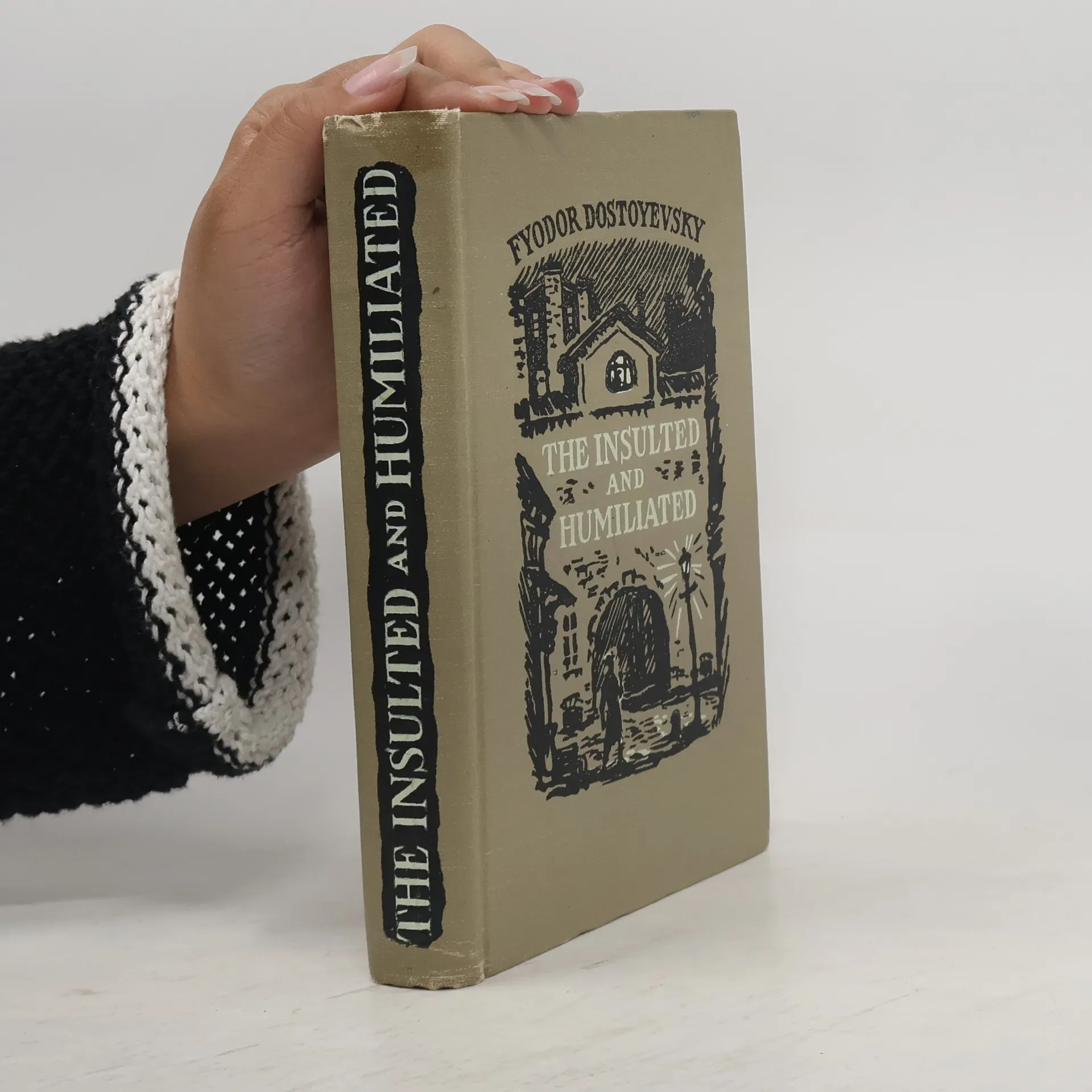
The Insulted and Injured, published soon after Dostoevsky's political imprisonment, clearly foreshadows his later preoccupation with unconscious psychological drives and their external effects on the lives of his characters. Where his later works carry these drives to inevitably dramatic conclusions, The Insulted and Injured confines them within the smaller boundaries of everyday events. In this story, the impulse toward self-abnegation in love, which appears so markedly in both Vanya and Natasha, isn't itself enough to direct their lives; instead, it combines with their social world and the mundane ambitions of Prince Valkovsky to defeat their hope of happiness. Of all the characters in the novel, only Natasha's lover, the Prince's son Alyosha—the person least driven to mold life to his own terms—emerges untouched. Here are, to a greater extent than in Dostoevsky's more familiar works, flesh-and-blood people as we see them around every day. They are made up of both good and evil, of will and acceptance. Unfailingly they command interest and illuminate understanding.
Notes from Underground
- 128bladzijden
- 5 uur lezen
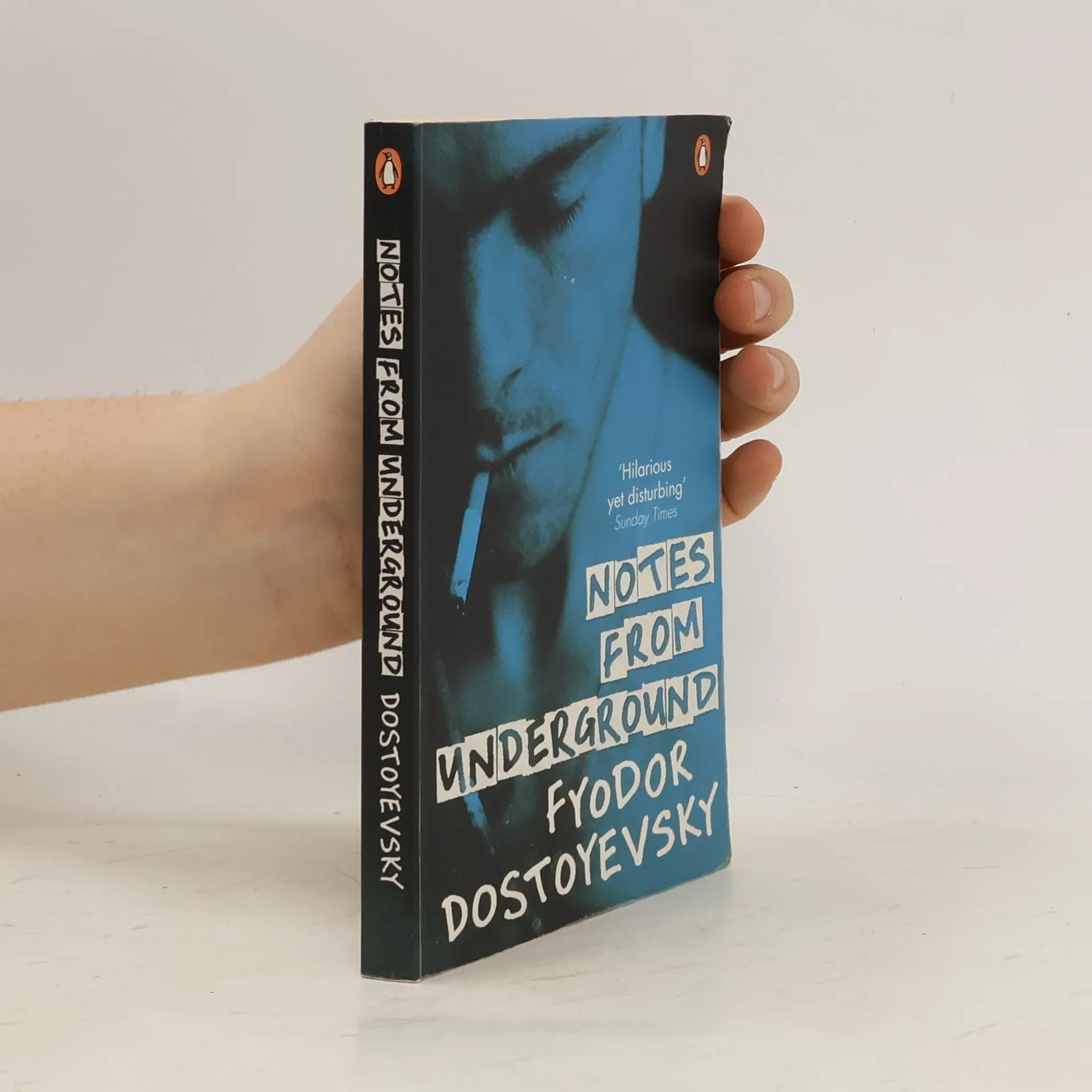
How far would you go to escape the real world? The underground man had always felt like an outsider. He doesn't want to be like other people, working in the 'ant-hill' of society. So he decides to withdraw from the world, scrawling a series of darkly sarcastic notes about the torment he is suffering. Angry and alienated, his only comfort is the humiliation of others. Is he going mad? Or is it the world around him that's insane?
Oxford World's Classics: Notes From the Underground / The Gambler
- 320bladzijden
- 12 uur lezen
One of the most profound and disturbing works of nineteenth-century literature, Notes from the Underground is a probing and speculative work, often regarded as a forerunner to the Existentialist movement. The Gambler explores the compulsive nature of gambling, one of Dostoevsky's own vices and a subject he describes with extraordinary acumen and drama. Both works are new translations, specially commissioned for the World's Classics series.
The writing process involved in the creation of Fyodor Dostoevsky's novel 'Crime and punishment'.
The House of the Dead
Man is sometimes extraordinarily, passionately, in love with suffering...
- 205bladzijden
- 8 uur lezen
Fyodor Dostoyevsky was born on November 11, 1821, and was introduced to literature early in life, with his mother teaching him to read and write using the Bible. His literary immersion was profound, fueled by his parents' nightly readings. Tragedy struck in 1837 when his mother died of tuberculosis, and he and his brother were enrolled at the Nikolayev Military Engineering Institute, where Dostoyevsky found little interest in military studies, preferring drawing and architecture. His father's death in 1839 may have triggered his epilepsy, yet he persevered, eventually becoming an engineer cadet. His first completed work, a translation of Balzac's "Eugénie Grandet," was published in 1843 but failed commercially. He then wrote "Poor Folk," which was a success, followed by "The Double," which received poor reviews and exacerbated his health issues. Involved in socialist circles, Dostoyevsky faced arrest in 1849 for distributing banned works, leading to a death sentence commuted to four years of hard labor in Siberia. His prison experiences inspired "The House of the Dead," published in 1861. He later completed "The Gambler" in just 26 days. Despite continued health decline, including a diagnosis of pulmonary emphysema, he published "Demons" in 1873. Dostoyevsky died on February 9, 1881, after suffering multiple pulmonary hemorrhages.
The Dream of a Ridiculous Man
- 72bladzijden
- 3 uur lezen
Mad - Foolish - Ridiculous - I've been called many things.On an uneventful Wednesday in a drab Borough of East London, an ordinary man has a startling revelation: life is an unhappy accident in a meaningless universe.He gets himself a gun.But before he can use it, he dreams of an innocent, alternative earth, where people live in harmony with nature and each other. Elated, he sets out to tell the world about his dream and share his new vision of a happy planet.Dostoevsky's tragic-comic adventure The Dream of a Ridiculous Man is transported to 21st-century London in a one-person tale of wonder with an urgent warning for our world, adapted by Laurence Boswell. A funny and serious story of hope, that with love and trust we can build a better world. Maybe.This edition was published to coincide with the world premiere at London's Marylebone Theatre in March 2024.
A Writer's Diary
- 644bladzijden
- 23 uur lezen
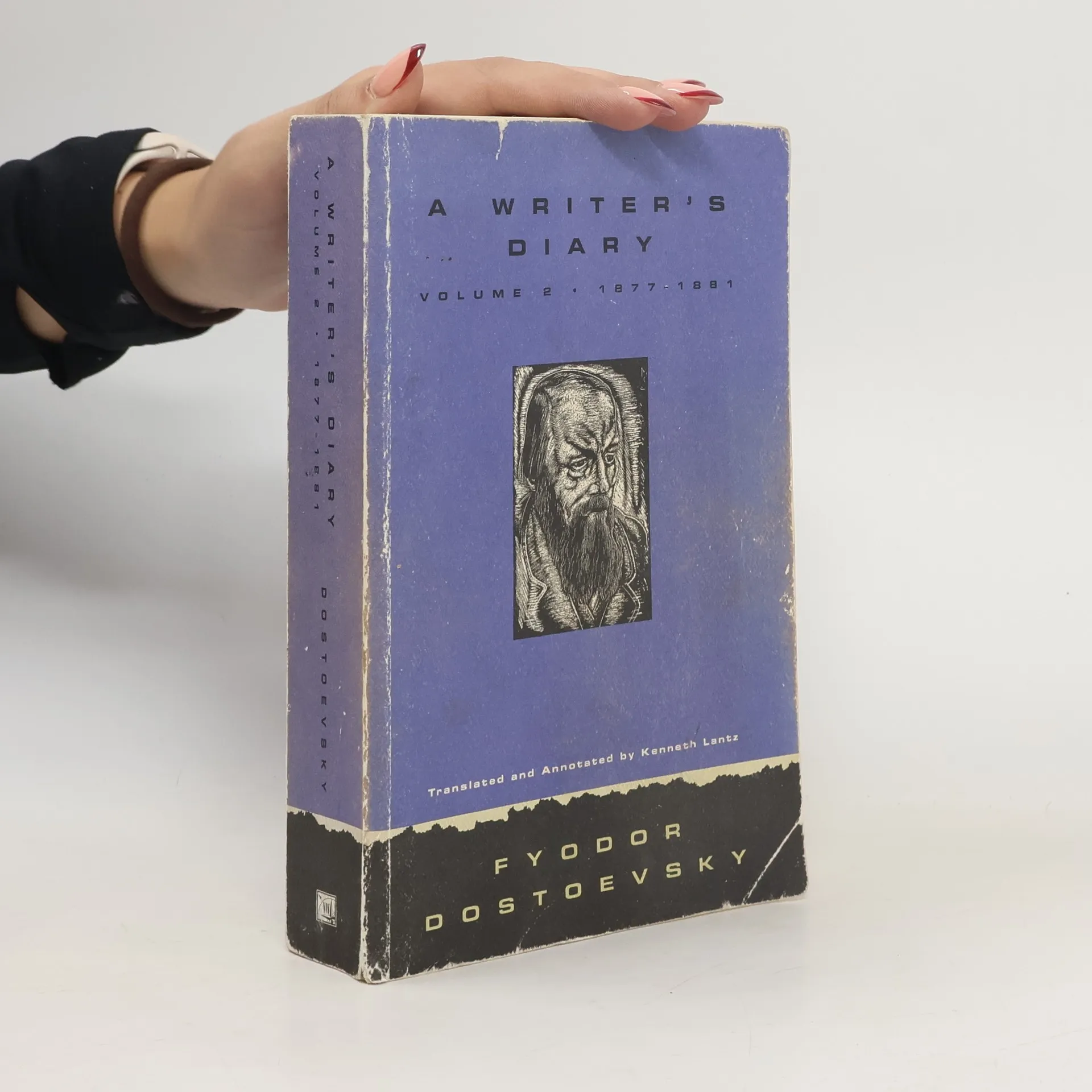
This is the first paperback edition of the complete collection of writings that has been called Dostoevsky's boldest experiment with literary form; it is a uniquely encyclopedic forum of fictional and nonfictional genres. A Writer's Diary began as a column in a literary journal, but by 1876 Dostoevsky was able to bring it out as a complete monthly publication with himself as editor, publisher, and sole contributor, suspending work on The Brothers Karamazov in order to do so.The Diary's radical format was matched by the extreme range of its contents. In a single frame A Writer's Diary was to combine an astonishing variety of material: short stories; humorous sketches; reports on sensational crimes; historical predictions; portraits of famous people; autobiographical pieces; and plans for stories, some of which were never written while others appeared later in the Diary itself. A range of authorial and narrative voices and stances, and an elaborate scheme of allusions and cross-references, preserve and present Dostoevsky's conception of his work as a literary whole.Volume 2 contains a comprehensive index to both volumes.
A collection of one novella and six short stories - The Gambler, Bobok, The Dream of a Ridiculous Man, A Christmas Party and a Wedding, A Nasty Story and The Meek One.
Uncle's Dream: New Translation
- 244bladzijden
- 9 uur lezen
Uncle's Dream is a humorous drawing-room novella, a satire of Russian society that can be enjoyed as a lighter counterpoint to the author's later works.
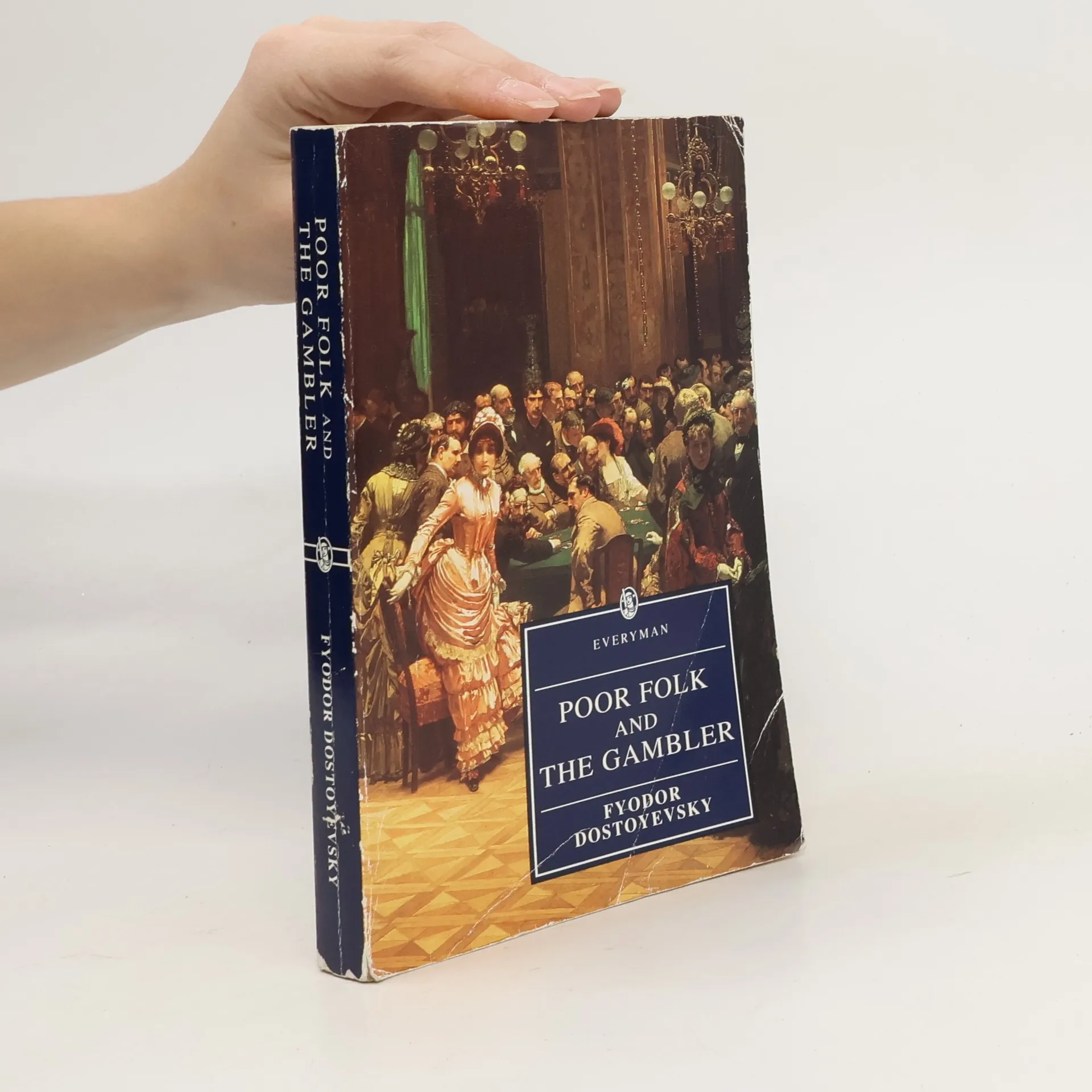
Poor Folk and The Gambler
- 296bladzijden
- 11 uur lezen
Part of the "Everyman" series which has been re-set with wide margins and easy-to-read type and includes a themed introduction, chronology of the life and times of the author, plot summary and selected criticism.
The House of the Dead and Poor Folk (Barnes & Noble Classics Series)
- 480bladzijden
- 17 uur lezen
In "The House of the Dead, Dostoevsky give vent to his perceptions of prison life, writing from his grueling experience in a Siberian camp, and introduces a gallery of boastful and ridiculous convicts surrounding the narrator. The epistolary novel "Poor Folk was Dostoevsky''s first major literary success, and shows hte early sparks of his genius.
Accused of political subversion as a young man, Fyodor Dostoyevsky was sentenced to four years of hard labor at a Siberian prison camp — a horrifying experience from which he developed this astounding semi-autobiographical memoir of a man condemned to ten years of servitude for murdering his wife. As with a number of the author's other works, this profoundly influential novel brilliantly explores his characters' thoughts while probing the depths of the human soul. Describing in relentless detail the physical and mental suffering of the convicts, Dostoyevsky's character never loses faith in human qualities and the goodness of man. A haunting and remarkable work filled with wonder and resignation, The House of the Dead ranks among the Russian novelist's greatest masterpieces. Of this powerful autobiographical novel, Tolstoy wrote, "I know no better book in all modern literature."
White nights
- 128bladzijden
- 5 uur lezen
'My God! A whole minute of bliss! Is that really so little for the whole of a man's life?' A poignant tale of love and loneliness from Russia's foremost writer. One of 46 new books in the bestselling Little Black Classics series, to celebrate the first ever Penguin Classic in 1946. Each book gives readers a taste of the Classics' huge range and diversity, with works from around the world and across the centuries - including fables, decadence, heartbreak, tall tales, satire, ghosts, battles and elephants.
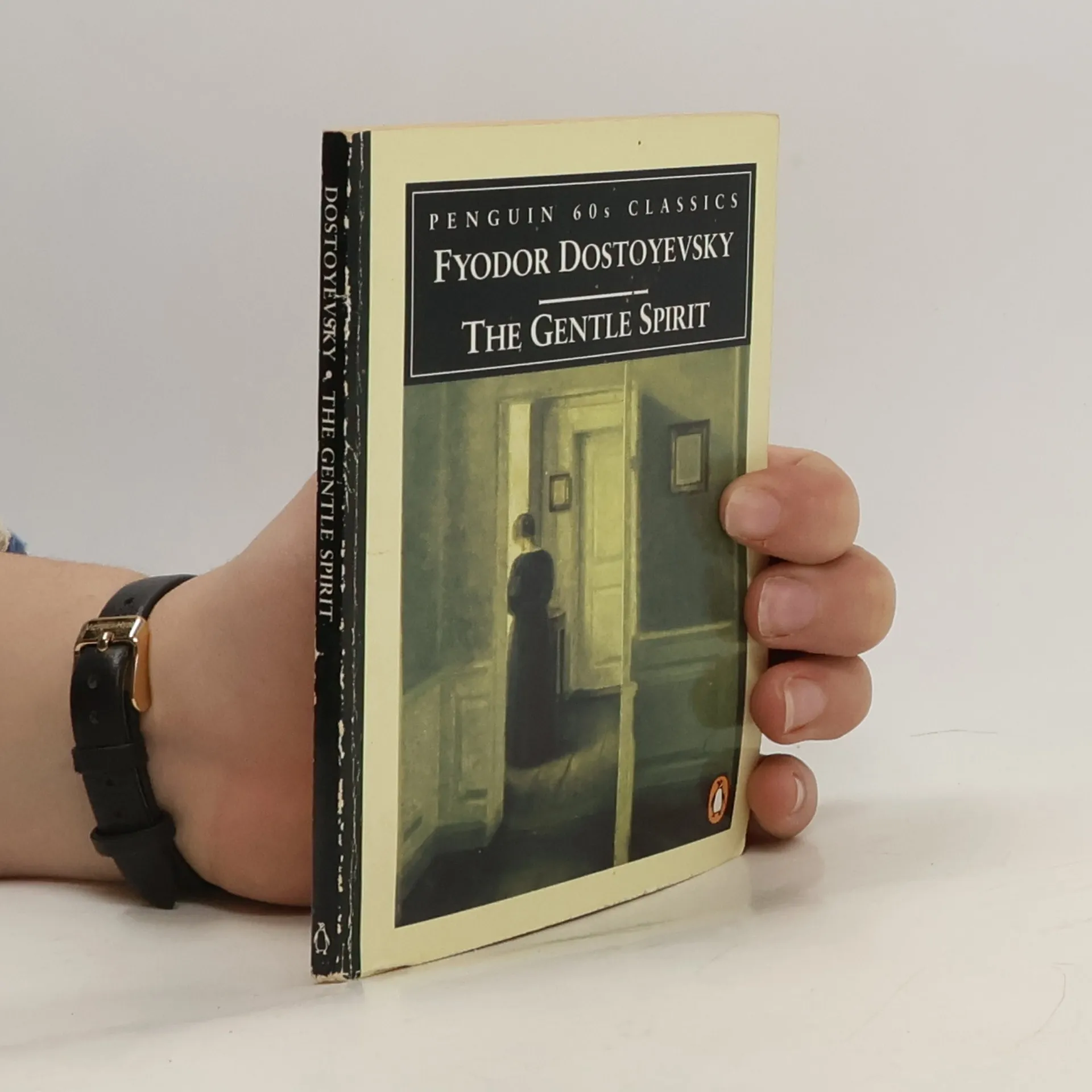
The Gentle Spirit
- 96bladzijden
- 4 uur lezen
In this compelling study of despair, based on a real-life incident, a pawnbroker mourns the loss of his wife, a quiet, gentle young girl. Why has she killed herself? Could he have prevented it? These are the questions the pawnbroker asks himself as he pieces together past events and minor incidents, changes of mood and passing glances, in his search for an answer that will relieve his torment. Translated by David McDuff.
Short Stories
- 190bladzijden
- 7 uur lezen
The collection features classical short stories that have played a significant role in literary history. It has been meticulously reformatted and redesigned for clarity and readability, ensuring its preservation for future generations. This volume is categorized within Slavic languages and literature, emphasizing its cultural and linguistic importance.
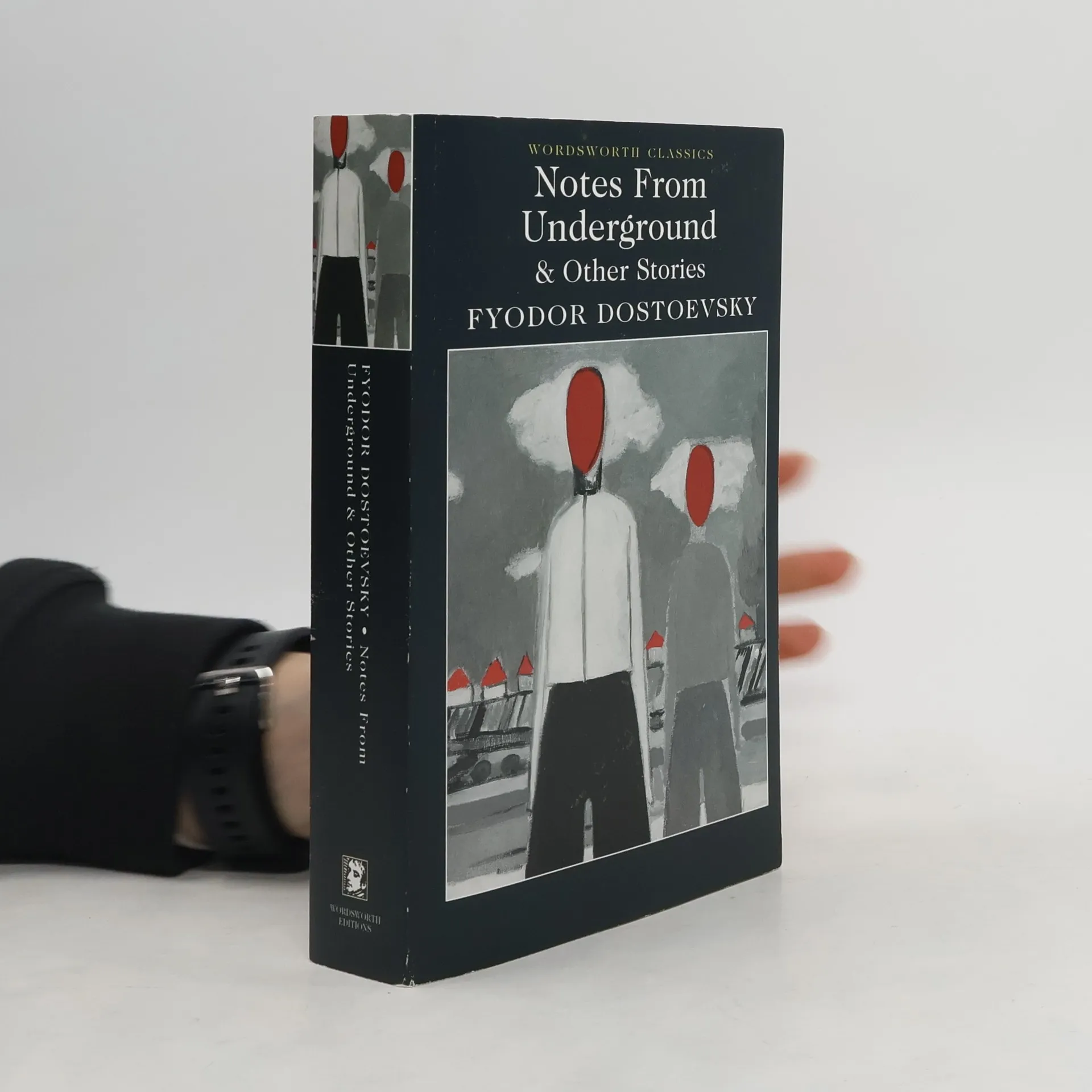
Notes from the Underground and Other Stories
- 686bladzijden
- 25 uur lezen
A collection of Dostoevsky's short stories, including Notes From The Underground which is considered to be one of the first works of existential literature.
Exploring themes of faith, free will, and authority, this pivotal chapter features a powerful encounter between Jesus and the Grand Inquisitor during the Spanish Inquisition. The Inquisitor challenges Jesus' teachings, arguing that humanity prefers security over freedom. Through this dialogue, Dostoevsky delves into the complexities of belief and the moral dilemmas faced by individuals in a world governed by oppressive power. This thought-provoking narrative raises profound questions about the nature of faith and the human condition.
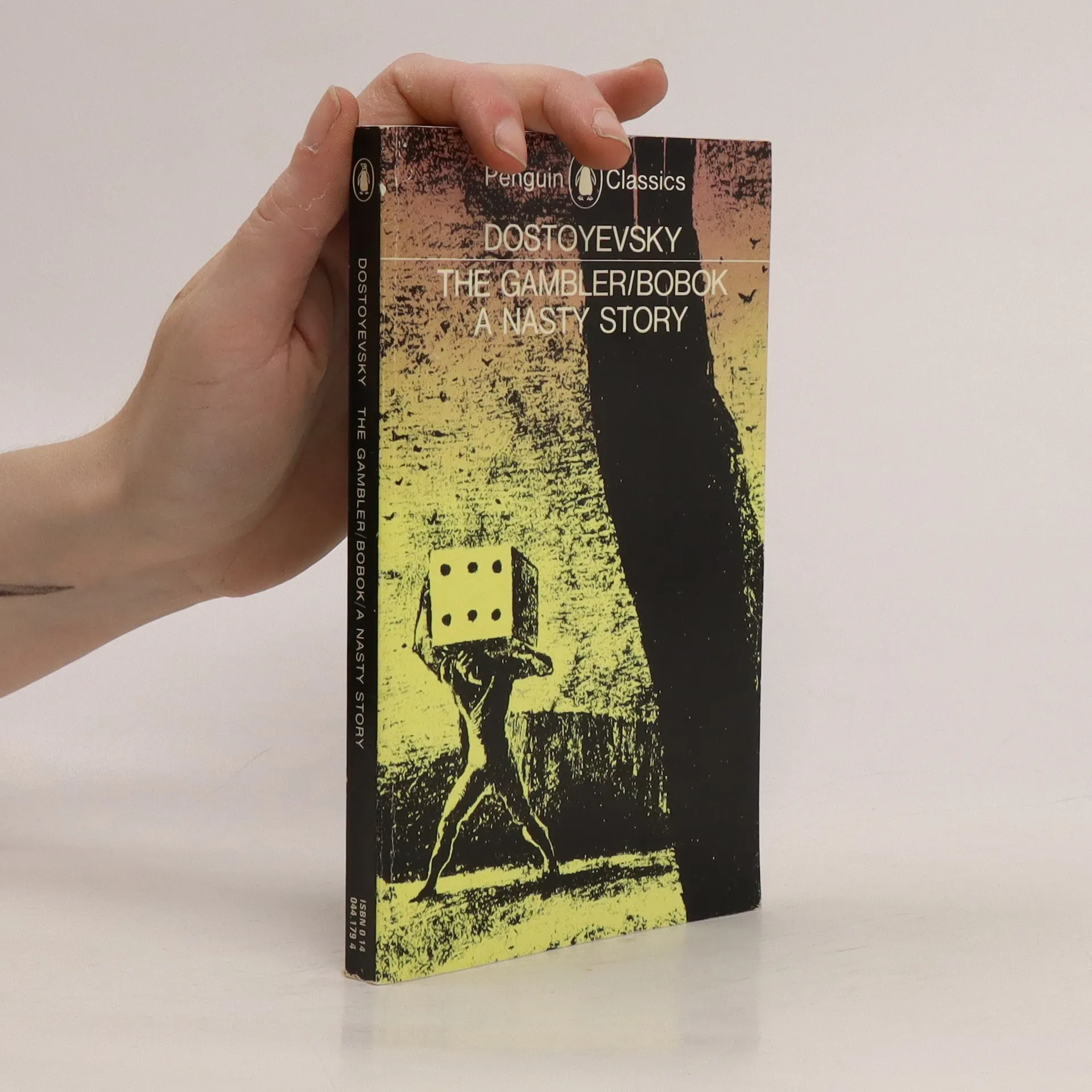
The stories in this volume demonstrate Dostoyevsky’s genius for fusing caricature, irony and the grotesque to create a powerful dark humour. The Gambler is a breathtaking portrayal of an intense and futile obsession. Based on Dostoyevsky’s own experience of financial desperation and the compulsive desire to win money, it focuses on the characters that take their places at the gaming tables of ‘Roulettenburg’: the outspoken, aristocratic ‘Grandmamma’, the mercenary Mademoiselle Blanche, the cool, mysterious Polina and Alex, the author’s self-portrait; a man gripped by exhilaration and hopelessness. Bobok is a blackly comic satire in which a desolate writer becomes drawn into the conversations of the dead, and A Nasty Story is a humorous look at the disparity between a man’s exaggerated ideal of himself and the sad reality.
A Raw Youth (The Adolescent)
- 366bladzijden
- 13 uur lezen
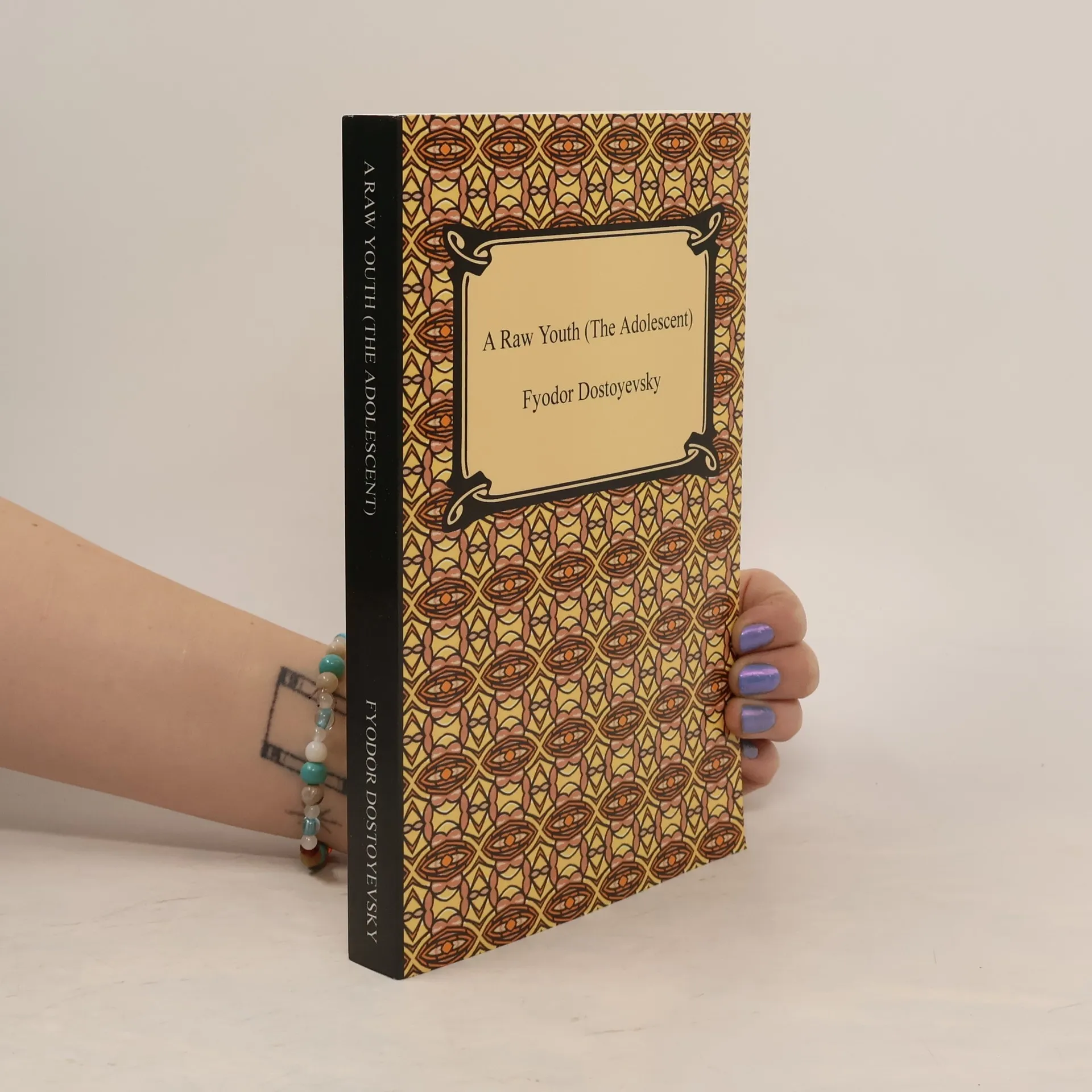
The novel explores the tumultuous relationship between 19-year-old Arkady Dolgoruky and his father, the notorious landowner Versilov, as Arkady returns to St. Petersburg after years at boarding school. As he navigates the complexities of his family's scandalous affairs, the story delves into deep psychological, emotional, and moral conflicts, reflecting the intricacies of the human condition. Dostoyevsky's rich characterizations and themes make this work a significant contribution to literature, showcasing the author's profound understanding of human nature.
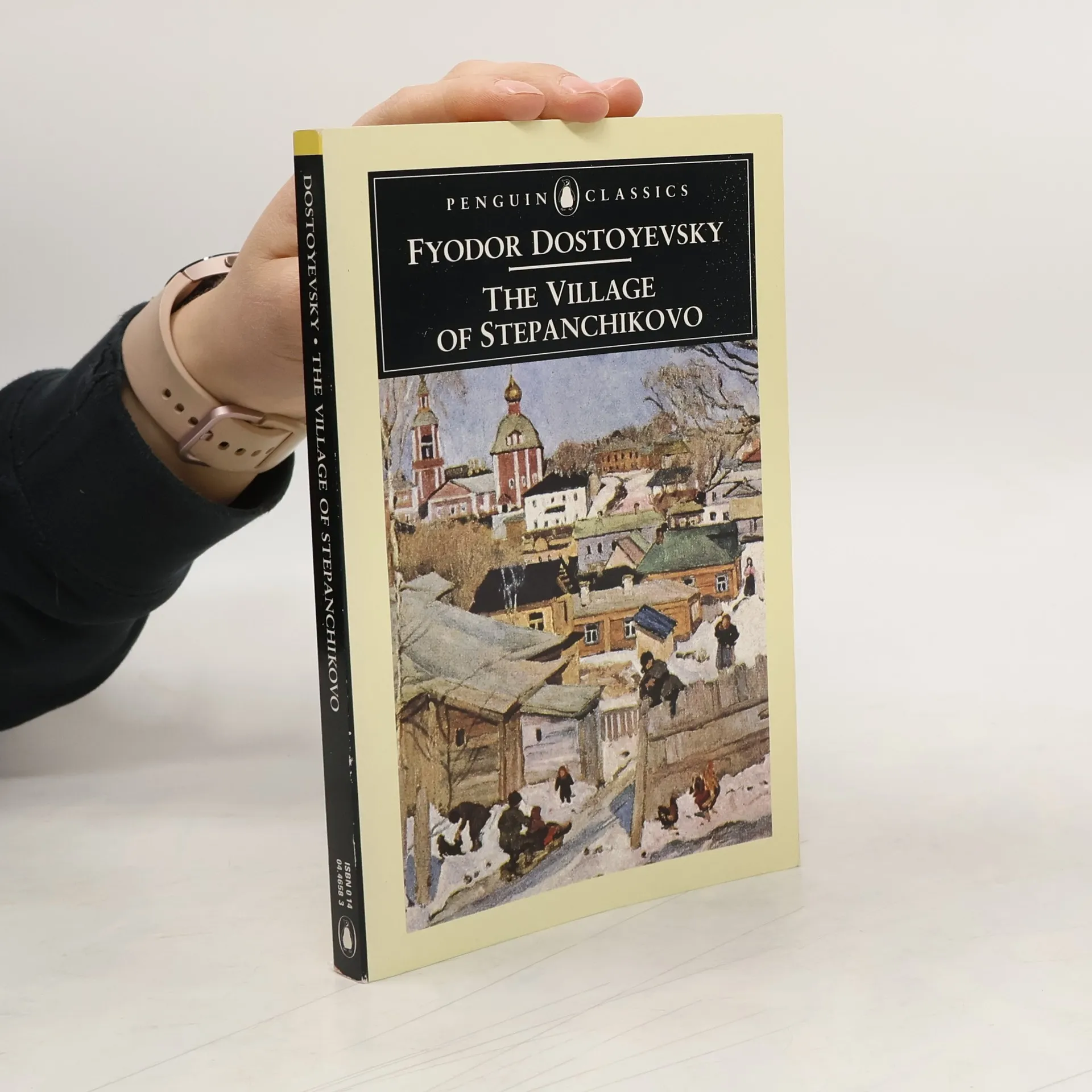
Summoned to the country estate of his wealthy uncle Colonel Yegor Rostanev, the young student Sergey Aleksandrovich finds himself thrown into a startling bedlam. For as he soon sees, his meek and kind-hearted uncle is wholly dominated by a pretentious and despotic pseudo-intellectual named Opiskin, a charlatan who has ingratiated himself with Yegor’s mother and now holds the entire household under his thumb. Watching the absurd theatrics of this domestic tyrant over forty-eight explosive hours, Sergey grows increasingly furious - until at last, he feels compelled to act. A compelling comic exploration of petty tyranny, The Village of Stepanchikovo reveals a delight in life’s wild absurdities that rivals even Gogol’s. It also offers a fascinating insight into the genesis of the characters and situations of many of Dostoyevsky’s great later novels, including The Idiot, Devils and The Brothers Karamazov.
The Crocodile
- 128bladzijden
- 5 uur lezen
The civil servant Ivan Matveich and his wife Yelena Ivanovna are spectators of an exhibition – in a shopping arcade – of a crocodile owned by a German, when Ivan is suddenly swallowed alive by the animal. Unsuccessful in his attempts to be freed from his prison, due to the German's concern for his crocodile and excessive desire for compensation, the civil servant gradually comes to appreciate his new environment, while his wife begins to enjoy her new-found freedom. Inspired by Gogol's surreal tales, Dostoevsky's hilarious story has been interpreted by some as a vitriolic piece of social criticism and a veiled attack on the revolutionary philosopher Nikolai Chernyshevsky.
The Meek One
- 64bladzijden
- 3 uur lezen
Based on a St Petersburg news report, Dostoyevsky's searing tale of a man who drives his wife to suicide.
Two Crocodiles
- 96bladzijden
- 4 uur lezen
Two Crocodiles highlights two literary masters from opposite ends of the world - Russia's Fyodor Dostoevsky and Uruguay's Felisberto Hernández. Dostoevsky's crocodile, cruelly displayed in a traveling sideshow, gobbles whole a pretentious high-ranking civil servant. But the functionary survives unscathed and seizes his new unique platform to expound to the fascinated public. Dostoevsky's Crocodile is a matchless, hilarious satire.Hernandez's Crocodile, on the other hand, while also terribly funny, is a heartbreaker. A pianist struggling to make ends meet as a salesman finds success when he begins to weep before clients and audience alike, but then he can't stop the crocodile tears.
Most significant of the Russian novelist's early stories (1846) offers a straight-faced treatment of a hallucinatory theme. Golyadkin senior is a powerless target of persecution by Golyadkin junior, his double in almost every respect. Familiar Dostoyevskan themes of helplessness, victimization, scandal — beautifully handled in this small masterpiece.
Poor People
- 152bladzijden
- 6 uur lezen
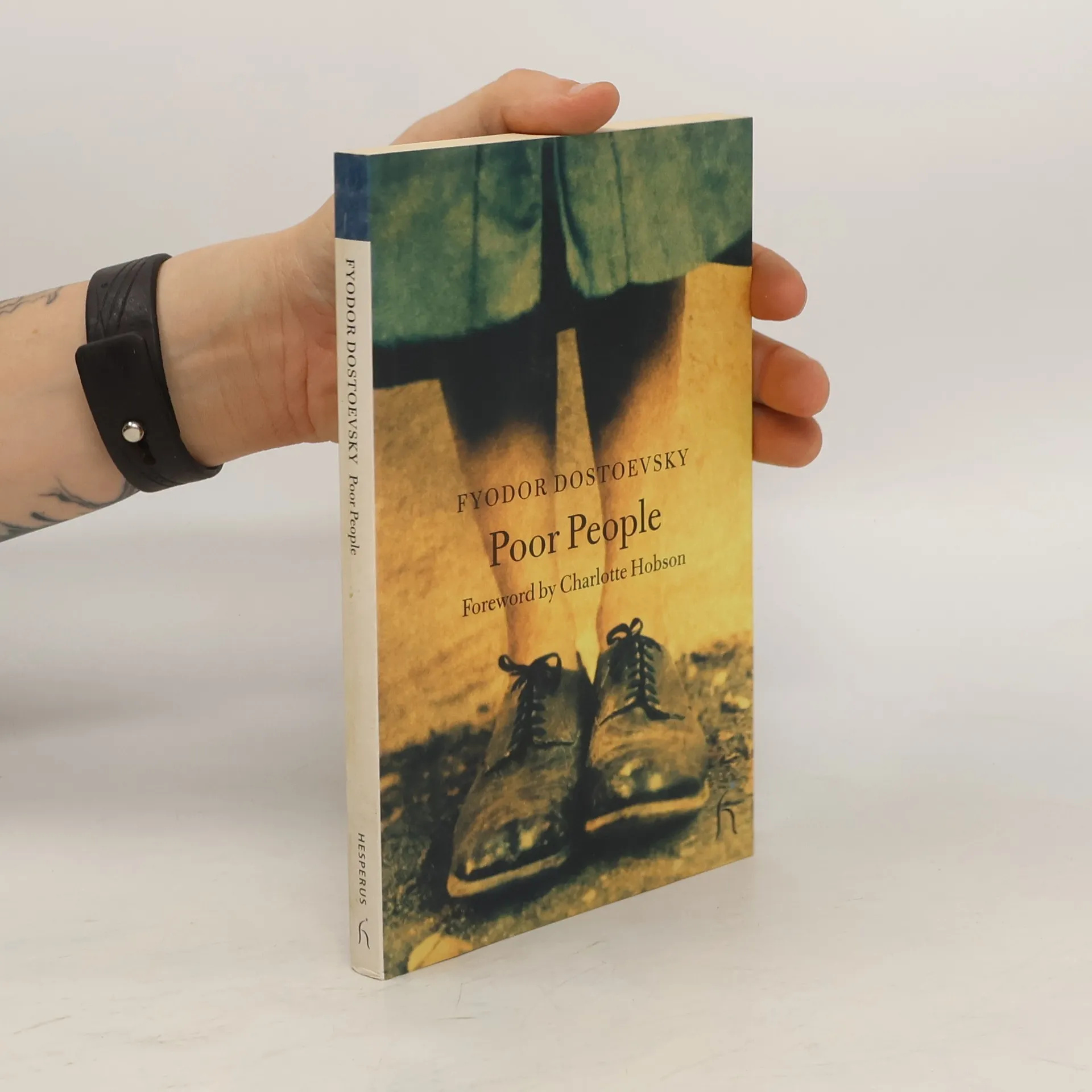
Presented as a series of letters between the humble copying-clerk Devushkin and a distant relative of his, the young Varenka, Poor People brings to the fore the destitute of St Petersburg, who live at the margins of society in the most appalling conditions and abject poverty.
'40,000 francs, which lay before him in a heap of gold and banknotes.' Written in twenty-six days to pay off Dostoyevsky's own roulette debts, The Gambler is a graphic psychological study of addiction, accompanied here by a brilliant short story of excruciating social embarrassment. Ten new titles in the colourful, small-format, portable new Pocket Penguins series
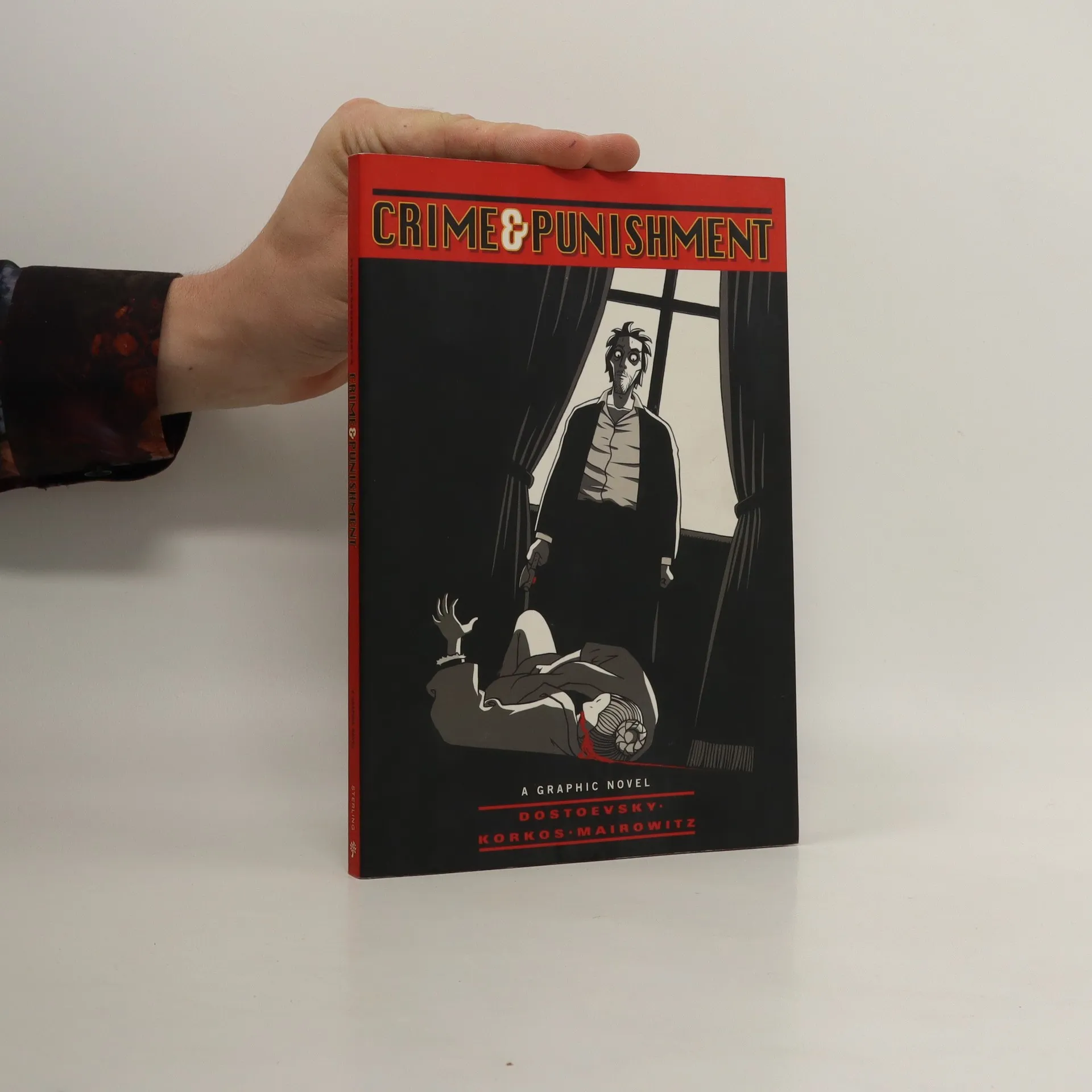
Crime and Punishment: A Graphic Novel
- 128bladzijden
- 5 uur lezen
Retells the classic story of a murderer and the psychological punishment he endures before he finally comes to trial, in graphic novel format.
This classic Russian novel has it all: murder, suspense, passion, struggle, and redemption. Originally published in 1866, Crime and Punishment is a psychological thriller that deals with issues of morality, conscience, and redemption. Widely considered to be one of the greatest novels written in any language, this novel explores the life of Rodin Raskolnikov, a young Russian man who robs and murders a pawnbroker to save himself from a life of poverty. As a consequence, he must deal with the oppressive mental anguish of being a criminal while attempting to maintain relationships with his friends and family.
The Grand Inquisitor on the Nature of Man
- 52bladzijden
- 2 uur lezen
The narrative centers on an unnamed civil servant, known as the Underground Man, who reflects on his profound isolation in St. Petersburg. This seminal work is one of the first existentialist novels, challenging contemporary ideologies such as nihilism and utopianism. Through the Underground Man's perspective, Dostoevsky critiques the limitations of idealized rationality in utopian visions, emphasizing the inherent irrationality of human nature. The novel's profound themes have significantly influenced later writers and philosophers, including Kafka and Nietzsche.
The Best Of Russian Short Stories
- 354bladzijden
- 13 uur lezen
This collection showcases the richness of Russian short stories, featuring works by literary giants such as Dostoyevsky, Tolstoy, and Chekhov. Each story is a classic, reflecting the depth and diversity of Russian literature. Notable pieces include "The Queen of Spades" by Pushkin and "The Cloak" by Gogol, alongside lesser-known gems. This anthology highlights the enduring appeal of the short story format, offering readers a vibrant tapestry of themes and styles that capture the essence of Russian storytelling.
Demons: 150th Anniversary Edition
- 652bladzijden
- 23 uur lezen
Set against the backdrop of 1869 Russia, the story revolves around the murder of Ivan Ivanov, a student at the Petrov Agricultural Academy, who is lured to retrieve a printing press after protesting against the nihilist leader Sergei Nechaev. This event serves as a catalyst for Dostoevsky's exploration of ideological conflict in "Demons." The narrative delves into the clash between personal beliefs and societal pressures, drawing on characters that reflect historical tensions and philosophical debates of the time.
The Possessed; Or, The Devils, A Novel In Three Parts
Part 2 - in large print
- 404bladzijden
- 15 uur lezen
This book is a reproduction of a historical work, presented in large print format to enhance accessibility for readers with impaired vision. Published by Megali, a company dedicated to making historical texts more readable, it aims to preserve and share important literature while catering to the needs of those who require larger text.
The Possessed; Or, The Devils, A Novel In Three Parts
Part 3 - in large print
- 356bladzijden
- 13 uur lezen
This publication focuses on making historical works accessible by reproducing them in large print, catering specifically to individuals with impaired vision. The initiative by Megali aims to enhance readability and preserve important texts, ensuring that a broader audience can engage with historical literature.
This publication focuses on reproducing historical works in large print, catering specifically to individuals with impaired vision. Megali, the publishing house behind this initiative, aims to enhance accessibility and promote inclusivity in reading, ensuring that important historical texts are available to a wider audience.
The Possessed; Or, The Devils, A Novel In Three Parts
Part 1 - in large print
- 332bladzijden
- 12 uur lezen
Focusing on accessibility, this book is a reproduction of a historical work presented in large print. Published by Megali, a house dedicated to enhancing reading experiences for individuals with impaired vision, it aims to make classic literature more approachable and enjoyable.
The Grand Inquisitor
in large print
The book is a reproduction of a historical work, published by Megali, which focuses on making literature accessible to individuals with impaired vision through large print. This initiative highlights the importance of inclusivity in reading and preserves significant texts for future generations.
Crime and Punishment is one of the greatest and most readable novels ever written. It is built out of a series of supremely dramatic scenes that illuminate the eternal conflicts at the heart of human existence.
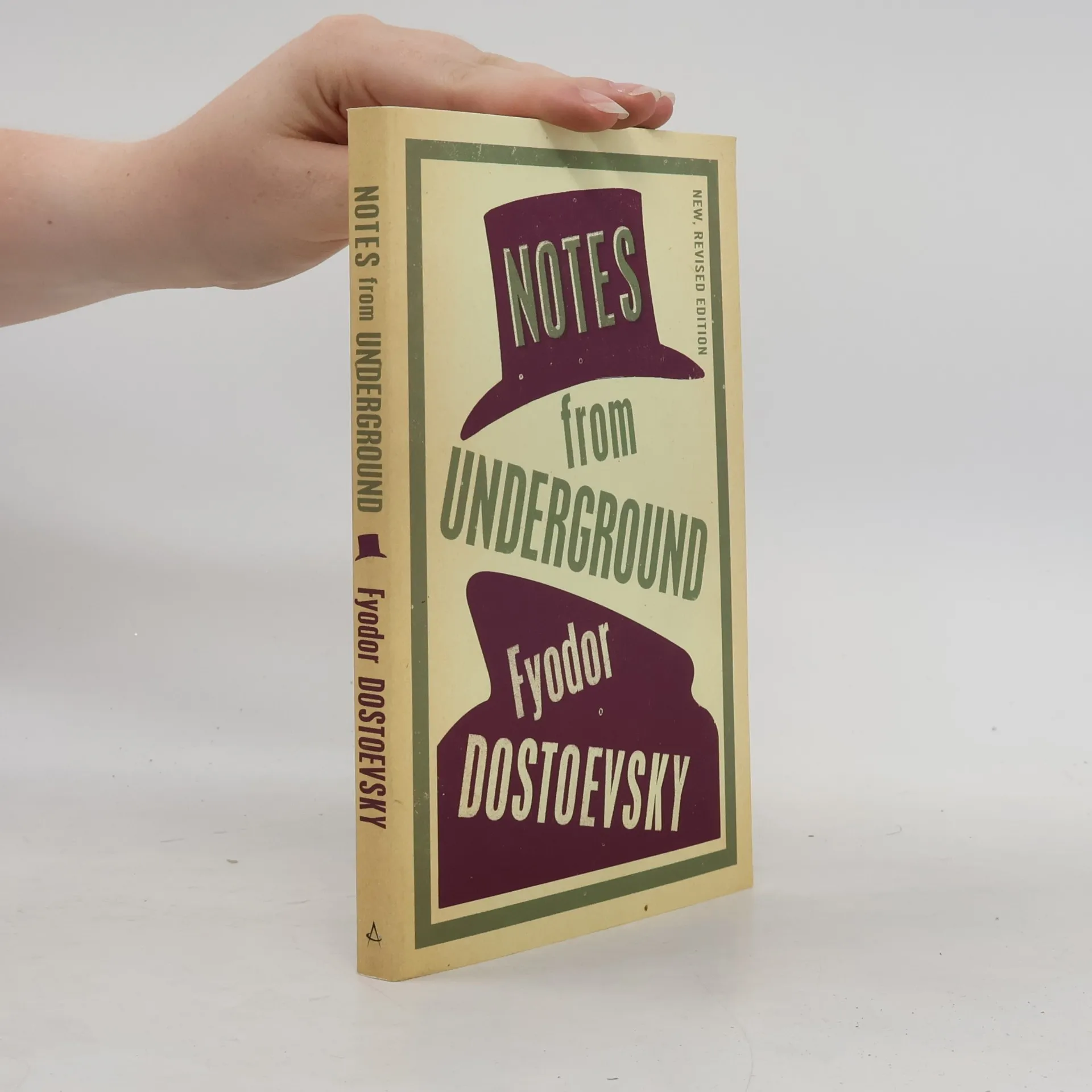
Notes from Underground: New Translation
- 160bladzijden
- 6 uur lezen
The unnamed narrator of the novel, a former government official, has decided to retire from the world and lead a life of inactivity and contemplation. His fiercely bitter, cynical and witty monologue ranges from general observations and philosophical musings to memorable scenes from his own life, including his obsessive plans to exact revenge on an officer who has shown him disrespect and a dramatic encounter with a prostitute. Seen by many as the first existentialist novel and showcasing the best of Dostoevsky’s dry humour, Notes from Underground was a pivotal moment in the development of modern literature and has inspired countless novelists, thinkers and film-makers.
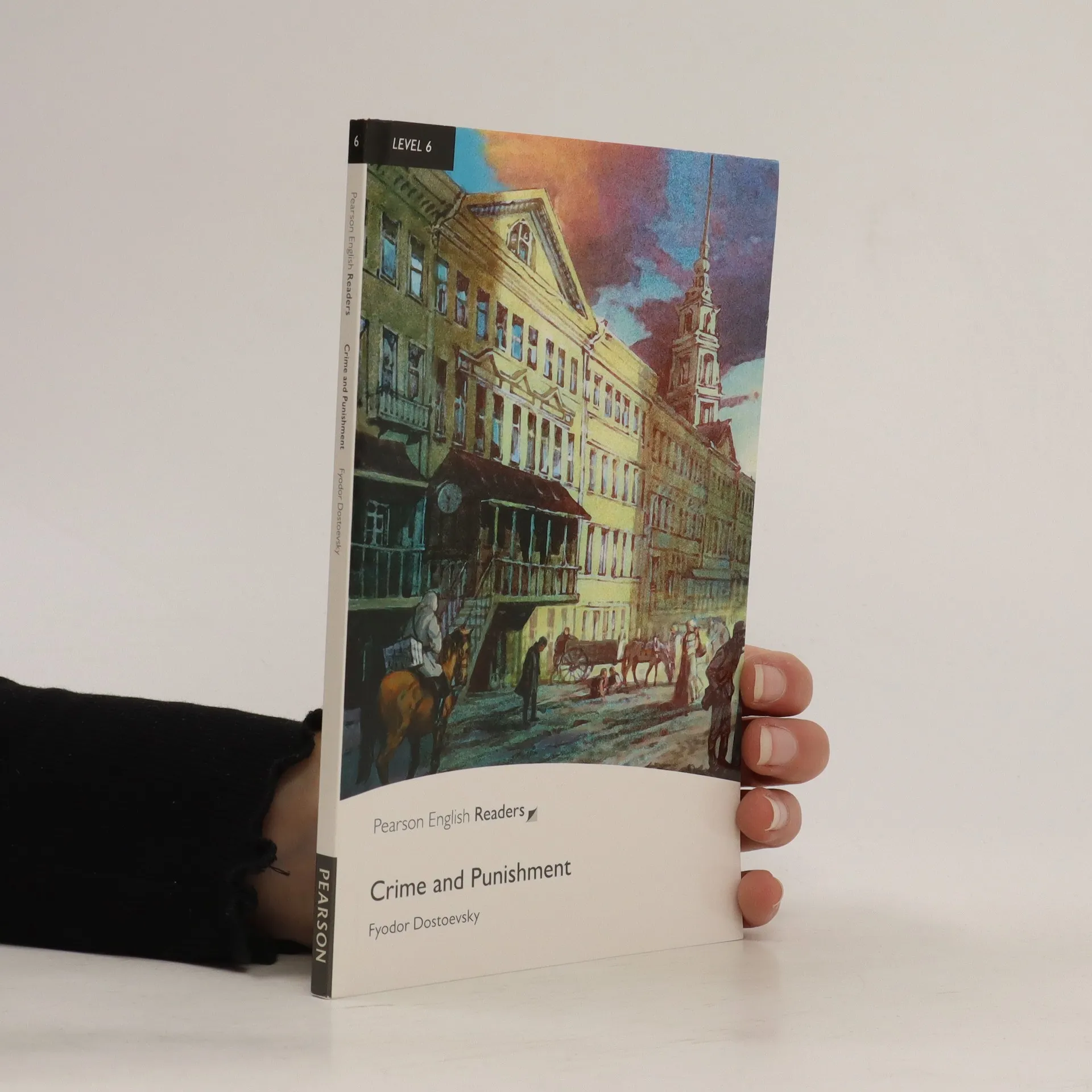
Crime and Punishment. Level 6
- 108bladzijden
- 4 uur lezen
Raskolnikoff, a young student, has been forced to give up his university studies because of lack of money. He withdraws from society and, poor and lonely, he develops a plan to murder a greedy old moneylender. Surely the murder of one worthless old woman would be excused, even approved of, if it made possible a thousand good deeds? But this crime is just the beginning of the story...
Stories include:"First Love" by Turgenev"The Gambler" by Dostoyevsky"Master and Man" by Tolstoy"The Duel" by Chekhov
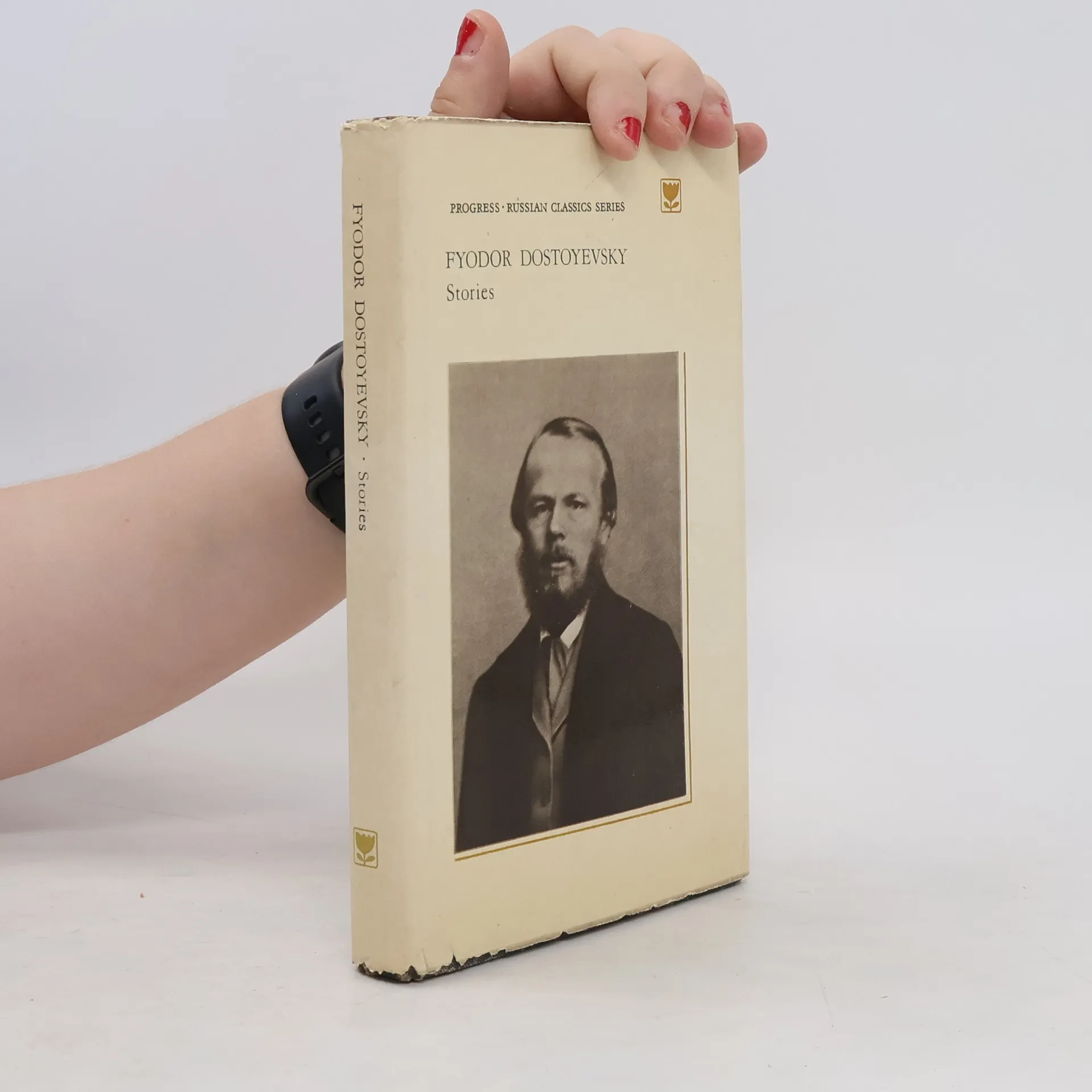
In 1973, Progress Publishers commenced publication of the Russian Classic Series offering the reader English translations of novels by famous writers such as Turgenev, Dostoyevsky, and Tolstoy, the poetry of Pushkin and Lermontov, the biting satire of Gogol and Saltykov-Shchedrin, and the brilliant short stories of Chekhov, Leskov and Korolenko. This collection includes Dostoyevsky's best short stories: "Poor People", "White Nights", "A Most Unfortunate Incident", "A Faint Heart", and "The Dream of a Ridiculous Man". The present volume will therefore present to the reader the different facets of the great master's genius. The book is illustrated with drawings by Andrei Goncharov.
Arcturus Treasured Classics: Crime and Punishment
- 448bladzijden
- 16 uur lezen