Nieuwe gedichten, een bloemlezing
- 228bladzijden
- 8 uur lezen
Vertaling van een selectie van gedichten uit de beide bundels 'Neue Gedichte' van de Oostenrijkse dichter (1875-1926) met toelichtingen.


Rainer Maria Rilke wordt beschouwd als een van de grootste Duitstalige dichters van de 20e eeuw. Zijn indringende beelden focussen vaak op de moeilijkheid van de omgang met het onuitsprekelijke in een tijdperk van ongeloof, eenzaamheid en diepe angst, wat hem positioneert als een overgangsfiguur tussen traditionele en modernistische dichters. Rilke beheerste zowel vers als zeer lyrische proza, waarbij zijn werk vaak het innerlijke leven en spirituele zoektochten onderzoekt. Naast zijn Duitse werken schreef hij ook meer dan 400 gedichten in het Frans, opgedragen aan zijn gekozen thuisland in Zwitserland.





Vertaling van een selectie van gedichten uit de beide bundels 'Neue Gedichte' van de Oostenrijkse dichter (1875-1926) met toelichtingen.
In 1903, a student at a military academy sent some of his verses to a well-known Austrian poet, requesting an assessment of their value. The older artist, Rainer Maria Rilke (1875–1926), replied to the novice in this series of letters — an amazing archive of remarkable insights into the ideas behind Rilke's greatest poetry. The ten letters reproduced here were written during an important stage in Rilke's artistic development, and they contain many of the themes that later appeared in his best works. The poet himself afterwards stated that his letters contained part of his creative genius, making this volume essential reading for scholars, poetry lovers, and anyone with an interest in Rilke, German poetry, or the creative impulse.
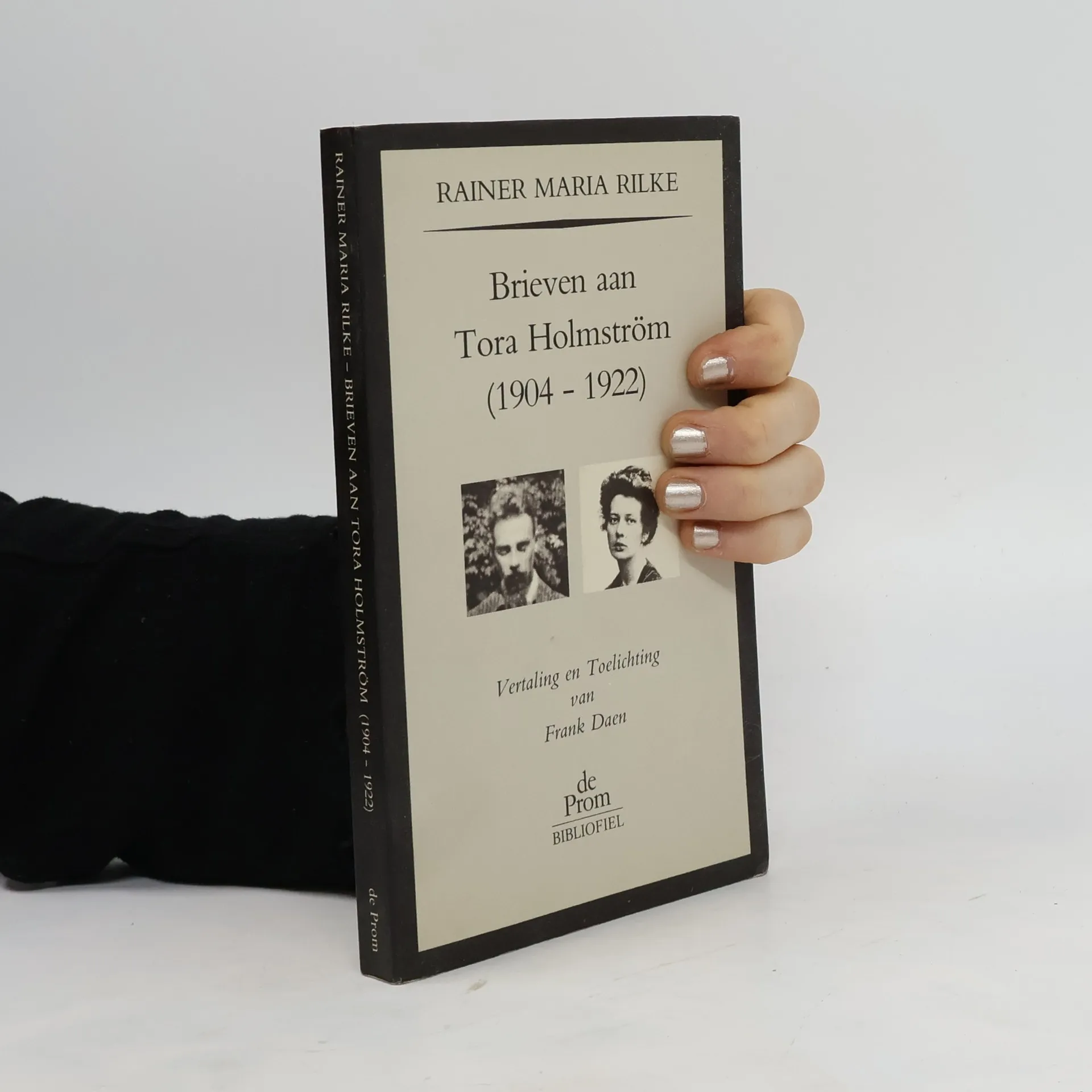
Brieven van de Oostenrijkse dichter (1875-1926) aan de Zweedse schilderes (1880-1967).
Het opus magnum van de woordmagier, een mijlpaal in de moderne prozaïsche kunst, is qua musicaliteit en gedachtevorming gelijkwaardig aan Rilkes lyrische oeuvre. Een Deense aristocraat, vroeg wees geworden, dwaalt door het Parijs van het begin van de 20e eeuw: een stad van glans, maar ook van gruwel. Rilkes protagonist stelt zich onverbiddelijk bloot aan de veelzijdige indrukken en sluit zijn ogen niet voor het leed van de daklozen of prostituees. De Moloch van de grote stad wordt een katalysator voor een nieuwe waarneming, die zelfs het afschuwelijke een esthetische aantrekkingskracht verleent. Maltes notities zijn als een hoge school van het zien, een oefening in pure, onpartijdige wereldbeschouwing. Sinds een eeuw oefent dit 'wonderwerk' van de moderne literatuur een betoverende fascinatie uit op alle lezers.
On the centennial of the first appearance (1923) of Rilke's Sonnets to Orpheus, award-winning translator Mark Burrows reveals their depth and meaning with a brilliant new introduction and translation. This new translation captures the lyric beauty of Rilke's poems, honoring their syntactic peculiarities and grammatical complexities as few translators have dared to do. Burrows' versions maintain the essential strangeness of language and abruptness of metaphor by which the sonnets attain their distinctive character in German. Burrows' approach replicates what one reviewer describes as the poems' "dazzling obscurity," refusing to resolve the deliberate difficulties Rilke's formulations present. The effect invites readers to linger with these sonnets, allowing themselves to be shaped in their encounter with them.
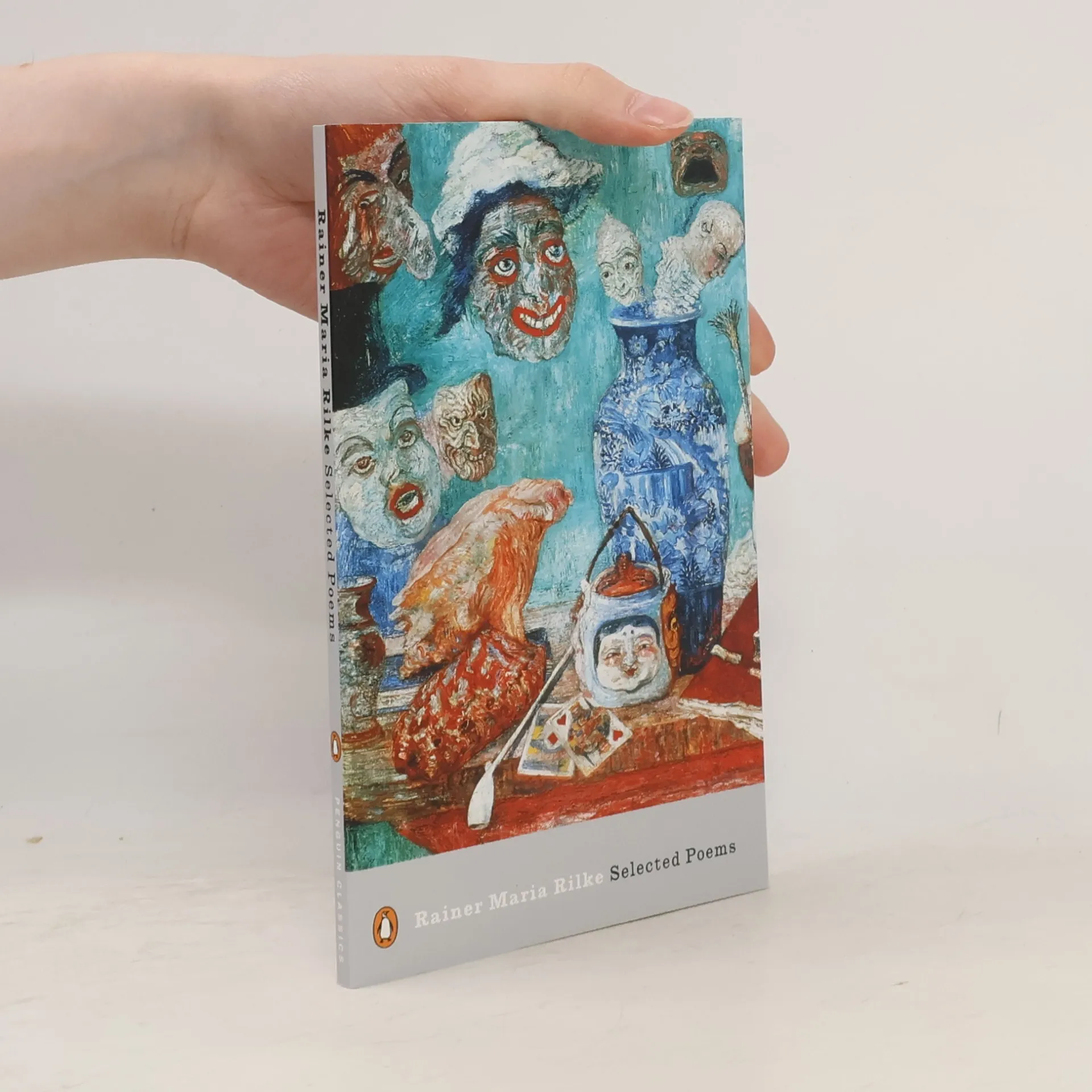
Hailed as the greatest modern lyrical poet of Germany, Rainer Maria Rilke's genius lies in his passion for perfection, artistic integrity and willingness to remain a perpetual beginner'. The verse contained in this selection ranges from the objective, naturalistic descriptions of his earliest works to the increasingly effusive outpourings of half-religious ecstasy and anguish that characterize his later poems and culminates in the overwhelmingly personal vision of the famous Duino Elegies' and `The Sonnets to Orpheus', in which his most intense experiences of living and being find their noblest expression.
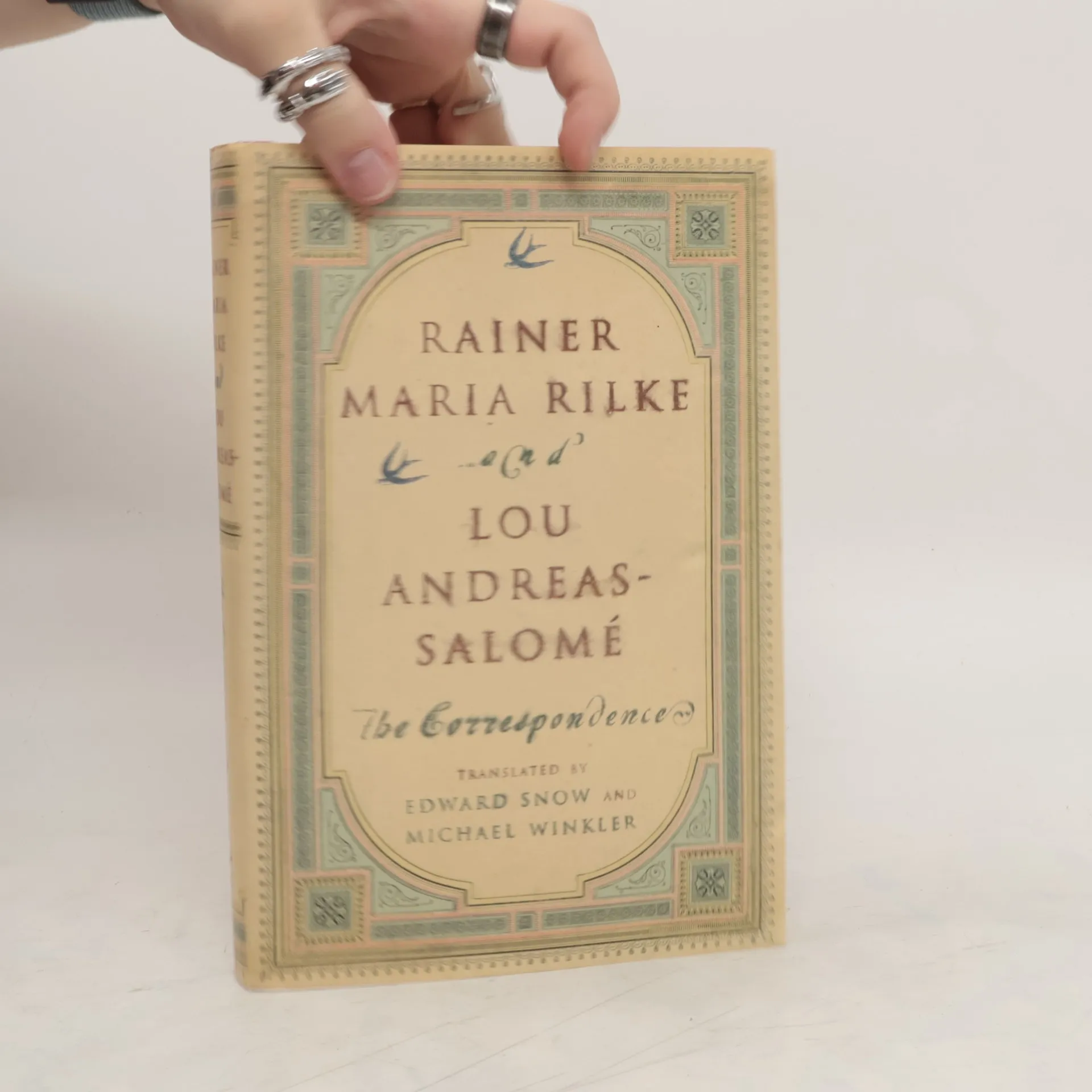
The complete extant correspondence between a key fin-de-siecle intellectual and one of the most revered poets of the twentieth century. He would become one of the most important poets of the twentieth century; she was the über-muse of Europe's turn-of-the-century thinkers and artists. In this never-before-translated collection of letters spanning almost thirty years, the poet Rainer Maria Rilke and Lou Andreas-Salomé, a writer and intellectual fourteen years his senior, pen a relationship that moves from that of lovers to that of mentor and protégé, to that of deepest personal and literary allies. From the time of their first meeting and consequent affair to Rilke's death in 1926, Rilke and Salomé reeled through extremes of love, pain, annoyance, desire, and need―yet guided each other in one of the most fruitful artistic exchanges in twentieth-century literature. Despite illness, distance, and emotional and psychological pain, they managed to cultivate, through strikingly honest prose, an enduring and indispensable friendship, a decades-long heartfelt dialogue that encompassed love, art, and the imagination.
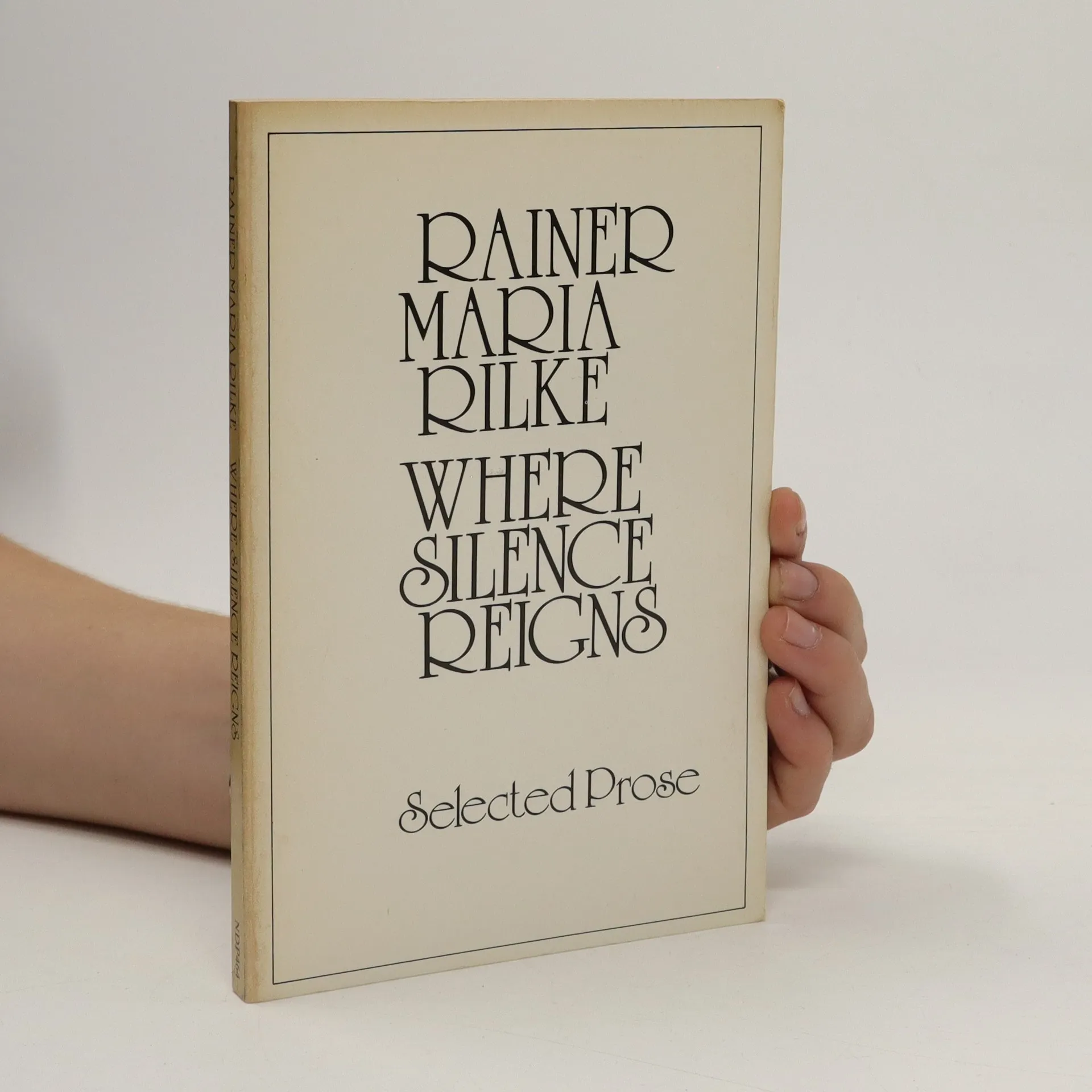
In this collection of excerpts from his essays, notebooks, and letters, pre-eminent modern poet Rainer Maria Rilke meditates on subjects as varied as a dolls, walking among trees, and the great sculptor Rodin. Where Silence Reigns, a sampling from his essays, notebooks, and letters, shows Rainer Maria Rilke (1875-1926), the pre-eminent modern poet of solitude and inwardness, seeking to reconcile his personal conflict between the claims of "life" and the claims of art. His subjects are commonplace, seemingly innocuous at times: the encounter between a man and a dog, a collection of dolls, a walk among trees. But always the deceptively simple external phenomenon is seen as the symbol, the catalyst of an intensely felt inner experience. As he confided to his friend Frau Wunderly-Volkart: "Oh, how often one longs to speak a few degrees more deeply! My prose... lies deeper... but one gets only a minimal layer further down; one’s left with a mere intimation of the kind of speech that may be possible THERE where silence reigns." In addition to occasional pieces and notebook entries, this volume contains selections from the strange and haunting "Dream-Book," the lyrical "Lay of the Love and Death of Cornet Christoph Rilke," and the entire "Rodin-Book"––Rilke’s appreciation of the great sculptor whom he had served as secretary.
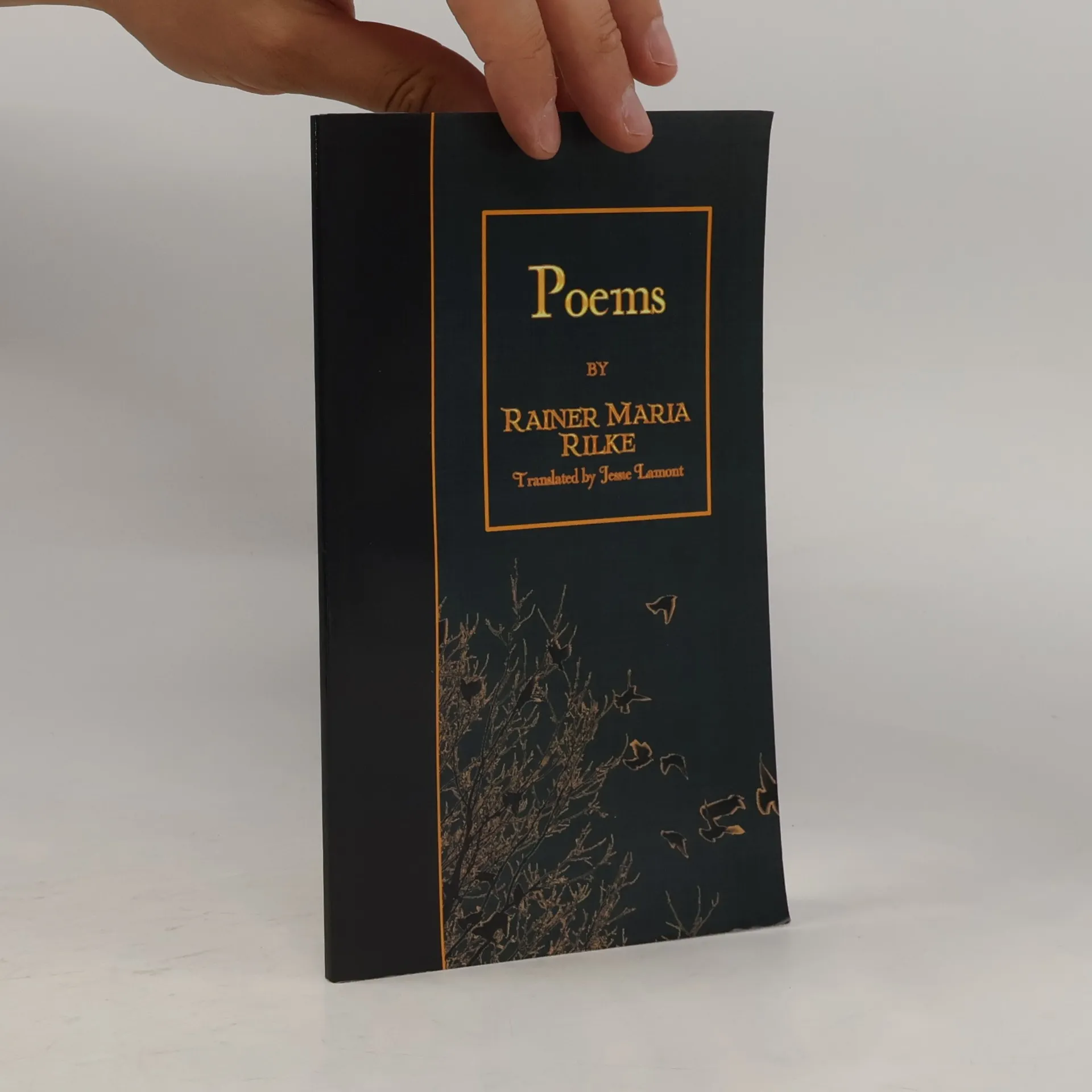
A collection of poems by Rainer Maria Rilke, in English.
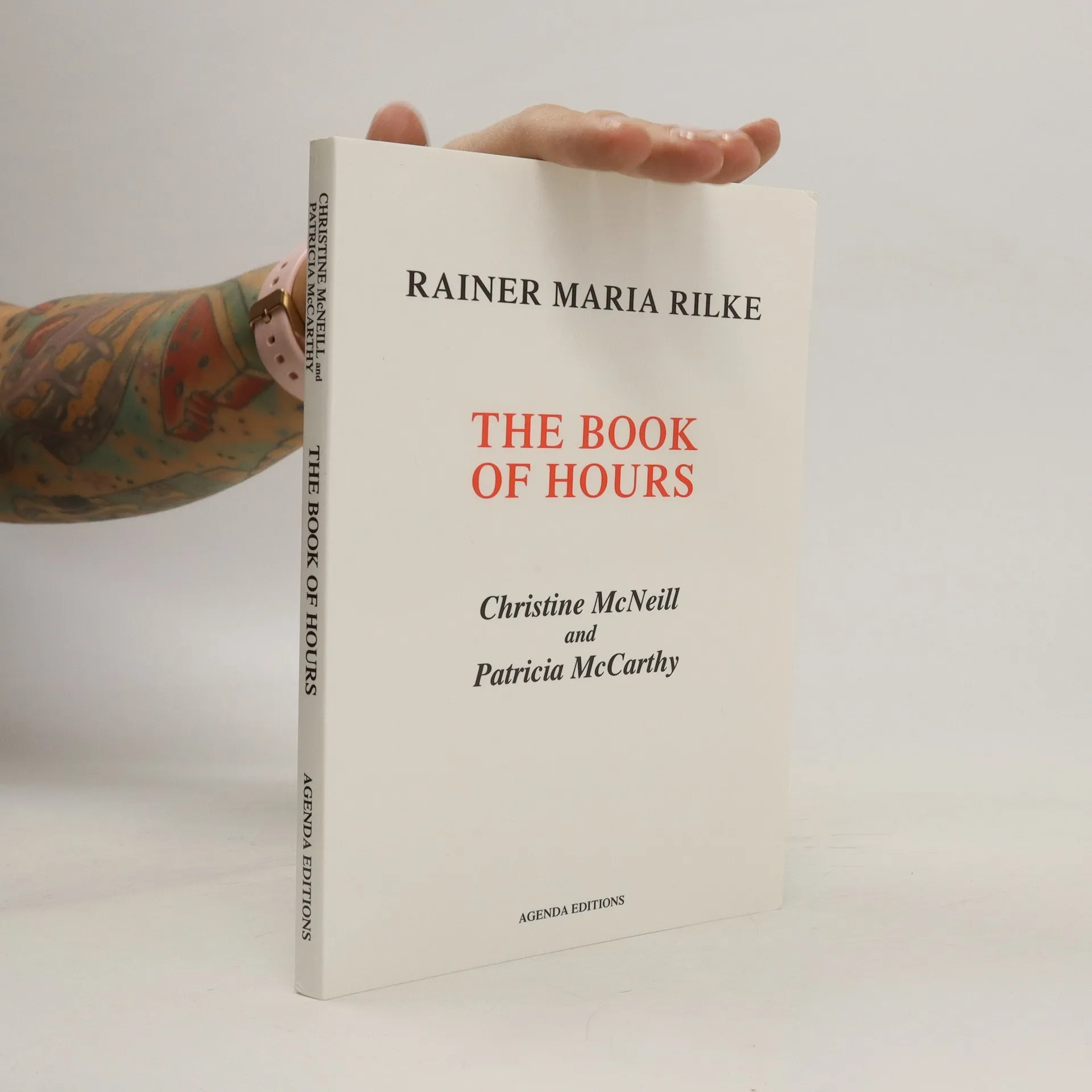
Although The Book of Hours is the work of Rilke’s youth, it contains the germ of his mature convictions. Written as spontaneously received prayers, these poems celebrate a God who is not the Creator of the Universe but rather humanity itself and, above all, that most intensely conscious part of humanity, the artist. Babette Deutsch’s classic translations—born from “the pure desire to sing what the poet sang” (Ursula K. Le Guin)—capture the rich harmony and suggestive imagery of the originals, transporting the reader to new heights of inspiration and musicality.
Set against the backdrop of Florence in 1898, Rainer Maria Rilke's diary captures his reflections on early Renaissance art through an imaginative dialogue with Lou Andreas-Salome. The entries reveal his evolving thoughts on life, history, and creativity, alongside candid moments of self-doubt and anticipation. This collection offers an intimate portrayal of Rilke as a young artist, showcasing his innovative use of language and metaphor. The new translation by Edward Snow and Michael Winkler presents a more nuanced understanding of Rilke's early work.
'The deepest mysteries of existence embodied in the most delicate and precise images. For me, the greatest poetry of the 20th century' - Philip Pullman
Rainer Maria Rilke stands out as a pivotal figure in German poetry, renowned for his powerful and lyrical style. His work combines mystical elements with compelling themes, resonating deeply with readers across generations. Rilke's profound influence on poetry is significant, marking him as a crucial voice in the literary landscape.
The collection titled "Letters around a Garden" features thirty poems from the extensive body of work by Rainer Maria Rilke (1875–1926). Alongside Rilke's most famous and frequently translated poems, such as "Autumn Day" and "The Panther," it includes lesser-known texts that are equally engaging for readers. The selection showcases Rilke's profound exploration of themes such as nature, existence, and the human condition, reflecting his unique lyrical style and philosophical depth. This collection serves as an insightful entry point into the work of this giant of modern poetry, allowing contemporary readers to appreciate the timeless beauty and relevance of Rilke's verse.
Julius Mordecai Pincas (1885–1930) was a Bulgarian who set out on a wild and adventurous journey to Vienna, the Habsburg capital. After art school, he set off for Munich and Berlin before settling down in Paris in 1905 and painting under the name of Pascin. Over 1907 to 1930, Pascin exhibited in Berlin, Paris, and New York at fairs such as the 1911 Berlin Secession in 1911 and the 1913 Indepéndants and Autumn salons as well as at Bernheim and other leading private galleries. Indeed, he spent most of his time travelling across Algeria, Cuba, Portugal, Spain, Tunisia, and the USA where he gained citizenship in 1920. He hanged himself on June 2, 1930, only a year before major retrospective exhibitions of his works in New York and Paris. Today, Pascin still stands out as a “bad boy”. His canvases are as turbulent as his lifestyle; full of parties and places the affluent patronize but never mention in polite society – those brothels and cabarets where scantily clad ladies hosted the pillars of society. Pascin was as brilliant at the easel as the drawing board but was all too easily overlooked, perhaps because he lived in the shadow of contemporaries Picasso, Modigliani, and many, many more.
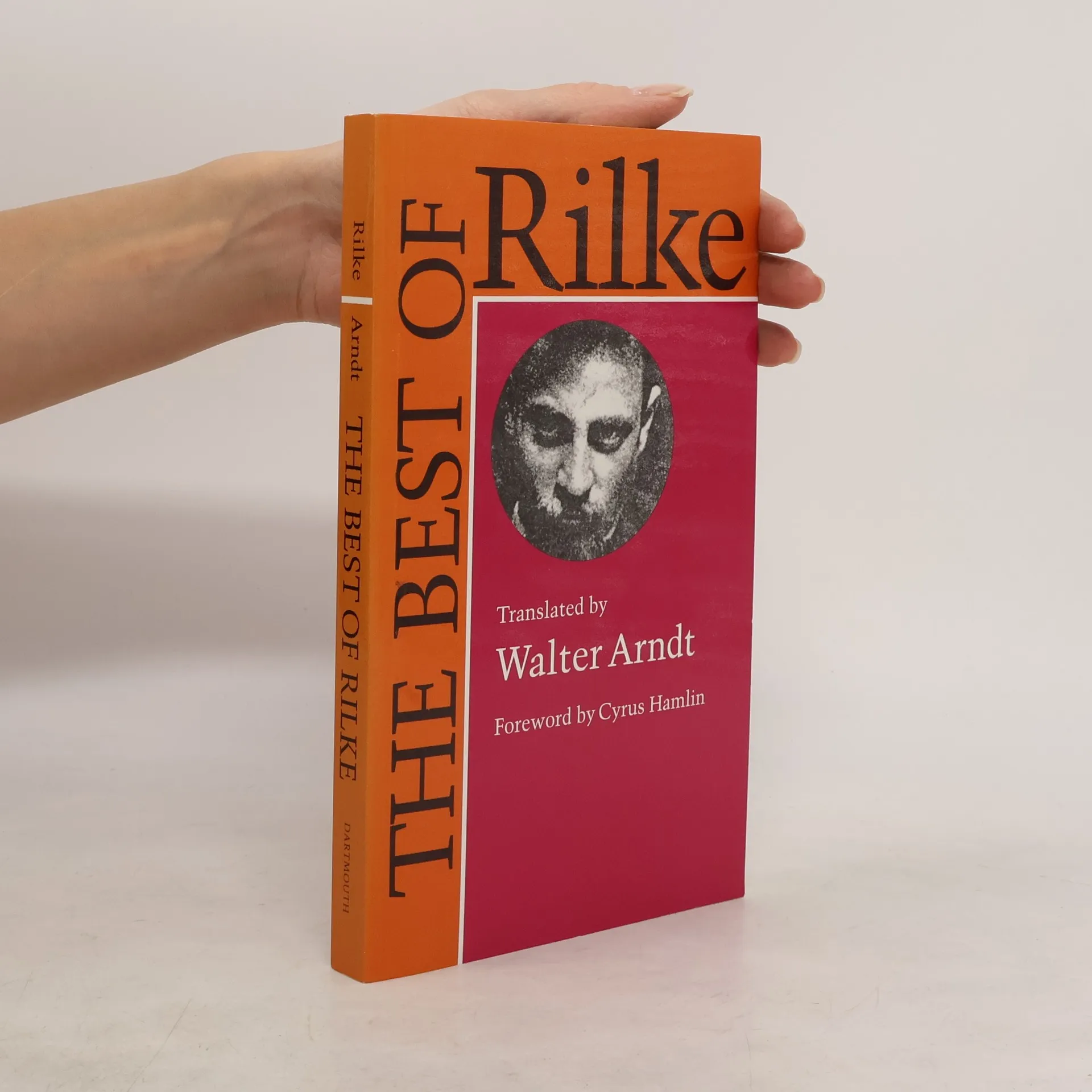
72 Form-True Verse Translations With Facing Originals, Commentary And Compact Biography
A distinguished poet-translator presents faithful verse translations of 72 poems in a bilingual edition with commentary and biographical material.Rainer Maria Rilke’s best poems are finally available in translations so faithful yet free flowing that a reader forgets they were not originally written in English. Applying the same principle of “form-true” rendering that earned him the Bollingen Prize for his translation of Pushkin’s Eugene Onegin, poet-translator Walter Arndt boldly claims to reproduce in English for the first time the prosodic identity of Rilke’s finest rhymed poems.
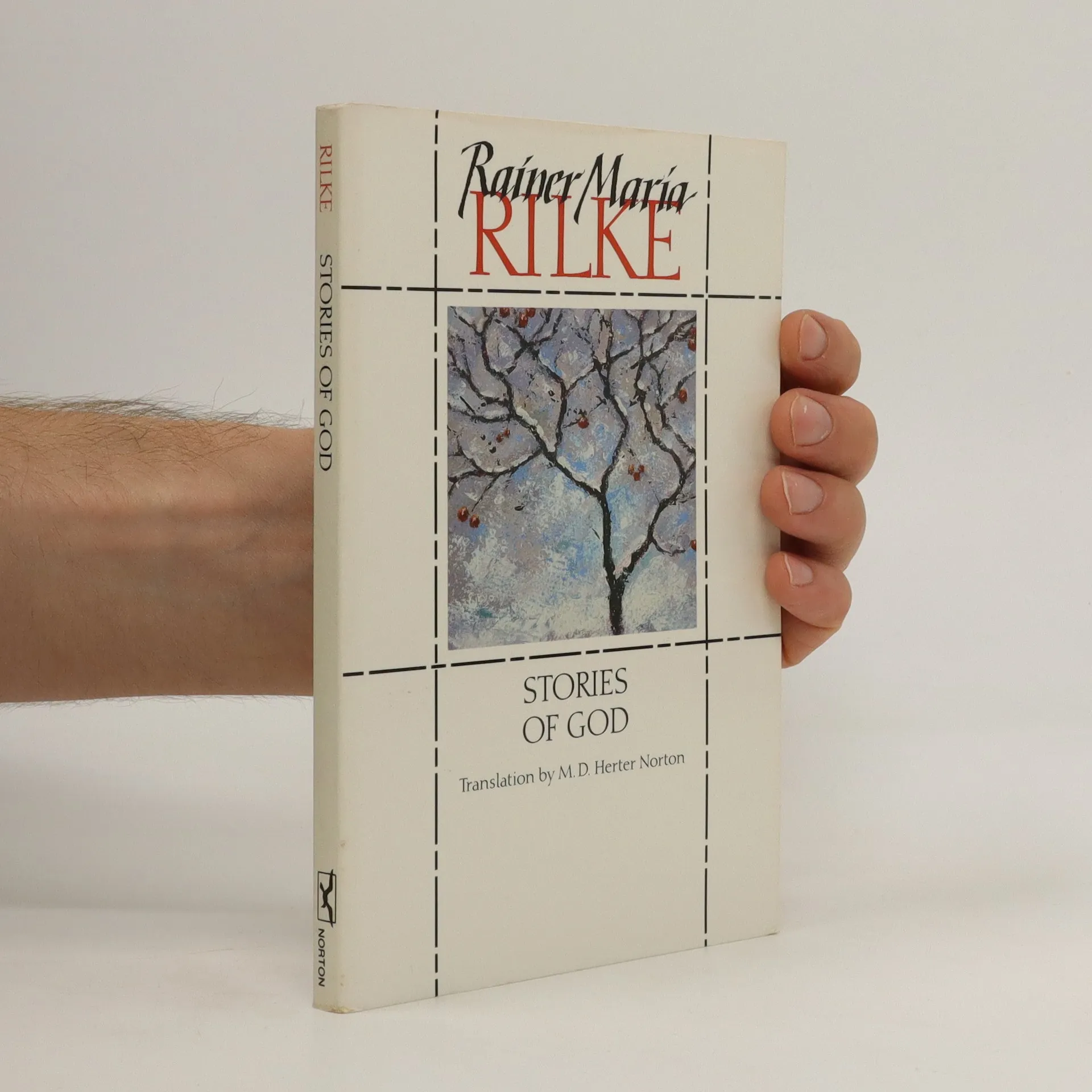
Rilke's haunting images focus on the difficulty of communion with the ineffable in an age of disbelief, solitude, and profound anxiety. Rainer Maria Rilke felt that the world and all its joys most truly belonged to the young, and in Stories of God he captured for them the magic, charm and wisdom of fairy and folk tales.
Rainer Maria Rilke's reflections on love, drawn from his poetry and correspondence, explore its profound significance in human life. This collection features original translations of his candid and lyrical insights, emphasizing love as a transformative experience that transcends religion, politics, and ideology. Rilke delves into the complexities of falling in love, the challenges of maintaining it, and the enduring nature of love, highlighting it as a vital yet often unprepared-for aspect of existence.
A lyric story originally published in 1906.
A collection of haunting mystical poems of the night by the great Rainer Maria Rilke - most of which have never before been translated into English.
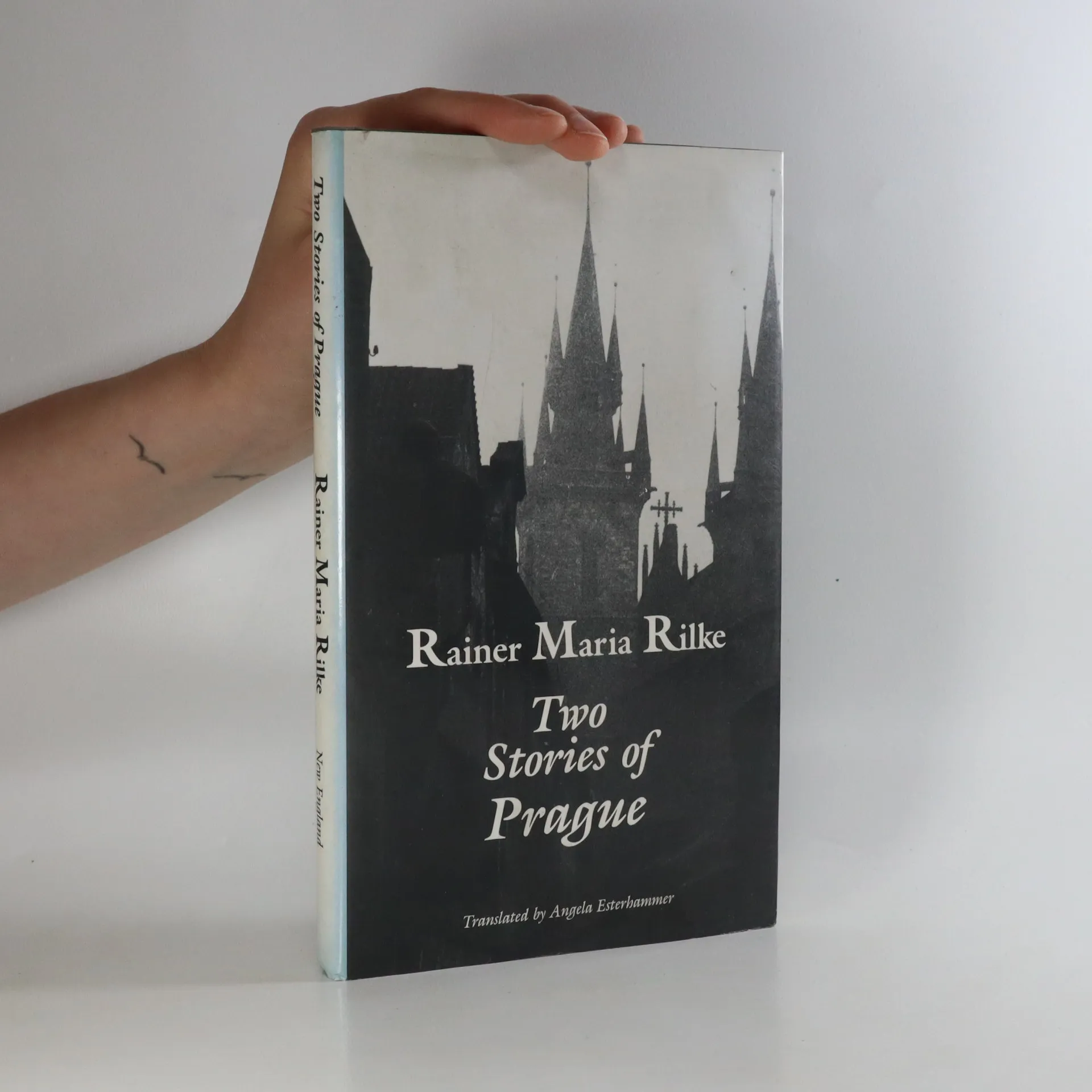
Two short stories address Prague's relationship to Western Europe, particularly Germany, and the distemper of Europe at the turn of the century
This volume is the first English translation of these poems in the arrangement Rilke had set down in 1926. The arrangement translated here has only appeared in German as Aus Taschen-Büchern und Merk-Blättern.
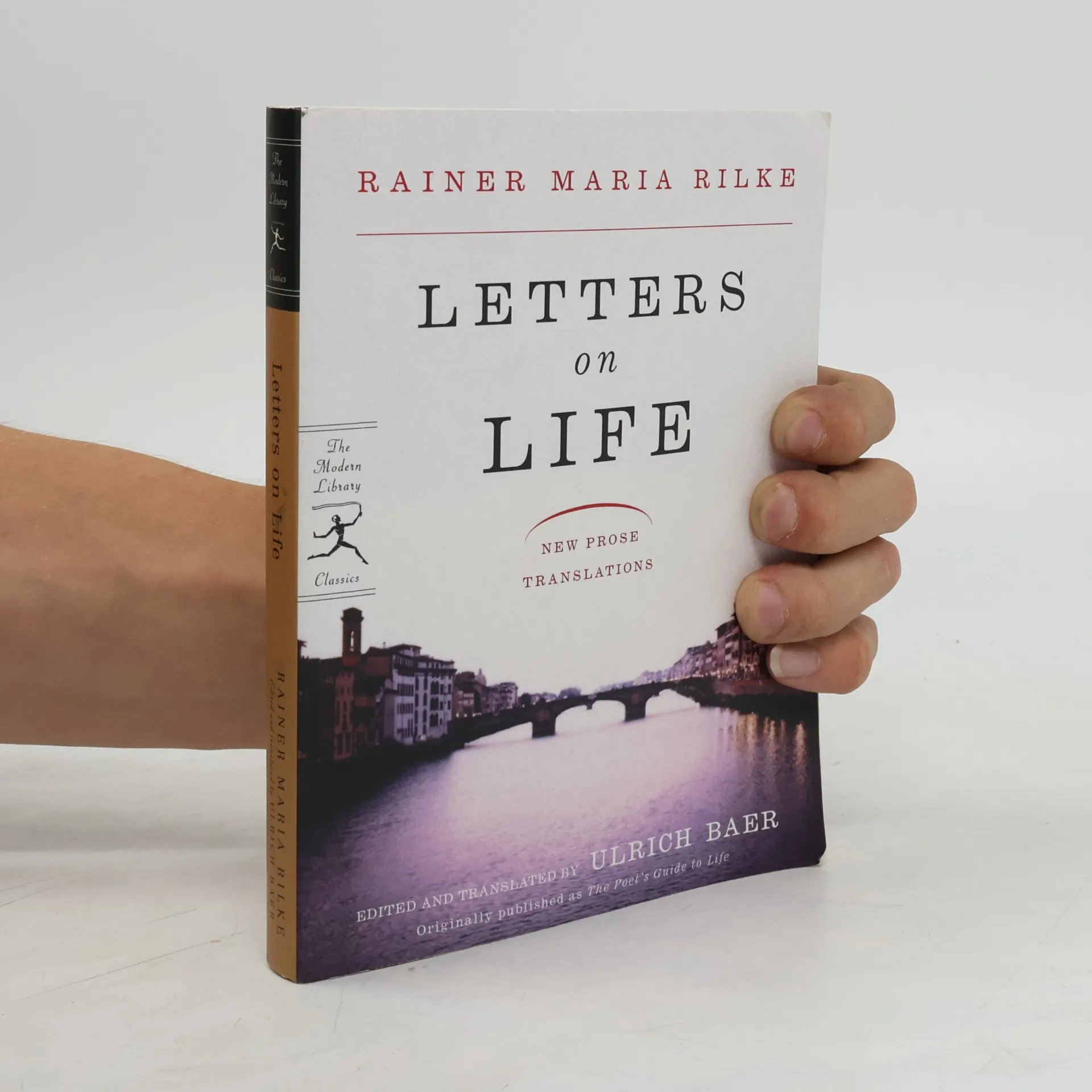
New Prose Translations - Originally Published as The Poet's Guide to Life
Gleaned from Rainer Maria Rilke s voluminous, never-before-translated correspondence, this volume offers the best writings and personal philosophy of one of the twentieth century s greatest poets. The result is a profound vision of how the human drive to create and understand can guide us in every facet of life. Arranged by theme from everyday existence with others to the exhilarations of love and the experience of loss, from dealing with adversity to the nature of inspiration here are Rilke s thoughts on how to infuse everyday life with beauty, wonder, and meaning. Intimate, stylistically masterful, brilliantly translated and assembled, and brimming with the passion of Rilke, Letters on Life is a font of wisdom and a perfect book for all occasions. Since 1917 The Modern Library prides itself as The modern Library of the world s Best Books . Featuring introductions by leading writers, stunning translations, scholarly endnotes and reading group guides. Production values emphasize superior quality and readability. Competitive prices, coupled with exciting cover design make
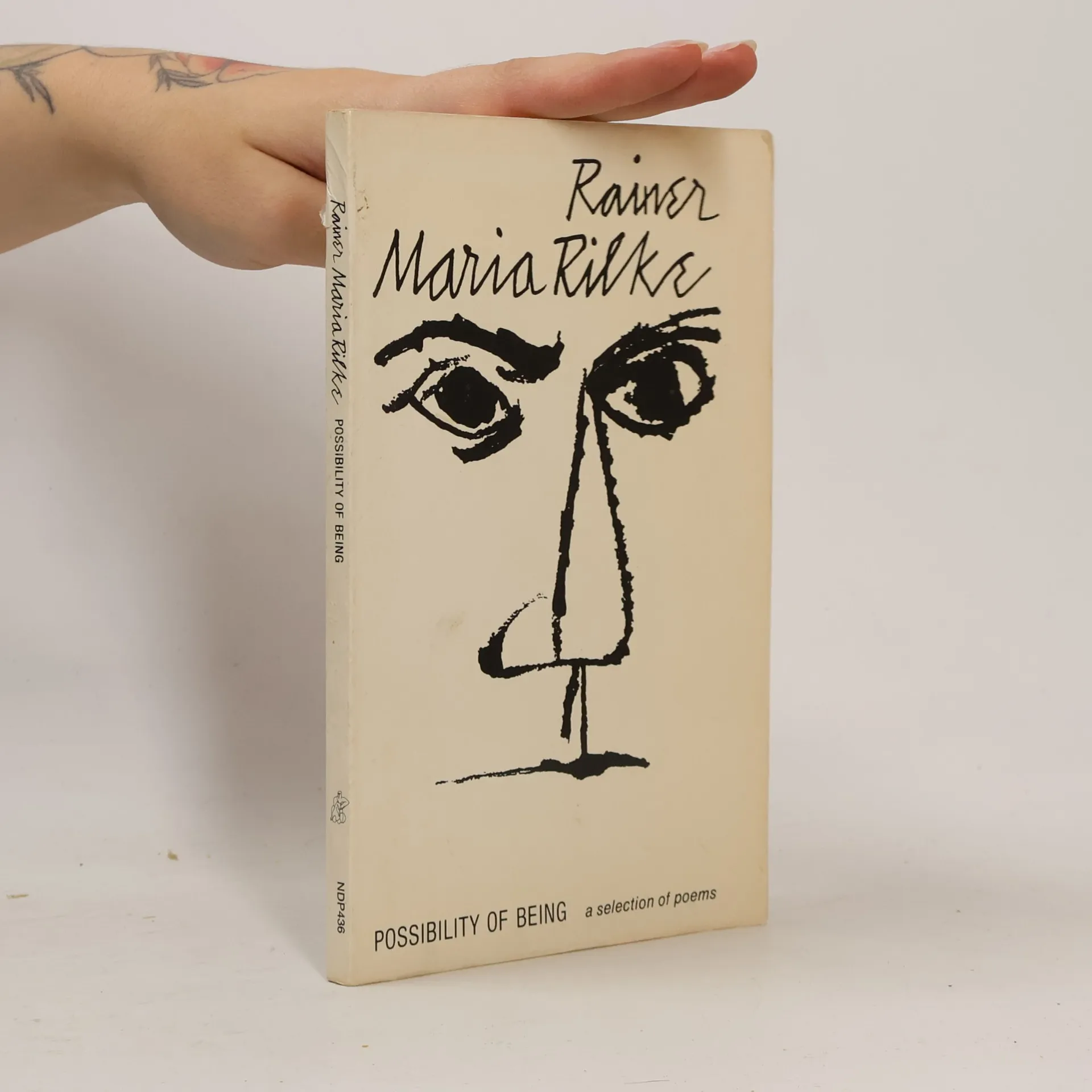
Possibility of Being is a selection of poems by one of the most moving and original writers of this century, Rainer Maria Rilke (1857-l926). The title (taken from one of the Sonnets to Orpheus, ''Ibis is the Creature") reflects the central concern of both Rilke's life and art: the achievement of "being," which this most spiritual yet least doctrinaire of modern German poets defined as "the experiencing of the completest possible inner intensity.''
Dieses Adventskalenderbuch begleitet Sie mit besinnlichen Gedanken von Rainer Maria Rilke täglich durch die Adventszeit. Die von tiefem Glauben geprägten Texte wecken die Freude auf die bevorstehende Geburt des Gottessohnes und stimmen ein auf das Wunder der Weihnachtszeit. Schöpfen Sie Kraft aus der innigen und poetischen Sprache eines der bedeutendsten Dichter des 20. Jahrhunderts. Lassen Sie sich jeden Tag von einem lyrischen Gedanken und stimmungsvollen Naturfotografien inspirieren.
Der Garten, ob wild und unberührt oder von Menschenhand liebevoll gestaltet, verführte und inspirierte Rainer Maria Rilke zu zahlreichen Gedichten und Texten, in denen er Bilder schuf, die bezaubernder nicht sein könnten. Sei es das kleinste Detail oder das große Ganze, die Stille im Winter oder die flirrende Luft im Sommer, prachtvolle Blüten oder mächtige Bäumen – all die herrlichen Beobachtungen fängt der Dichter mit seiner unverwechselbaren Sprache ein. Der Garten ist für ihn immer: ein Ort voller Wunder und Frieden. Und eine Linde ist mein Lieblingsbaum; und alle Sommer, welche in ihr schweigen, rühren sich wieder in den tausend Zweigen und wachen wieder zwischen Tag und Traum.
Rainer Maria Rilke zählt zu den deutschsprachigen Meisterdichtern. Melodische, durchaus gefällige Stimmungslyrik und sprachlich gewagte, bilderreiche Elegien und Sonette wechseln sich ab. Immer jedoch verspürt man in den Werken des Dichters die Sehnsucht nach der Verbundenheit mit einem höheren Wesen, die aus einer neuen Form der Innerlichkeit entstand. Diese Sammlung seiner bekanntesten Werke sollte in keiner Sammlung fehlen
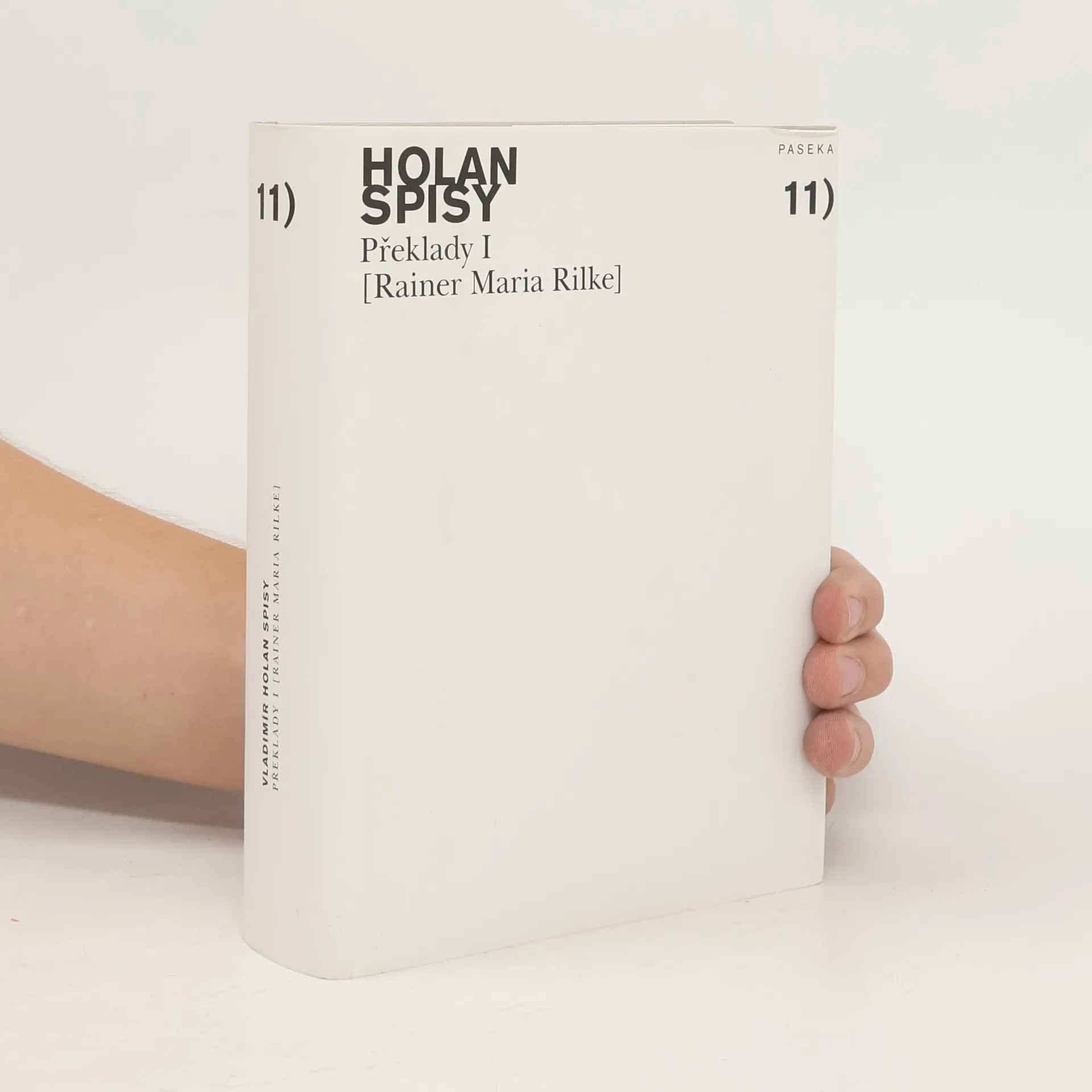
Rilkeho překlady nebyly nikdy souborně publikovány a nebyly součástí ani Sebraných spisů Vladimíra Holana, vycházejících v nakladatelství Odeon v letech 1964–1988. Konkrétně svazek 11 obsáhne sbírky Růže (1937), Okna (1937), Slavení (1937), Sad (1939), rozsáhlý soubor s názvem Několik dopisů (1940) a dále básně roztroušené po časopisech a z rukopisů. Součástí svazku je i ediční komentář a literárněhistorická studie o způsobu Holanova překládání Rilkeho z němčiny a z francouzštiny.
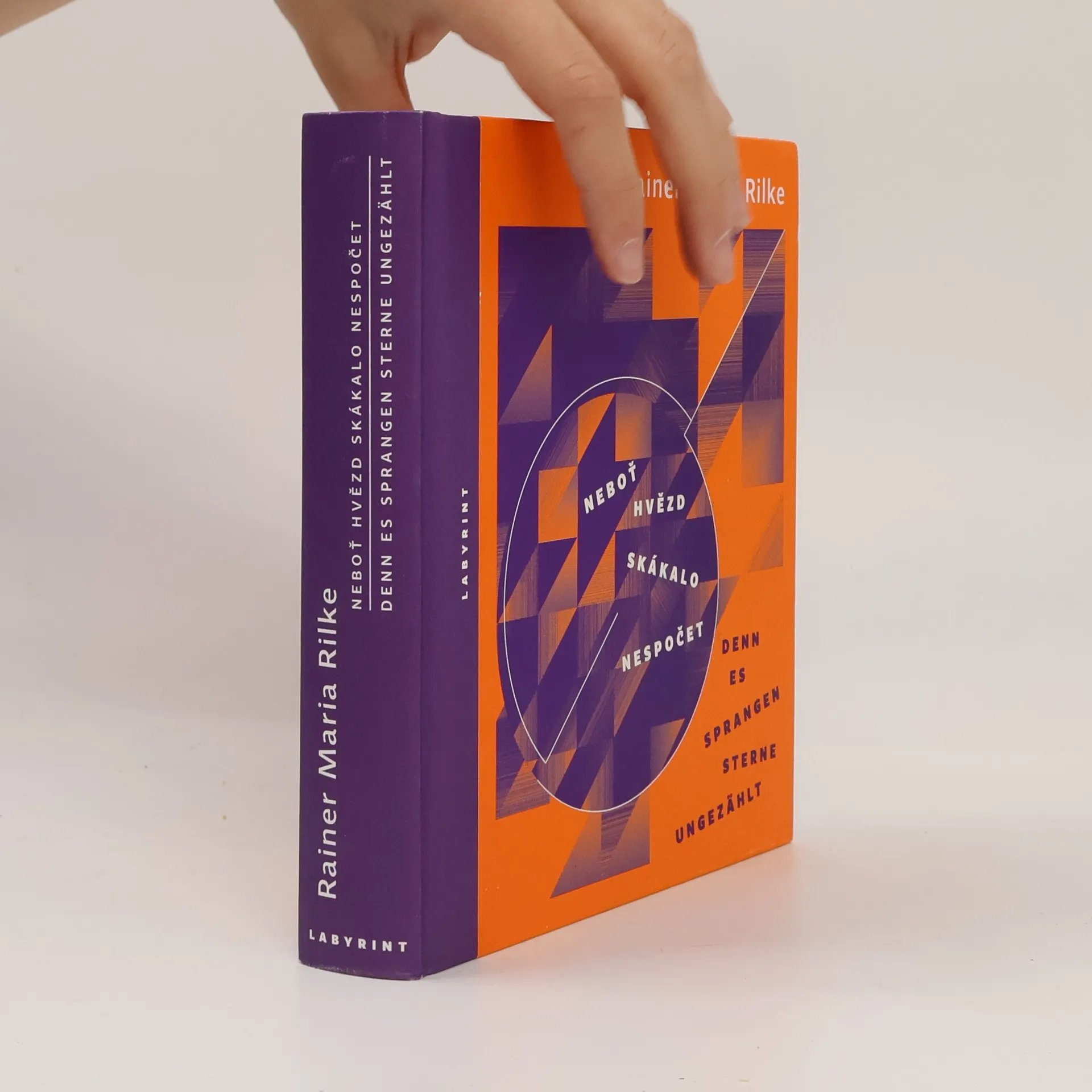
Neboť hvězd skákalo nespočet / Denn es sprangen Sterne ungezählt: Lyrika 1922–1926. Svazek I. První díl trojsvazkového výboru z díla pražského rodáka a klasika moderní poezie 20. století přináší básně z autorovy pozůstalosti. Jedná se o texty pocházející z jeho zralého období, které sám básník nezařadil do žádné sbírky, a byly publikovány pouze časopisecky, případně v antologiích. Z těchto básní, jež plně reprezentují bohatou tematickou a výrazovou paletu jeho pozdní tvorby, bylo doposud do češtiny přeloženo jen nemnoho a tuto citelnou mezeru se pokouší zacelit tento svazek. Zrcadlové dvojjazyčné vydání má umožnit českému čtenáři poznat zvláštnosti autorské poetiky, jak v originále, tak v překladu, a tím plněji uchopit komplexní celek významného lyrického díla. Překlad Miloš Kučera a doslov Viera Glosiková.
Poesie zum Fest Gedichte & Geschichten für die Hosentasche
Die schönsten Gedichte und Geschichten rund ums Weihnachtsfest zum Schmökern, Blättern und Lesen! Für die sanfte Lektüre am Abend, für ein paar friedliche Minuten, für einen tröstlichen Augenblick oder ein heiteres Lachen. Oder einfach für alle Freunde besinnlicher und poetischer Festtage! Mit Werken und Gedanken von Rilke, Eichendorff, Fontane, Storm, Ringelnatz, Heine und vielen anderen bekannten Schriftstellern in einem kleinen hübschen Taschenbuch. Ideal als Geschenk oder nette Aufmerksamkeit.
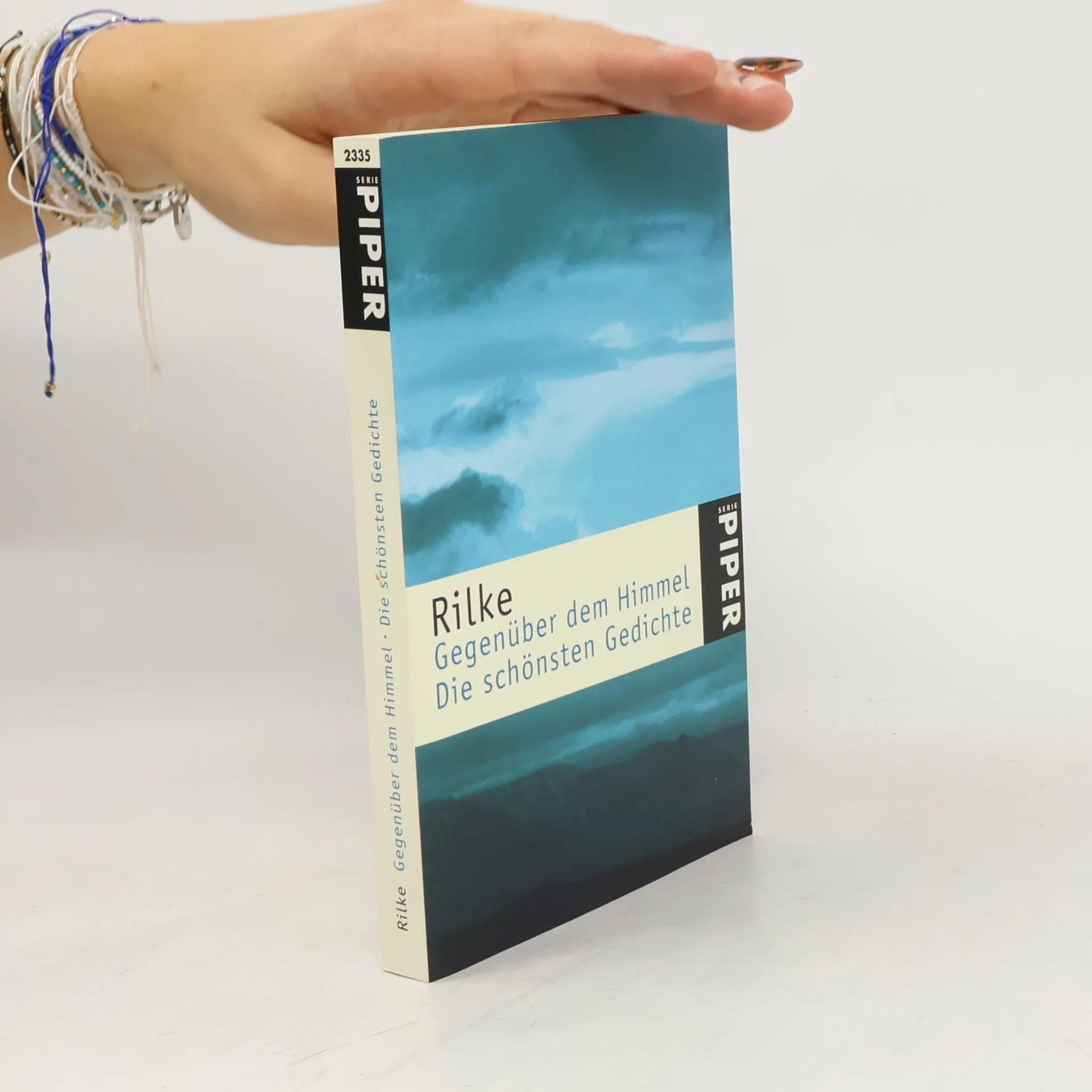
Rilkes Gedichte gehören zum unverzichtbaren Bestand der deutschen Literatur. Sie sind einzigartig in ihrer sprachlichen Kraft und im Glanz ihrer poetischen Bilder. Dieser Band enthält seine schönsten Gedichte - Meisterwerke, die bei jedem neuen Lesen dazugewinnen.
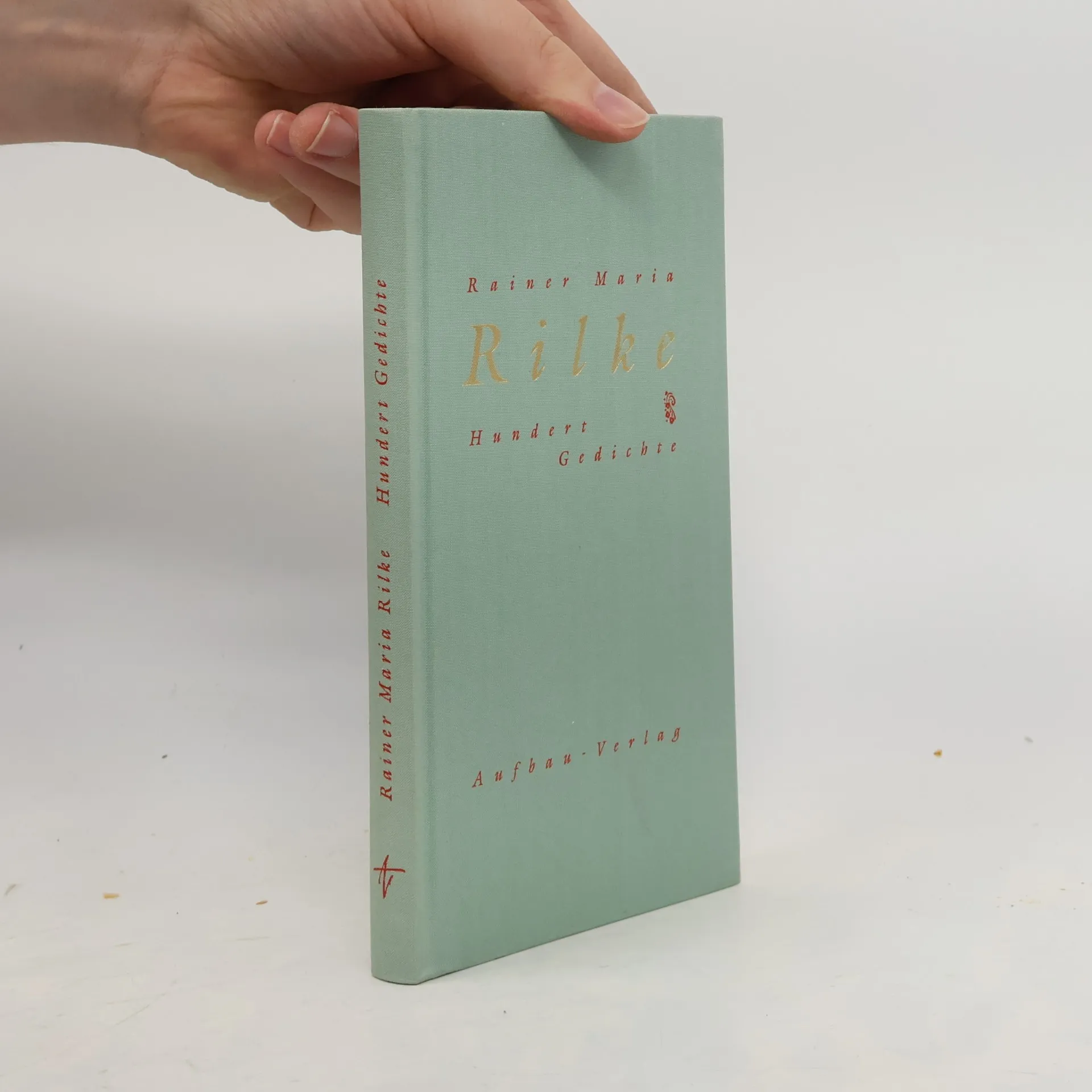
Einladung zu Rilke Anläßlich des 125. Geburtstages des Dichters am 4. Dezember 2000 publiziert der Verlag die hundert schönsten Rilke-Gedichte. In feinster Ausstattung mit Leineneinband, Lesebändchen und farbigem Vorsatzpapier eignet er sich vorzüglich zum Verschenken und Wiederlesen. Im Mittelpunkt der von Gisela und Ulrich Häussermann herausgegebenen Sammlung stehen die Gedichte aus Rilkes früher und mittlerer Lebenszeit: Sie laden den Leser ein, mitzuhören auf die Stimmen und hintergründigen Töne im Herbsttag, den geschmeidigen Schritten des Panthers zu folgen, mitzugehen auf den Spuren eines Mädchens, dessen Weg ein frühes Gedicht zeichnet. Bilder und Beobachtungen, Farben und Klänge erfreuen jeden, der sich diesen Versen unbefangen nähert.
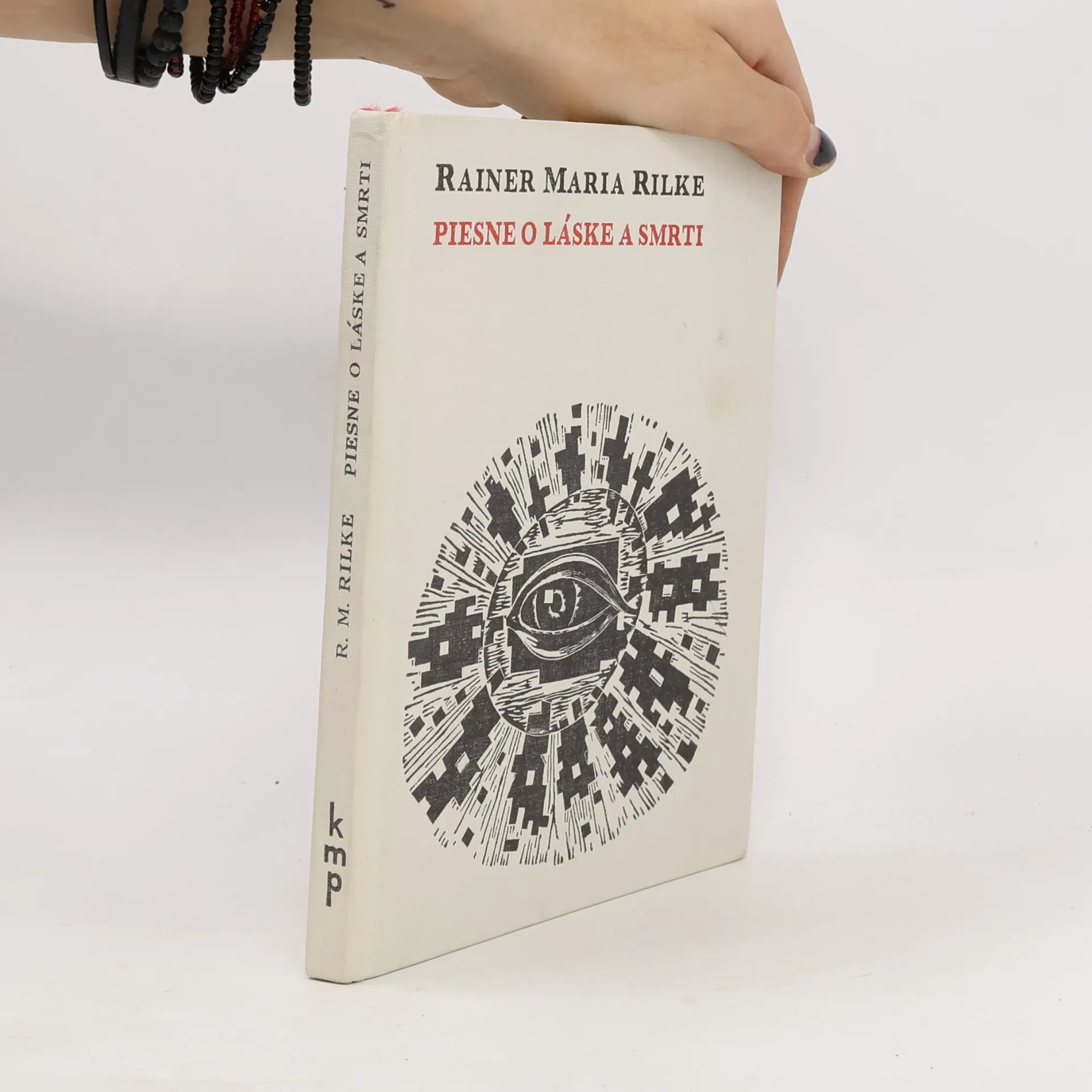
Kniha obsahuje Pieseň o láske a smrti korneta Krištofa Rilkeho, päť kratších básní, Duinské elégie, Sonety Orfeovi a báseň Orfeus Eurydika Hermes. Doslov Básnik bytia a nebytia napísal Jozef Bžoch.
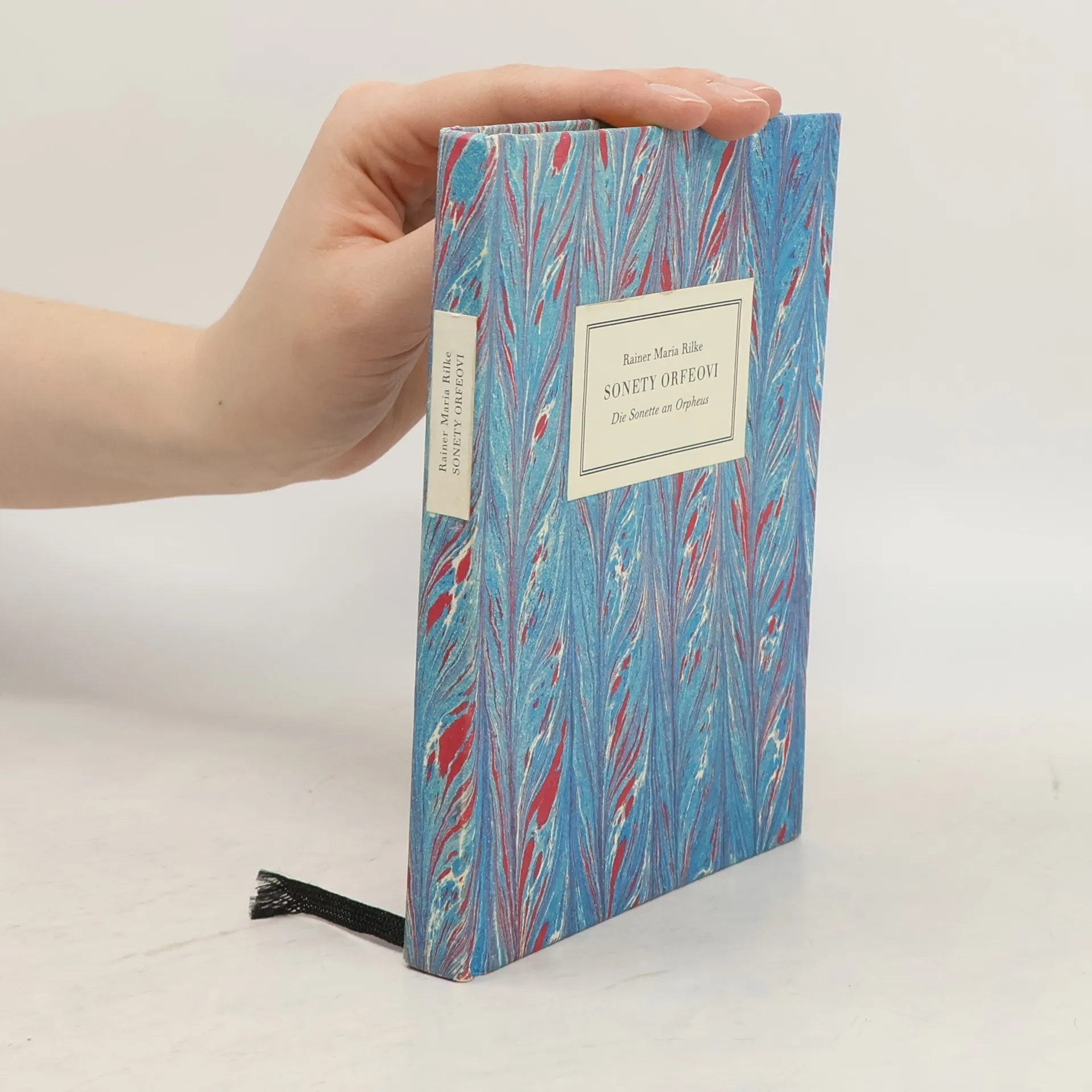
Svazek obsahuje dnes již klasickou sbírku významného rakouského básníka českého původu, která byla dokončena v roce 1922. „Sonety Orfeovi“ jsou považovány za jedno z vrcholných autorových děl, které je dokonce označováno jako poetický zázrak. Rilke zde výsostnou básnickou formou vyjádřil svůj postoj ke světu a k životu, pokouší se nacházet základní životní jistoty a hodnoty, vzdává hold přírodě i prosté lidské existenci. V bohaté metaforičnosti pak autor používá často odkazy z antické báje o Orfeovi a Euridice, které mu navíc umožňují zamýšlet se nad smrtí. Přeložil Tomáš Vítek. V zrcadlovém německo-českém vydání.
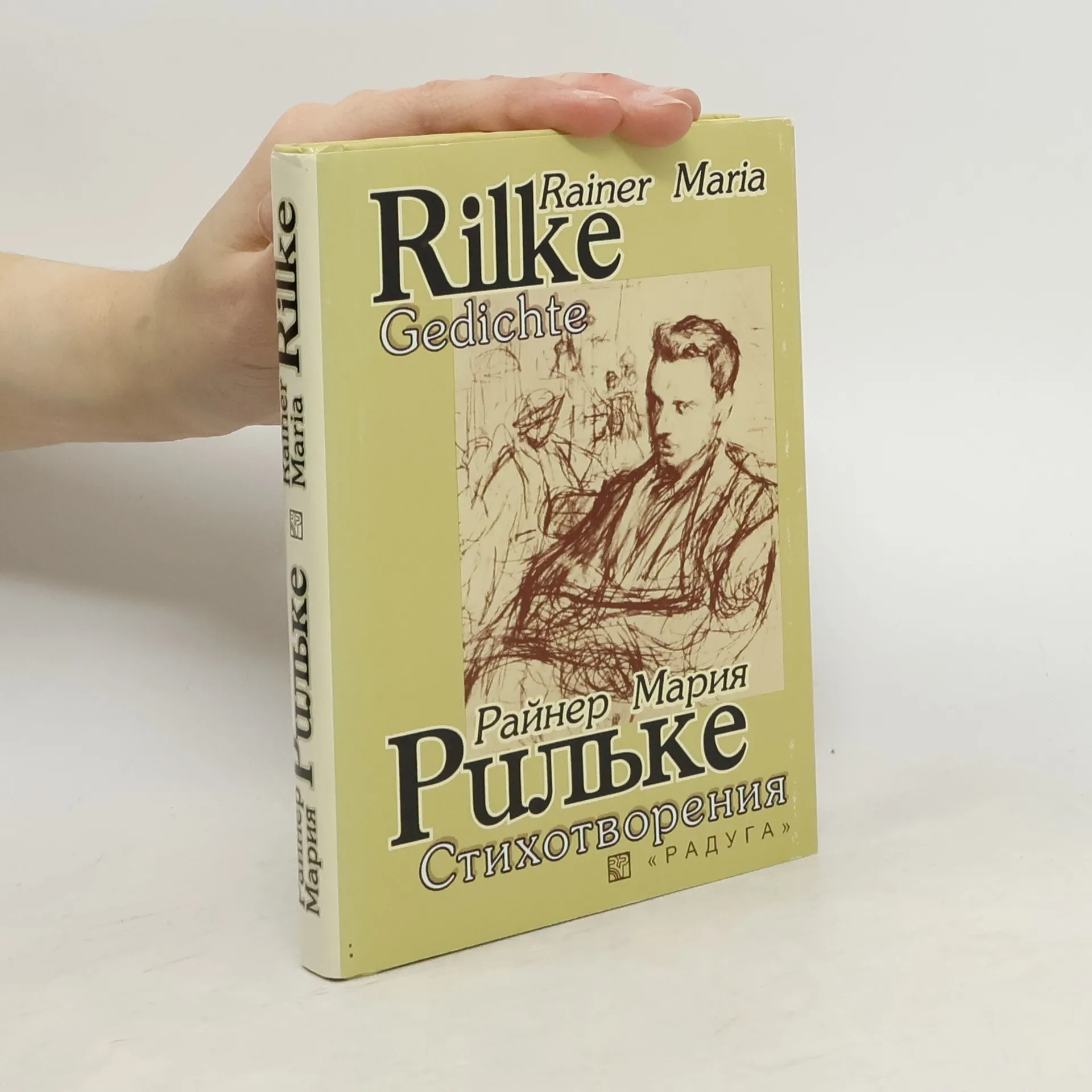
(на нем.яз. с параллельным русским текстом в пер. Куприянова В.)
Questa nuova traduzione delle Elegie duinesi, un classico della letteratura tedesca, affronta per la prima volta il tema della coerenza interna della silloge rilkiana, come dichiarazione di poetica e ricerca esistenziale e filosofica in sé compiuta. Composte nell’arco di 10 anni, tra il 1912 e il 1922, a cavallo di un passaggio epocale, tra la fine del lungo Ottocento e il traumatico inizio del Novecento, che proprio a Duino lasciò un paesaggio lunare e devastato dalla violenza, le Elegie duinesi acquistano, nella lettura che ne dà la germanista Renata Caruzzi, una nuova dimensione di profonda riflessione filosofica ed estetica e di viatico che Rilke lascia al mondo nuovo che vede sorgere dalle rovine della guerra. Corredano il libro un saggio biografico-critico su Rilke e le Elegie, un brano della lettera di Rilke sulla traduzione delle Elegie, e un breve ma intenso elogio funebre di Robert Musil, pronunciato a Berlino all’indomani della scomparsa del poeta che egli definisce “il più grande lirico che i tedeschi abbiano avuto dal Medioevo in poi”.
Básnická skladba nemeckého básnika z roku 1923. Tvoří ju desať elegií, plných zložitej symboliky a bohatej metaforiky. V básňach Rilke opäť spracováva svoje celoživotné témy - je tu obsiahnutá láska, detstvo a smrť, vzťah rastlín, zvierat a vecí k ľudskému vedomiu, radosť aj obmedzenosť pozemskej existencie. Elegie písal Rilke takmer desať rokov a dnes sú považované za jedno z najhodnotnejších diel jeho zrelého tvorivého obdobia.
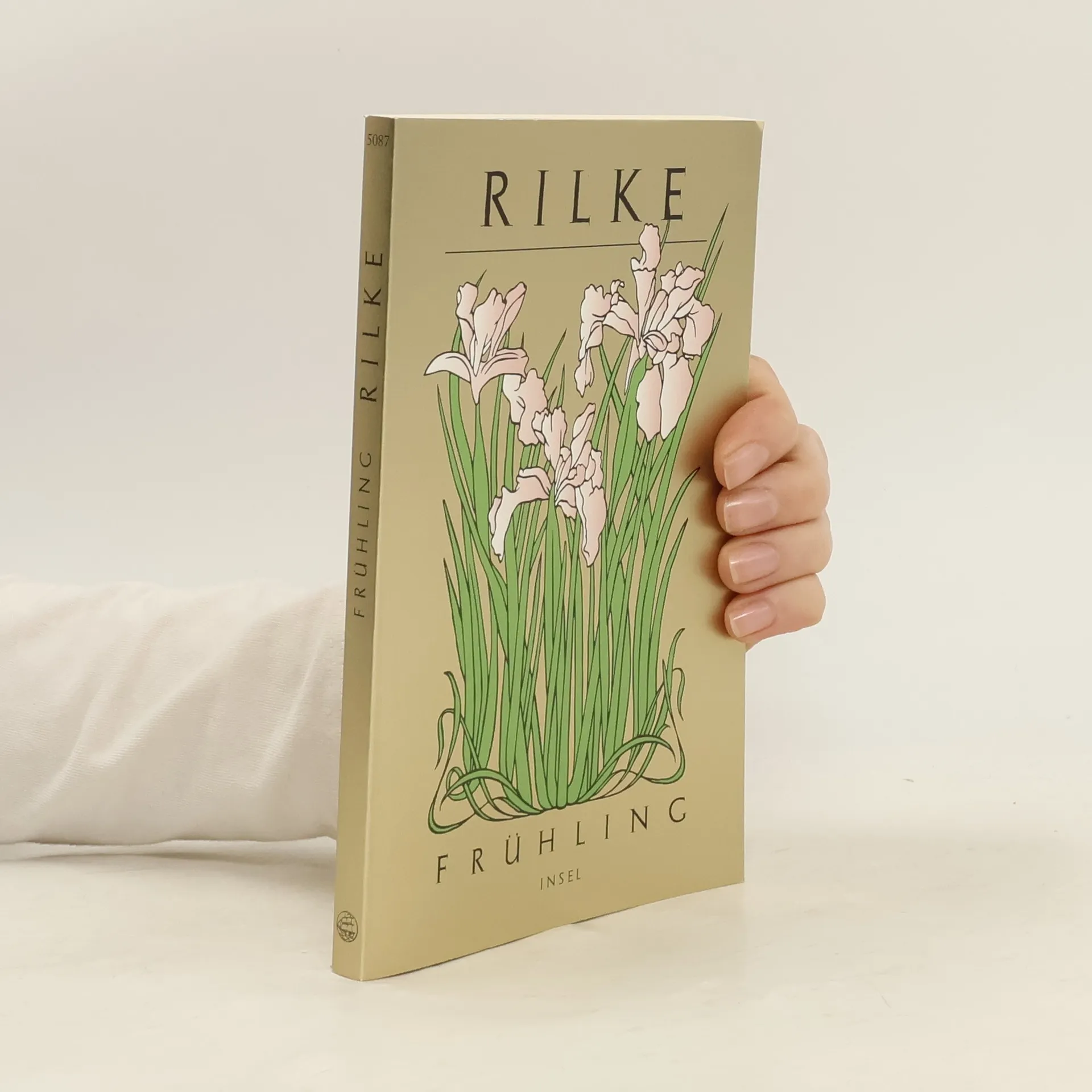
Die schönsten Texte von Rainer Maria Rilke über den Frühling zeigen seine Liebe und präzise Beobachtungen der Jahreszeit. Er beschreibt die ersten Schmetterlinge, Marienkäfer und die freudigen Gesänge der Vögel, die den Frühling willkommen heißen, und verleiht den Szenen eine kindliche Unbeschwertheit.
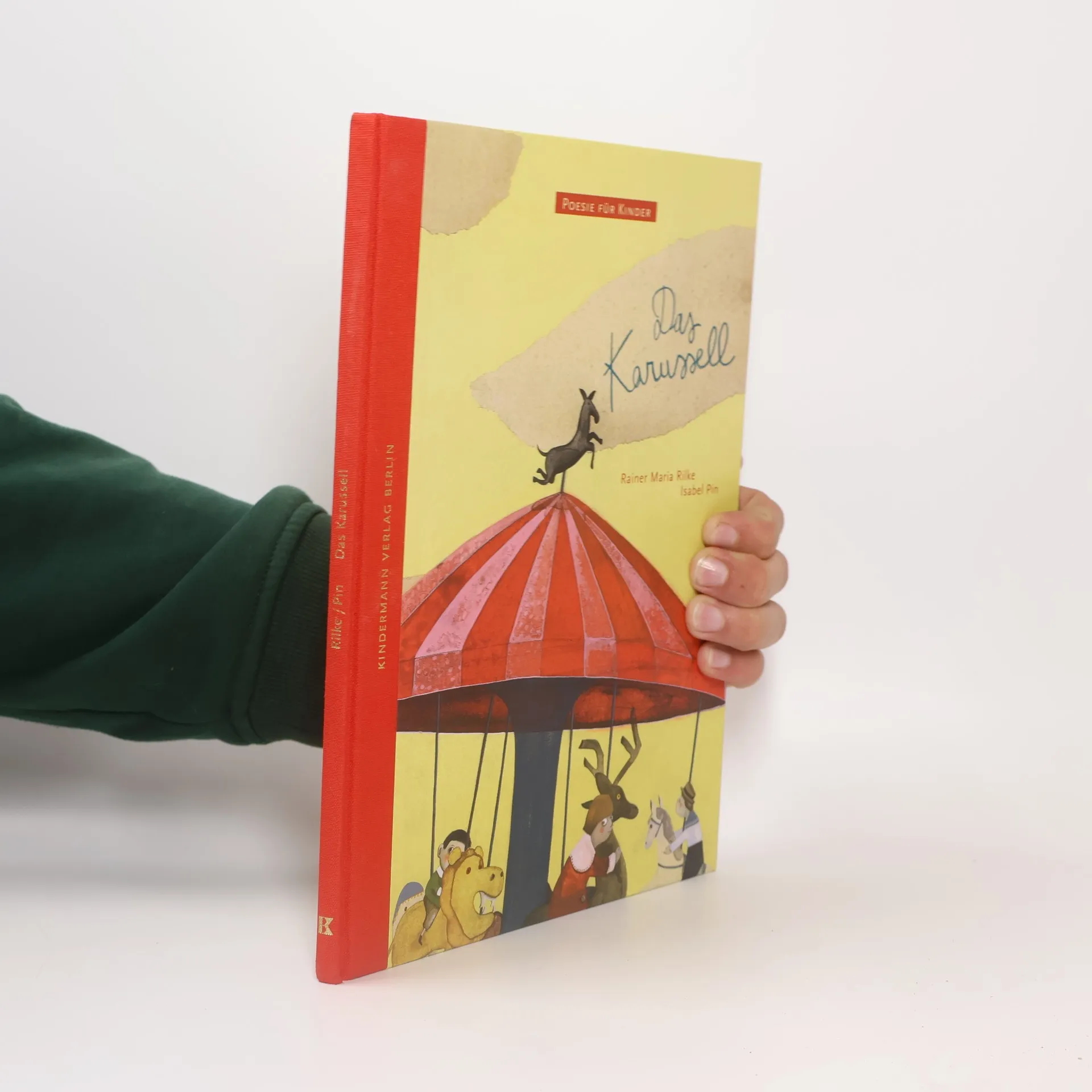
Seit über 100 Jahren schon dreht sich Rilkes Karussell, eines der schönsten Gedichte der deutschen Lyrik. Stimmungsvoll und mitreißend wird „dieses atemlose, blinde Spiel“ der kreisenden Kinder und Tiere beschrieben: Bunte Pferde, ein roter Löwe, angespannte Wagen, ein Hirsch mit Sattel – vorbei fliegende Farben, dazu die traumhaft verspielten Bilder der Künstlerin Isabel Pin: Unwillkürlich wird man in den Bann gezogen und taucht für eine Weile ein in diese sich endlos drehende, ziellos bunte Fantasiewelt eines Karussells …
Rainer Maria Rilke ist einer der bekanntesten und faszinierendsten Dichter deutscher Sprache. Sein Werk Gedichte, Erzählungen und nicht zuletzt ein umfangreicher Briefwechsel ist bleibend aktuell. Seine poetische Sprache und die zeitlosen Themen berühren Menschen auch heute noch.Rilkes Texte zeugen von einer unermüdlichen Gottsuche, einem Ringen um die Bejahung der Wirklichkeit und einer Sensibilität für tief empfundene Gefühle. Sie sind deshalb Wegweisungen auch für die spirituelle Suche heutiger Menschen und eine inspirierende Lektüre durch das Jahr.
Die Tiefen und Untiefen menschlichen Empfindens in das Gewand der Sprache zu kleiden ist seit jeher das Ziel der Poesie. Nur wenigen ist dies in ähnlicher Weise geglückt wie dem in Prag geborenen Dichter Rainer Maria Rilke. Besonders seine Liebesgedichte sind Manifestationen des Gefühls, von ungewöhnlichem Bildreichtum und bis heute einzigartiger Musikalität. Über Rilkes verschiedene Schaffensphasen hinweg präsentiert dieser Band die bedeutendsten und ergreifendsten Liebesgedichte eines der größten Dichter deutscher Sprache.
Rainer Maria Rilke war der prägende Poet des frühen 20. Jahrhunderts und ist einer der bedeutendsten deutschen Lyriker überhaupt. Mithilfe der Sprache erschafft Rilke in seinen Gedichten eine Welt von außerordentlicher poetischer Kraft und subtiler Psychologie, in der ein Schwan oder ein Panther, ja sogar ein Balkon und eine Treppe zu symbolischen Spiegelungen der Innenwelt werden. Unerreicht sind seine eigenwilligen und faszinierend schönen Sprachbilder, in denen er das Leben als eine Erfahrung preist, die uns jeden Tag aufs Neue zum Kind werden lässt. Diese Erfahrung gelingt, wenn wir bereit sind, uns auf die beiden großen Pole des Menschseins – die Liebe und den Tod – vollkommen einzulassen. Mit der vertrauensvoll-liebenden Hingabe eines Kindes, das das »Leben nicht verstehen« will, geht Rainer Maria Rilke in dieser feinen Auswahl an Gedichten aus Mir zur Feier, Das Stundenbuch, Neue Gedichte u. a. der unablässigen Wandlung allen Seins auf den Grund.
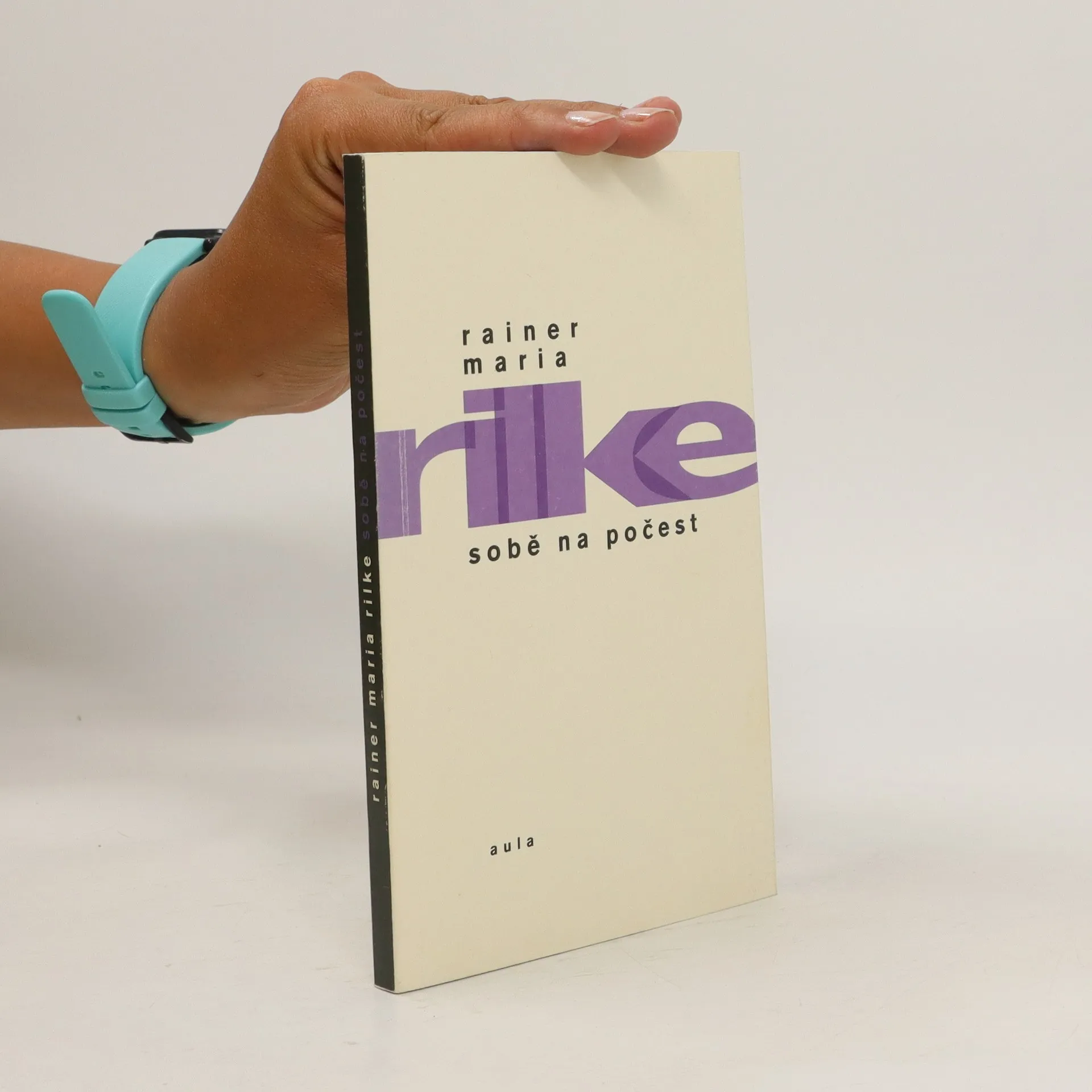
V doslovu k prvnímu českému překladu Rilkovy sbírky Sobě na počest (Mir zur Feier, 1897–1898, resp. 1909) Jaroslav Kovář poznamenává: „...Rilkova raná tvorba je syntézou toho nejlepšího, co německá (a nejen německá) poezie sklonku 19. století vytvářela: je geniálním spojením básnického impresionismu a obrazného symbolismu. Z tohoto pohledu je Rilkův impresionismus, zachycující prchavé vjemy a zážitky, povýšením do symbolických metafor, které převádějí konkrétní jedinečné imprese do duchovní roviny fantazijní obraznosti a individuální symboliky.“
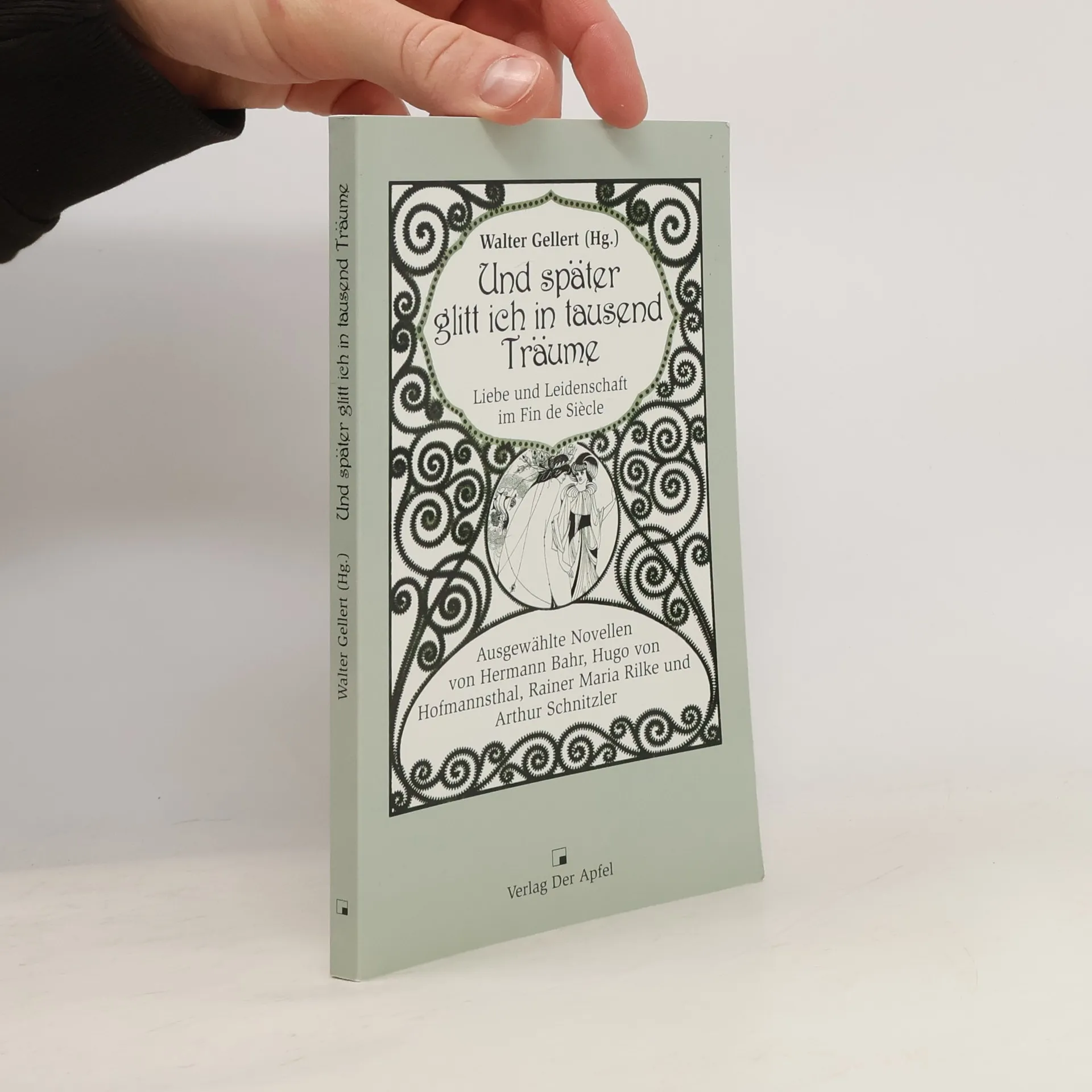
Liebe und Leidenschaft im Fin de Siècle - Ausgewählte Novellen von Hermann Bahr, Hugo von Hofmannsthal, Rainer Maria Rilke und Arthur Schnitzler
Gedichte | Neue Klassiker der Weltiteratur Nr.14
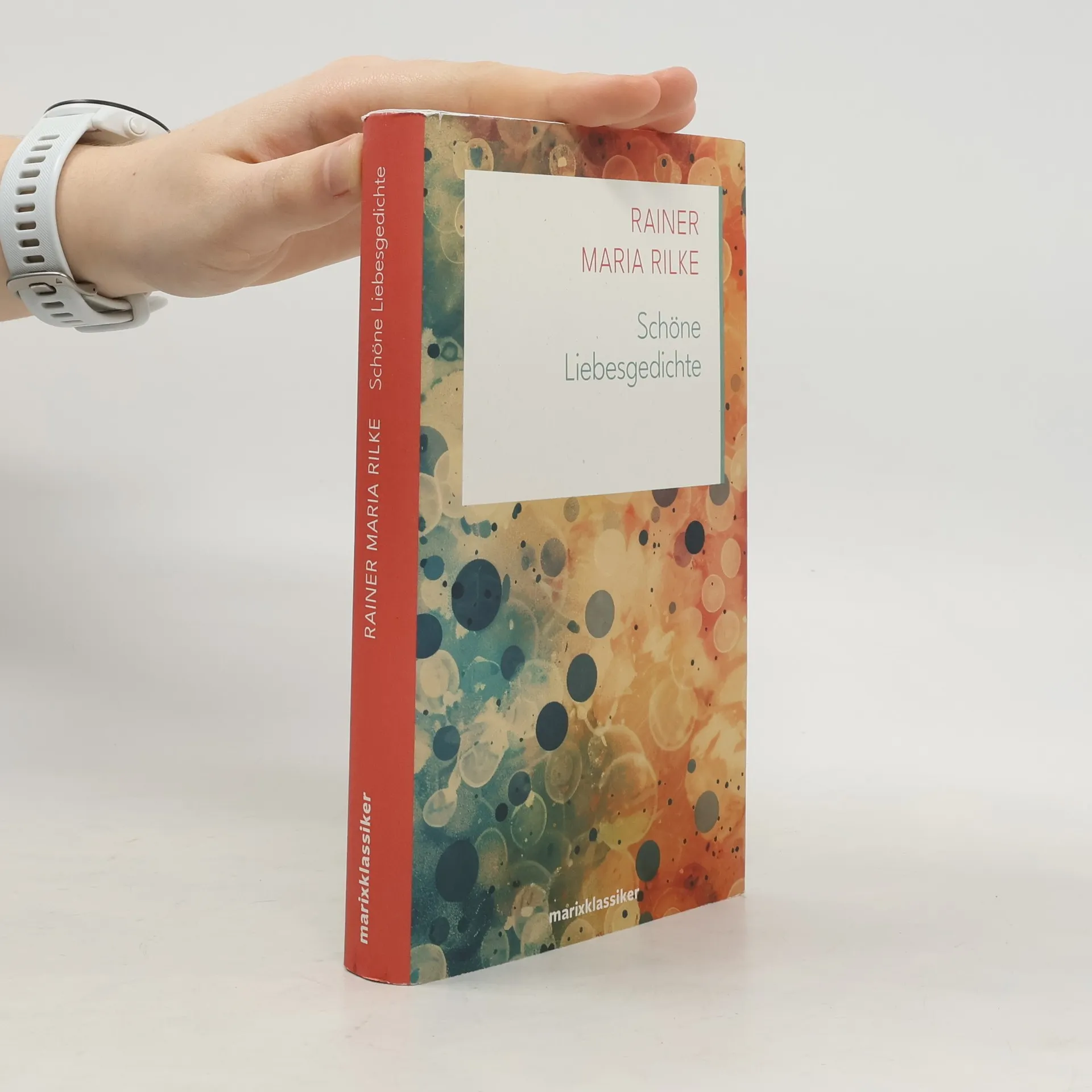
Viele Dichter haben über die Liebe geschrieben, aber nur wenige werden ihrer Vielschichtigkeit gerecht. Rilke verzaubert mit Sensibilität und Einfühlsamkeit, mit seinen sanftmütigen, musikalischen und bildhaften Versen zur Liebe, die für ihn nicht bloß ein idealisierter Gefühlszustand zwischen zwei Menschen ist, sondern auch Vergänglichkeit, Einsamkeit und Unerreichbarkeit bedeutet. Er beschreibt Empfindungen, die Spuren hinterlassen und zu Erfahrungen werden.
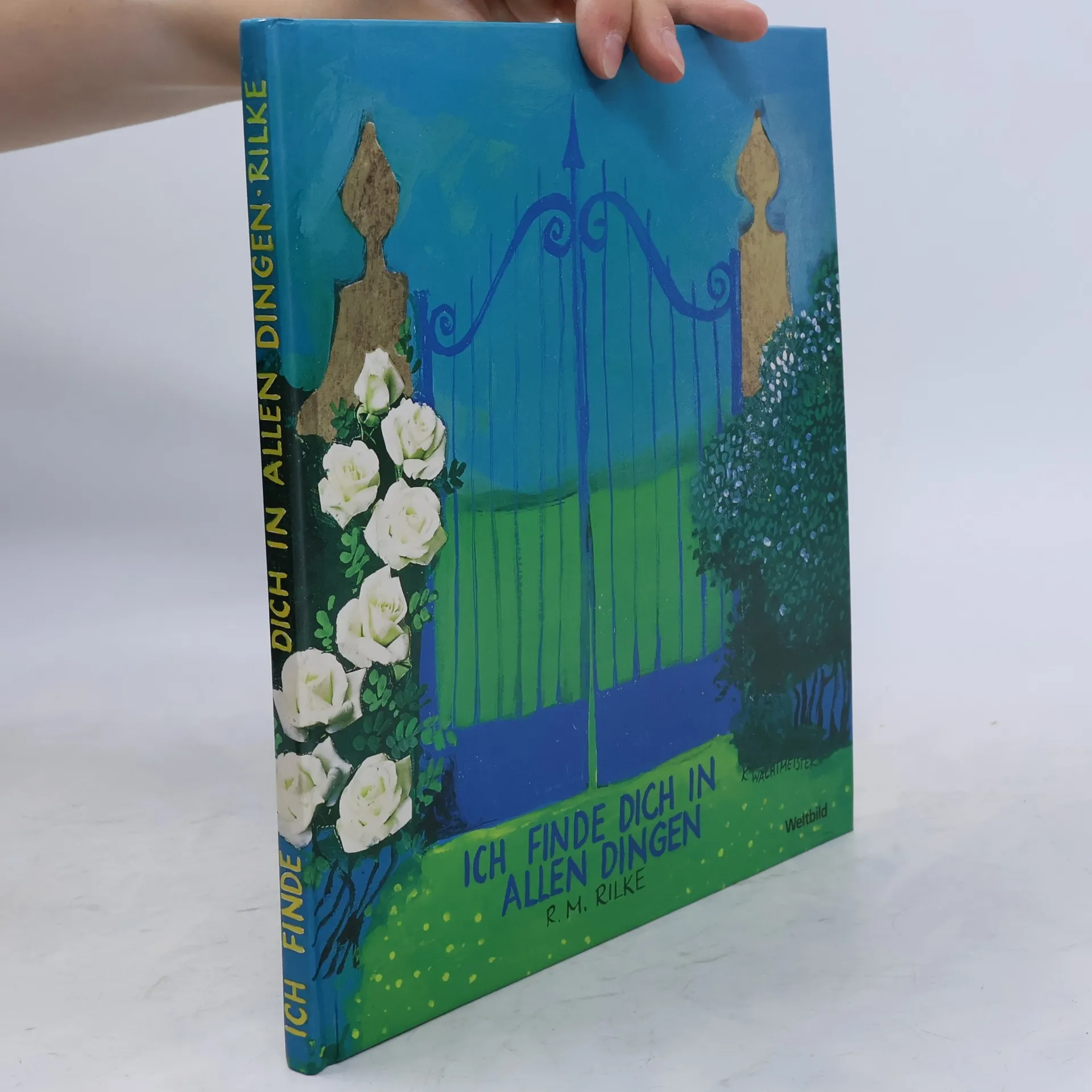
Rosina Wachtmeister präsentiert in ihrem neuen Bildband die schönsten Gedichte von Rainer Maria Rilke. Sie lädt den Betrachter ein, in einem Garten die einzigartige Schönheit von Rilkes Poesie und ihren eigenen Bildern zu erleben.
Antologie von Rainer Maria Rilke.
Rainer Maria Rilke gehört zu den meistgelesenen und wirkungsreichsten Lyrikern dieses Jahrhunderts. In alle Kultursprachen übersetzt, hat er mehrere Dichtergenerationen über die Grenzen hinweg beeinflusst. Lange vor ihrer existenzphilosophischen Ergründung hat er die Grundstimmungen dieses Jahrhunderts in seinem Werk eingefangen, einem Werk, das in seiner Komplexität im Zusammenhang der Weltliteratur eine unverwechselbare Eigentümlichkeit erreicht hat. »Nur manchmal schiebt der Vorhang der Pupille sich lautlos auf -. Dann geht ein Bild hinein, geht durch der Glieder angespannte Stille – und hört im Herzen auf zu sein.«
Rilkes Briefe an Rolf Freiherrn von Ungern-Sternberg sind, wie die Briefe an einen jungen Dichter oder die Briefe an eine junge Frau , Reaktionen auf einen Ruf nach Hilfe: Am 21. Januar 1921 hatte sich der baltische Autor und Diplomat an Rilke mit der Bitte gewandt, seine Übertragungen von Jean Moréas' Stances zu begutachten und ihnen mit einer Verlagsempfehlung zur Veröffentlichung zu verhelfen. Der Briefwechsel, der sich daraufhin zwischen beiden Männern entspann, galt der detaillierten Arbeit an einzelnen Versen Moréas', doch ging er weit darüber hinaus. Ungern-Sternbergs Kontaktaufnahme zu Rilke bedeutete, biographisch gesehen, die willkommene Möglichkeit, von der Schweiz aus an die durch den Ersten Weltkrieg jäh abgebrochene Pariser Zeit anzuschließen, in der Rilke den Diplomaten kennengelernt hatte, und von den Schwierigkeiten zu sprechen, die ihm das Heimischwerden im Schweizer Exil damals noch bereitete. Die Ausgabe basiert auf dem 1980 im Insel Verlag Leipzig erschienenen Briefwechsel; sie wurde unter anderem um einige bislang unveröffentlichte Briefe sowie um die Rilkeschen Übertragungen einiger von Moréas' Stances erweitert.
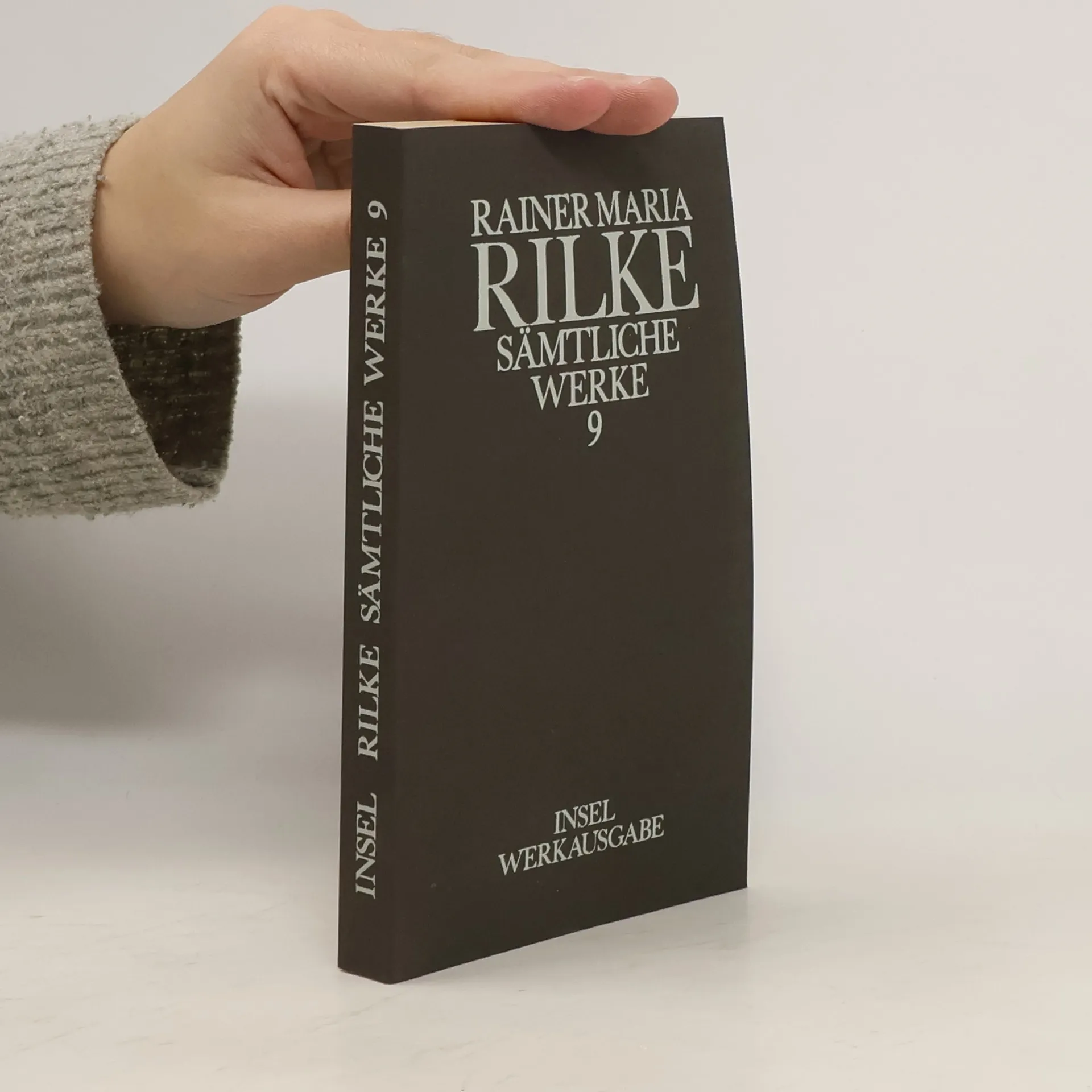
Rainer Maria Rilke wurde am 4. Dezember 1875 in Prag geboren. Nach dem Abbruch der Militärschule studierte er Literatur, Kunstgeschichte und Philosophie in Prag, München und Berlin und schrieb Gedichte. Nach einer Liaison mit der verheirateten Lou Andreas-Salomé und heiratete er 1901 Clara Westhoff, die Scheidung folgte schon im folgenden Jahr. Aus Geldnot nahm Rilke Auftragsarbeiten an und reiste 1902 nach Paris, wo das Gedicht Der Panther entstand. Rilke unternahm Reisen nach Nordafrika, Ägypten und Spanien. Rilkes Tagebuchroman Die Aufzeichnungen des Malte Laurids Brigge wurde 1910 veröffentlicht. 1919 siedelte er in die Schweiz über. In den 1920er Jahren erkrankte er an Leukämie und verstarb schließlich am 29. Dezember 1926 im Sanatorium Valmont bei Montreux in der Schweiz. Rainer Maria Rilke ist einer der bedeutendsten Lyriker deutscher Sprache. Seit dem Jahr 1900 ist er Autor des Insel Verlages, sein Werk wird hier geschlossen betreut.
Rainer Maria Rilke wurde am 4. Dezember 1875 in Prag geboren. Nach dem Abbruch der Militärschule studierte er Literatur, Kunstgeschichte und Philosophie in Prag, München und Berlin und schrieb Gedichte. Nach einer Liaison mit der verheirateten Lou Andreas-Salomé und heiratete er 1901 Clara Westhoff, die Scheidung folgte schon im folgenden Jahr. Aus Geldnot nahm Rilke Auftragsarbeiten an und reiste 1902 nach Paris, wo das Gedicht Der Panther entstand. Rilke unternahm Reisen nach Nordafrika, Ägypten und Spanien. Rilkes Tagebuchroman Die Aufzeichnungen des Malte Laurids Brigge wurde 1910 veröffentlicht. 1919 siedelte er in die Schweiz über. In den 1920er Jahren erkrankte er an Leukämie und verstarb schließlich am 29. Dezember 1926 im Sanatorium Valmont bei Montreux in der Schweiz. Rainer Maria Rilke ist einer der bedeutendsten Lyriker deutscher Sprache. Seit dem Jahr 1900 ist er Autor des Insel Verlages, sein Werk wird hier geschlossen betreut.
Sbírka lyriky pražského rodáka Rilkeho v překladu Vladimíra Holana.
Obsahuje Rilkeho básně v próze a výběr z korespondence, včetně ukázek autorova rukopisu.
Diese Sammlung vereint Rainer Maria Rilkes fruhe Lyrik, die in Munchen, Italien und Berlin entstanden ist - Gedichte voller Eindrucke und Stimmungen aus einer Zeit des kunstlerischen Aufbruchs. Rilke hat sie selbst zusammengestellt; fur die Illustration gewann er den Worpsweder Maler und Buchkunstler Heinrich Vogeler. Dieser stattete das Buch mit Vignetten und Blumenornamenten aus, die an die norddeutsche Landschaft erinnern. Es entstand ein harmonisches Gesamtkunstwerk mit literarischen Anklangen an Symbolismus und Illustrationen des Jugendstils - und zugleich ein Dokument der Freundschaft zwischen Rilke und Vogeler in der Blutezeit der Worpsweder Kunstlerkolonie. Die vorliegende Ausgabe gibt erstmals die ursprungliche Gestalt der Sammlung von 1900 wieder.
in large print
The book is a reproduction of a historical work, presented in large print to enhance accessibility for individuals with impaired vision. Published by Megali, a specialized publishing house, it aims to preserve important texts while ensuring that they are easier to read for a broader audience.
Ein Vortrag. Zweiter Teil
Die Gedanken in diesem Werk sind nicht nur relevant, sondern auch ansprechend und laden dazu ein, gehört zu werden. Sie stammen ursprünglich aus einem Vortrag und wurden für den Druck überarbeitet und erweitert. Der Autor strebt an, eine Verbindung zwischen dem alltäglichen Leben und der hohen Kunst herzustellen, indem er die ursprüngliche Form der Äußerungen bewahrt. Durch diese Herangehensweise wird die Absicht deutlich, ein breites Publikum anzusprechen und tiefere Einsichten zu vermitteln.
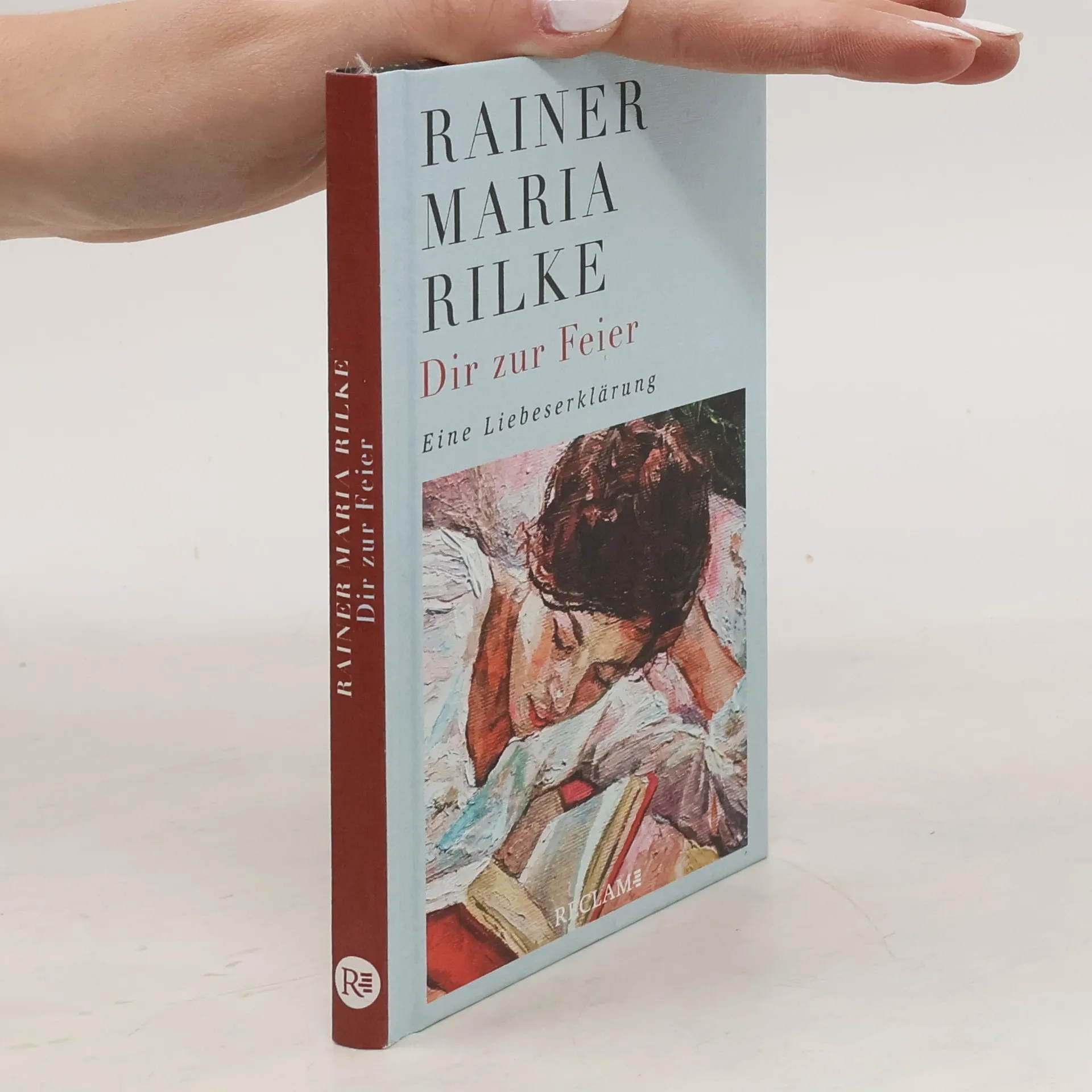
Eine Liebeserklärung
»Ich möchte dir ein Liebes schenken, das dich mir zur Vertrauten macht« – mit diesen Versen beginnt Rilke die Liebesgedichte für seine Angebetete, die Schriftstellerin Lou Andreas-Salomé. Es war eine Liebe, die beide überwältigte, später zerbrach und in eine intensive Freundschaft mündete. Veröffentlicht wurden die Gedichte erst nach Rilkes Tod – und jetzt erscheinen sie erstmals in einem eigenen Band. 48 Gedichte, die Rilkes überschwängliche Hingabe ausdrücken und damit allen Verliebten aus dem Herzen sprechen.
Über Alter und Verlust
Seine schönsten, bewegendsten und aufregendsten Gedanken über die großen Offenbarungen des Lebens hat Rainer Maria Rilke auf eindrückliche Weise in seinen Briefen vermittelt. So richten sich seine daraus ausgewählten Betrachtungen zu konkreten Fragen des menschlichen Daseins in ganz direkter Ansprache an den Leser. Die fünf handlichen Lesebücher lesen sich wie echte Lebensratgeber, sie zeigen uns, wie wir unser Leben ändern können, wenn wir es wollen.
Weisheiten eines welterfahrenen Dichters Rainer Maria Rilke war nicht nur einer der bedeutendsten Lyriker deutscher Sprache im 20. Jahrhundert, auch in seinen Briefen lässt sich seine außergewöhnliche Welterfahrung aufspüren. Sie erwuchs aus seiner Verbundenheit mit berühmten europäischen Zeitgenossen, aus der Pflege der Freundschaften mit Bewunderern und Gönnern und nicht zuletzt aus leidenschaftlichen Amouren. Für diese Originalausgabe hat der Rilke-Kenner Günter Stolzenberger zeitlose Lebenserkenntnisse ausgewählt, die nicht nur Fans des Schriftstellers überraschen und erfreuen werden.
Erwein Freiherr von Aretin war von 1915 bis 1922 Teil von Rilkes engerem Bekanntenkreis. Er stammte aus einem bayerischen Adelsgeschlecht und arbeitete zunächst als Astronom und Mathematiker an einer Wiener Sternwarte, bevor er als politischer Journalist und mutiger Hitler-Gegner in den Vordergrund trat. Dies führte zu KZ-Haft und jahrelanger Beobachtung durch die Gestapo. In seinem Briefwechsel mit Rilke zeigt sich sein leidenschaftliches Interesse an Politik und Geschichte, während Rilke andere Themen in den Vordergrund stellt. Die beiden trafen sich 1915 in München, vermittelt durch die Fürstin Thurn und Taxis, und Rilke war fasziniert von Aretins naturwissenschaftlichem Wissen. Unter Aretins Anleitung beschäftigt sich Rilke, dessen poetisches Interesse für das „Sternische“ bereits im Stunden-Buch sichtbar ist, mit höherer Mathematik und Astronomie. Beide streben nach einem ganzheitlichen Weltverständnis, das die Spannungen zwischen Rationalismus und Irrationalismus überwindet. Diese Begegnung inspiriert Rilke stark; zahlreiche Metaphern aus Astronomie und astrologischer Kosmologie durchziehen sein lyrisches Spätwerk, das während der Freundschaft mit Aretin entsteht. Der Briefwechsel beleuchtet bisher wenig bekannte Aspekte von Rilkes Leben und Werk.
Erinnerungen der Gräfin Thurn und Taxis an eine zwanzigjährige Freundschaft mit Rainer Maria Rilke, der auf ihrem Schloss die legendäre "Elegie aus Dvina" verfasste.
Táto čiastočne dvojjazyčná kniha obsahuje všetkých desať slávnych Duinských elégií, tri rekviem, viacero elegických básní, ako aj dlhú báseň Orfeus.Eurydika.Hermes. Prekladateľ a vydavateľ knihy M. Richter nezabudol ani na podrobné poznámky a vysvetlivky, na kalendárium života a diela tohto vari najväčšieho európskeho básnika 20. storočia, ani na doslov. Súčasťou knihy sú fotografie RMR a iné dokumentárne materiály.
Rainer Maria Rilke wurde am 4. Dezember 1875 in Prag geboren. Nach dem Abbruch der Militärschule studierte er Literatur, Kunstgeschichte und Philosophie in Prag, München und Berlin und schrieb Gedichte. Nach einer Liaison mit der verheirateten Lou Andreas-Salomé und heiratete er 1901 Clara Westhoff, die Scheidung folgte schon im folgenden Jahr. Aus Geldnot nahm Rilke Auftragsarbeiten an und reiste 1902 nach Paris, wo das Gedicht Der Panther entstand. Rilke unternahm Reisen nach Nordafrika, Ägypten und Spanien. Rilkes Tagebuchroman Die Aufzeichnungen des Malte Laurids Brigge wurde 1910 veröffentlicht. 1919 siedelte er in die Schweiz über. In den 1920er Jahren erkrankte er an Leukämie und verstarb schließlich am 29. Dezember 1926 im Sanatorium Valmont bei Montreux in der Schweiz. Rainer Maria Rilke ist einer der bedeutendsten Lyriker deutscher Sprache. Seit dem Jahr 1900 ist er Autor des Insel Verlages, sein Werk wird hier geschlossen betreut.
Páteří tohoto svazku jsou překlady Jindřicha Pokorného z výboru „Lodice“ (Odeon 1966, vzhledem k značnému časovému odstupu arci podstatně přepracované). Vedle toho byly použity překlady Ladislava Fikara, Jindřicha Flussara aj.