

The year is 1880. Two hundred years after the trials in Salem, witches Adelaide Thom and Eleanor St Clair finally feel safe and have opened a tea shop in Manhattan, specialising in cures, palmistry and potions. When an enchanting young woman called Beatrice joins the witches as an apprentice, she soon proves indispensable but her new life is marred by strange occurrences. She sees things no one else can see. She hears voices no one else can hear. Objects appear out of thin air, as if gifts from the dead. Has she been touched by magic or is she simply losing her mind? Amidst the witches' tug-of-war over how best to nurture her gifts, Beatrice disappears but was it by choice or by force? In the desperate search the witches are confronted by spectres from their own pasts. In a time when women were corseted, confined and committed for merely speaking their minds, were any of them really safe?
Ami McKay Volgorde van de boeken (chronologisch)
Ami McKay is een auteur wiens werk zich verdiept in diepgaande menselijke ervaringen met een onderscheidende stem en nauwgezet uitgewerkte personages. Haar verhalen verkennen vaak thema's als vrouwelijkheid, geschiedenis en de veerkracht van de gemeenschap, en bieden nieuwe perspectieven op zowel bekende als onbekende gebieden. Met een scherp oor voor suggestieve taal en een vloeiende prozastijl dompelt McKay de lezers onder in werelden vol emotie en ontdekking. Ze onderscheidt zich als een belangrijke verteller wiens schrijven diep resoneert en tot nadenken stemt.
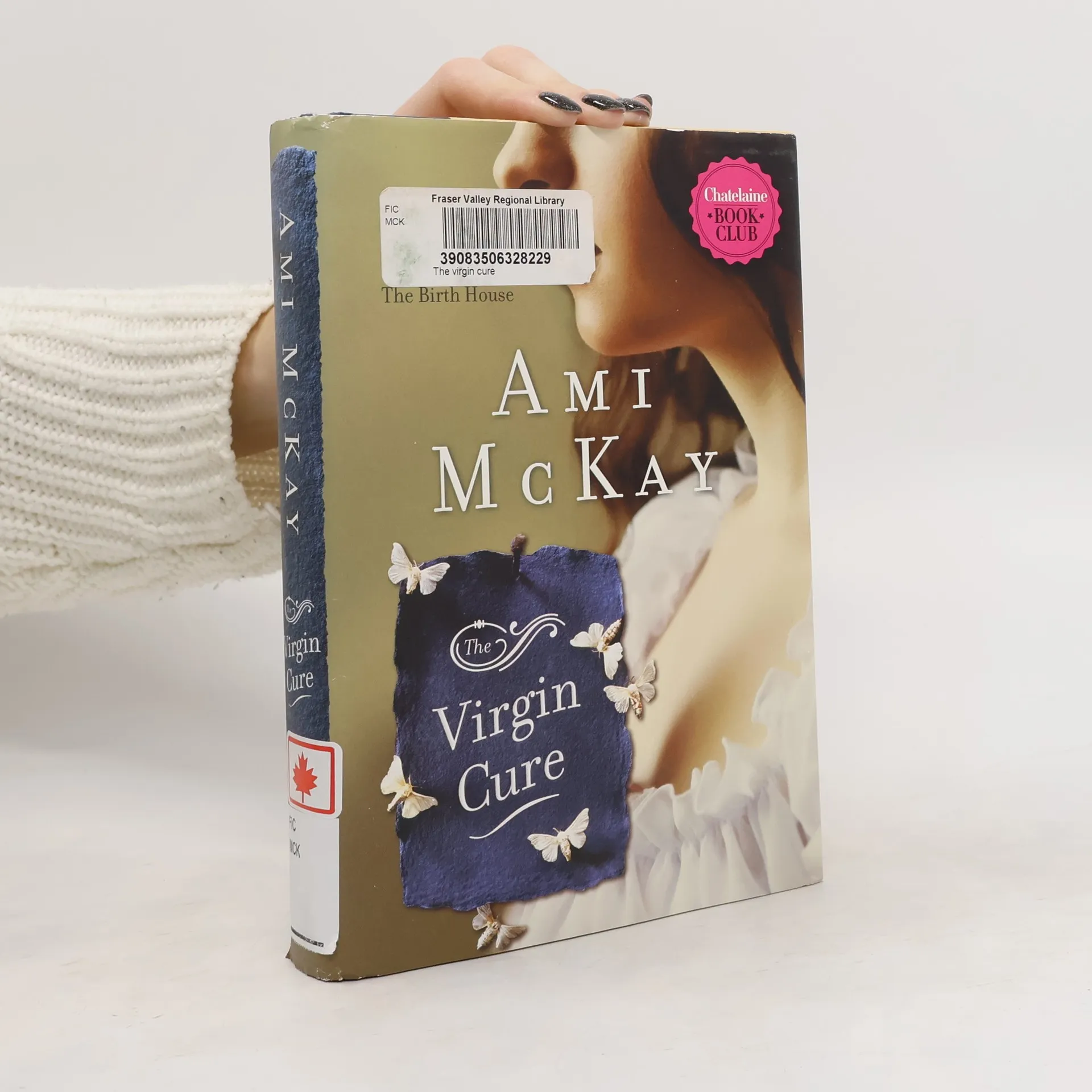

In 19th century New York, a destitute women sends her 12-year-old daughter, Moth, to become a live-in servant of a wealthy woman. To escape her employer's cruelty, Moth flees to the streets and finds herself in the Bowery, a place filled with thieves, beggars and pickpockets. Her only escape from this desperate situation may be to find shelter in a nearby brothel.
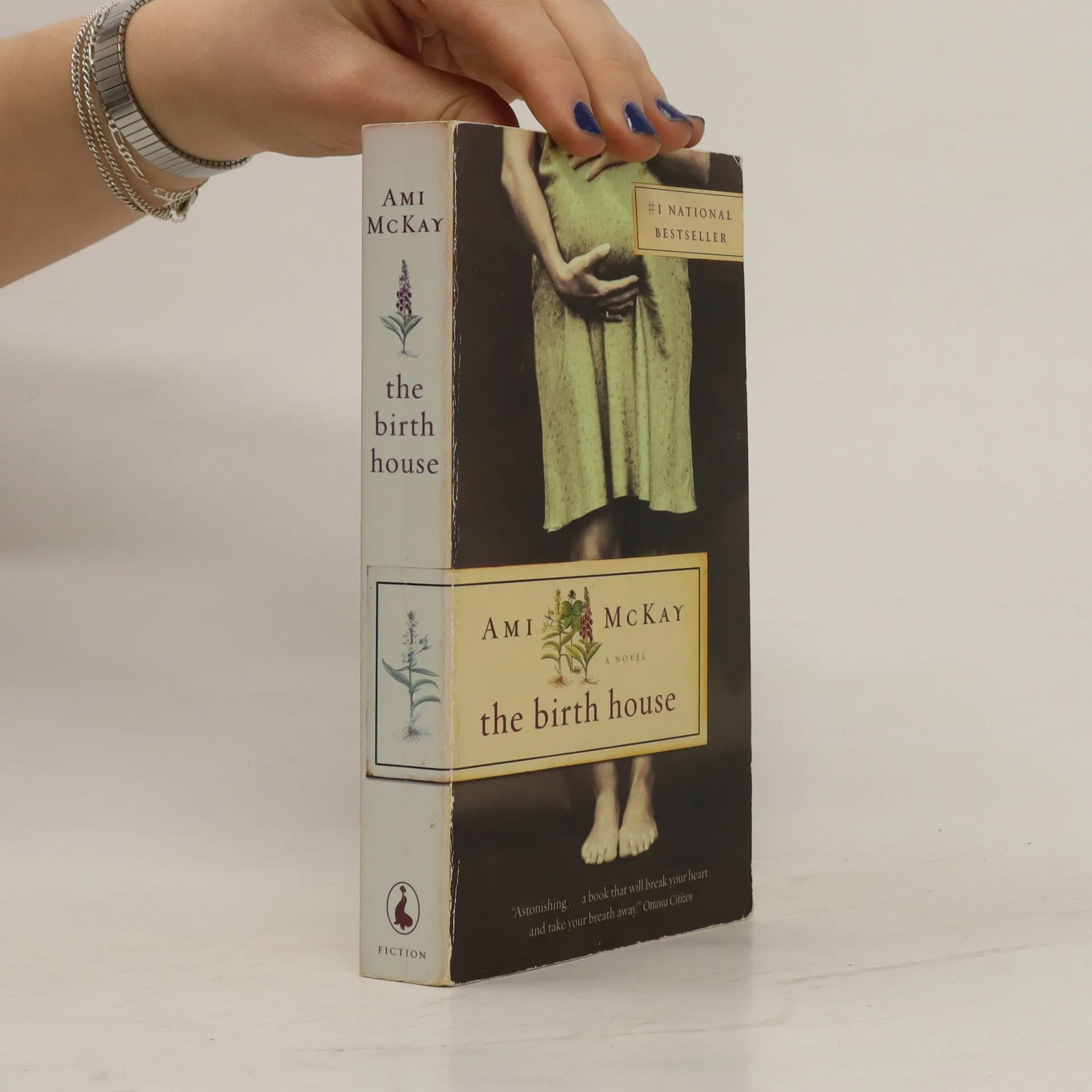
The Birth House
- 448bladzijden
- 16 uur lezen
The Birth House is the story of Dora Rare, the first daughter to be born in five generations of Rares. As a child in an isolated village in Nova Scotia, she is drawn to Miss Babineau, an outspoken Acadian midwife with a gift for healing. Dora becomes Miss B.’s apprentice, and together they help the women of Scots Bay through infertility, difficult labours, breech births, unwanted pregnancies and even unfulfilling sex lives. Filled with details as compelling as they are surprising, The Birth House is an unforgettable tale of the struggles women have faced to have control of their own bodies and to keep the best parts of tradition alive in the world of modern medicine. From the Hardcover edition.