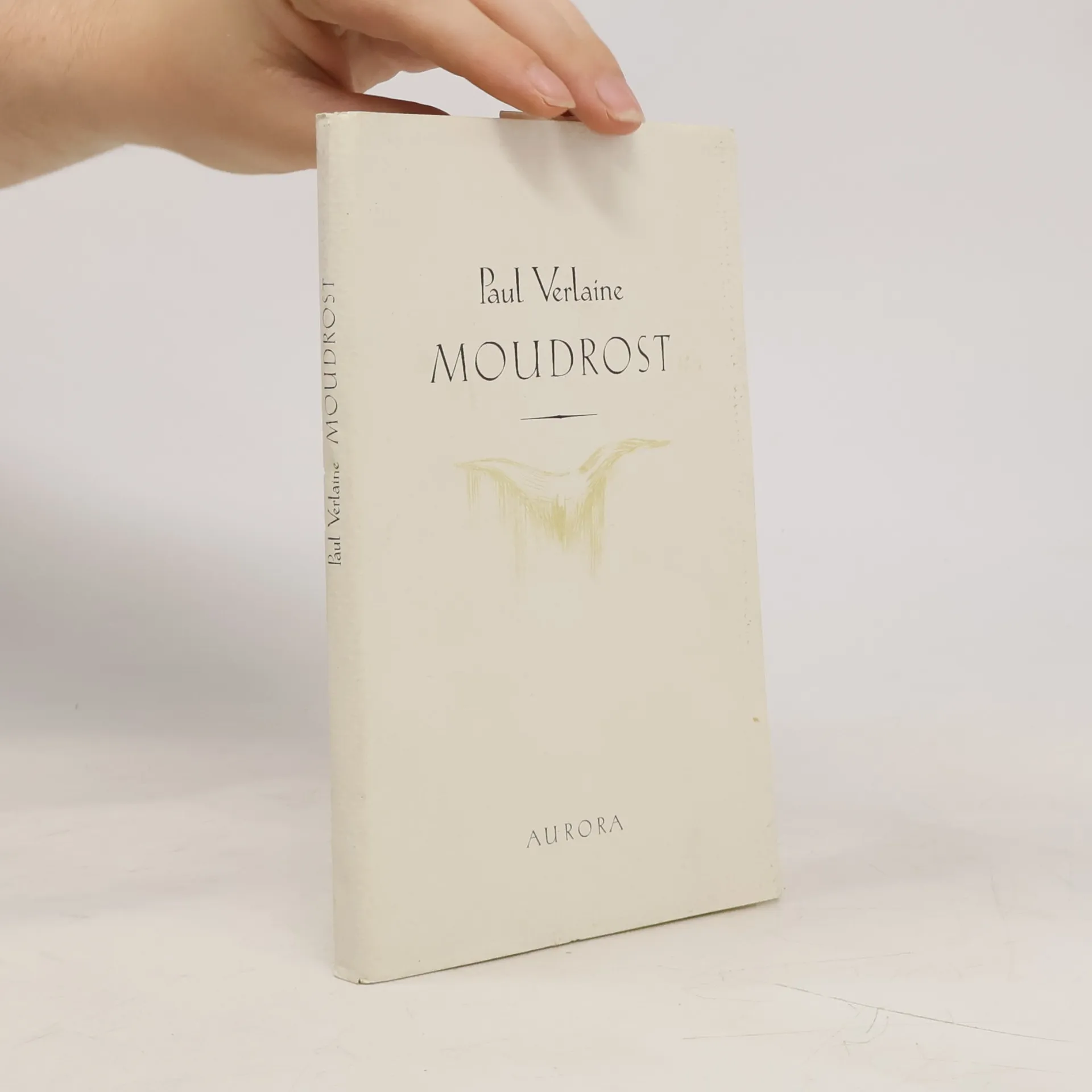
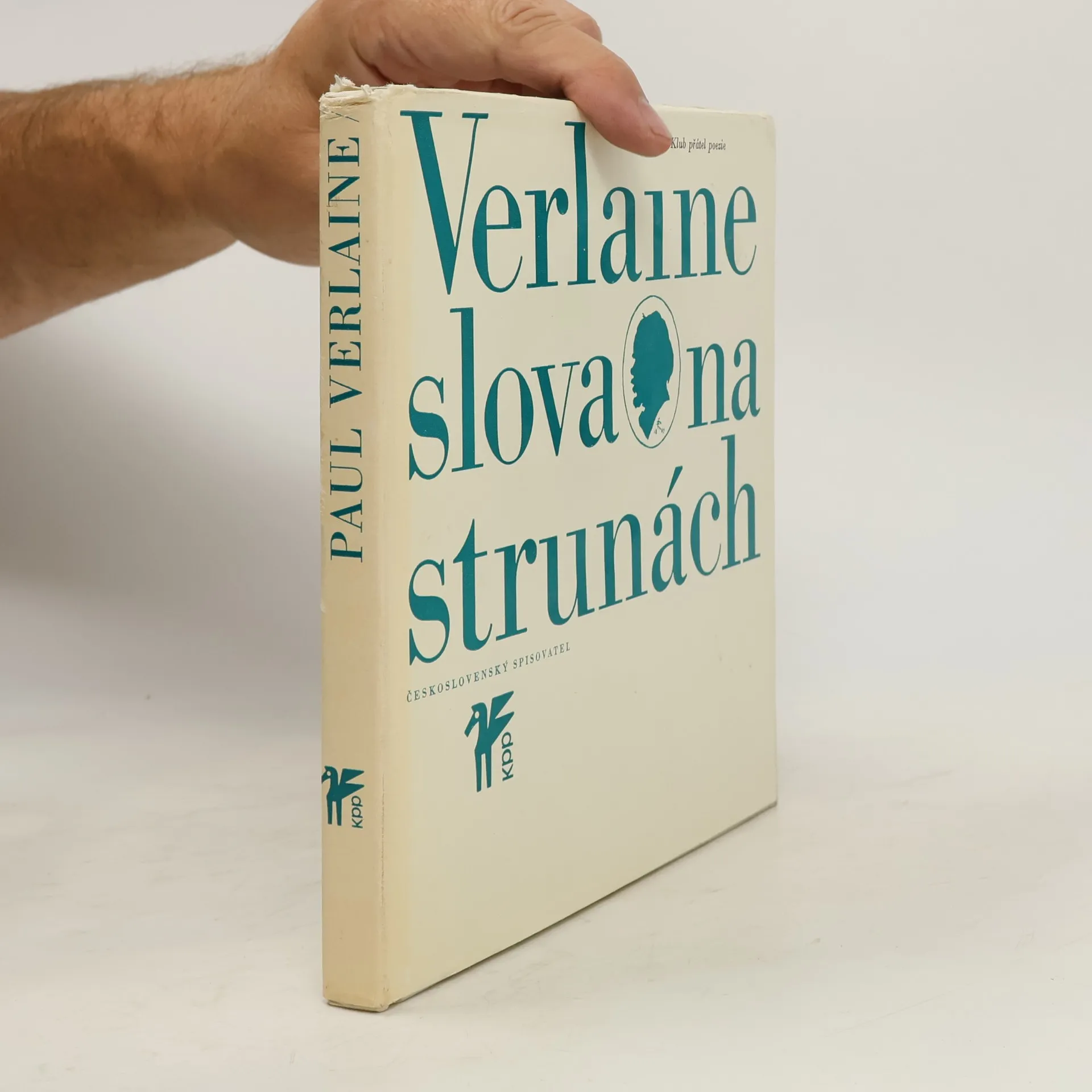
Knihu veršů jednoho z prokletých uspořádali Petr Kopta a Jan Vladislav, který je také autorem úvodní eseje, životopisných poznámek a ediční poznámky. Kniha je doplněna dobovým obrazovým materiálem, vzpomínkami současníků, Verlainovými dopisy a dalšími dokumenty vybranými a přeloženýmiopět Janem Vladislavem. Jednotlivé básně jsou překlady z dílen našich nejznámějších básníků a celá kniha patří ke špičce toho, co v KPP vyšlo.
Petr Kopta Boeken
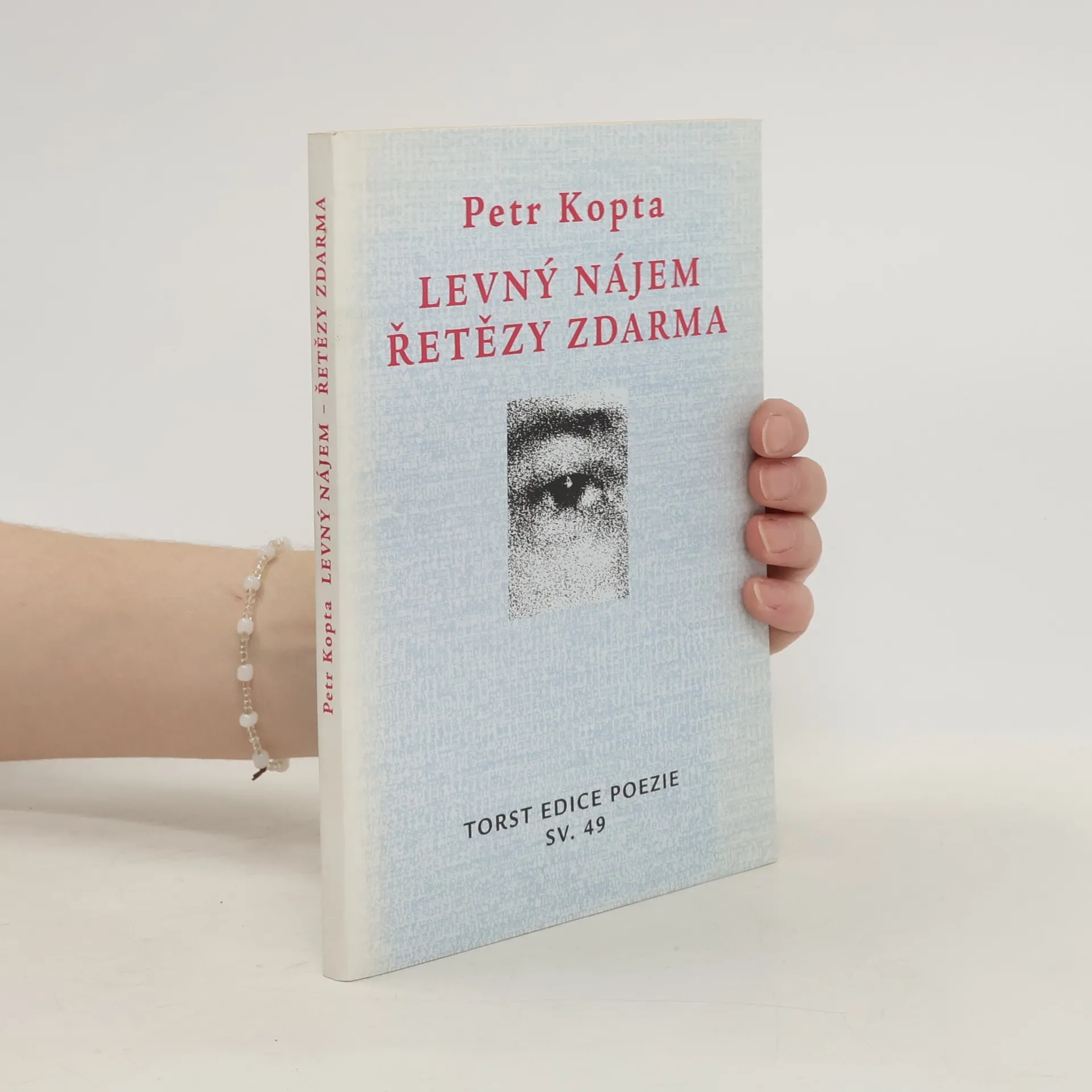
Levný nájem. řetězy zdarma
- 91bladzijden
- 4 uur lezen
Kniha básní významného překladatele (1927–1983), známého jedinečným přebásněním básní V. Huga, G. Apollinaira, P. Verlaina, A. de Musseta a mnoha dalších. Kniha, kterou z básníkovy pozůstalosti uspořádal, k vydání připravil a ediční poznámkou opatřil Vratislav Färber, shrnuje Koptovy básně ze 40. let, básně vězeňské (v 50. letech byl P. Kopta vězněn), cyklus palachovských básní z roku 1969, příležitostné básně satirické a nepoklesle angažované verše z doby, kdy se Petr Kopta stal signatářem Charty 77. Básně doplňuje několik autorových próz a dokumentárních textů.
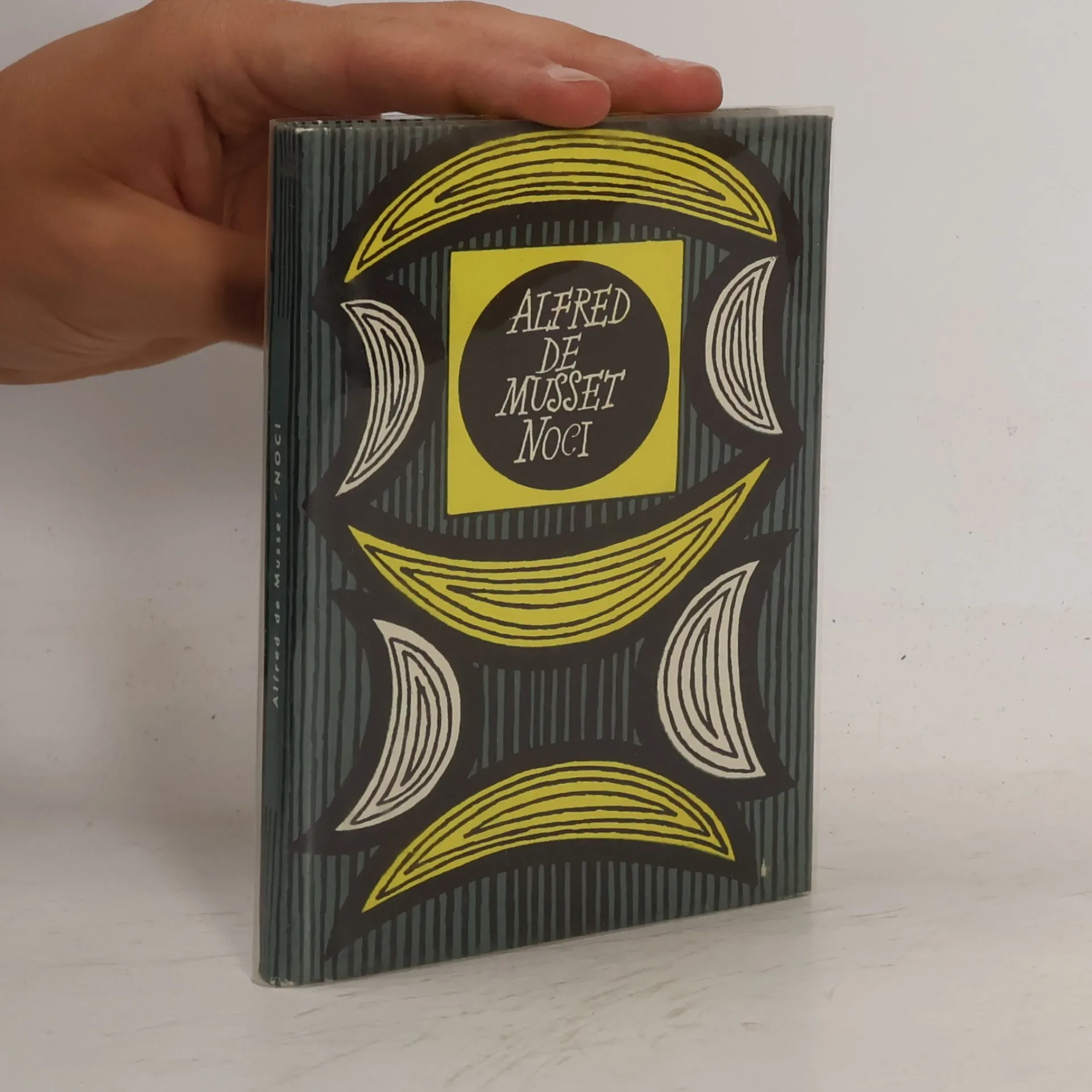
Sbírka milostné lyriky jednoho z předních představitelů francouzského romantismu, jejíž některé verše byly inspirovány G. Sandovou. Charakter této lyriky jako lyriky milostné se vymyká tradicím žánru; autor zde neuvádí konkrétní životní fakta a omezuje se jen na duševní prožívání. Vetřech Nocích (Květnová noc, Srpnová noc, Říjnová noc) volí formu rozhovoru s nemytologicky pojatou Múzou, blízkou spíše nějaké ideální ženské bytosti. Vrcholným tématem tohoto cyklu je vztah mezi bolestí a tvůrčí činností. Básník zde odhaluje, že zdrojem poezie je daleko více bolest než poklidné štěstí.
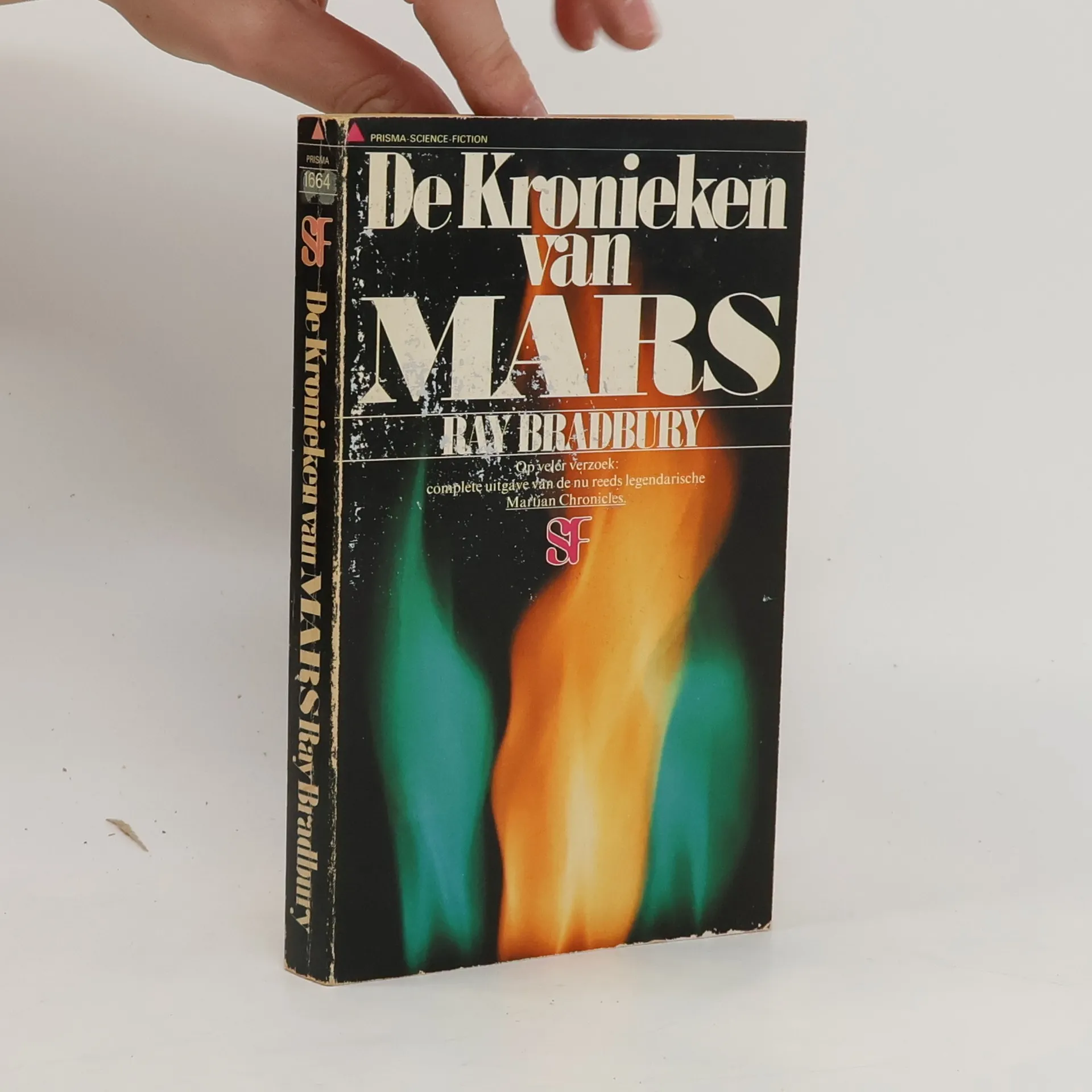
De Kronieken van Mars
- 224bladzijden
- 8 uur lezen
Dit boek van Ray Bradbury verzamelt een reeks fantastische "chronieken" die de verovering en daaropvolgende kolonisatie van Mars door een voornamelijk Amerikaanse mensheid beschrijven, tussen 1999 en 2026: het jaar waarin de uitbraak van een atoomoorlog de aardbewoners terugroept naar hun planeet. Het oude Mars blijft dan opnieuw verlaten en woest, met de brede en krachtige stromen van zijn mysterieuze, millenniaoude kanalen, en zijn immense zeeën zonder leven, waarover de grote zeilschepen van de laatste marsbewoners varen - wezens die lijken op schimmen, schaduwen en larven van een beschaving die de aardbewoners niet hebben kunnen zien of begrijpen. Met "De Kronieken van Mars" is een nieuwe, originele schrijver geboren, voor wie sciencefiction slechts een voorwendsel is om zijn fantasie de vrije loop te laten, en in dit geval, om te protesteren tegen het leven van vandaag dat, met te veel materialisme en commercialisme, het poëtische en sprookjesachtige element van de mens en zijn geschiedenis dreigt te vernietigen.
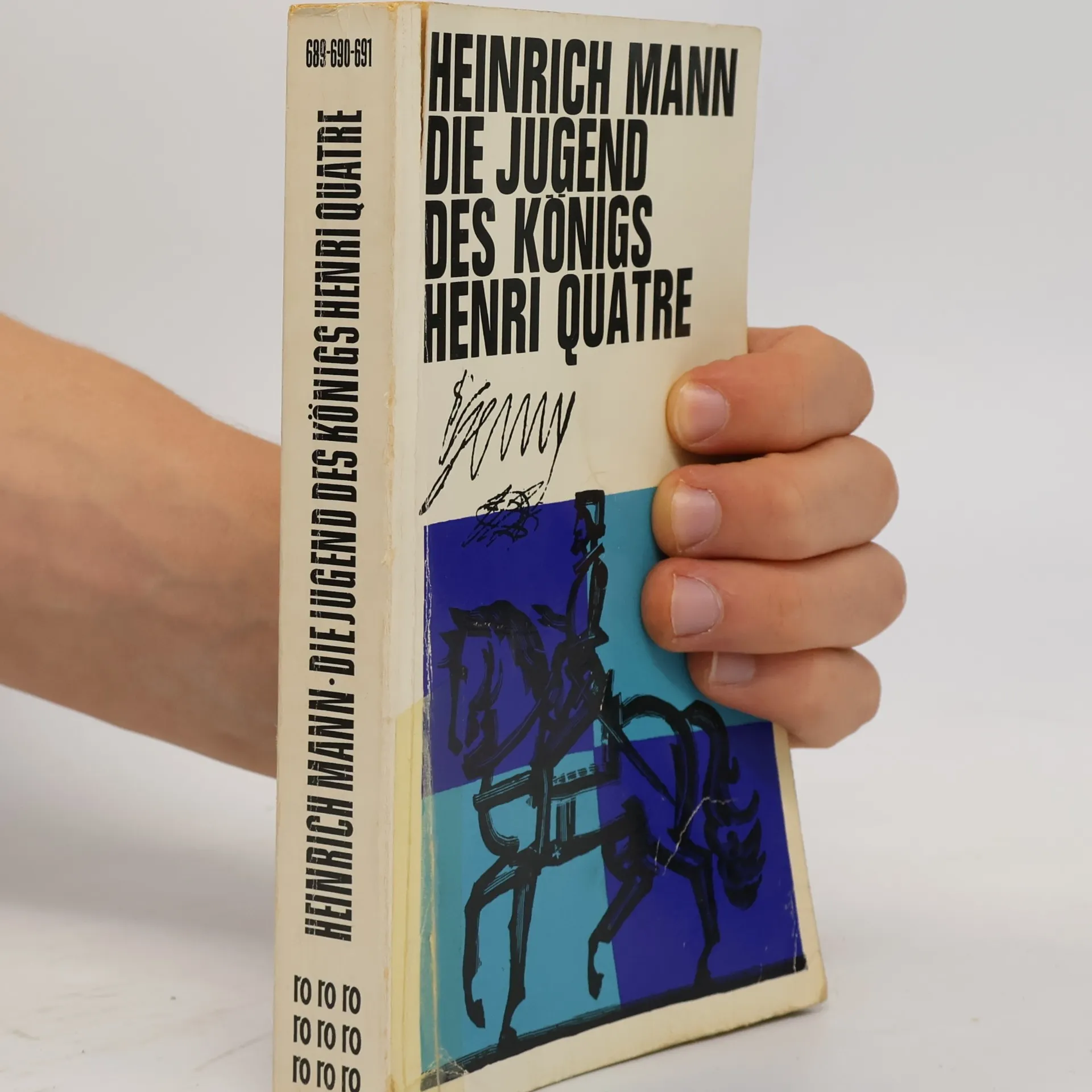
Heinrich Mann, war der älteste Bruder Thomas Manns, wurde am 27. März 1871 als Sohn eines Lübecker Senators, Großkaufmanns und Reeders geboren. Dem Spötter seiner Zeit, dem radikalen Demokraten und leidenschaftlichen Kämpfer gegen den Nationalsozialismus wurde, wie vielen anderen Autoren, 1933 das bittere Schicksal der Emigration zuteil, in der er noch vor einer erhofften Rückkehr in die neugegründete DDR am 12. März 1950 in Los Angeles starb. Sein Werk umfasst zwanzig Romane, sechs Novellenbände, sieben Esaybände, mehrere Dramen und Hunderte von zeitkritischen Aufsätzen sowie den autobiografischen Band «Ein Zeitalter wird besichtigt». Berühmt wurde er nicht zuletzt durch seinen Roman «Professor Unrat», der unter dem Titel «Der blaue Engel» mit Emil Jannings und Marlene Dietrich verfilmt wurde. Heinrich Manns Werk ist durch Balzac, Stendhal, Zola und Anatole France beeinflusst. Seine schriftstellereische Entwicklung führte vom Spätimpressionismus seiner berühmten Satire auf die Berliner Gründerzeit und ihre Gesellschaft «Im Schlaraffenland» und dem Renaissance-Romann «Die Göttinen» schließlich zu seinem meisterlichen Spätwerk «Die Jugend des Königs Henri Quatre» und «Die Vollendung des Königs Henri Quatre», das an der Gestalt eines vorbildlichen Volkskönigs die Probleme Macht und Humanität diskutiert.
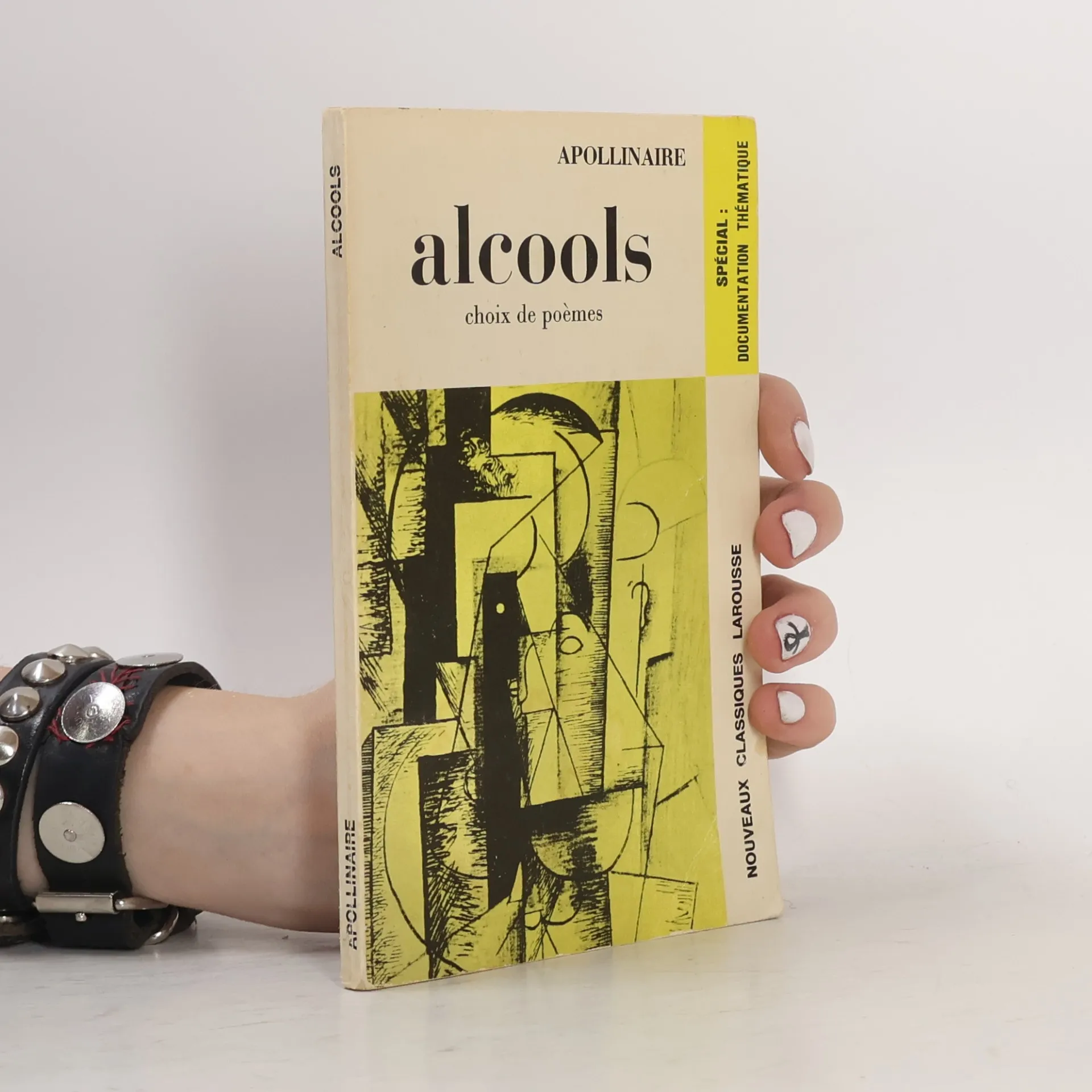
Alcools
Choix de poemes
Ce recueil rassemble certains des plus beaux poèmes d'Apollinaire, écrits entre 1898 et 1913. De "Zone" à "Colchiques", il y célèbre la beauté du monde moderne, la ville et son énergie, et y chante la mélancolie, la souffrance amoureuse du "Mal-Aimé". Créant une nouvelle orientation poétique qui annonce le surréalisme, écrit de la fin du symbolisme à la veille de la Première Guerre mondiale, cet ouvrage marque la naissance de la poésie moderne.
Básnická skladba francouzského klasika z r. 1880, jejímž základním motivem je Verlainova dočasná konverze na katolickou víru.
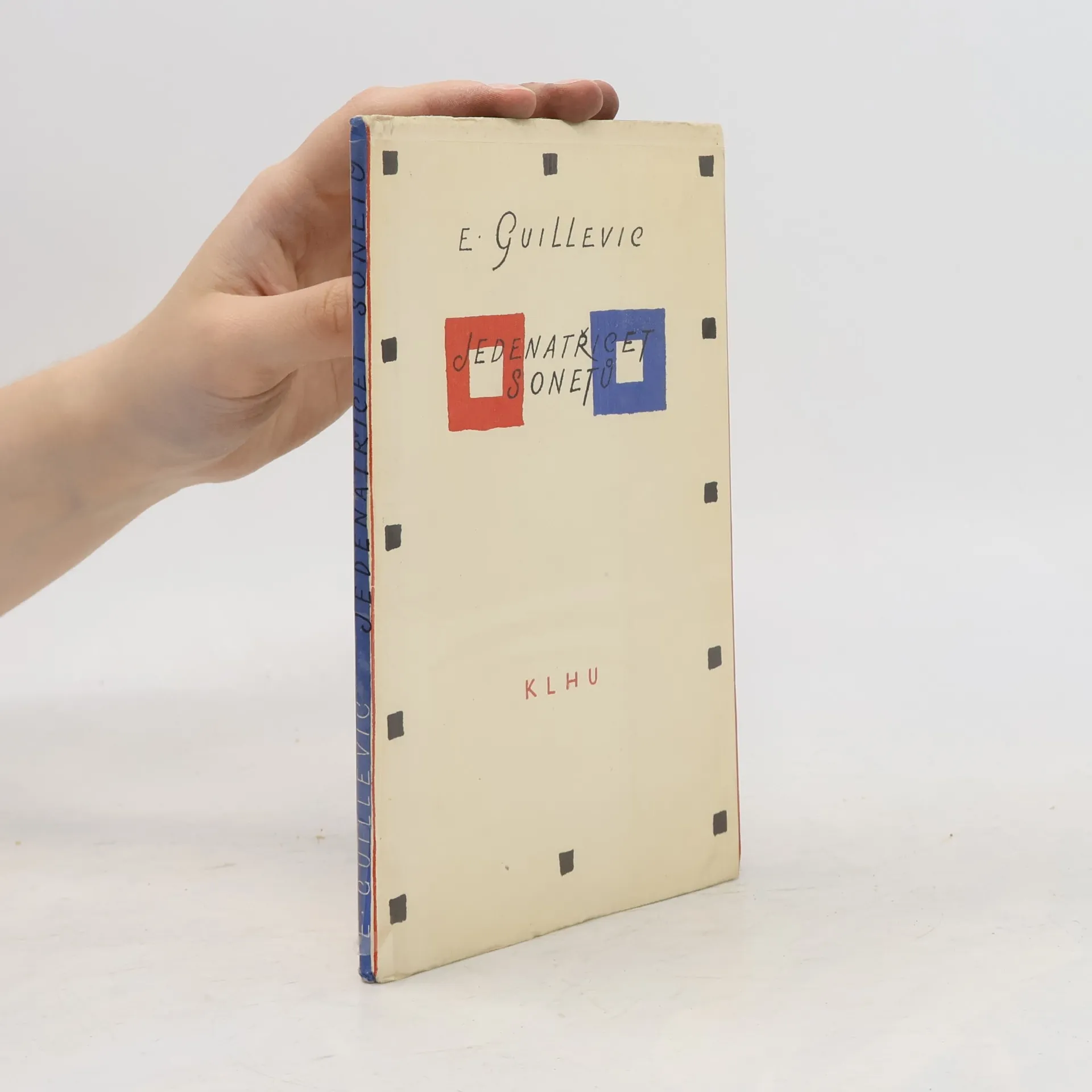
Sbírka sonetů francouzského pokrokového básníka, jehož původní výrazovou formou byl volný verš. Sbírka obsahuje několik skupin znělek (Lidem zítřka, Aféry, O sonetu, Jacquelině) i sonety se samostatnou tematikou. Jde tu vesměs o básně, v nichž se autor klasickou formou verše vyrovnává s některými otázkami současného společenského života, mezinárodní situace i s otázkami vlastního názoru na budoucnost lidstva. S předmluvou Aragonovou. [Guillevic knihu nechtěl vydat znovu.]
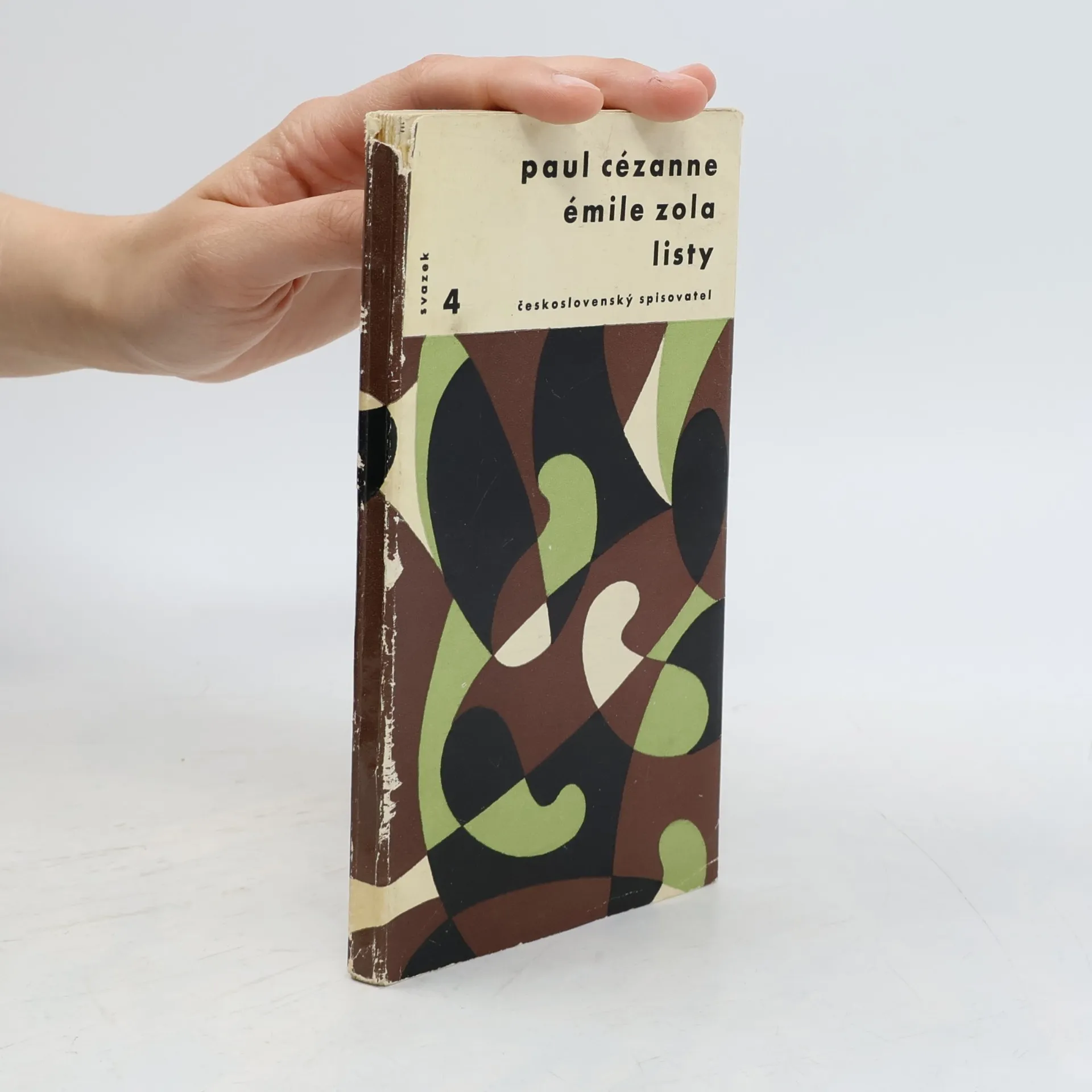
Výběr korespondence Zoly a Cézanna sestavený Binderem. Listy podávají obraz o jednotlivých fázích myšlenkového a uměleckého vývoje i životních osudů obou přátel. K dopisům jsou připojeny poznámky, zaznamenávající nejdůležitější události ze života i prostředí obou slavných umělců.
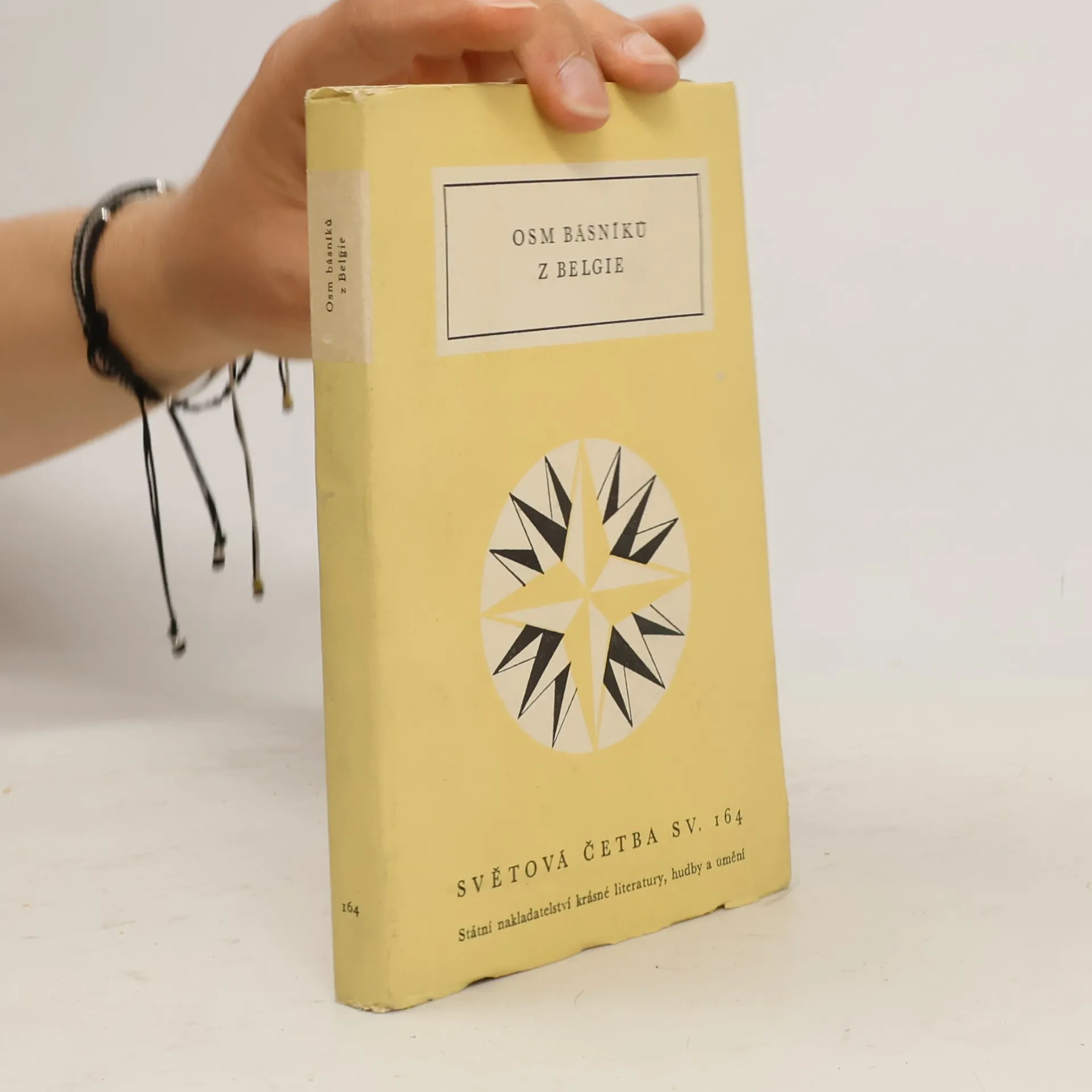
Antologie přináší charakteristické ukázky z tvorby básníků vrcholného období belgické poesie, tj. z poslední třetiny min. století až první třetiny našeho století. Zastoupeni jsou tito básníci: Émile Verhaeren (1855–1916), Georges Rodenbach (1855–1898), Maurice Maeterlinck (1862–1949),Charles van Lerberghe (1861–1907), Max Elskamp (1862–1931), Albert Mockel (1866–1945), Jules Delâcre (1882–1954) a Odilon-Jean Périer (1901–1928).
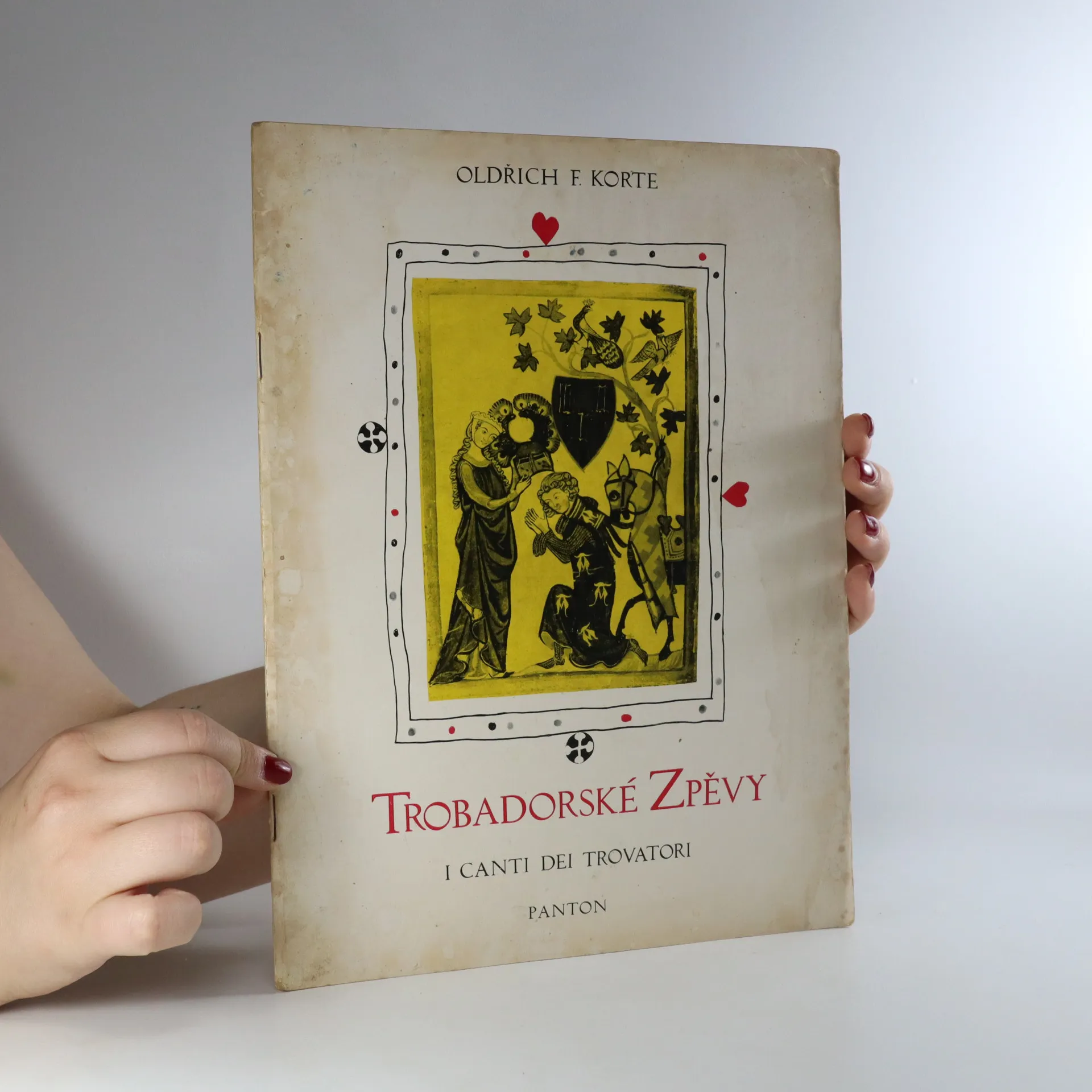
Výbor z poezie okcitánských trobadorů, v níž byly položeny základy evropské dvorské milostné lyriky i zárodky mariánského kultu a jež představuje prapůvodní podhoubí všech romantických koncepcí vztahu mezi mužem a ženou staré Evropy, shrnuje básnicky výsostné překlady Emanuela Frynty a Petra Kopty.