

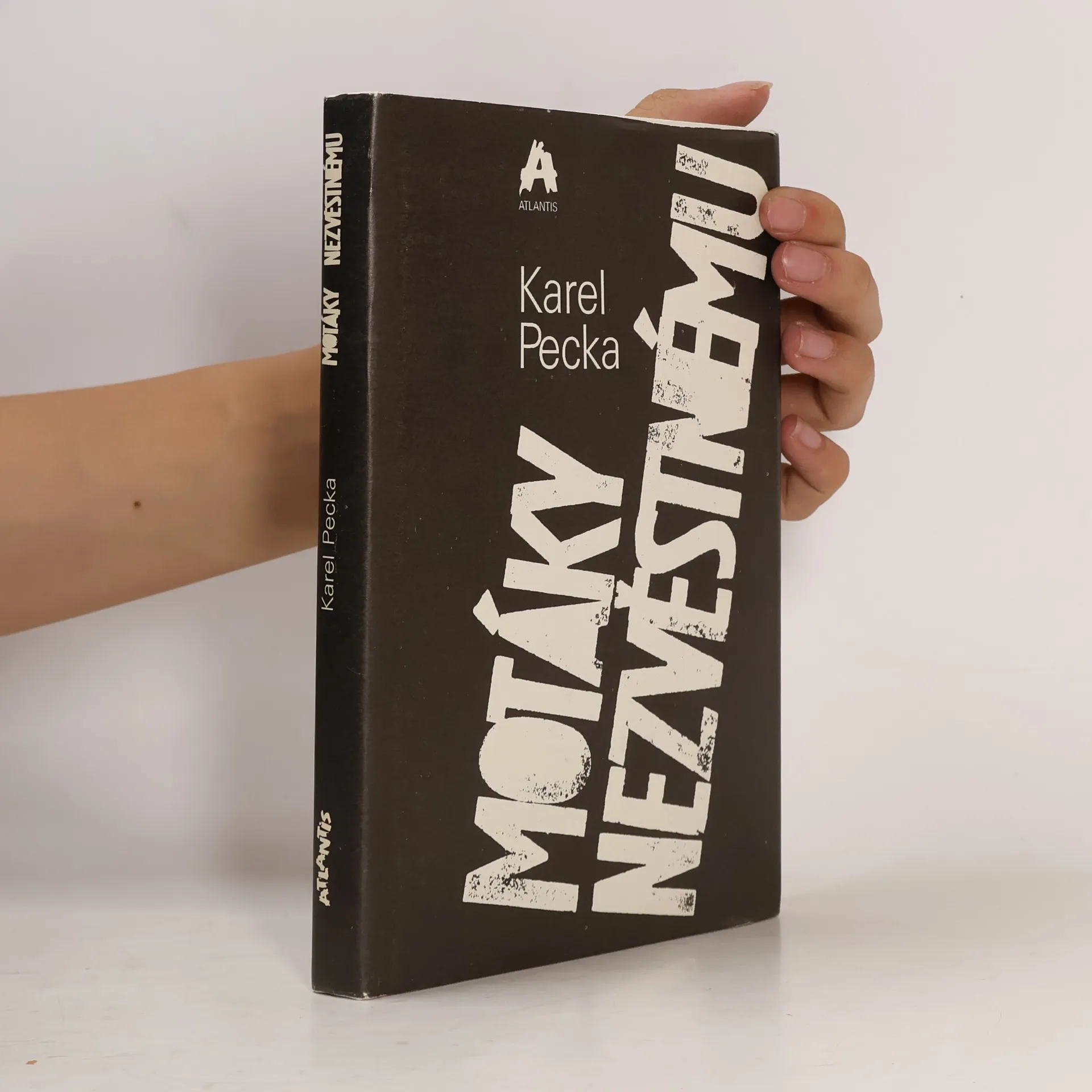
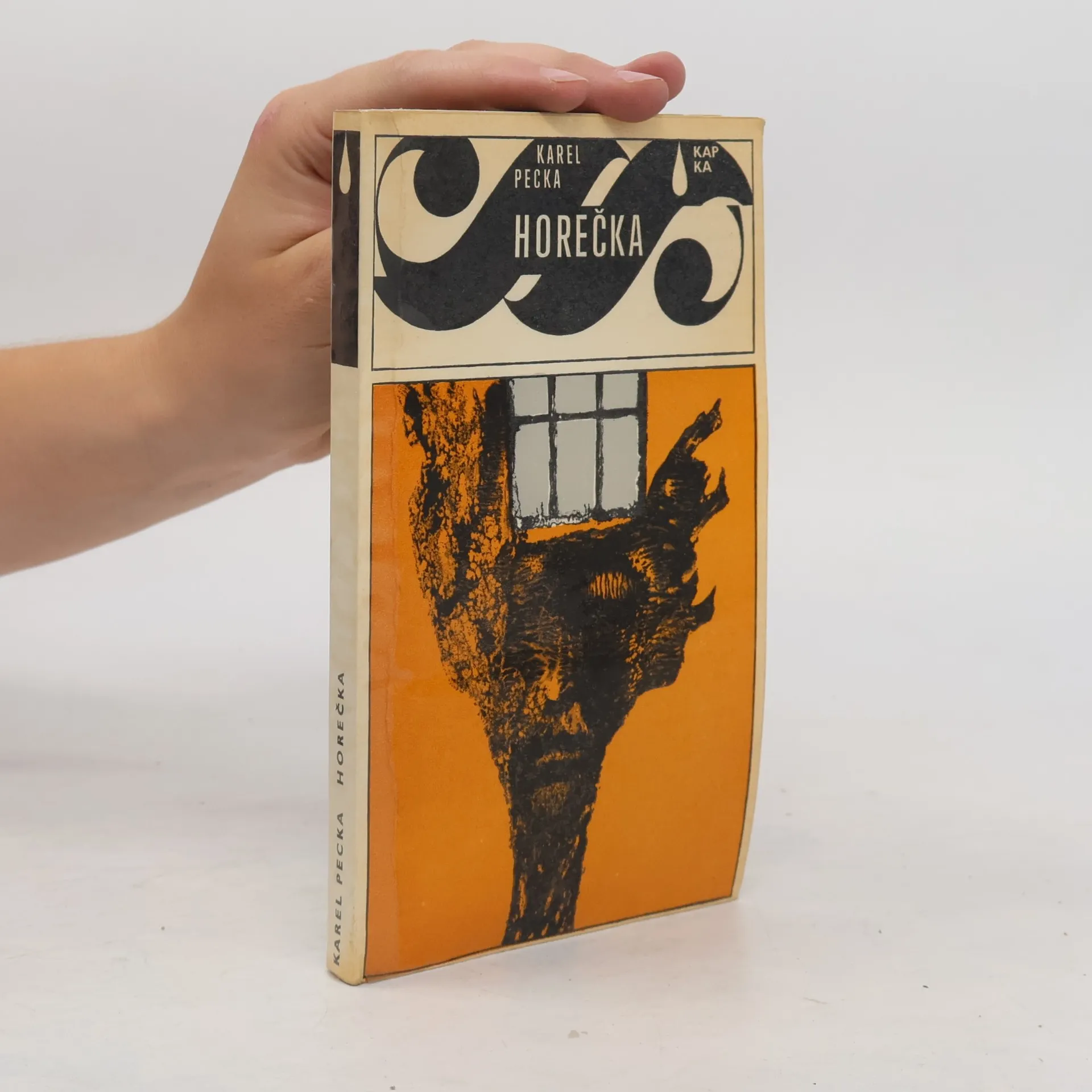
Román vypráví o uprchlém vězni, jenž však na svobodě neunese konfrontaci s charakterovou labilitou vlastní a svých přátel.
Miloš Kotek Boeken
Motáky nezvěstnému
- 399bladzijden
- 14 uur lezen
Román se opírá o autorovy autentické zážitky: strávil léta v československém koncentračním táboře a podal obraz muže, který ve vězeňských podmínkách zápasí o to, aby zůstal člověkem. Autor bývá nazýván českým Solženicynem a jeho kniha je ojedinělá i v souvislosti evropských literatur.
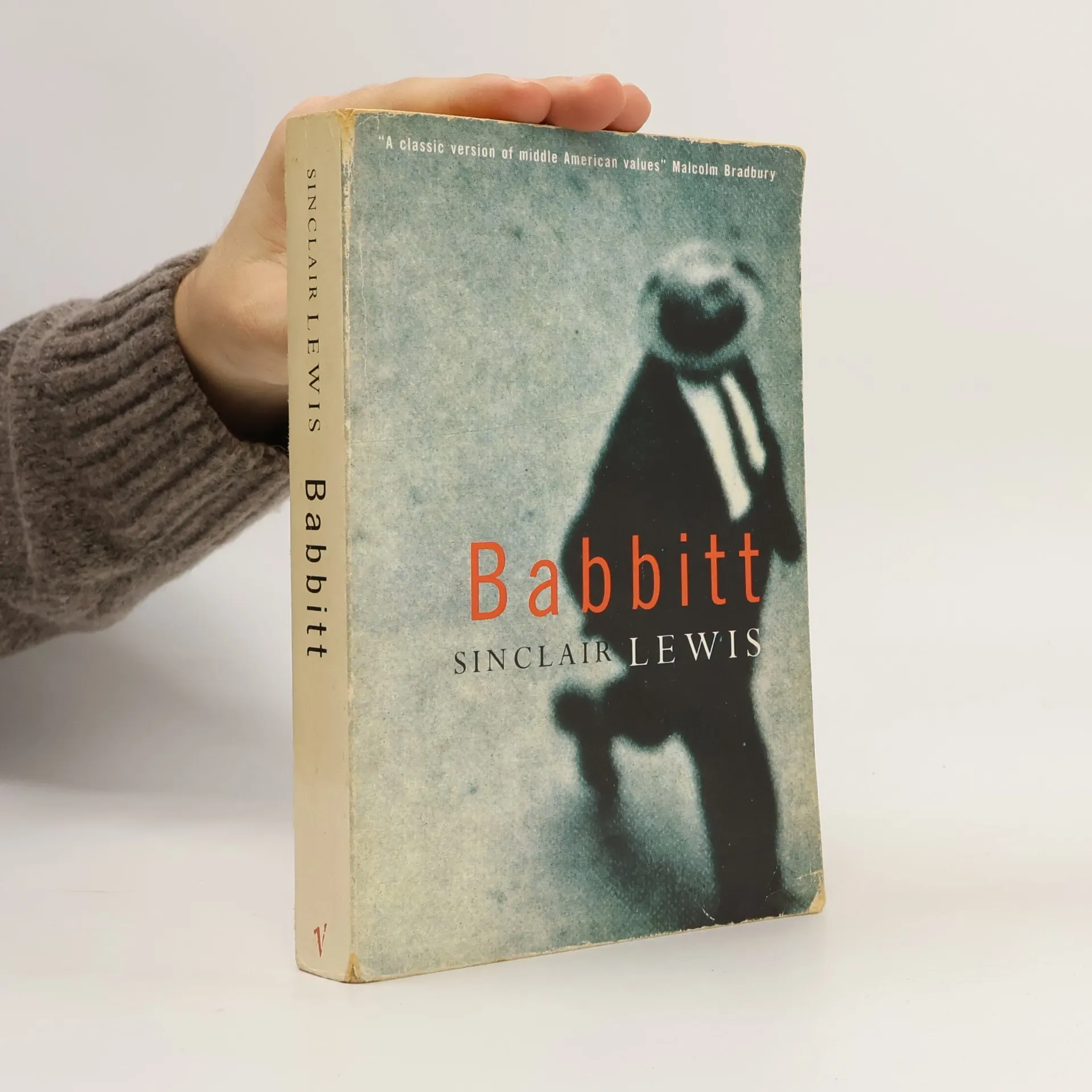
Babbitt
- 384bladzijden
- 14 uur lezen
Businessman George F Babbitt loves the appliances, brand names and the Republican party. But Babbitt comes to resent the middle class trappings he has worked so hard to acquire. Realising that his life is devoid of meaning, he grows determined to transcend his trivial existence and search for a greater purpose.
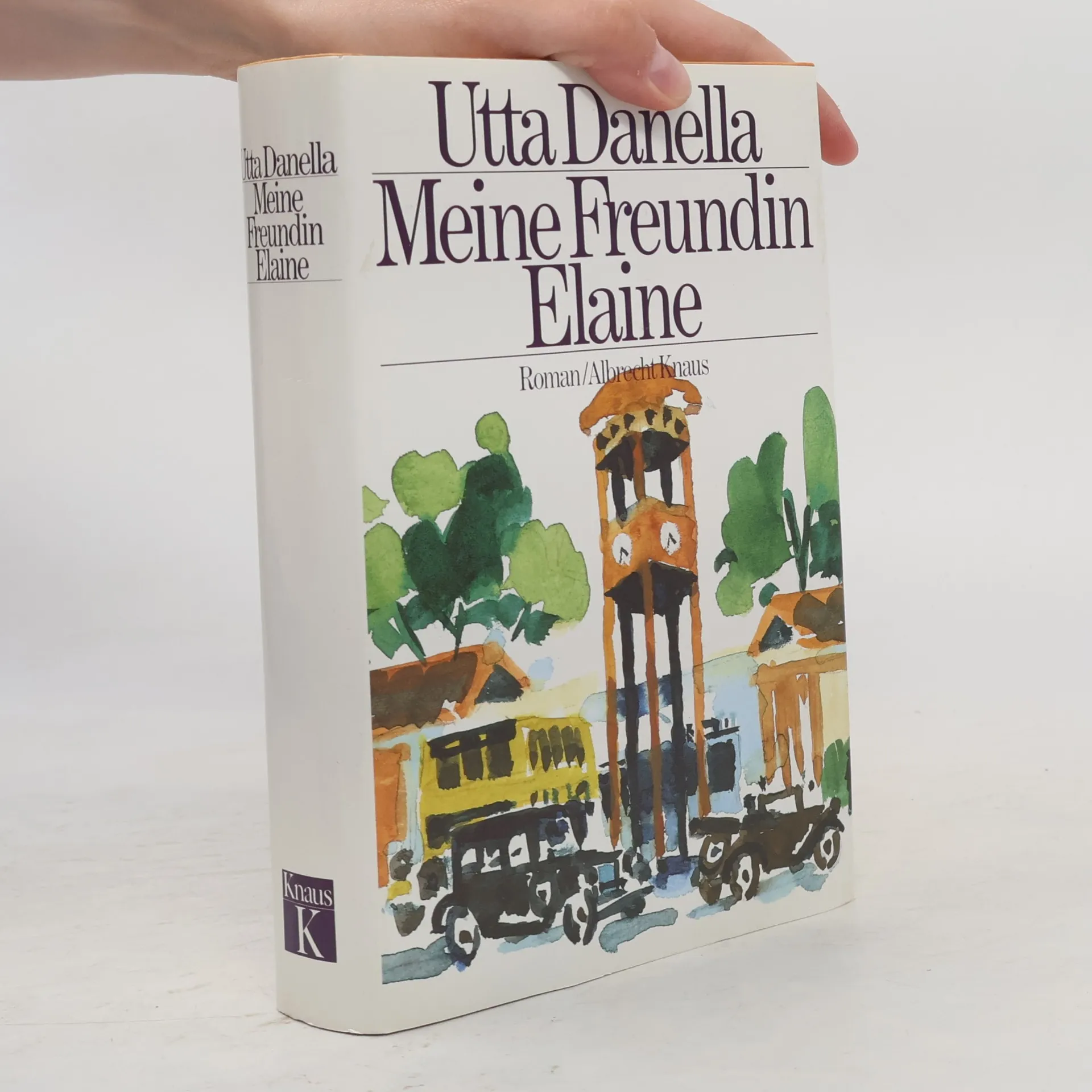
An den Erfahrungen mit ihrer Freundin reift eine junge Frau und Mutter, die 1917 des Kaisers schönsten Leutnant geheiratet hatte und ihm widerwillig auf das Familiengut in Pommern gefolgt war.
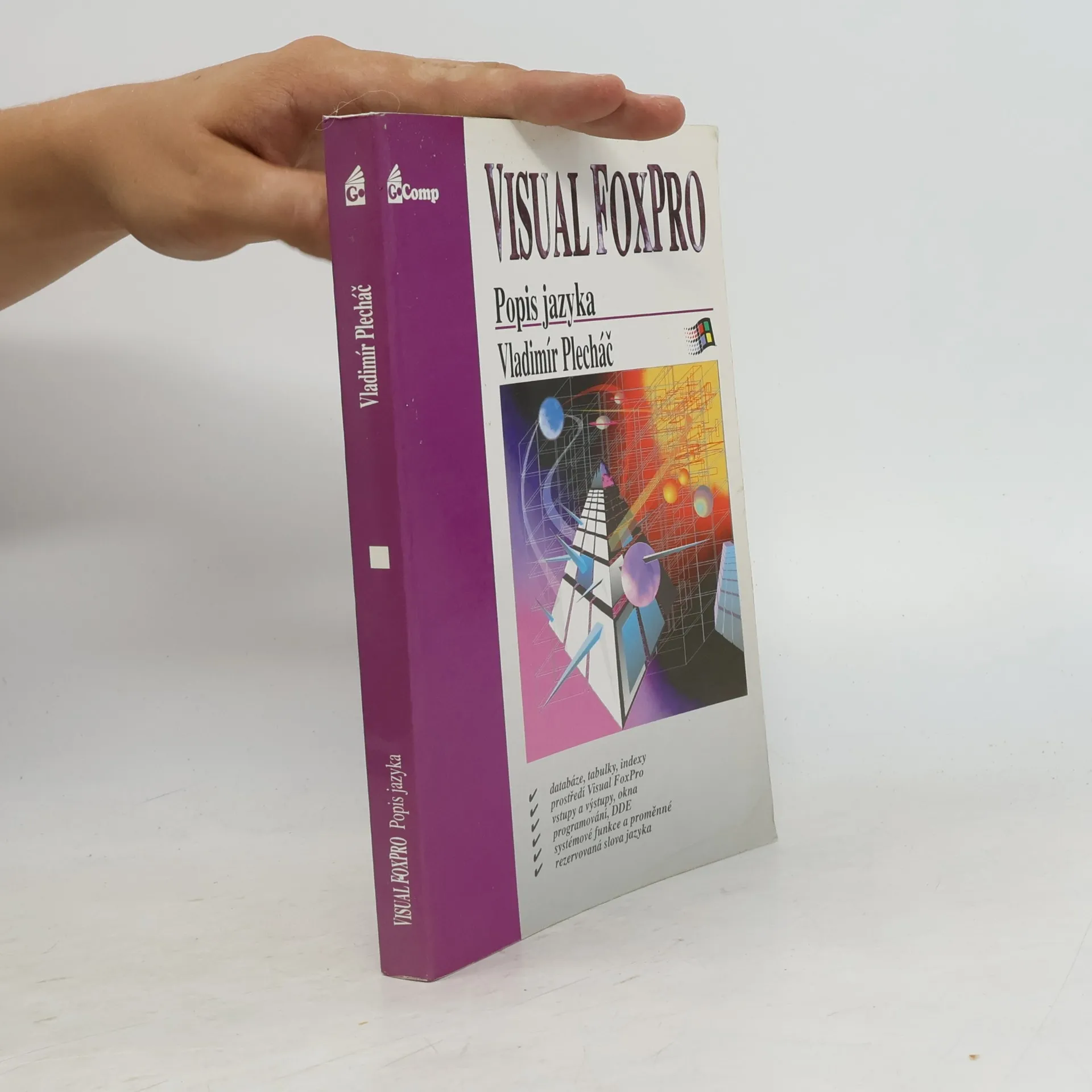
Visual FoxPro 3.0
- 334bladzijden
- 12 uur lezen
popis jazyka, příkazy a funkce