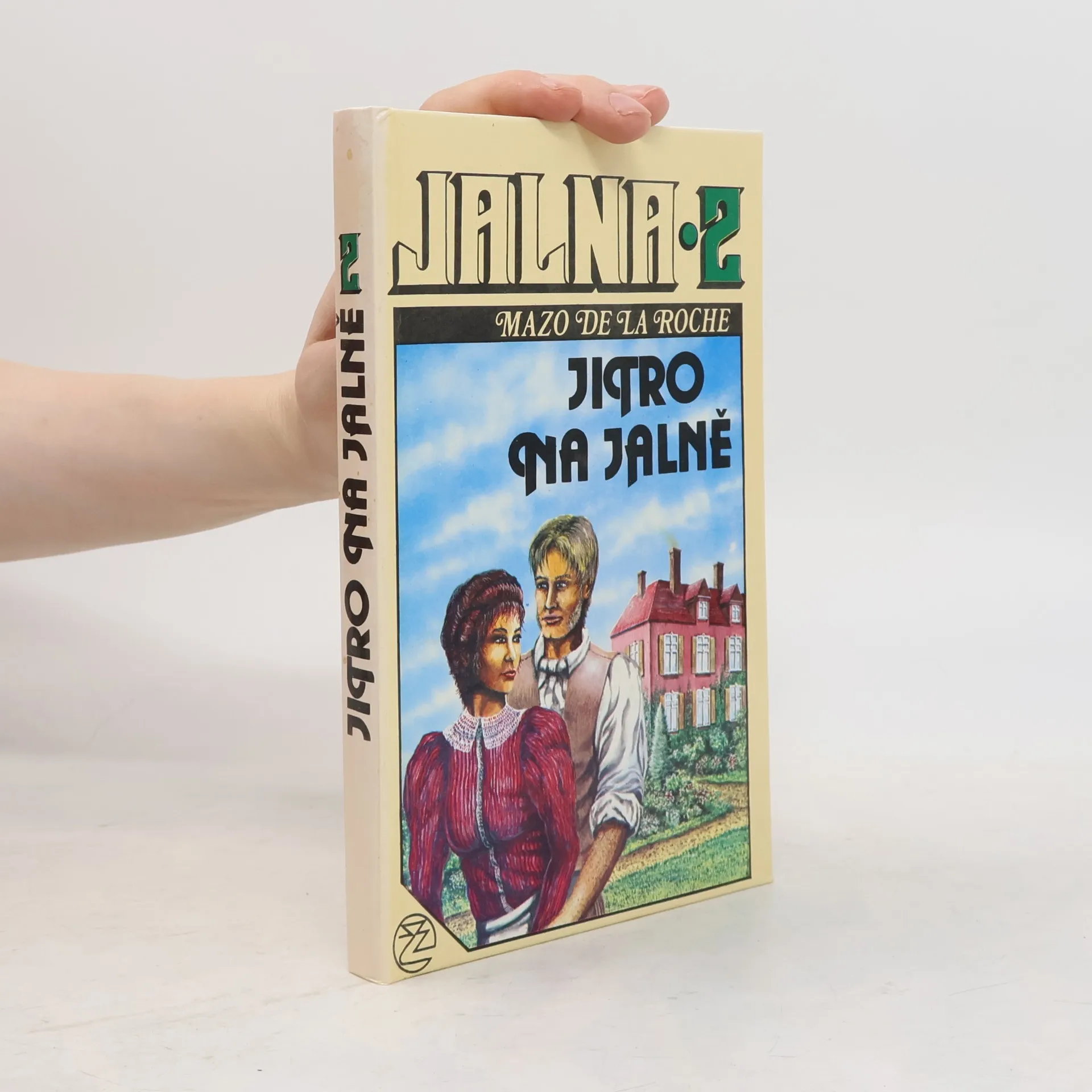
V druhé části osmidílné románové epopeje o osudech irských osadníků v kanadské kolonii je již usedlost Jalna v Ontariu dostavěna a její majitel kapitán Whi- teoak zde žije již se svou početnou rodinou.
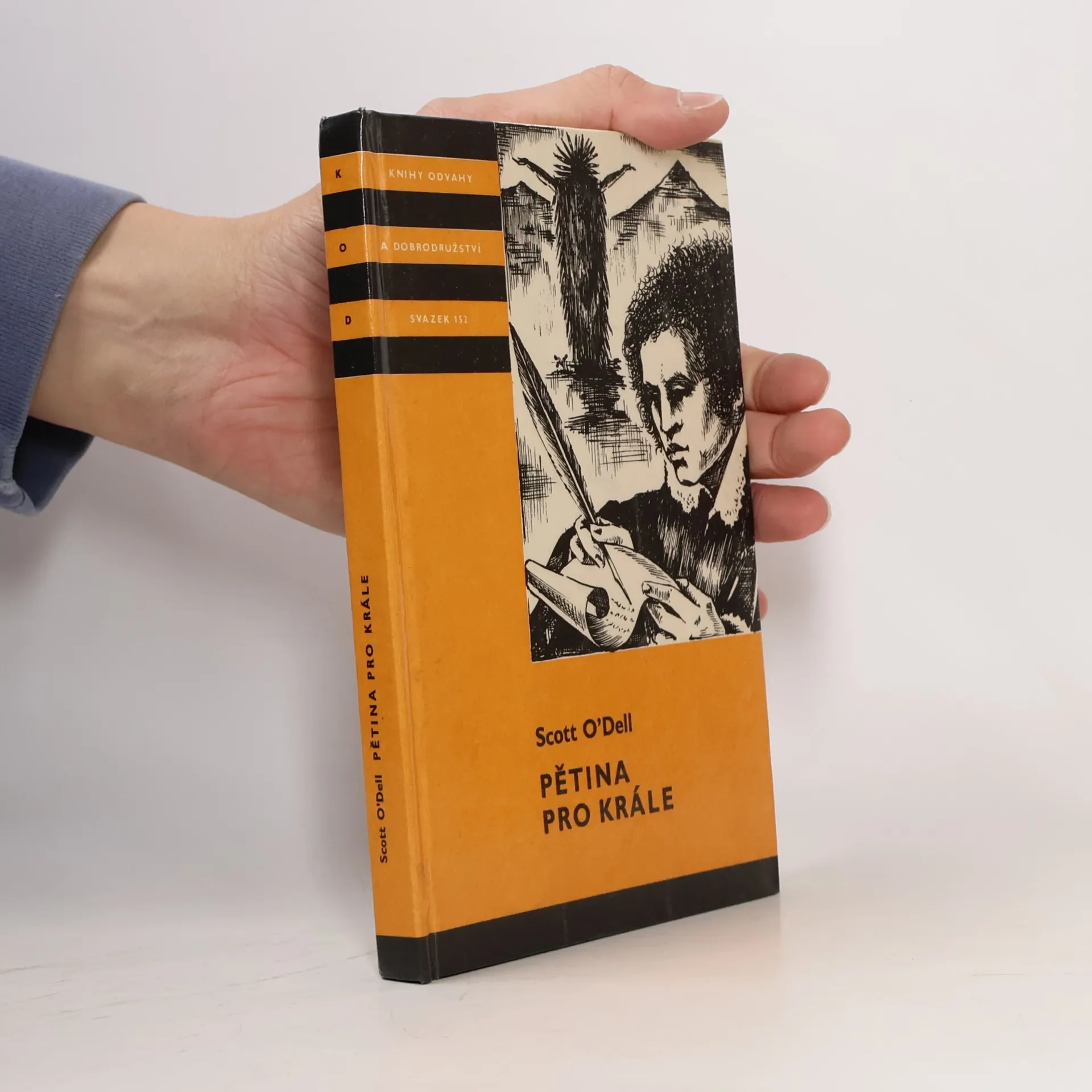
V románě se rozvíjí dobrodružný příběh z dob španělských výbojů v Novém světě v polovině 16. století. Popisuje život a zvyky Indiánů. Citlivě zachycuje vývoj citových vztahů mezi donem Estébanem a mladičkou indiánskou průvodkyní...
Lupič gentleman je, jak dobře vědí zasvěcení čtenáři, trvalým přídomkem Arséna Lupina, ovšem v tomto svazku si čtenáři kromě Lupinova dobrodružství přečtou další dvě detektivky, v nichž se trestného činu dopouštějí velice ctihodní detektivové, neochvějně stojící na stráži zákona – Sherlock Holmes a August Dupin.
Pět excelentních detektivních příběhů, jejichž autory jsou detektivní esa: John Dickson Carr, Ngaio Marshová, Nicolas Blake, Margery Allinghamová a Anthony Armstrong.
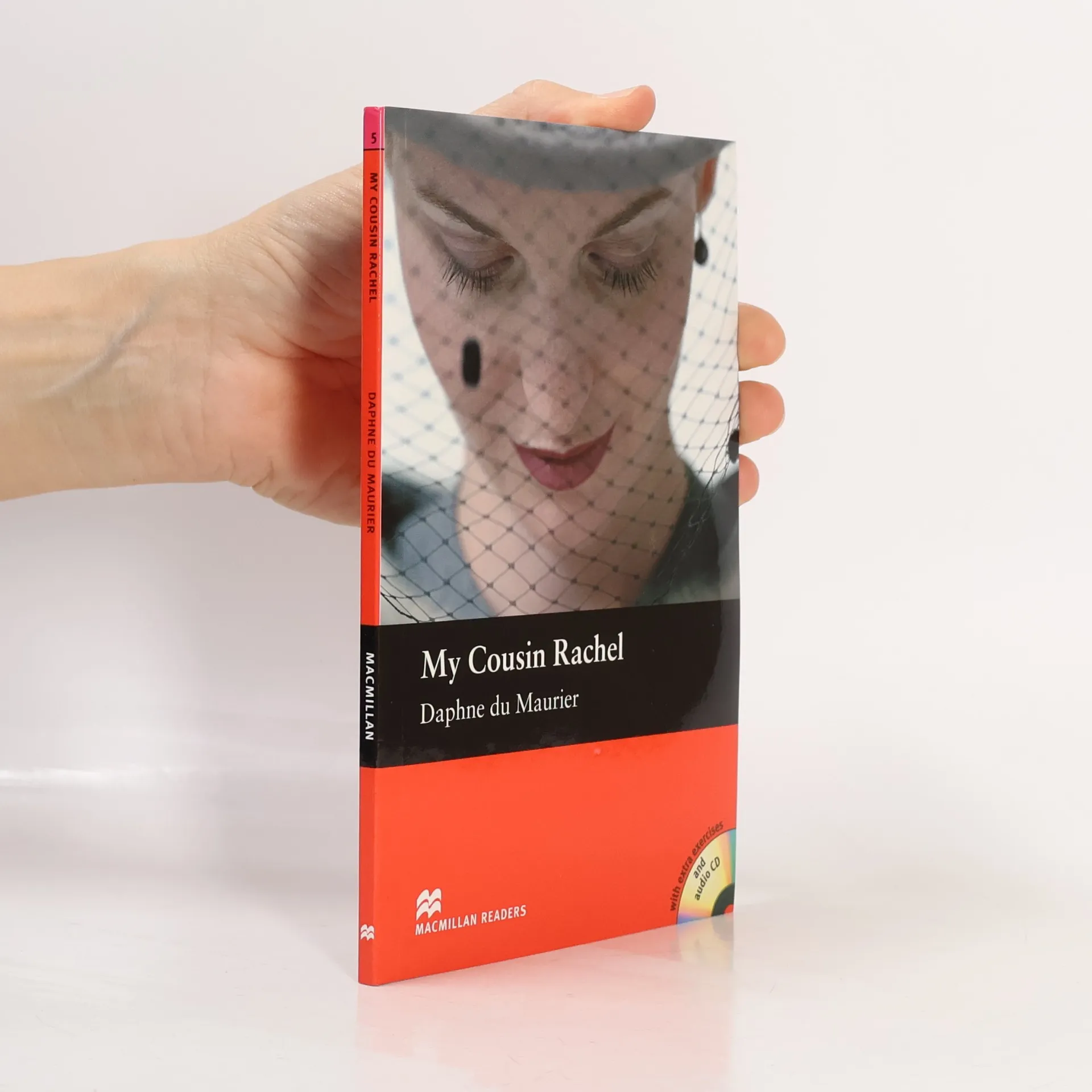
"From the first pagethe reader is back in the moody, brooding atmosphere of Rebecca." The New York Times "From the bestselling author of Rebecca, another classic set in beautiful and mysterious Cornwall."Philip Ashley's older cousin Ambrose, who raised the orphaned Philip as his own son, has died in Rome. Philip, the heir to Ambrose's beautiful English estate, is crushed that the man he loved died far from home. He is also suspicious. While in Italy, Ambrose fell in love with Rachel, a beautiful English and Italian woman. But the final, brief letters Ambrose wrote hint that his love had turned to paranoia and fear.Now Rachel has arrived at Philip's newly inherited estate. Could this exquisite woman, who seems to genuinely share Philip's grief at Ambrose's death, really be as cruel as Philip imagined? Or is she the kind, passionate woman with whom Ambrose fell in love? Philip struggles to answer this question, knowing Ambrose's estate, and his own future, will be destroyed if his answer is wrong. Bonus Reading Group Guide IncludedPRAISE FOR DAPHNE DU MAURIER"Miss du Maurier is... a storyteller whose sole aim is to bewitch and beguile. And in My Cousin Rachel she does both, with Rebecca looking fondly over her shoulder." New York Times"Double-distilled readers' delight." Manchester Guardian
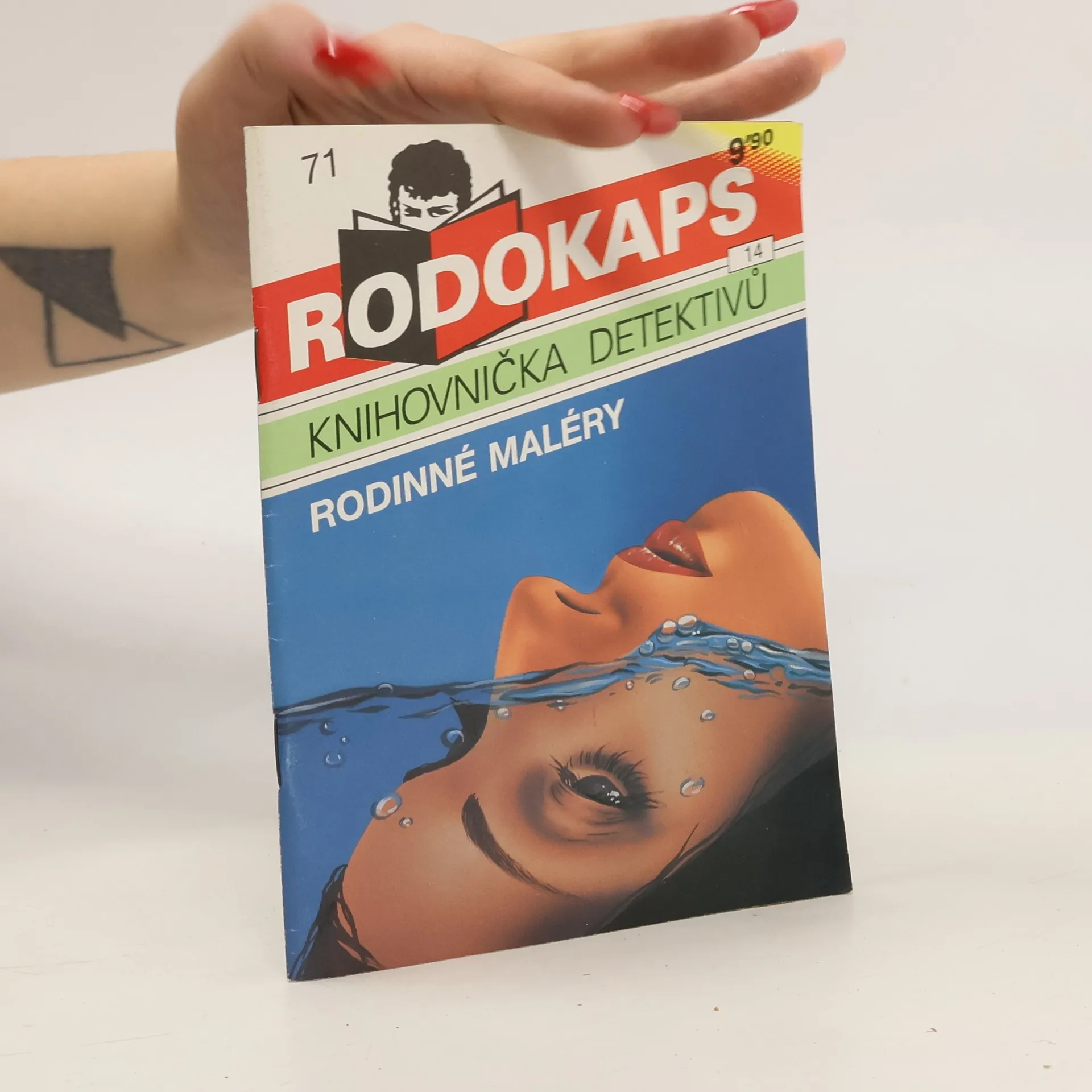
Domov a rodina – opora, jistota, bezpečí a pohoda, se v povídkách amerických detektivních autorů stávají kolbištěm her pramálo rytířských, místem vražedných útoků a smrtelné nenávisti.
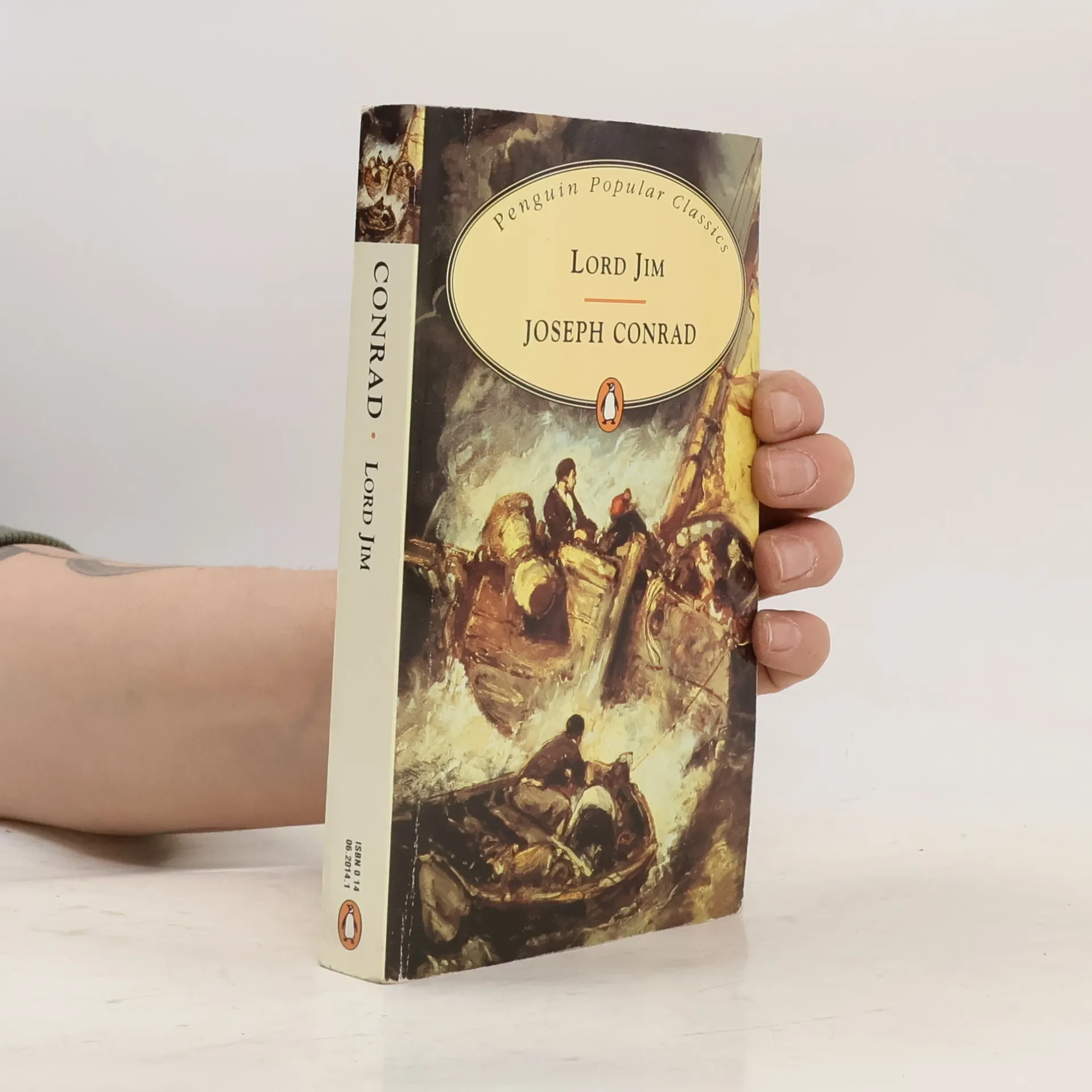
When Lord Jim first appeared in 1900, many took Joseph Conrad to task for couching an entire novel in the form of an extended conversation--a ripping good yarn, if you like. Conrad defended his method, insisting that people really do talk for that long, and listen as well. In fact his chatty masterwork requires no defense--it offers up not only linguistic pleasures but a timeless exploration of morality. The eponymous Jim is a young, good-looking, genial, and naive water-clerk on the Patna, a cargo ship plying Asian waters. He is, we are told, "the kind of fellow you would, on the strength of his looks, leave in charge of the deck." He also harbors romantic fantasies of adventure and heroism--which are promptly scuttled one night when the ship collides with an obstacle and begins to sink. Acting on impulse, Jim jumps overboard and lands in a lifeboat, which happens to be bearing the unscrupulous captain and his cohorts away from the disaster. The Patna, however, manages to stay afloat. The foundering vessel is towed into port--and since the officers have strategically vanished, Jim is left to stand trial for abandoning the ship and its 800 passengers.
A chilling story of ambition, Daphne du Maurier's third novel has lost none of its ability to unsettle and disturb. Julius Lévy has grown up in a peasant family in a village on the banks of the Seine. A quick-witted urchin caught up in the Franco-Prussian War, he is soon forced by tragedy to escape France for Algeria. Once there, he learns the ease of swindling, the rewards of love affairs, and the value of secrecy. Cruel and insensitive, Julius claws his way to the top, caring nothing for others--until his daughter, Gabriel, is born. Julius' attachment to her will become his strongest bond--and his greatest weakness.
Tegen het einde van de achttiende eeuw ondergaat Europa ingrijpende veranderingen door de Franse Revolutie van 1789, die de absolute monarchie ten val brengt en de Eerste Franse Republiek uitroept. Deze omwenteling leidt tot de afschaffing van het feodale systeem en de privileges van adel en geestelijkheid, met als nieuwe motto Vrijheid, gelijkheid en broederschap. Deze constitutionele en ideologische hervormingen gaan gepaard met burgeroorlog en terreur. In deze historische context vertelt Daphne du Maurier in haar in 1963 gepubliceerde roman de geschiedenis van de glasblazersfamilie Busson. De lezer krijgt een inkijkje in de fascinerende wereld van het glasblazersgilde, maar het verhaal is ook een reflectie van Du Mauriers eigen familiegeschiedenis. De vijf kinderen van Mathurin en Magdaleine Busson navigeren door een wereld van vakmanschap, tradities en hiërarchie. Het verhaal wordt verteld door de oudste dochter Sophie, die de kalmte en verantwoordelijkheidsgevoel van haar moeder heeft geërfd. Terwijl haar broers en zus zich inzetten voor de Revolutie, blijft haar oudste broer Robert gefocust op sociale status, wat hem dwingt om Frankrijk te ontvluchten en zijn geluk in Engeland te zoeken. Uiteindelijk blijken de familiebanden sterker dan politieke tegenstellingen, symbolisch weergegeven door een gegraveerde bokaal die van generatie op generatie wordt doorgegeven.
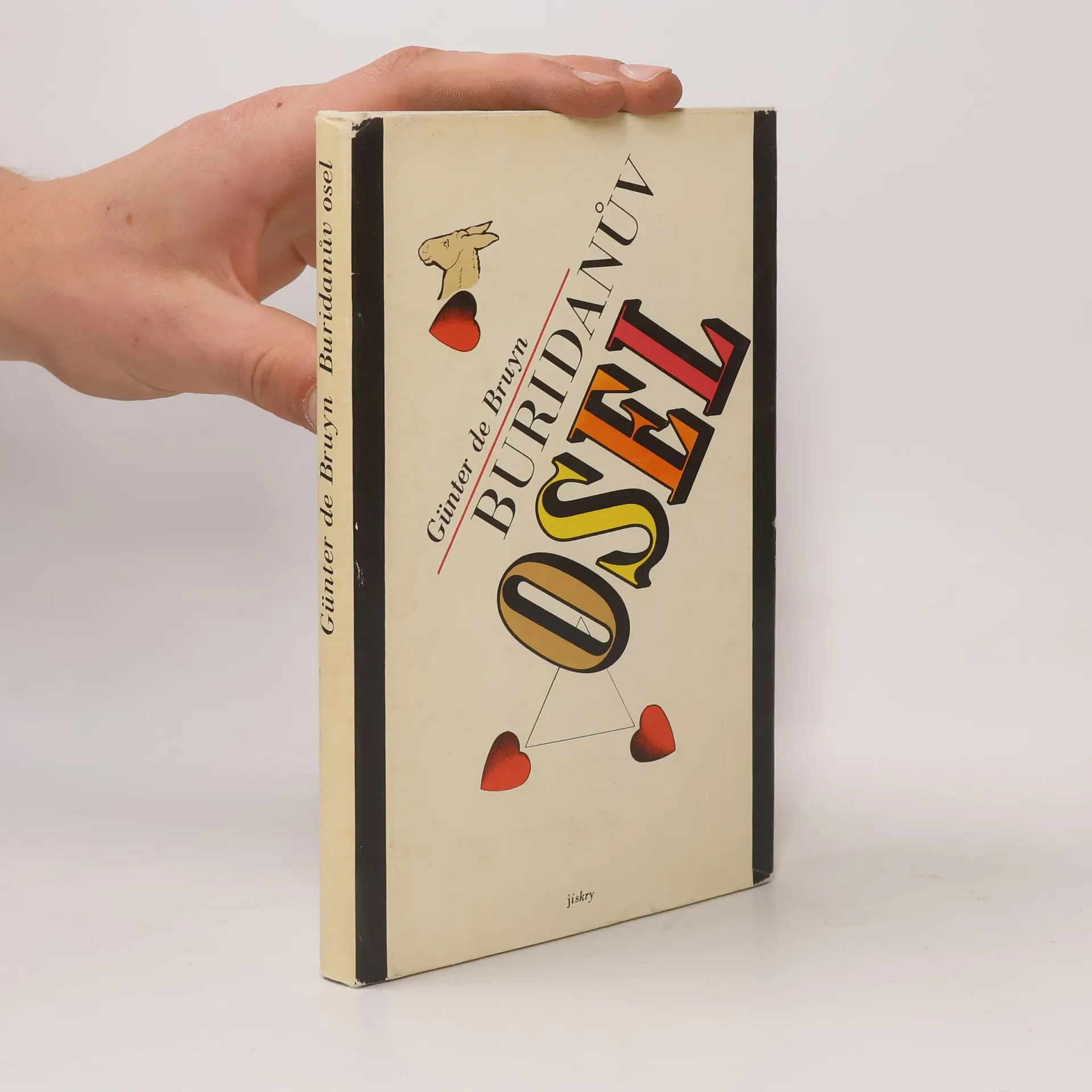
Bajka francouzského filosofa 14. století o oslu, který se nedovedl rozhodnout pro jednu ze dvou otýpek sena a pošel hlady, se stala základem novodobého příběhu o manželském trojúhelníku. Psychologizující román o berlínském knihovníkovi, jeho manželce, rodině a o mladé knihovnické praktikantce, zasazený do současnosti NDR, vyniká vtipem a ironií.
Detektivní příběhy amerických autorů, jejichž hrdinové podle svých sil a možností, ale hlavně vtipem a úskoky vzdorují nemilosrdným zákonům gangsterských band a mafie.
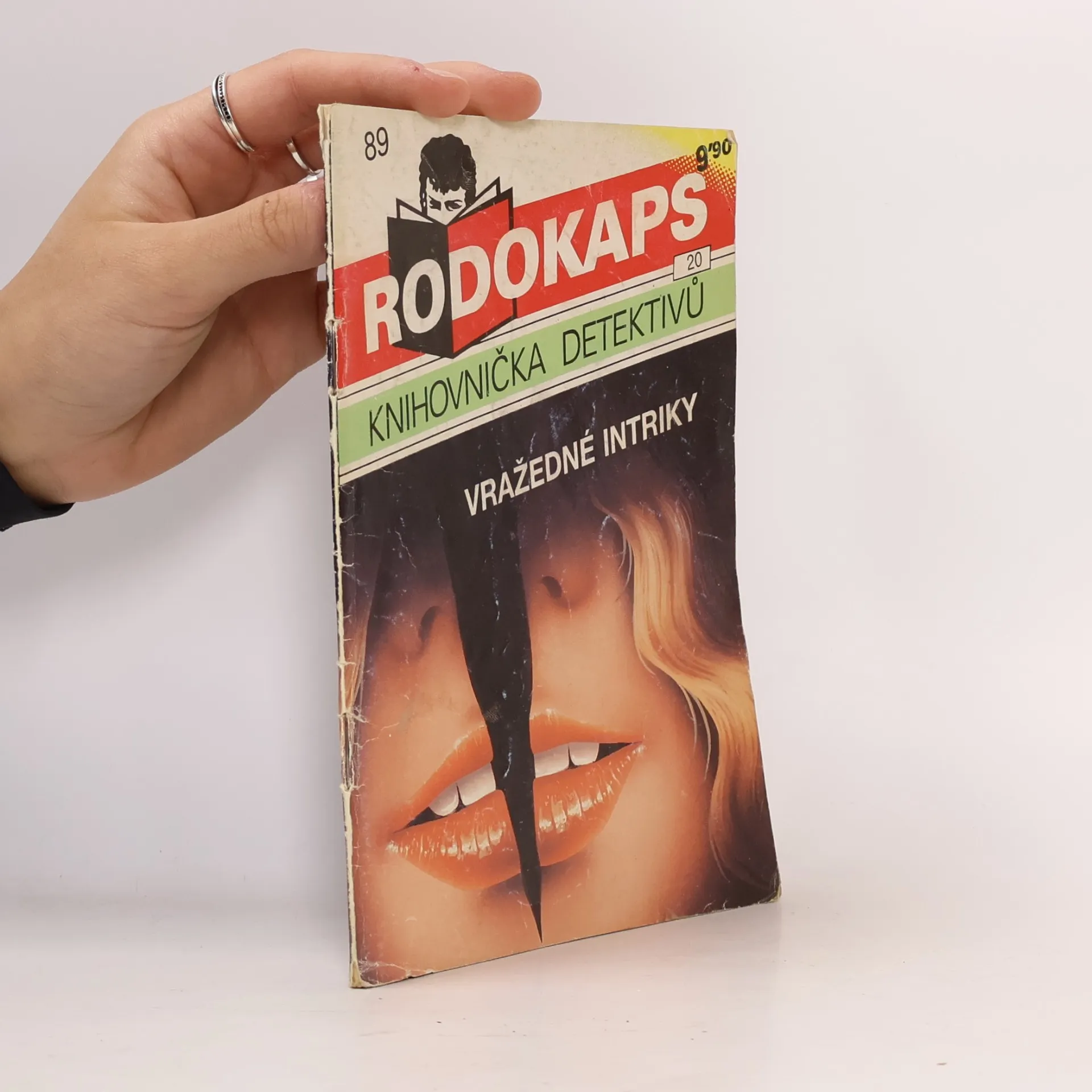
Napínavé příběhy z pera současných anglosaských autorek. Liší se opravdu ženské nazírání na svět, dedukční schopnosti, logika, výběr hrdinů, dějová zápletka, motiv činu i způsob jeho provedení od mužského, jak je známe z knih mužů – detektivkám?