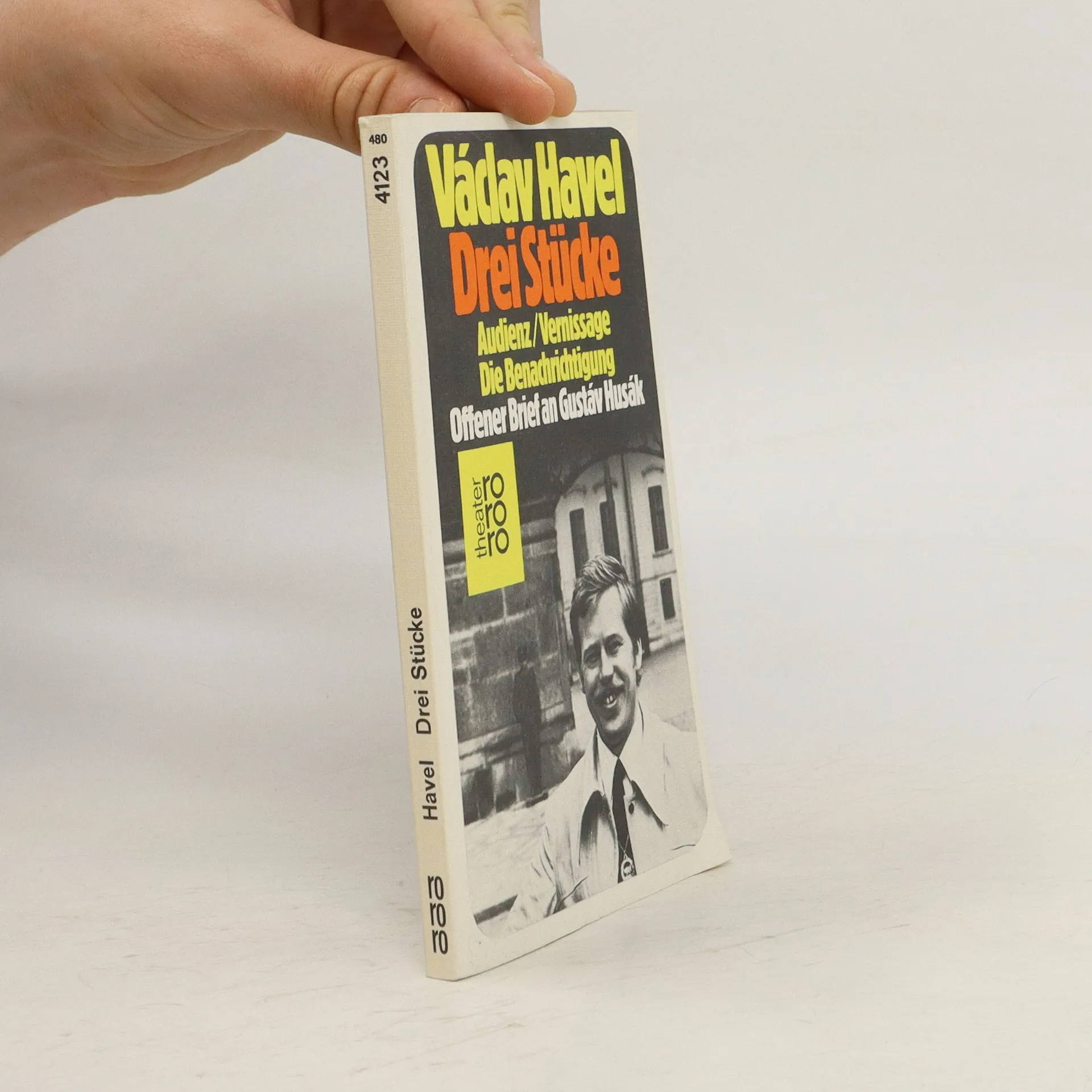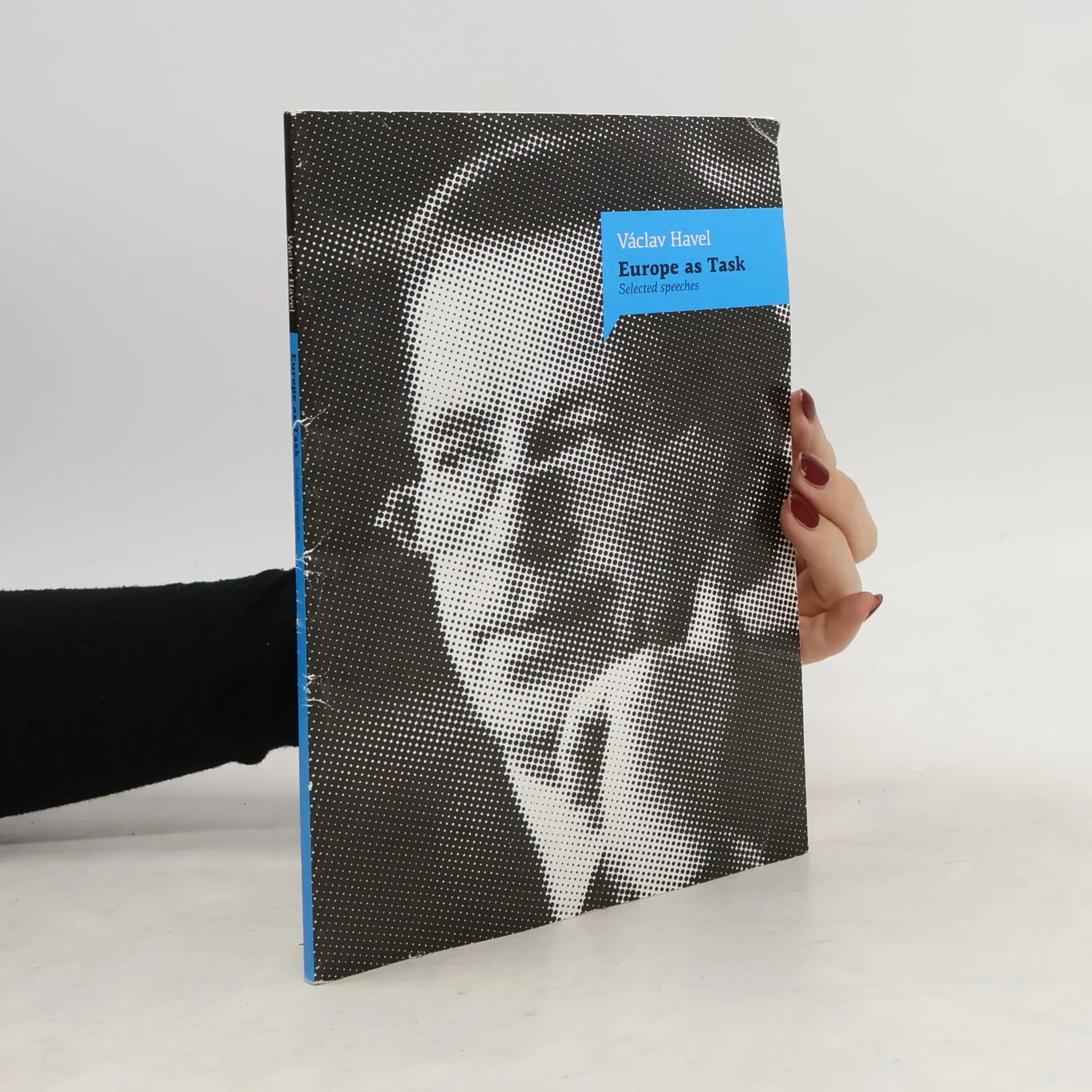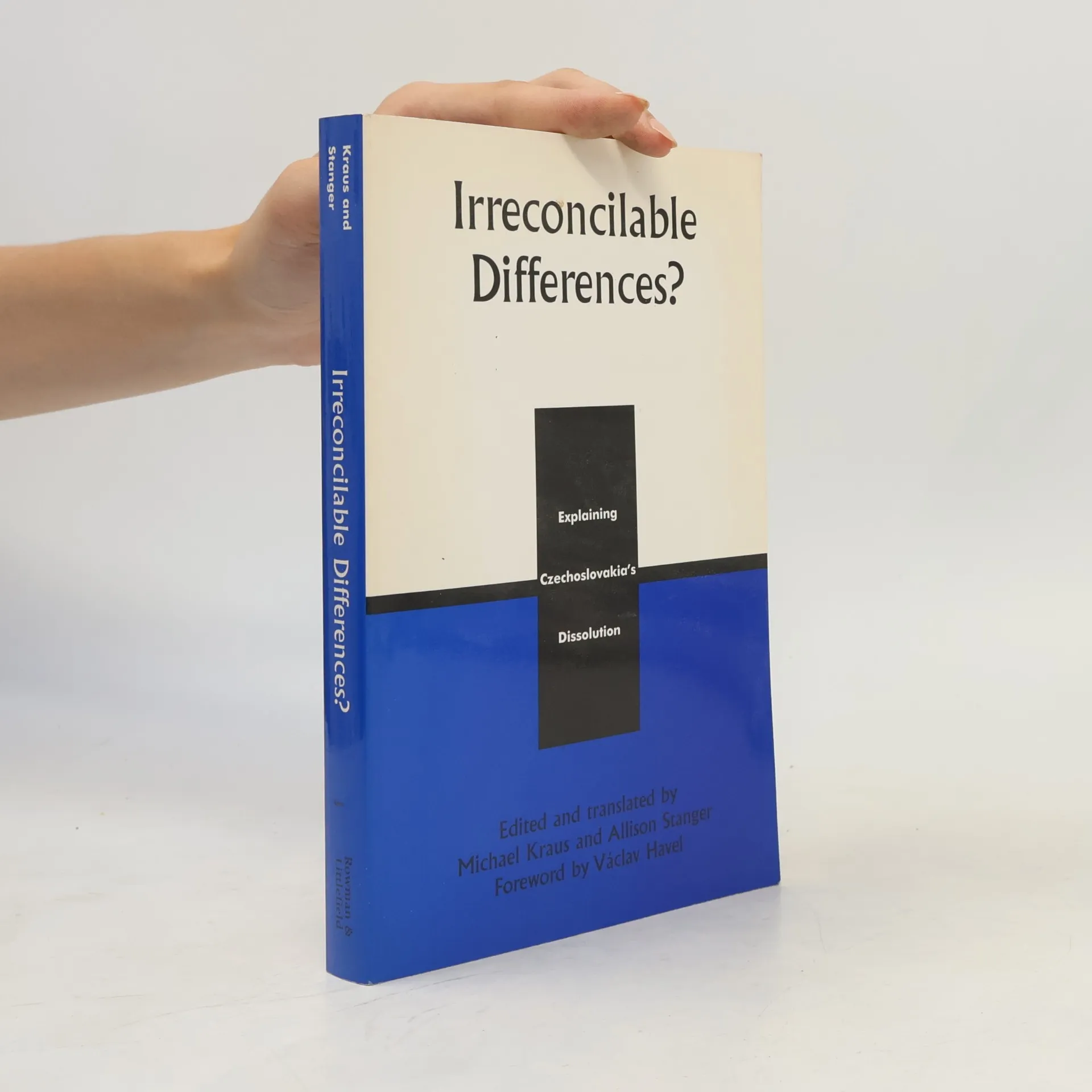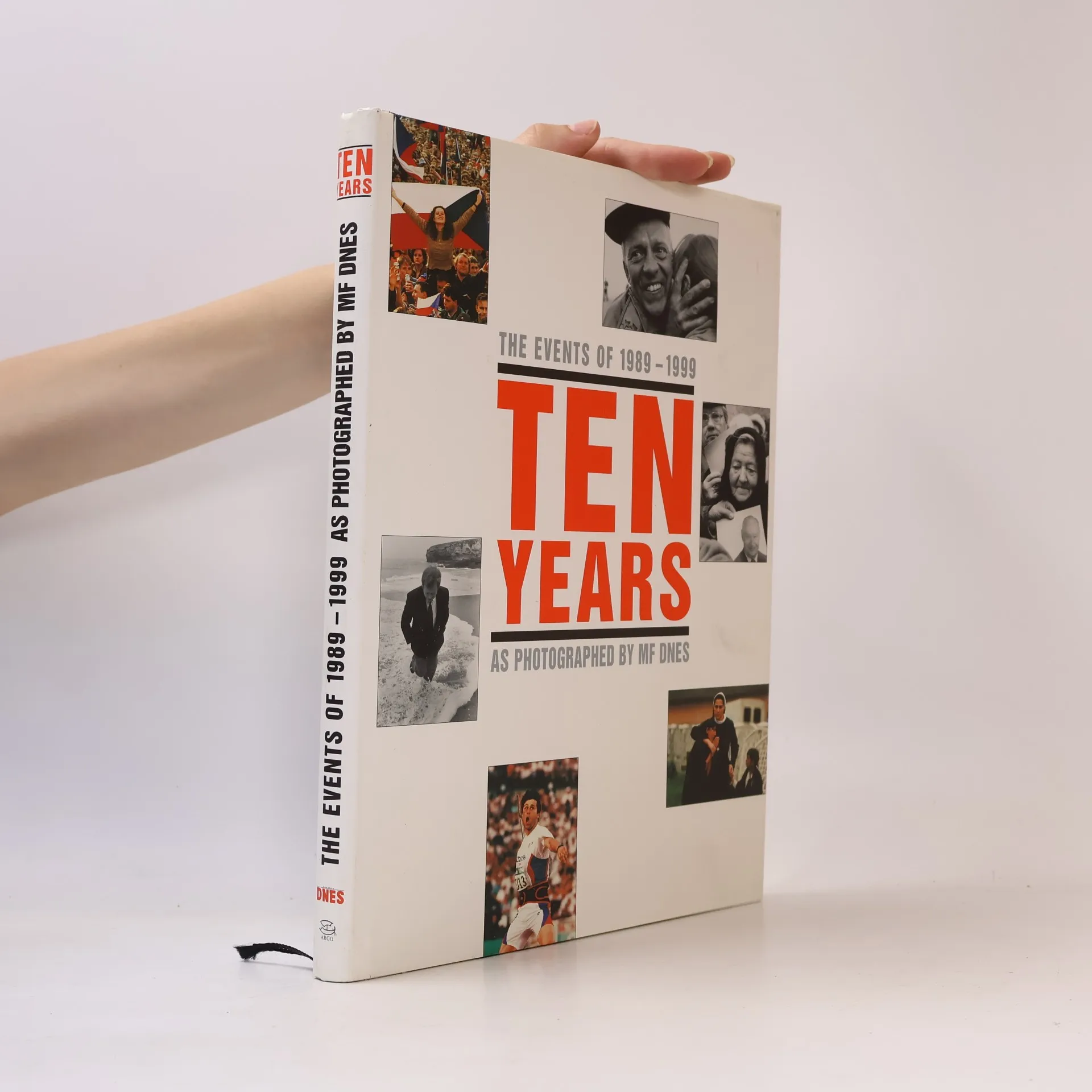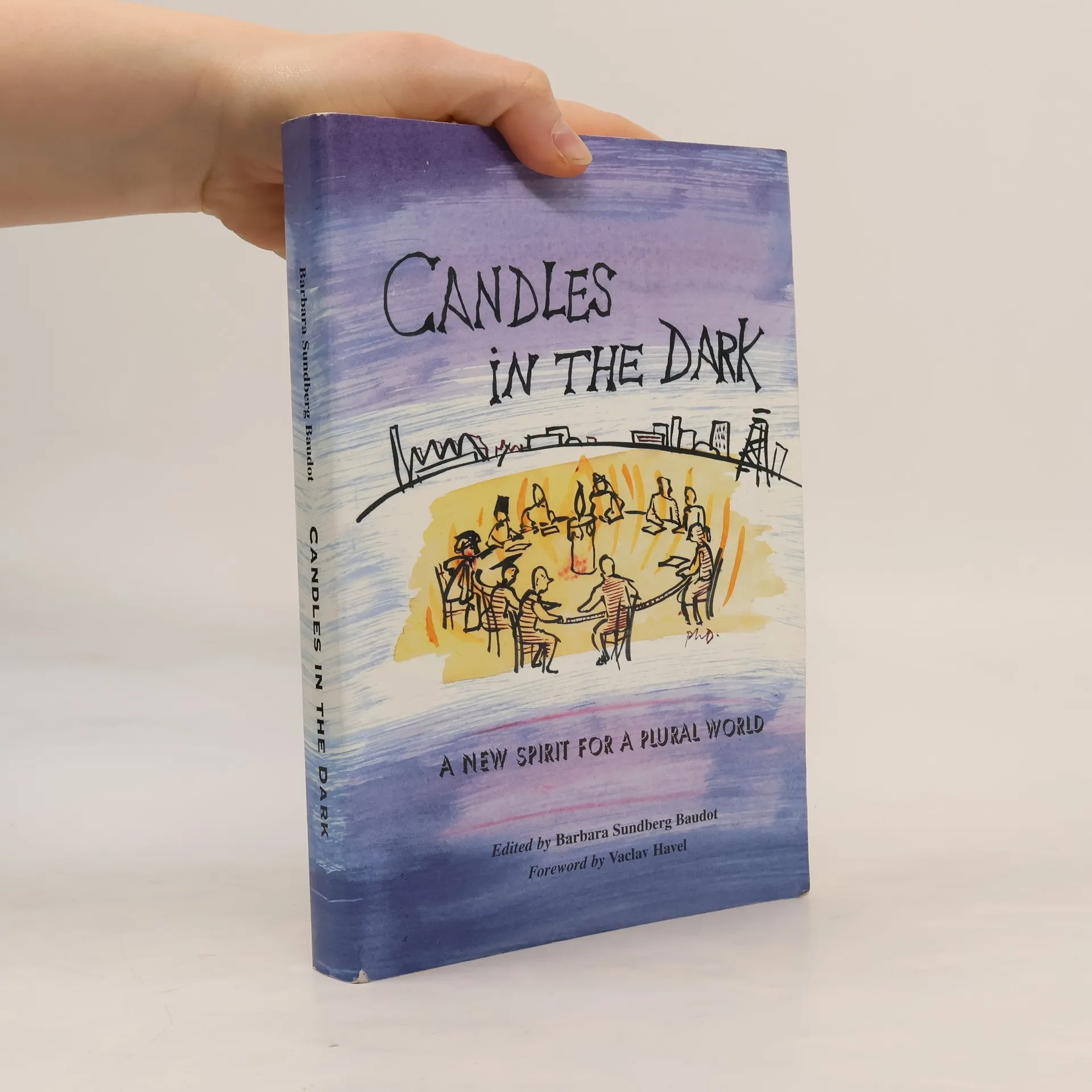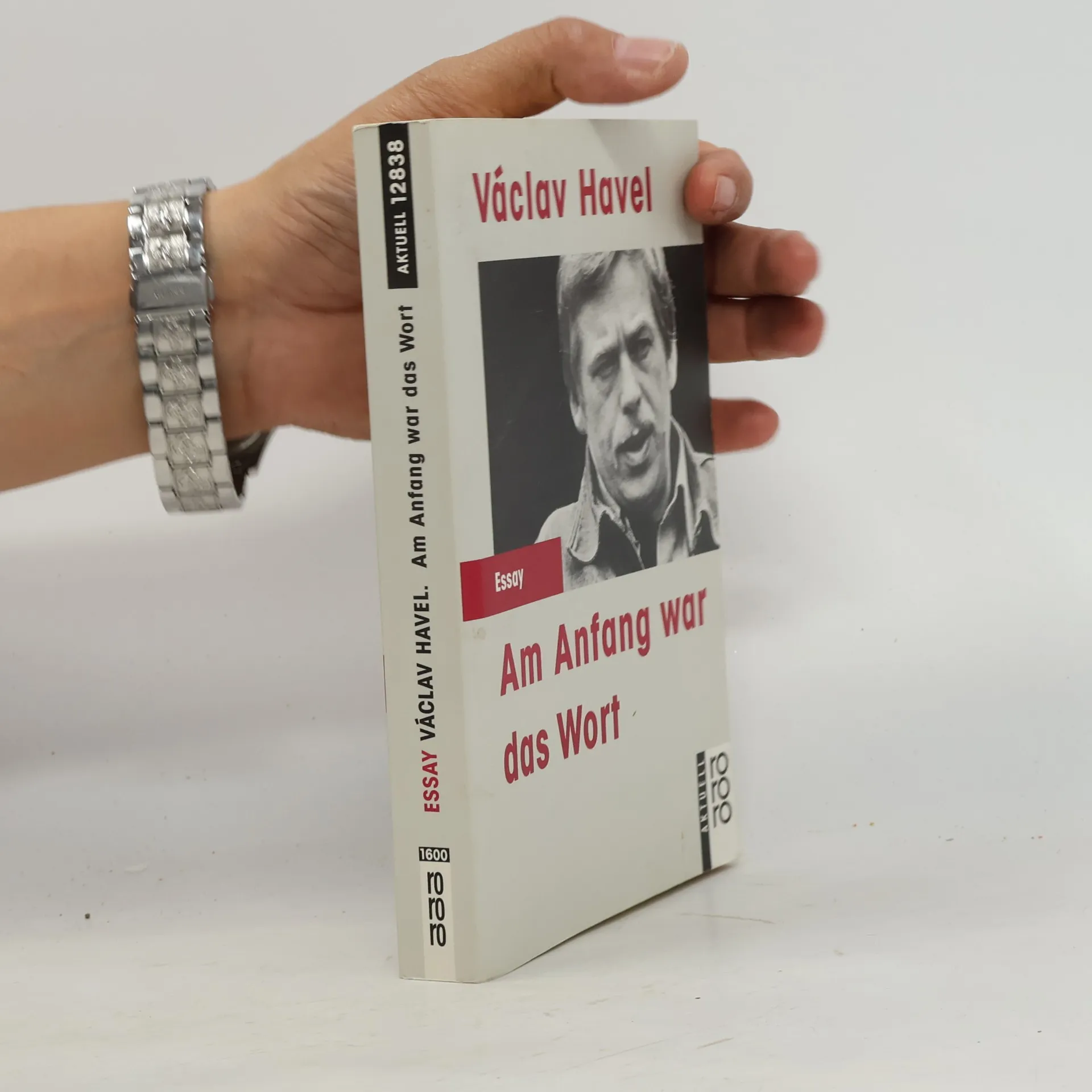

Bookbot

Václav Havel

    5 oktober 1936 – 18 december 2011

    Václav Havel was een diepgaande denker wiens geschriften, voornamelijk toneelstukken en essays, de absurditeit van macht en de existentiële zoektocht naar waarheid en vrijheid onderzoeken. Zijn internationaal vertaalde werken leggen vaak de verraderlijke mechanismen van onderdrukking bloot en benadrukken de veerkracht van de menselijke geest en de moed die nodig is om weerstand te bieden. Havels literaire output en zijn inzet voor mensenrechten vestigden hem als een belangrijke morele stem, die pleitte voor persoonlijke integriteit en waardigheid tegenover systemische controle. Zijn nalatenschap blijft inspireren tot kritische reflectie op verantwoordelijkheid en het streven naar oprechte vrijheid.

    Václav Havel - Bořek Šípek, Hradní práce/Castle works : 1992-2002
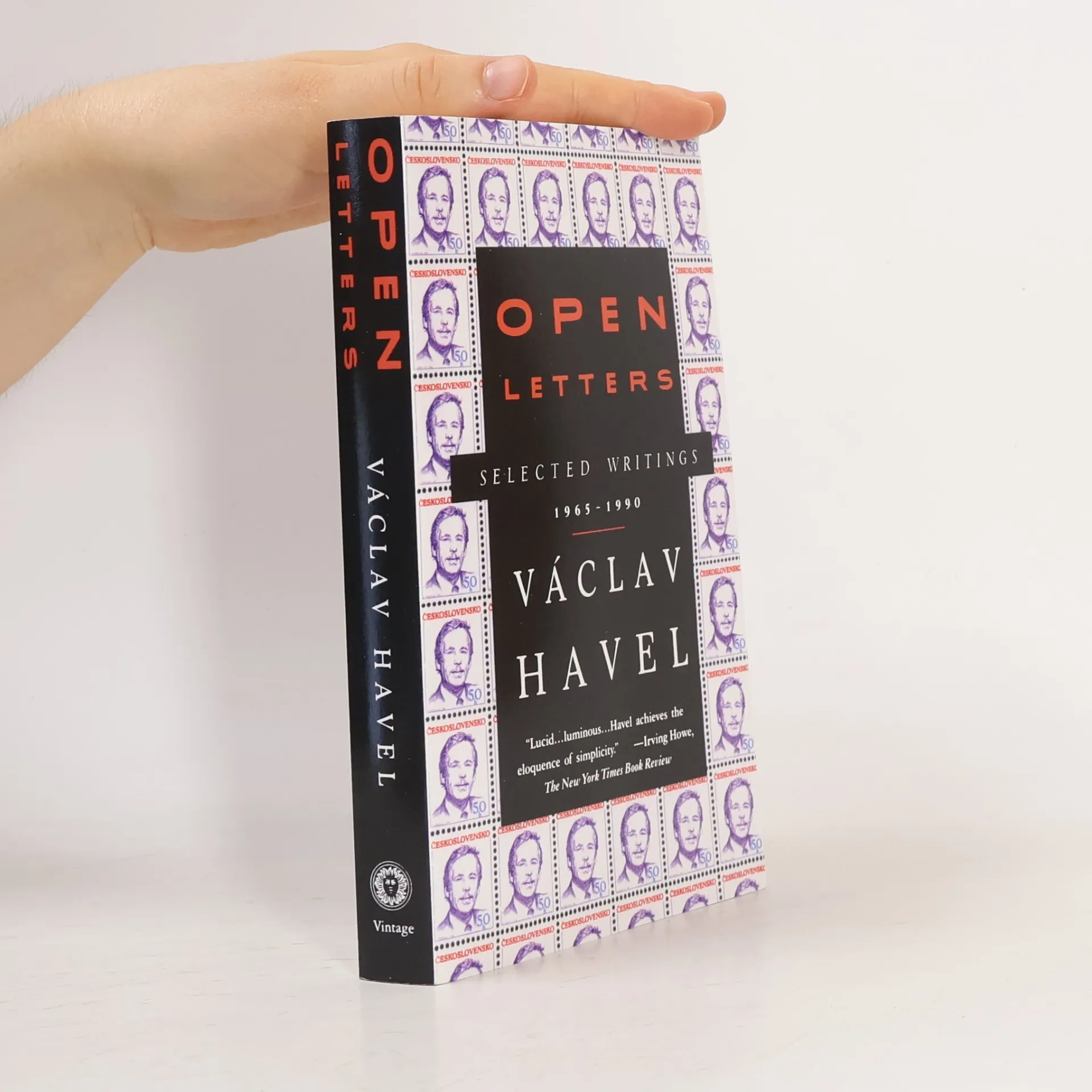
    Open Letters
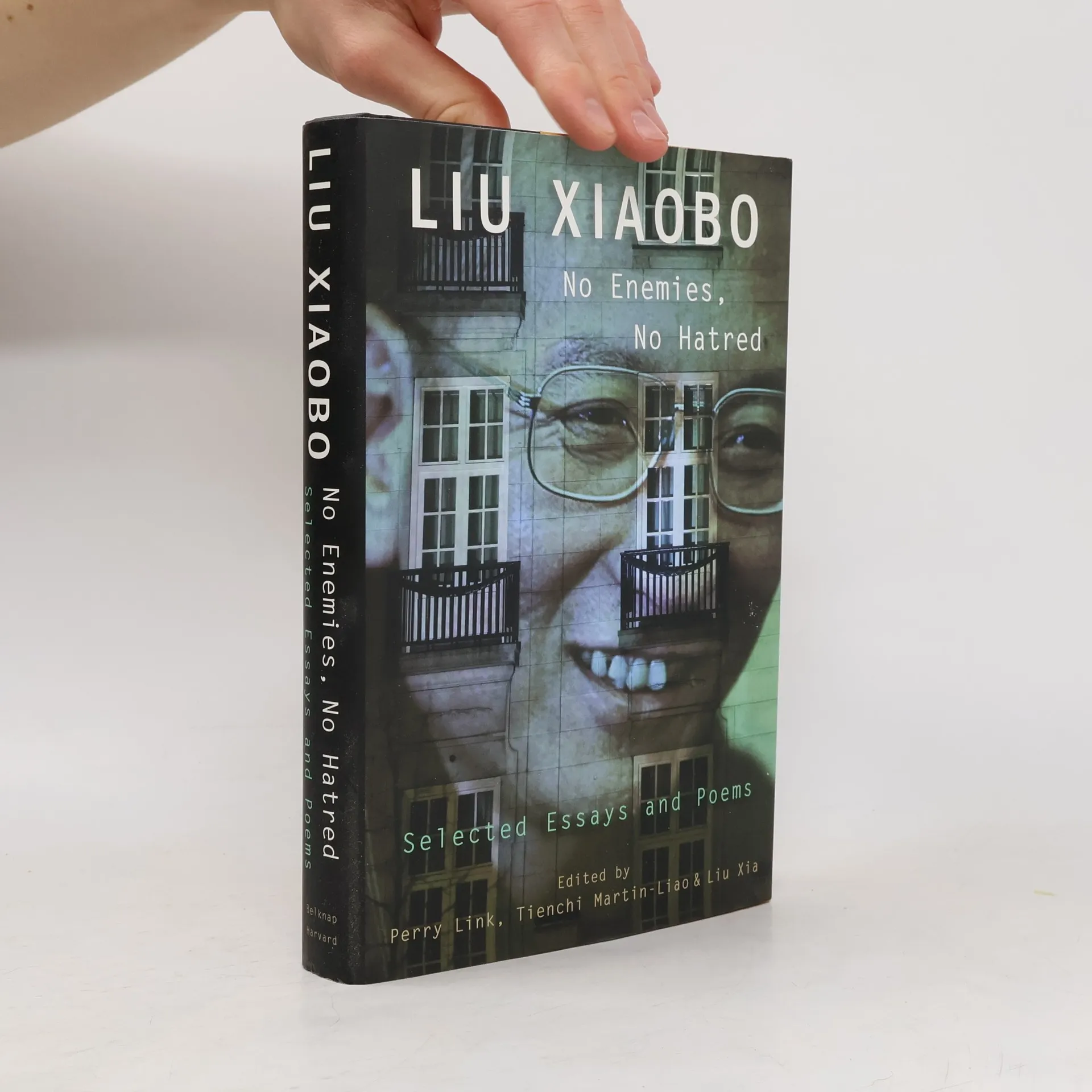
    No Enemies, No Hatred
    Living in Truth : Twenty-two essays published on the occasion of the award of the Erasmus Prize to Václav Havel
    To the Castle and back
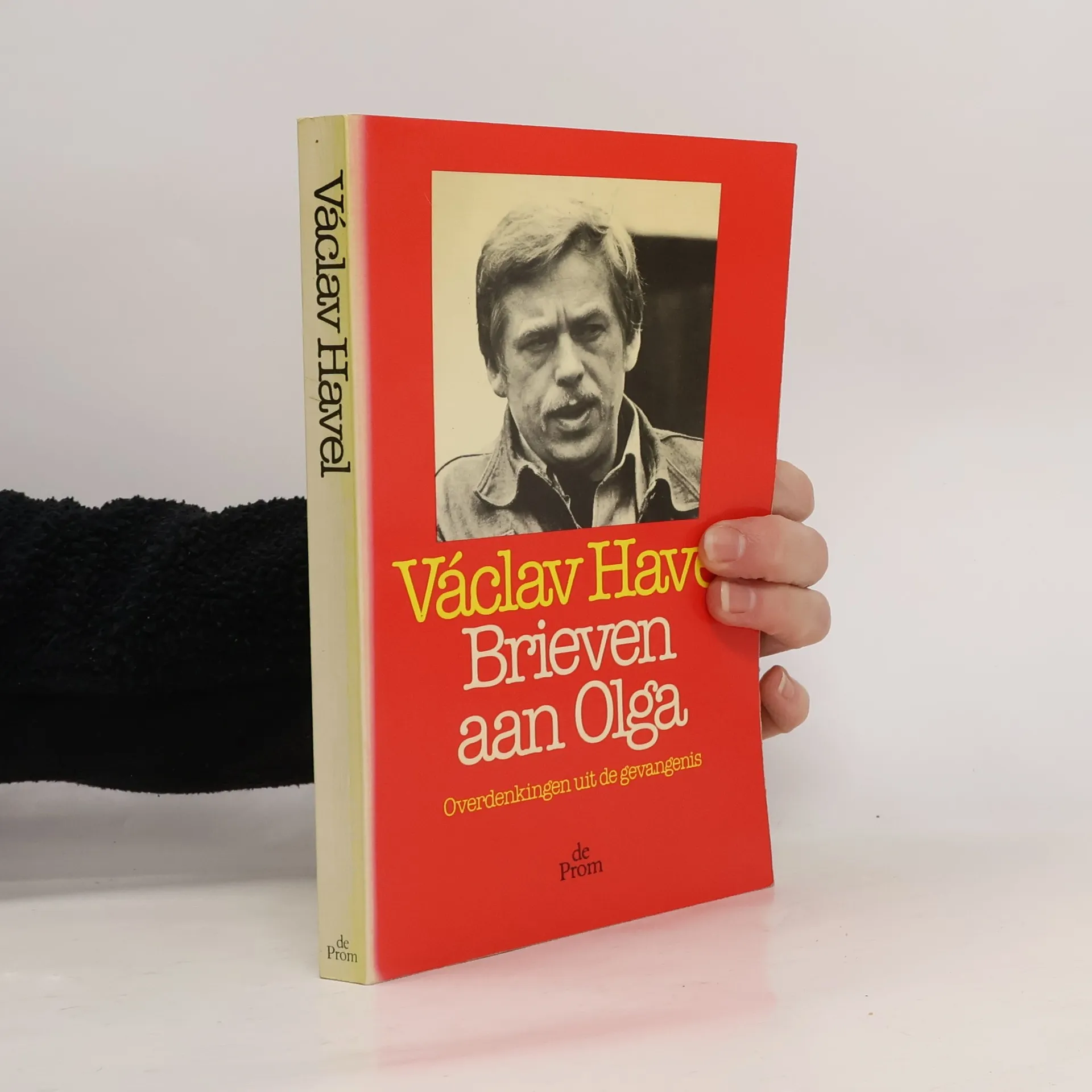
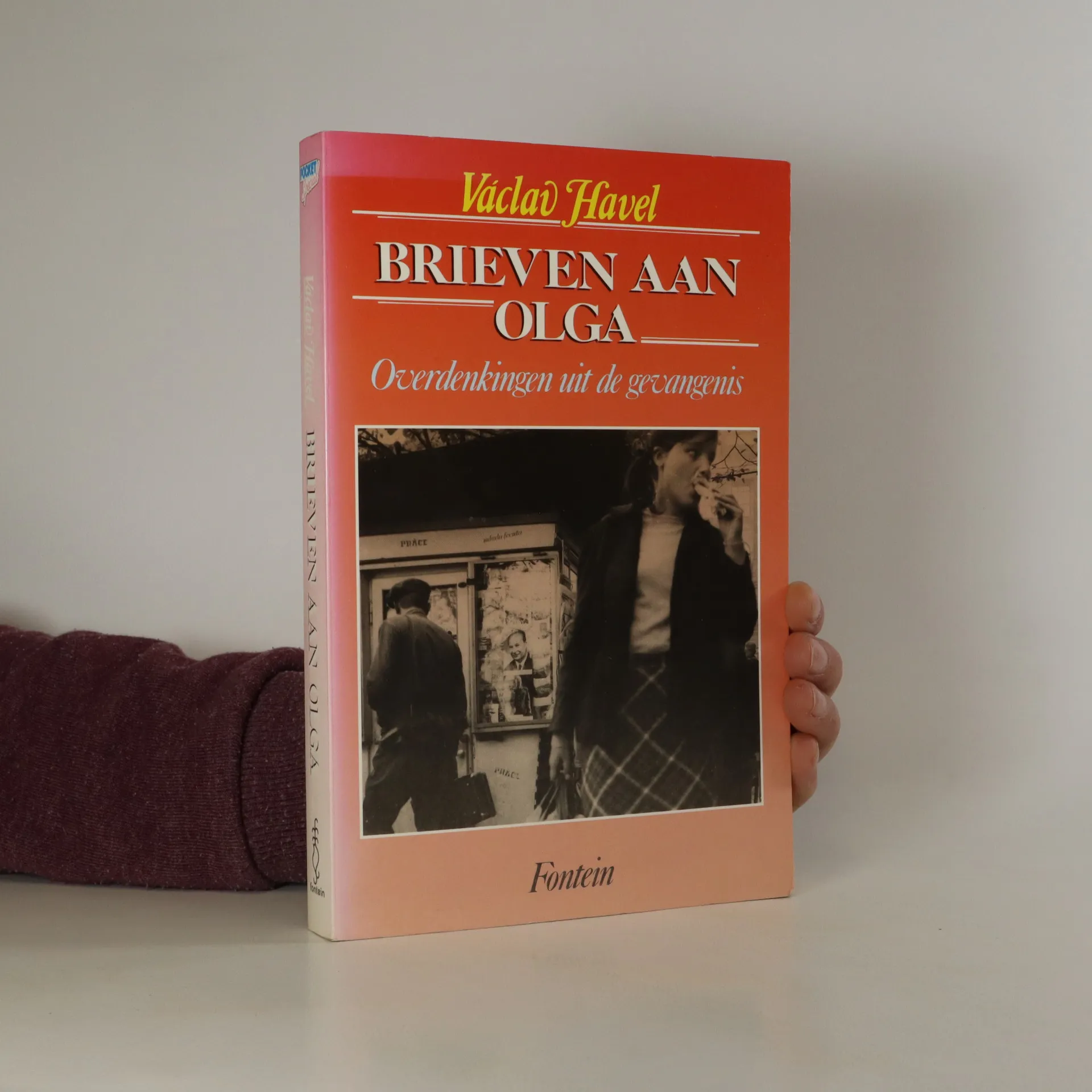
    Brieven aan Olga
    • Brieven aan Olga

      Overdenkingen uit de gevangenis

      • 192bladzijden
      • 7 uur lezen

      Selectie uit de brieven die de dissidente Tsjechische toneelschrijver(geb. 1936) aan zijn vrouw schreef tijdens zijn verblijf in de gevangenis in de jaren 1979-1983.
      Brieven aan Olga
    • To the Castle and back

      • 383bladzijden
      • 14 uur lezen

      From the former president of the Czech Republic comes this first-hand account of his years in office and the transition to democracy following the fall of Communism. A renowned playwright, Václav Havel became one of Czechoslovakia's most prominent dissidents under Communist rule – and the president after the Velvet Revolution, making him a key player in European politics. Here we see first-hand the challenges of creating a new government, tempered with Havel's revealing insights into the difficulties posed by an era of increased globalization and conflict. He discusses not only the situation in his own country, but also such pressing issues as the future of the European Union, the war in Iraq, and the role of the United States in contemporary affairs. Written with an eye towards both the political and the personal and a witty, well-honed eloquence, To the Castle and Back is a rare glimpse into the minds of one of the most important political figures of modern times.

      To the Castle and back
      4,5
    • No Enemies, No Hatred

      Selected Essays and Poems

      • 400bladzijden
      • 14 uur lezen

      When the Nobel Peace Prize was awarded on December 10, 2010, its recipient, Liu Xiaobo, was in Jinzhou Prison, serving an eleven-year sentence for what Beijing called incitement to subvert state power. In Oslo, actress Liv Ullmann read a long statement the activist had prepared for his 2009 trial. It read in part: I stand by the convictions I expressed in my June Second Hunger Strike Declaration twenty years ago I have no enemies and no hatred. None of the police who monitored, arrested, and interrogated me, none of the prosecutors who indicted me, and none of the judges who judged me are my enemies. That statement is one of the pieces in this book, which includes writings spanning two decades, providing insight into all aspects of Chinese life. These works not only chronicle a leading dissident s struggle against tyranny but enrich the record of universal longing for freedom and dignity. Liu speaks pragmatically, yet with deep-seated passion, about peasant land disputes, the Han Chinese in Tibet, child slavery, the CCP s Olympic strategy, the Internet in China, the contemporary craze for Confucius, and the Tiananmen massacre. Also presented are poems written for his wife, Liu Xia, public documents, and a foreword by Vaclav Havel. This collection is an aid to reflection for Western readers who might take for granted the values Liu has dedicated his life to achieving for his homeland.

      No Enemies, No Hatred
      4,3
    • Open Letters

      • 415bladzijden
      • 15 uur lezen

      Virtually everything Vaclav Havel has ever written has acquired a new resonance, whether ironic, artistic, philosophical or political, since he became President of his country in 1989. This selection of his prose ranges in time from the early 1960s to his New Year message of 1990.

      Open Letters
      4,3
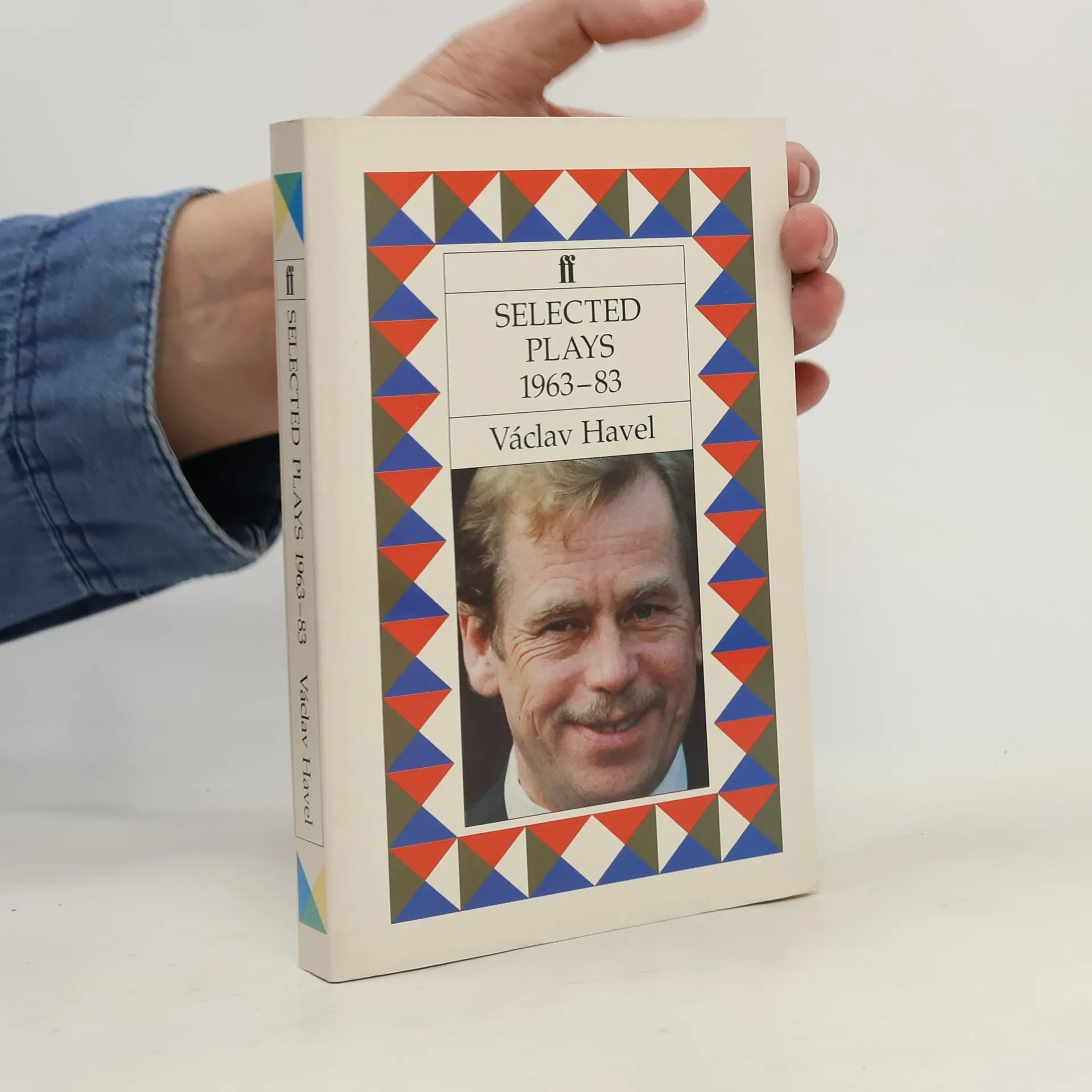
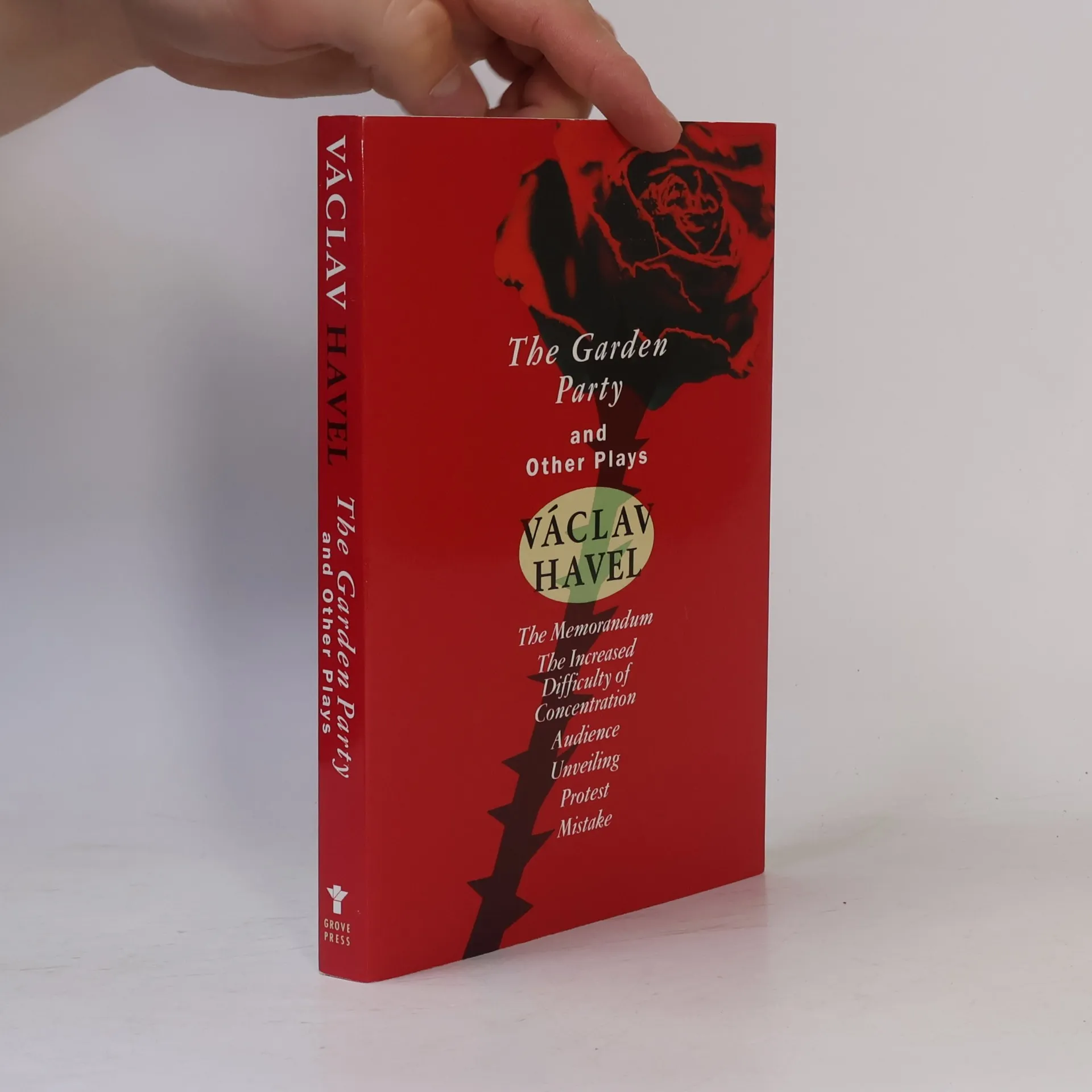
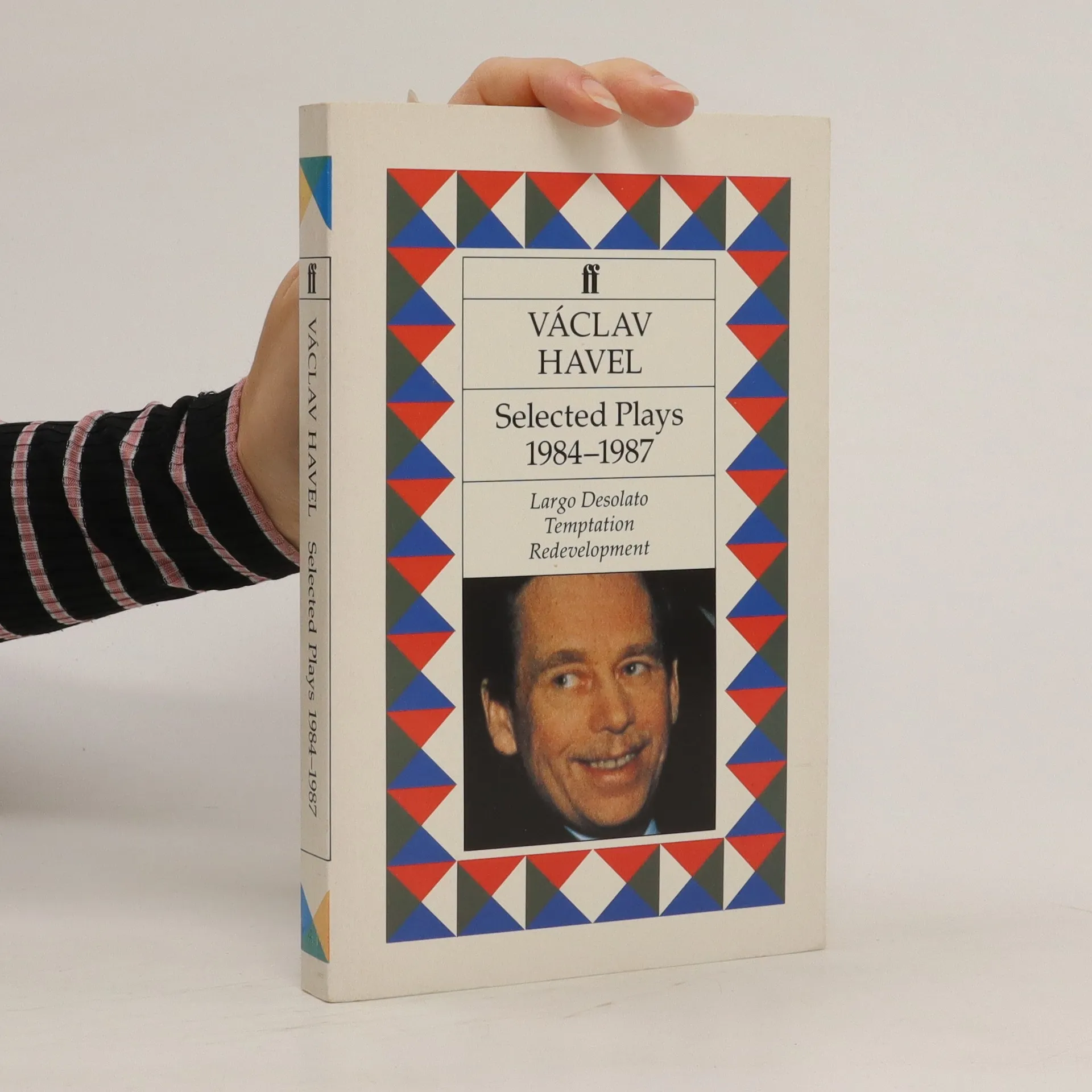
    • This collection of plays includes "The Garden Party", "The Memorandum", "The Increased Difficulty of Concentration" and "Mistake".

      Selected plays : 1963-83
      4,4
    • the Power of the Powerless

      • 176bladzijden
      • 7 uur lezen

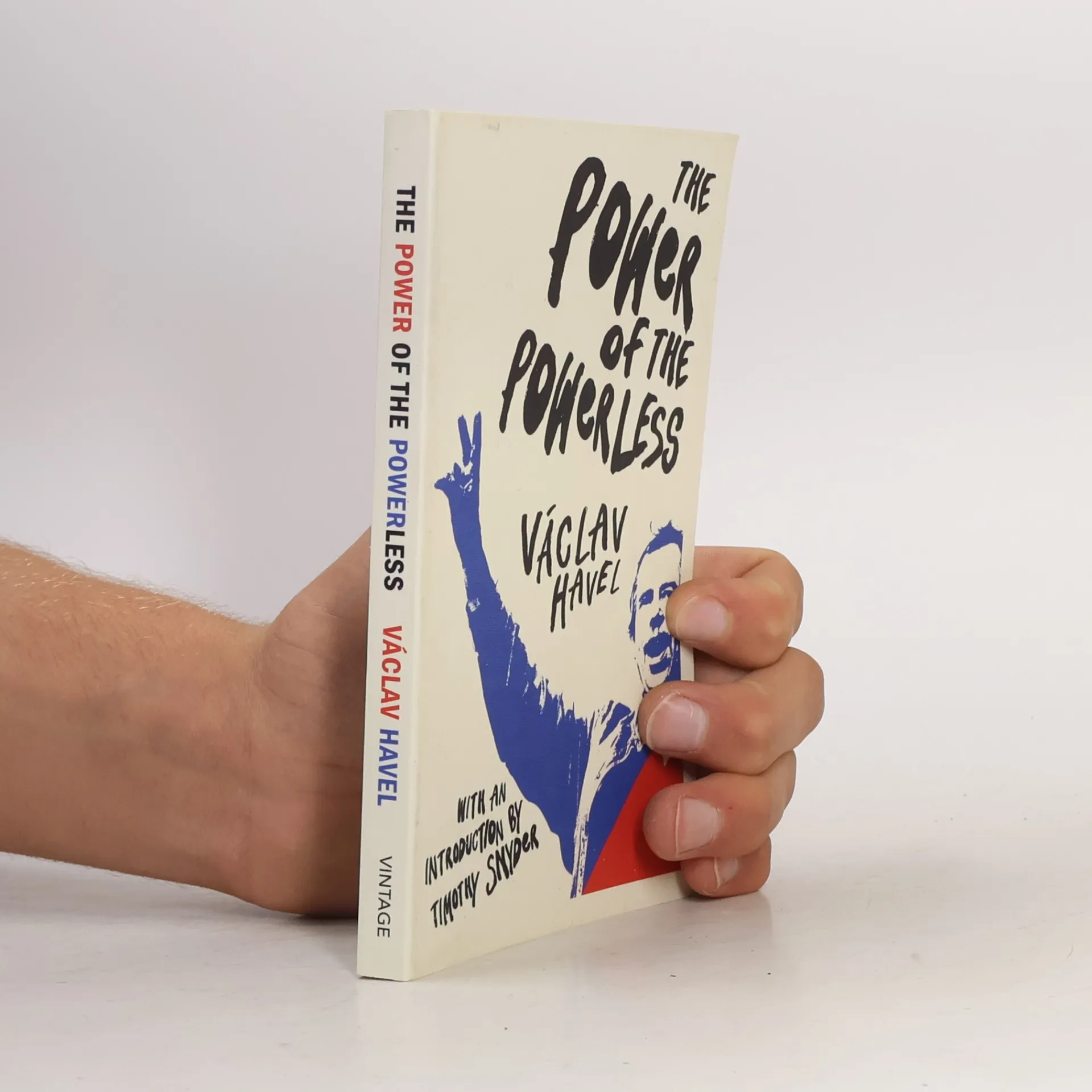
      Václav Havel’s remarkable and rousing essay on the tyranny of apathy, with a new introduction by Timothy Snyder Cowed by life under Communist Party rule, a greengrocer hangs a placard in their shop window: Workers of the world, unite! Is it a sign of the grocer’s unerring ideology? Or a symbol of the lies we perform to protect ourselves? Written in 1978, Václav Havel’s meditation on political dissent – the rituals of its suppression, and the sparks that re-ignite it – would prove the guiding manifesto for uniting Solidarity movements across the Soviet Union. A portrait of activism in the face of falsehood and intimidation, The Power of the Powerless remains a rousing call against the allure of apathy. 'Havel’s diagnosis of political pathologies has a special resonance in the age of Trump' Pankaj Mishra

      the Power of the Powerless
      4,3
    • Spontaneous Mind

      Selected Interviews, 1958-1996

      • 624bladzijden
      • 22 uur lezen

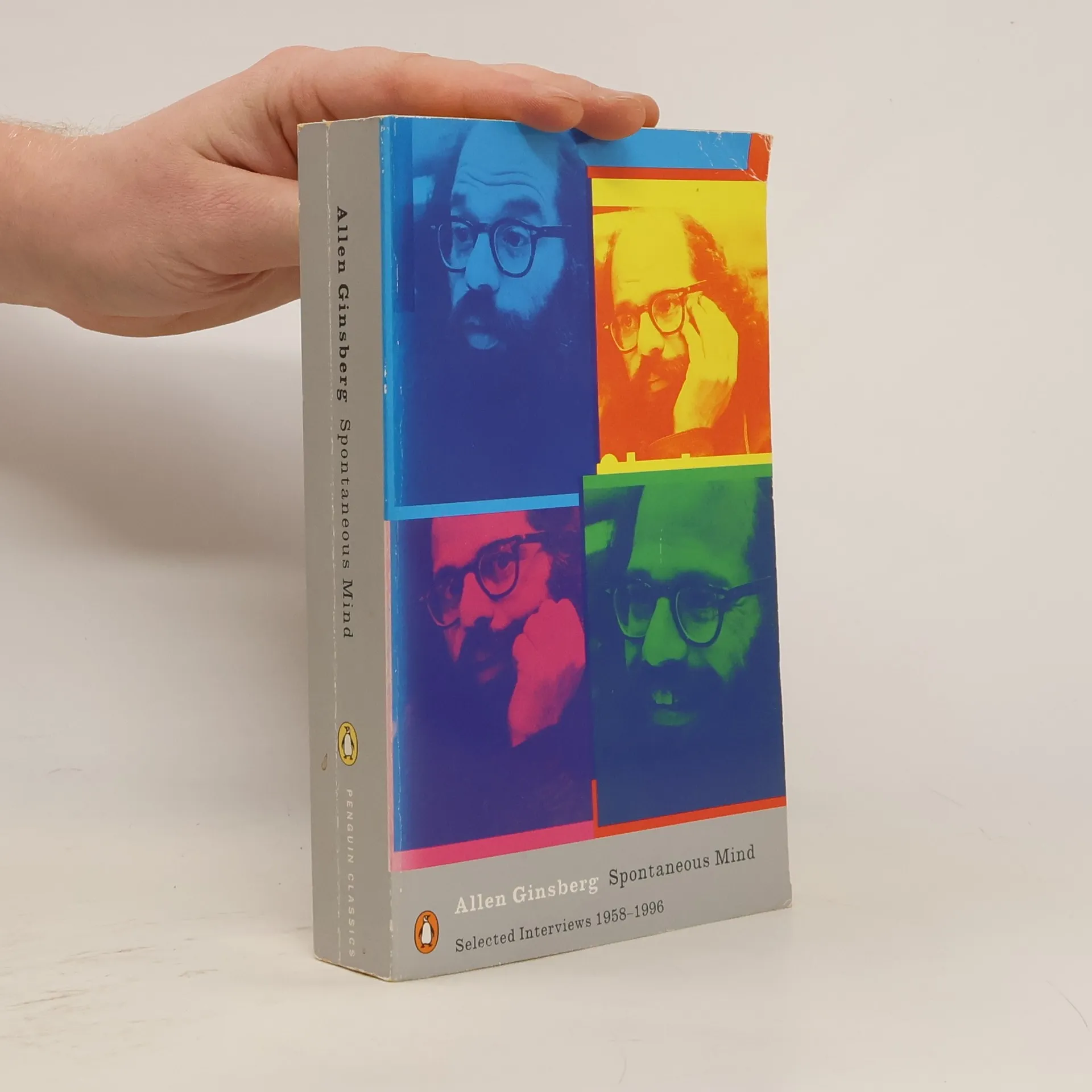
      Far from merely paying respect to a man proclaimed as one of the key figures of twentieth-century American literary and cultural history, this volume provocatively recreates the impassioned voice of Ginsberg as man, poet, revolutionary and political activist. Always witty and engaging, this collection of interviews from throughout Ginsberg's career reveals his attitudes towards poetry and drugs, his literary influences and personal relationships.

      Spontaneous Mind
      4,3
    • An Uncanny Era

      • 252bladzijden
      • 9 uur lezen

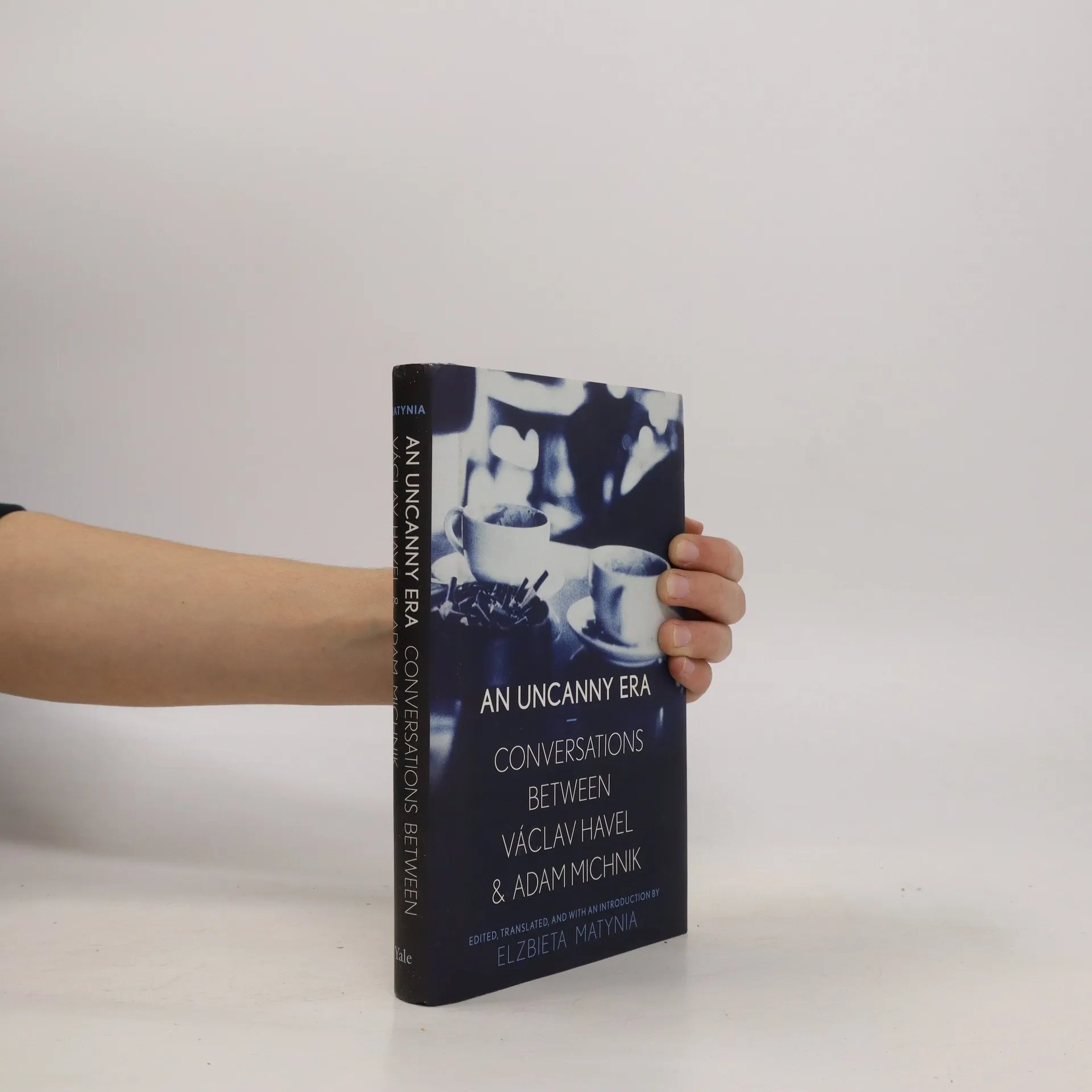
      Collects the conversations between the former president of the Czech Republic and the editor in chief of the largest daily newspaper in Poland, beginning in the 1970s and continuing as they lived through a tumultuous era in Central Europe.

      An Uncanny Era
      4,3