


John William Polidori, een arts en schrijver geassocieerd met de romantische beweging, wordt erkend als de grondlegger van het vampiergenre. Zijn baanbrekende werk, "The Vampyre", voor het eerst gepubliceerd in 1819, transformeerde het folkloristische wezen tot een aristocratische verleider. Dit personage, geïnspireerd door Lord Byron en "Lord Ruthven" genoemd, vestigde het archetype van de vampier in de moderne literatuur. Polidori's innovatieve benadering en stilistische bekwaamheid definieerden het genre voor de komende generaties.
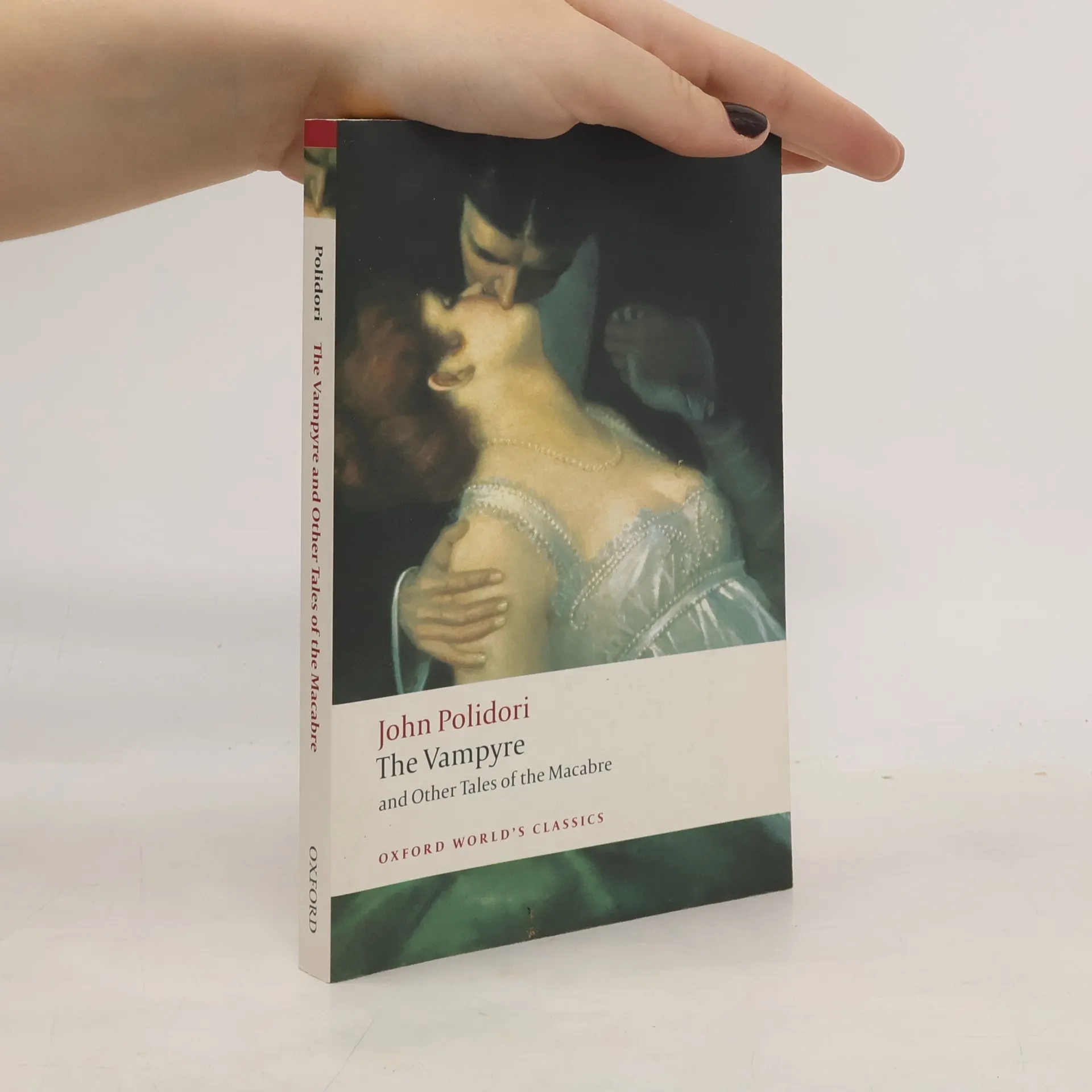
The Vampyre is a short work of prose fiction written in 1819 by John William Polidori. The work is often viewed as the progenitor of the romantic vampire genre of fantasy fiction. The work is described by Christopher Frayling as "the first story successfully to fuse the disparate elements of vampirism into a coherent literary genre."
Nineteenth Century Collections Online: European Literature, 1790-1840: The Corvey Collection features over 9,500 full-text titles in English, French, and German. This remarkable collection originates from the library of Victor Amadeus, whose Castle Corvey collection was a significant discovery in the late 1970s. It represents one of the most vital collections of Romantic era writing, encompassing fiction, short prose, drama, poetry, and more, with an emphasis on hard-to-find works by historically overlooked authors. Built in the late 19th century by Victor and his wife Elise, both avid bibliophiles, the collection includes a diverse array of literature, from novels and short stories to belles lettres and popular works, featuring many rare titles unavailable elsewhere. These invaluable, often previously unknown works are particularly significant for scholars and researchers. The collection comprises novels, Gothic novels, short stories, belles-lettres, dramatic works, poetry, anthologies, and more. Selected with input from an international team of experts, these primary sources are essential for various academic disciplines, offering unprecedented research opportunities for one of history's most studied periods.
Focusing on accessibility, this publication by Megali aims to provide historical works in a large print format, catering specifically to individuals with impaired vision. The commitment to reproducing original texts ensures that these important works remain available and readable for a broader audience, enhancing the reading experience for those who may struggle with standard text sizes.
Exploring the origins of vampires in English literature, this collection reveals their surprising roots in Greece rather than the expected Transylvania. It features seminal works like Lord Byron's "Fragment of a Novel" and John William Polidori's "The Vampyre," alongside five rare 19th-century tales, including the overlooked "The Vampire of Vourla." A scholarly introduction by Prof. Marín contextualizes these texts within the Romantic era, shedding light on 19th-century English perceptions of Greece and the evolution of vampire mythology.
Die erste Vampirerzählung der Weltliteratur in der deutschen Erstübersetzung von 1819 (Band 46, Klassiker in neuer Rechtschreibung)
52bladzijden
2 uur lezen
Die Reihe präsentiert bedeutende Werke der Weltliteratur in einer aktualisierten Rechtschreibung gemäß Duden. Klara Neuhaus-Richter sorgt dafür, dass Klassiker für heutige Leser zugänglicher werden, ohne die ursprüngliche Qualität der Texte zu beeinträchtigen.
„Der Vampyr“ von John Polidori ist die erste Vampirerzählung der Weltliteratur, veröffentlicht 1819. Diese Ausgabe basiert auf der deutschen Übersetzung von Leopold Voß. Die Geschichte wurde fälschlicherweise als Werk von Lord Byron ausgegeben. Polidori, ehemaliger Leibarzt Byrons, starb 1821 tragisch.
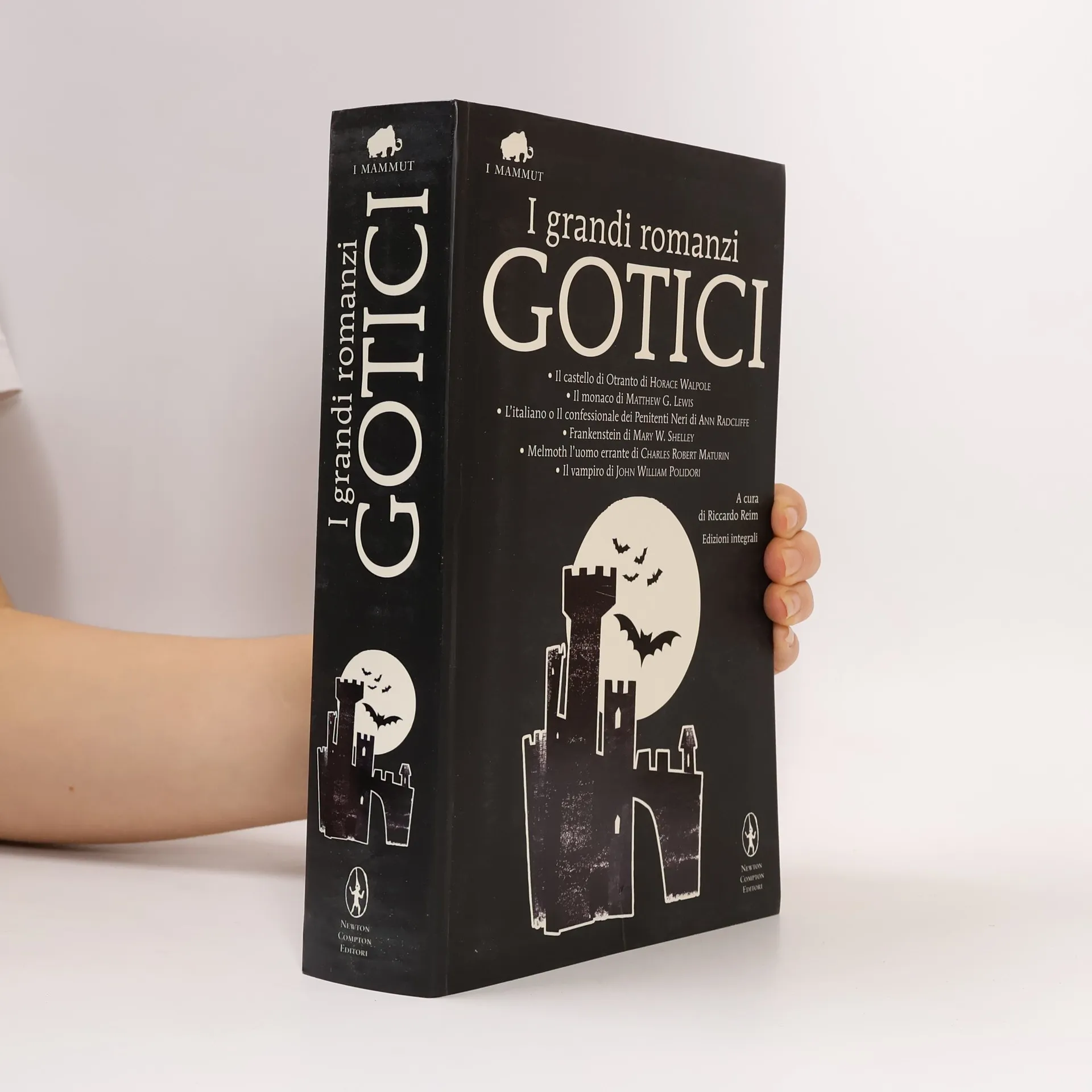
• Il castello di Otranto di HORACE WALPOLE • Il monaco di MATTHEW G. LEWIS • L’italiano o Il confessionale dei Penitenti Neri di ANN RADCLIFFE • Frankenstein di MARY W. SHELLEY • Melmoth l’uomo errante di CHARLES ROBERT MATURIN • Il vampiro di JOHN WILLIAM POLIDORI Lugubri castelli infestati da spettri, sinistre apparizioni notturne, giovani eroine preda di indescrivibili orrori, tenebrosi e fatali persecutori, mostri, licantropi, vampiri... Il romanzo “gotico”, dal Castle of Otranto di Walpole (1764) al Melmoth di Maturin (1820) – per indicare due libri che, secondo una certa convenzione, segnerebbero gli estremi cronologici del fenomeno – è davvero soltanto questo cupo bric-à-brac di luoghi, personaggi e situazioni? O invece la narrativa gotica, con il suo «sublime del terrore», in reazione al predominio della ragione e del common sense, nasconde angosce e inquietudini che oggi torniamo a sentire sorprendentemente vicine?... Attraverso i capolavori dei maestri indiscussi del genere (Horace Walpole, M.G. Lewis, Ann Radcliffe, Mary Shelley, C.R. Maturin, John William Polidori) il lettore è chiamato a esplorare i labirintici sentieri della paura – elemento cardine della Gothic Fiction, e che, come notava D. Punter, «non è semplicemente un tema o un atteggiamento, ma ha anche delle conseguenze in termini di forma, stile e rapporti sociali dei testi» –, a godere, con un brivido di delizia, la caotica, trionfante irruzione del terrore sulla pagina scritta.
John Polidori: Der Vampyr. Die erste Vampirerzählung der Weltliteratur in der deutschen Erstübersetzung von 1819 Taschenbuch Berliner Ausgabe, 2019 Durchgesehener Neusatz bearbeitet und eingerichtet von Theodor Borken Der Vampyr wurde am 1. April 1819 vom Verlag Colburn in der Zeitschrift New Monthly Magazine ohne Polidoris Erlaubnis veröffentlicht. Die Geschichte wurde falsch untertitelt und als A Tale by Lord Byron (Eine Geschichte von Lord Byron) bezeichnet. Der Name der Hauptfigur Lord Ruthven führte zu dieser Verwechslung, weil dieser Name ursprünglich in Caroline Lambs Roman Glenarvon Verwendung fand, der vom selben Herausgeber veröffentlicht wurde, und darin auch eine Zeichnung von Lord Byron vorhanden war. Lambs Werke wurden damals anonym herausgebracht und so nahm der Coburn-Verlag an, Der Vampyr könne von Byron stammen. Die Textgrundlage der vorliegenden Ausgabe ist Der Vampyr, erschienen 1819 in deutscher Übersetzung bei Leopold Voß, Leipzig. Neuausgabe. Herausgegeben von Theodor Borken. Berlin 2019. Dieses Buch folgt in Rechtschreibung und Zeichensetzung obiger Textgrundlage. Umschlaggestaltung von Thomas Schultz-Overhage unter Verwendung des Bildes: Dante Gabriel Rossetti, Blanzifiore, 1880. Gesetzt aus der Minion Pro, 11 pt. Henricus Edition Deutsche Klassik UG (haftungsbeschränkt)