

Did Chinese mysticism vanish after its first appearance in ancient Taoist philosophy, to surface only after a thousand years had passed, when the Chinese had adapted Buddhism to their own culture? This first integrated survey of the mystical dimension of Taoism disputes the commonly accepted idea of such a hiatus. Covering the period from the Daode jing to the end of the Tang, Livia Kohn reveals an often misunderstood Chinese mystical tradition that continued through the ages. Influenced by but ultimately independent of Buddhism, it took forms more various than the quietistic withdrawal of Laozi or the sudden enlightenment of the Chan Buddhists. On the basis of a new theoretical evaluation of mysticism, this study analyzes the relationship between philosophical and religious Taoism and between Buddhism and the native Chinese tradition. Kohn shows how the quietistic and socially oriented Daode jing was combined with the ecstatic and individualistic mysticism of the Zhuangzi, with immortality beliefs and practices, and with Buddhist insight meditation, mind analysis, and doctrines of karma and retribution. She goes on to demonstrate that Chinese mysticism, a complex synthesis by the late Six Dynasties, reached its zenith in the Tang, laying the foundations for later developments in the Song traditions of Inner Alchemy, Chan Buddhism, and Neo-Confucianism.
Livia Kohn Boeken


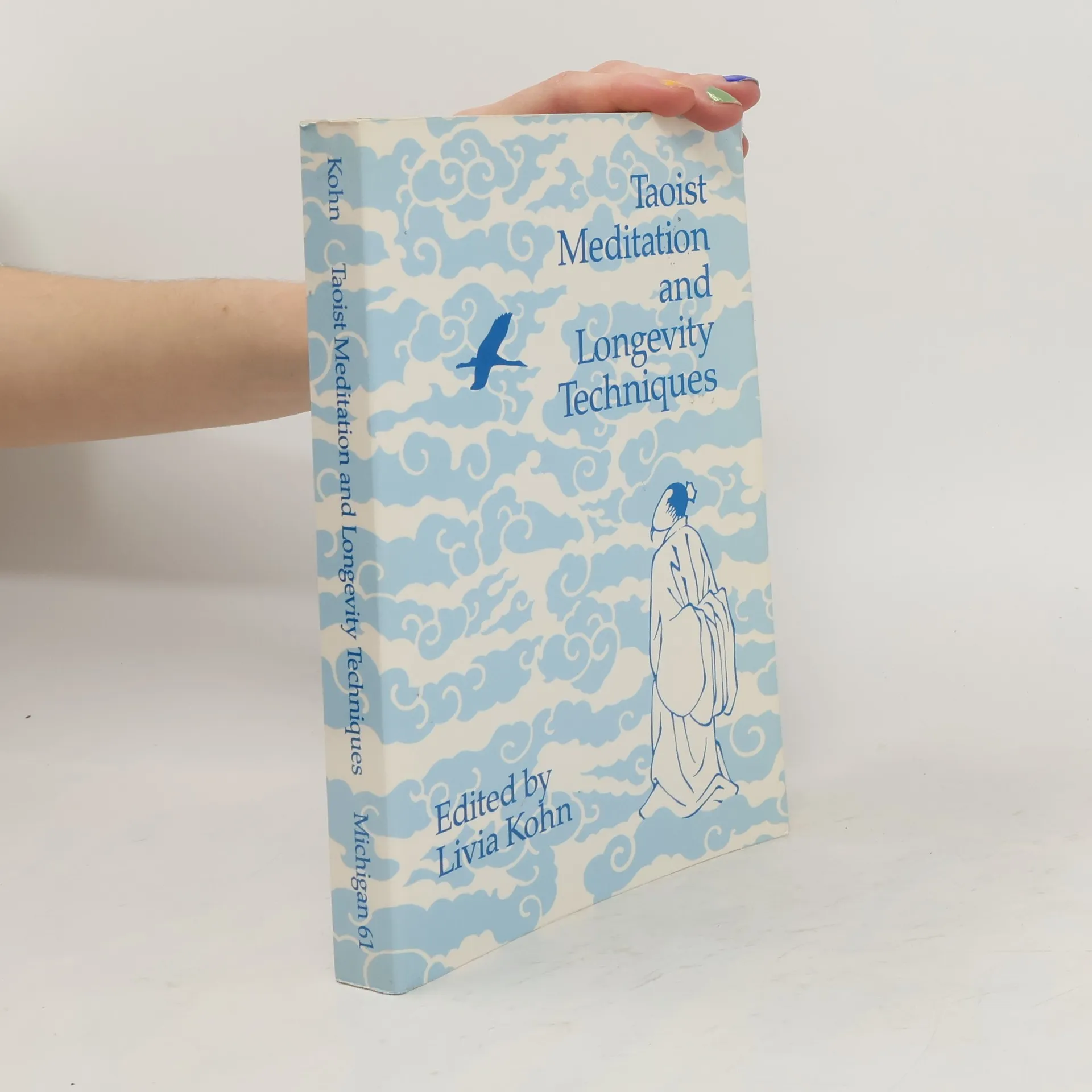

Taoist Meditation and Longevity Techniques
- 400bladzijden
- 14 uur lezen
French, German, and Japanese scholars explore historical and technical as well as religious aspects of Taoism, ranging from pre-Han practice to the contemporary revival
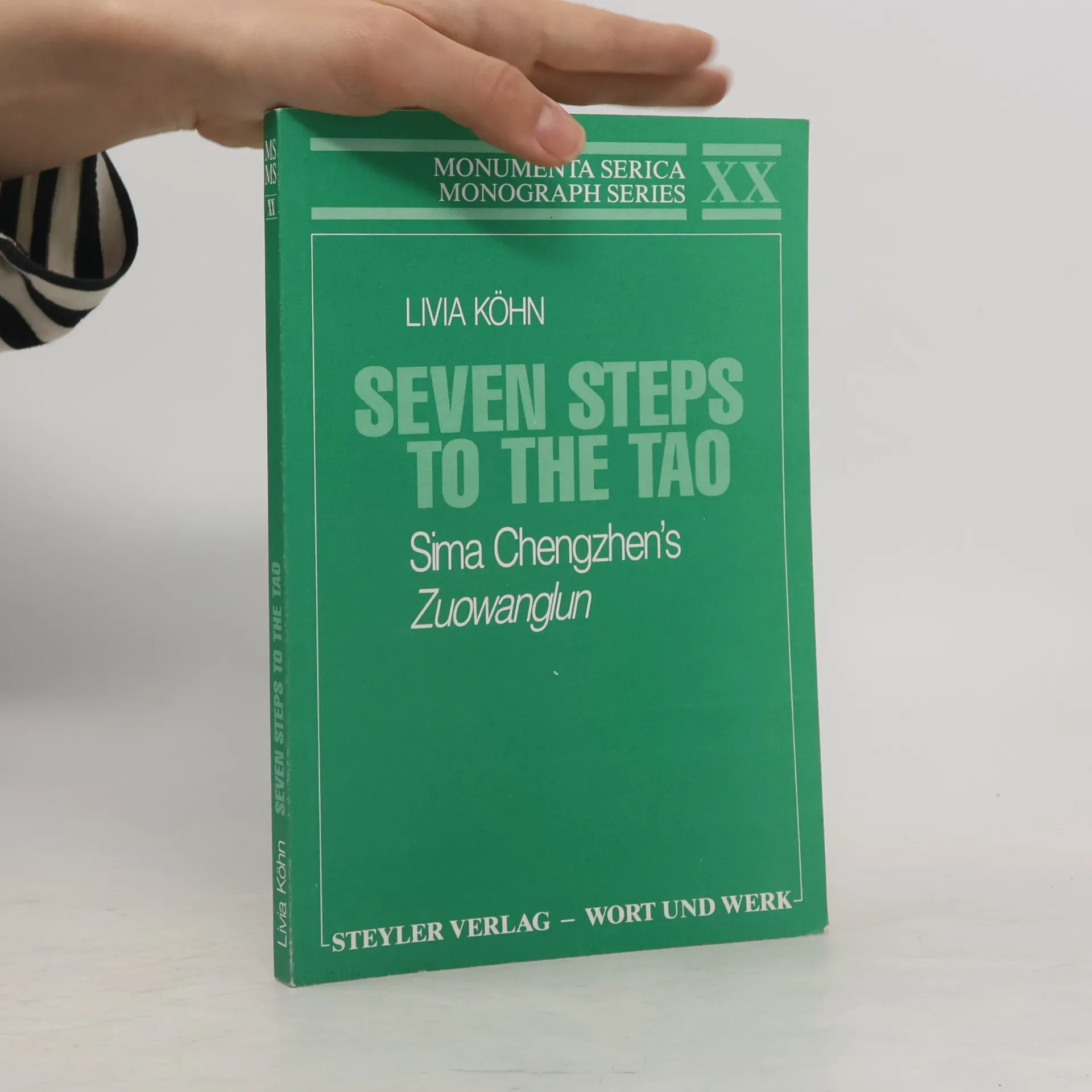
Monumenta Serica Monograph Series - 20: Seven Steps to the Tao
Sima Chengzhen's Zuowanglun
- 205bladzijden
- 8 uur lezen
English, Chinese (translation)Original Chinese
Daoist Internal Mastery
- 420bladzijden
- 15 uur lezen
This book translates Master Wang’s original practice instructions and discourses given during training seminars. His system of internal alchemy goes back to two ancient Daoist the 13th-century Lingbao bifa , linked to the immortals Zhongli Quan and Lü Dongbin; and the 17th-century Taiyi jinhua zongzhi ( Secret of the Golden Flower ), also connected to Lü. Together they are known as the Lingbao tong zhineng neigong shu (Arts of Internal Mastery, Wisdom, and Potential, Based on Numinous Treasure). The texts outline the concoction of a golden elixir through the dual cultivation of inner nature and life-destiny. This book follows the classics and presents all different kinds of techniques―including walking, pacing, sleeping, circulating the five phases, absorbing tree energy, and capturing planetary essences―in a systematic format and with a great amount of instructional detail. It contains a wealth of information invaluable to anyone interested in genuine Daoist cultivation and elucidates numerous rather obscure concepts to contextualize each practice.
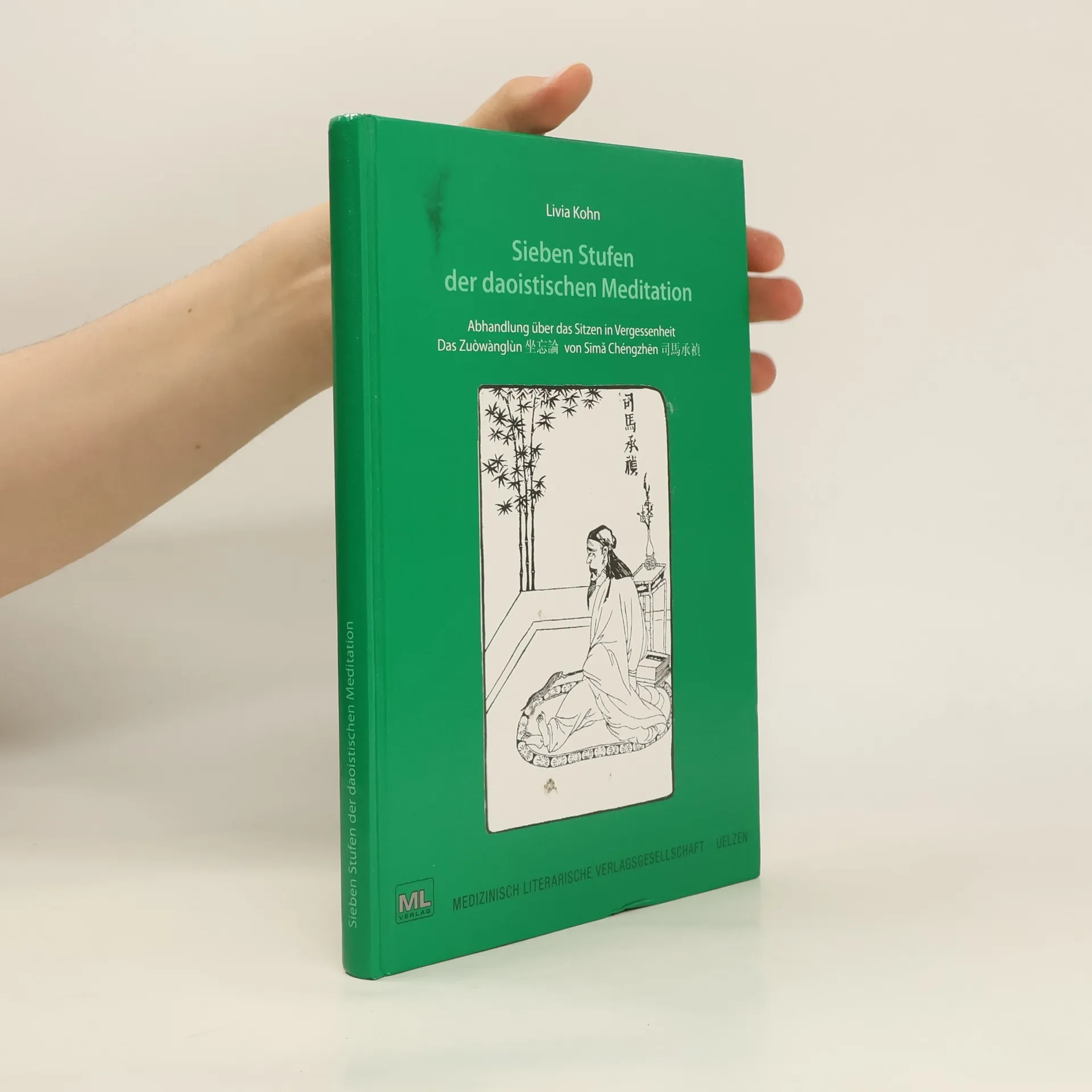
Sieben Stufen der daoistischen Meditation
Abhandlung über das Sitzen in Vergessenheit Das Zuòwànglùn von Sima Chéngzhén