

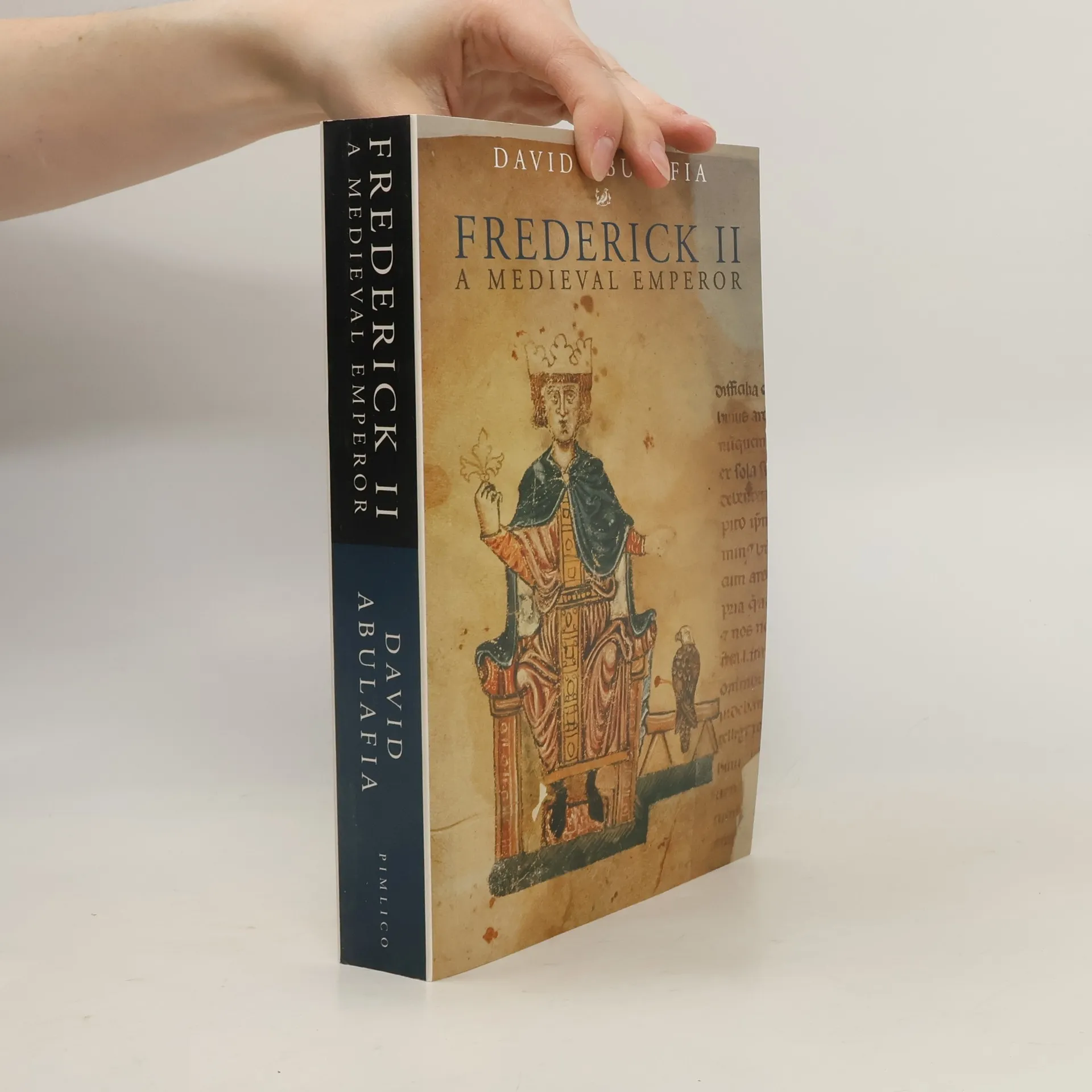
Frederick II of Hohenstaufen (1194-1250) - King of Sicily, Holy Roman Emperor, King of Jerusalem, expert ornithologist, Wonder of the World - has long been considered the first Renaissance ruler - a visionary autocrat who embraced the religious divisions within his empire to challenge the armies and oppressive limitations of the medieval church. He has aslo been denounced as the Antichrist, a heretic and a heathen, who died condemned by the papacy to eternal damnation. David Abulafia's masterly biography overturns the myths and reveals Frederick as neither the Beast of the Apocalypse nor the Universal Hero adopted by pre-Nazi Germany. Instead we are shown a man very much of his time, an emperor whose reign coincided with the great turning-points of the high Middle Ages.
David Abulafia Boeken
David Abulafia is een Britse historicus met een bijzondere interesse in Italië, Spanje en het Middellandse Zeegebied tijdens de Middeleeuwen en de Renaissance. Zijn werken duiken diep in de ingewikkelde interacties en ontdekkingen van deze cruciale tijdperken. Abulafia onderzoekt de menselijke geschiedenis en culturele uitwisseling die de Mediterrane wereld hebben gevormd. Zijn schrijven biedt een boeiend kijkje in het verleden.
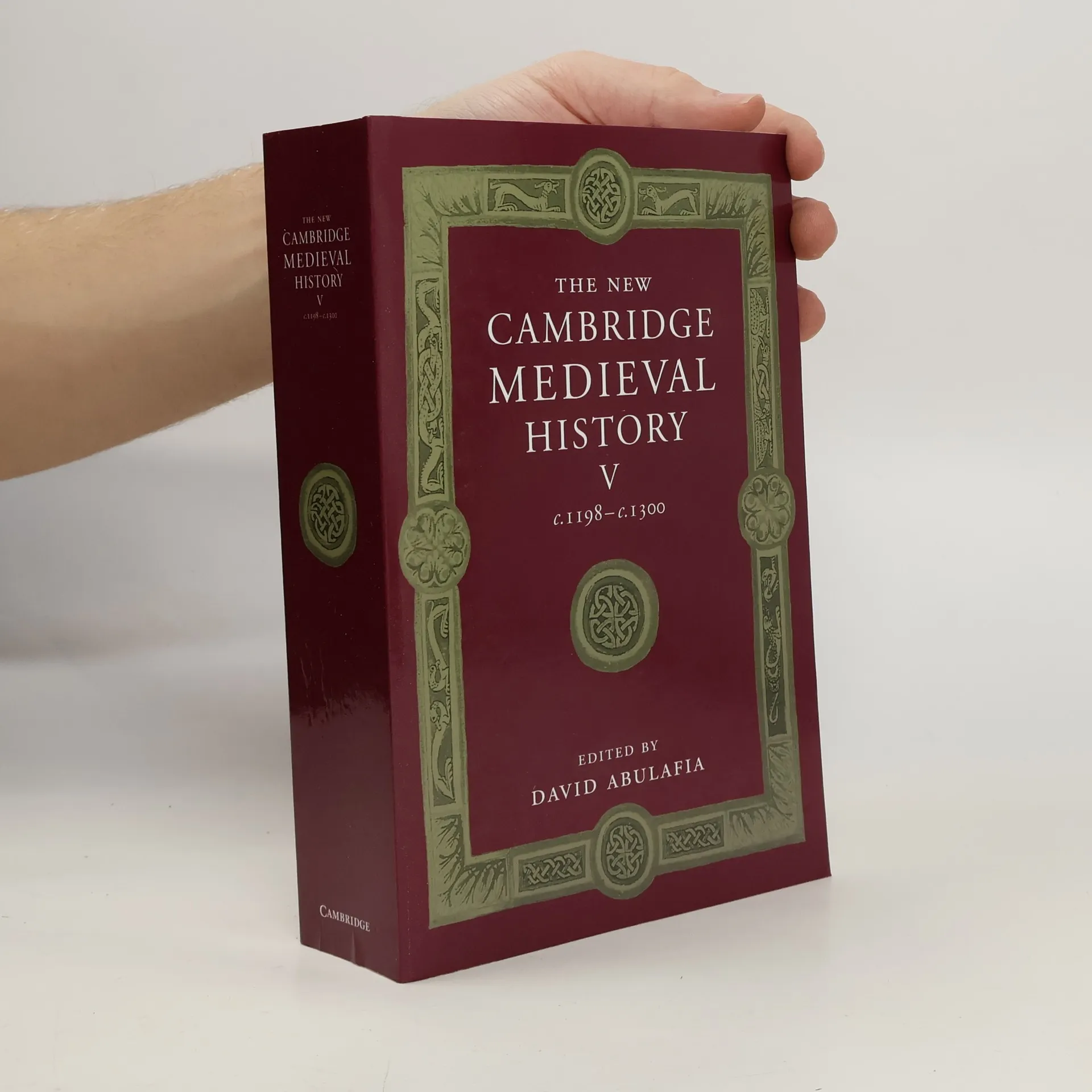
The New Cambridge Medieval History
- 1086bladzijden
- 39 uur lezen
This comprehensive reference work explores the entirety of Europe in the thirteenth century, covering both Eastern and Western regions. It delves into the political, social, and cultural dynamics of the time, providing an in-depth analysis of key events, figures, and developments that shaped the continent. Ideal for historians and enthusiasts alike, it serves as an essential resource for understanding the complexities of medieval Europe.
The Boundless Sea
- 1088bladzijden
- 39 uur lezen
For most of human history, seas and oceans have been vital for long-distance trade and communication, facilitating the exchange of ideas, religion, and commerce. This narrative explores the history of human movement and interaction across the world's oceans, beginning with the Polynesians, who navigated the Pacific using intuitive skills long before the compass was invented. By the first century, they were already trading between distant islands. By the seventh century, trading routes connected the coasts of Arabia and Africa to southern China and Japan, linking the Indian Ocean and western Pacific through the spice trade. In the Atlantic, various peoples, including the Bretons, Frisians, and notably the Vikings, sought new lands across the sea, with the Vikings being the first Europeans to reach North America. As Portuguese maritime dominance waned in the late sixteenth century, the Spanish, Dutch, and British successively took control of the seas. Following merchants, explorers, pirates, and cartographers in their quests for spices, gold, and knowledge, the narrative reveals how maritime networks have shaped global interactions. From early canoe voyages to the routes of today's supertankers, this account illustrates that 90 percent of global trade continues to be conducted by sea.
The Great Sea
- 816bladzijden
- 29 uur lezen
For over three thousand years, the Mediterranean Sea has been one of the great centres of civilization. David Abulafia's The Great Sea is the first complete history of the Mediterranean, from the erection of temples on Malta around 3500 BC to modern tourism. Ranging across time and the whole extraordinary space of the Mediterranean from Gibraltar to Jaffa, Genoa to Tunis, and bringing to life pilgrims, pirates, sultans and naval commanders, this is the story of the sea that has shaped much of world history.
Italy in the Central Middle Ages
- 280bladzijden
- 10 uur lezen
Incorporating the latest developments in the study of the period, a team of leading international scholars provides a fresh and dynamic picture of a period of great transformation in the political, cultural, and economic life of the Italian peninsula, which witnessed the rise of autonomous city states in the north, the creation of a powerful kingdom in the south, and the development of the Italian language as a vehicle for literary expression.
Velký atlas světových dějin
- 376bladzijden
- 14 uur lezen
Tento atlas Vám přiblíží celé dějiny světa. Na 540 obsažných mapách se před Vámi rozvine panoráma minulosti lidstva.