Walter BrueggemannVolgorde van de boeken (chronologisch)
11 maart 1933
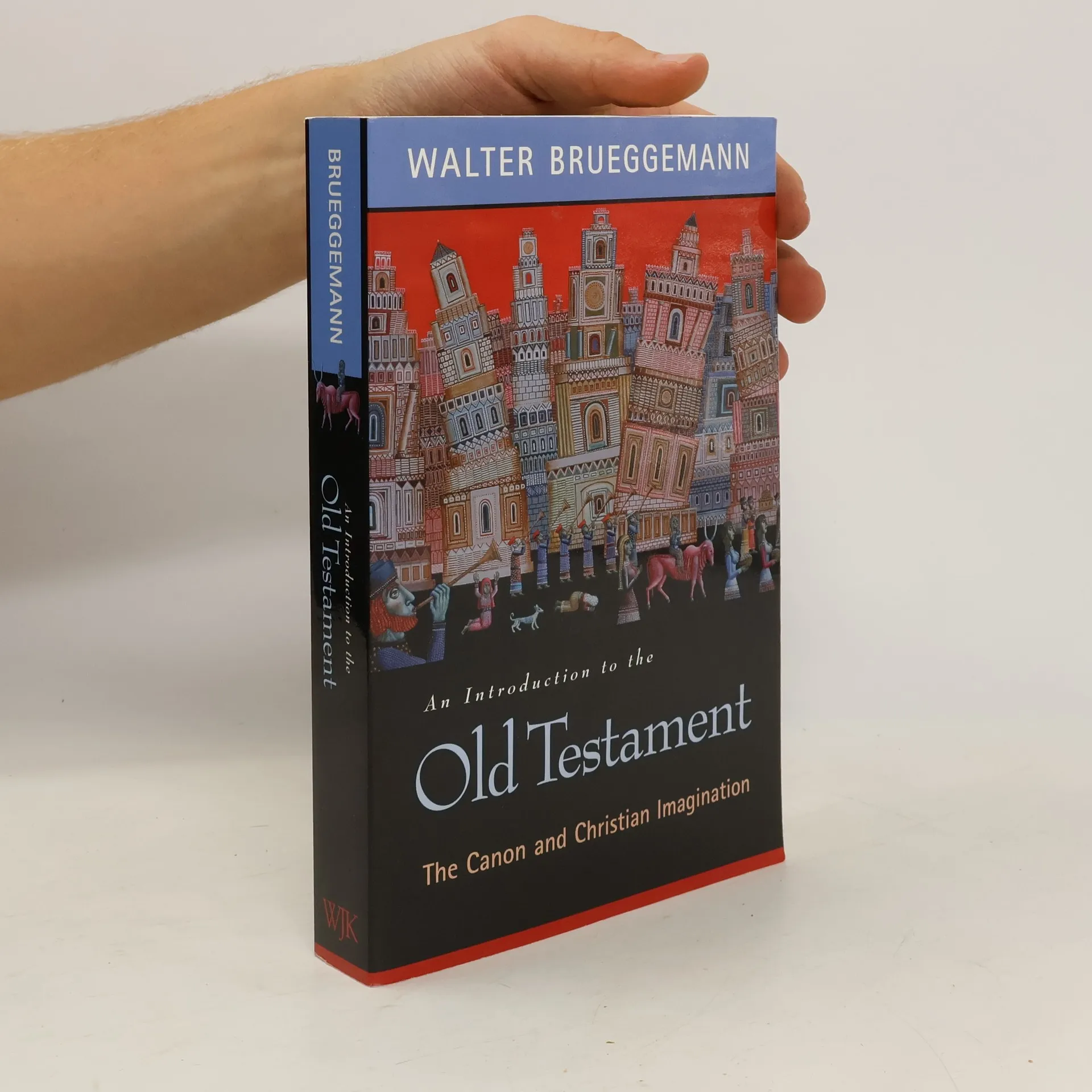
Walter Brueggemann is een vooraanstaande wereldwijde interpretator van het Oude Testament, wiens geschriften diepgaande inzichten bieden in bijbelse teksten. Zijn werk onderzoekt hoe Oude Testamentische thema's theologie en literaire verbeelding vormgeven. Brueggemann's benadering van de Schrift is essentieel voor het begrijpen van de betekenis ervan binnen de christelijke traditie. Zijn publicaties zijn cruciaal voor lezers die op zoek zijn naar substantiële kennis van het Oude Testament en zijn blijvende nalatenschap.
Co pro nás dnes znamená přikázání „světit den odpočinku“? Není to jen fráze z jiného věku? Walter Brueggemann ukazuje, že právě v době nepřetržitého provozu, tlaku na výkon a všeobecného vyčerpání má šabat nečekanou sílu. Připomíná biblický kontrast mezi zotročujícím faraonským režimem roboty bez oddechu a Božím světem, kde čas je darem a život se nežije v hrůze z nedostatku a honbě za blahobytem, ale v důvěře v laskavou péči Stvořitele o jeho stvoření. Den odpočinku nás učí čelit strachu, vzdorovat logice trhu a znovu zakoušet svobodu, která nám byla darována.
The book explores the contrast between the current realities faced by the church and the transformative future that God has in store for humanity. Brueggemann emphasizes the potential of God's words to inspire and initiate change, urging readers to embrace a vision of a new world that begins in the present and extends into an eschatological future. Through this dynamic interplay, the author seeks to empower individuals and communities to live out their faith actively and meaningfully.
The collection features prayers crafted by renowned Hebrew Bible scholar Walter Brueggemann, suitable for both public worship and personal reflection. It offers a rich resource for enhancing spiritual practice, drawing from deep biblical insights to inspire and guide worshippers in their devotion.
Walter Brueggemann explores the systemic and structural roots of poverty, emphasizing that addressing this issue requires more than just charity. He advocates for the transformative power of neighborliness as a crucial antidote to poverty, urging a shift in perspective from mere benevolence to fostering genuine community connections. Through this lens, the book challenges readers to rethink their approach to poverty and consider more sustainable solutions rooted in solidarity and mutual support.
Focusing on Solomon's role in ancient Israelite narratives, Walter Brueggemann explores the ideals and complexities of the Israelite people. By analyzing the biblical text's nuances, he highlights the differing perspectives that shape the understanding of Solomon, encouraging readers to critically assess traditional beliefs and interpretations.
The book features a comprehensive table of contents that outlines its structure and organization. It provides an overview of the main topics and themes covered, allowing readers to navigate through the material easily. Each section is clearly defined, making it a valuable resource for understanding the book's content and enhancing the reading experience. The table serves as a roadmap for readers to engage with the various chapters and subjects presented throughout the work.
Understanding the gospel as emancipation has been central to Walter Brueggemann's biblical interpretation. This book illustrates the theme's centrality, addressing the emancipation of God from our attempts to control, the emancipation of the church to be the people of an emancipated God, and the emancipation of the gospel to be a cultural prophecy. This volume divides into three parts: "The Emancipation of God," "The Emancipation of the Church," and "The Emancipation of the Neighborhood." What the three parts hold in common is the kingdom of God. In each chapter, Brueggemann grinds away at biblical texts that have been muffled, silenced, and disabled to free the text from its cultural entrapments so that that the liberated text can speak for an emancipated God and a liberated church to free the world.
The collection features prayers by esteemed Hebrew Bible scholar Walter Brueggemann, designed for both public worship and personal reflection. Covering various occasions from the church calendar to significant global events, these prayers encourage justice and peacemaking, while invoking divine healing for those in pain. Each prayer invites worshipers to connect deeply with their faith and the pressing issues of the world.
Exploring the unique dialect of the Bible, this work delves into the complexities of human experience through themes of justice, love, and compassion. It critiques how the church often strays from this relational language, succumbing to external pressures like nationalism or ideological divides. By highlighting the importance of maintaining a distinct biblical rhetoric, the author argues that the church must resist these seductions to uphold its mission and identity, fostering a deeper understanding of God's creation and human hope.
Walter Brueggemann's extensive scholarship is showcased in this collection, which compiles his influential writings on various biblical themes. Each volume distills his insights into an accessible format, allowing readers to engage with his thought-provoking and prophetic perspectives. This library serves as a valuable resource for those seeking to deepen their understanding of Brueggemann's work and its relevance to contemporary biblical scholarship.
Featuring a diverse array of prayers, this collection by Walter Brueggemann is suitable for both public worship and personal reflection. Covering specific days in the church calendar, significant community events, and global occurrences, the prayers illustrate God's presence in our lives. They emphasize the importance of mutual support among individuals, encouraging readers to accompany one another through life's various stages and challenges.
Refusing the Fear-Filled, Greed-Driven Toxicity of the Far Right
132bladzijden
5 uur lezen
Ancient biblical faith serves as the foundation for Walter Brueggemann's critical responses to eight "truth claims" made by the radical right in US politics. By examining these claims, he uncovers how they contradict both reality and the rich legacy of biblical tradition, highlighting the relevance of ancient echoes in contemporary discourse.
For decades, two Old Testament interpretive giants, Walter Brueggemann and Brevard S. Childs, debated unity vs. diversity, canon vs. testimony, text vs. speech. Here in one place their respective approaches are contrasted and compared.
Bodies, pain, suffering, hunger--and love. Politics, war, violence, hatred--and community. Walter Brueggemann, with wisdom and grace, weaves the story of our present time with God's good purposes. Real World Faith is a prophetic word.
Exploring the intersection of biblical teachings and contemporary life, this essay collection emphasizes the urgent need for faith in a world plagued by evil and violence. Brueggemann aims to empower readers to resist harmful social forces through messages of forgiveness, generosity, and hospitality. He encourages a transformative way of living that counters societal pressures of exclusion and fear, fostering joy and hope. Ultimately, these essays serve as a source of strength for those committed to creating positive change in their communities.
Focusing on key texts from the Old Testament, this series reveals pivotal moments that reshape our understanding of Scripture. It encourages readers to see these transformative events as invitations to embrace a deeper reality influenced by God's intentions and actions. Each highlighted moment serves to shift expectations and deepen faith, offering fresh insights into the biblical narrative.
Exploring the insights of a renowned biblical scholar, this collection features previously published works by Walter Brueggemann, organized around significant biblical themes that have shaped his academic contributions. Each volume offers an accessible overview, allowing readers to engage with Brueggemann's thought-provoking interpretations and reflections throughout his career. Ideal for those interested in deepening their understanding of biblical scholarship.
The book highlights HeartEdge, an innovative church renewal movement that emerged in response to the pandemic, founded by Samuel Wells at St Martin in the Fields. It showcases the movement's extensive outreach, including serving thousands of meals and transforming into an online hub for conferences and theological education. A key feature is Wells' monthly discussions on the Church's future with prominent leaders from the UK and the US, which have attracted large online audiences, reflecting a vibrant and adaptive approach to faith in challenging times.
Focusing on significant texts within the Old Testament, this series invites readers to discover transformative moments that reshape their understanding of Scripture. By emphasizing pivotal passages, it encourages a deeper engagement with God's intentions and actions, revealing a reality that challenges and expands expectations.
Focusing on key texts in the Old Testament, this series illuminates pivotal moments that reshape our understanding of Scripture. By emphasizing these transformative passages, it encourages readers to recognize and embrace the profound impact of God's purposes and actions, inviting a deeper engagement with the biblical narrative.
Exploring the intersection of scripture and contemporary social issues, this work offers a fresh perspective that challenges conventional views shaped by democratic capitalism. By situating social topics within the biblical narrative, it encourages readers to reconsider their assumptions and recognize the limitations of their ideological beliefs. The author argues that engaging with biblical testimony can help deconstruct the perceived absoluteness of social realities, fostering a more nuanced understanding that is open to interpretation and faith rather than fixed certitude.
Exploring the interplay between immediate concerns and deeper existential questions, the book delves into the limitations of Enlightenment thinking that prioritizes cause-and-effect reasoning. It emphasizes the importance of imagination in transcending everyday anxieties and stresses, suggesting that life in a spiritual context encompasses more profound mysteries and wonders. The text invites readers to reflect on their faith and the broader implications of their existence beyond mere survival and immediate relief.
Focusing on the often-overlooked theologies of land, this volume features contributions from authors representing Palestinian, First Nations, Latinx, and South African perspectives. They explore the deep connections between land, migration, and identity, addressing the complexities of political domination and the exploitation of land. The discussions highlight the injustices faced by landless communities and the broader implications for humanity's relationship with creation, offering fresh insights from Majority World and minoritized viewpoints.
Exploring the concept of materiality, this book delves into how physical objects and materials influence our understanding of the world. It examines the relationship between materials and their meanings, considering how they shape experiences and perceptions in various contexts. Through interdisciplinary perspectives, the text highlights the significance of materiality in art, culture, and everyday life, encouraging readers to rethink the role of objects in shaping human experience and knowledge.
Engaging with themes of truth and hope, this collection of essays by Walter Brueggemann addresses contemporary issues like fake news and societal deception through the lens of biblical teachings. Edited by Louis Stulman, the essays emphasize the prophetic tradition, particularly that of Jeremiah, which focuses on truth-telling as a means to expose societal falseness. Brueggemann argues that genuine hope emerges only after confronting and unmasking corrupt systems, highlighting the faithfulness of God in creating a new way forward.
The collection showcases sixty sermons by Walter Brueggemann, primarily delivered in recent years, including his final appearances at various churches and the Festival of Homiletics in 2018. It focuses on lectionary texts, with a significant emphasis on themes surrounding Advent-Christmas and Lent-Easter, reflecting Brueggemann's profound insights and theological perspectives during key liturgical seasons.
The collection showcases sixty sermons by Walter Brueggemann, primarily delivered in the past five years, culminating in his final public appearances. These sermons, largely based on lectionary texts, reflect themes of Advent-Christmas and Lent-Easter, highlighting his profound insights and theological perspectives. Notably, his last address at the Festival of Homiletics in 2018 marks a significant moment in his preaching career, offering readers a rich tapestry of faith and reflection.
Preeminent biblical scholar Walter Brueggemann explores the book of Jeremiah as a unique homiletic experiment, challenging us to consider its canonical shape as a guide for sermon structure. He proposes that Jeremiah can be seen as a long sermonic reflection on the traumatic events leading to the exile of Judah, prompting critical questions about God's faithfulness, punishment, and the future. This exploration extends to the crucifixion of Jesus and the displacement of his followers, paralleling modern American cultural dislocation that challenges notions of exceptionalism. Brueggemann connects these themes to the experiences of ancient Israel following Jerusalem's destruction, as articulated in Jeremiah. He analyzes the book's organization—Introduction, Body, and Conclusion—drawing parallels to Good Friday, Holy Saturday, and Resurrection Sunday. The preacher's role mirrors that of the prophet, tasked with both destruction and renewal. Brueggemann emphasizes that preaching must be honest and transparent, addressing God's requirements and proclaiming His past and future actions without resorting to cover-ups. This approach invites deeper engagement with the text and its implications for contemporary faith and practice.
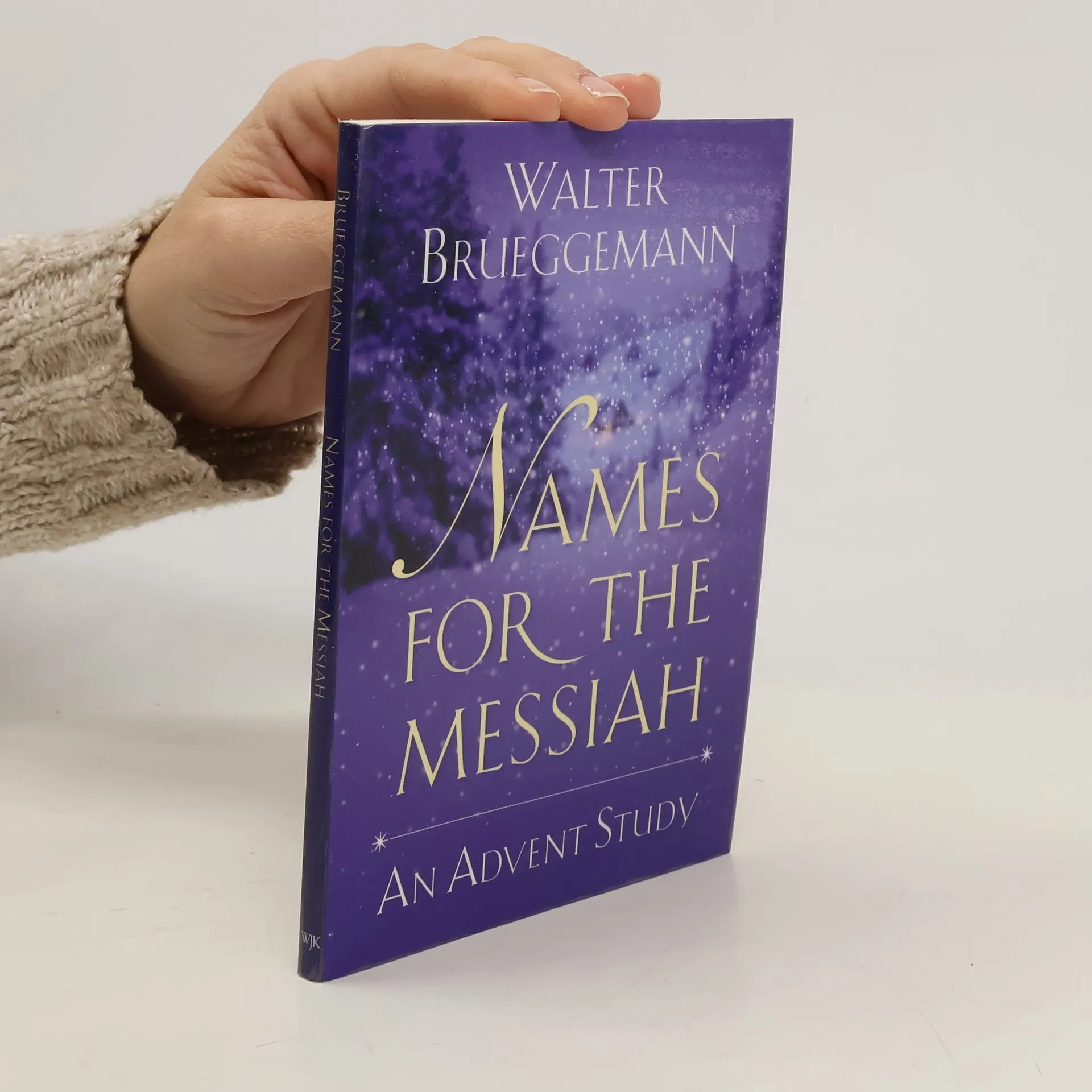
In Isaiah 9:6, a divine utterance is given to us using four royal titles Wonderful Counselor, Mighty God, Everlasting Father, and Prince of Peace. "Names for the Messiah" ponders each title and how the people understood it then, how Jesus did or did not fulfill the title, and how Christians interpret Jesus as representative of that title. Christians have claimed from the beginning that Jesus was the Messiah foretold in the Old Testament. In this study, best-selling author Walter Brueggemann tackles the questions: What were these expectations? and Did Jesus fulfill them? "
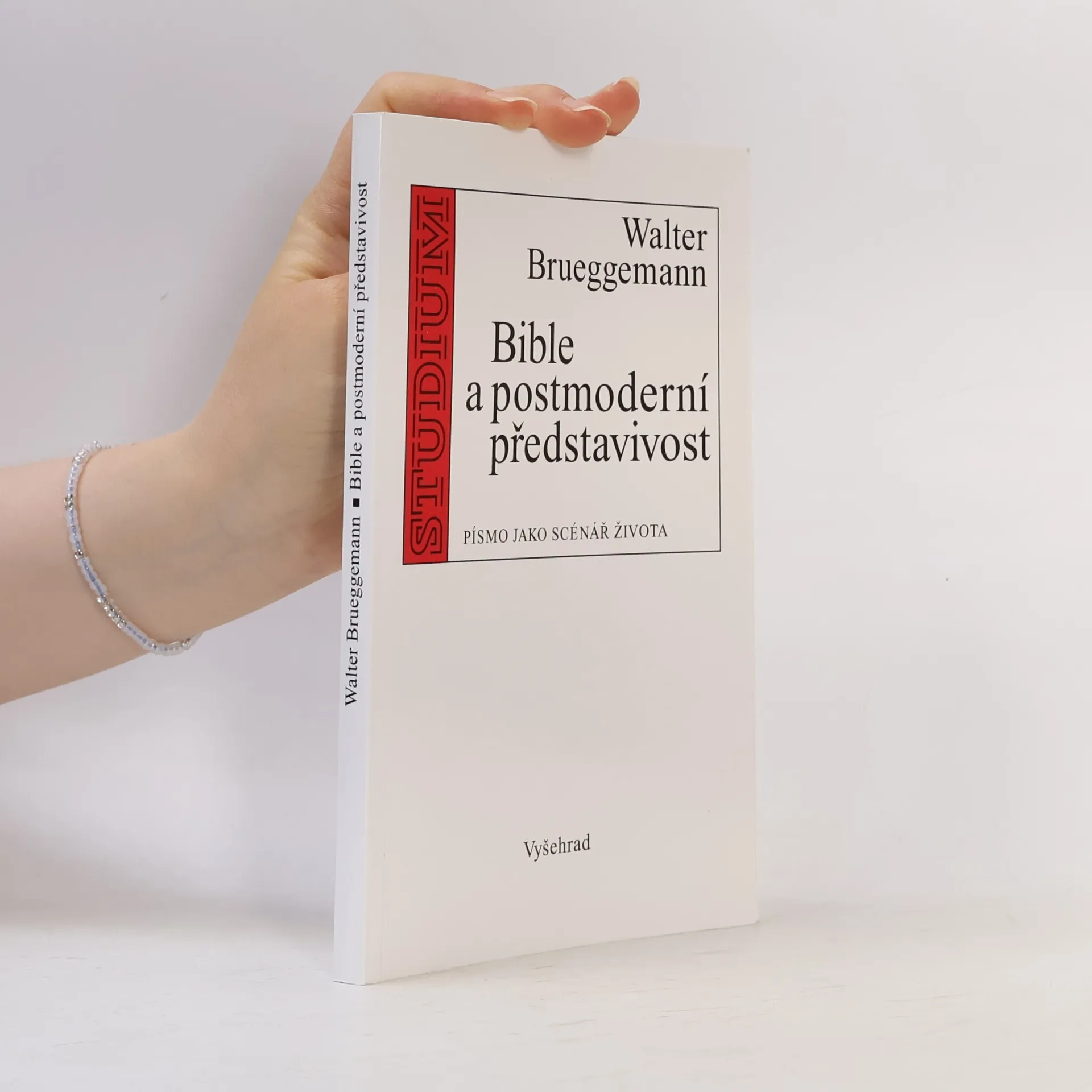
Přední americký biblista, autor řady komentářů ke starozákonním knihám a svého opakovaně vydávaného díla Teologie Starého zákona, shrnuje v této publikaci předpoklady pro dialog dnešního člověka s dějinným biblickým odkazem. Upozorňuje na doznívající vliv osvícenství, které důrazem na autoritu rozumu a na ideál objektivity oslabovalo sdělnost biblické zvěsti. Ta se znovu zaskví, když Bibli pojmeme jako odvážný alternativní výklad světa, který připomene opomíjené prvky lidské existence. Odtud pak autor formuluje nově nejen postavení církve ve světě, ale i zcela konkrétní závěry pro ty, jejichž úkolem je zpřístupňovat porozumění biblickým textům dnešním posluchačům či čtenářům.
Interpretation: A Bible Commentary for Teaching and Preaching
374bladzijden
14 uur lezen
The narrative explores the transformation of God's people from marginalized tribes to a powerful monarchy, highlighting the complexities of their journey. Walter Brueggemann employs critical scholarship and theological insight to examine the historical context and implications of the books of Samuel. His analysis reveals not only the political and social dynamics at play but also the deeper spiritual themes that resonate throughout this pivotal period in biblical history.
In his clear and readable, style Walter Brueggemann presents Genesis as a single book set within the context of the whole of biblical revelation. He sees his task as bringing the text close to the faith and ministry of the church. He interprets Genesis as a proclamation of God's decisive dealing with creation rather than as history of myth. Brueggemann's impressive perspective illuminates the study of the first book of the Bible. Interpretation: A Bible Commentary for Teaching and Preaching is a distinctive resource for those who interpret the Bible in the church. Planned and written specifically for teaching and preaching needs, this critically acclaimed biblical commentary is a major contribution to scholarship and ministry.
Focusing on Israel's encounter with God, this book explores significant theological themes such as creation, election, Torah, and divine intervention in history. It examines these concepts within their historical contexts while highlighting their enduring relevance for modern Jewish and Christian interpretations, offering insights into the foundational elements of faith and spirituality as recorded in the Hebrew Bible.
The study focuses on the theology of the Book of Jeremiah. Theology revolves
around themes familiar from Israel's covenantal faith. The God attested in the
Book of Jeremiah invites its readers into and through any dislocations to new
futures that combine divine agency and human inventiveness rooted in
faithfulness.
This work introduces the reader to the broad theological and chronological sweep of the Old Testament. It covers every book of the Old Testament in the order in which it appears in the Hebrew Bible and treats the issues and methods in contemporary interpretations without jargon.
This series presents concise yet critical commentaries on every book of the Old Testament, designed to enhance understanding and engagement with the biblical texts. Aimed primarily at theology students, the commentaries also serve upper-level college students and church leaders. Each volume is structured into four parts, offering essential insights and methodologies for effective exegesis, making it a valuable resource for deepening one's study of the Old Testament.
In this challenging and enlightening treatment, Brueggemann traces the lines from the radical vision of Moses to the solidification of royal power in Solomon to the prophetic critique of that power with a new vision of freedom in the prophets. Here he traces the broad sweep from Exodus to Kings to Jeremiah to Jesus. He highlights that the prophetic vision and not only embraces the pain of the people but creates an energy and amazement based on the new thing that God is doing.
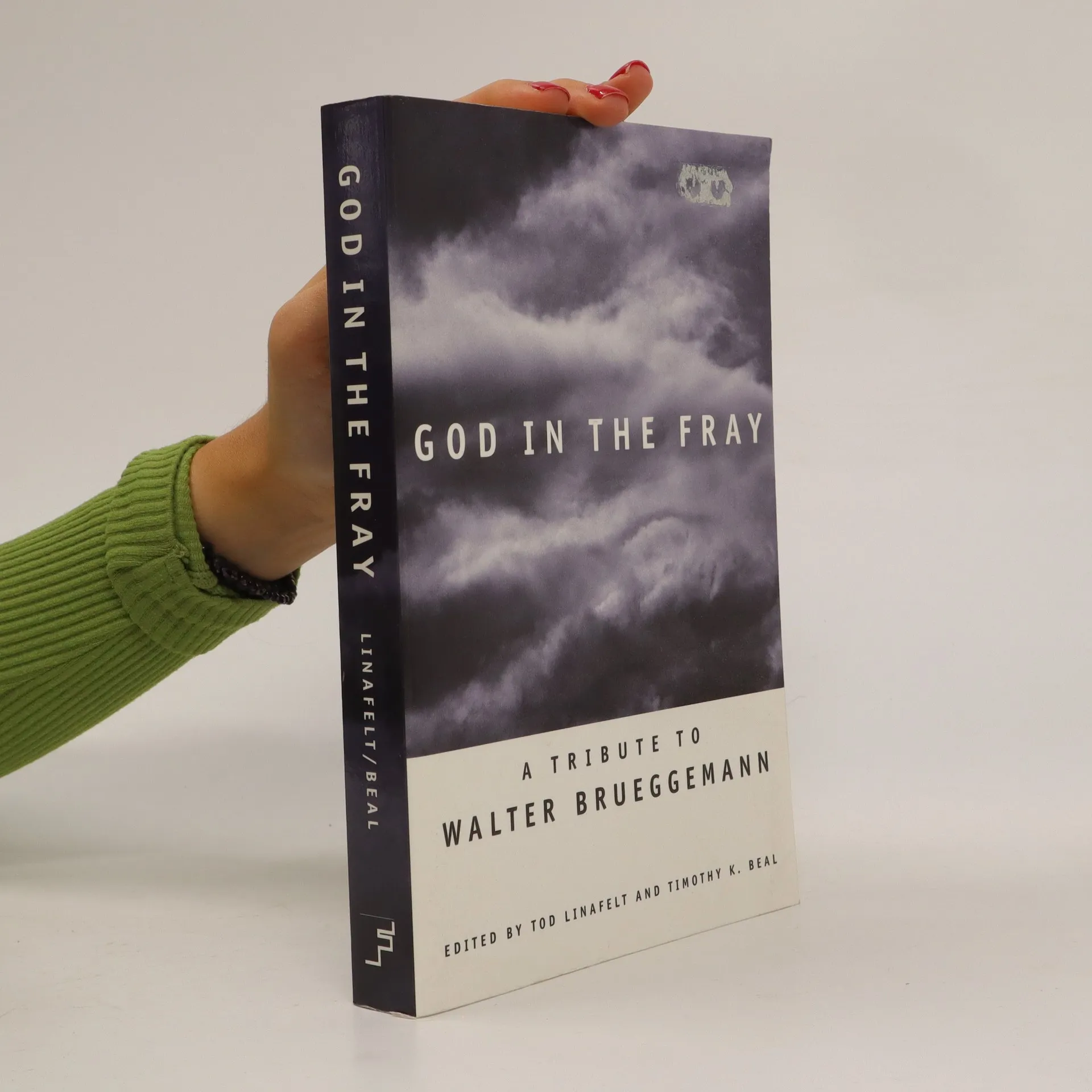
This volume engages the work of Walter Brueggemann, most of which has been published by Fortress Press. The volume centers on the character of God in the text of the Old Testament as a site of theological tension and even ambivalence. Biblical faith never experiences God as entirely above the fray but rather as entangled in history, astonishingly transformative, and impinged upon by the voices of the suffering. Brueggemann's monumental Theology of the Old Testament addresses this fact with great theological insight and rigor, and the internationally renowned biblical scholars writing here engage and extend his insights into the "unsettled Character . . . at the center of the text."
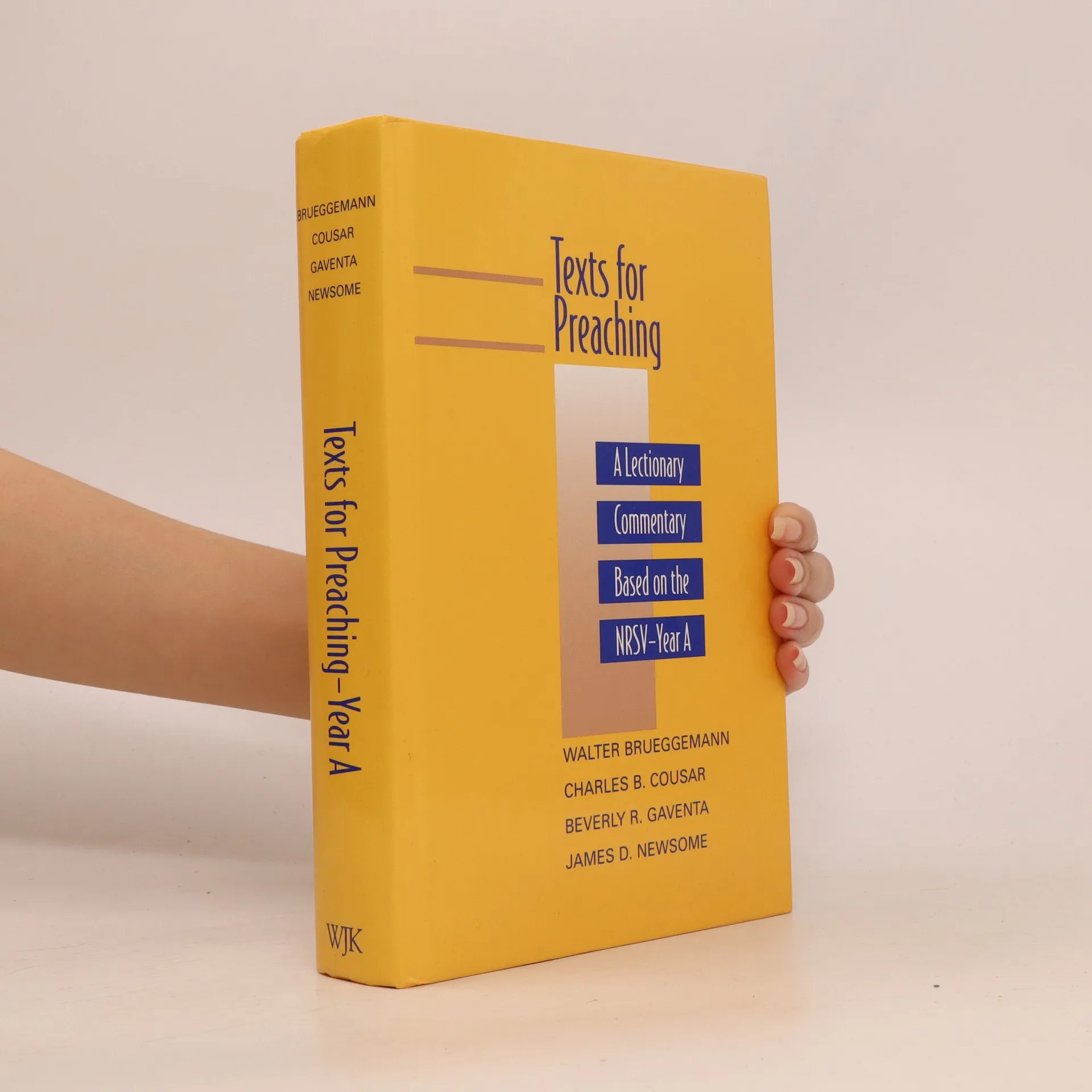
Based on the New Revised Standard Version of the Bible, this third in a series of three volumes provides resources for an entire year of sermons and offers practical help for preachers and others who use the Revised Common Lectionary. Beginning with Advent, this unique and comprehensive resource deals with lectionary texts for Year A. Each of the four texts--the Old Testament, Psalter, Gospel, and Epistle--for each Sunday and important festival day, including Christmas, Ash Wednesday, and Good Friday, is treated. A brief introdution for the day indicates the general thrust of the texts and the relationships among them, emphasizing the interpretation of the texts themselves. Also included are suggestions concerning the implications of the texts for life today.