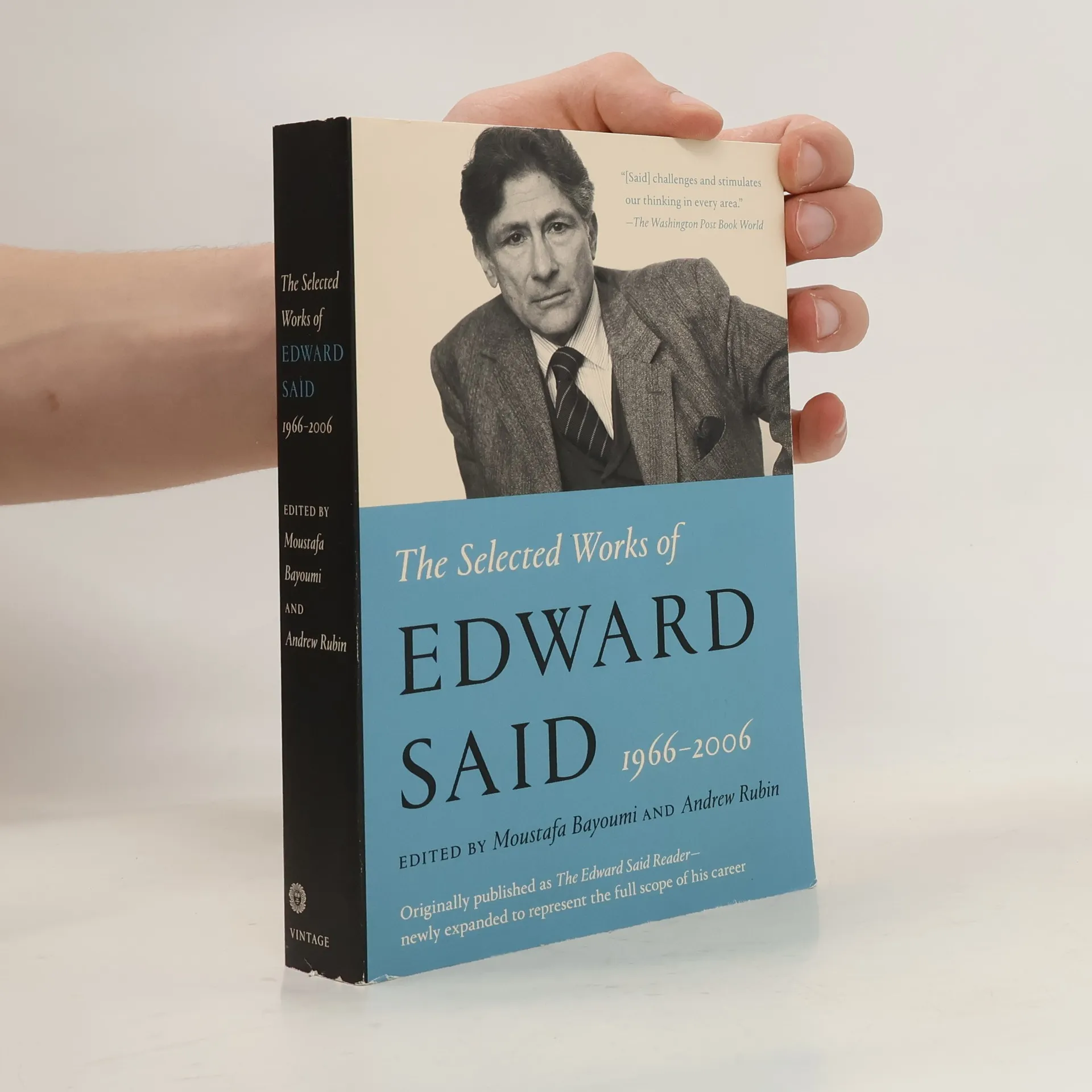
Edward Said was hoogleraar literatuur, een publiek intellectueel en een grondlegger van de postkoloniale studies. Met zijn werk overbrugde hij westerse en oosterse perspectieven, waarbij hij culturele representaties en politieke relaties tussen Oost en West kritisch analyseerde. Zijn methode van tekstuele analyse heeft de literatuurtheorie en de Midden-Oostenstudies diepgaand beïnvloed. Said pleitte voor gelijke rechten en het terugkeerrecht van Palestijnen naar hun vaderland, en benadrukte de rol van de intellectueel als kritische stem in de samenleving.
The book, originally published in 2003, explores themes of social justice and activism, presenting a critical analysis of contemporary issues. It delves into the historical context of movements for change, offering insights into the struggles and triumphs of marginalized communities. Through a blend of personal narratives and scholarly research, it aims to inspire readers to engage with and challenge societal norms. The work serves as both a call to action and a resource for understanding the complexities of activism today.
The renowned literary and cultural critic Edward Said was one of our era’s most provocative and important thinkers. This comprehensive collection of his work draws from across his entire four-decade career, including his posthumously published books, making it a definitive one-volume source. "Said is a brilliant and unique amalgam of scholar, aesthete, and political activist...[He] challenges and stimulates our thinking in every area." --Washington Post Book World The Selected Works includes key sections from all of Said’s books, including his groundbreaking Orientalism; his memoir, Out of Place; and his last book, On Late Style. Whether writing of Zionism or Palestinian self-determination, Jane Austen or Yeats, or of music or the media, Said’s uncompromising intelligence casts urgent light on every subject he undertakes. The Selected Works is a joy for the general reader and an indispensable resource for scholars in the many fields that his work has influenced and transformed.
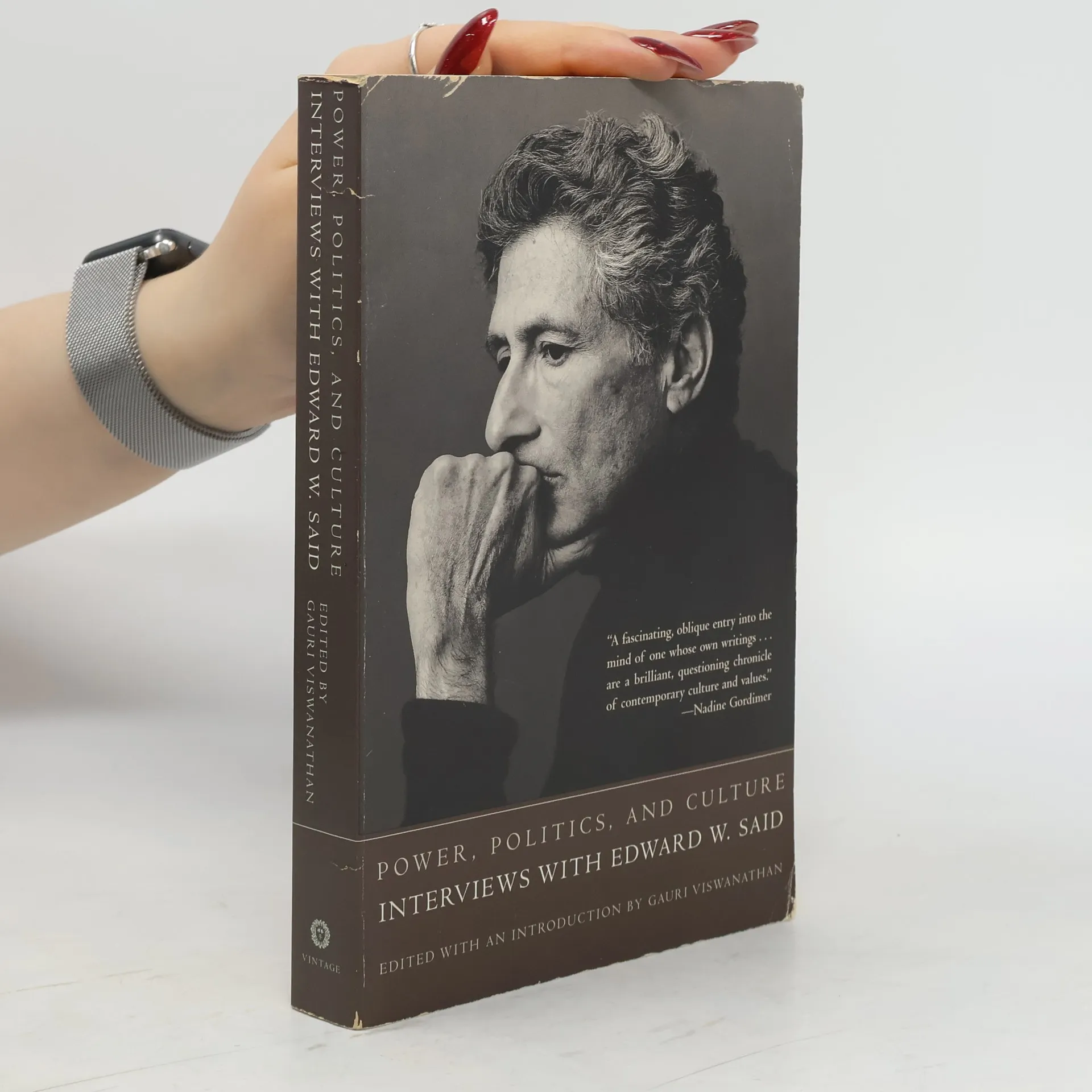
Spanning more than thirty years, a collection of twenty-five interviews with the middle Eastern scholar and critic shares his thoughts on a variety of subjects, including politics, literary and cultural criticism, and the Gulf War.
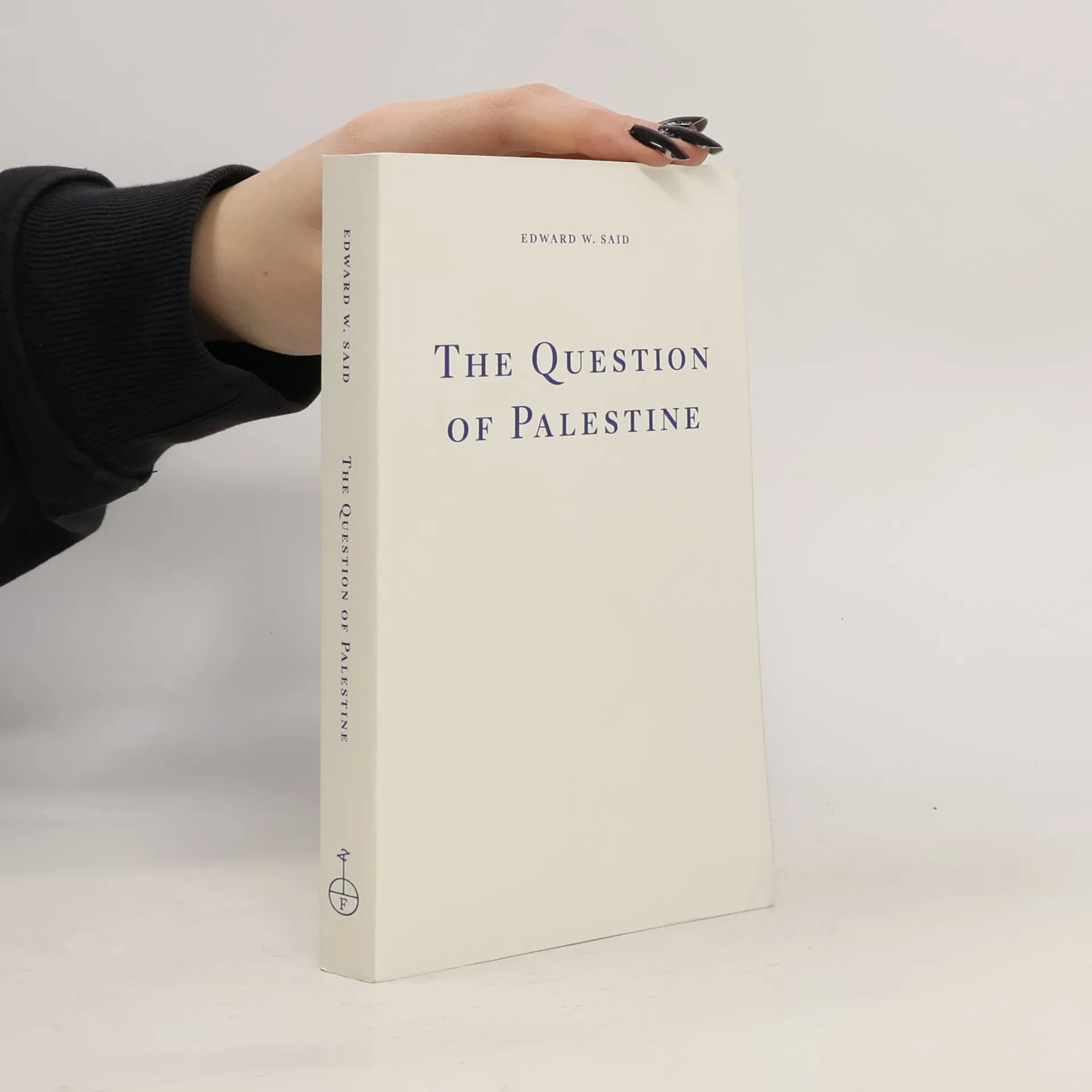
This original and deeply provocative book, first published in 1978, was the first to make Palestine the subject of a serious debate - one that remains as critical as ever.
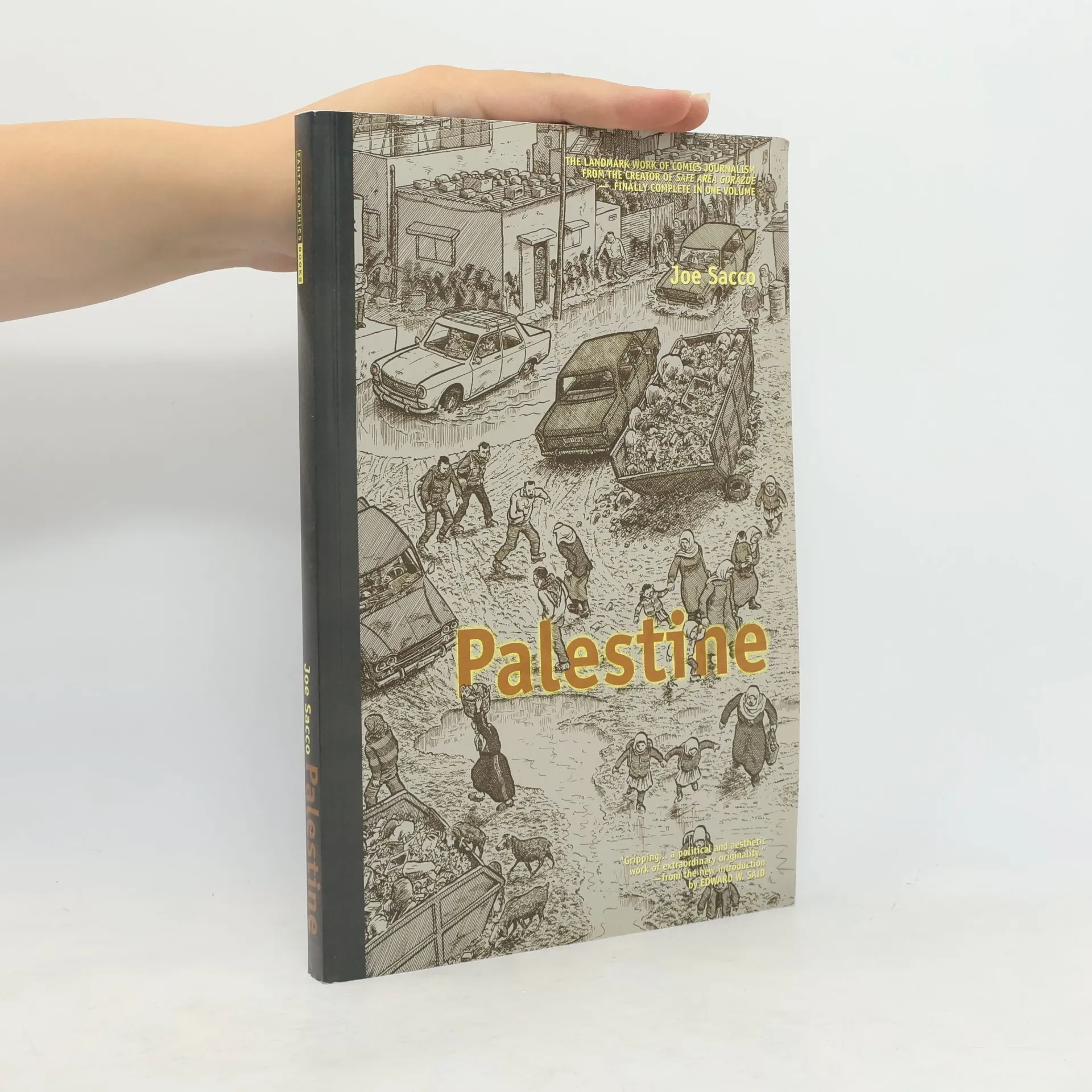
The Landmark Work of Comics Journalism From the Creator of Safe Area Gorazde Finally Complete in One Volume
285bladzijden
10 uur lezen
Prior to Safe Area Gorazde: The War In Eastern Bosnia 1992-1995 —Joe Sacco's breakthrough novel of graphic journalism—the acclaimed author was best known for Palestine , a two-volume graphic novel that won an American Book Award in 1996. Fantagraphics Books is pleased to present the first single-volume collection of this landmark of journalism and the art form of comics. Based on several months of research and an extended visit to the West Bank and Gaza Strip in the early 1990s (where he conducted over 100 interviews with Palestinians and Jews), Palestine was the first major comics work of political and historical nonfiction by Sacco, whose name has since become synonymous with this graphic form of New Journalism. Like Safe Area Gorazde , Palestine has been favorably compared to Art Spiegelman's Pulitzer Prize-winning Maus for its ability to brilliantly navigate such socially and politically sensitive subject matter within the confines of the comic book medium. Sacco has often been called the first comic book journalist, and he is certainly the best. This edition of Palestine also features an introduction from renowned author, critic, and historian Edward Said ( Peace and Its Discontents and The Question of Palestine ), one of the world's most respected authorities on the Middle Eastern conflict.
Essays on Palestine in the Middle East Peace Process
224bladzijden
8 uur lezen
Challenging the official narrative of the Middle East peace process, this book presents a critical examination of cultural myths and political realities. The author, a prominent Palestinian-American intellectual, encourages readers to rethink widely accepted beliefs about the region. With incisive arguments and a passionate tone, the work stimulates thought on complex issues, making it a significant contribution to discussions on culture and imperialism.
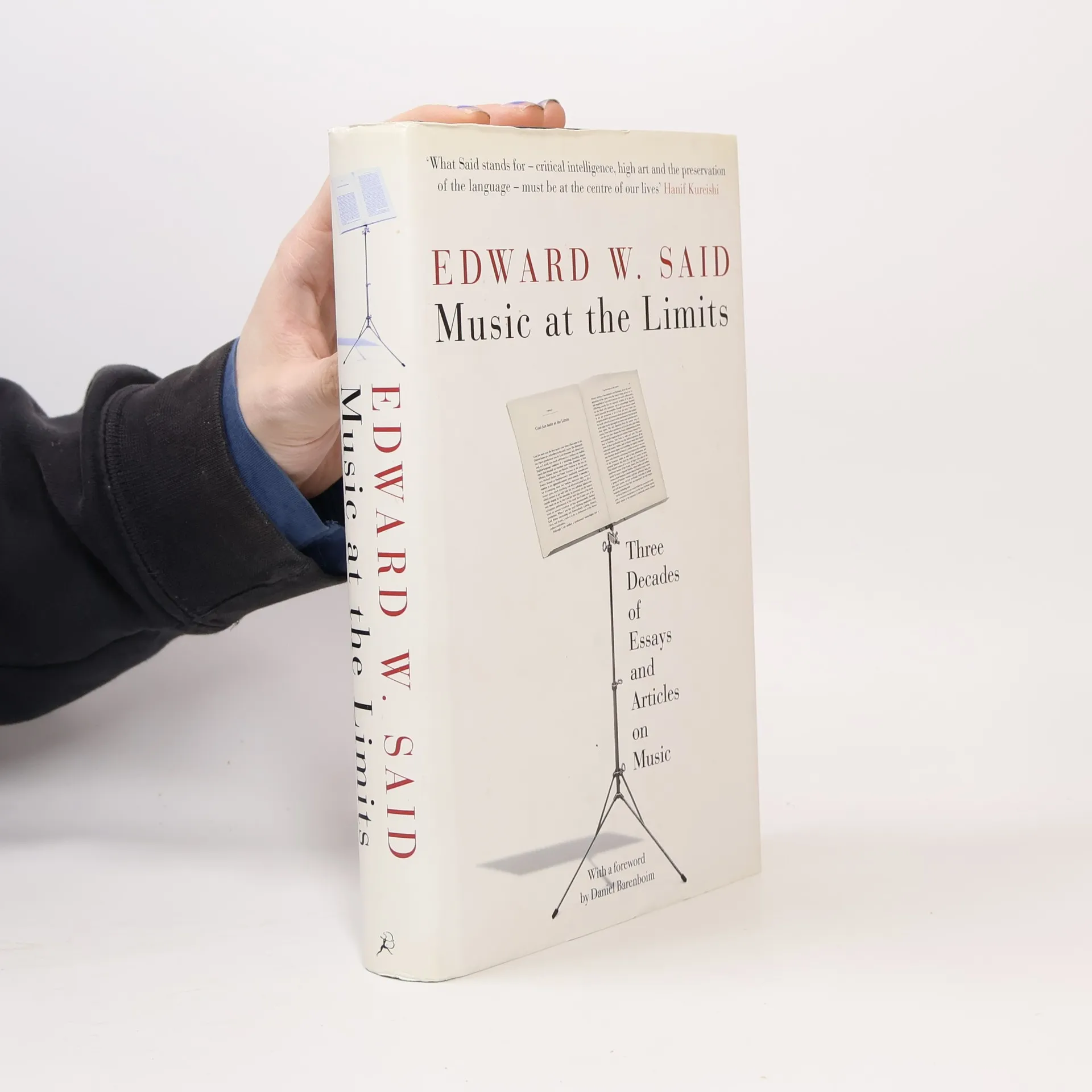
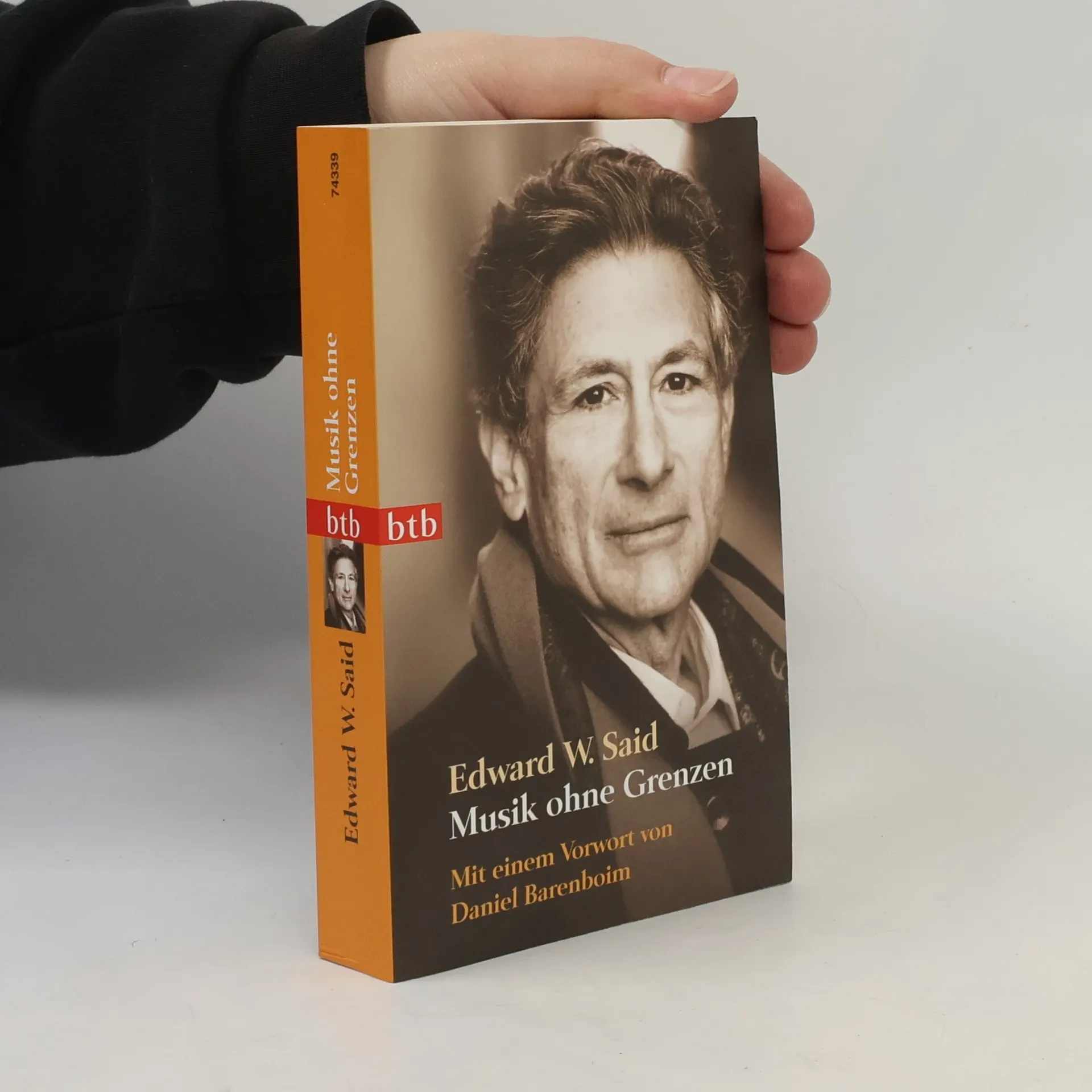
With a foreword by Daniel BarenboimMusic at the Limits is the first book to bring together three decades of Edward Said's essays and articles on music.
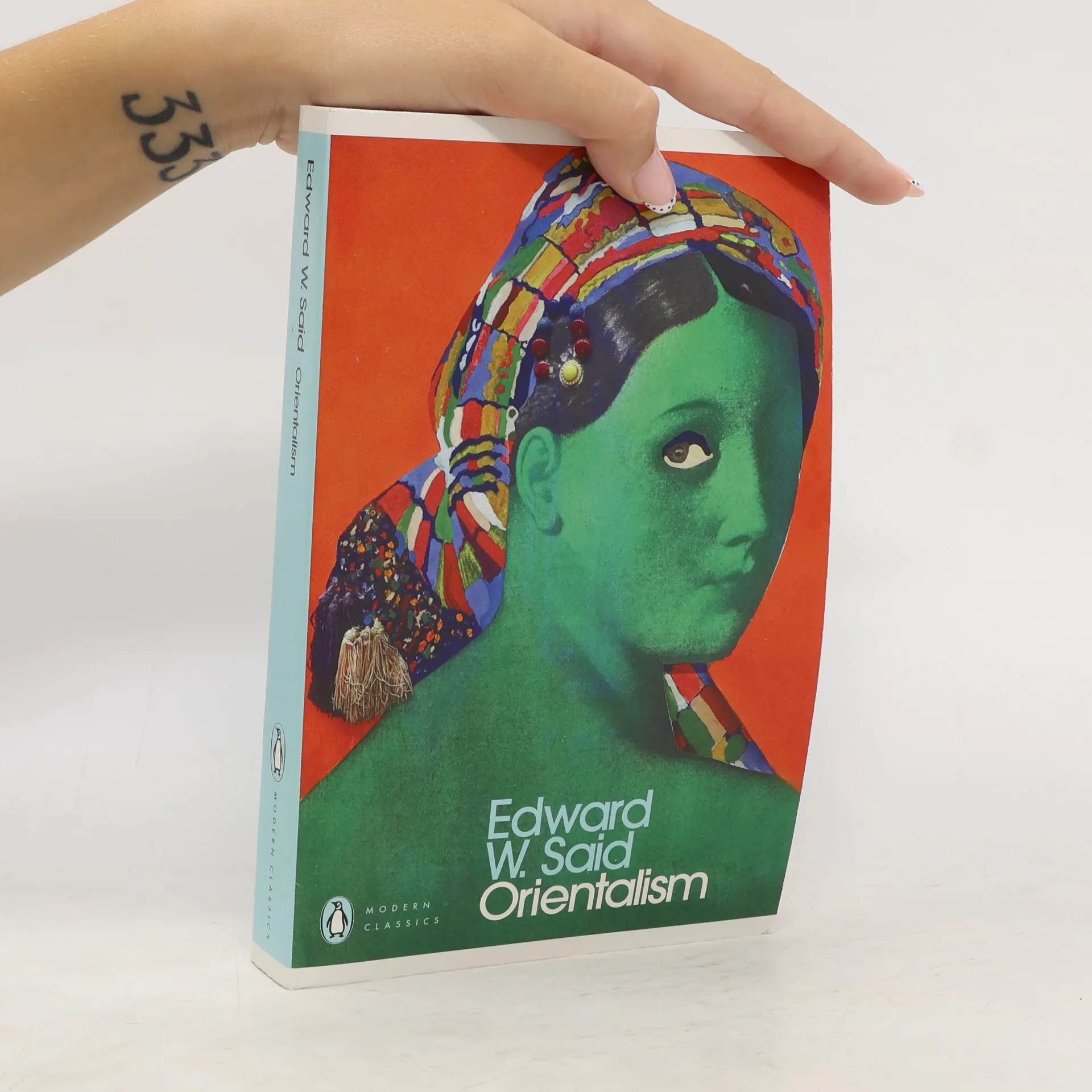
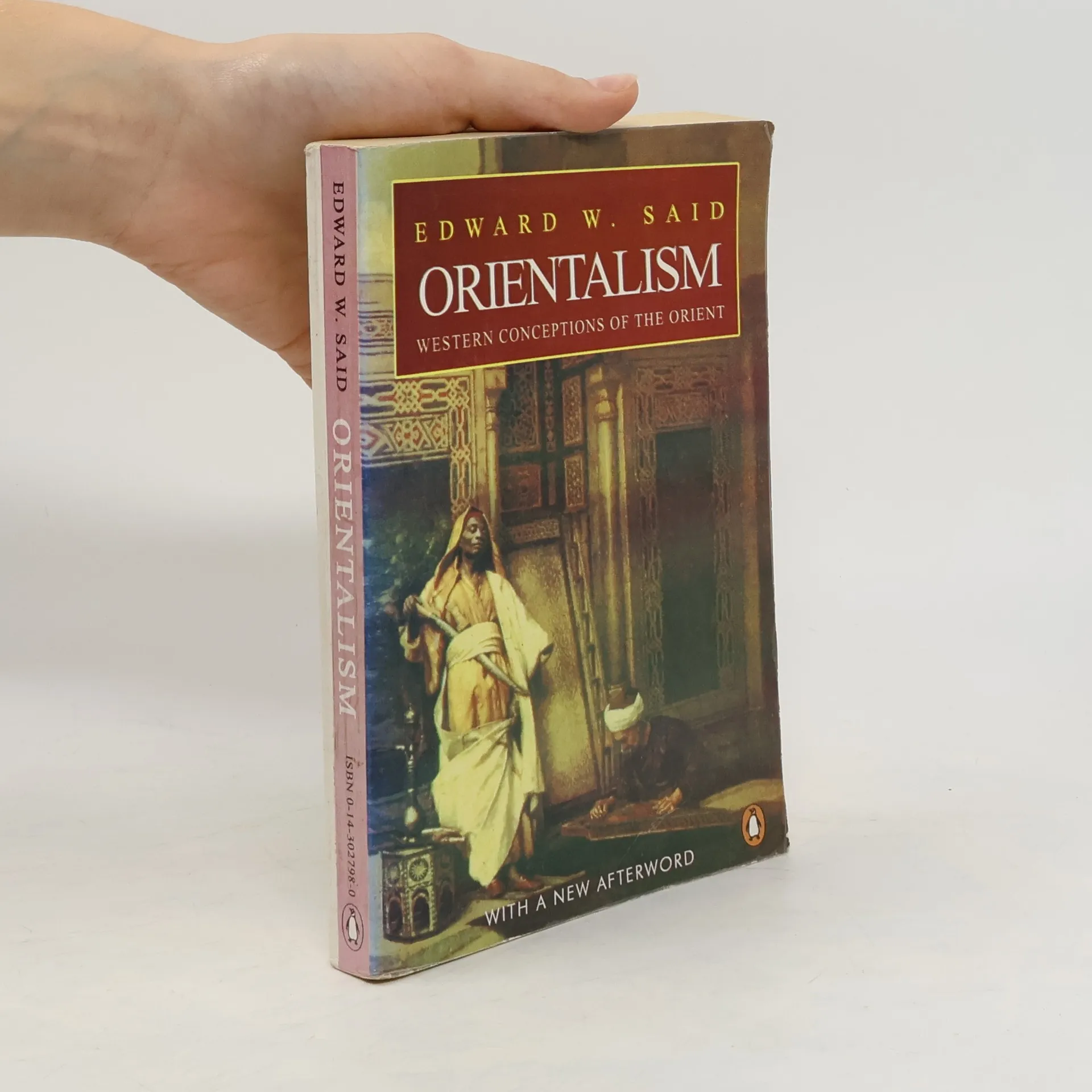
For generations, Edward W. Said's work has shaped our understanding of colonialism and empire, with this Penguin Modern Classics edition featuring a preface written shortly before his death in 2003. In this acclaimed analysis, Said explores the history and nature of Western attitudes toward the East, framing orientalism as a significant European ideological construct that allowed writers, philosophers, and colonial administrators to engage with the 'otherness' of Eastern cultures. He examines the influence of figures like Homer, Nerval, Flaubert, Disraeli, and Kipling, whose portrayals have significantly shaped the West's romanticized view of the Orient. Drawing from his experiences as an Arab Palestinian in the West, Said highlights how these perceptions reflect European imperialism and racism. Born in Jerusalem and educated in Egypt and the U.S., Said (1935-2003) was a prominent Palestinian-American cultural critic and author, known for works like The Question of Palestine and Culture and Imperialism. If you appreciated this analysis, you may also enjoy Frantz Fanon's The Wretched of the Earth, available in Penguin Modern Classics. Critics have praised it as 'stimulating, elegant and pugnacious' (Observer) and 'magisterial' (Terry Eagleton).
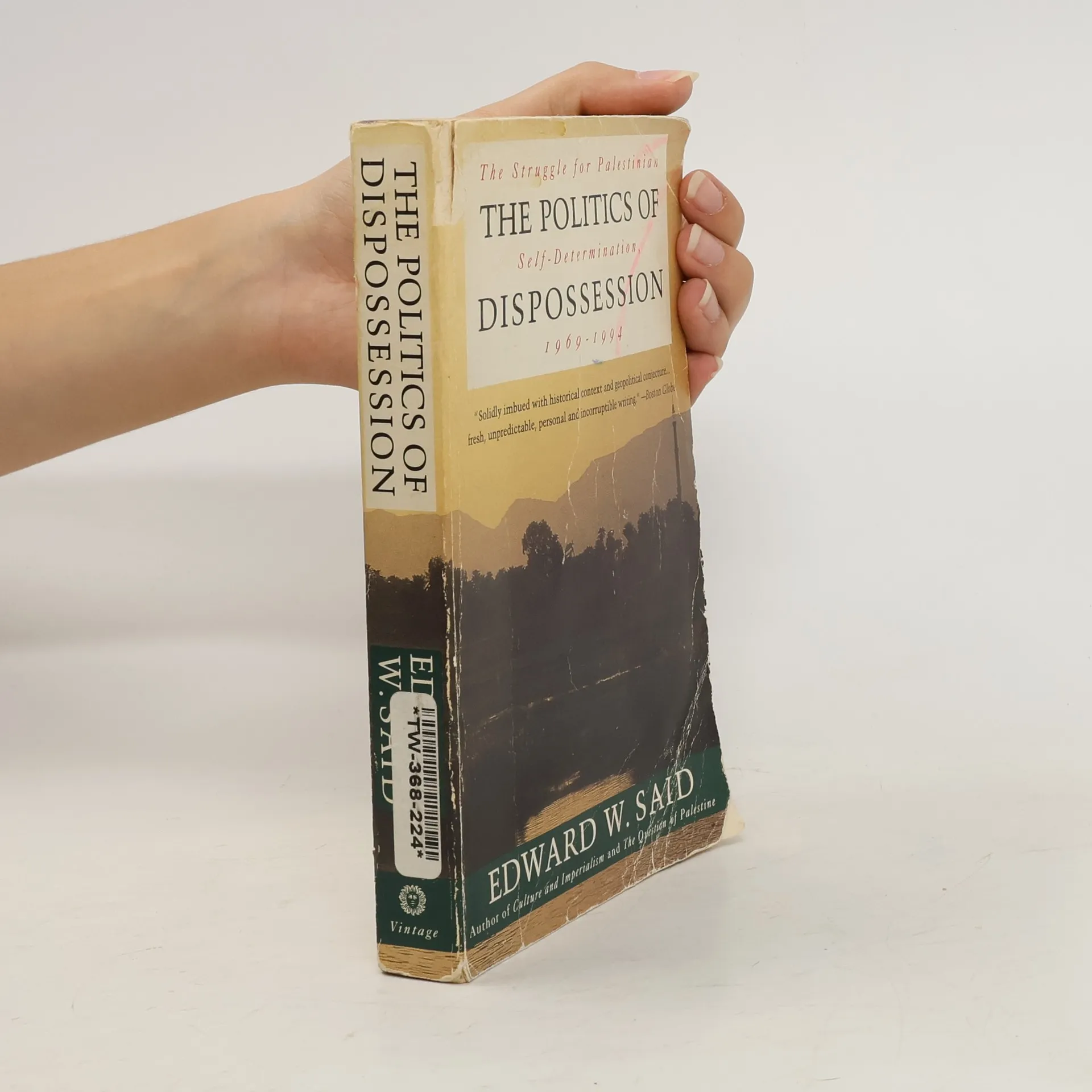
Ever since the appearance of his groundbreaking The Question of Palestine, Edward Said has been America's most outspoken advocate for Palestinian self-determination. As these collected essays amply prove, he is also our most intelligent and bracingly heretical writer on affairs involving not only Palestinians but also the Arab and Muslim worlds and their tortuous relations with the West.In The Politics of Dispossession Said traces his people's struggle for statehood through twenty-five years of exile, from the PLO's bloody 1970 exile from Jordan through the debacle of the Gulf War and the ambiguous 1994 peace accord with Israel. As frank as he is about his personal involvement in that struggle, Said is equally unsparing in his demolition of Arab icons and American shibboleths. Stylish, impassioned, and informed by a magisterial knowledge of history and literature, The Politics of Dispossession is a masterly synthesis of scholarship and polemic that has the power to redefine the debate over the Middle East.
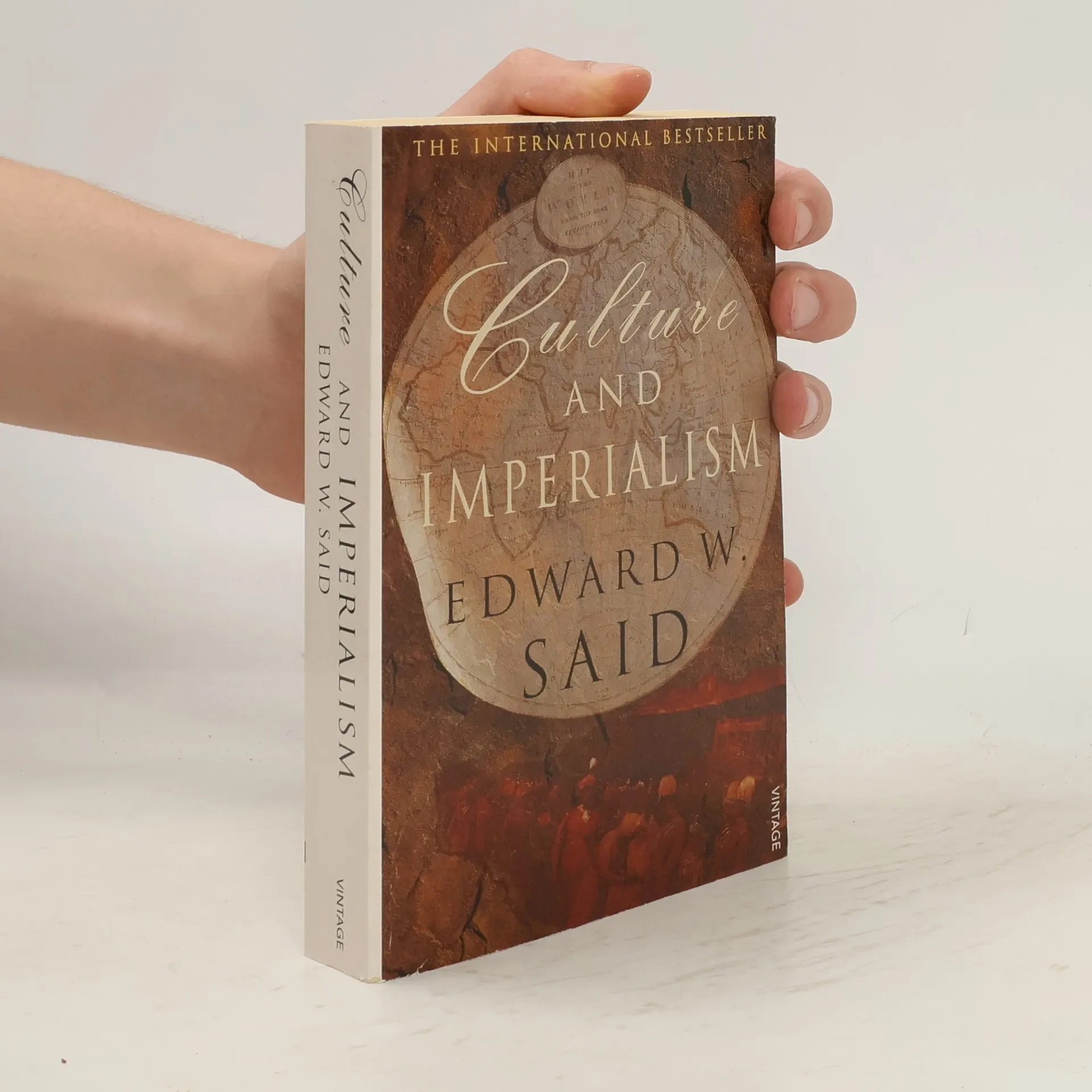
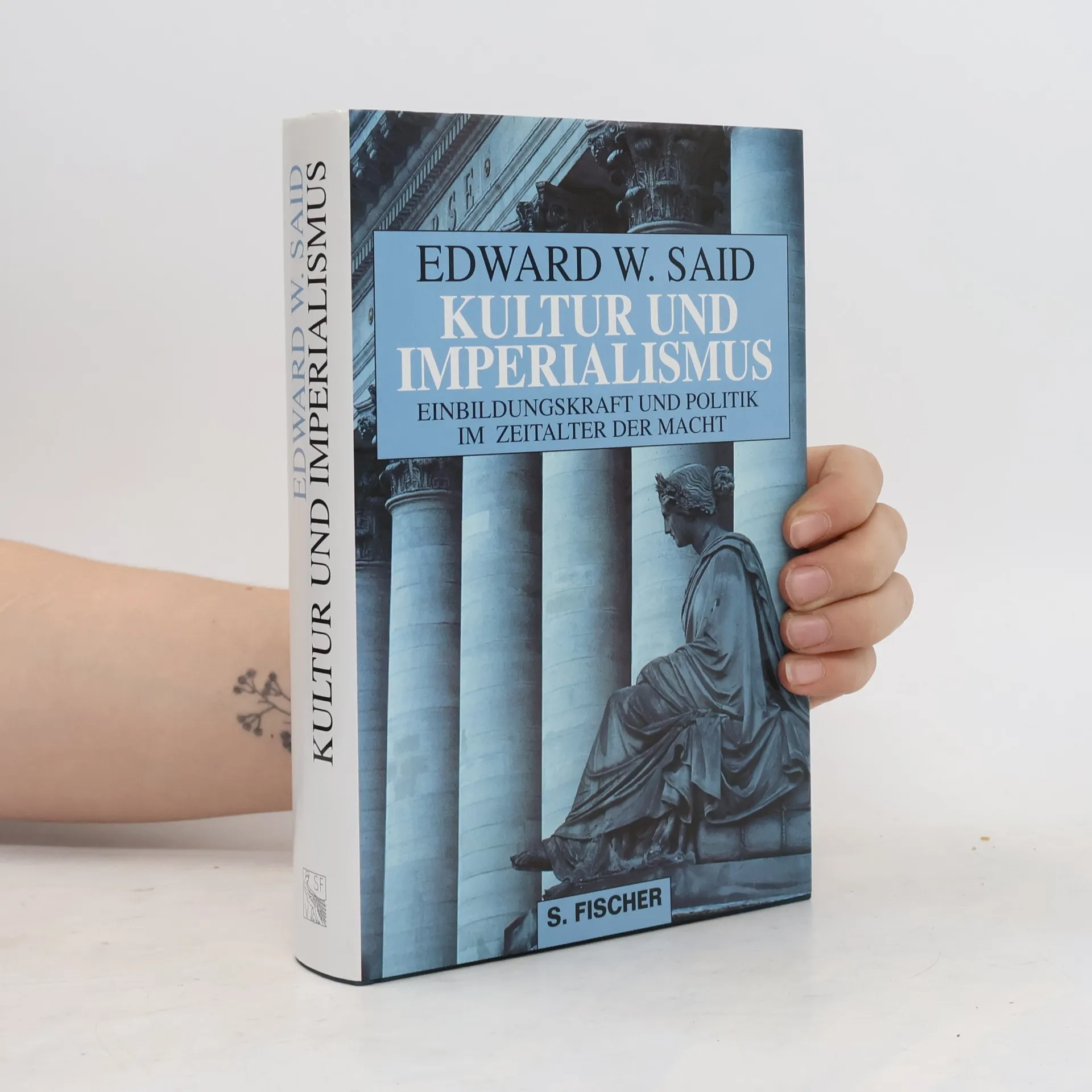
A landmark work from the intellectually auspicious author of Orientalism that explores the long-overlooked connections between the Western imperial endeavor and the culture that both reflected and reinforced it.
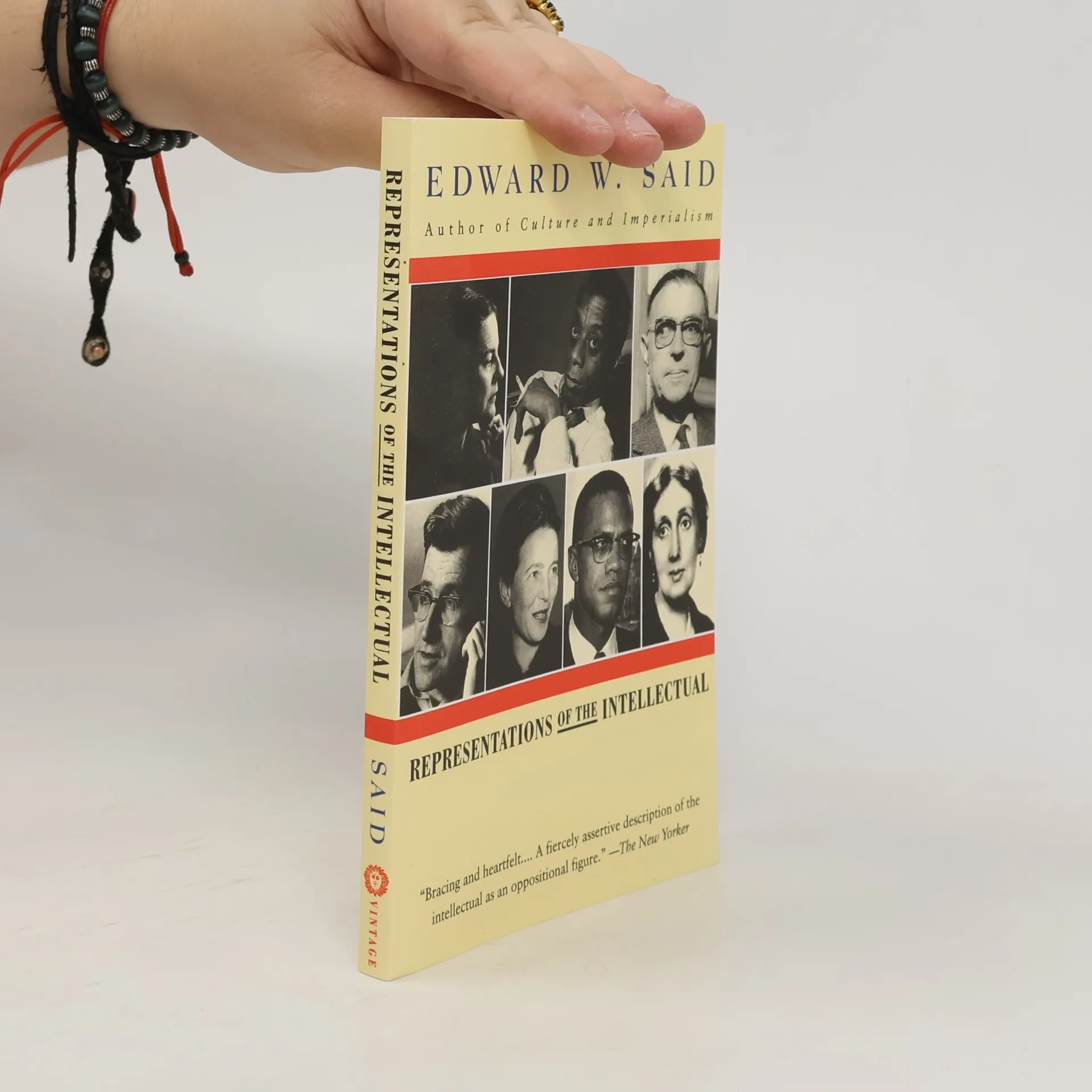
Celebrated humanist, teacher, and scholar, Edward W. Said here examines the ever-changing role of the intellectual today. In these six stunning essays - delivered on the BBC as the prestigious Reith Lectures - Said addresses the ways in which the intellectual can best serve society in the light of a heavily compromised media and of special interest groups who are protected at the cost of larger community concerns. Said suggests a recasting of the intellectual's vision to resist the lures of power, money, and specialization. in these powerful pieces, Said eloquently illustrates his arguments by drawing on such writers as Antonio Gramsci, Jean-Paul Sartre, Regis Debray, Julien Benda, and Adorno, and by discussing current events and celebrated figures in the world of science and politics: Robert Oppenheimer, Henry Kissinger, Dan Quayle, Vietnam, and the Gulf War. Said sees the modern intellectual as an editor, journalist, academic, or political adviser - in other words, a highly specialized professional - who has moved from a position of independence to an alliance with powerful institutional organizations. He concludes that it is the exile-immigrant, the expatriate, and the amateur who must uphold the traditional role of the intellectual as the voice of integrity and courage, able to speak out against those in power.
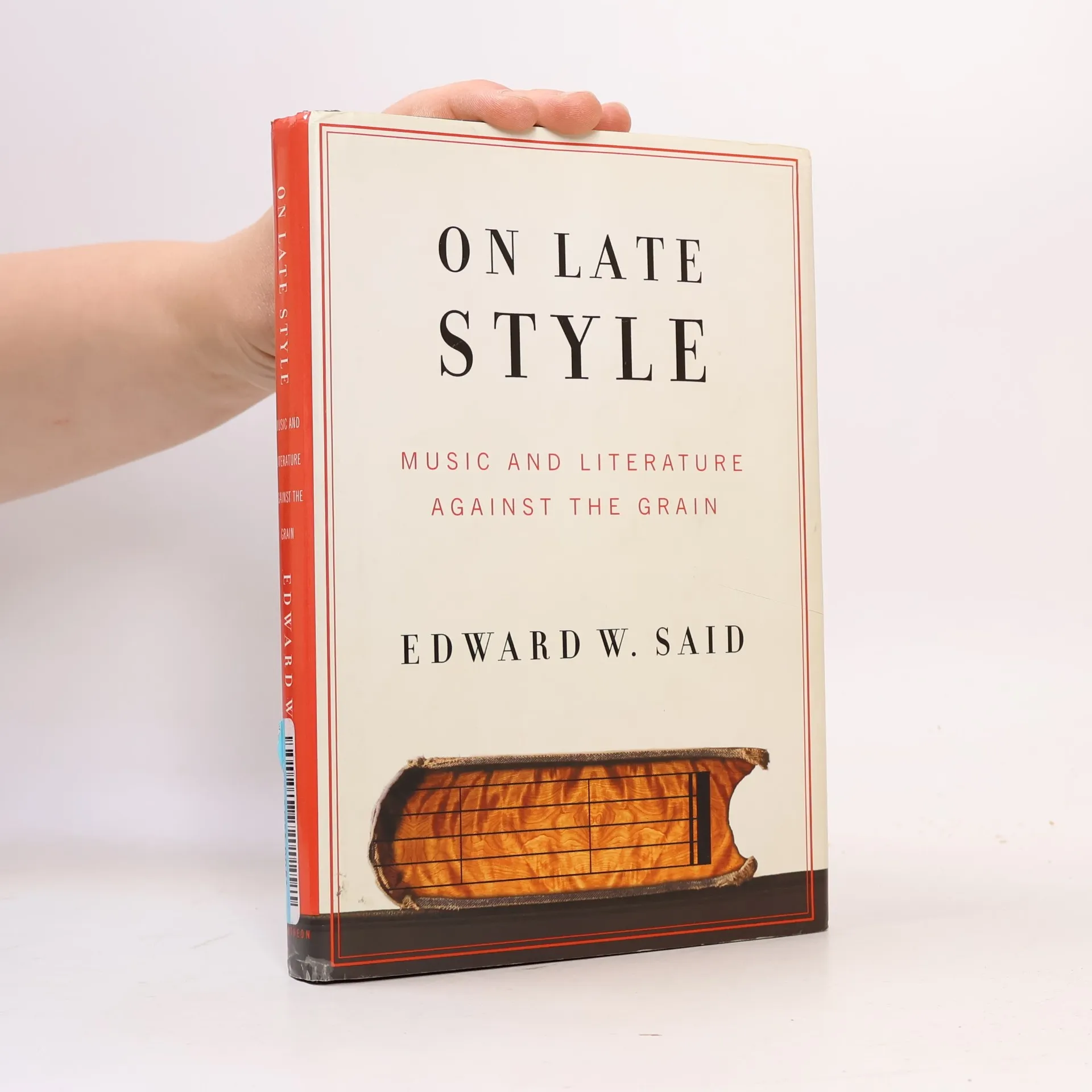
In his compelling final work, Edward Said explores a range of essays, poems, novels, films, and operas to uncover what late style reveals about the creative life. He examines how an artist's impending death can manifest in their work, highlighting the late creations of figures like Thomas Mann, Richard Strauss, and Jean Genet. Said analyzes various masterpieces, including Beethoven’s Missa Solemnis, Genet’s Le captif amoureux, and Thomas Mann’s Death in Venice, among others. He notes that late works can exhibit an “unearthly serenity,” as seen in the creations of Sophocles, Shakespeare, and Bach, which reflect a culmination of artistic achievement. However, he focuses on artistic lateness characterized by “intransigence, difficulty, and unresolved contradiction.” Said also discusses Theodor Adorno and Glenn Gould, who opted to cease performing, thus crafting their own interpretation of lateness. He emphasizes that the works he examines are often fraught with conflict and complexity, suggesting that lateness can represent a form of exile. These creations frequently opposed contemporary trends but served as precursors to future developments in their respective fields—true expressions of genius. Eloquent and impassioned, this book stands as Edward Said’s remarkable final contribution.
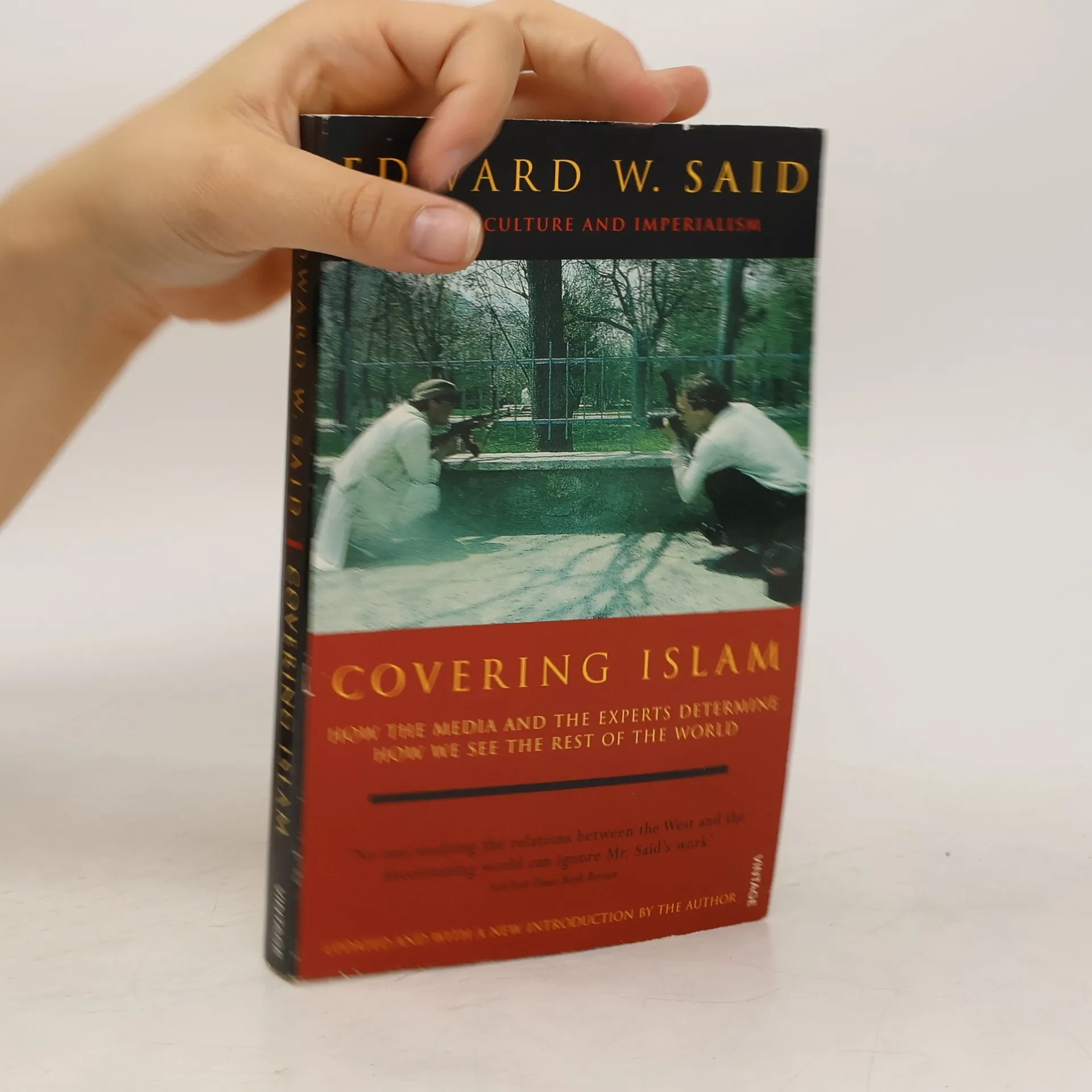
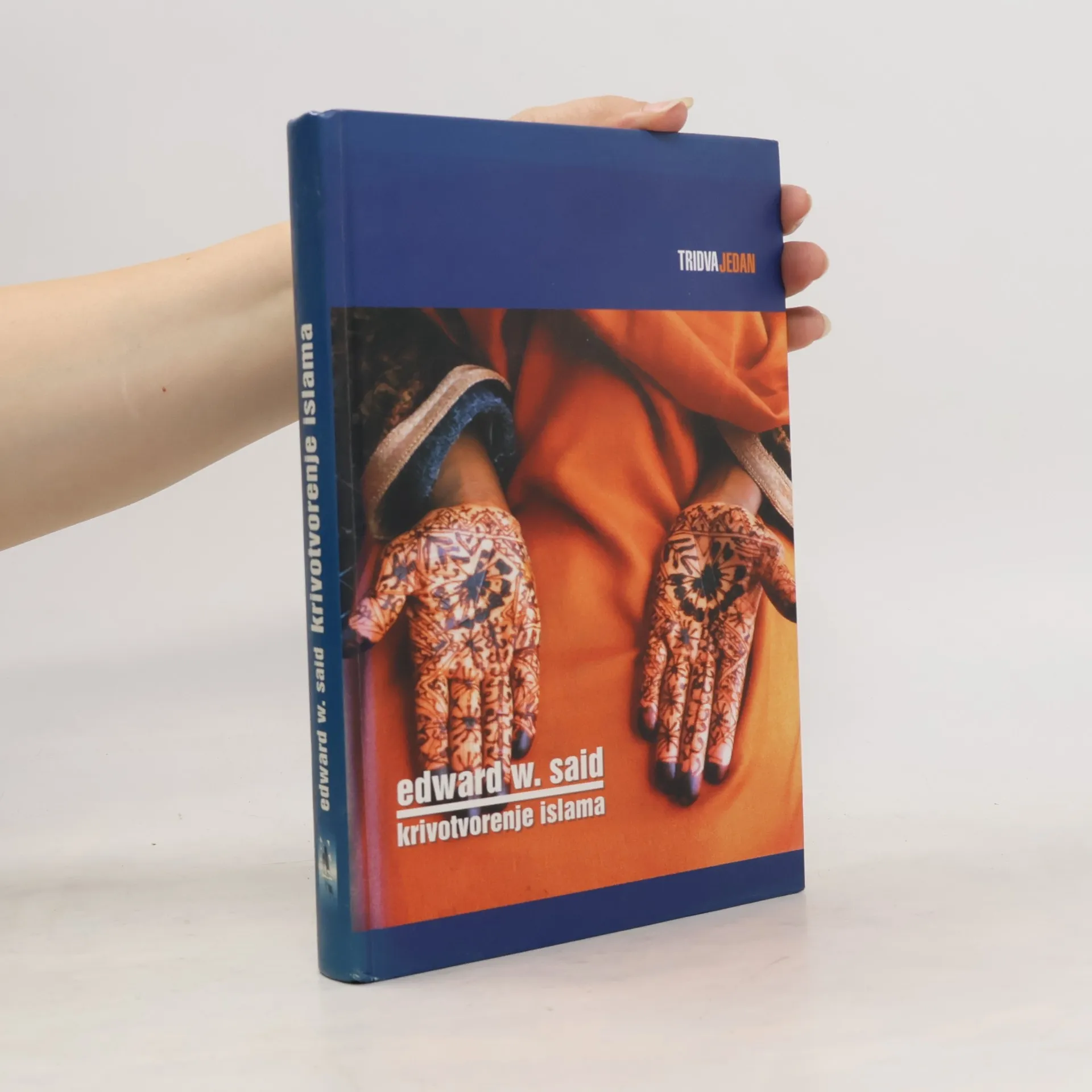
From the Iranian hostage crisis through the Gulf War and the World Trade
Centre bombing, the West has been haunted by a spectre called 'Islam'. As
portrayed by the news media - and by a chorus of government, academic and
corporate experts - 'Islam' is synonymous with terrorism and religious
hysteria.
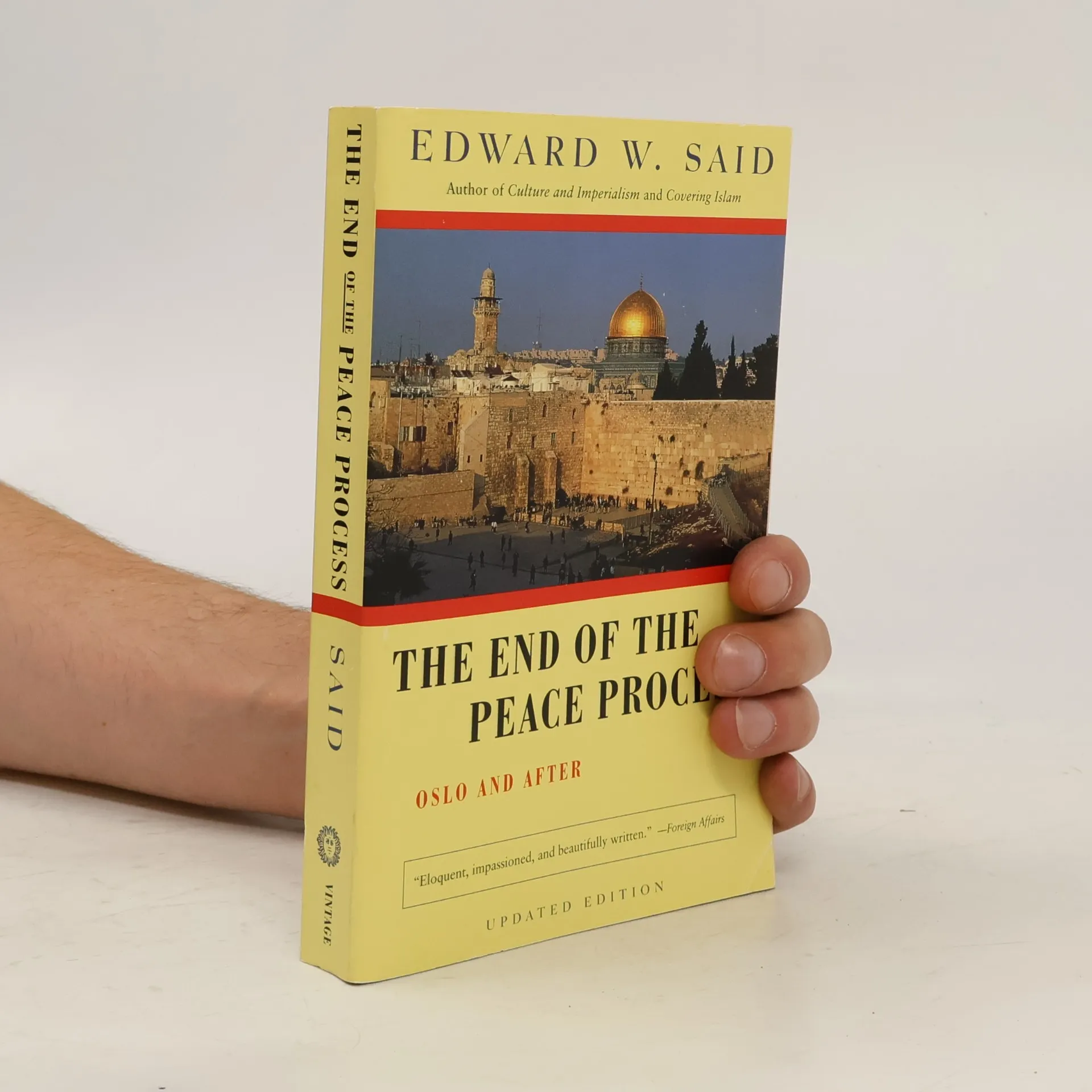
The essays delve into the political dynamics following the Oslo accords, revealing how the facade of reconciliation in the Middle East often obscures the absence of genuine peace. Edward Said critiques the mechanisms that perpetuate conflict, drawing on his insights from various Arab and European publications. Through his analysis, he challenges the prevailing narratives and highlights the complexities of the region's struggles, emphasizing the disconnect between political agreements and the realities on the ground.
Israeli Daniel Barenboim - director of the Chicago Symphony Orchestra and of the Berlin State Opera - and Palestinian Edward Said - eminent literary critic and leading expert on the Middle East - have been close friends for years. Parallels and Paradoxes is a series of discussions between the two friends about music, politics, literature and society. Barenboim and Said talk about, among other subjects, the differences between writing prose and music; the compromising politician versus the uncompromising artist; Beethoven as the ultimate sonata composer; Wagner; great teachers; and the power of culture to transcend national differences. Parallels and Paradoxes is an affectionate and impassioned exchange of ideas that is deeply informed, profound and yet completely accessible.
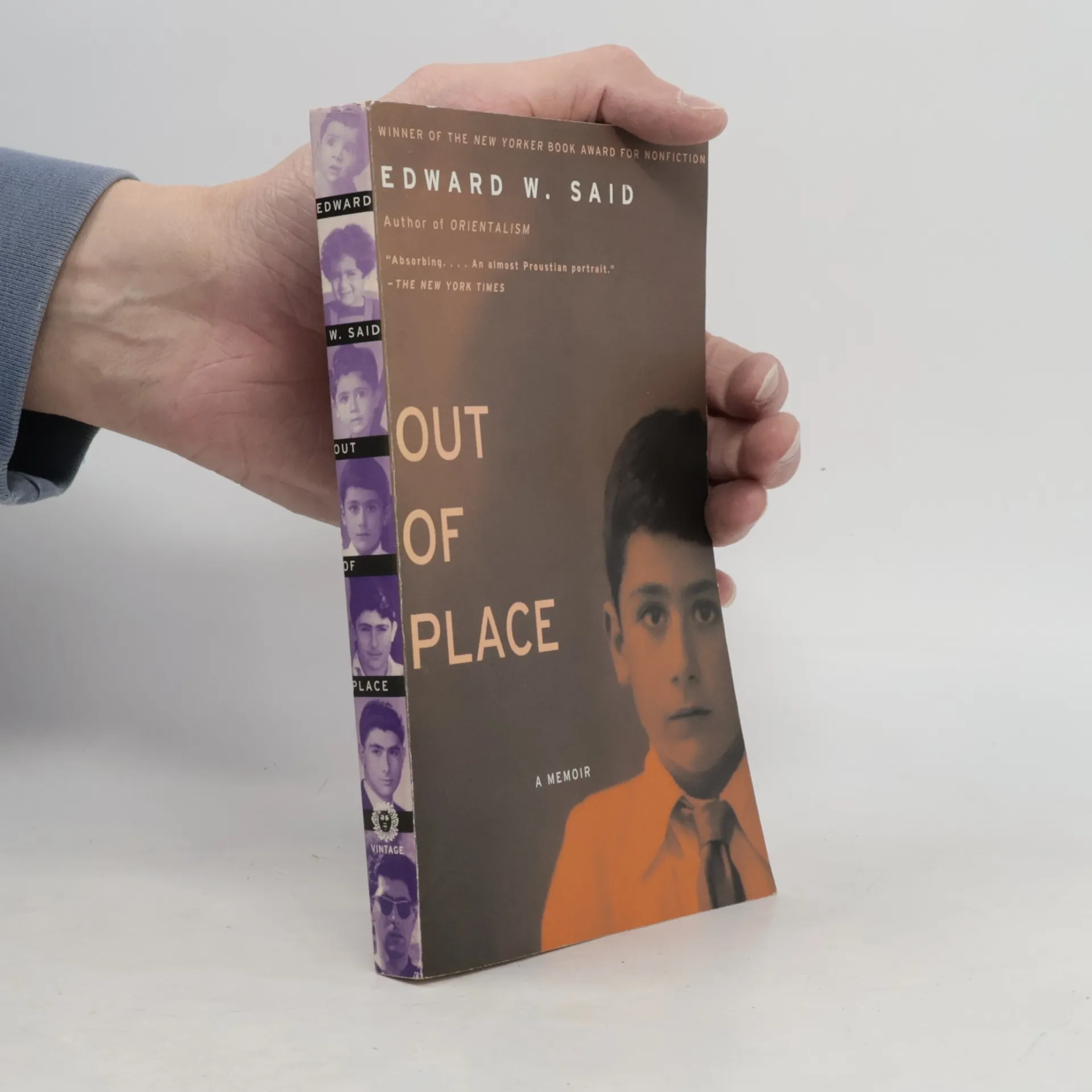
Palestinian American intellectual Edward Said presents an account of the life he lived as a child in the Arab world, and in the U.S. where he attended school, college, and university.
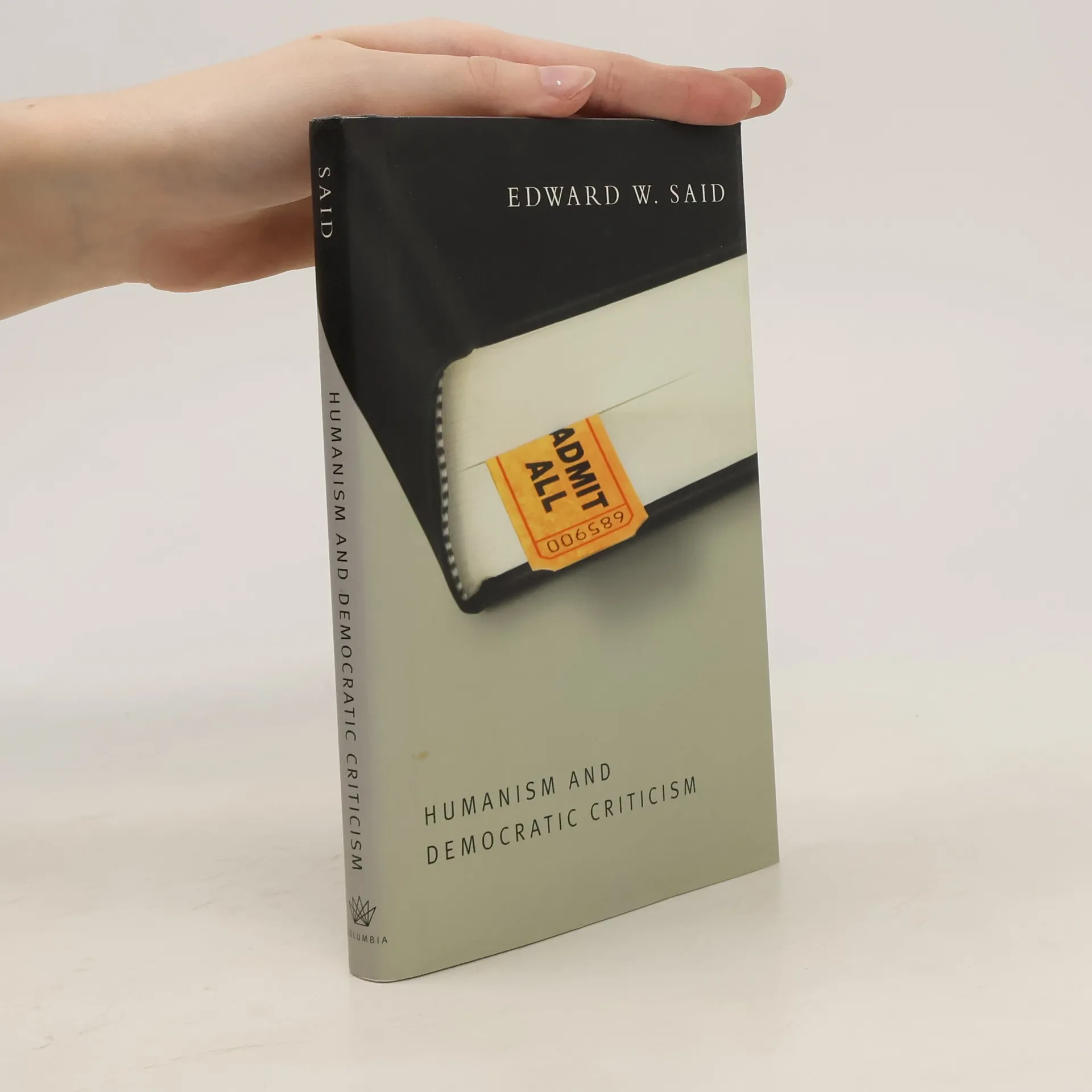
brought on by advances in technological communication, intellectual specialization, and cultural sensitivity -- has eroded the former primacy of the humanities, Edward Said argues that a more democratic form of humanism -- one that aims to incorporate, emancipate, and enlighten --
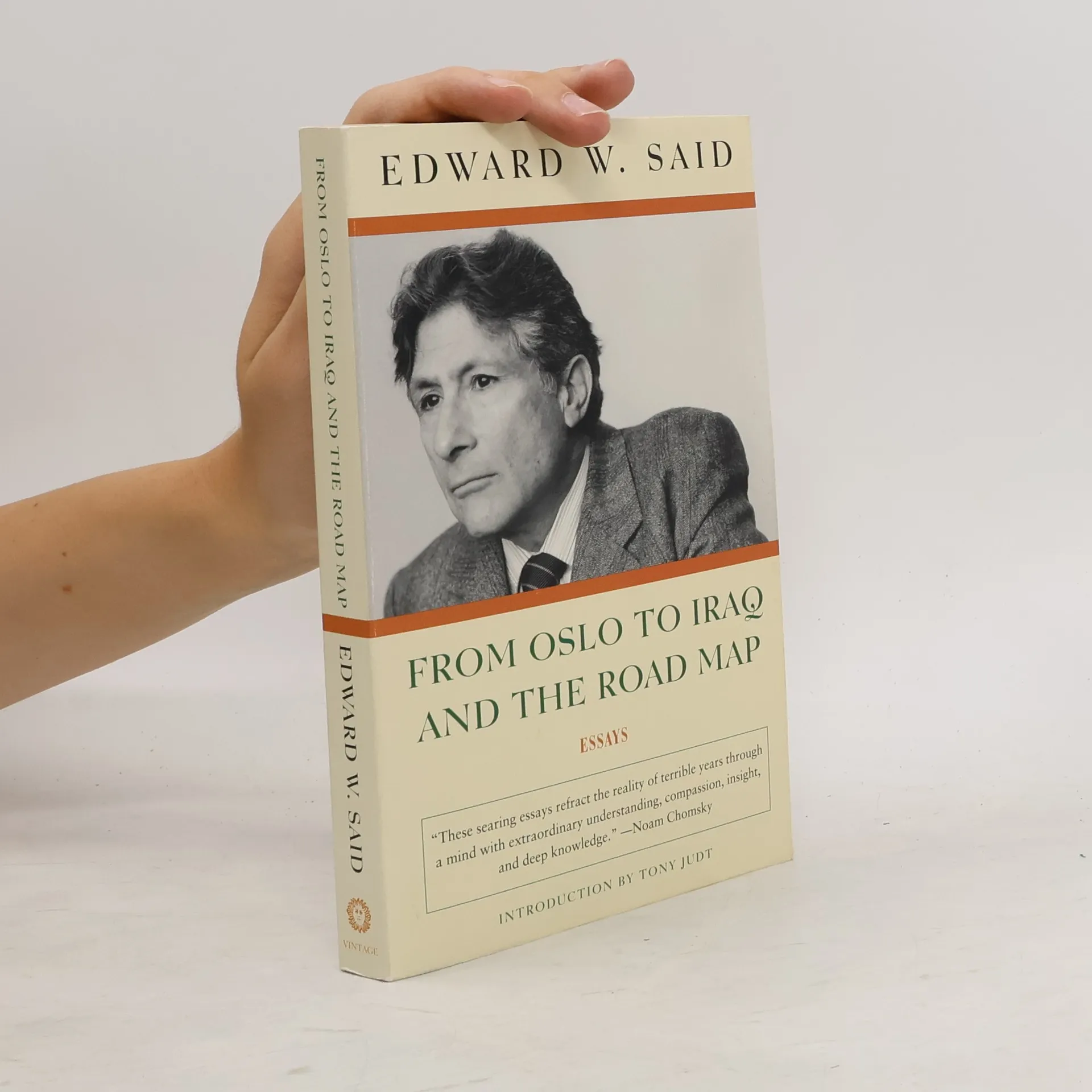
Focusing on the Palestinian cause, Edward W. Said's final collection of essays passionately advocates for truth and justice regarding Israel's occupation and the plight of Palestinians. Drawing from various international publications, he critiques the Oslo Accords and the U.S. invasion of Iraq while highlighting underrepresented perspectives in America. Said calls for improved dialogue between progressive Israelis and Palestinians and critiques the shortcomings of Arab leadership, emphasizing the urgent need for genuine change in the region.
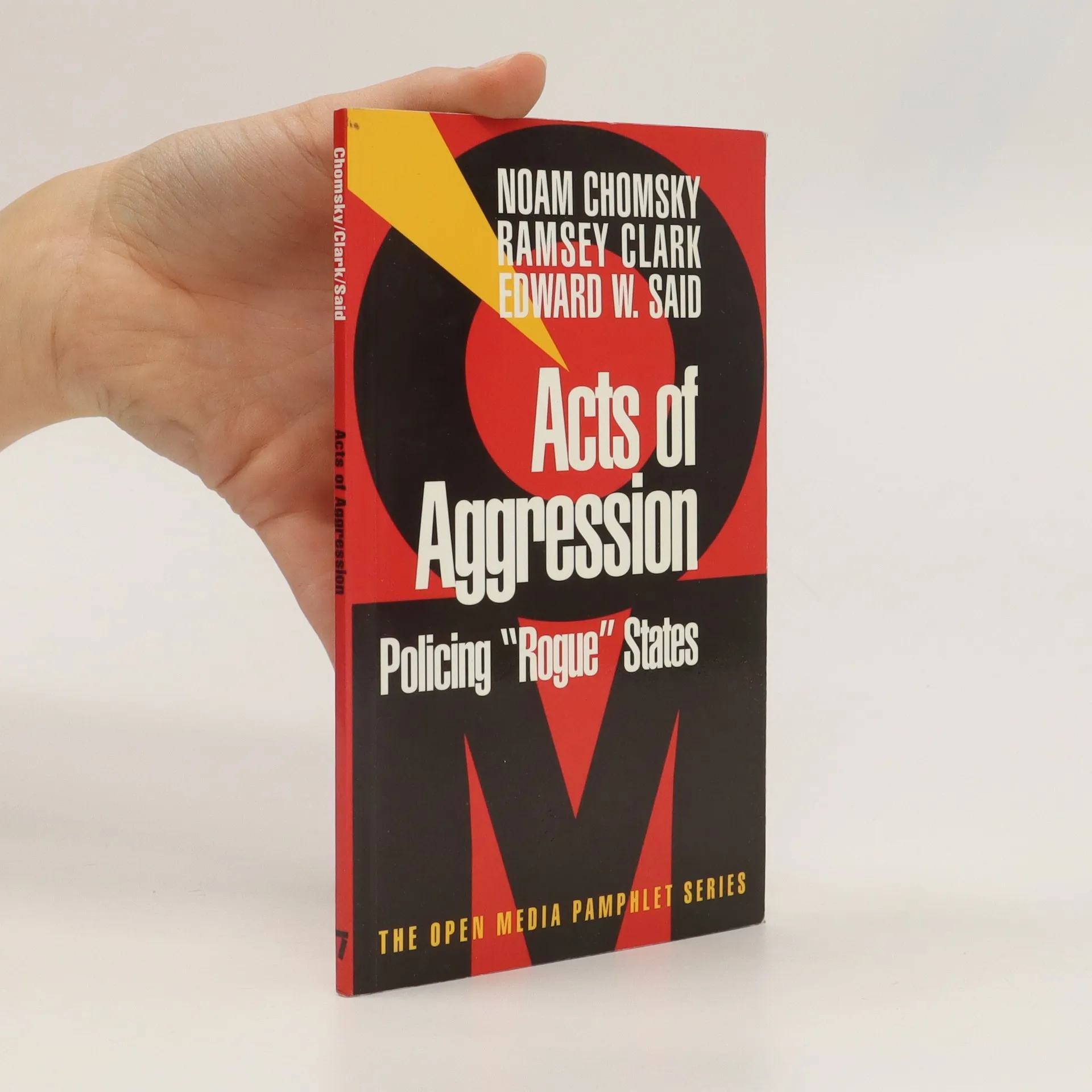
Three distinguished scholars, Noam Chomsky, Edward Said, and Ramsey Clark examine the background and ramifications of the US conflict with Iraq. These essays provide an analysis of US Arab relations, the contradictions and consequences of US foreign policy towards 'rogue states', and how hostile American actions abroad conflict with UN resolutions and international law.
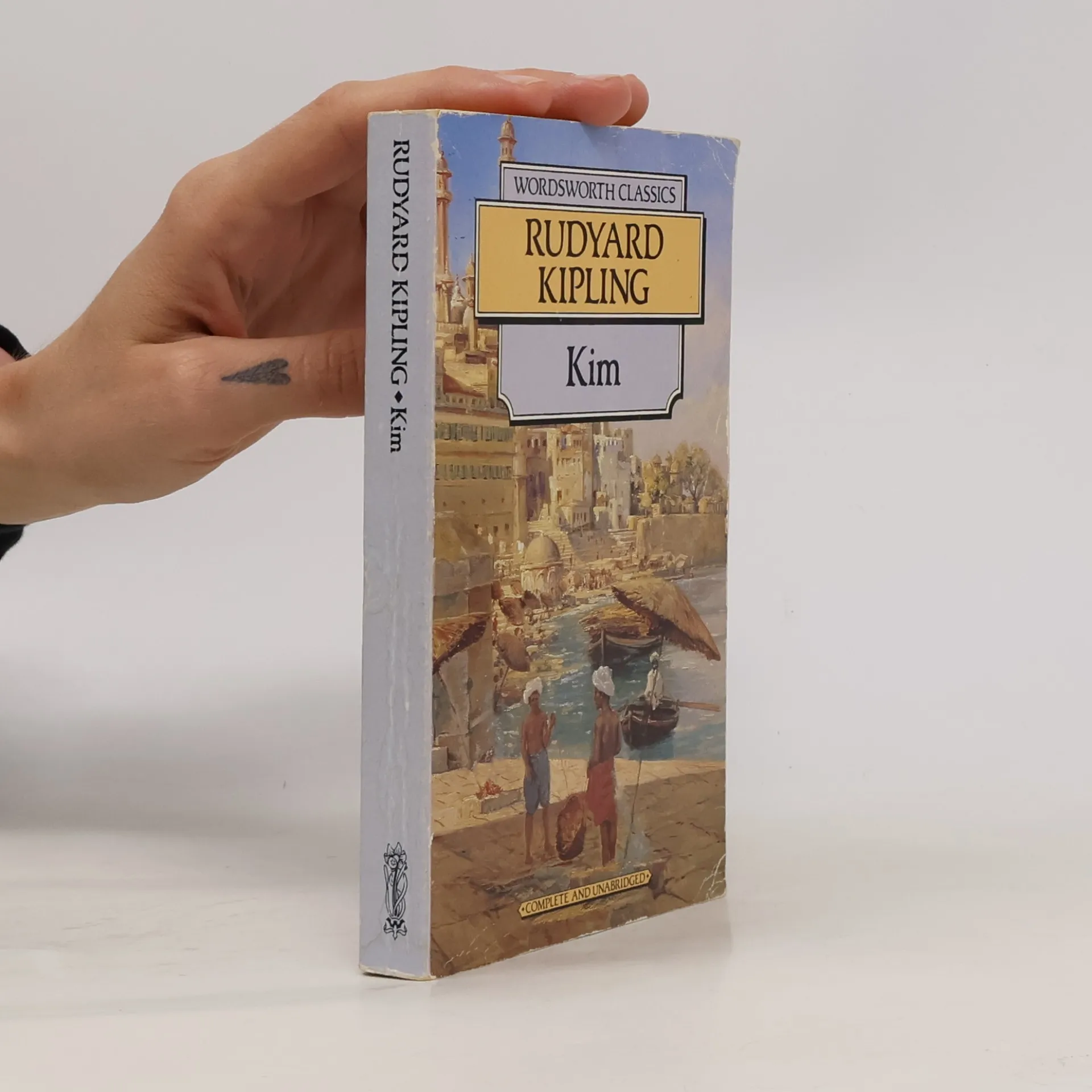
An exciting and touching tale of an Irish orphan-boy who has lived free in the streets of Lahore before setting out, with a Tibetan Lama, on a double quest. This eventually leads to enrollment in the Indian Secret Service and a thrilling climax in the Himalayas.
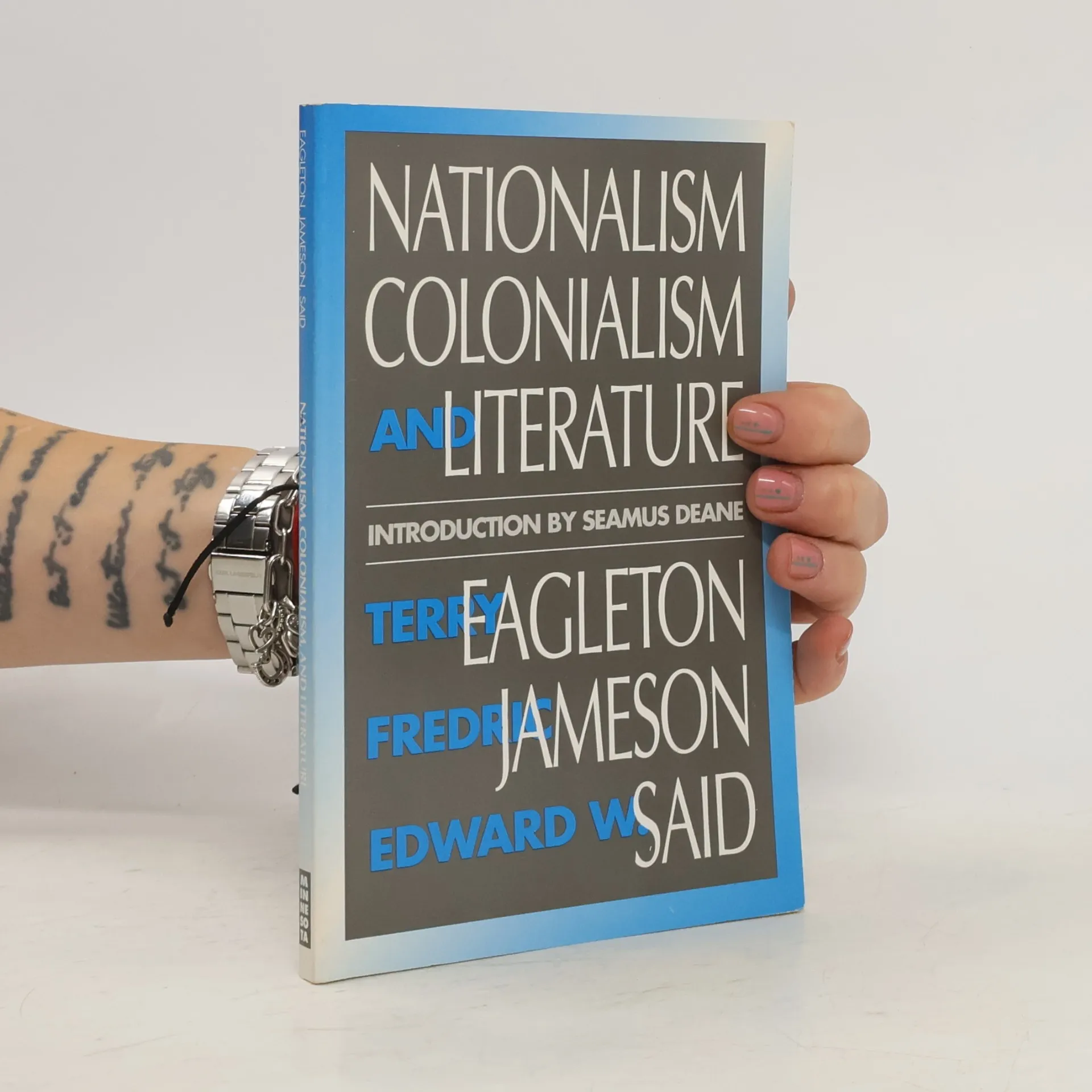
The three essays constituting this volume were originally published as individual pamphlets by the Field Day Theatre Company, in Derry, Northern Ireland. Each deals with the question of nationalism and the role of cultural production as a force in understanding and analyzing the aftermath of colonization. The authors’ diverse perspectives are demonstrated by the essays’ respective titles: Eagleton, Nationalism: Irony and Commitment; Jameson, Modernism and Imperialism; and Said, Yeats and Decolonization. The essays have implication beyond their immediate topics, bearing upon questions of feminism, decolonization, and modernism to illuminate problems that belong to other groups and regions.
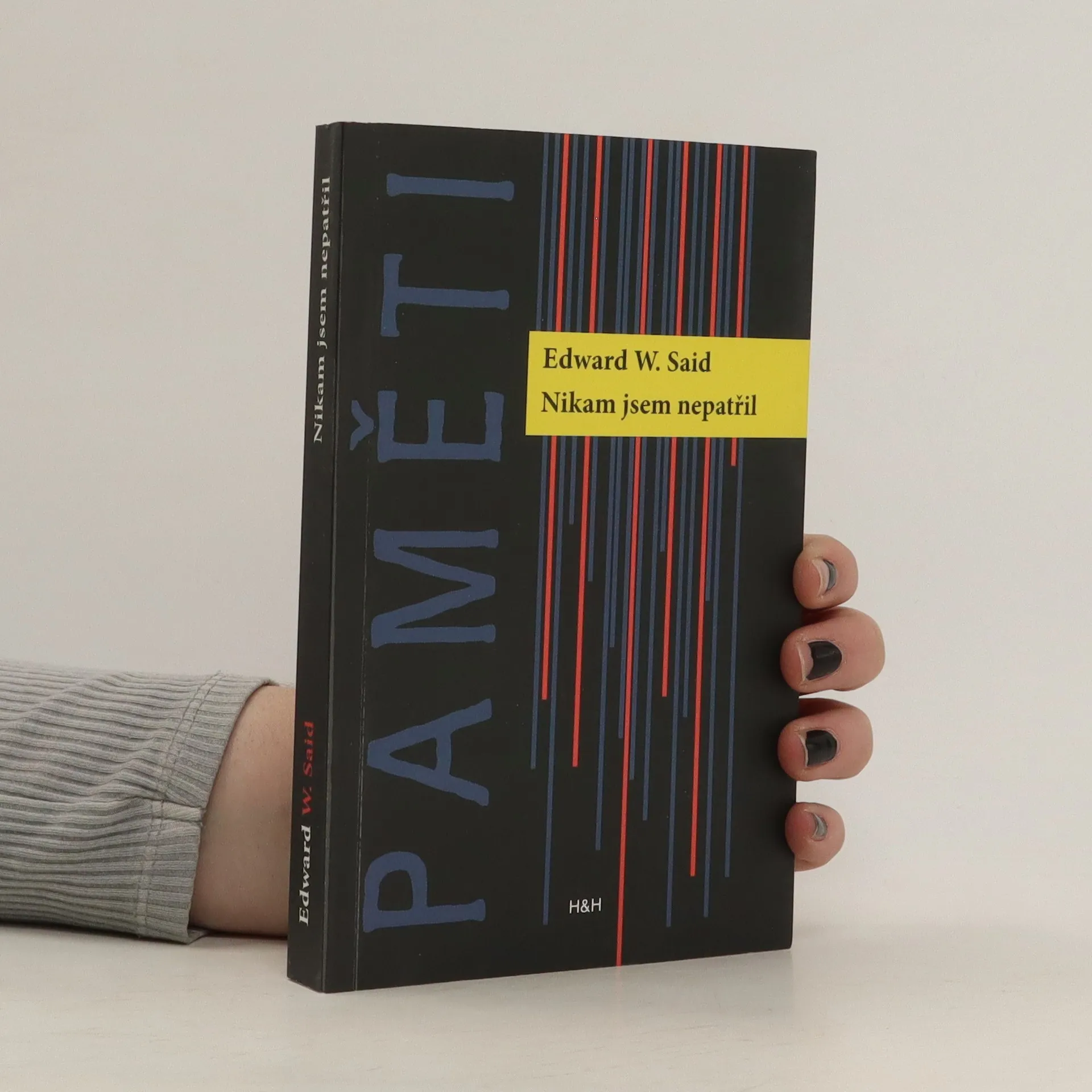
Vzpomínky Edwarda Saida politologa, historika, novináře a spisovatele (1. 11. 1935 Jeruzalém – 25. 9. 2003 New York) popisují dětství a mládí v mezitím zmizelém arabském světě. S autentickým pocitem osamělosti a vyřazenosti líčí, jak navštěvoval britské a americké školy v Káhiře, kde byl Edward, Arab narozený v palestinském Jeruzalému spolužáky vnímán jako cizinec, a nedokázal mezi ně zapadnout. Frustrace a vnitřní nejistota jsou Saidovy dominantní pocity, které ho provázejí nejen při pobytu v Jeruzalémě, Káhiře, New Yorku a palestinském Dhúru, ale i v značně uzavřené rodině. Tam vládne patriarchální otec a emocionálně nevyrovnaná matka a rodiče nevědomky ambivalentní vztahy uvnitř rodiny i mezi Edwardem a vnějším světem ještě umocňují. Saidovo povědomí vyloučenosti a nepatřičnosti má však svůj zdroj zejména v jinakosti, způsobené jeho příslušností k palestinskému etniku a v pocitu historické křivdy spáchané na Palestincích.
Druhý díl série Postkoloniální myšlení I–IV, navazující na překlad knihy Frantze Fanona, se zaměřuje na historické východisko postkoloniálního myšlení jako emancipačního programu druhé vlny dekolonizace. Tento proces, probíhající v Asii a Africe od konce druhé světové války do poloviny sedmdesátých let, byl na Západě vnímán jako rozklad evropských imperiálních říší. Autoři v knize vyjadřují perspektivu osvobození od koloniální nadvlády a systémů útlaku. Klíčovou otázkou je postkoloniální identita a konstrukce nové politiky identity: bude vycházet z národního esencialismu, nebo z konstruktivistického pohledu na národ jako myšlené společenství? Tyto nekompatibilní koncepce reflektují problémy, které se objevují i v kontextu postsocialistické transformace po roce 1989. Publikace zahrnuje klasické texty, které definují témata univerzality, diference, rezistence a jazyka jako struktury moci. Specifikum výběru spočívá v dvou místních aspektech pohledu na postkoloniální situaci: roli autora a dědictví totalitního režimu, které formovalo stereotypy ideologií.
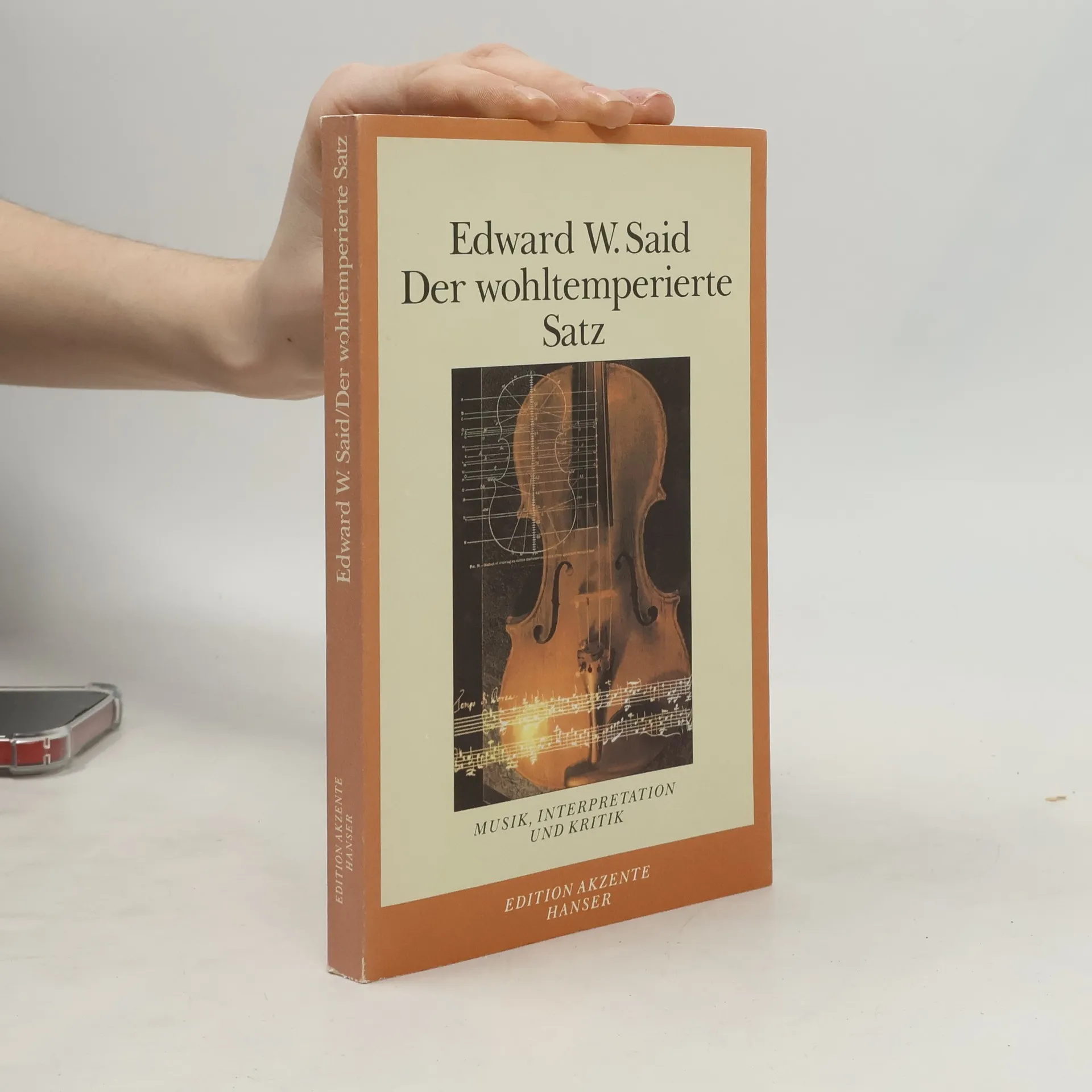
Der Literaturtheoretiker Edward Said war nicht nur einer der wichtigsten Intellektuellen des ausgehenden 20. Jahrhunderts, der sich mit dem Orientalismus beschäftigte und maßgebliche Debatten über den israelisch-palästinensischen Konflikt anstieß. Als ausgebildeter Pianist war er auch ein leidenschaftlicher und hoch geschätzter Musikkritiker. Dieser Band versammelt Texte zur Musik, die er in 30 Jahren für „The Nation“ und andere Zeitungen schrieb. Ob er nun über Mozart, das Verbot, in Israel Wagner zu spielen, seinen Lieblingspianisten Glenn Gould oder seinen Freund und Weggefährten Daniel Barenboim schreibt, immer ist sein Ansatz aufregend, provokant und unterhaltsam.
Eine besondere Vorlesungsreihe widmete der amerikanische Literaturwissenschaftler Edward W. Said seinem Lieblingsthema: der Musik. Saids wohltemperiertes Buch spannt einen weiten Bogen über Kultur- und Musikgeschichte, erzählt ebenso fesselnd wie allgemeinverständlich vom Wandel der musikalischen Aufführungspraxis, der Individualität einer Melodie und der Geschichte konzertanter Grenzüberschreitungen.