In the fifteenth century, Princess Chokyi Dronma was recognized by spiritual masters as the embodiment of the tantric deity Vajravarahi, known in Tibetan as Dorje Phagmo. Following a personal tragedy, she renounced her royal status to become a nun and the tantric consort of three prominent religious figures. After her death, her disciples identified a young girl as her reincarnation, marking the beginning of a powerful female lineage. Today, the twelfth Samding Dorje Phagmo leads the Samding monastery and holds a significant governmental position in the Tibet Autonomous Region. Hildegard Diemberger's work centers on the translation of Chokyi Dronma's first biography, recorded by her disciples after her passing. This account challenges the belief that women in Tibet could not achieve full ordination, as Chokyi Dronma not only received it from a leading spiritual teacher but also established orders for female practitioners. She became so revered that she was recognized as one of the principal spiritual heirs to her master. Diemberger discusses the significance of reincarnation in Tibetan society, the role of biographies in lineage establishment, the complexities of political and financial patronage, the cultural revival of ancient Buddhist civilizations, and women's roles in Buddhism. The book includes four introductory chapters and four concluding chapters that address the reincarnation lineage and the current incarnation's rol
Marilyn Strathern Boeken




Self-decoration in Mount Hagen
- 208bladzijden
- 8 uur lezen
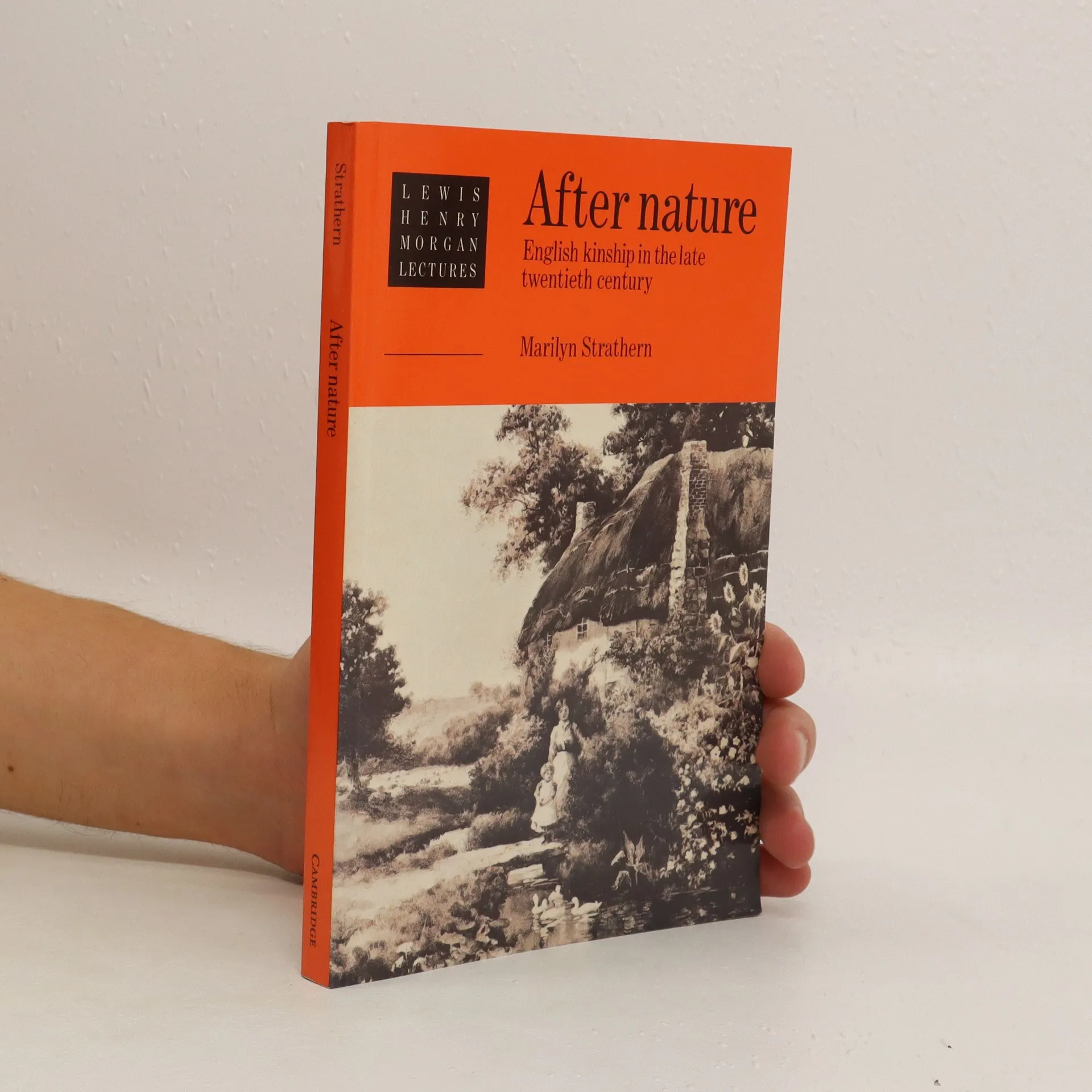
After Nature is a timely account of fundamental constructs in English kinship at a moment when advances in reproductive technologies are raising questions about the natural basis of kinship relations.
In the most original and ambitious synthesis yet undertaken in Melanesian scholarship, Marilyn Strathern argues that gender relations have been a particular casualty of unexamined assumptions held by Western anthropologists and feminist scholars alike. The book treats with equal seriousness--and with equal good humor--the insights of Western social science, feminist politics, and ethnographic reporting, in order to rethink the representation of Melanesian social and cultural life. This makes The Gender of the Gift one of the most sustained critiques of cross-cultural comparison that anthropology has seen, and one of its most spirited vindications. In the most original and ambitious synthesis yet undertaken in Melanesian scholarship, Marilyn Strathern argues that gender relations have been a particular casualty of unexamined assumptions held by Western anthropologists and feminist scholars alike. The book treats with equal seriousness--and with equal good humor--the insights of Western social science, feminist politics, and ethnographic reporting, in order to rethink the representation of Melanesian social and cultural life. This makes The Gender of the Gift one of the most sustained critiques of cross-cultural comparison that anthropology has seen, and one of its most spirited vindications.
Before and After Gender - Sexual Mythologies of Everyday Life
- 362bladzijden
- 13 uur lezen
Exploring the complexities of sex and gender, this work delves into the cultural codes surrounding femininity and the mythology of sex. Originally intended for a general audience in the 1970s, it offers unique insights into gender dynamics, prefiguring concepts later articulated by Judith Butler. After being shelved for over forty years due to a publisher's closure, this feminist classic highlights Strathern's engagement with key feminist thinkers and critiques various fields, enhancing our understanding of late twentieth-century feminist discourse.
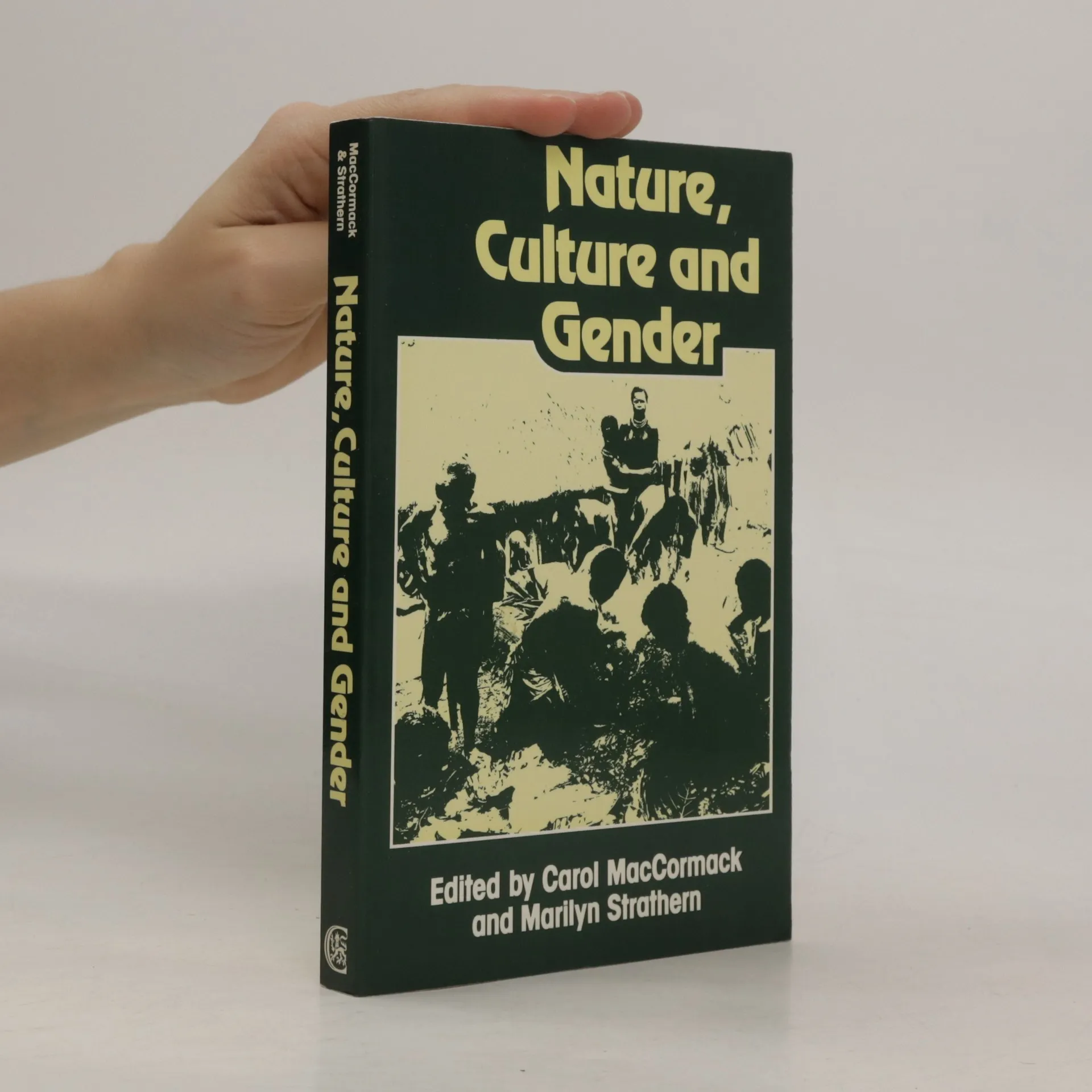
Categories of analysis in the social sciences include the binary pair 'nature' and 'culture', as defined by western societies. Anthropologists have often imputed these categories to the world-views of non-western people and the construct has acquired the status of a universal. It has been further argued that culture (that which is regulated by human thought and technology) is universally valued as being superior to nature (the unregulated); and that female is universally associated with nature (and is therefore inferior and to be dominated) and male with culture. The essays in this volume question these propositions. They examine the assumptions behind them analytically and historically, and present ethnographic evidence to show that the dichotomy between nature and culture, and its association with a contrast between the sexes, is a particularity of western thought. The book is a commentary on the way anthropologists working within the western tradition have projected their own ideas on to the thought systems of other peoples. Its form is largely anthropological, but it will have a wide appeal within the social sciences and the humanities, especially among those interested in structuralist thought and women's studies.
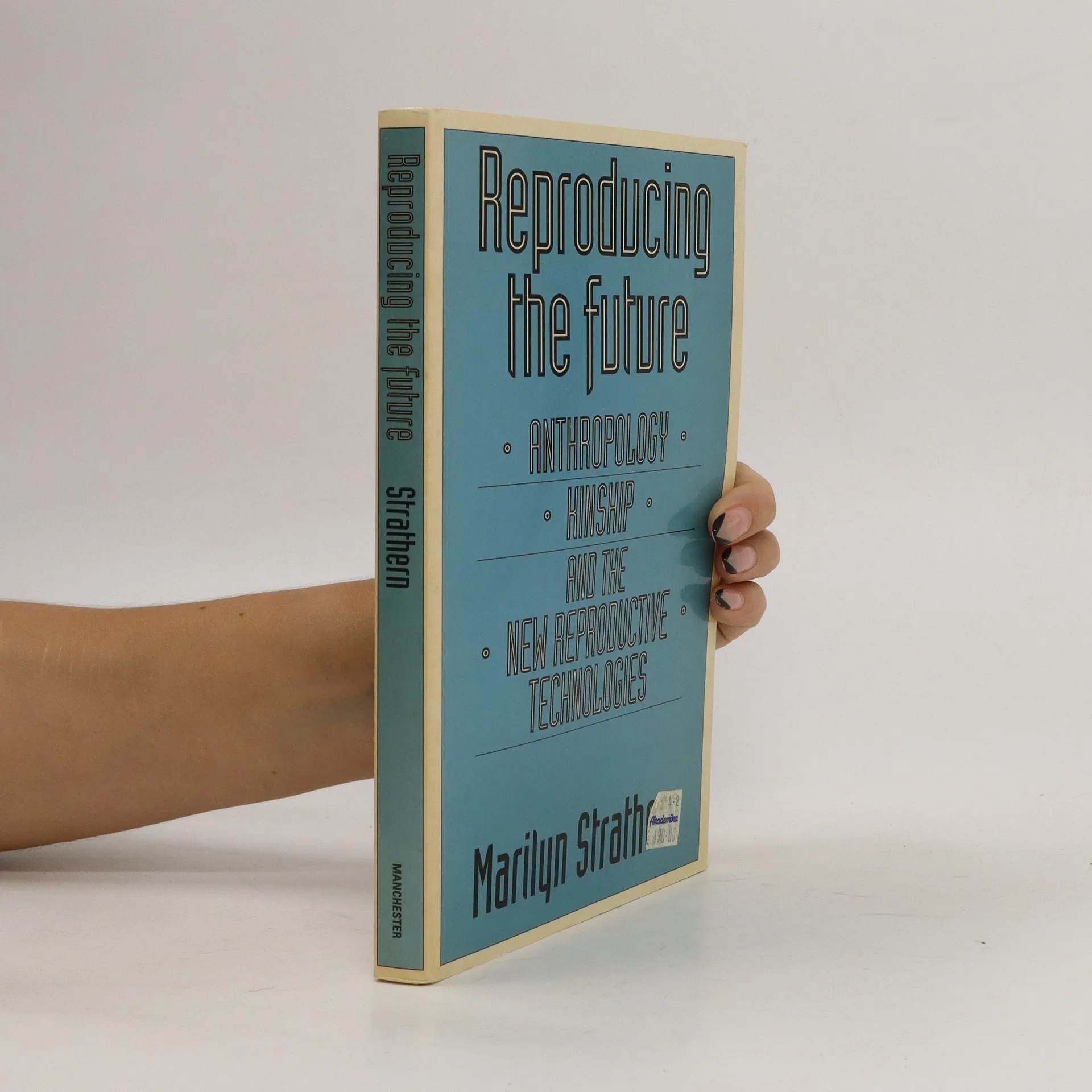
This volume represents a significant moment, with essays primarily written during the public debate in Britain surrounding the Human Fertilization and Embryology Act (1990). The medical advancements related to this Act have global implications, and the essays provide an anthropological perspective on the British discourse. New reproductive technologies—such as in vitro fertilization, gamete donation, and maternal surrogacy—prompt fresh considerations of kinship. However, these possibilities are often filtered through existing cultural ideas, which shape our understanding of kinship and its future. The essays also raise broader questions about the relationship between 'nature' and 'culture,' highlighting anthropologists' vested interest in cultural concepts and the evolution of these ideas. The collection aims to illustrate how anthropological insights can contribute to contemporary discussions, drawing from diverse cultural materials worldwide, even when focused on local contexts. Influenced by recent reexaminations of kinship models in Melanesia, the essays underscore the importance of developing new descriptions of kin relations. Anthropological knowledge exemplifies the process of rethinking concepts and images that originate from various cultural domains, revealing that the world is interconnected through kinship.