Count to Ten
- 24bladzijden
- 1 uur lezen
Familiar Sesame Street characters introduce the numbers one to ten.


Emily G. Thompson is een ervaren onderzoeksjournaliste en auteur. Ze deelt haar passie voor true crime via haar succesvolle true crime website en wekelijkse podcast, waarin ze de duistere kanten van de menselijke natuur onderzoekt. Haar werk kenmerkt zich door een diepe interesse in de psychologie van daders en de gevolgen van hun daden.


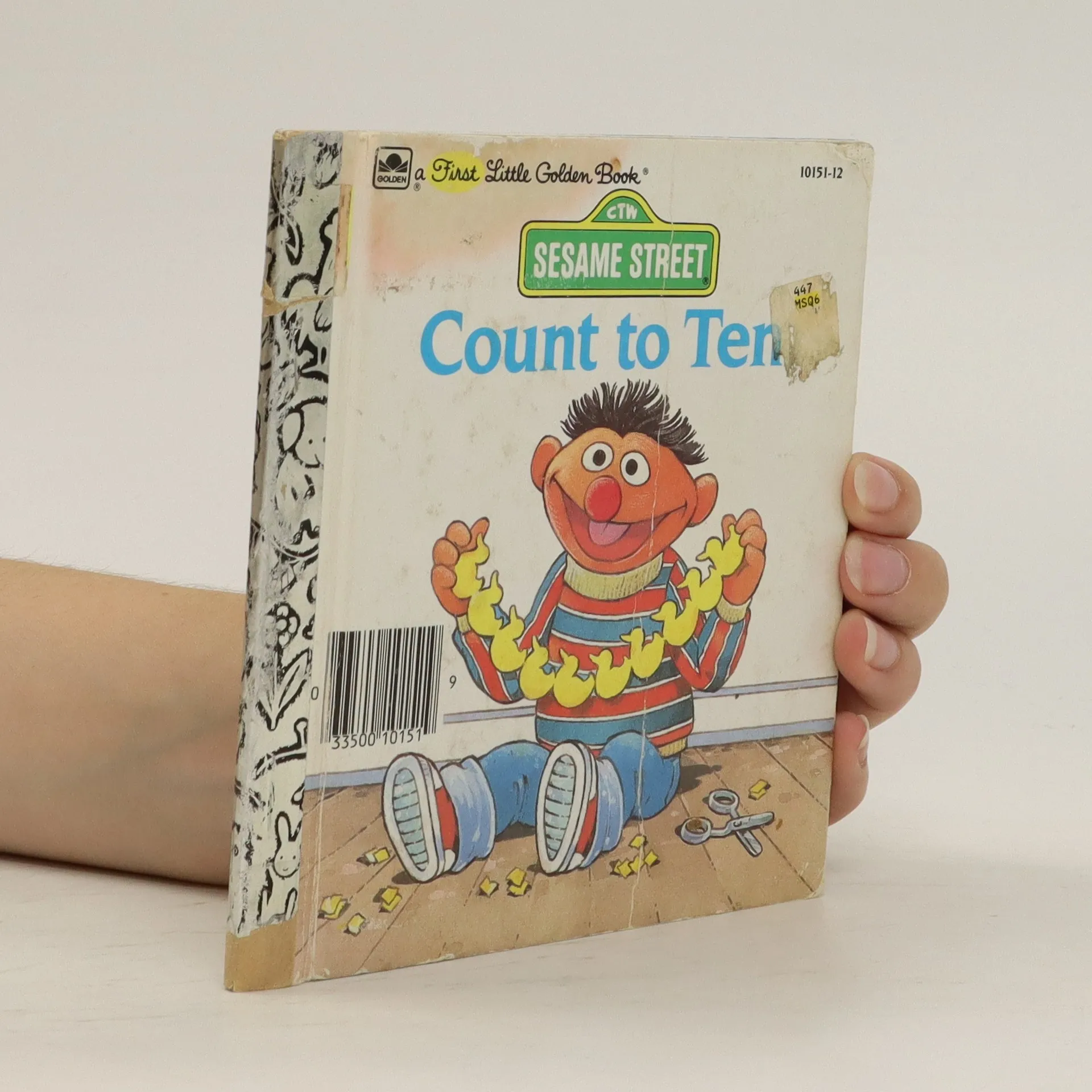
Familiar Sesame Street characters introduce the numbers one to ten.
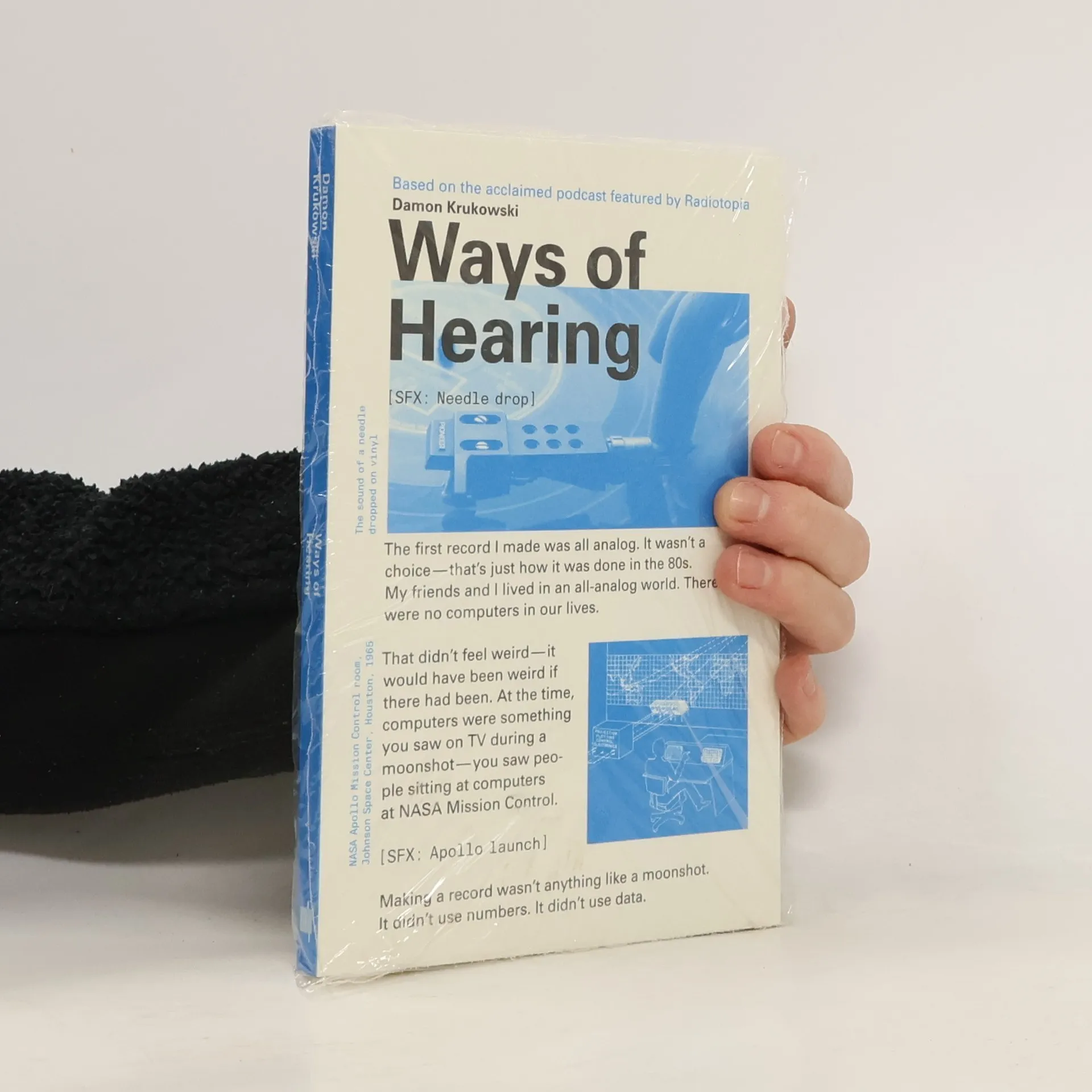
A writer-musician examines how the switch from analog to digital audio is changing our perceptions of time, space, love, money, and power.
Discover the shocking truth about some of the most disturbing cults that have ever existed--cults led by psychopaths such as Charles Manson, David Koresh, and Jim Jones that have exploded into acts of appalling savagery and evil. Explores these and many more bizarre and frightening cases to reveal terrifying stories of manipulation, coercion, abuse, and murder.
Set against a backdrop of magic and royal intrigue, Thornrose longs for a life beyond her secluded cottage. The arrival of three young royals, each with a magical rose, sparks a transformative journey for her. As she nurtures the rose left by the eldest prince, their friendship deepens, but she faces the complexities of love and self-discovery. Determined to carve her own path in a challenging kingdom, Thornrose must embrace her unique identity and take control of her destiny amidst societal expectations.
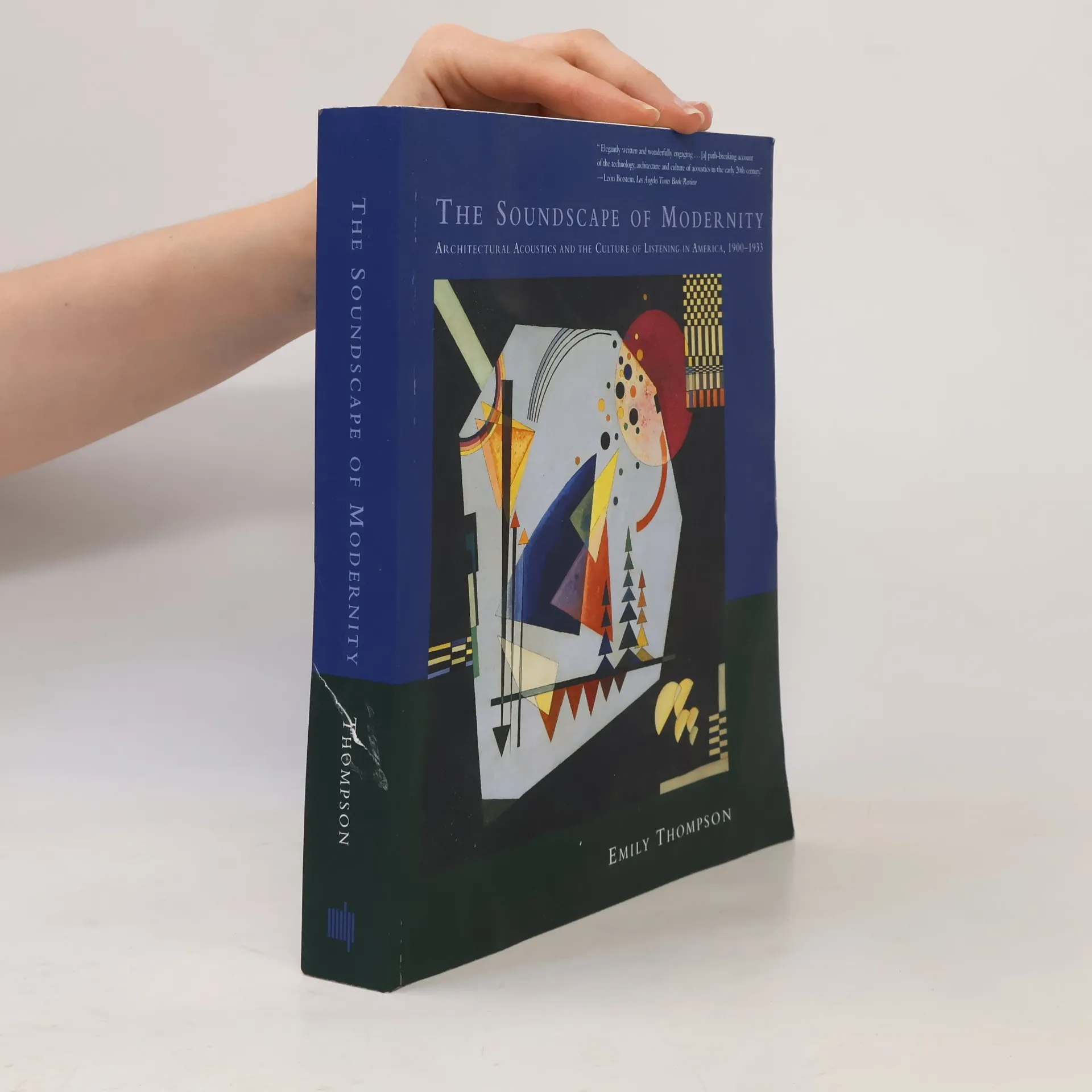
Architectural Acoustics and the Culture of Listening in America, 1900-1933
A vibrant history of acoustical technology and aural culture in early-twentieth-century America.In this history of aural culture in early-twentieth-century America, Emily Thompson charts dramatic transformations in what people heard and how they listened. What they heard was a new kind of sound that was the product of modern technology. They listened as newly critical consumers of aural commodities. By examining the technologies that produced this sound, as well as the culture that enthusiastically consumed it, Thompson recovers a lost dimension of the Machine Age and deepens our understanding of the experience of change that characterized the era.Reverberation equations, sound meters, microphones, and acoustical tiles were deployed in places as varied as Boston's Symphony Hall, New York's office skyscrapers, and the soundstages of Hollywood. The control provided by these technologies, however, was applied in ways that denied the particularity of place, and the diverse spaces of modern America began to sound alike as a universal new sound predominated. Although this sound--clear, direct, efficient, and nonreverberant--had little to say about the physical spaces in which it was produced, it speaks volumes about the culture that created it. By listening to it, Thompson constructs a compelling new account of the experience of modernity in America.