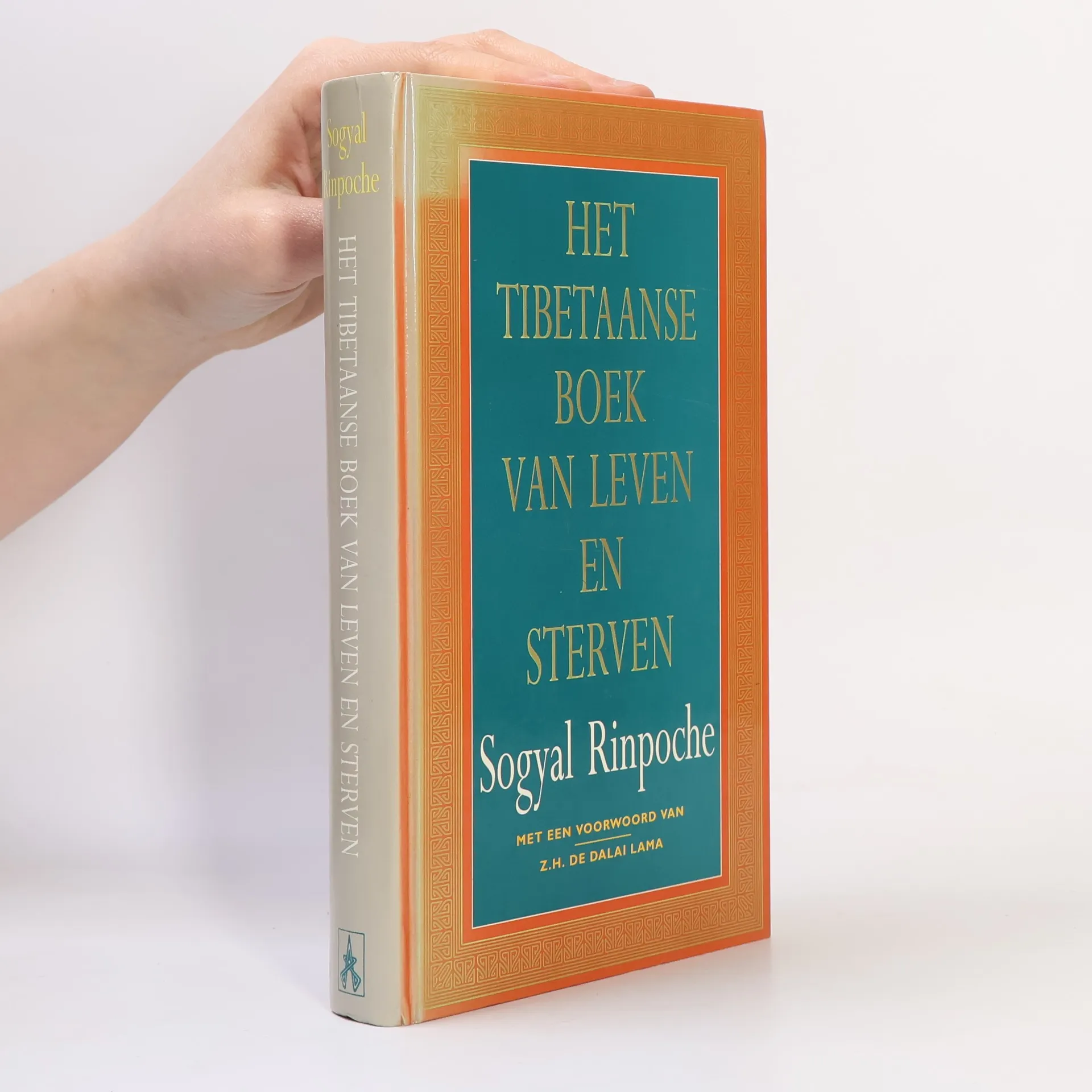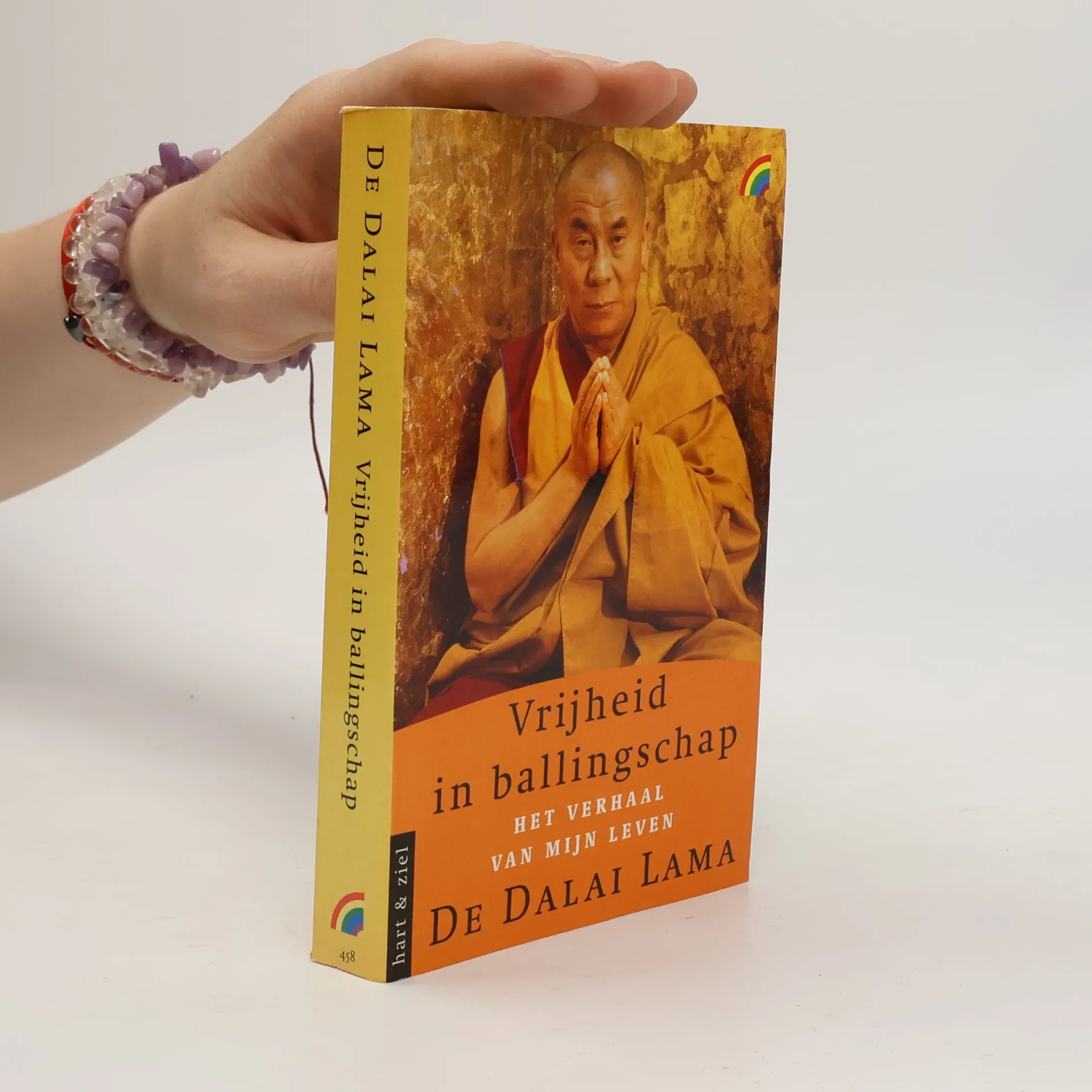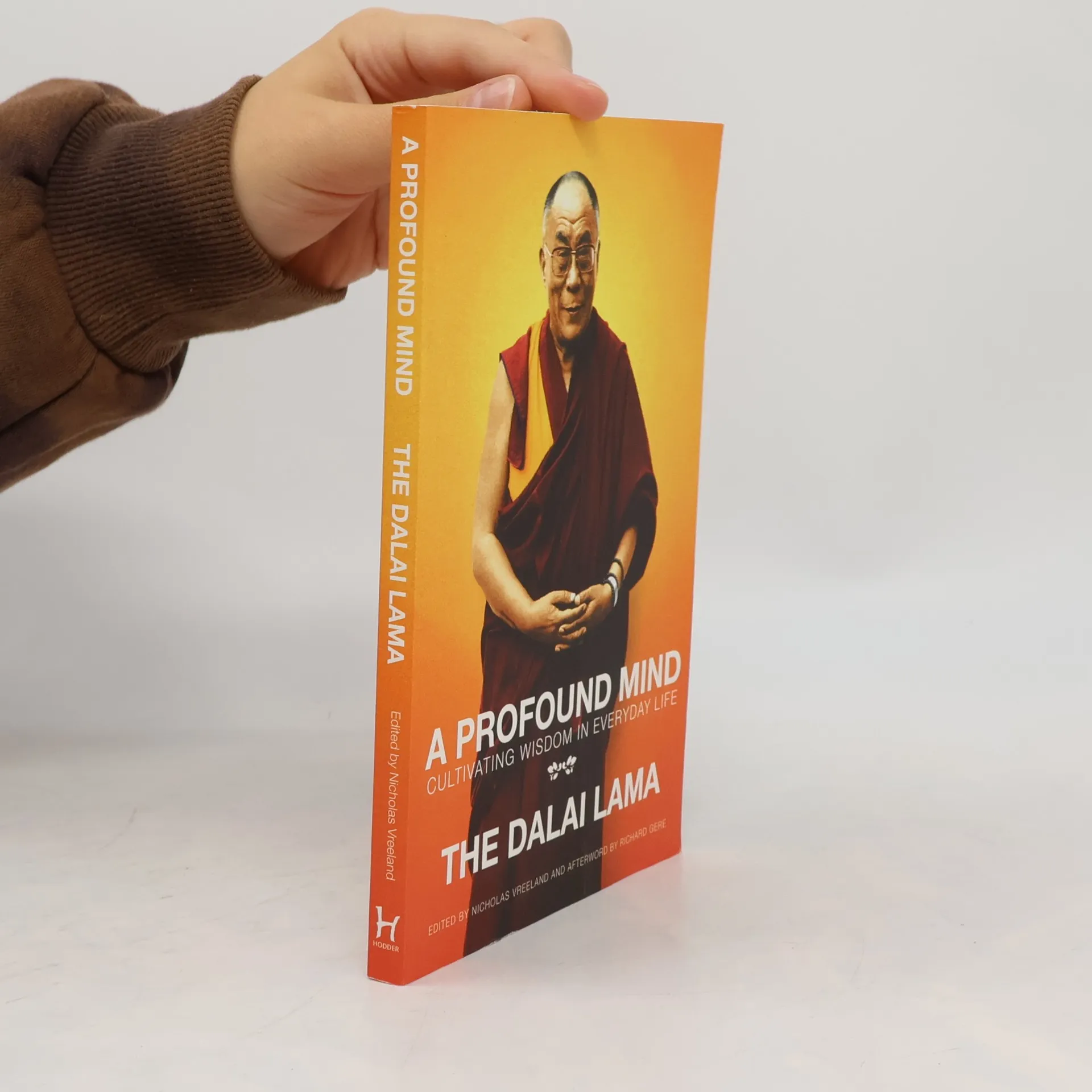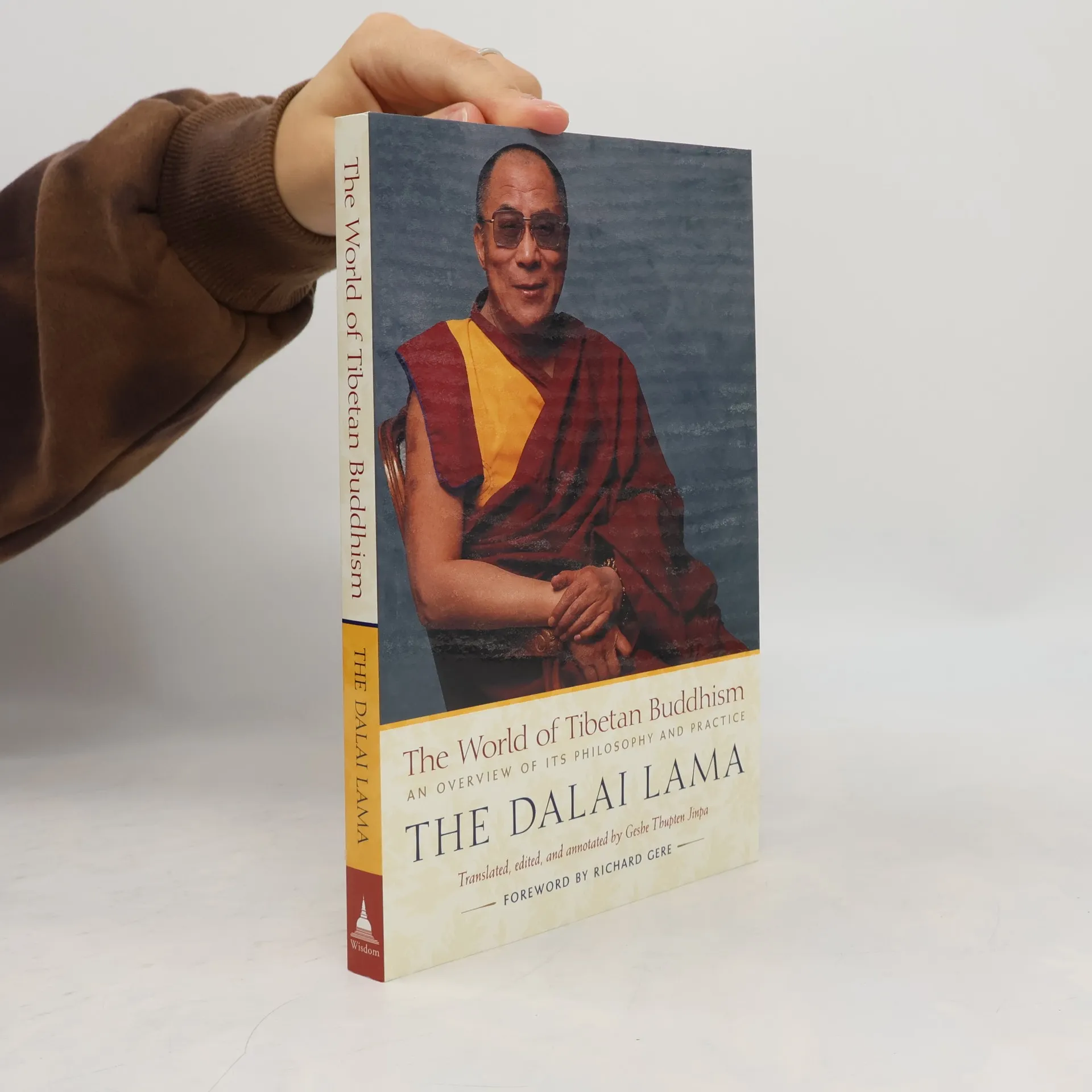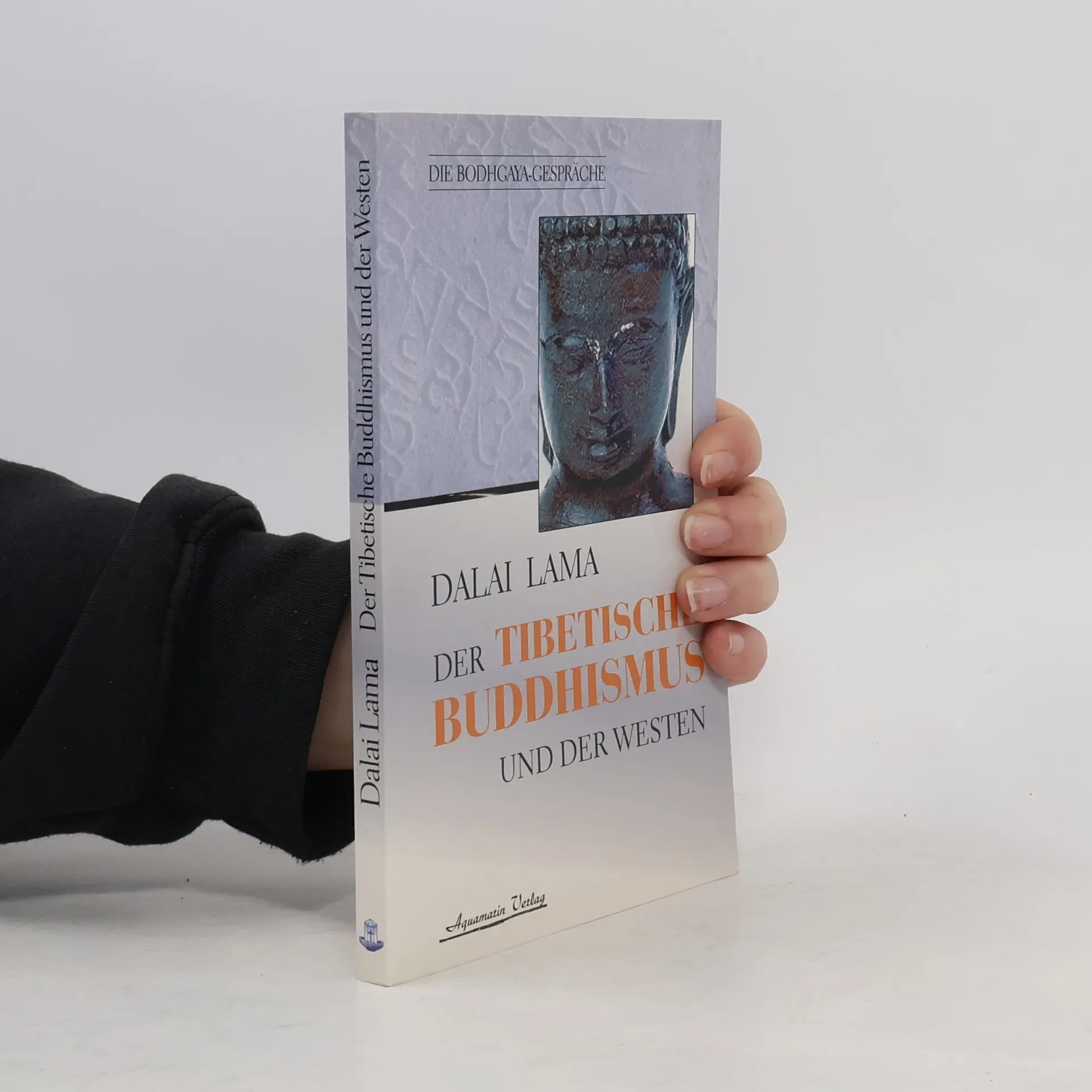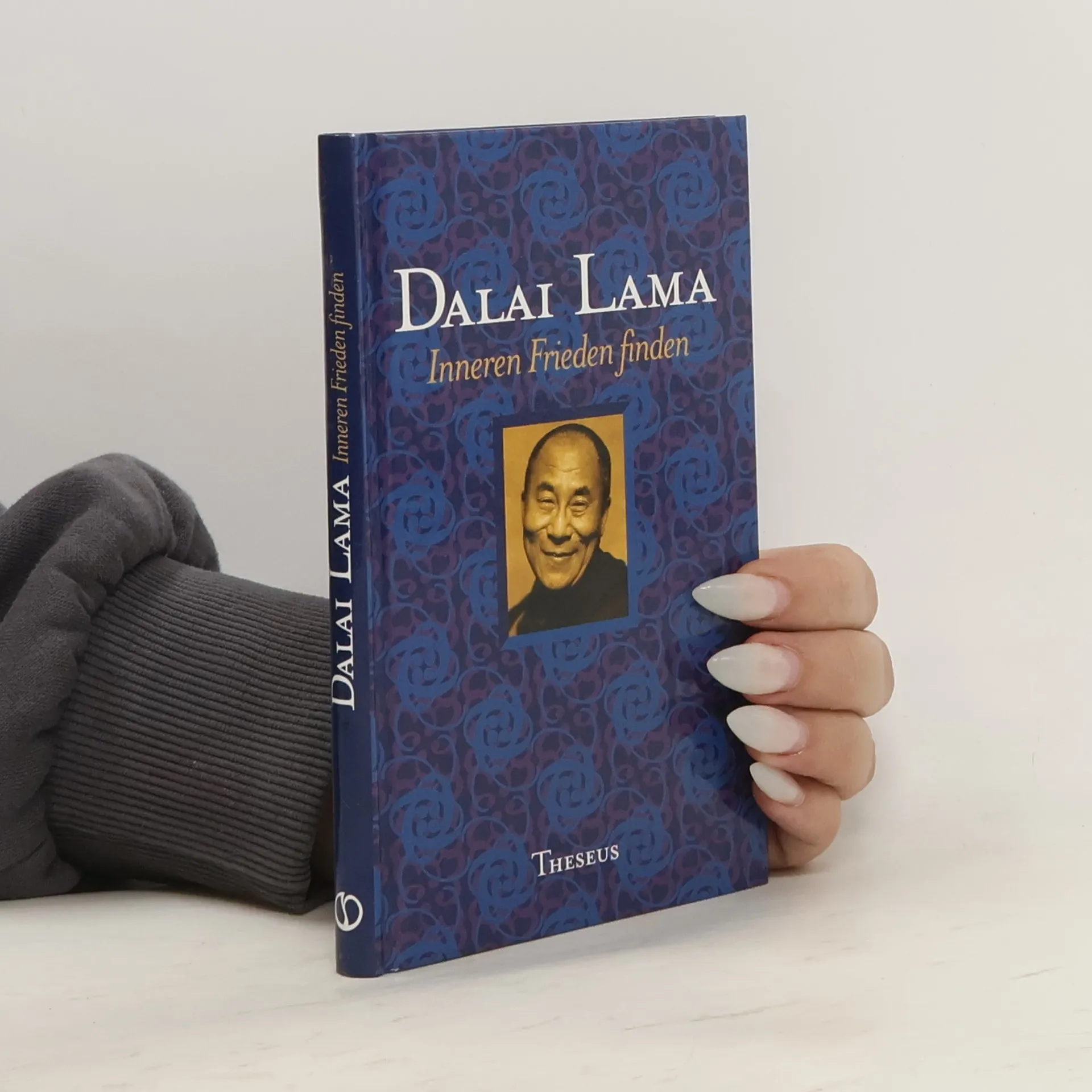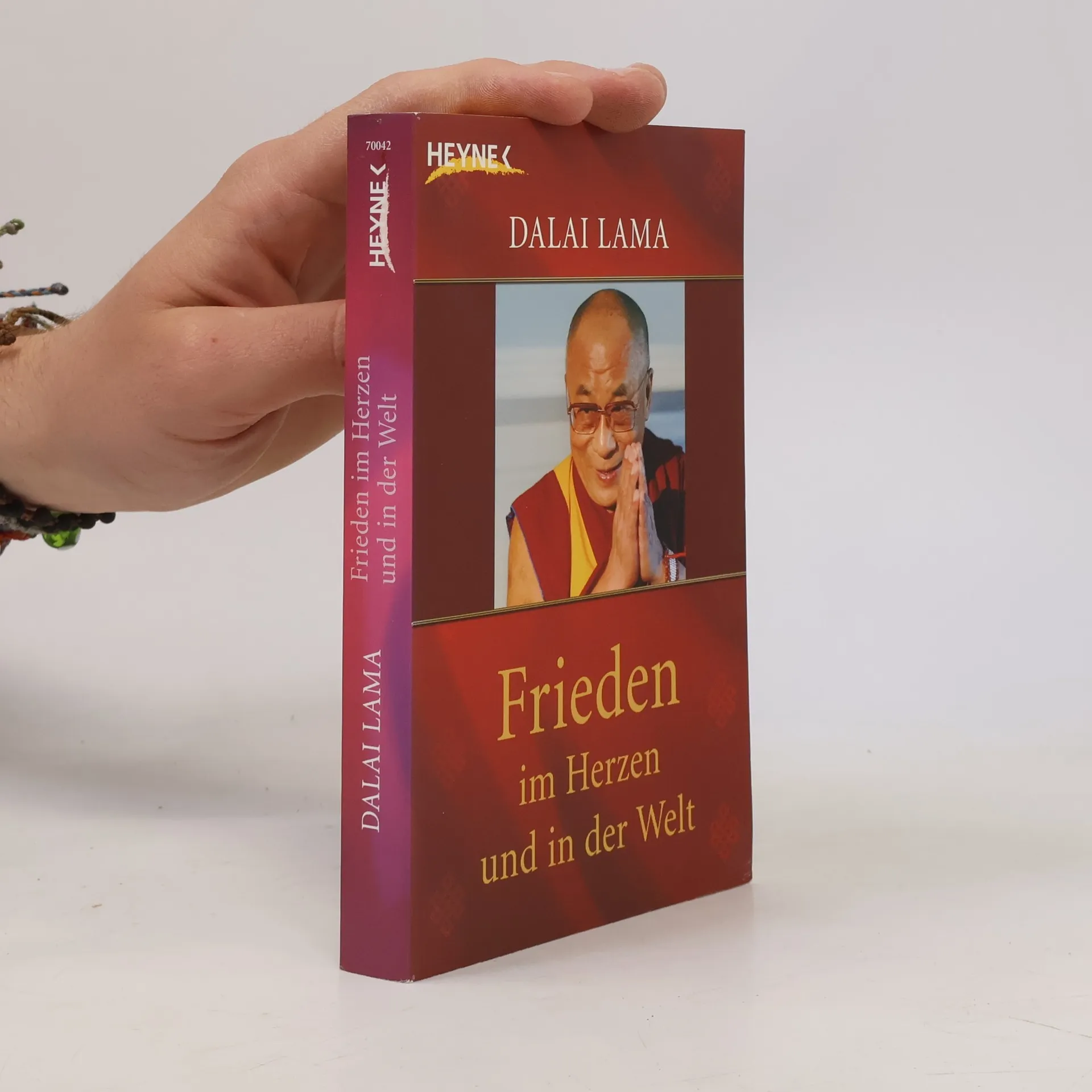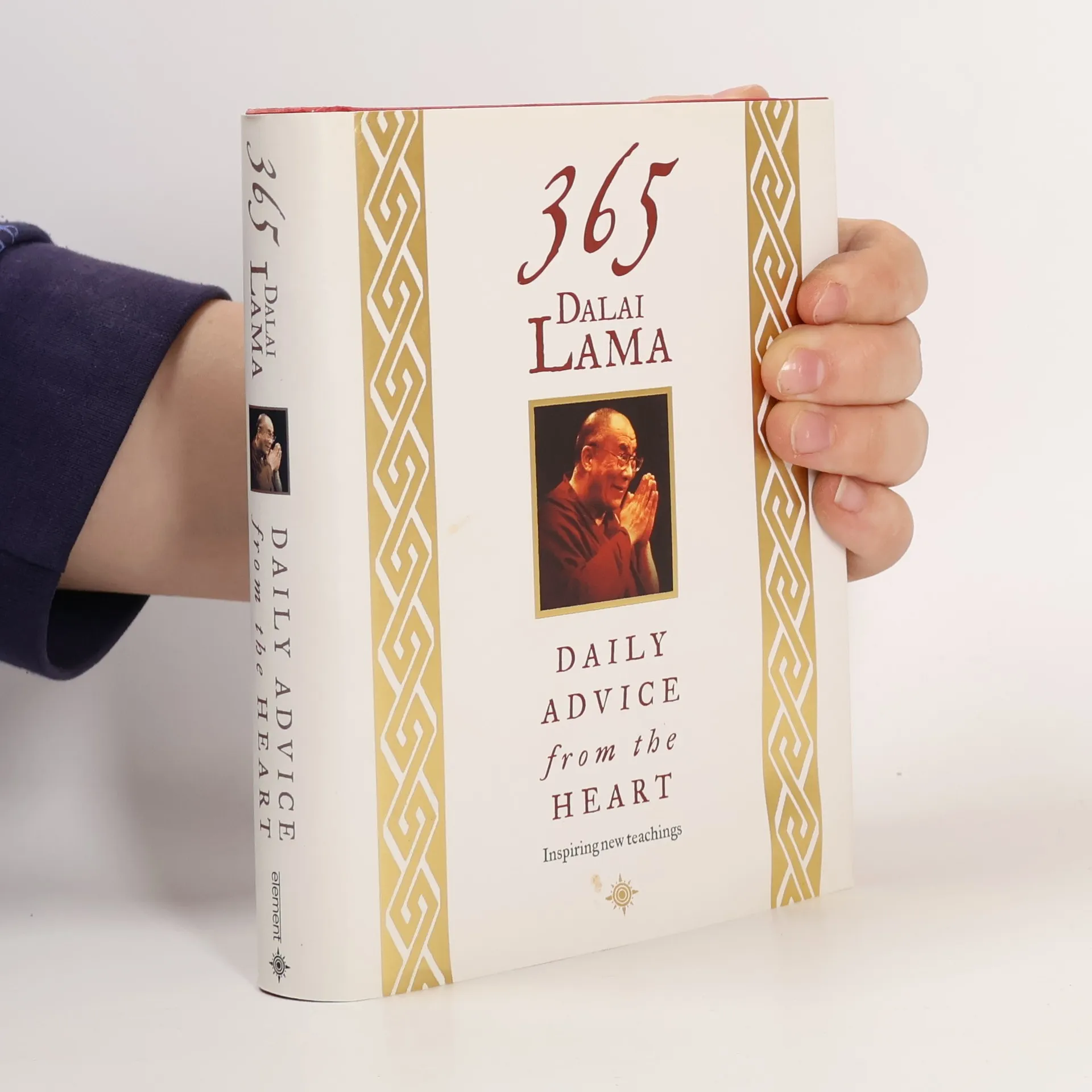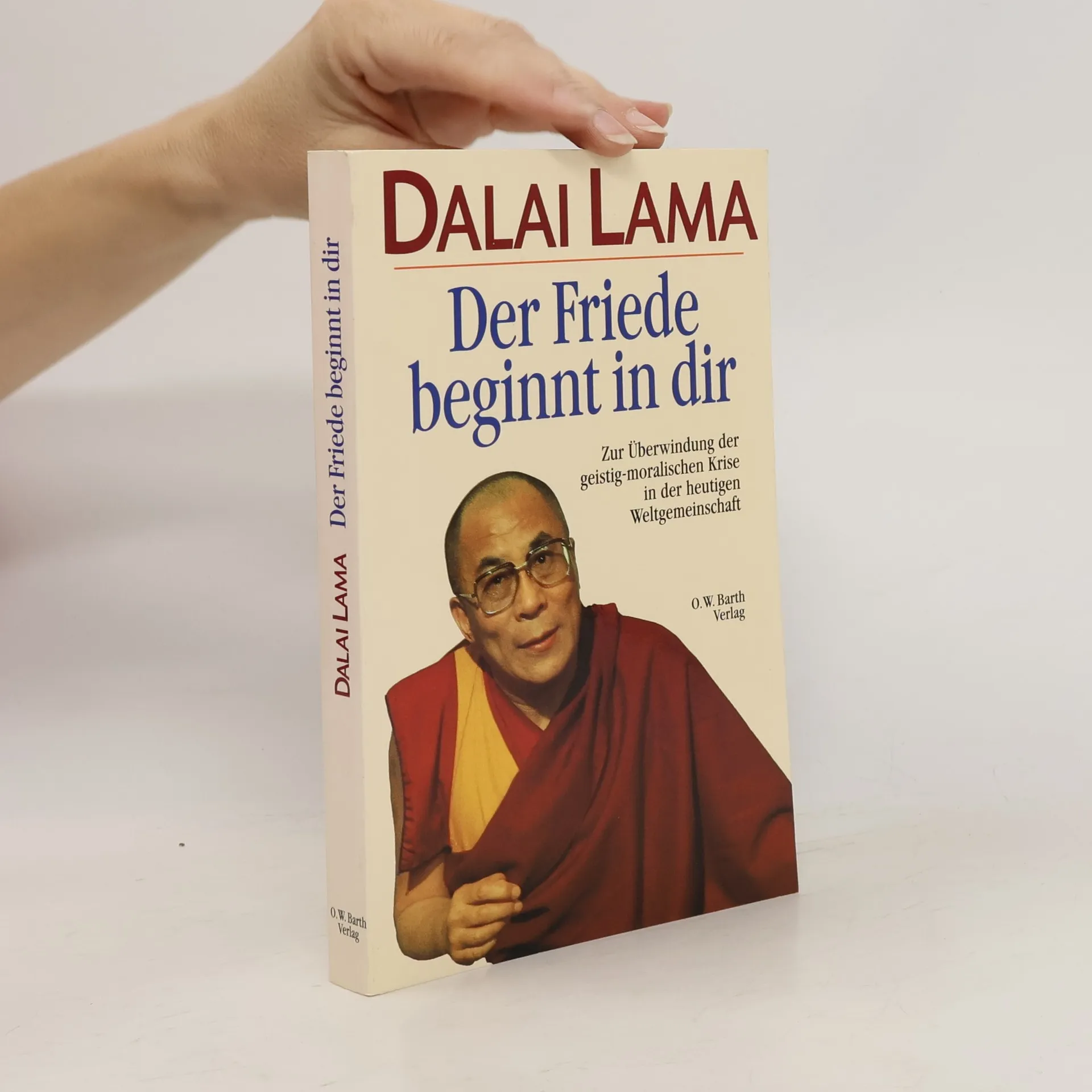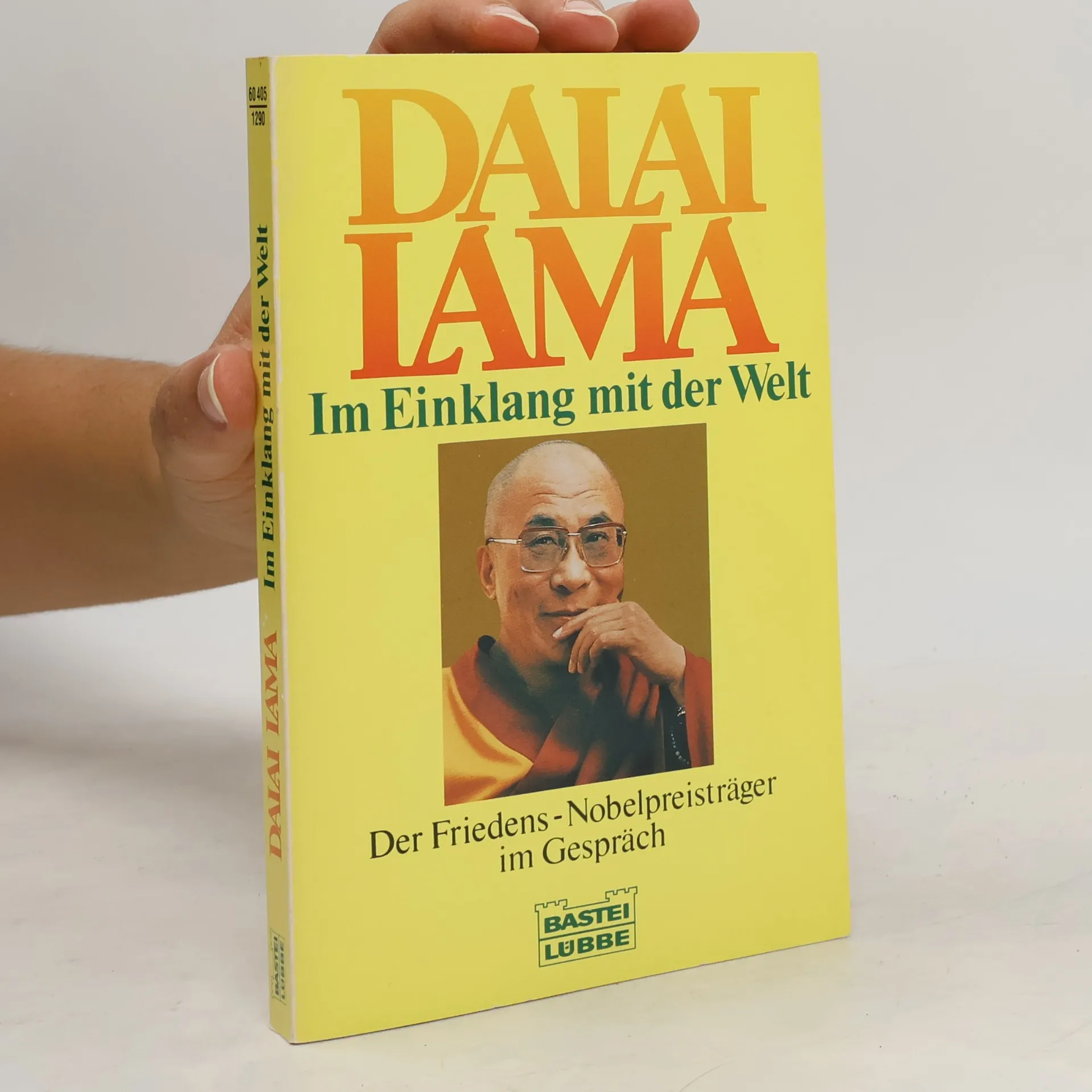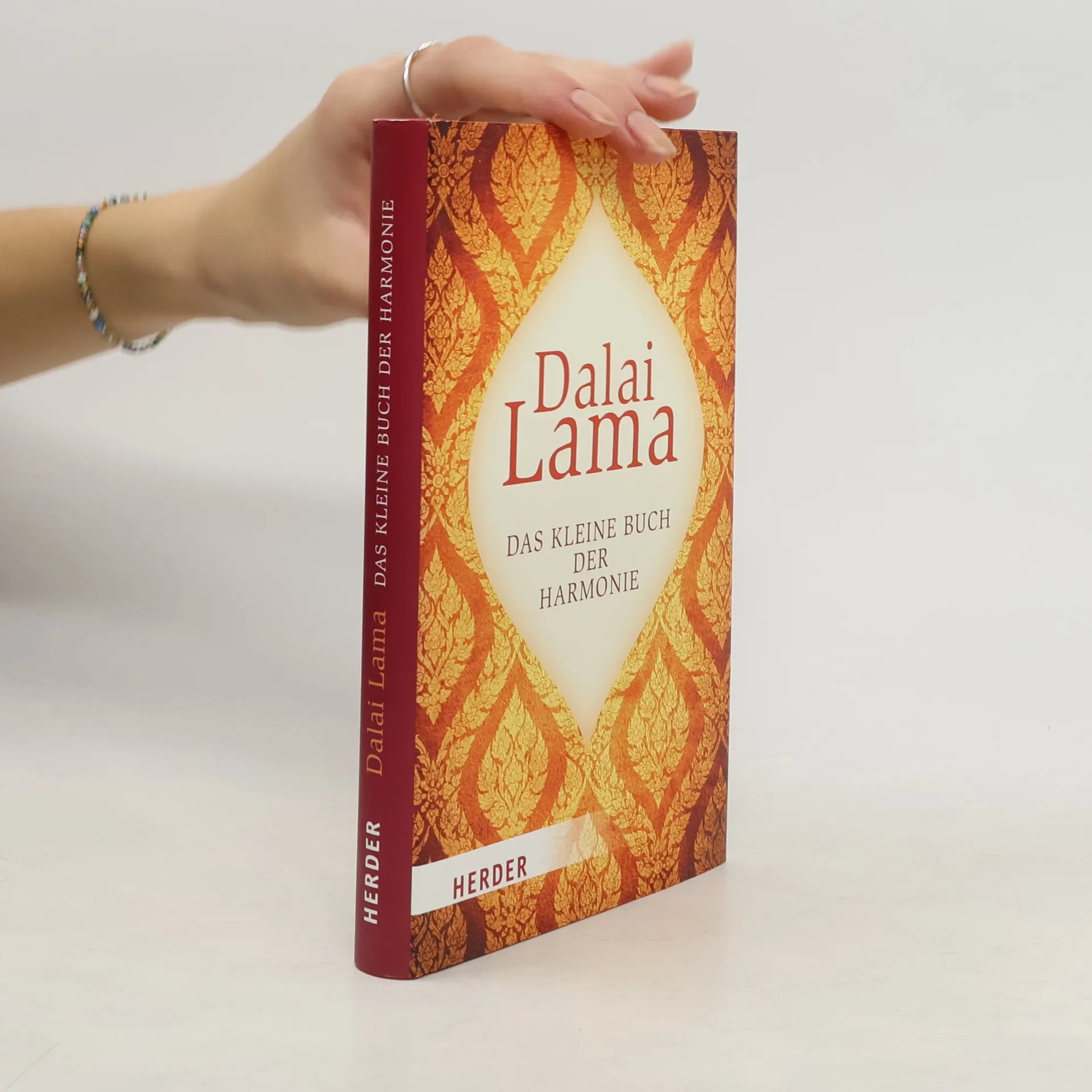

„Scopul vieţii noastre este căutarea fericirii“, spunea Sanctitatea Sa Dalai Lama. Dar cum putem ajunge la o viaţă împlinită într-o lume dominată de suferinţă, violenţă, rasism, naţionalism, prejudecăţi, singurătate? Arta de a fi fericit într-o lume zbuciumată încearcă să găsească soluţii la această dilemă, împletind preceptele filozofiei budiste cu psihologia şi psihiatria modernă. În întâlnirile dintre dr Howard Cutler şi Dalai Lama, tonul e mereu pozitiv, proaspăt şi plin de speranţă: orice greutate poate fi depăşită dacă abordăm lucrurile dintr-o perspectivă optimistă, dar realistă. Prin empatie, solidaritate, restabilirea legăturilor cu semenii noştri şi înţelegerea valorilor comunităţii, ne regăsim pe noi înşine şi suntem fericiţi. „Dalai Lama discută diverse strategii pentru a învinge prejudecăţile şi convingerile stereotipe; ele includ contactul personal, educaţia şi perceperea celorlalţi ca indivizi... Sanctitatea Sa consideră că violenţa este înrădăcinată în emoţiile umane şi modurile de a gândi, şi socoteşte că frica reprezintă una dintre forţele care distrug cel mai mult fericirea umană... Dalai Lama ne indică paşii care trebuie urmaţi pentru a rezolva aceste probleme, cum ar fi încercarea de a-ţi împărtăşi temerile cu ceilalţi, anumite tehnici cognitive şi recursul la credinţă.“ ( Spirituality & Practice )
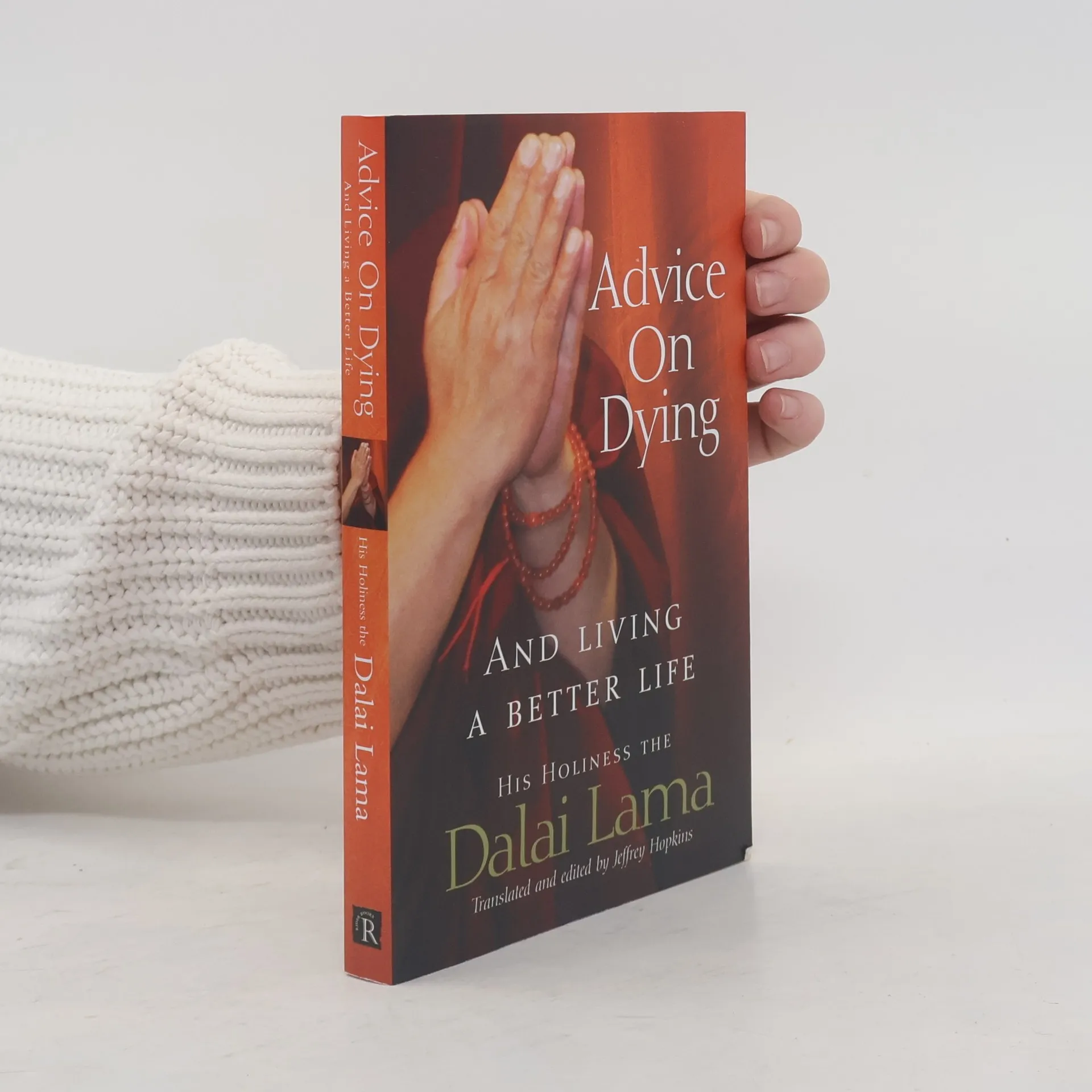
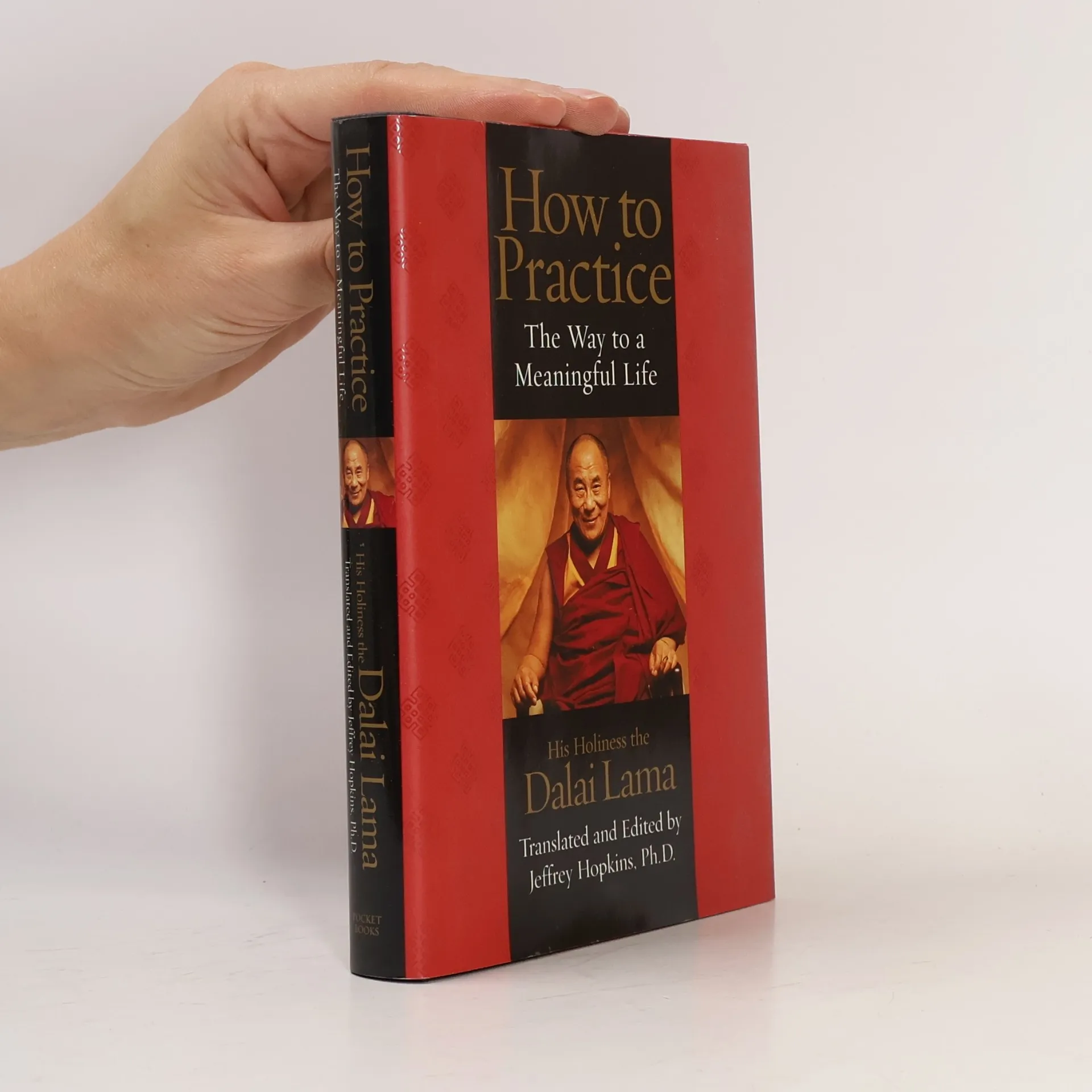
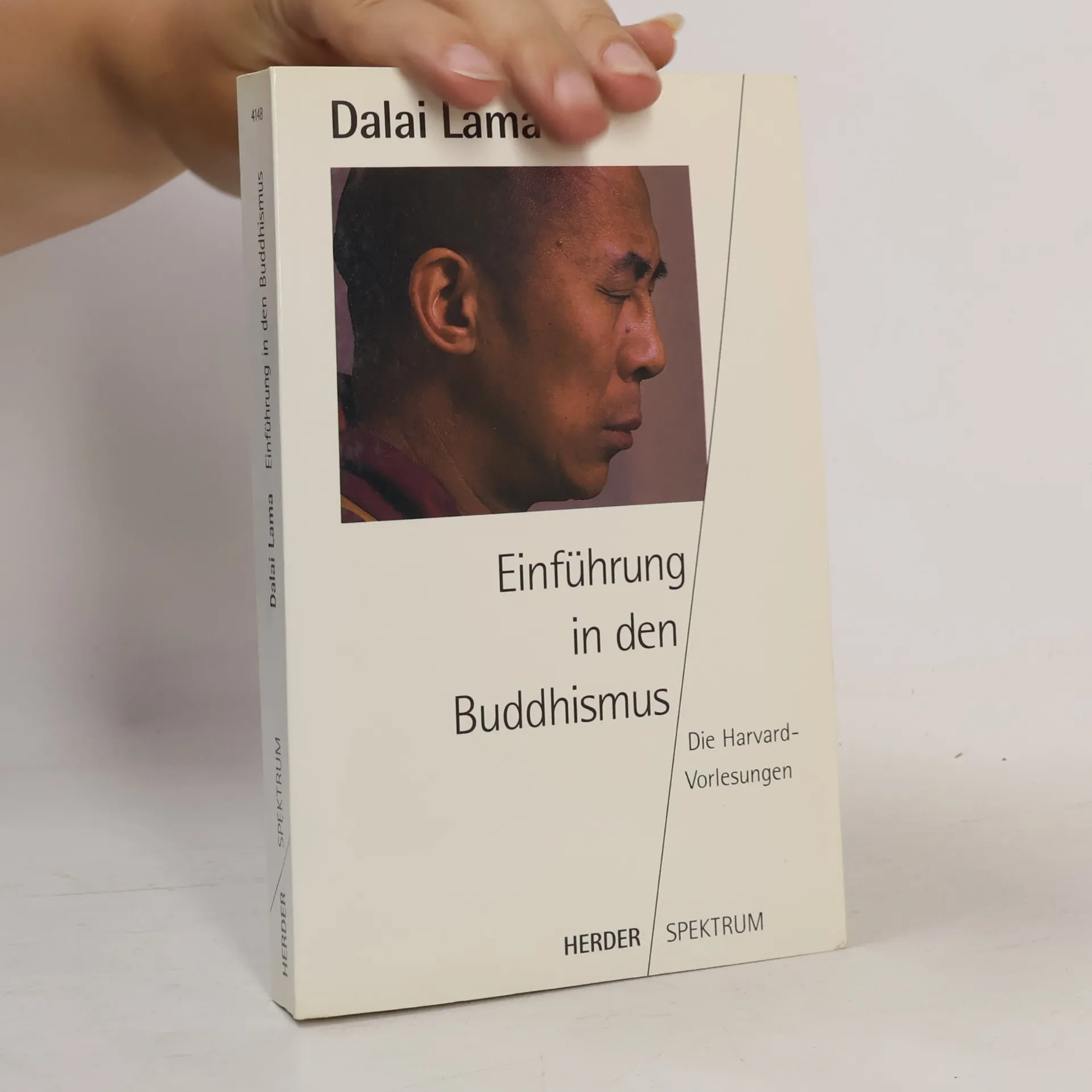
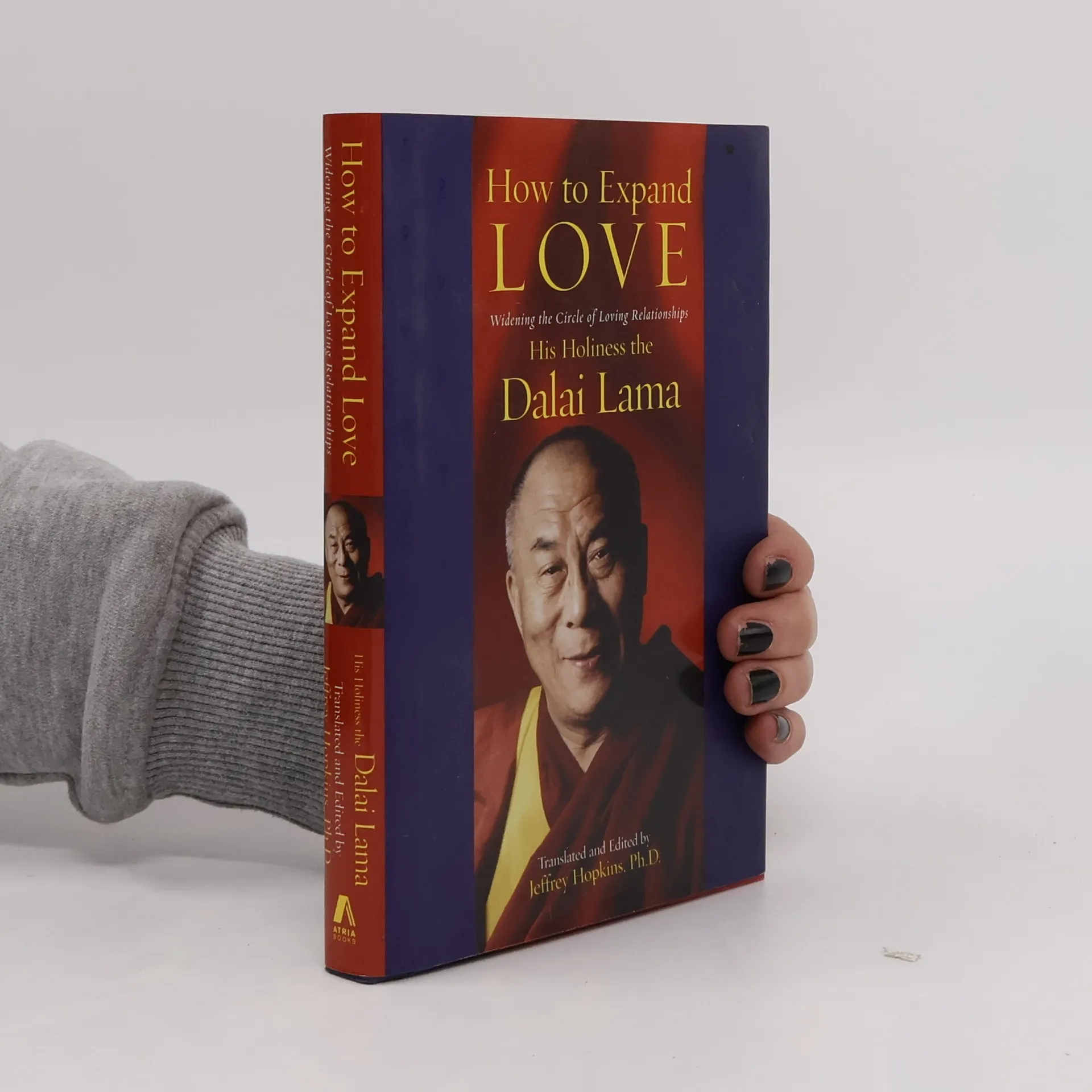
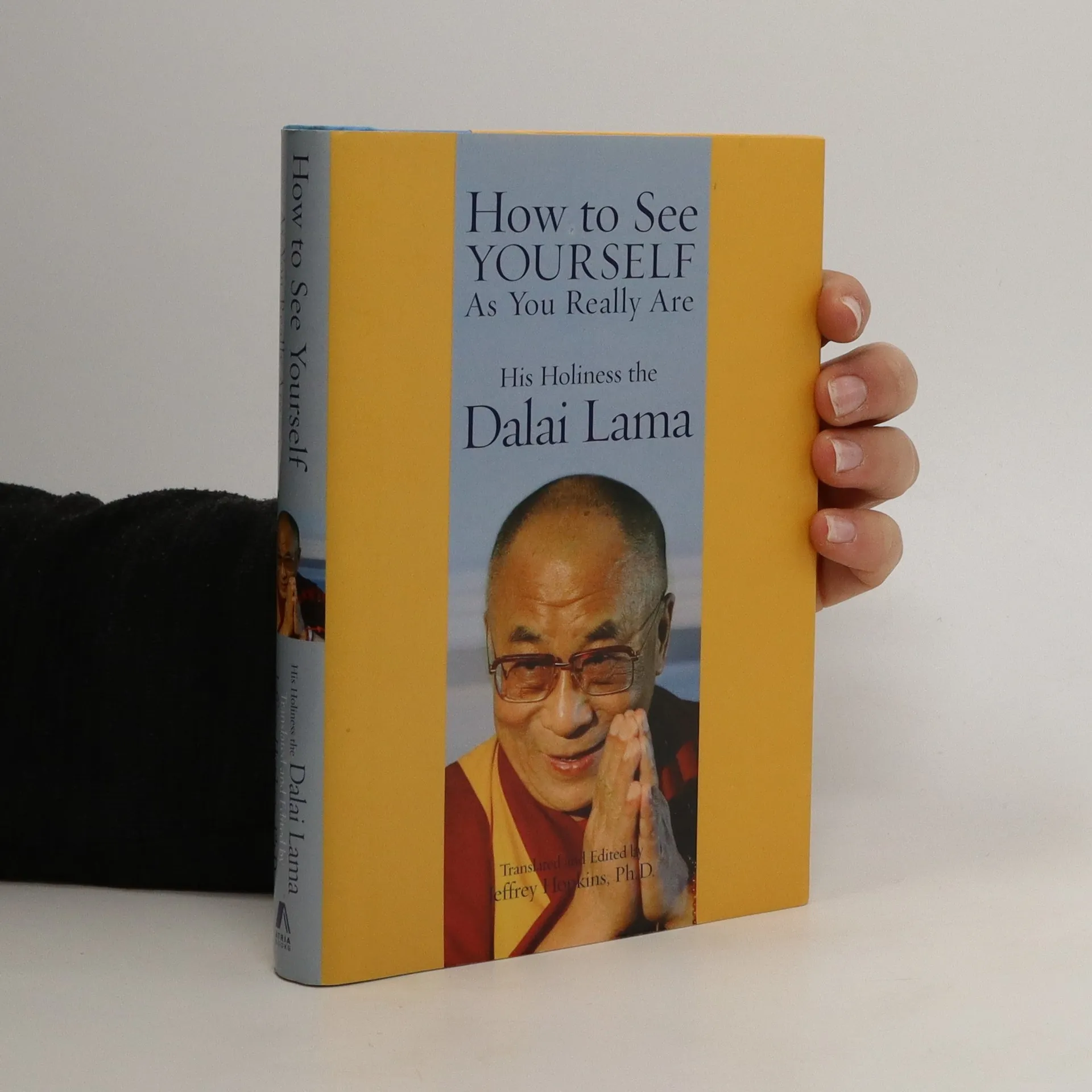
Dalai Lama XIV. Boeken
De Dalai Lama is een wereldwijd erkende figuur binnen de Gelug-traditie van het Tibetaans boeddhisme en 's werelds meest prominente boeddhistische monnik. Zijn leringen richten zich op het verspreiden van de concepten van universele verantwoordelijkheid, seculiere ethiek en religieuze harmonie. Als charismatische spreker heeft hij het boeddhisme in het Westen geïntroduceerd, pleitend voor vrede en interreligieuze dialoog. Zijn toewijding aan het behoud van de Tibetaanse cultuur en onderwijs voor vluchtelingen blijft een bewijs van zijn blijvende inzet.


Het boek van vreugde
- 350bladzijden
- 13 uur lezen
Verslag van een ontmoeting tussen de twee spirituele wereldleiders, waarbij ze van gedachten wisselden over alle obstakels in het leven die vreugde in de weg staan, en hoe daarmee om te gaan.
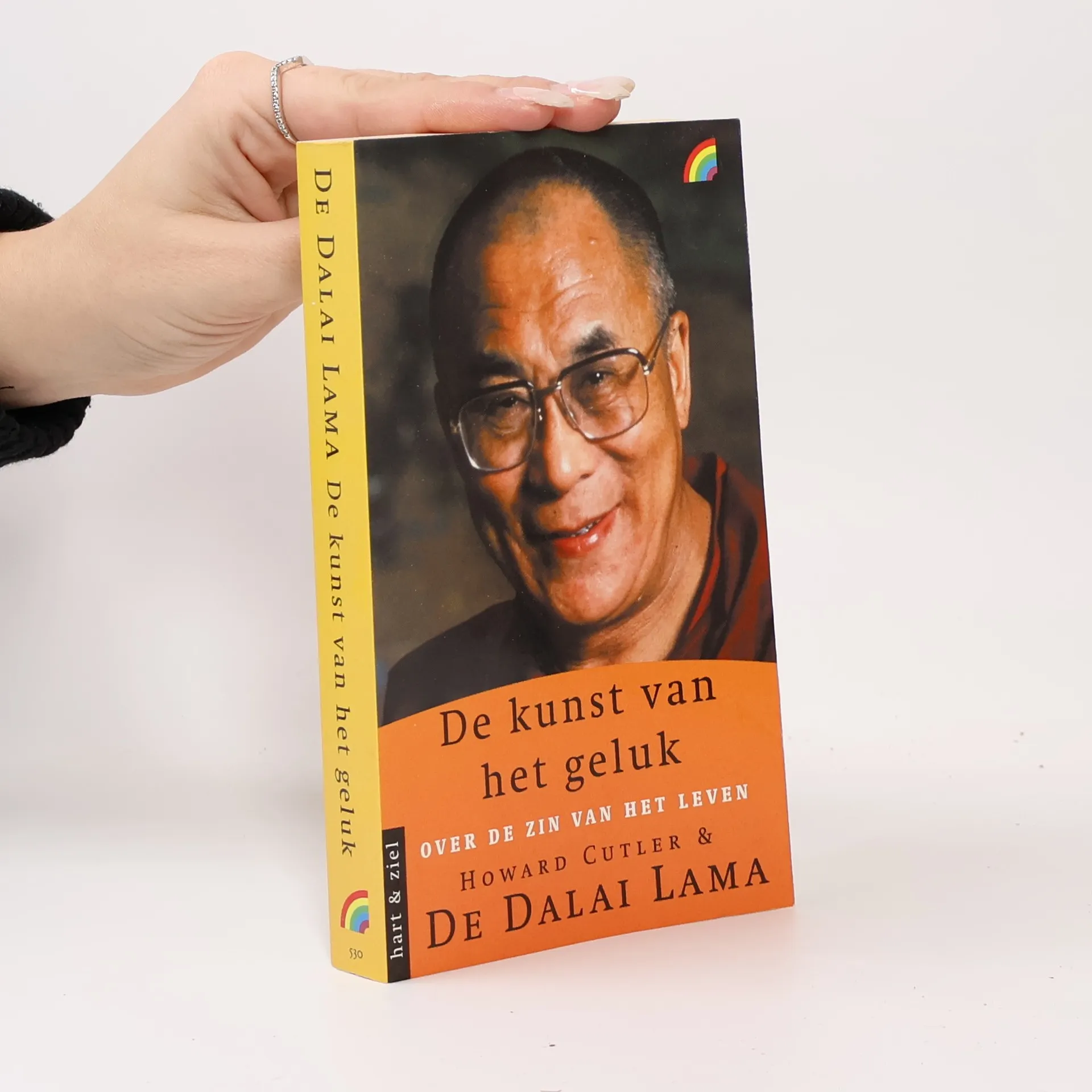
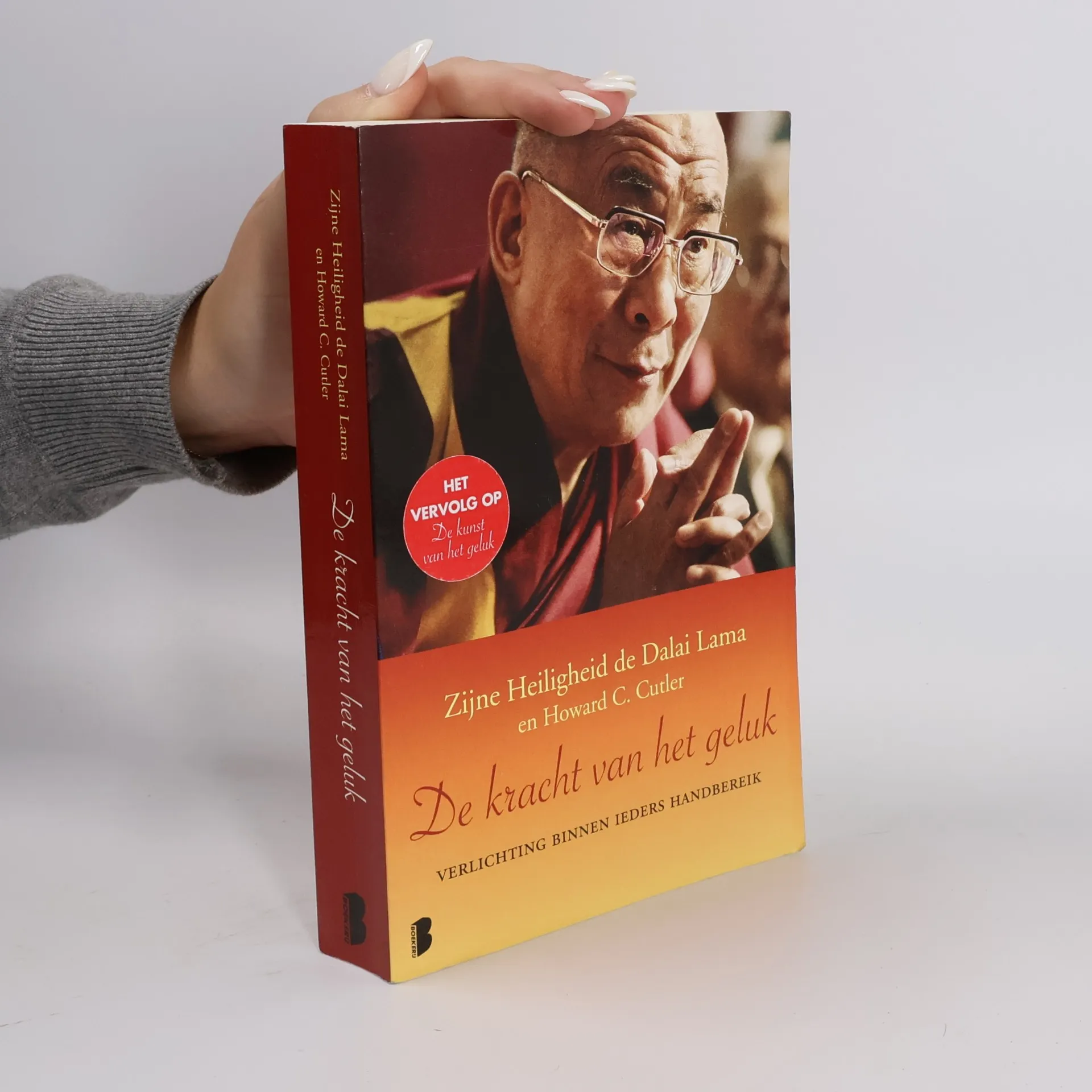
Te vaak plaatsen facetten van ons leven - relaties, gezondheid, welvaart en zo verder - ons voor obstakels, die we het hoofd moeten bieden. De kunst van het geluk, dat de Dalai Lama schreef samen met psychiater Howard Cutler, is een handleiding. Meer dan 2500 jaar boeddhistische kennis en helder inzicht bieden hulp bij dagelijkse problemen. Door gesprekken, verhalen en meditaties maakt de Dalai lama duidelijk hoe we angst, onzekerheid, woede en moedeloosheid kunnen overwinnen.
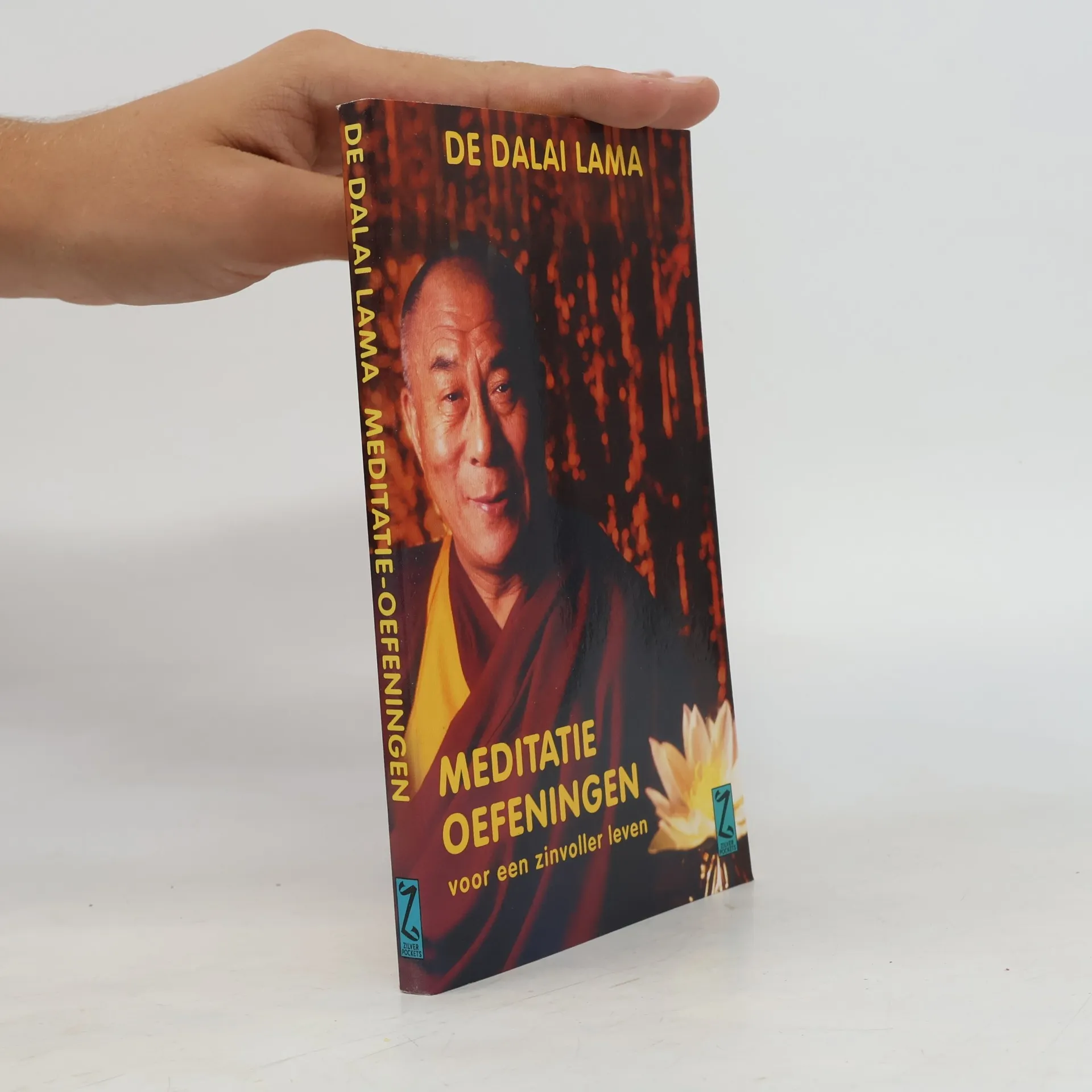
Meditatie oefeningen
- 126bladzijden
- 5 uur lezen
De geestelijk leider van de Tibetaans boeddhisten bespreekt en analyseert 37 aforismen van de 13e eeuwse mysticus Thogsmed bzang po.
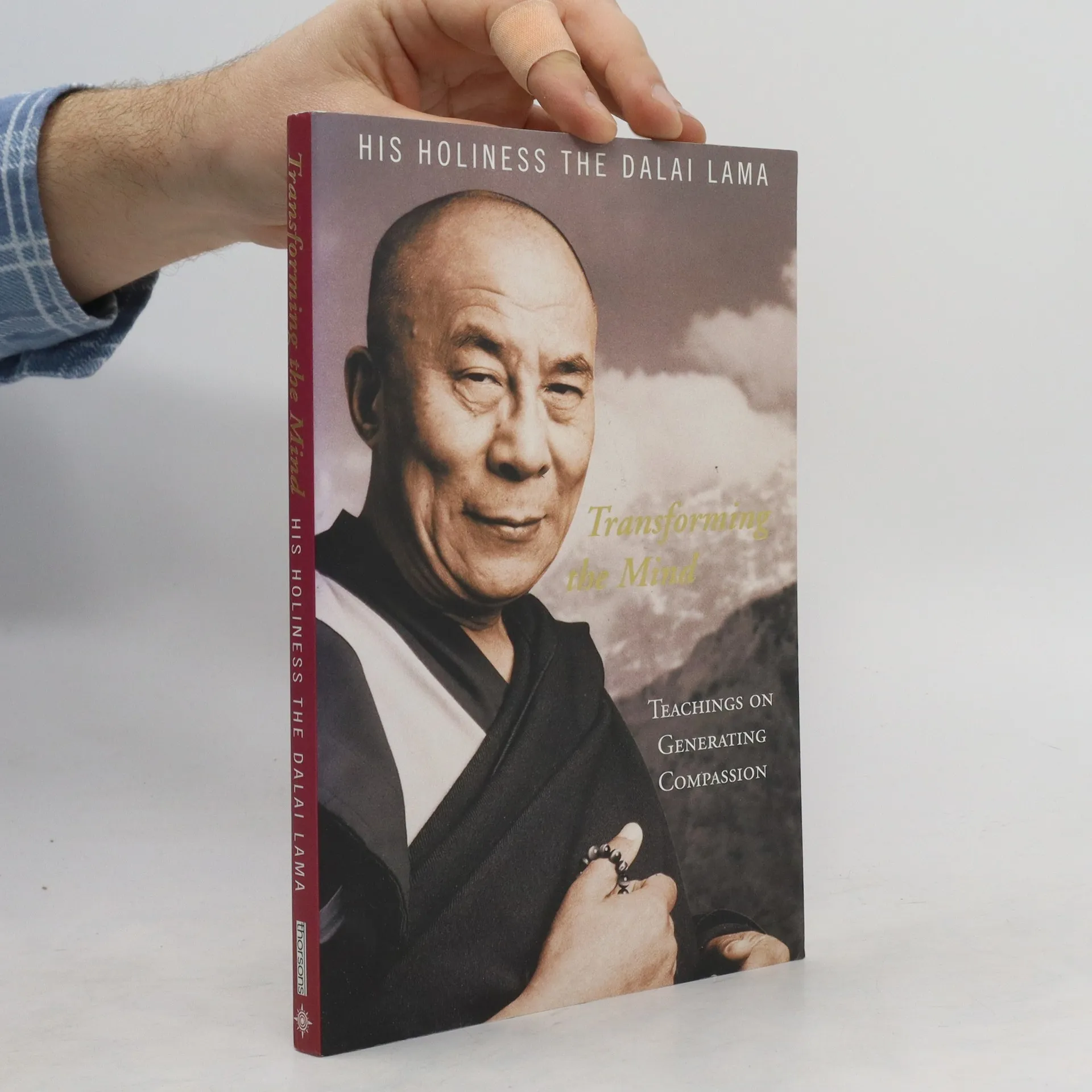
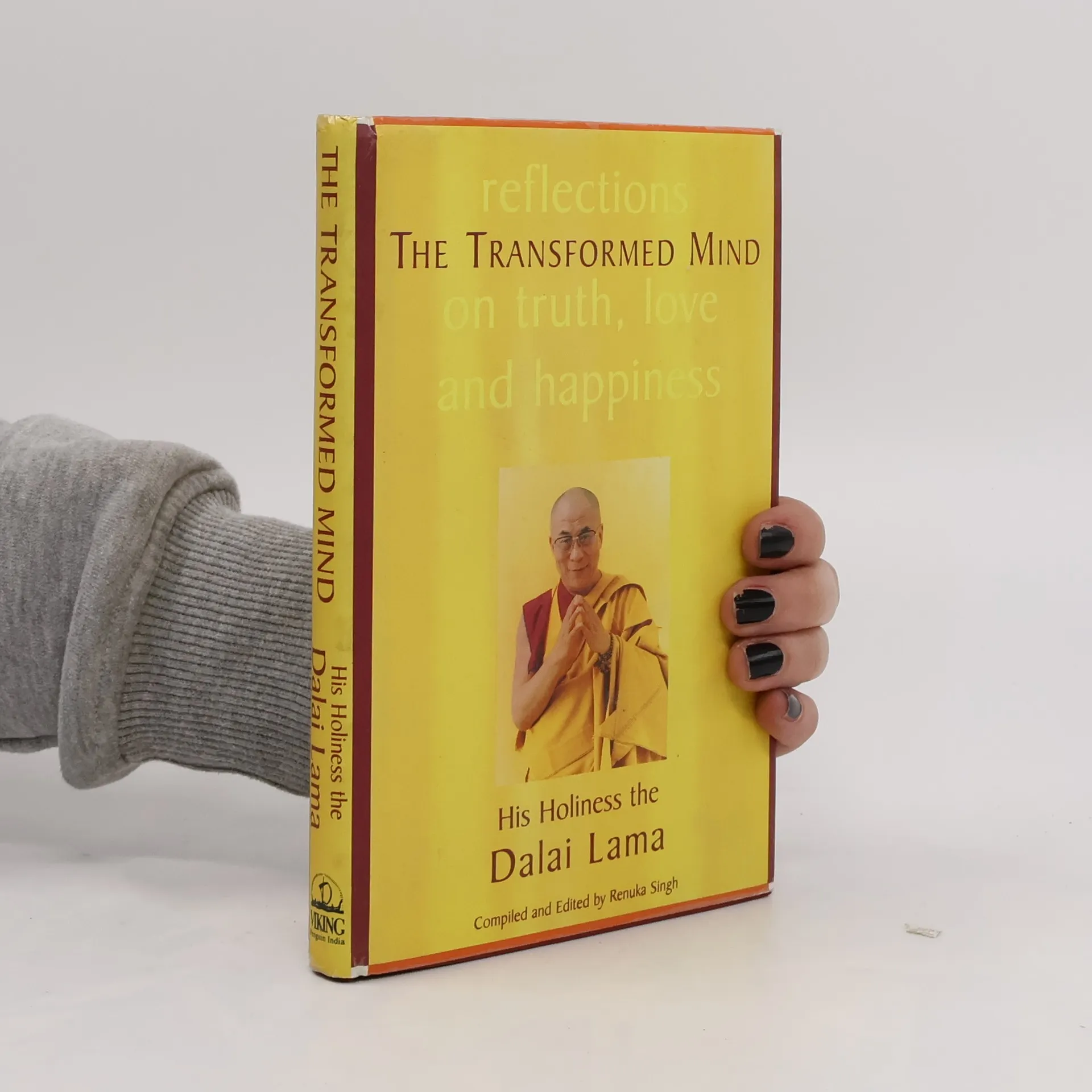
De veranderende geest
- 176bladzijden
- 7 uur lezen
Zes toespraken over de geschiedenis en de grondbeginselen van het Tibetaans boeddhisme.
Dzogchen
- 272bladzijden
- 10 uur lezen
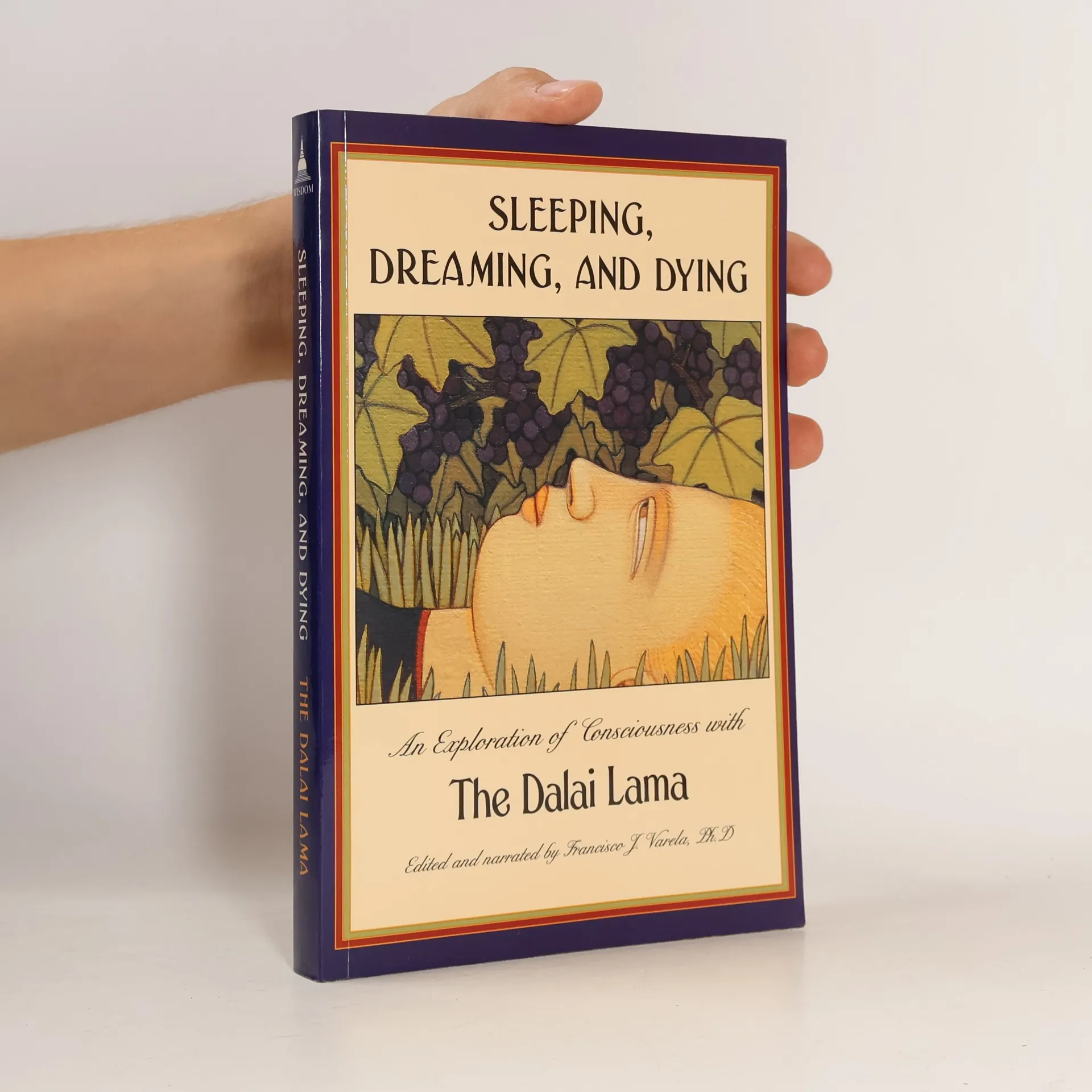
This is the most informative and thorough book on Dzogchen available. These teachings are on Dzogchen, the heart essence of the ancient Nyingma tradition of Tibetan Buddhism. Exploring this esoteric subject in print for the first time, His Holiness offers the reader insights into one of Buddhism's most profound systems of meditation. He discusses both the philosophic foundations and the practices of this system—taking into account the approaches of various schools and teachers. Paying tribute to the uniqueness of Dzogchen, His Holiness sets it within the wider spectrum of Tibetan Buddhism as a whole. He explains the essence of Dzogchen practice and addresses questions such as why Dzogchen is called "the pinnacle of all vehicles," what are its special features, and what are the crucial principles of the other Buddhist paths which a Dzogchen practitioner should know.
The Life of Shabkar has long been recognized by Tibetans as one of the masterworks of their religious heritage. Shabkar Tsogdruk Rangdrol devoted himself to many years of meditation in solitary retreat after his inspired youth and early training in the province of Amdo under the guidance of several extraordinary Buddhist masters. With determination and courage, he mastered the highest and most esoteric practices of the Tibetan tradition of the Great Perfection. He then wandered far and wide over the Himalayan region expressing his realization. Shabkar's autobiography vividly reflects the values and visionary imagery of Tibetan Buddhism, as well as the social and cultural life of early nineteenth-century Tibet.
This is the story of a young boy, born in Tibet to inherit the role of Buddhist lineage holder, whose life was interrupted by the Chinese army invasion and the ensuing Cultural Revolution. Two decades later, he walked out of Tibet and started on his journey of fully taking on leadership of the Drikung Kagyu lineage. Since then the teachings of this lineage have flourished and are practiced all around the world—after nearly being lost.
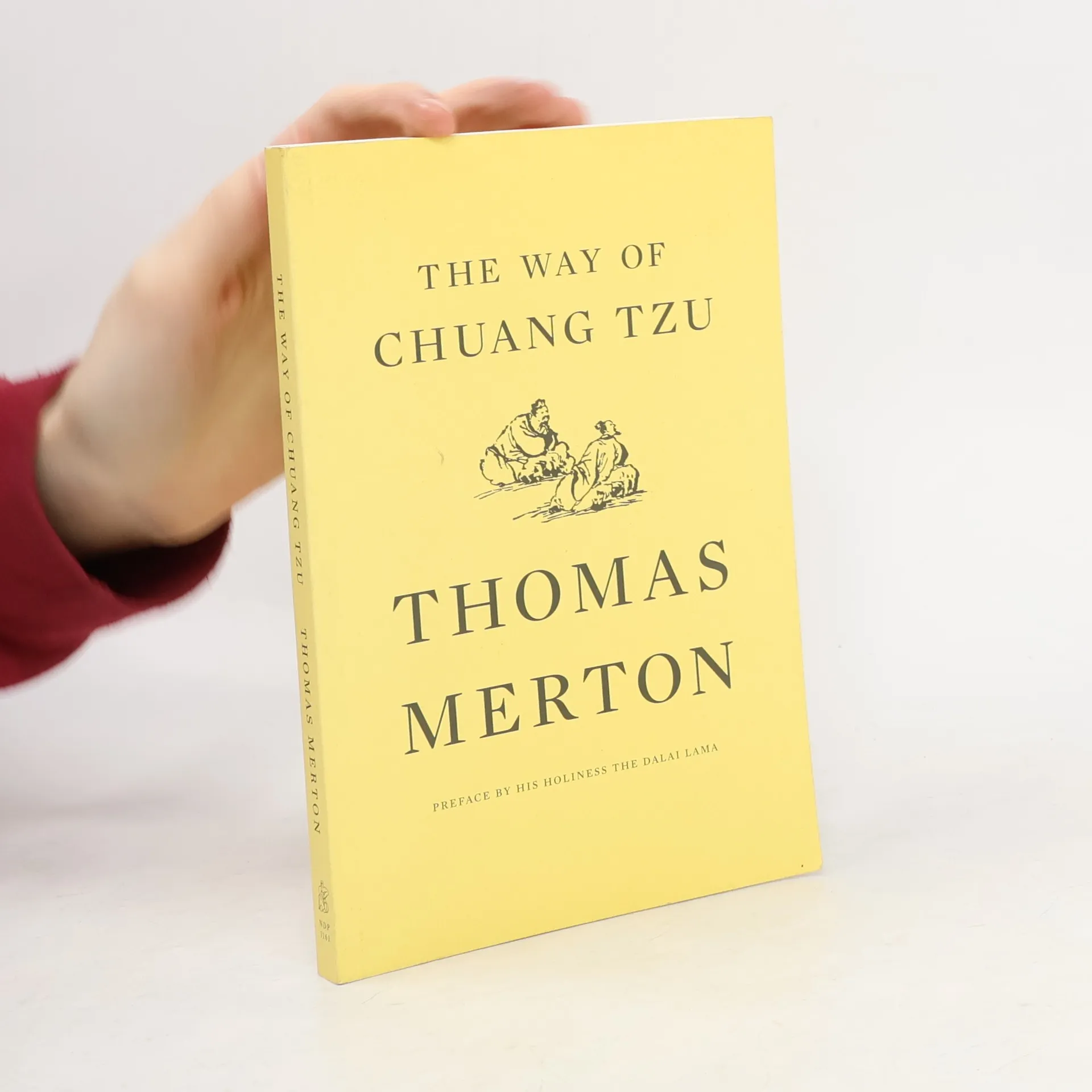
The Way of Chuang Tzu
- 159bladzijden
- 6 uur lezen
Classic writings from the great Zen master in exquisite versions by Thomas Merton, in a new edition with a preface by His Holiness the Dalai Lama.
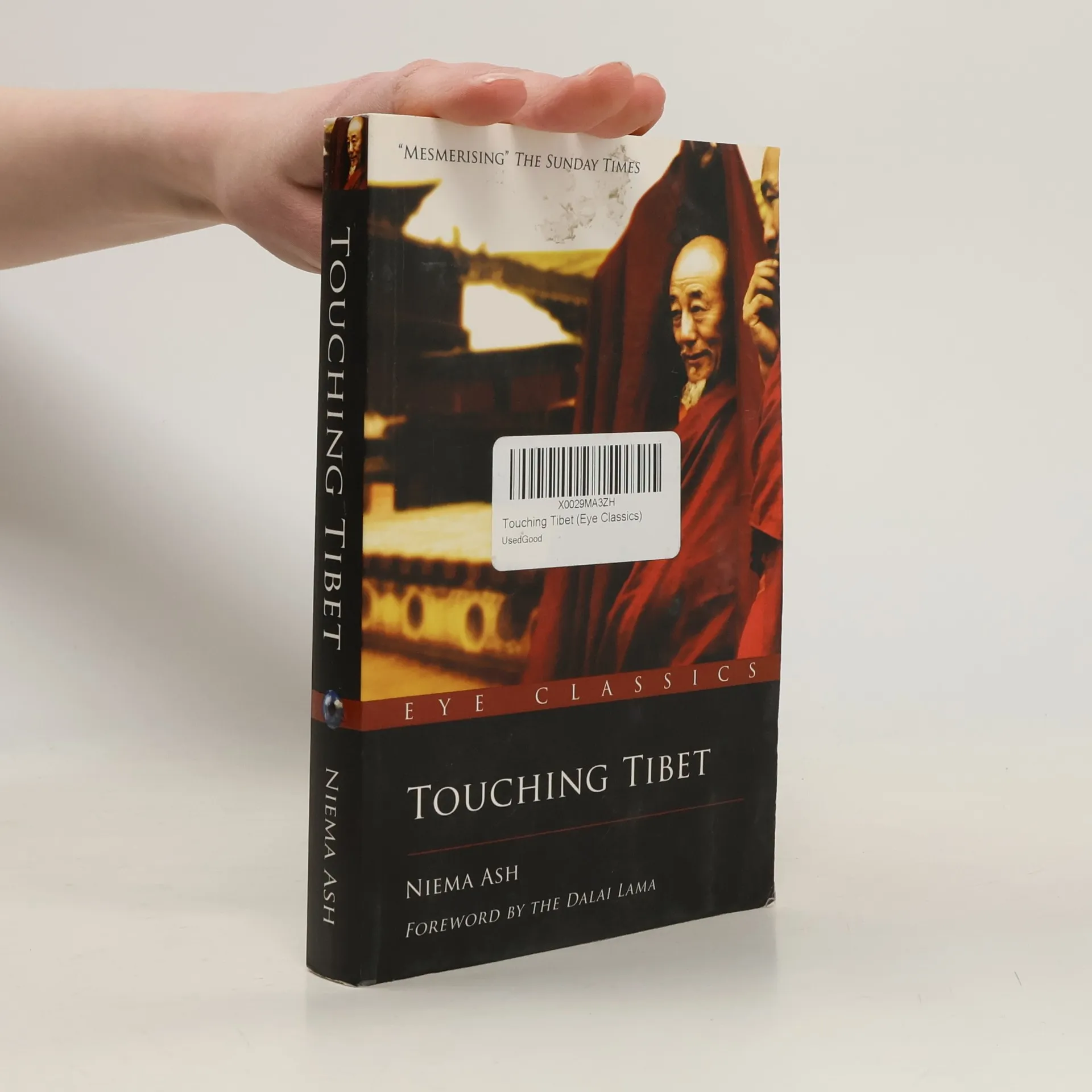
Eye Classics: Touching Tibet
- 260bladzijden
- 10 uur lezen
Niema Ash was one of the first Westerners to enter Tibet when its borders were briefly opened in 1986. Visiting at a time when tourists were few and far between allowed her to encounter people for whom traditional life had been unchanged for generations. Their humour, spirituality, and sheer enthusiasm for life had carried them through years of o