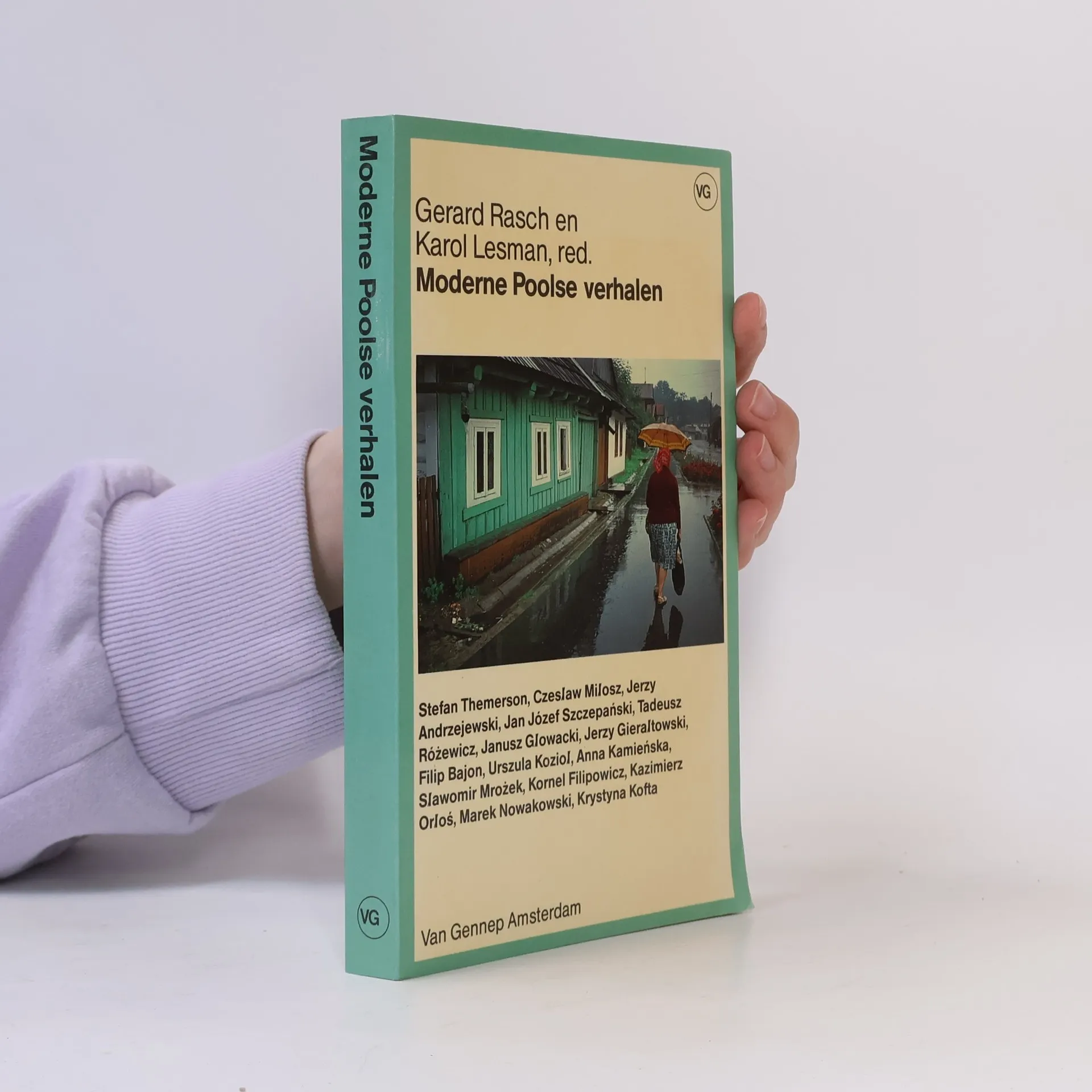
Moderne Poolse verhalen
- 169bladzijden
- 6 uur lezen


Czesław Miłosz was een gevierd dichter en auteur van Pools-Litouwse afkomst, bekroond met de Nobelprijs. Hij legde op meesterlijke wijze de kwetsbare menselijke conditie bloot in een wereld vol hevige conflicten, een getuigenis van zijn compromisloze helderheid en diepe inzichten. Zijn literaire stijl kenmerkt zich door intellectuele scherpte en diepgaande empathie voor de menselijke geest. De blijvende nalatenschap van Miłosz ligt in zijn krachtige verwoording van complexe emotionele en existentiële staten.


This collection features previously untranslated poems by Nobel laureate Czeslaw Milosz, showcasing his reflections during his time in Washington, D.C., as well as his experiences in Europe before and after. The work captures his profound insights and emotional depth, offering readers a unique glimpse into the poet's life and thoughts during significant historical periods.
This stimulating collection of essays, mostly concerned with subjects taken from Slavic literatures, is at once scholarly and reflective. The volume opens with a true story, "Brognart," which is a confession of the author's remorse based on conflict with French intellectuals. "Science Fiction and the Coming of the Antichrist" concerns Vladimir Solovyov. "Krasinski's Retreat" is another return to the author's student readings, which attempts to determine how a Polish romantic poet could write in 1833 a drama on the approaching world revolution. "Joseph Conrad's Father" sketches the biography of a poet and revolutionary and also throws some light upon the fate of the hero of the last chapter.
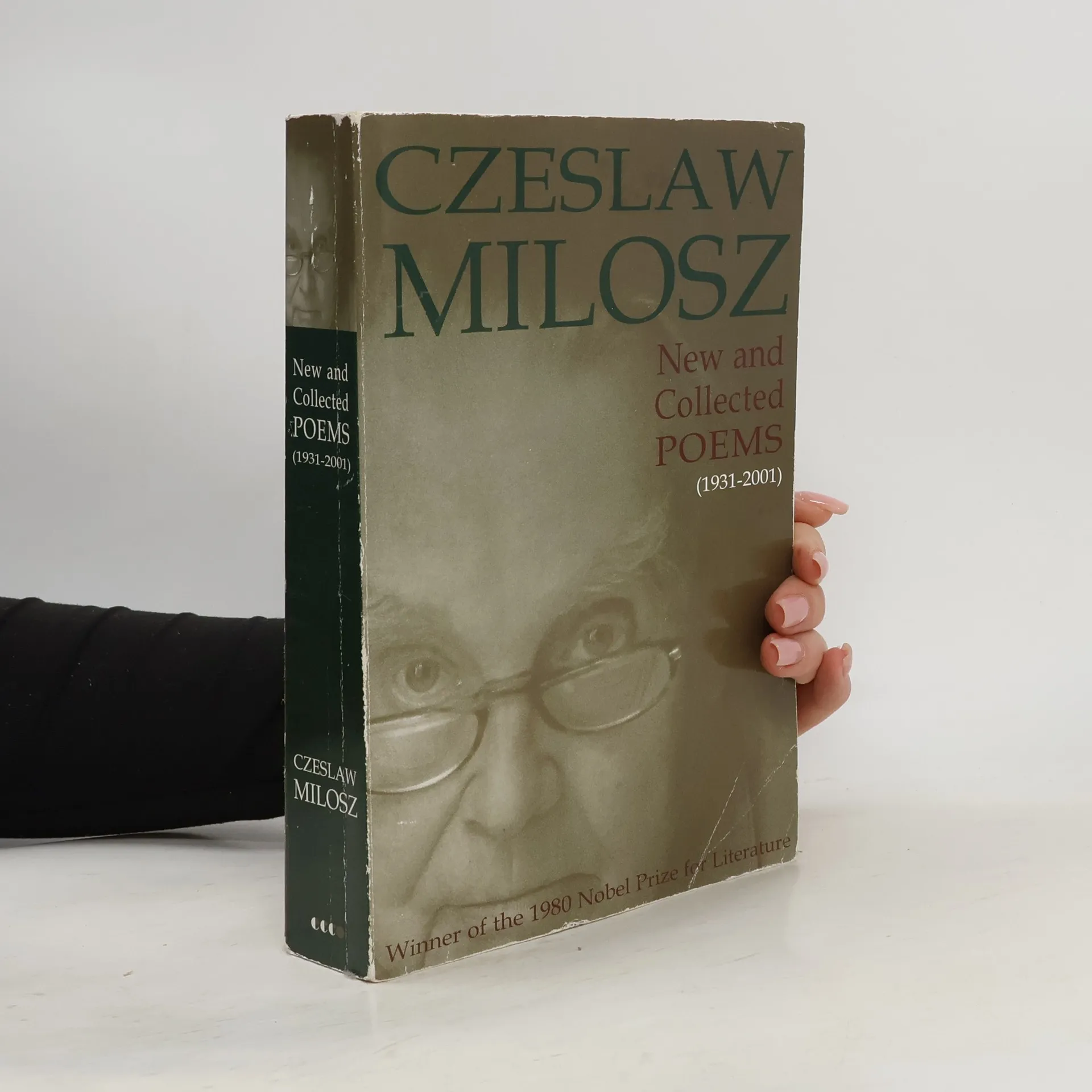
New and Collected Poems: 1931—2001 celebrates seven decades of Czeslaw Milosz’s exceptional career. Widely regarded as one of the greatest poets of our time, Milosz is a master of probing inquiry and graceful expression. His poetry is infused with a tireless spirit and penetrating insight into fundamental human dilemmas and the staggering yet simple truth that “to exist on the earth is beyond any power to name.”Czeslaw Milosz worked with the Polish Resistance movement in Warsaw during World War II and defected to France in 1951. His work brings to bear the political awareness of an exile—most notably in A Treatise on Poetry, a forty-page exploration of the world wars that rocked the first half of the twentieth century. His later poems also reflect the sharp political focus through which this Nobel Laureate never fails to bear witness to the events that stir the world.Digging among the rubble of the past, Milosz forges a vision that encompasses pain as well as joy. His work, wrote Edward Hirsch in the New York Times Book Review, is “one of the monumental splendors of poetry in our age.” With more than fifty poems from the end of Milosz’s career, this is an essential collection from one of the most important voices in contemporary poetry.
This selection celebrates Czeslaw Milosz's lifetime of poetry. Widely regarded as one of the greatest poets of our time, Milosz is a master of expression and probing inquiry. Life opened for Czeslaw Milosz at a crossroads of civilizations in northeastern Europe. This was less a melting pot than a torrent of languages and ideas, where old folk traditions met Catholic, Protestant, Judaic, and Orthodox rites. What unfolded next around him was a century of catastrophe and madness: two world wars, revolutions, invasions, and the murder of tens of millions, all set to a cacophony of hymns, gunfire, national anthems and dazzling lies. In the thick of this upheaval, wide awake and in awe of living, dodging shrapnel, imprisonment, and despair, Milosz tried to understand both history and the moment, with humble respect for the suffering of each individual. He read voraciously in many languages and wrote masterful poetry that, even in translation, is infused with a tireless spirit and a penetrating insight into fundamental human dilemmas and the staggering yet simple truth that "to exist on the earth is beyond any power to name." Unflinching, outspoken, timeless, and unsentimental, Milosz digs through the rubble of the past, forging a vision -- and a warning -- that encompasses both pain and joy. "His intellectual life," writes Seamus Heaney, "could be viewed as a long single combat with shape-shifting untruth."
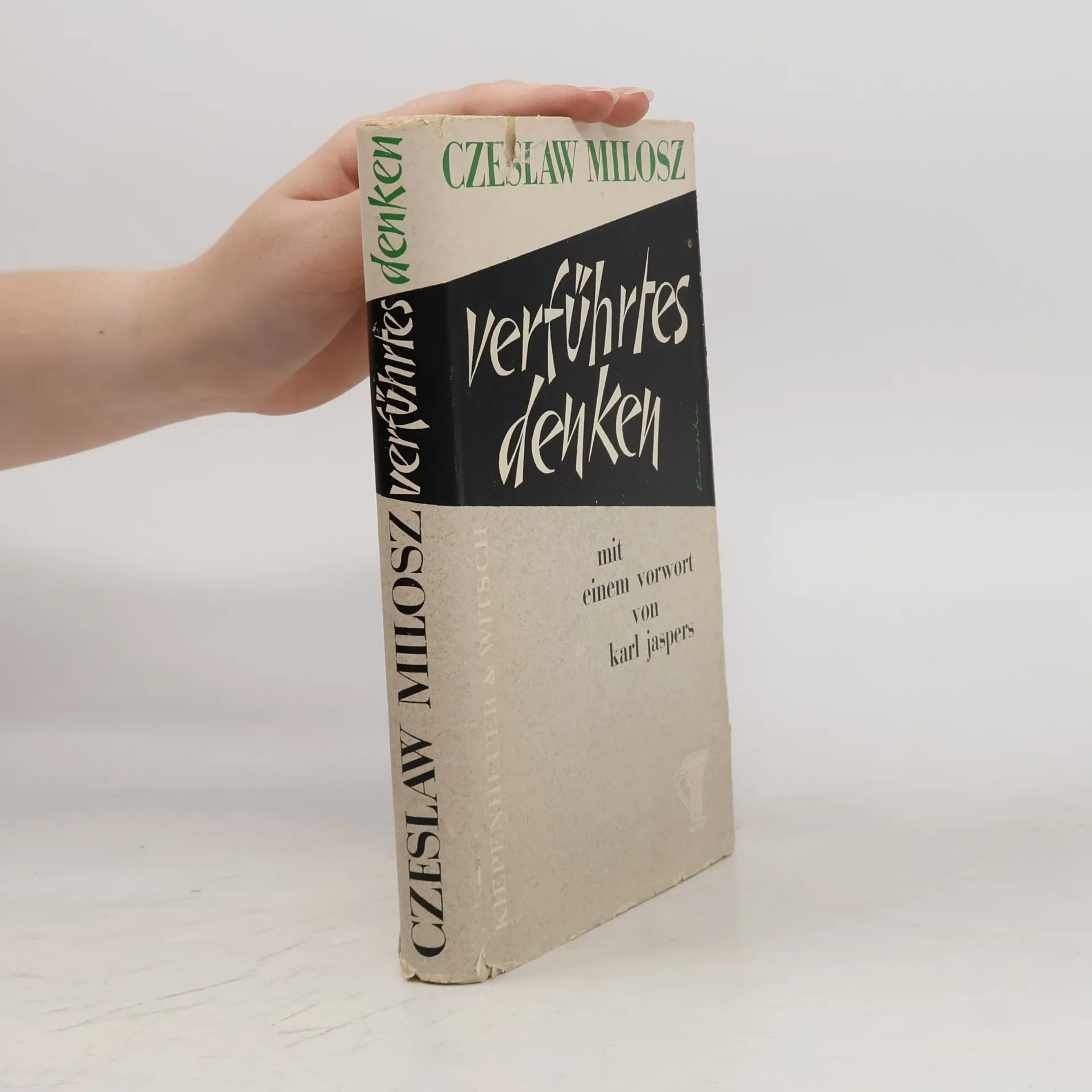
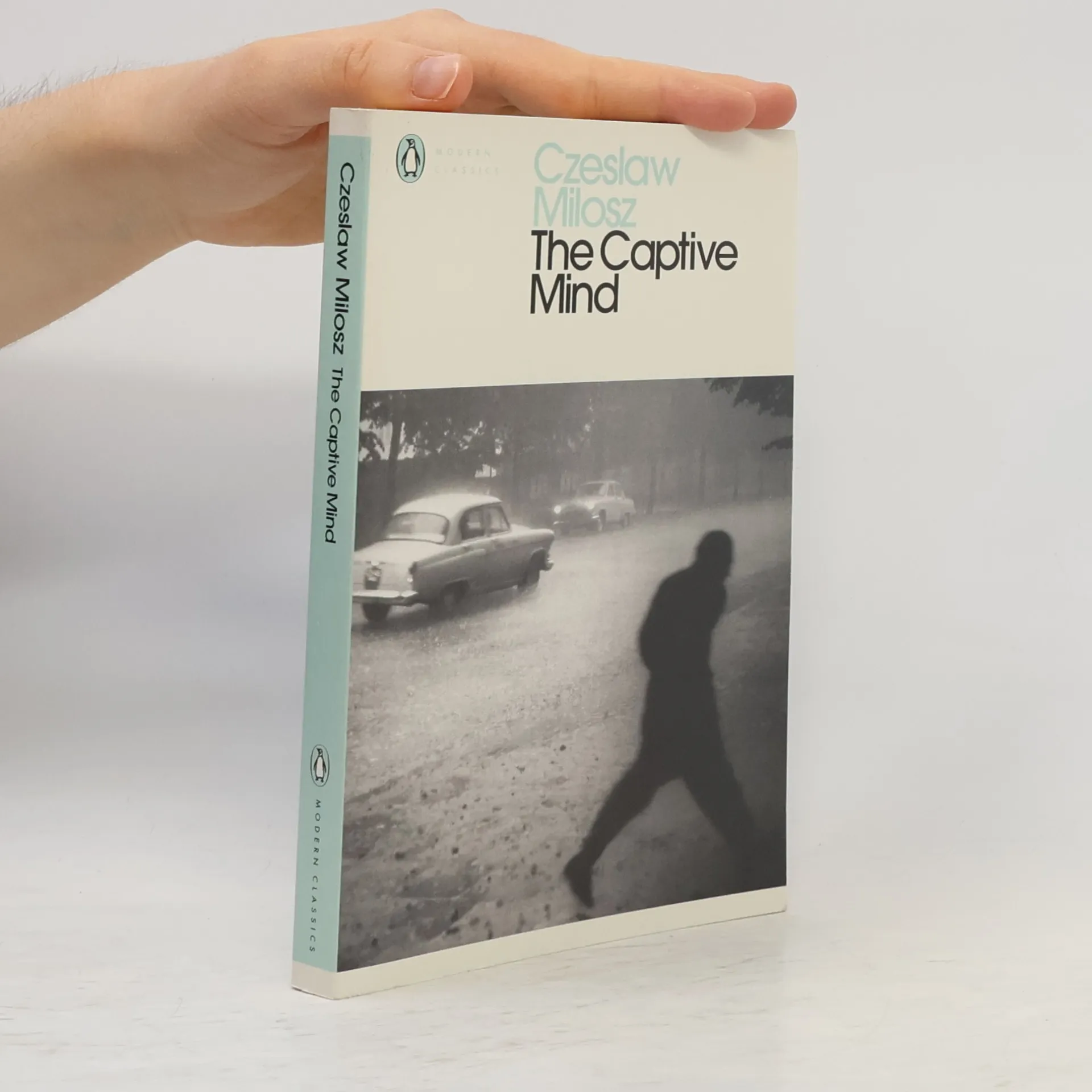
Written in Paris in 1951, while he was in exile from his native Poland, Milosz's denunciation of Stalinism outraged many European intellectuals at a time when they were becoming drawn to the politics of Communist Russia. However, it is now acknowledged as a classic work against totalitarianism, standing alongside those of Orwell and Solzhenitsyn. The Captive Mind analyses the power of tyrannical regimes to enslave men and women, not just through terror, but through ideas, achieving 'mastery over the human spirit'. Championing intellectual freedom, Milosz's brilliantly perceptive polemic played a significant liberating role in Poland, and is still relevant and chilling today.
The ancient Greeks referred to catharsis as the cleansing of both body and soul. In this inspiring work, renowned cardiologist Andrzej Szczeklik delves into the artistry and mystery of being a doctor, drawing on our humanistic heritage. He navigates between ancient and contemporary examples, illustrating how medicine and art share common roots and challenges. The process of diagnosis is likened to a poem or painting, requiring the physician to engage with it through alertness and receptivity. Speculation on slowing aging through genetics connects to the timeless dream of immortality cherished by artists and poets. The concept of catharsis has evolved from Aristotle's writings to modern interests in music's health benefits, particularly for newborns. Szczeklik examines the mysteries of heart rhythms, the history of pain relief, the logic of epidemics, and near-death experiences, weaving together classical literature, medical history, and poignant clinical anecdotes. The result is a life-affirming exploration that enriches the healing work of both patients and doctors, contributing significantly to our evolving understanding of the art of medicine.
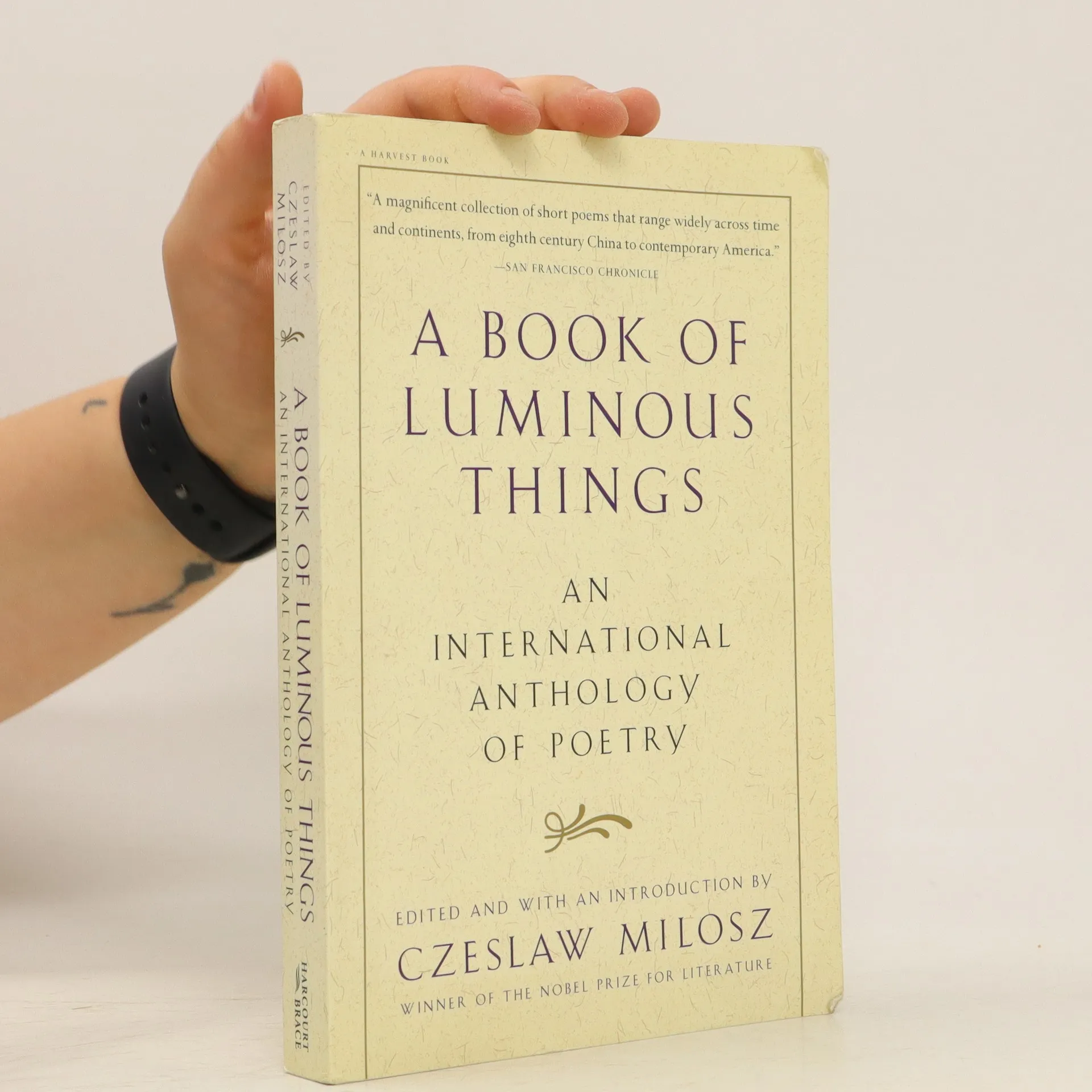
"A collection of 300 poems from writers around the world, selected and edited by Nobel laureate Czeslaw Milosz Czesław Miłosz's A Book of Luminous Things—his personal selection of poems from the past and present—is a testament to the stunning varieties of human experience, offered up so that we may see the myriad ways that experience can be shared in words and images. Miłosz provides a preface to each of these poems, divided into thematic (and often beguiling) sections, such as “Travel,” “History,” and “The Secret of a Thing,” that make the reading as instructional as it is inspirational and remind us how powerfully poetry can touch our minds and hearts. "
A new collection by the ninety-three-year-old Nobel laureate continues his exploration of the meditative lyric, in a volume that considers such topics as aging and mortality. By the author of A Treatise on Poetry. Reprint. 15,000 first printing.
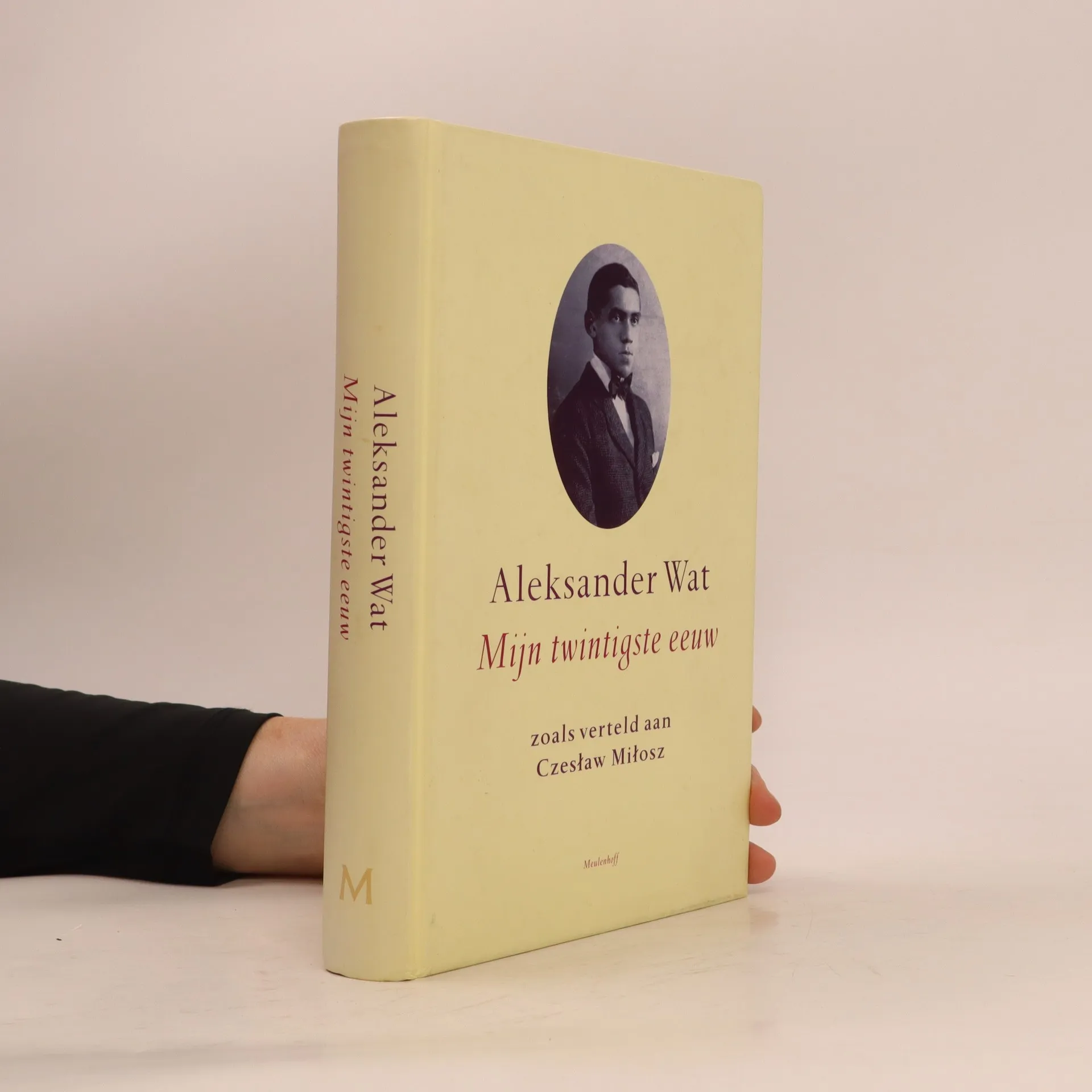
Memoires van de Poolse dichter (1900-1967) over met name de periode 1919-1943.
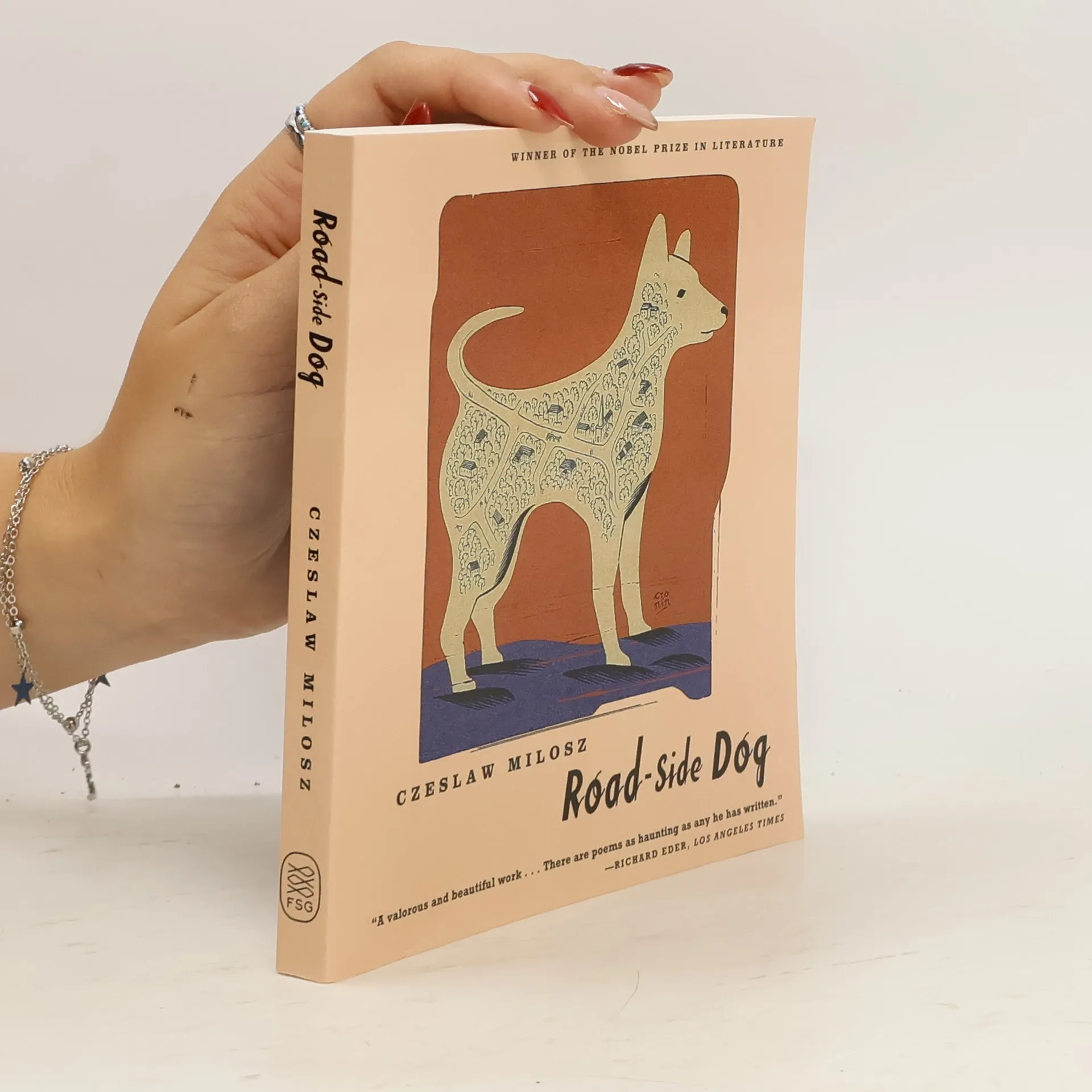
"I went on a journey in order to acquaint myself with my province, in a two-horse wagon with a lot of fodder and a tin bucket rattling in the back. The bucket was required for the horses to drink from. I traveled through a country of hills and pine groves that gave way to woodlands, where swirls of smoke hovered over the roofs of houses, as if they were on fire, for they were chimneyless cabins; I crossed districts of fields and lakes. It was so interesting to be moving, to give the horses their rein, and wait until, in the next valley, a village slowly appeared, or a park with the white spot of a manor in it. And always we were barked at by a dog, assiduous in its duty. That was the beginning of the century; this is its . I have been thinking not only of the people who lived there once but also of the generations of dogs accompanying them in their everyday bustle, and one night-I don't know where it came from-in a pre-dawn sleep, that funny and tender phrase composed a road-side dog." -- Road-Side Dog
A biography of observations of himself and others, beginning in Eastern Europe and extending to America.
The novel "The Issa Valley" by Nobel laureate Czeslaw Milosz captivates readers with its blend of gentle romance and harsh reality, presenting a deeply human and personal story. Set against a real geographical backdrop, the narrative unfolds in the picturesque region of central Lithuania during the early 1920s, with the Issa river representing the contemporary Nevéžis. Written in the mid-1950s while the author was in France, shortly before moving to the United States, the prose reflects a desire to break free from the constraints of ideologically driven writing that Milosz faced as an emigrant opposing real socialism. The novel features a dual perspective on the same events, alternating between the naive viewpoint of a child and the mature insight of an adult man. This fictional autobiography evolves into a tale about the power of myth, memory, and the enchanting waters that resonate with the imagination of a true Creator.
Antologia wierszy Czesława Miłosza inspirowanych miejscami bliskimi poecie opracowana przez wybitnego znawcę twórczości Noblisty, prof. Aleksandra Fiuta. Dzięki utworom, będącym swoistymi zapiskami z podróży i urywkami wspomnień oraz odpowiednio dobranym zdjęciom, współczesnym i archiwalnym, możemy wraz z poetą podróżować od jego rodzinnej Litwy, przez Paryż aż do Kalifornii, by ostatecznie powrócić na ziemię przodków i do królewskiego Krakowa. Obok polskich tekstów zamieszczono również ich angielskie przekłady, wszystkie zaczerpnięte ze zbiorów aprobowanych lub samodzielnie przekładanych przez Miłosza. uzupełnieniem antologii jest indeks wybranych nazw geograficznych, ułatwiający wędrówkę śladami poety.
Selected Poems - Winner of the Heldt Prize for Translation in Slavic Studies
Miracle Fair is Szymborska at her very best.-Harvard Book Review
Collecting two of his most celebrated works – Rescue, written in Warsaw in the shadow of Nazi occupation, and A Treatise on Poetry – a momentous history of Poland, told in four cantos – here lie the sharpest fruits of one of the greatest poets of the 20th century: the Nobel Laureate who narrates the rise and fall of nations, who ‘voices man’s exposed condition in a world of severe conflicts’.
Czeslaw Milosz, winner of the 1980 Nobel Prize for Literature, reflects upon poetry’s testimony to the events of our tumultuous time. From the special perspectives of “my corner of Europe,” a classical and Catholic education, a serious encounter with Marxism, and a life marked by journeys and exiles, Milosz has developed a sensibility at once warm and detached, flooded with specific memory yet never hermetic or provincial.Milosz addresses many of the major problems of contemporary poetry, beginning with the pessimism and negativism prompted by reductionist interpretations of man’s animal origins. He examines the tendency of poets since Mallarmé to isolate themselves from society, and stresses the need for the poet to make himself part of the great human family. One chapter is devoted to the tension between classicism and realism; Milosz believes poetry should be “a passionate pursuit of the real.” In “Ruins and Poetry” he looks at poems constructed from the wreckage of a civilization, specifically that of Poland after the horrors of World War II. Finally, he expresses optimism for the world, based on a hoped-for better understanding of the lessons of modern science, on the emerging recognition of humanity’s oneness, and on mankind’s growing awareness of its own history.
Interrelated essays by the Nobel Laureate on his adopted home of California, which Lewis Hyde, writing in The Nation , called "remarkable, morally serious and thought-provoking essays, which strive to lay aside the barren categories by which we have unders
Svazek básní, aforismů, esejů a drobných próz oceněný prestižní polskou cenou za nejvýznamnější literární dílo roku 1997 vyniká autobiografičností, upřímností i bohatstvím myšlenkového světa jednoho z nejvýznamnějších moderních polských básníků a esejistů.
Nowe, uzupełnione wydanie Wierszy wszystkich Czesława Miłosza pozwala prześledzić ewolucję twórczą poety. Przede wszystkim jednak daje możliwość podziwiania wielości gatunków i tonacji, nastrojów i stylów. Takim bogactwem nie obdarzył literatury polskiej nikt poza Miłoszem: to wiersze religijne obok utworów przesyconych zmysłowością i opiewających urodę świata, ocalane od zapomnienia portrety ludzi obok traktatów poetyckich i teologicznych, piosenki i elegijne medytacje obok haiku i zapisów olśnień. W pięknej i mądrej poezji Miłosza rozczytywać się będą pokolenia.Teraz, jak nigdy przedtem, widzimy, że jest równy najlepszym w XX wieku. Jest ichtrzech albo czterech – poza Miłoszem to Eliot, Kawafis, Mandelsztam. Pisali w bardzozłych czasach, ale potrafili skondensować tragiczne doświadczenia swojej epokiaż do niewidzialnego punktu, w którym rodzi się nadzieja.Tomas VenclovaDzień taki szczęśliwy.Mgła opadła wcześnie, pracowałem w ogrodzie.Kolibry przystawały nad kwiatem kaprifolium.Nie było na ziemi rzeczy, którą chciałbym mieć.Nie znałem nikogo, komu warto byłoby zazdrościć.Co przydarzyło się złego, zapomniałem.Nie wstydziłem się myśleć, że byłem, kim jestem.Nie czułem w ciele żadnego bólu.Prostując się, widziałem niebieskie morze i żagle.Czesław Miłosz, Dar
Dwujęzyczny wybór najlepszych wierszy Czesława Miłosza ukazuje nie tylko klasyka i noblistę, ale także młodego duchem człowieka, pełnego sprzeczności. Jego zmysłowe namiętności i uroki świata współistnieją z metafizycznymi pytaniami oraz religijnym poszukiwaniem prawdy, które nie są wolne od wątpliwości. Wybór obejmuje utwory z całej twórczości poety, od arcydzieł z tomu "Trzy zimy" (1936) po "Wiersze ostatnie", wydane pośmiertnie. Znajdziemy tu najważniejsze teksty, które tworzą poetycki kanon Miłosza - jednego z największych poetów naszych czasów, który dumnie uczestniczył w tłumaczeniach swoich utworów na angielski, ciesząc się, że jest uznawany za wybitnego poetę amerykańskiego. Książka ukazuje poetę jako postać żywą, bliską współczesnej wrażliwości, zdolną dostarczyć czytelnikom inspiracji, mądrości i piękna.
Tom II zebranych wypowiedzi Czesława Miłosza o Rosji obejmuje uwagi Miłosza z lat 1936–2004 na temat Rosji XX wieku, właściwej jej polityki, mentalności i literatury. Znalazły się tu min. szkice dotyczące Josifa Brodskiego, Osipa Mandelsztama, Borysa Pasternaka, Aleksandra Sołżenicyna, Abrama Terca.
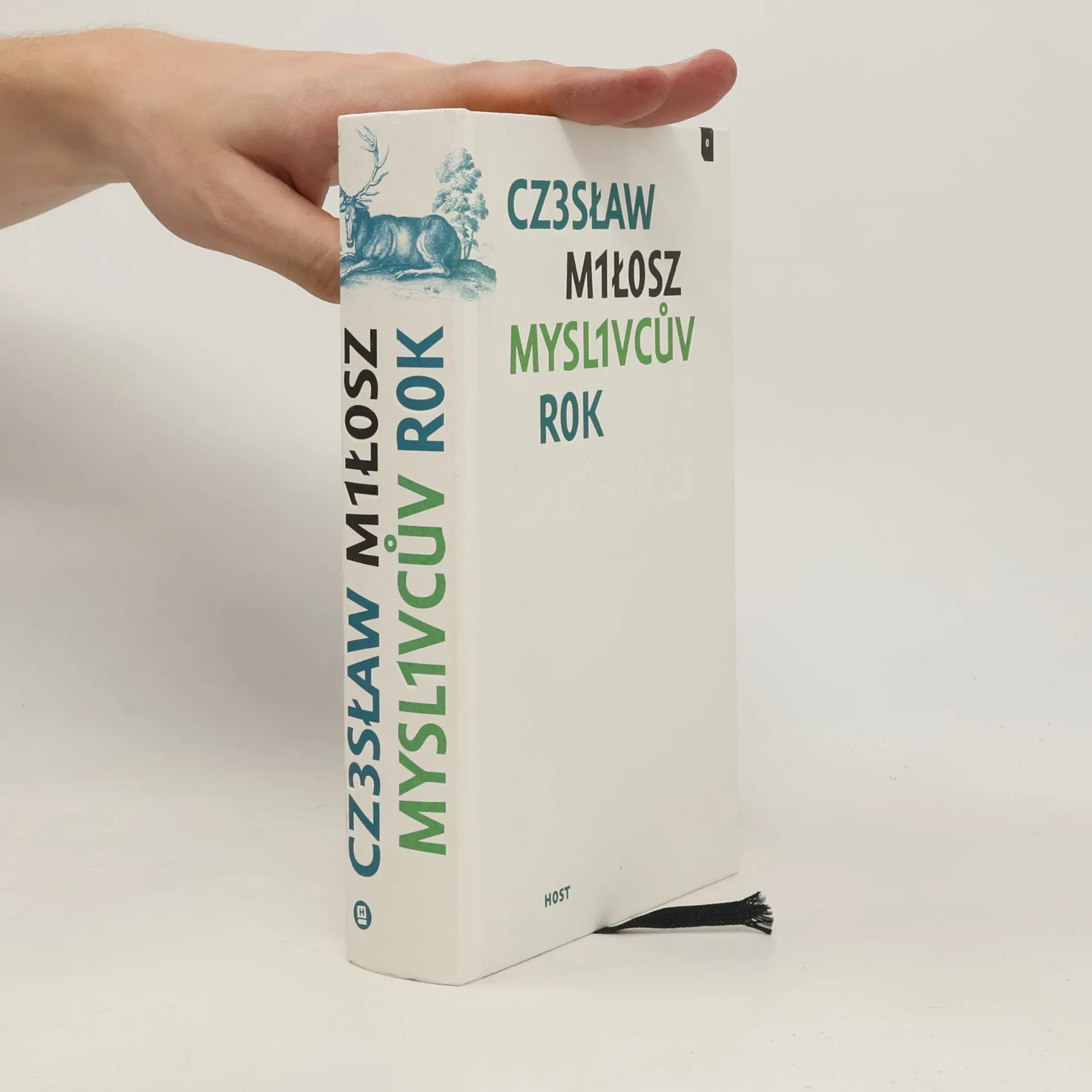
Myslivcův rok obsahuje záznamy z cest, úvahy o setkáních, o přečtených knihách, o vlastní tvorbě, ale i o pěstování květin v zahradě u domu v kalifornském Berkeley. Vzpomíná na dětství a mládí prožité v Litvě, na Varšavské povstání, na těžké počátky v exilu, vytváří ucelené portréty svých přátel a spisovatelů (Iwaszkiewicze, Mackiewicze a dalších), píše krátké úvahy-eseje o umění, náboženství, nejnovějších dějinách a o politice. Sám Miłosz v úvodu cituje americkou znalkyni jeho díla Madeline Levineovou, která o něm tvrdí, že „převážnou část svého života psal román o dvacátém století, ne však formou románu, ale pouze formou poznámek z cest, esejů, literární kritiky“. Kniha Myslivcův rok představuje i velice důležitý klíč k básníkovu dílu i jeho složité osobnosti.
Edycja Dzieł zebranych Czesława Miłosza, jednego z najwybitniejszych pisarzy XX wieku, laureata Nagrody Nobla w roku 1980, obejmuje całość jego twórczości poetyckiej, prozatorskiej, eseistycznej i translatorskiej.
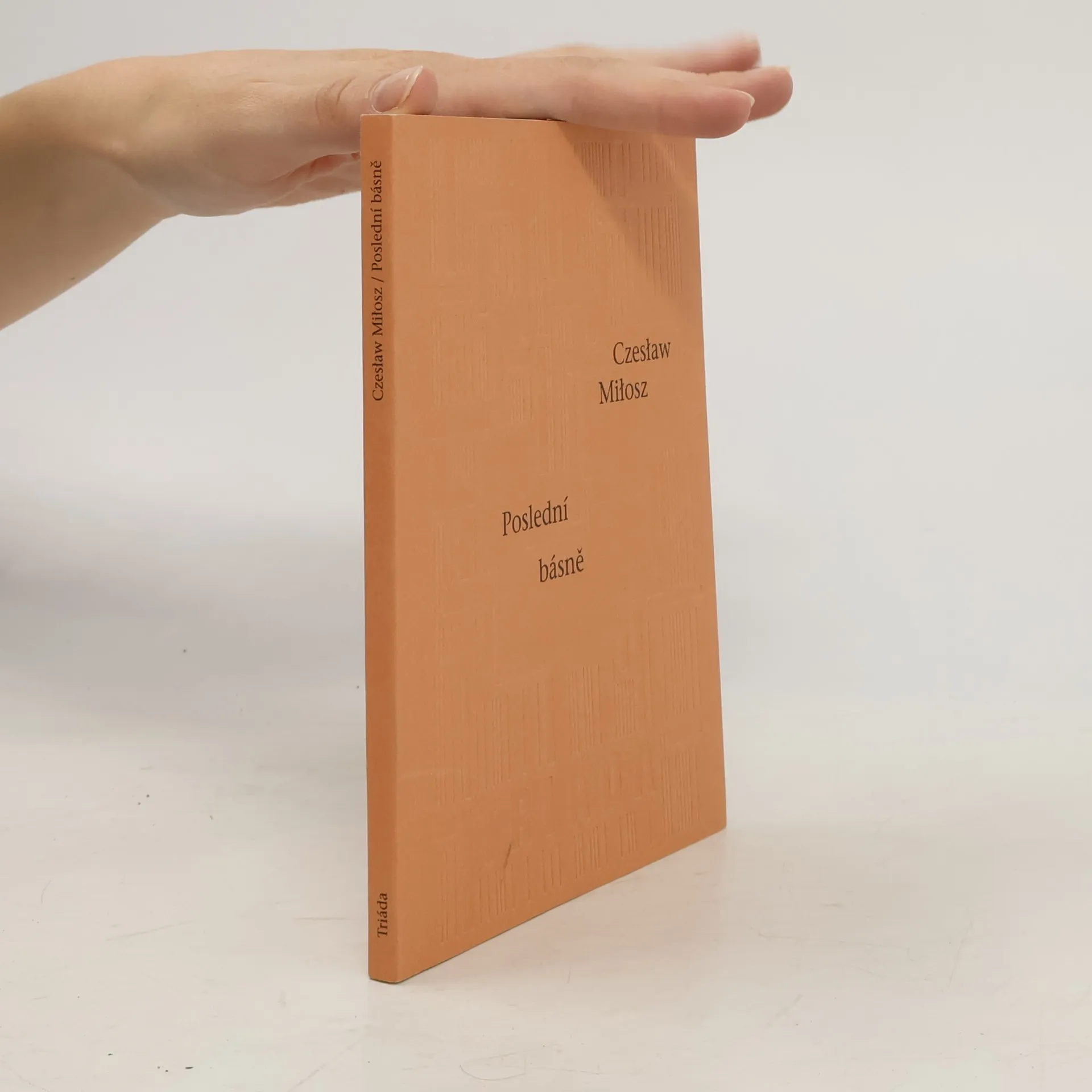
Sbírku Poslední básně, uzavírající dílo básníka Czesława Miłosze, uspořádala a vydala dlouholetá básníkova tajemnice dva roky po jeho smrti, roku 2006.
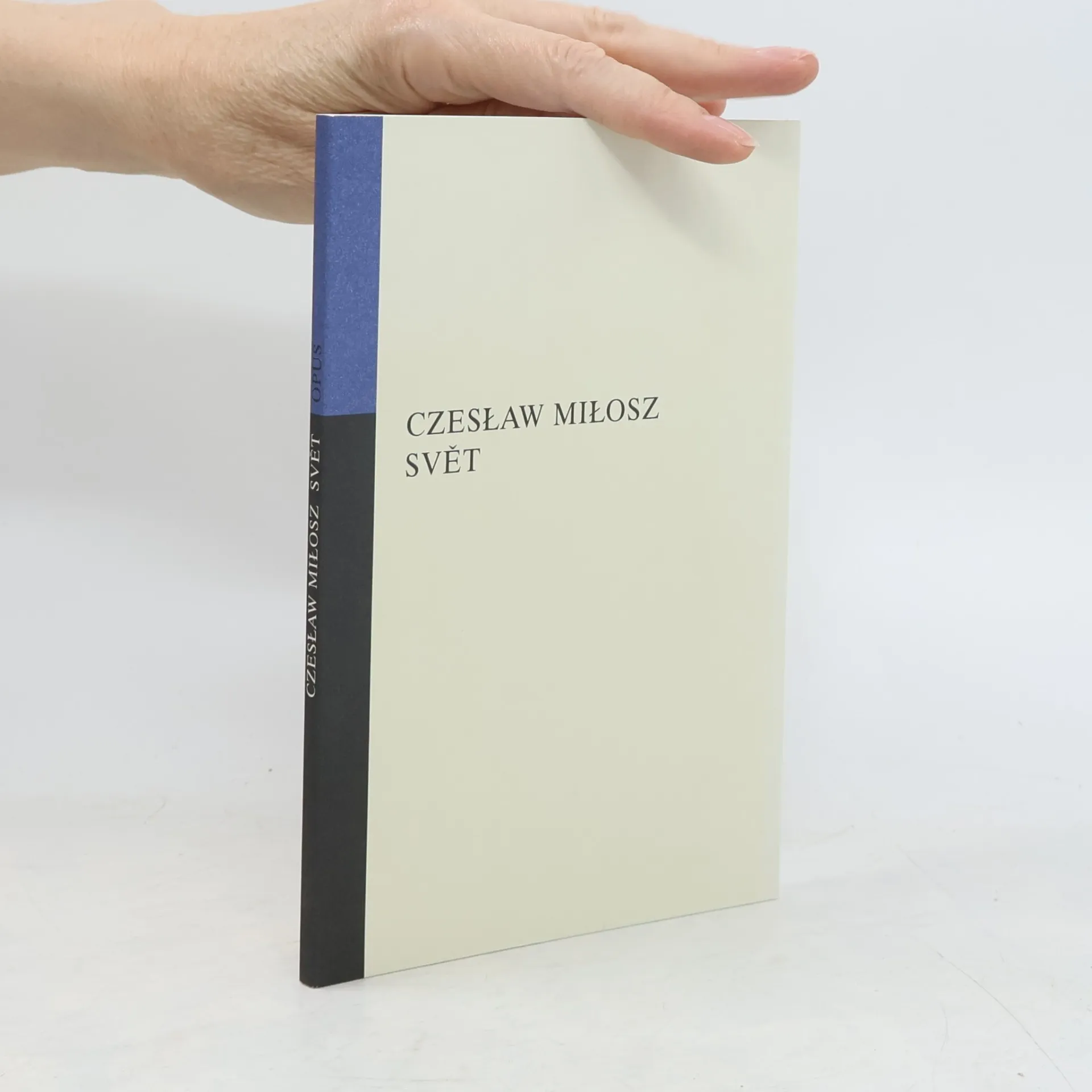
Rozsahem nevelký cyklus Svět je pokládán za jedno z nejlepších děl nejen Miloszových, ale i moderní polské poezie vůbec.
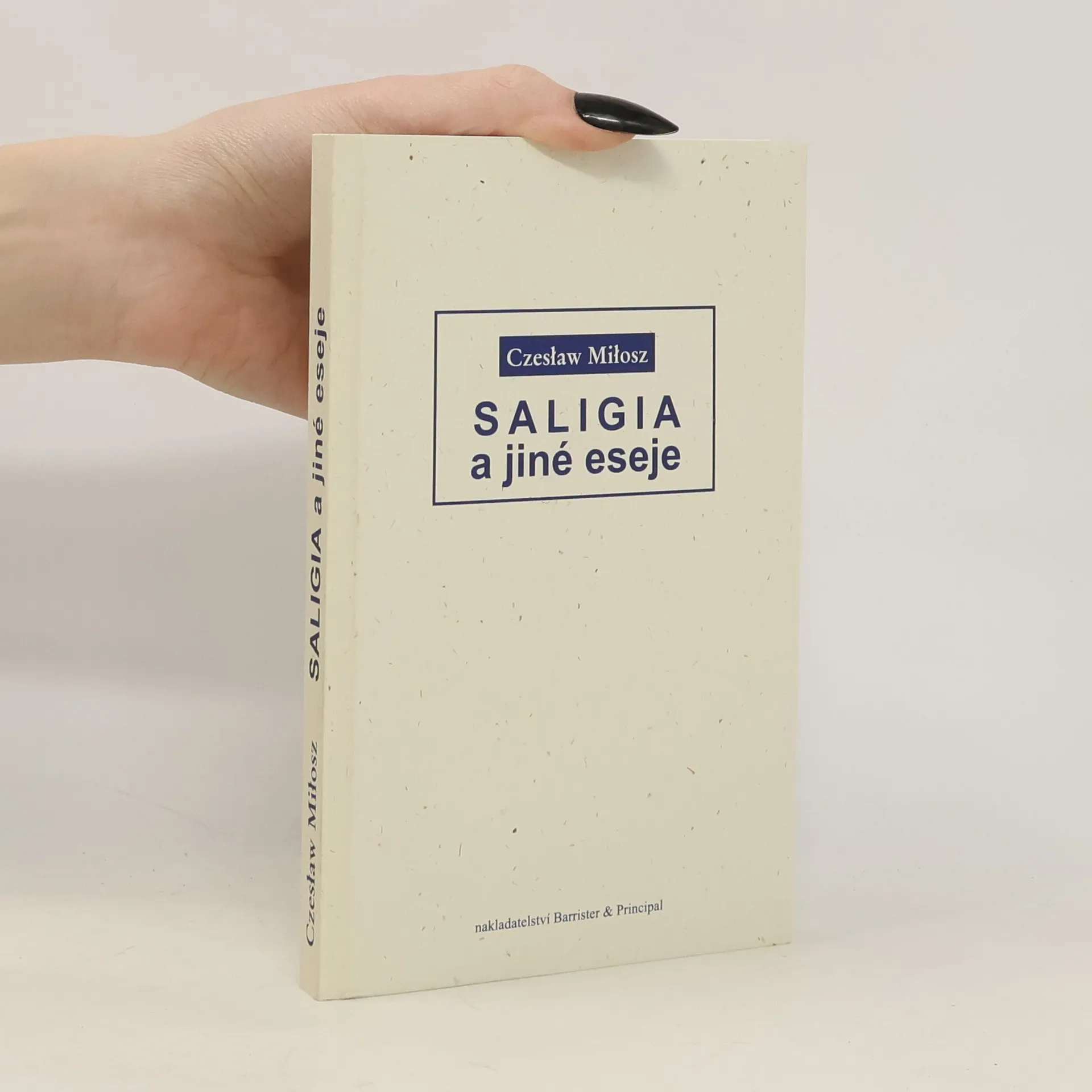
Výbor z esejistické tvorby polského básníka je pokusem vytvořit nepřímý portrét Czeslawa Milosze jako původního myslitele vyrůstajícího z polských a litevských duchovních kořenů, který se originálně zamýšlel nad zneklidňujícími otázkami naší epochy a usiloval o pojmenování příčiny takových jevů jako novodobá eroze náboženského vědomí. V tomto světle jsou objevné a nadčasové i jeho texty o Dostojevském a Šestovovi, které napsal jako profesor slovanských literatur na americké univerzitě v Berkley a které přesahují rámec standartních akademických výkladů....
Powroty do Litwy zbiór utworów poetyckich, szkiców, listów, wspomnień i przekładów C. Miłosza związanych z T. Venclovą, i T. Venclovy poświęconych C. Miłoszowi. Obaj poeci wywodzili się z różnych krajów, reprezentowali odmienne doświadczenia generacyjne, tworzyli w innych językach. Złączyła ich przyjaźń i przeświadczenie o szczególnej roli poezji w życiu społeczeństw Polski i Litwy. Obaj wzrastali w tych samych historycznych krajobrazach, obaj rozkochani byli w litewskiej przyrodzie i w tym samym mieście -- Wilnie. Obaj ze zgrozą uświadamiali sobie dziejowe katastrofy na jakie wystawiono te ziemie. Celem ich dążeń stało się uładzenie relacji między Polską i Litwą przez budowanie zrozumienia i wzajemnego szacunku ponad mową nienawiści, zaciekłością ideologii, nacjonalizmów, krótkowzrocznych waśni politycznych. Obaj oparli swoje wybory egzystencjalne na idei mądrego gospodarowania w świecie kultury, nie wyrzekając się związków z ojczyzną.
Dvojjazyčné vydání textů význačného polského básníka, prozaika, esejistu a překladatele. V roce 1980 byl Czeslaw Milosz vyznamenán Nobelovou cenou za literaturu, protože (jak se praví ve zdůvodnění) „s nekompromisní jasnozřivostí tlumočí ohrožení člověka ve světě ostrých konfliktů“.
'Rosja' jest zbiorem szkiców będących kontynuacją 'Zniewolonego umysłu' w szerszej perspektywie czasu i obszaru geograficznego. Miłosz pisze o specyfice 'rosyjskości', przejawiającej się w myśli religijnej, filozofii, literaturze, w dziele tworzenia ładu społecznego i politycznego, i o niebezpieczeństwie odrzucenia wolności indywidualnej. Jego bohaterami kieruje lęk o Rosję, chęć uchronienia jej przed chorobami ducha i umysłu cywilizacji nowoczesnej.
Czesław Miłosz przedstawia własną, subiektywną, odbiegającą od stereotypowych wyobrażeń i podręcznikowych schematów wizję Dwudziestolecia Międzywojennego. Wizję człowieka, którego osobowość, charakter, światopogląd poetycki kształtowały się w latach dwudziestych i trzydziestych. Autor, przywołując i wskrzeszając teksty dokumentalne i prasowe tamtych czasów, bezwzględnie rozprawia się z dziedzictwem Dwudziestolecia, nie kryjąc i nie tając żadnych bolesnych faktów. Wyciąga na światło dzienne wiele wstydliwie przemilczanych zdarzeń i tragedii.
Básnická sbírka využívající nejrůznějších forem. Současné dějiny se prolínají se starověkou historií, orientální motivika se střídá se sny, úvahami a vzpomínkami. Kromě toho kniha obsahuje také rozličné poznámky, anekdoty a aforismy.
Die Gedichte des Autors repräsentieren die Verwandlung von Traditionen und intellektuelle Experimente. Sie stehen für eine bewusste Avantgarde, die sich ihrer Geschichte bewusst ist, aber nicht stillsteht. Der Band bietet eine Auswahl aus seinem Gesamtwerk.
Tom prezentuje po raz pierwszy pełną korespondencja Czesława Miłosza i Witolda Gombrowicza a także pisane w języku francuskim dopiski i listy wymieniane w tym samym czasie przez noblistę z Ritą Gombrowicz. Książka pomyślana jest jako portret podwójny, listy pisarzy są zatem uzupełnione o teksty, które ich autorzy wzajemnie o sobie pisali, m.in. polemiki z łamów paryskiej „Kultury”, „Dziennika” Gombrowicza a także listy kierowane do innych adresatów rzucające światło na ich wzajemne relacje.
Czeslaw Milosz, der litauische Dichter polnischer Sprache, erinnert sich an das Wilna seiner Kindheit: ein Gedankenspaziergang durch die Straßen einer lebendigen, vielsprachigen und kosmopolitischen Stadt mit einer langen, wechselvollen und grausamen Geschichte.
Antologie z básnického díla významného autora polského původu. Svazek přináší tvorbu z let 1936-88. První verše z 30. let jsou předznamenány obavou z hluboké katastrofy, v 50. letech autor popisuje své válečné prožitky. Od r. 1960 trvale žije v USA, kde píše především reflexivní poezii inspirovanou filozofickými otázkami po smyslu bytí a tragikou lidské existence. Síla jeho poezie tkví především v hlubokém humanismu, který má být podle něho základním předpokladem pro pozitivní osud současného světa.
Pięćdziesiąt lat korespondencji Czesława Miłosza i Tadeusza Różewicza ukazuje ich unikalne relacje jako dwóch wielkich polskich poetów. Różni w spojrzeniu na świat i stylu, obaj jednak dzielili silne więzi. Tom korespondencji, obejmujący lata 1947–2003, zawiera niepublikowane listy, wiersze, eseje, rozmowy i intymne zapiski, które rzucają nowe światło na ich relacje, przełamując dotychczasowy obraz antagonizmów. Dzięki temu możemy głębiej zrozumieć ich „przyjazne spory”. Miłosz podziwiał Różewicza za jego „życie niemożliwe” i cenił chwile rozmowy, które były dla niego niezwykłym przeżyciem. Różewicz z kolei wyrażał szacunek i podziw dla Mistrza, co tworzyło atmosferę wzajemnego uznania. Ich korespondencyjny dialog i inne literackie formy to fascynujący dramat dwóch wyjątkowych postaci, które nie muszą niczego udawać. Publikacja, z okazji 110. rocznicy urodzin Miłosza i 100. Różewicza, jest wspólnym projektem Wydawnictwa Literackiego i Wydawnictwa Warstwy. Materiały zebrał Emil Pasierski, a wstęp napisał Andrzej Franaszek.
Na książkę składają się listy, zapiski intymne, szkice i wypowiedzi Czesława Miłosza i Jarosława Iwaszkiewicza. Szczególne miejsce zajmują w niej przedwojenne listy Miłosza, do tej pory zastrzeżone, pełne młodzieńczej namiętności. Książka przedstawia historię burzliwej przyjaźni poetów, obfitującej w chwile uwielbienia, podziwu, ale także pełnej wzajemnych zastrzeżeń, pretensji i urazów. A wszystko to na tle historii Polski widzianej z osobistej perspektywy. To niezwykły, często bardzo trudny dialog ponad żelazną kurtyną. Istotna rozmowa o polskich wyborach, o losie poety, gospodarstwie polskiej literatury na przestrzeni pięćdziesięciu lat.
Soubor krátkých zamyšlení velkého polského básníka a esejisty je fascinující procházkou Miloszowým „osobním místopisem“ uplynulých devadesáti let. Krátké úvahy, psané formou svérázných encyklopedických hesel, upoutají šíří autorova záběru i charakteristickým rukopisem, s nímž se Milosz vyjadřuje ke svým básnickým vzorům, kolegům i obecným problémům umění a společnosti.
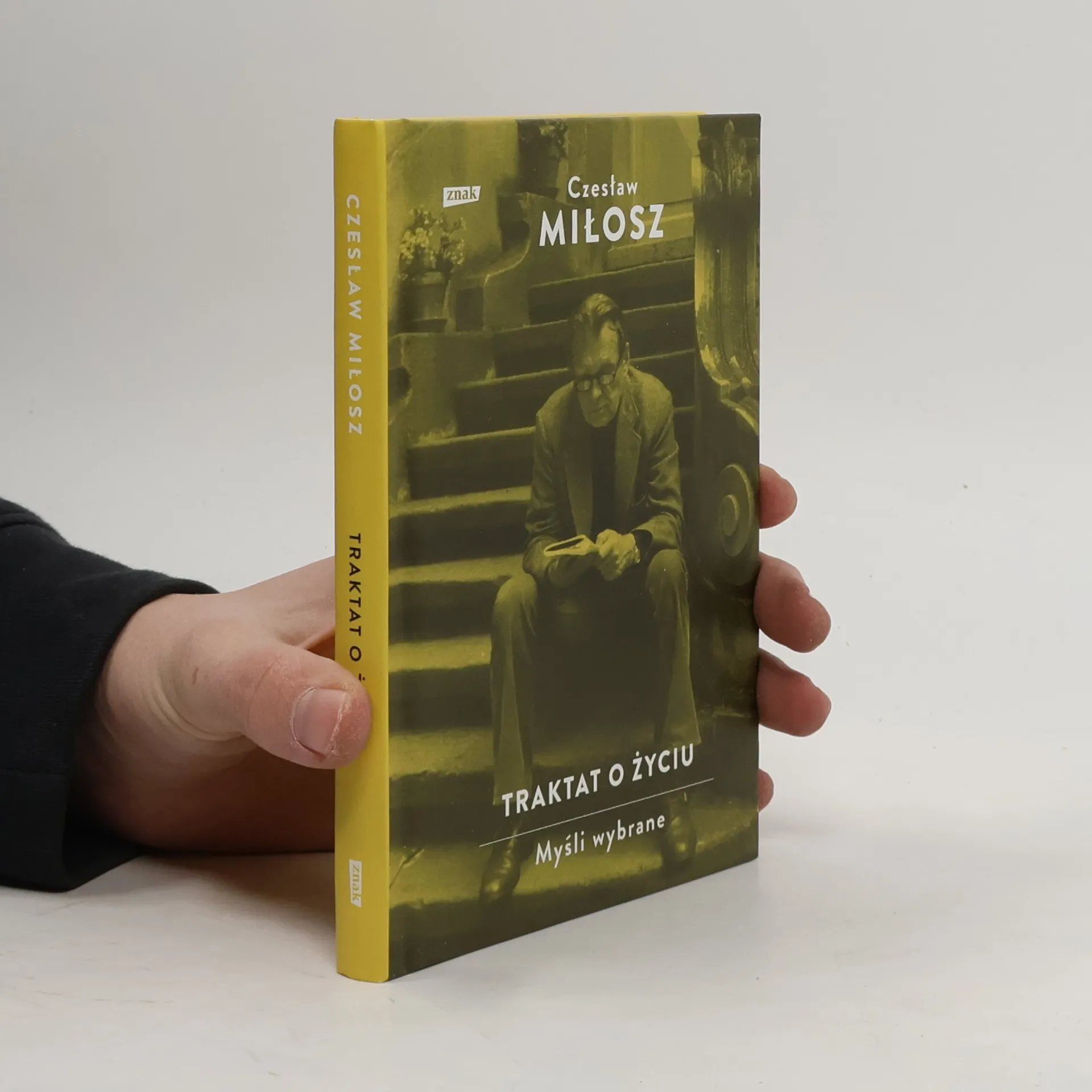
„Traktat o życiu” to wybór myśli Miłosza, esencja jego twórczości. Pisał o tym, co najistotniejsze – o wierze, przemijaniu, miłości, śmierci i nadziei. Pisał bez półprawd, banałów i powierzchownych sądów. Poszukiwał w literaturze tego, co najważniejsze. Obnażał istotę świata.
Historia literatury polskiej ? owoc wykład�w Czesława Miłosza, profesora literatur słowiańskich University of California w Berkeley ? mimo iż przeznaczona była dla czytelnika zachodniego, przynosi wykład dziej�w naszej literatury, kt�ry okazuje się zaskakująco odkrywczy i ciekawy r�wnież dla publiczności polskiej.O atrakcyjności tej pozycji przesądza nie tylko niezwykle profesjonalne wywiązanie się przez Miłosza ze swoich obowiązk�w profesorskich. Choć narzucają one ton obiektywny i ważenie ocen, ?podręcznik? pisany przez tego właśnie autora jest dla czytelnika pasjonujący ze względu na nieuchronnie osobisty ton, rozkład akcent�w, hierarchie wartości i preferencje ? słowem, ze względu na to, co ktoś taki jak Czesław Miłosz uznaje w tradycji rodzimej literatury za ważne
Zbierka básní nositeľa Nobelovej ceny Czesława Miłosza, ktorú napísal v poslednom období svojho tvorivého obdobia. A prečo? Aby som konečne mohol povedať, čo sa vo mne skrýva. / Vykríknuť: ľudia, klamal som vás, / rečami, že to vo mne nie je, / zatiaľ čo TO tam bolo vždy, vo dne i v noci, - vyznáva sa v titulnej básni autor, ktorý bol okrem básnického jazyka vybavený teologickým sluchom, a jedného i druhého sa mu dostalo na úrovni génia.
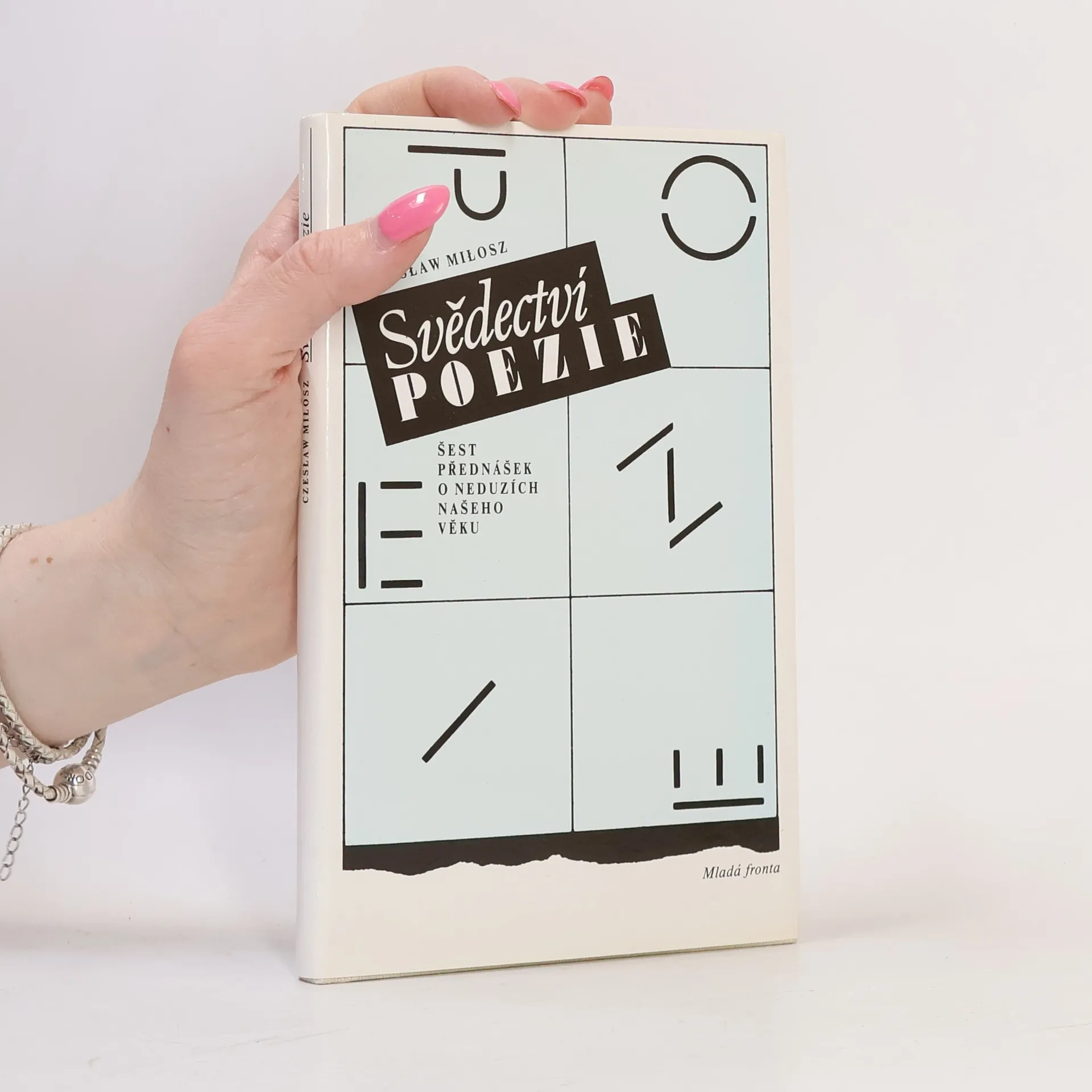
„Svědectví poezie“ je soubor šesti přednášek o poezii připravených pro Harvardovu univerzitu (vyšel poprvé roku 1983, Institut Littéraire, Paříž.) Každá přednáška je vlastně samostatný esej vycházející z osobní autorovy zkušenosti z mládí prožitého na Litvě, v kraji nesmírně bohatém kulturně, národnostně i konfesně, dále ze zkušenosti s dvěma nejstrašnějšími diktaturami tohoto století a se životem v civilizačně a technicky bohaté Americe. Zároveň v nich zkoumá kořeny evropského moderního umění, zvláště literatury, a zajímá se o příčiny příklonu velké části tvůrcům k idejím komunismu. Hledá příčiny neopodstatněného optimismu či naopak ponuré bezvýchodnosti moderní poezie, pátrá po důvodech obliby poezie v tragických obdobích a ptá se, jak poezie dokázala – či nedokázala – odrazit skutečnost v období války a vyhlazování celých národů.
Niezwykle aktualny i przenikliwy zbiór esejów, w którym autor mierzy się z kryzysem egzystencjalnym człowieka oraz z kryzysem opisu świata. Zadaje pytania o rolę rozumu w tych kryzysach oraz o to, czy nauka łagodzi głód prawdy, czy może tylko wyobraźnia ma do niej dostęp. Zawiera również refleksje na temat fikcji. Praca powstała w latach 70. w Kalifornii i po raz pierwszy ukazała się w Paryżu. Nowe wydanie jest wzbogacone o przedmowę Olgi Tokarczuk oraz ilustrację Magdaleny Laskowskiej na okładce. Po niemal czterdziestu latach od pierwszej lektury, powrót do tekstu okazał się równie fascynujący jak dawniej. Autorzy lat 80. w Polsce, w tym i ja, szukali wówczas swobodnego oddechu oraz intelektualnych wyzwań, a ten zbiór spełniał te oczekiwania, obiecując świat pełen ukrytych znaczeń. Eseje są napisane w przystępnym, niemal potocznym języku, co buduje między czytelnikiem a autorem intelektualną poufałość. Autor pisze szczerze i bezpretensjonalnie, co sprawia, że można odnieść wrażenie, iż rozmawia się z nim przy kawie, gdy dzieli się swoimi myślami, które często nie odpowiadają jego świadomemu światopoglądowi.
Miłosz i powieść science-fiction? Tak, bo najlepsze futurystyczne antyutopie mają to do siebie, że potrafią się sprawdzać. Samotne jednostki poświęcone obsesyjnemu „zabijaniu czasu”, niezdolne do empatii, komunikacji i budowy wspólnoty, ludzie miotający się między bezsensowną konsumpcją, nihilistycznym terrorem i samobójstwem. A ponad nimi – technokratyczna kasta uprzywilejowanych. Góry Parnasu, niewydane dotąd dzieło Czesława Miłosza, to kolejny rozdział „wielkiej realistycznej powieści”, którą pisał przez całe życie. Autobiograficzne aluzje i liczne odniesienia do epoki – od Freuda i Herberta Marcuse, przez rewoltę roku 1968 aż po kościelne aggiornamento i Jana XXIII – składają się na gorzki raport ze stanu naszej cywilizacji. W poczuciu kryzysu powieściowej formy Miłosz nie ukończył swojego dzieła. Pozostawił jednak otwarte pytanie o możliwość świata lepszego niż jest oraz nadzieję, że możliwa jest wiara w świecie bez Boga. Wiara w samą możliwość – w coś, czego nie ma, ale może się stać.
Une revue européenne à Paris
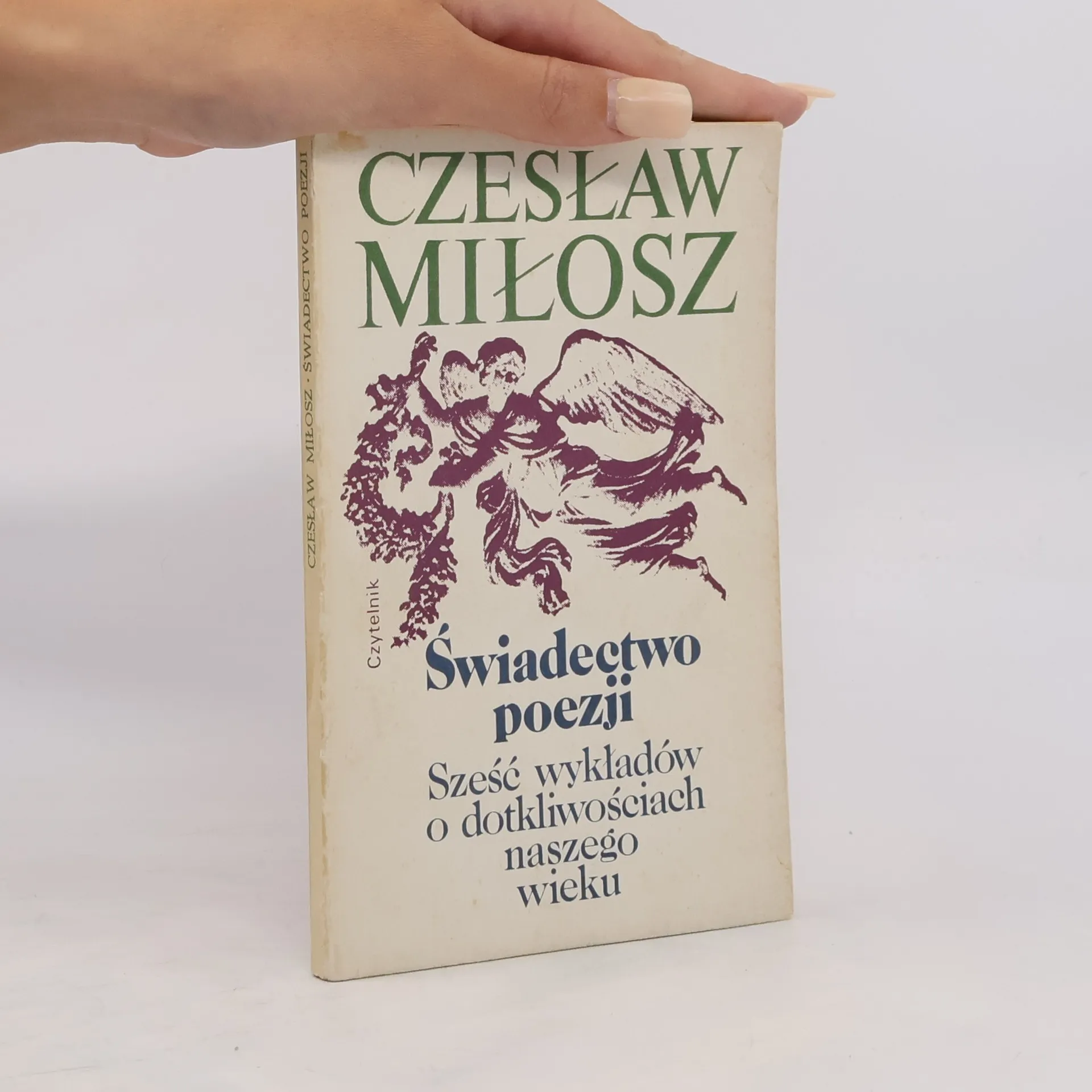
Sześć wykładów o dotkliwościach naszego wieku
Kalendergeschichten, die von Liebe und Tod, Kirche und Glauben, Philosophie und Literatur handeln, von allen ersten und letzten Dingen, die jeder auf seine Weise beantworten und meistern muss. Czeslaw Milosz, der große Schriftsteller und scharfsinnige Diagnostiker beleuchtet in diesen kurzen Geschichten schlaglichtartig jeweils einen Aspekt seines lebenslangen Nachdenkens. Ein Stück polnischer Weltliteratur.
`Spotkanie wypadło raczej policyjnie niż sentymentalnie z matką ziemią rodzinną. Potem miałem jeszcze parę przykrości więc postanowiłem uciec z Warszawy i zaszyć się w lasach nad jeziorami razem z planem Paryża i albumem szkoły sieneńskiej` (Zbigniew Herbert). `Przed oknem oliwki a za nimi ogromny krajobraz w dole, aż do morza. Jednak pomyśl o tym, żeby przyjechać.(...)` (Czesław Miłosz).
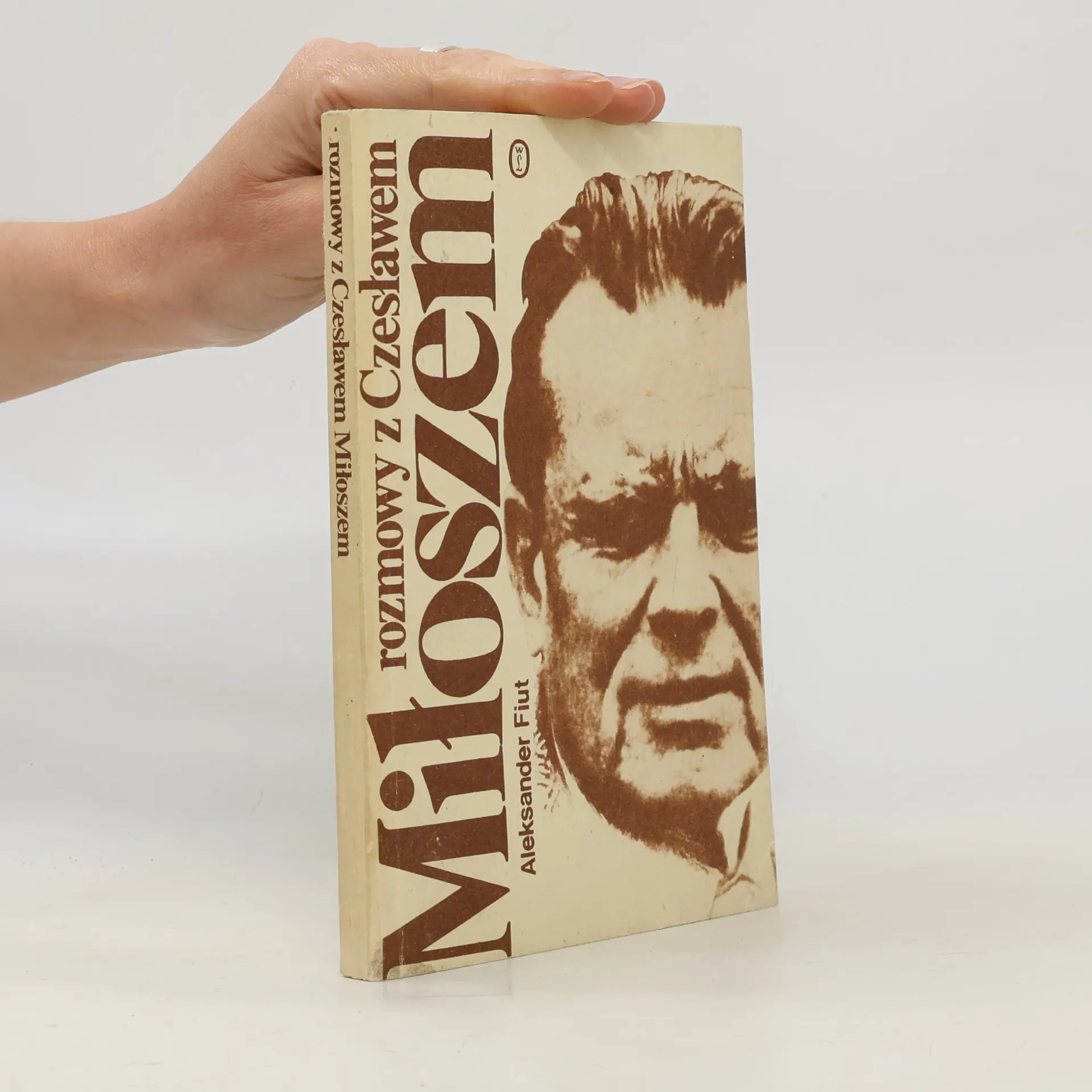
Wchodzący w skład Dzieł zebranych tom to pierwszy, tak aktualny i obszerny komentarz Czesława Miłosza do własnej biografii i twórczości, a także współczesności. Wspaniały poeta, urodzony na Litwie Noblista, który żył, pisał i nauczał w Stanach Zjednoczonych, by schyłek swego życia spędzić w Krakowie o wątpliwościach i przekonaniach opowiada m.in. Tomaszowi Fiałkowskiemu, Józefowi Tischnerowi, Adamowi Michnikowi, Janowi Błońskiemu, Aleksandrowi Fiutowi, Jerzemu Turowiczowi, Maciejowi Szumowskiemu oraz Krystynie i Stefanowi Chwinom.
Miłosz wobec faszyzmu i komunizmu. Pierwsze wydanie rozproszonych tekstów z okresu wojny i lat powojennych.Zgromadzone w tym tomie teksty dają się czytać zarówno jako wielogatunkowy i wielobarwny opis pełnej paroksyzmów dwudziestowiecznej historii, jak i relacja z nieraz bolesnych i tragicznych doświadczeń oraz wewnętrznych rozterek autora. Kreślą przy tym społeczno-polityczny pejzaż Polski i Stanów Zjednoczonych za prezydentury Harry’ego S. Trumana. Miłosz, w latach 1945-1951 urzędnik ambasady i konsulatu Polski Ludowej w Nowym Jorku, a następnie w Waszyngtonie, toczył w swym pisarstwie swoistą grę z cenzurą reżimu stalinowskiego, stereotypami na temat Ameryki pokutującymi w Polsce, zmagał się z niewiedzą oraz obojętnością znacznej części społeczeństwa amerykańskiego oraz amerykańskiej Polonii wobec konfrontacji ludności Europy Środkowej z dwiema formami totalitaryzmu.Tom zawiera artykuły, szkice, eseje, listy otwarte, odpowiedzi na ankiety i recenzje, a także dramat pt. Prolog, które Czesław Miłosz napisał w latach 1945-1951 oraz w okresie drugiej wojny światowej. Wiele z tych tekstów było dotychczas rozproszonych w trudno dostępnych polskich oraz obcojęzycznych czasopismach i będą dla czytelnika niemałą niespodzianką.
Bardzo wpłynęliście na mnie, na mój „rozwój” czy osobowość przez samo swoje istnienie. Z tego wniosek, że nic nie ginie, że żadna wdzięczność nie ginie. Macie wobec mnie moralne zasługi, niezamierzone i tym cenniejsze, wynikające z tego, że realizowaliście siebie. CZESŁAW MIŁOSZ DO TADEUSZA BYRSKIEGO, 15 GRUDNIA 1957 R.
Das ABC-Buch ist ein polnisches Genre, eine literarische Form, die lose aus kurzen, alphabetisch angeordneten Einträgen besteht. In diesem Band schafft Czeslaw Milosz mit seinem erzählerischen Blick für Details und scharfen Urteilen unvergessliche Porträts, indem er Skizzen von Charakteren aus seinen früheren Prosa-Werken und Gedichten mit Verweisen auf reale historische Figuren kombiniert. Simone de Beauvoir, Albert Camus, Fjodor Dostojewski, Edward Hopper und Arthur Koestler stehen ebenso im Mittelpunkt seiner Betrachtungen wie die Dichter Charles Baudelaire und Robert Frost sowie die polnischen Schriftsteller Witold Gombrowicz und Zbigniew Herbert. Diese Übersicht geht über Profile von realen und imaginären Personen hinaus zu Orten, die in Miloszs persönlicher Geografie eine besondere Bedeutung hatten. Sein Fokus reicht von Szetejnie, wo er geboren wurde, und Berkeley, wo er fast vier Jahrzehnte gelebt hat, bis zu Orten, die er besucht hat, wie Bend, Oregon, und Sierraville, Kalifornien. Fluid miteinander verwoben sind diese Einträge mit seinen Reflexionen über breitere Themen wie "Stadt", "Unglück", "Liebe" und "Wissen". Witzig, gelehrt, eloquent und offenherzig ist Miloszs ABC zugleich ein faszinierendes Selbstporträt und eine einzigartige Reflexion über die Politik, Poesie und Prosa des zwanzigsten Jahrhunderts.
Výber z esejistickej tvorby Cz. Miłosza (1911–2004), nositeľa Nobelovej ceny za literatúru za rok 1980, zachytáva priestor niekoľkých kultúr, ktoré autor zažil na vlastnej koži, so všetkými ich špecifikami a odlišnosťami. Zasvätené komentáre k dobovým i nadčasovým problémom, k morálke súčasníka patria k tomu najlepšiemu vo svetovej esejistike.
Prywatne obowiązki to zbiór szkiców, komentarzy, esejów i przekładów, jedna z tych hybrydycznych książek Miłosza, w których refleksjom o literaturze i kulturze współczesnej towarzyszą rozważania na temat własnego rodowodu intelektualnego i poetyckiego, a roztrząsania filologiczne przeplatają się z osobistymi zapiskami i wspomnieniami. To kolejne świadectwo poszukiwania przez Miłosza "formy bardziej pojemnej", wykraczającej poza istniejące gatunki literackie i jednolite, zamknięte kompozycyjnie tomy."O literaturze pisze się mnóstwo, lepiej czy gorzej i nie myślę, żebym mógł naprawdę przyczynić się do prostowanie jej ścieżek. Jakaś pasja, obolałość wskazują, że w grę wchodzi tu coś większego niż literatura. Zaskakując nieraz samego siebie, odsłaniam się ze wszystkimi moimi tęsknotami i błędami."-Czesław Miłosz
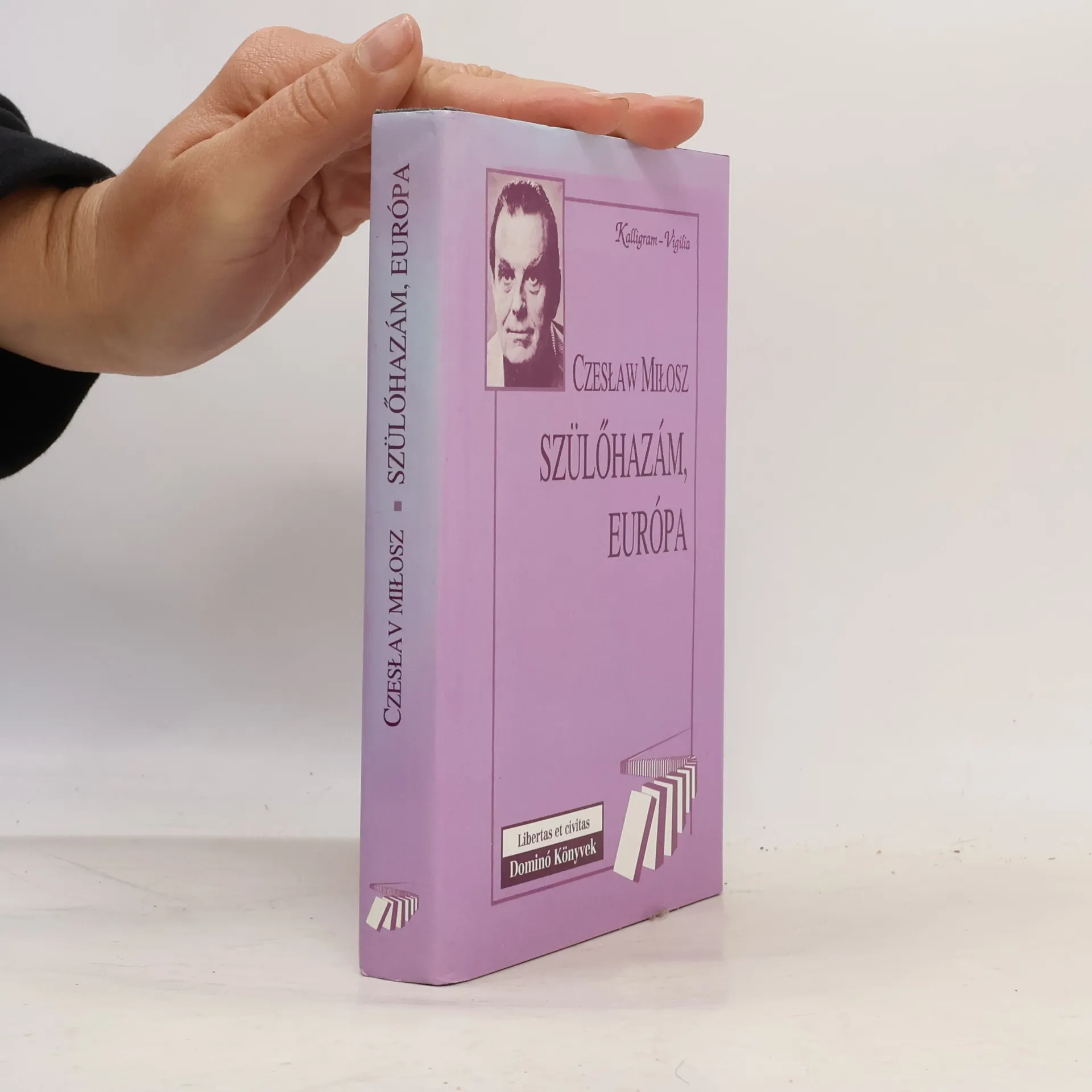
A kommunista rendszer bukását követően a közép-európai országoknak a múlttal, a szellemi örökséggel való szembenézés gyötrelme mellett komoly önvizsgálatot kell tartaniuk, olyan értékorientált szemléletet kell kialakítaniuk, melyek a különbözőségben is biztosítják a hőn áhított európai egységet. E cél megvalósítását azonban megnehezíti az a tény, hogy Közép-Európa nemzetiségi szempontból kontinensünk egyik legváltozatosabb, de egyben legbonyolultabb képét mutatja, ahol évszázadokon keresztül az adott nemzeti érdeket csak más nemzeti érdek korlátozása révén lehetett megvalósítani. A nemzetiségi kérdés az egyik legfőbb közép-európai kérdéssé lépett elő. A probléma vizsgálata, megjelenési formáinak elemzése ösztönzéseket adhat a napi politika, a köz- és a mindennapi élet nemzetiségi gondjainak és kérdéseinek megoldásához. Ezt kívánja elősegíteni ez a sorozat, melyben jeles közép-európai szerzők veszik bonckés alá a nemzeti identitás fogalmát, az együttélés, a hontalanságérzet, a nemzeti önámítás neuralgikus pontjait. Úgy illeszkednek egymáshoz ezek a kötetek, akár a dominó egymást kiegészítve, korrigálva.
mit einem vorwort von Karl Jaspers