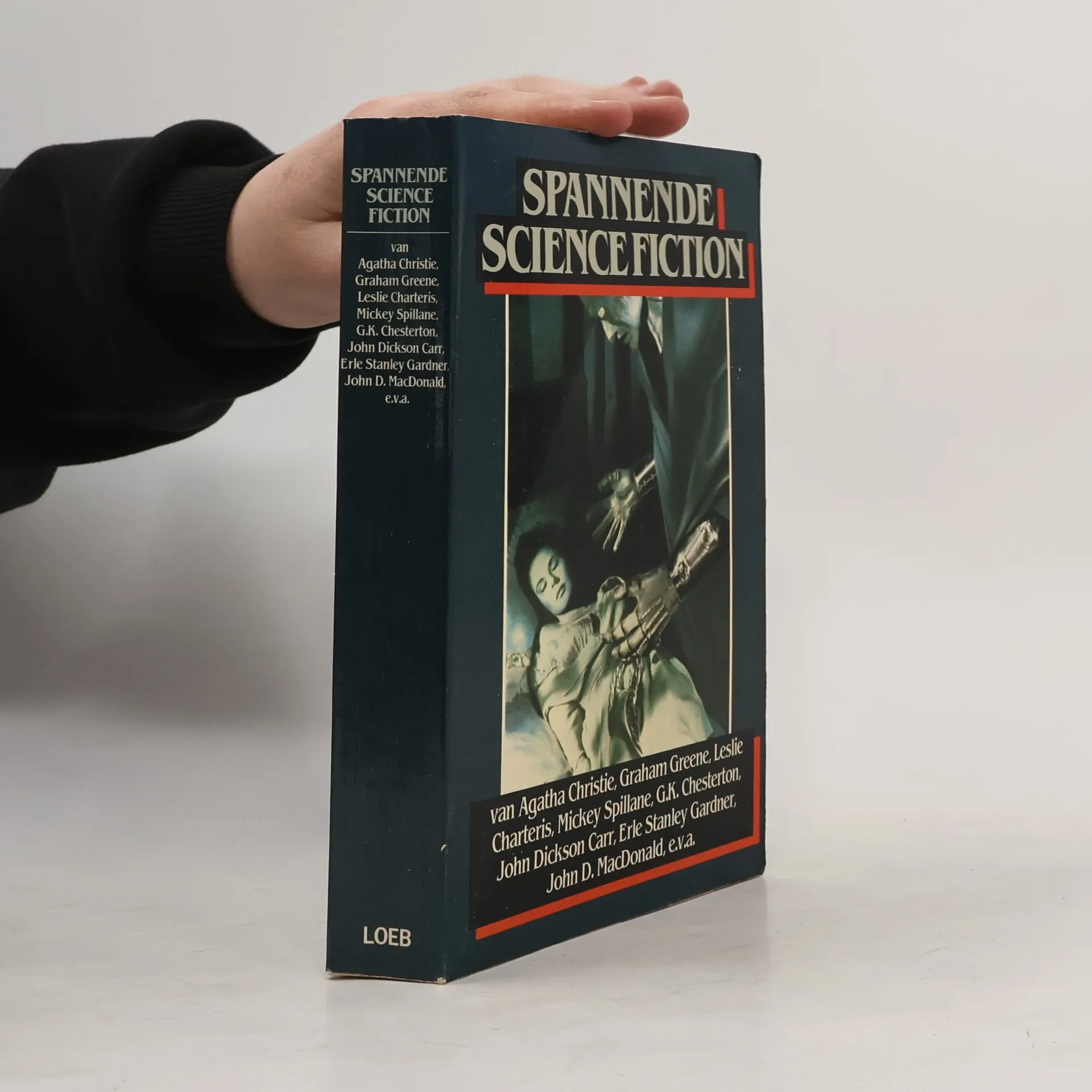
Spannende Science Fiction
- 423bladzijden
- 15 uur lezen


Gilbert Keith Chesterton was een immens productieve auteur, die zich evenveel thuis voelde in literaire en sociale kritiek, geschiedenis, politiek, economie, filosofie en theologie. Ondanks dat hij honderden werken in diverse genres schreef, waaronder romans, poëzie en detectiveverhalen, beschouwde hij zichzelf voornamelijk als journalist. Zijn uitgebreide journalistieke essays, die decennialang in kranten verschenen, vormden zijn kenmerkende stem. Chestertons benadering van schrijven was opmerkelijk breed en omvatte een breed spectrum aan intellectuele bezigheden.


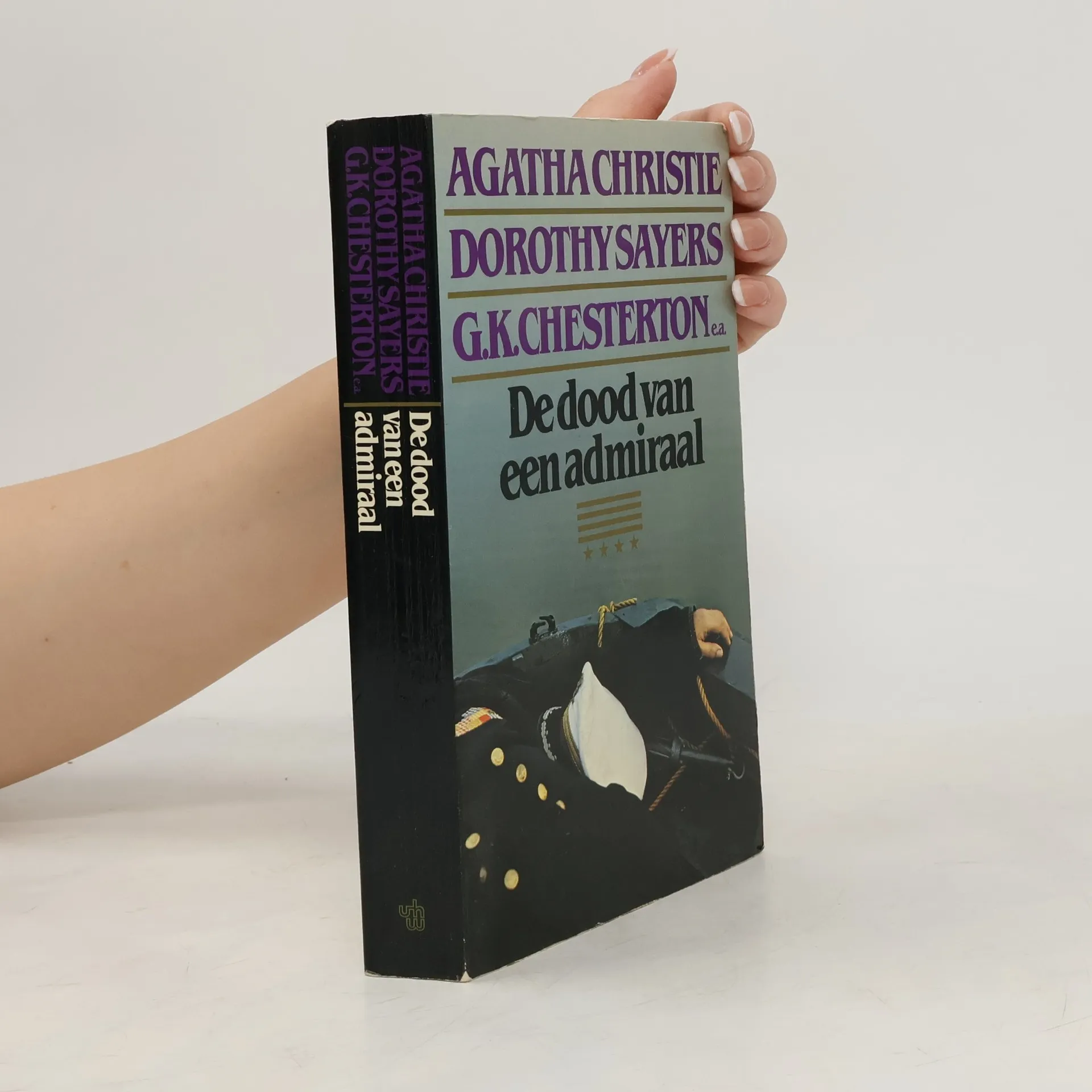
Inspector Rudge rarely deals with murder in the quiet seaside town of Whynmouth, but everything changes when an old sailor arrives with a rowing boat containing a fresh corpse, stabbed in the chest. The investigation quickly reveals obstacles, including a vicar who seems to be hiding information and the mysterious disappearance of the victim's niece. The case grows more complex as the victim's identity comes into question, leading Rudge to ponder the number of people involved in this extraordinary crime and whether he will ever solve it. In 1931, a group of crime writers from the newly formed Detection Club, including Agatha Christie and Dorothy L. Sayers, collaborated on a unique crime novel. Each author contributed a chapter in a literary game of consequences, with G.K. Chesterton writing a paradoxical prologue and Anthony Berkeley providing the conclusion. All authors submitted their own solutions in sealed envelopes, which were included at the end of the book, with Christie's clever resolution noted as particularly noteworthy. The contributing authors include G.K. Chesterton, Canon Victor Whitechurch, G.D.H. Cole, Margaret Cole, Henry Wade, Agatha Christie, John Rhode, Milward Kennedy, Dorothy L. Sayers, Ronald Knox, Freeman Wills Crofts, Edgar Jepson, Clemence Dane, and Anthony Berkeley.
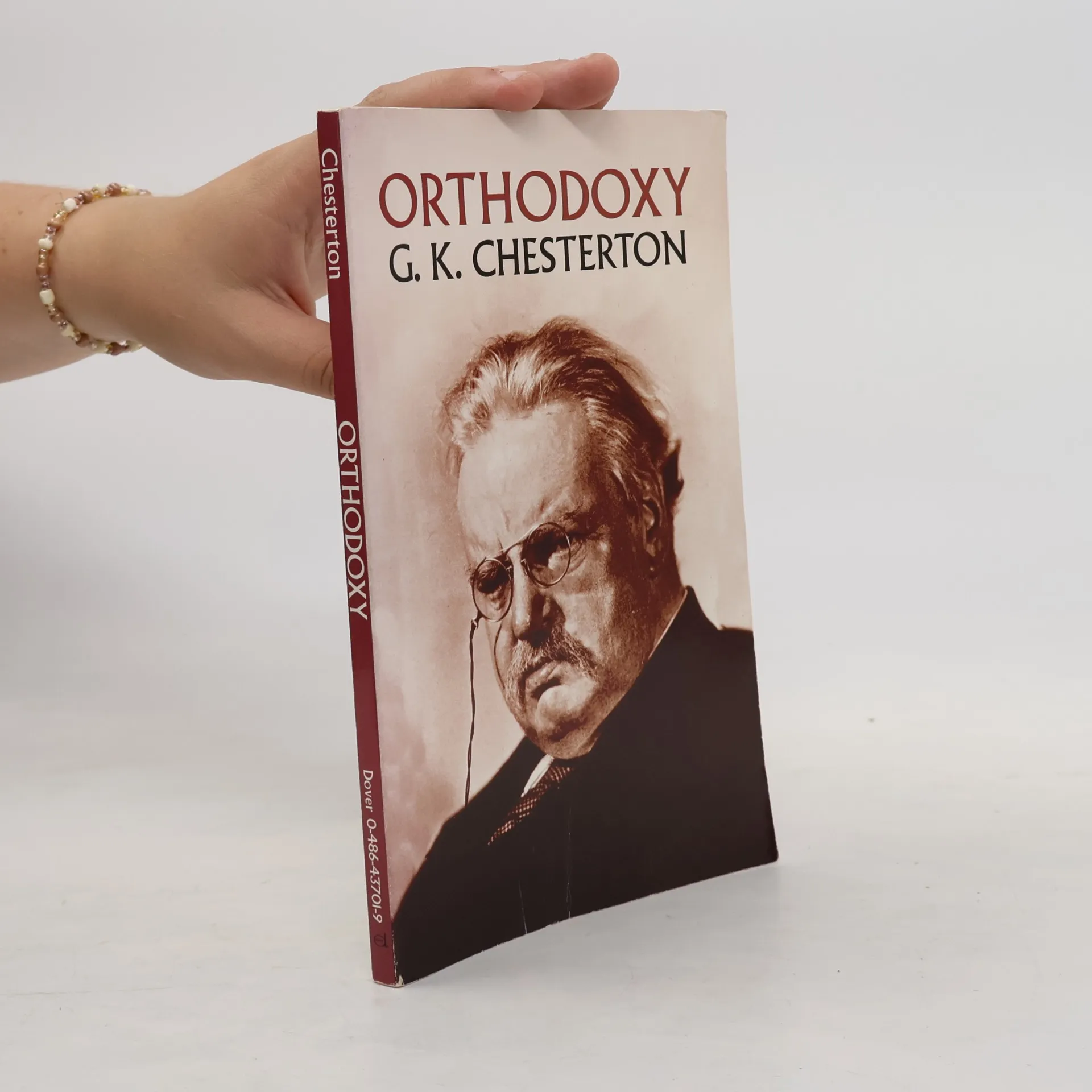
In his scintillating prose, one of the 20th century's great writers explains the values and ideas that constitute the foundation of Christianity. G. K. Chesterton adopts an informal style in his scholarly arguments in favor of faith as an affirmation of human freedom. He elaborates on his assertions through analogy, imagery, and personal anecdotes, with ample doses of his characteristic humor. Although written and published nearly a century ago, Chesterton's reasoning and observations appear as fresh and inspired today as they must have seemed to his contemporaries.
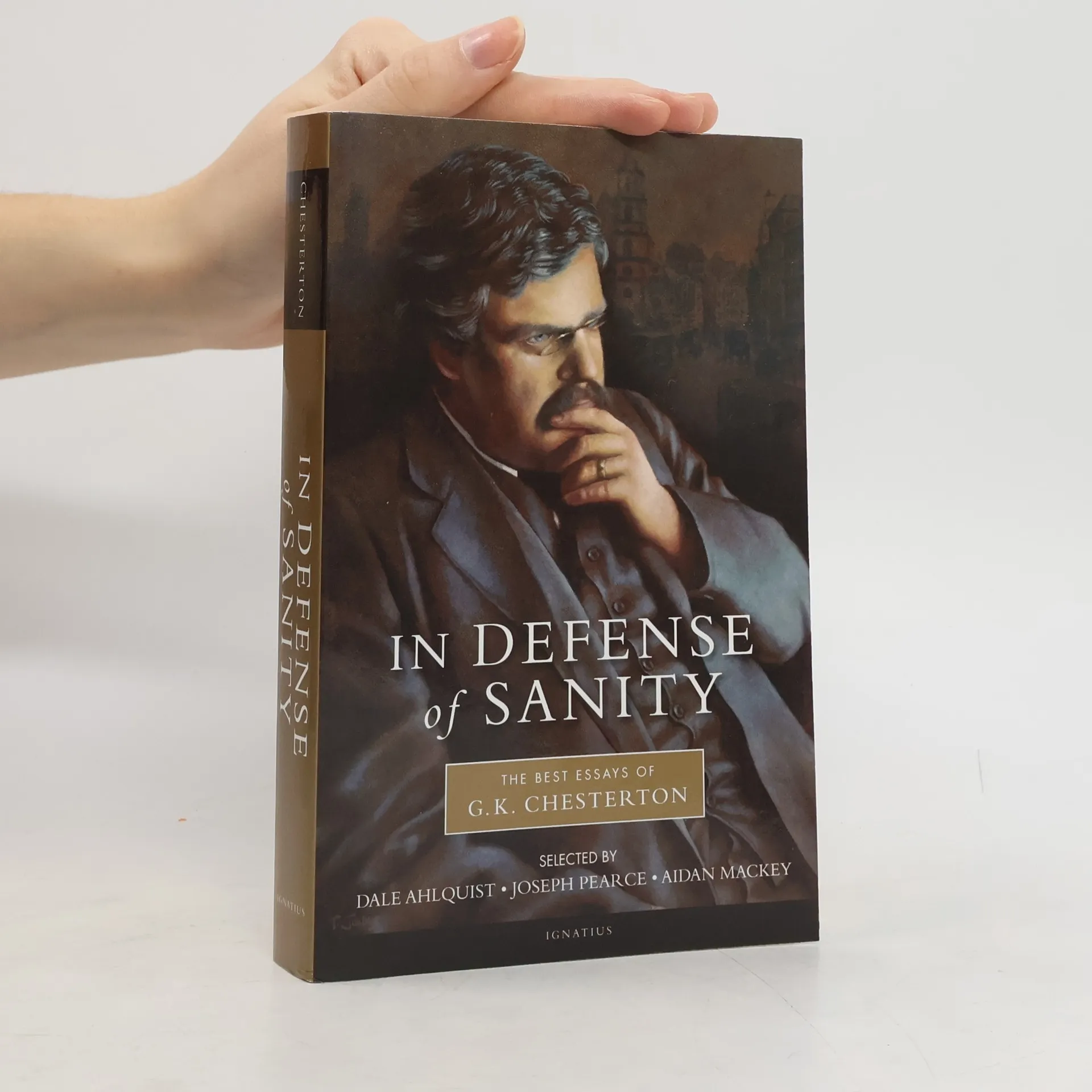
G.K. Chesterton was a master essayist. But reading his essays is not just an exercise in studying a literary form at its finest, it is an encounter with timeless truths that jump off the page as fresh and powerful as the day they were written. The only problem with Chesterton's essays is that there are too many of them. Over five thousand! For most GKC readers it is not even possible to know where to start or how to begin to approach them. So three of the world's leading authorities on Chesterton - Dale Ahlquist, Joseph Pearce, Aidan Mackey - have joined together to select the "best" Chesterton essays, a collection that will be appreciated by both the newcomer and the seasoned student of this great 20th century man of letters. The variety of topics are astounding: barbarians, architects, mystics, ghosts, fireworks, rain, juries, gargoyles and much more. Plus a look at Shakespeare, Dickens, Jane Austen, George MacDonald, T.S. Eliot, and the Bible. All in that inimitable, formidable but always quotable style of GKC. Even more astounding than the variety is the continuity of Chesterton's thought that ties everything together. A veritable feast for the mind and heart. While some of the essays in this volume may be familiar, many of them are collected here for the first time, making their first appearance in over a century.
The thirty-nine short essays that make up Chesterton's delightful book are the result of "sitting still and letting marvels and adventures settle on him like flies." Actually, the author does move around quite a bit-to Germany, France, and on foot in England when he tires of waiting for a train. Everywhere he goes, Chesterton looks at ordinary things and asks us to see how extraordinary they are: the contents of his pockets, the items in a railway station, pedestrians in the street. What appear to be trifles are actually tremendous, and he uses them as a springboard to expound on Christianity, the nuclear family, democracy, and the like with supreme clarity and wit. The essays gathered here are a testament to G.K. Chesterton's faith-not his faith in religion or a higher power, but in the ability to discover something wonderful in the objects, the experiences, and the people that cross our paths every single day. With his unique brand of humor and insight, he demonstrates how the commonplace adds enormous value to the landscape of daily life. Full of both good sense and nonsense, Chesterton's commentaries-first published nearly a century ago-remain fresh today.
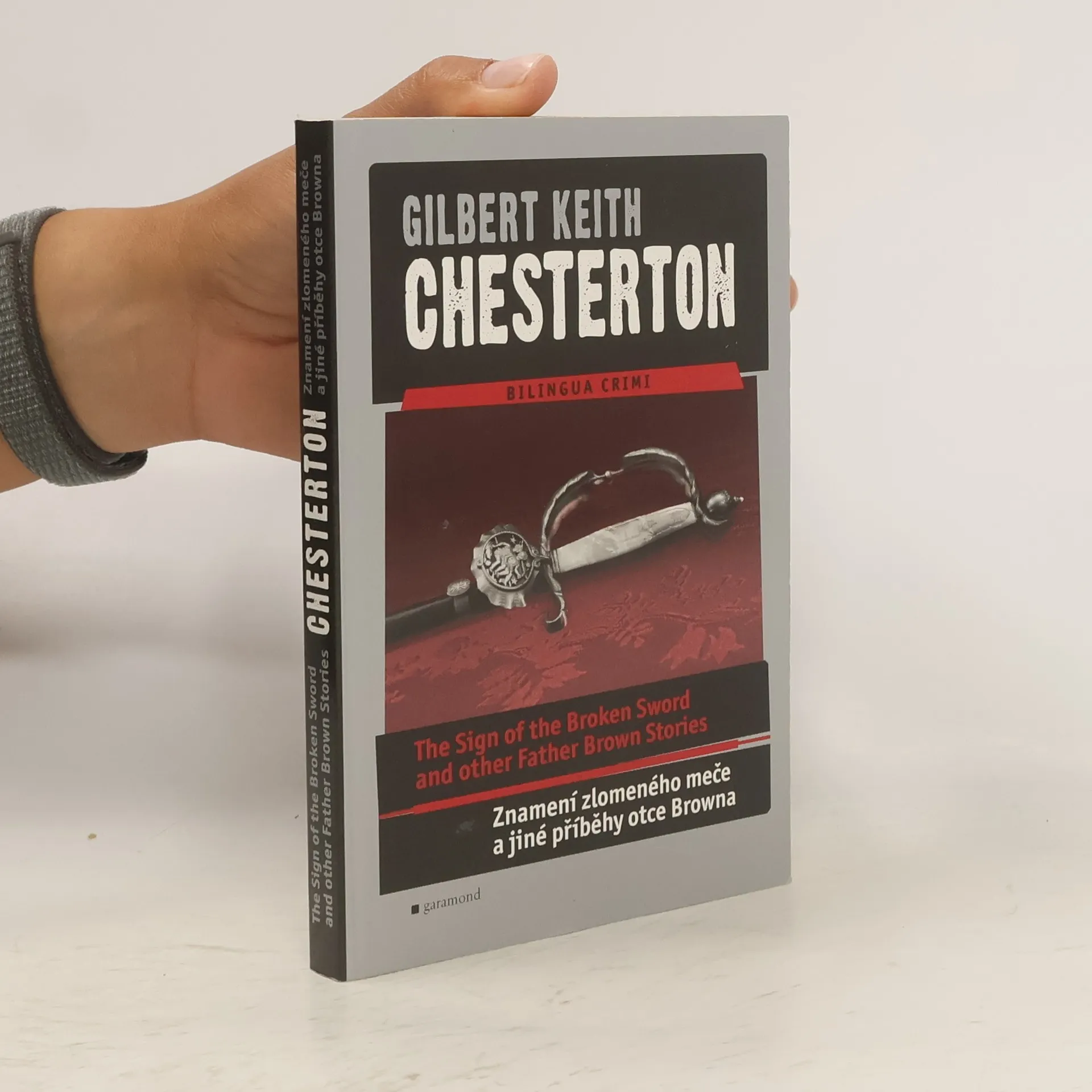
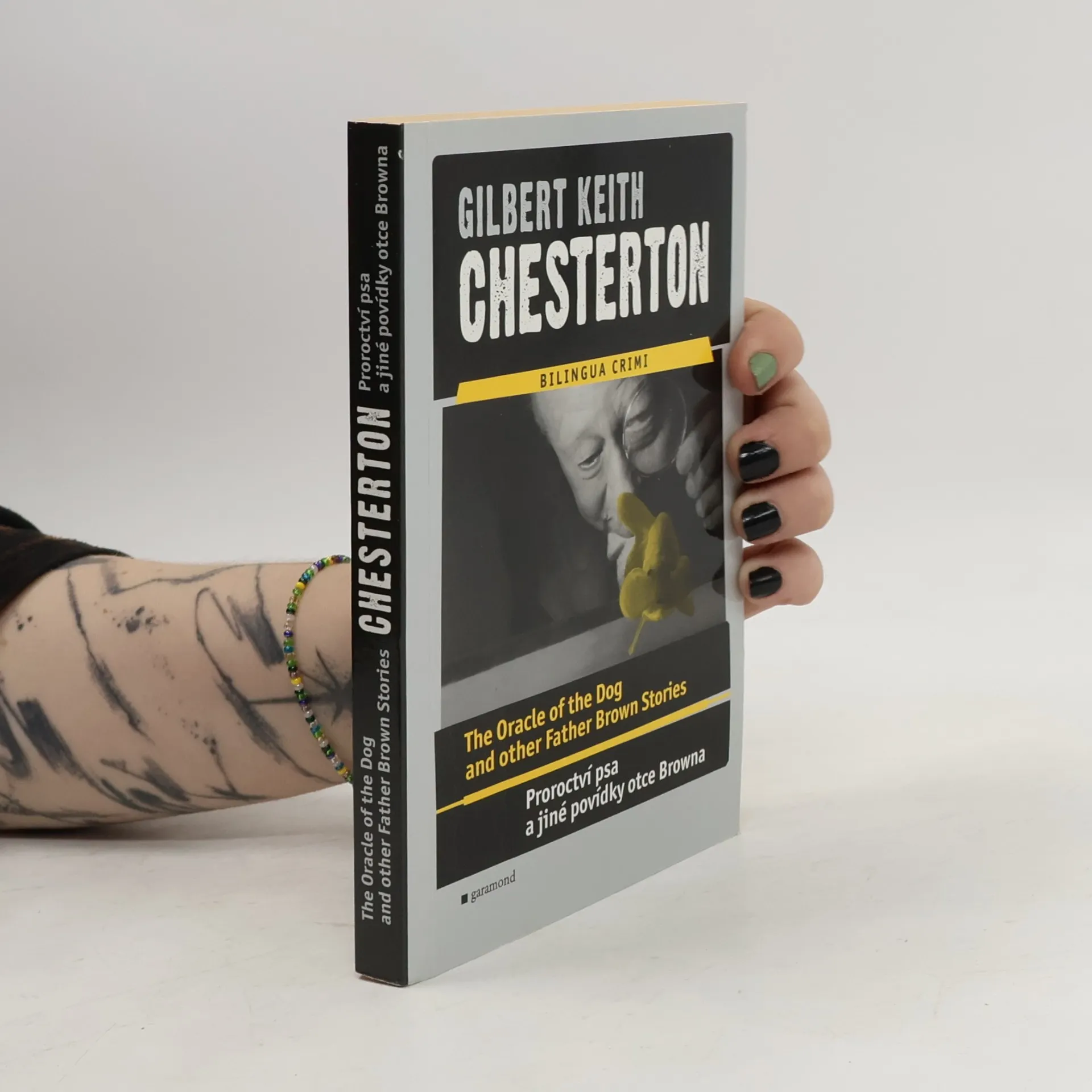
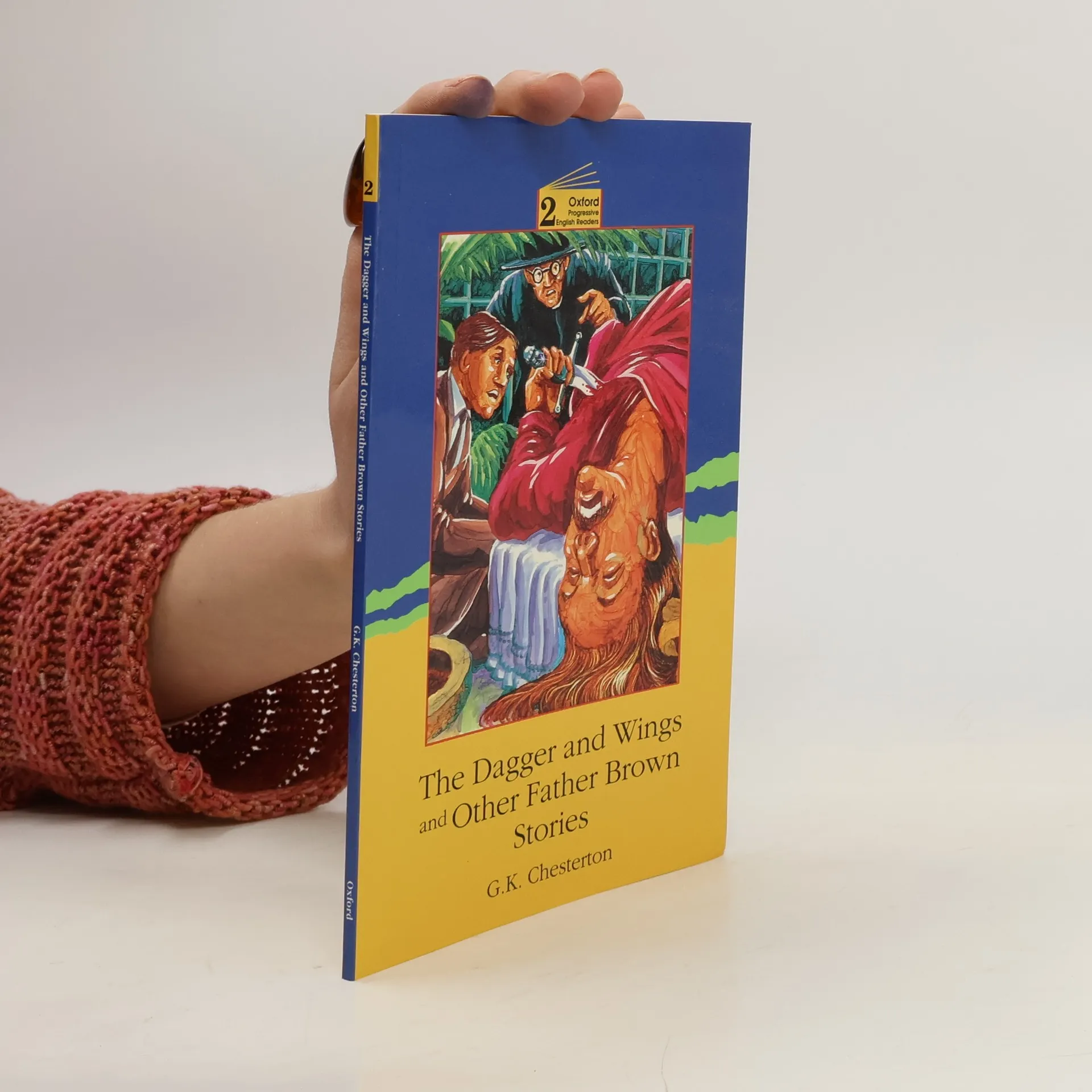
Jeden z nejplodnějších anglických spisovatelů první poloviny 20. století, autor mimo jiné 48 povídek s neobvyklým hrdinou-detektivem otcem Brownem, svéráznou, poněkud směšnou postavičkou v kněžském rouchu, jenž na rozdíl od svého "kolegy" Sherlocka Holmese neřeší případy za pomoci chladné dedukce, nýbrž díky hluboké znalosti lidské povahy a psychologie. "Brownovky" nejsou jen poutavým logickým cvičením, ale vynikají i zálibou v paradoxu, jíž nechybí filozofická hloubka. Výbor přináší povídky Divný krok, Kletba knihy, Prokletí Pendragonů a Znamení zlomeného meče. Anglicko-český zrcadlový text, vhodný pro výuku jazyků.
Chesterton took a keen interest in the English literary tradition, particularly the works of England's greatest playwright, William Shakespeare. In this original collection, Chesterton expert Dale Ahlquist collects the best of the noted author and critic's short essays, reviews, and introductions on The Bard and provides a new Introduction.
G.K. Chesterton's journey through the United States unfolds with keen observations and sharp wit, providing a thought-provoking commentary on American culture, politics, and society. His insightful and humorous perspective invites readers to experience America in a unique light, blending personal anecdotes with broader reflections on the nation's character.
Exploring the undervaluation of ordinary life, this work critiques the dismissal of popular literature as "vulgar." It argues that while such literature may lack literary sophistication, it serves as a vital expression of collective imagination. The text contrasts past attitudes of the educated class, who ignored popular works, with the significance these narratives hold for millions. By highlighting this neglect, the author invites readers to reconsider the worth and impact of everyday stories in shaping cultural identity and imagination.
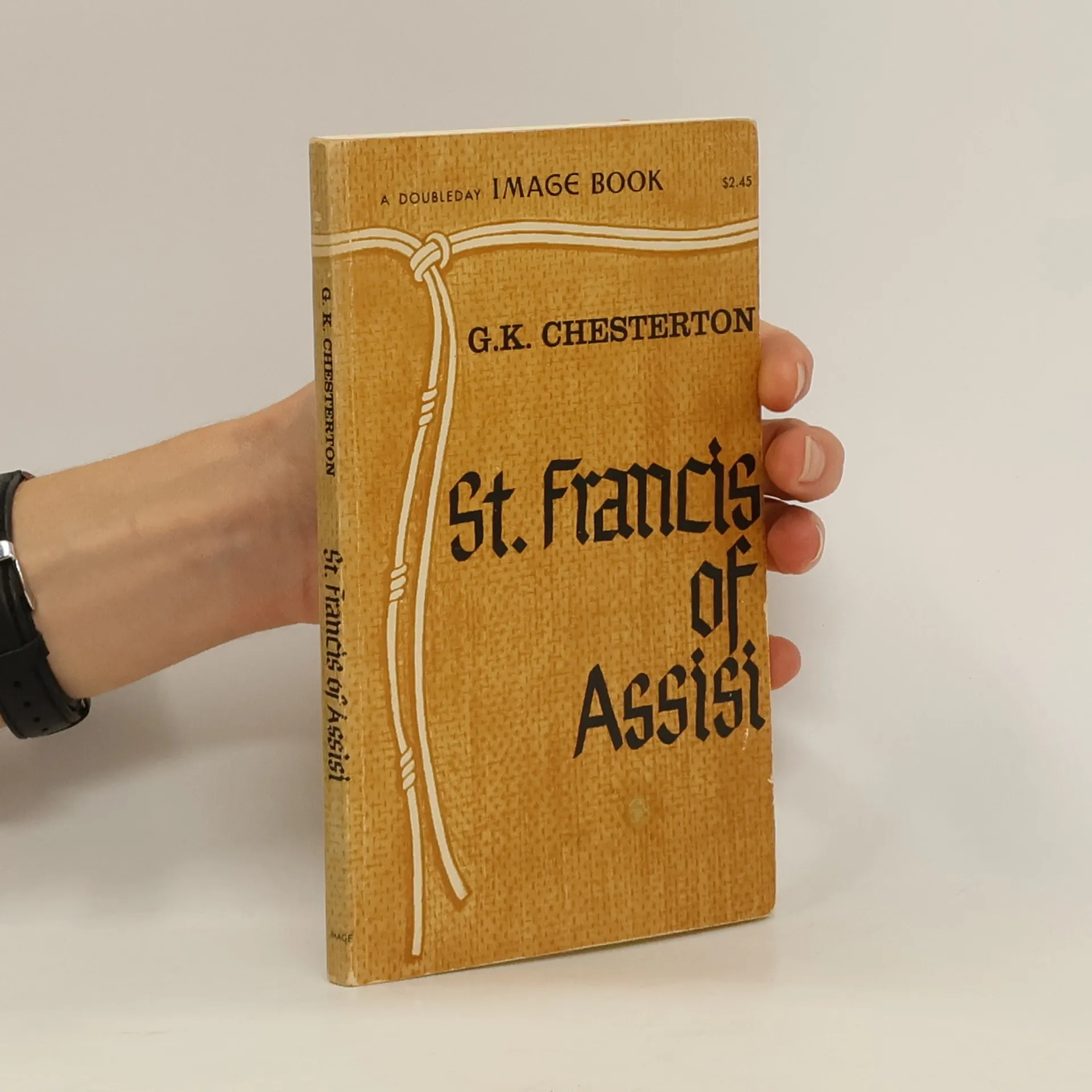
Francis of Assisi is, after Mary of Nazareth, the greatest saint in the Christian calendar, and one of the most influential men in the whole of human history. By universal acclaim, this biography by G. K. Chesterton is considered the best appreciation of Francis's life--the one that gets to the heart of the matter. For Chesterton, Francis is a great paradoxical figure, a man who loved women but vowed himself to chastity; an artist who loved the pleasures of the natural world as few have loved them, but vowed himself to the most austere poverty, stripping himself naked in the public square so all could see that he had renounced his worldly goods; a clown who stood on his head in order to see the world aright. Chesterton gives us Francis in his world-the riotously colorful world of the High Middle Ages, a world with more pageantry and romance than we have seen before or since. Here is the Francis who tried to end the Crusades by talking to the Saracens, and who interceded with the emperor on behalf of the birds. Here is the Francis who inspired a revolution in art that began with Giotto and a revolution in poetry that began with Dante. Here is the Francis who prayed and danced with pagan abandon, who talked to animals, who invented the creche.
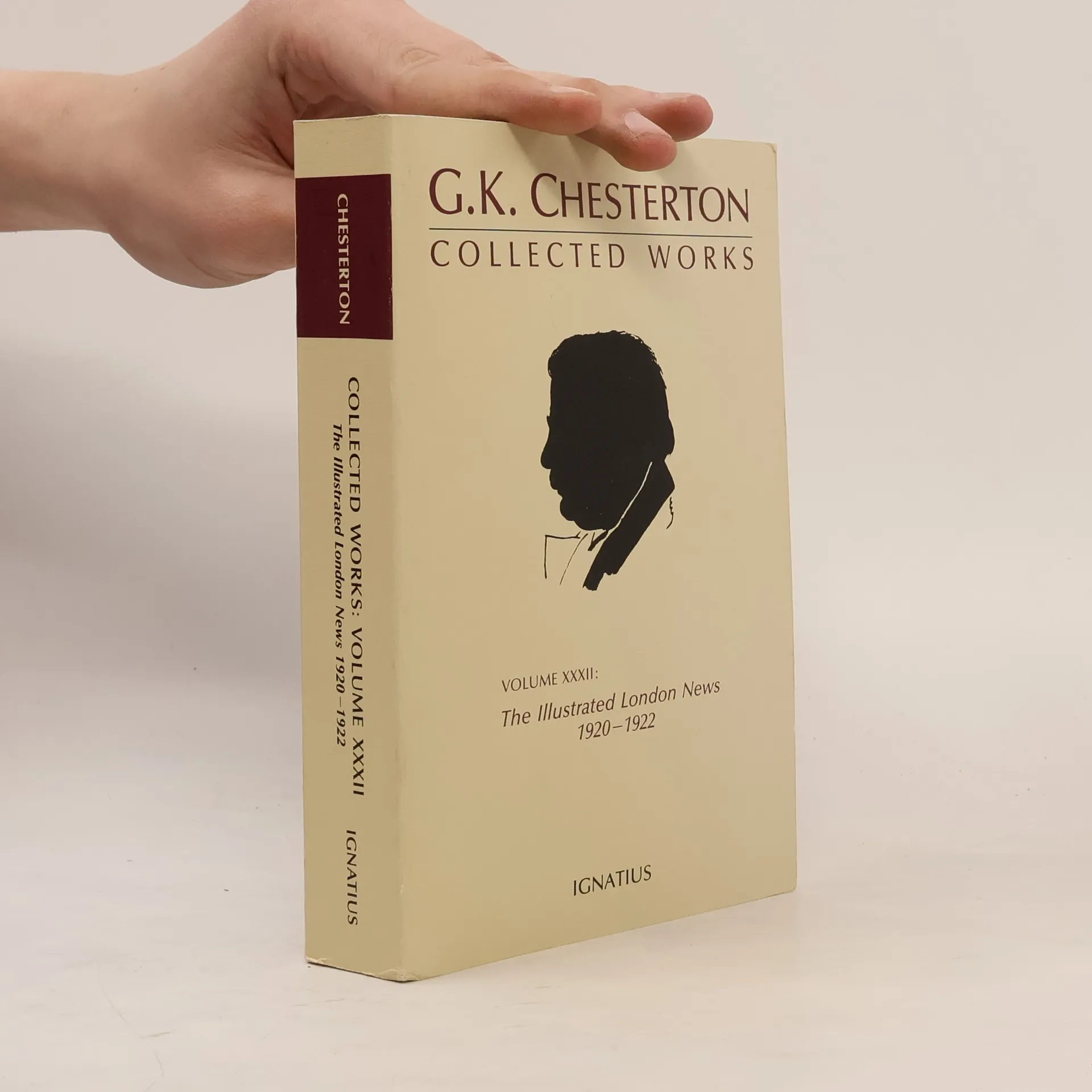
The Illustrated London News, 1920-1922
Some of the topics of these 130 columns written for The Illustrated London News include "The Fashion of Psychoanalysts", "Doubts about Darwinism", "Liberty and Self Government", "Errors About Detective Stories", "The Settling of America", "Popular Literature and Popular Science", "Marxism and History", "The Threat of Novelty", "The Infinite Variety of Woman", "The Soul of the Modern Peasant", "Gilbert and the Jingoists", "Socialist Order and Democracy". Chesterton lovers will be delighted to find this treasure filled with jewels quite the match of his best writing.
Chesterton's style is light and humorous — but also deadly serious and philosophical — as he provides witty commentary on feminism, education, family, and other timeless topics.
G. K. Chesterton je jedním z nejplodnějších anglických spisovatelů první poloviny 20.století. Mimo jiné je autorem 48 povídek s neobvyklým hrdinou-detektivem otcem Brownem, svéráznou, poněkud směšnou postavičkou v kněžském rouchu, jenž na rozdíl od svého „kolegy“ Sherlocka Holmese neřeší případy za pomocí chladné dedukce, nýbrž díky hluboké znalosti lidské povahy a psychologie. „Brownovky“ nejsou jen poutavým logickým cvičením, ale vynikají i zálibou v paradoxu, jíž nechybí filosofická hloubka. Výbor přináší povídky Nepřítomnost pana Sklenčky, Zpěv létajících ryb, Proroctví psa a Zrádné zrcadlo. Přeložila Alena Hartmanová.
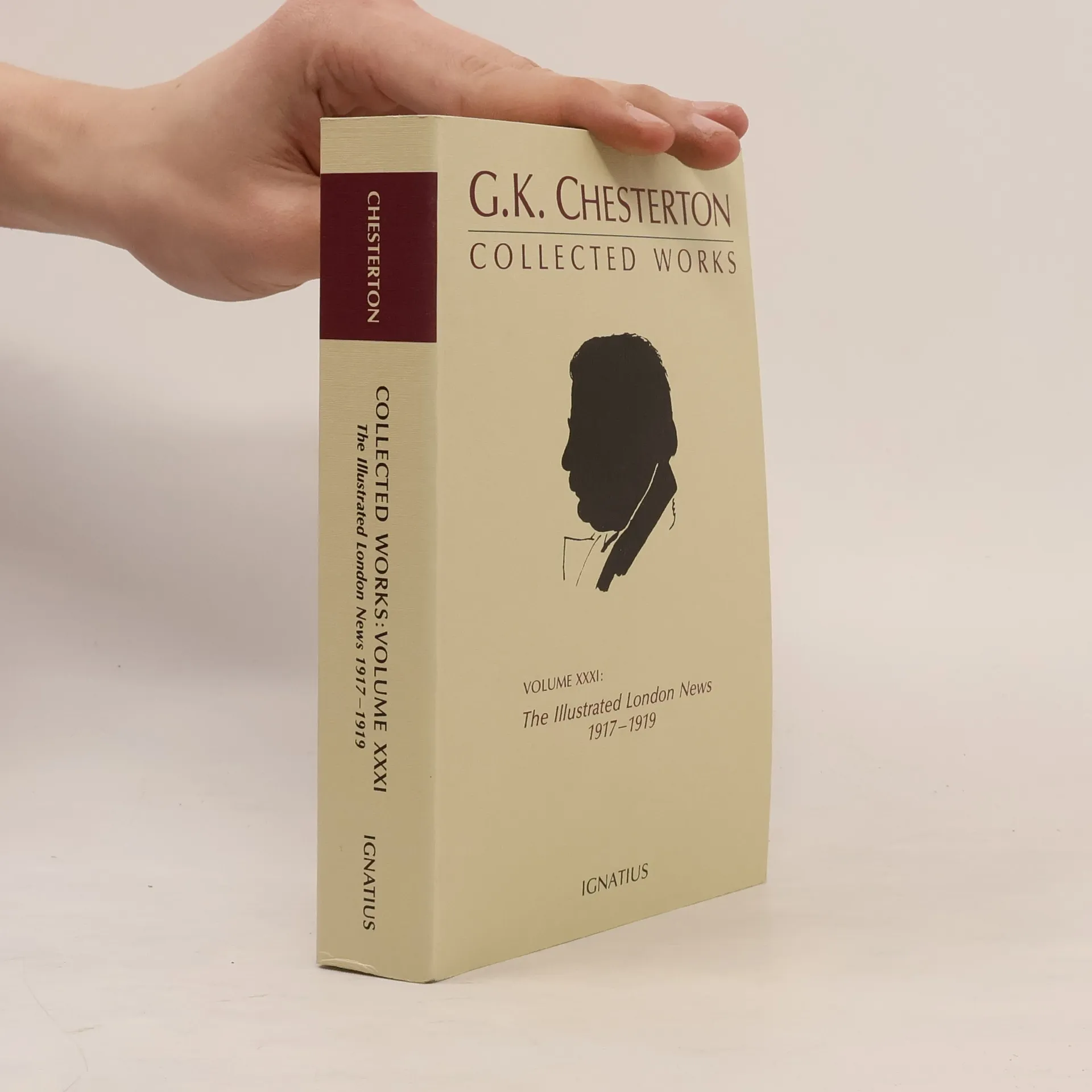
The Illustrated London News, 1917-1919
Some of the topics of the 130 columns in the volume include "The Poetry of Commonplace Things", "The Rhetoric of Pacifism", "Socialism and Individualism", "The Morality of Melodrama", "Despotism and Democracies", "The Rails of Reality", "Patriotism Become True", "Facts versus False History", "The Fury of America", "Relativity against Reason" and "Controlling the Common Man".Most of the weekly articles Chesterton wrote for The Illustrated London News have never been printed in book form until Ignatius Press undertook to do the collected works. These volumes contain all of Chesterton's columns in The Illustrated London News , beginning in 1905. The great majority have never appeared in book form. Chesterton lovers will be delighted to find this treasure filled with jewels quite the match of his best writing.
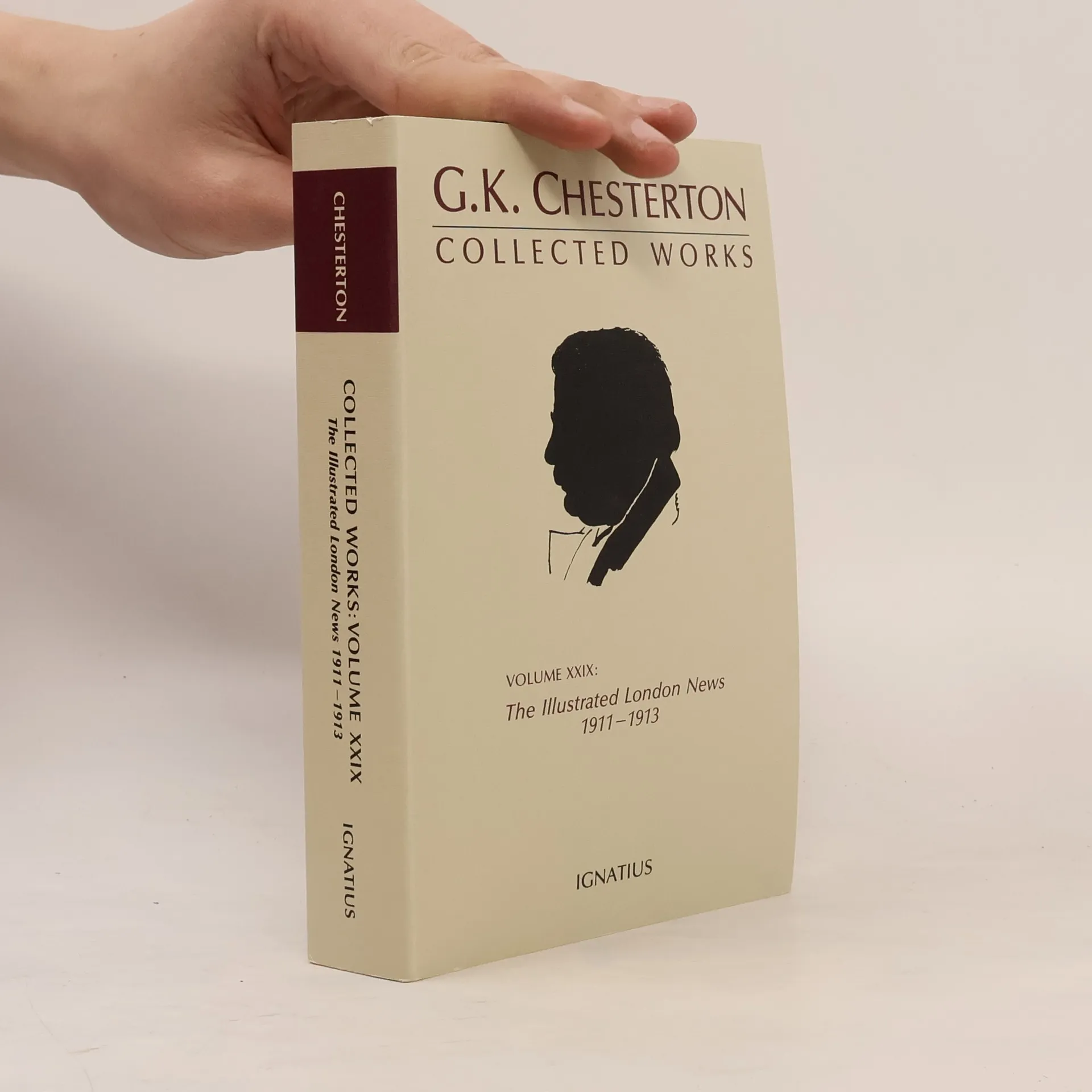
The Illustrated London News, 1911-1913
Volumes XXVII through XXXVII of The Collected Works Of G. K. Chesterton are collected columns from The Illustrated London News. Thesevolumes contain all of Chesterton s weekly columns beginning in1905. Volume XXIX contains 1911-1913. Though written for his very popular newspaper column almost one hundredyears ago, Chesterton s timeless wisdom is just as relevant today as itwas then.Volume XXIX FashionableSuffragettes and the Truly Feminine, Bad Sentences and Bad Theology,Capitalism and Marriage, The Failure of Words in Our Time, OnGlorifying Divorce, The Modern Anti-Democracy, Modern Womanhood, TooMuch Vox Populi?, The Curse of Labels, The Broadening Down ofDemocracy, Science in America, The Causes of War, On BeingOld-Fashioned, and The Right to Denounce Things. G. K. Chesterton Columns from Illustrated London News, 1911-1913 600 pages, paperback Ignatius Press 9780898701722
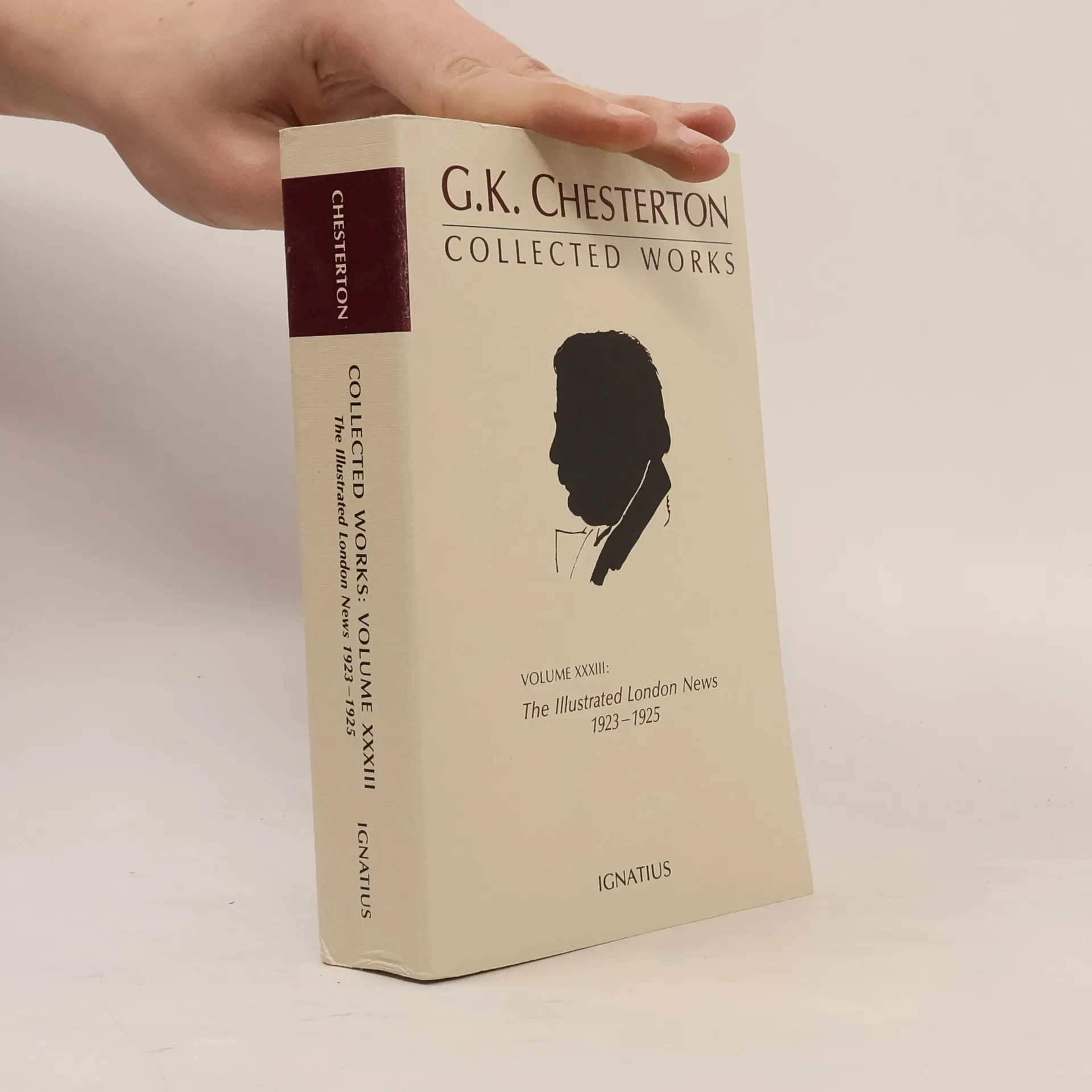
The Illustrated London News 1923-1925
Chesterton, G. K.
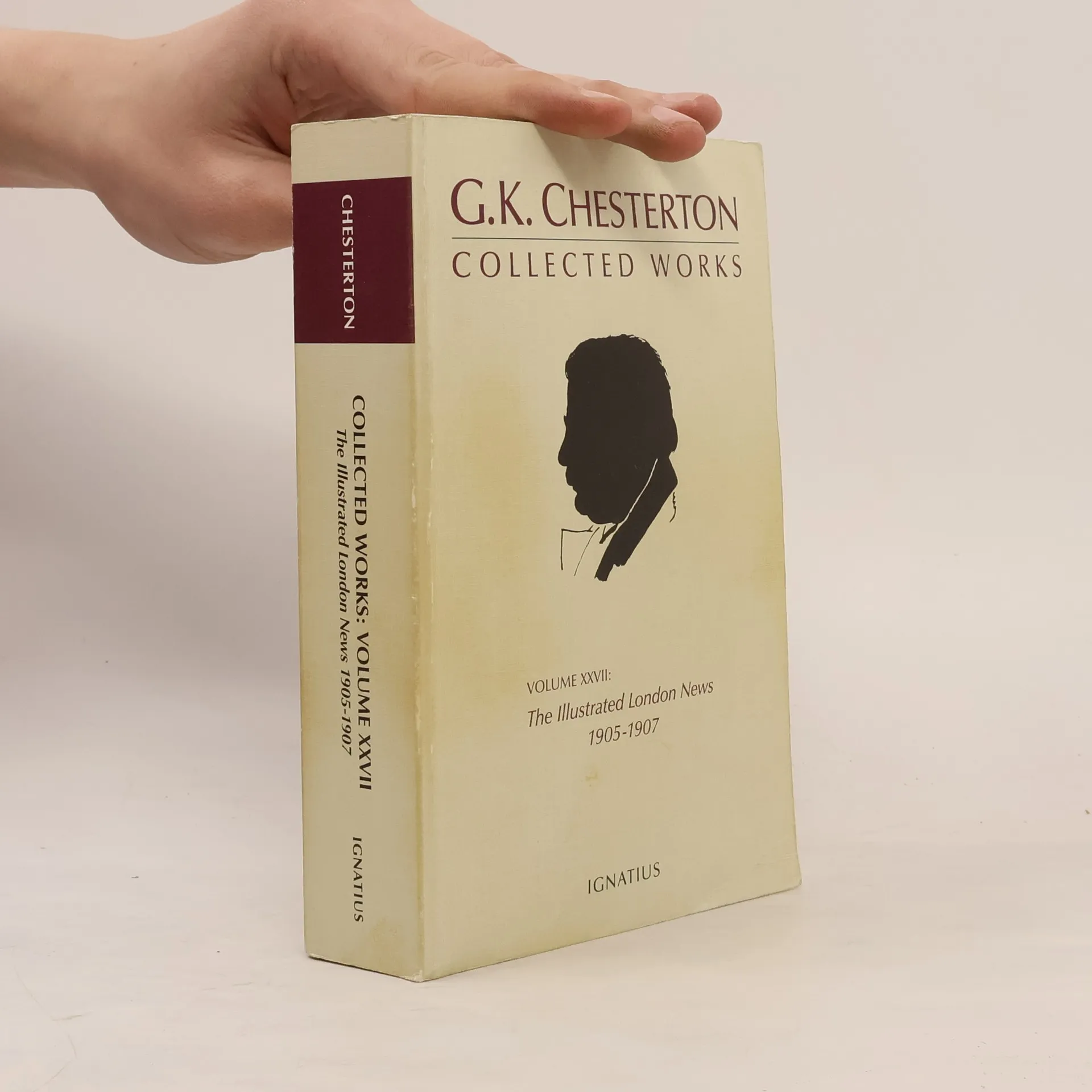
Volumes 27 through 37 are collected columns from The Illustrated London News. Most of the weekly articles Chesterton wrote for The Illustrated London News have never been printed in book form until Ignatius Press undertook to do the collected works. These volumes contain all of Chesterton's columns in The Illustrated London News, beginning in 1905. The great majority have never appeared in book form. Chesterton lovers will be delighted to find this treasure filled with jewels quite the match of his best writing.
The three great apologies of G.K. Chesterton—Heretics, Orthodoxy, and The Everlasting Man—are collected in one volume, showcasing his significant influence on modern Christian apologetics and beyond. His writings have shaped the thoughts of diverse authors like C.S. Lewis, Marshall McLuhan, and Jorge Luis Borges, marking him as a vital presence in contemporary Catholic thought. Ronald Knox noted that Chesterton's influence is so pervasive that it often goes unrecognized. C.S. Lewis, reflecting on his own journey, acknowledged that reading Chesterton posed a challenge to his atheism. In an era dominated by materialism and emerging political theories, Chesterton's voice advocated for a return to fundamental Christian doctrines, emphasizing their enduring purpose amidst societal chaos. He illustrated the need for thoughtful reform, warning against hasty destruction of established beliefs. In his three major works, Chesterton critiques modern beliefs, defends Christian values, and narrates the remarkable story of Christianity. Known as the "prince of paradox," he engaged in spirited debates with contemporary thinkers and produced a wealth of writings, including biographies and fiction. Despite his personal indulgences, his genuine goodness and common sense drew many toward the Church, leading to ongoing discussions of his potential Beatification.
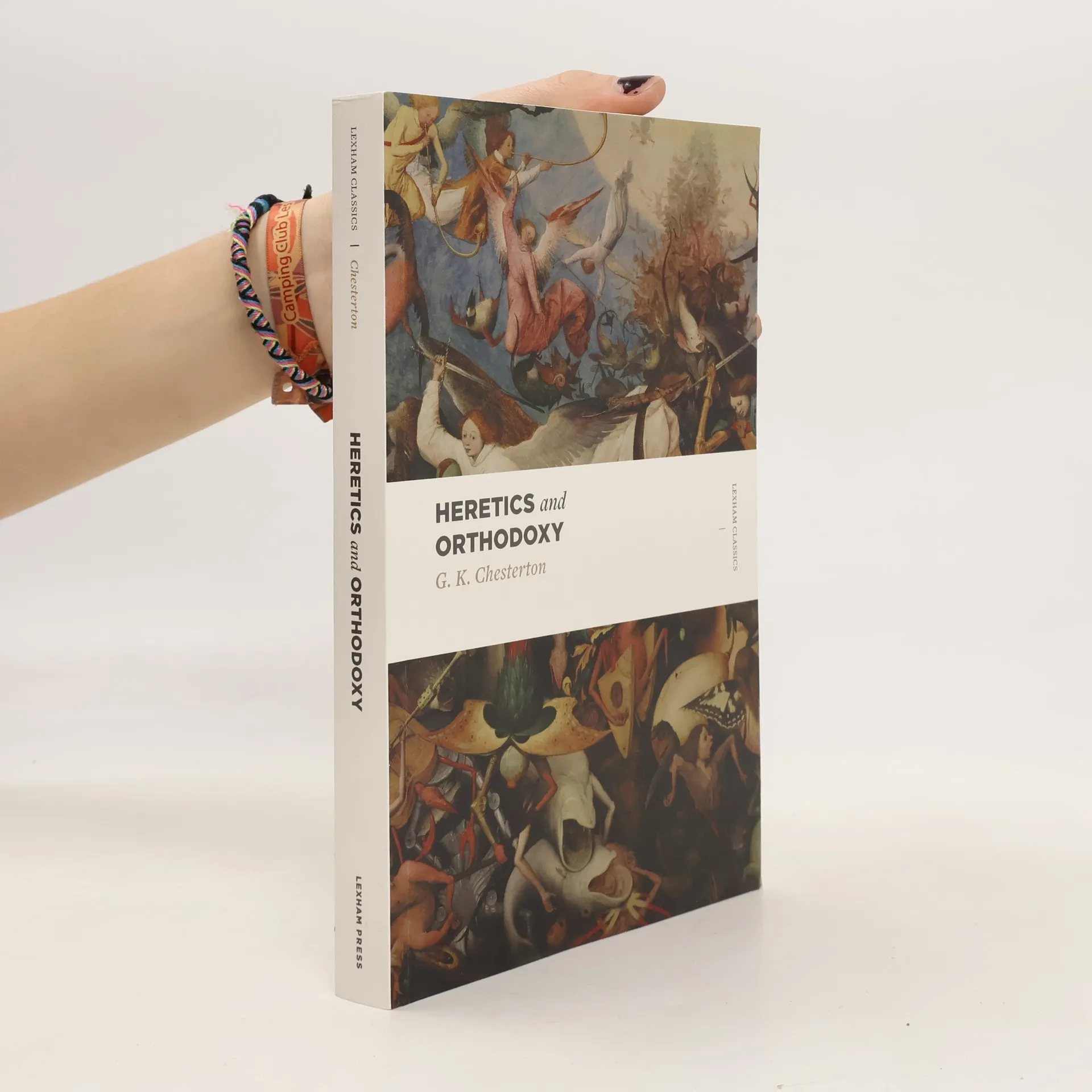
Two of G. K. Chesterton's most important and well-known works are contained in this volume: Heretics, and Orthodoxy. In Heretics, Chesterton addresses the intellectual movements of his time that he considered most prominent and destructive. Chesterton confronts relativism, individualism, neo-paganism, and other trends of the modern period, paying special attention to the artists and intellectual elite of his time. Orthodoxy, a classic that is part memoir, part apologetic. It exhibits Chesterton at his finest--a combination of literary wit, theological acumen, and pointed cultural critique. The two works complement each other perfectly, providing an accessible entry point to the battleground of truth and falsehood. Lexham Classics are beautifully typeset new editions of classic works. Each book has been carefully transcribed from the original texts, ensuring an accurate representation of the writing as the author intended it to be read.
"Manalive" follows Innocent Smith, a lively new tenant at Beacon House who revitalizes the boarding establishment with his playful spirit. However, his joy is disrupted when he faces serious charges. The tenants form the High Court of Beacon to investigate, revealing surprising truths about Smith's situation.
A comical futurist fantasy, first published in 1904, about a tradition-loving suburban London community of the 1980's at war with its modernizing neighbors. 7 illustrations by W. Graham Robertson. New Introduction by Martin Gardner.
Set in a quaint English village, the story delves into the legend of three ominous trees said to bring death to those who dare approach them. Through a captivating mystery, G.K. Chesterton examines the interplay between rationality and superstition, revealing how human folly and pride can shape beliefs. The novella intricately intertwines these themes, offering a thought-provoking narrative that challenges perceptions and explores the consequences of unchecked pride.
Set against the backdrop of the conflict between Christianity and paganism, this epic poem vividly recounts the legendary adventures of King Alfred the Great and the pivotal battle of Ethandune. It explores timeless themes of power, courage, love, and faith, resonating with readers facing modern secular challenges. Drawing on the classical tradition of epic poetry, it delves into human values and moral choices, ensuring its status as a compelling and memorable work that has captivated generations. This edition features large print for enhanced readability.
Known for his paradoxical style and wit, Chesterton was a prolific English writer and philosopher who created the beloved character Father Brown, a priest-detective. His works, including Orthodoxy and The Everlasting Man, explore themes of faith and reason, appealing to a broad audience despite differing views. A self-identified "orthodox" Christian, Chesterton's journey led him to embrace Roman Catholicism, reflecting his deep engagement with theological questions and the complexities of belief.
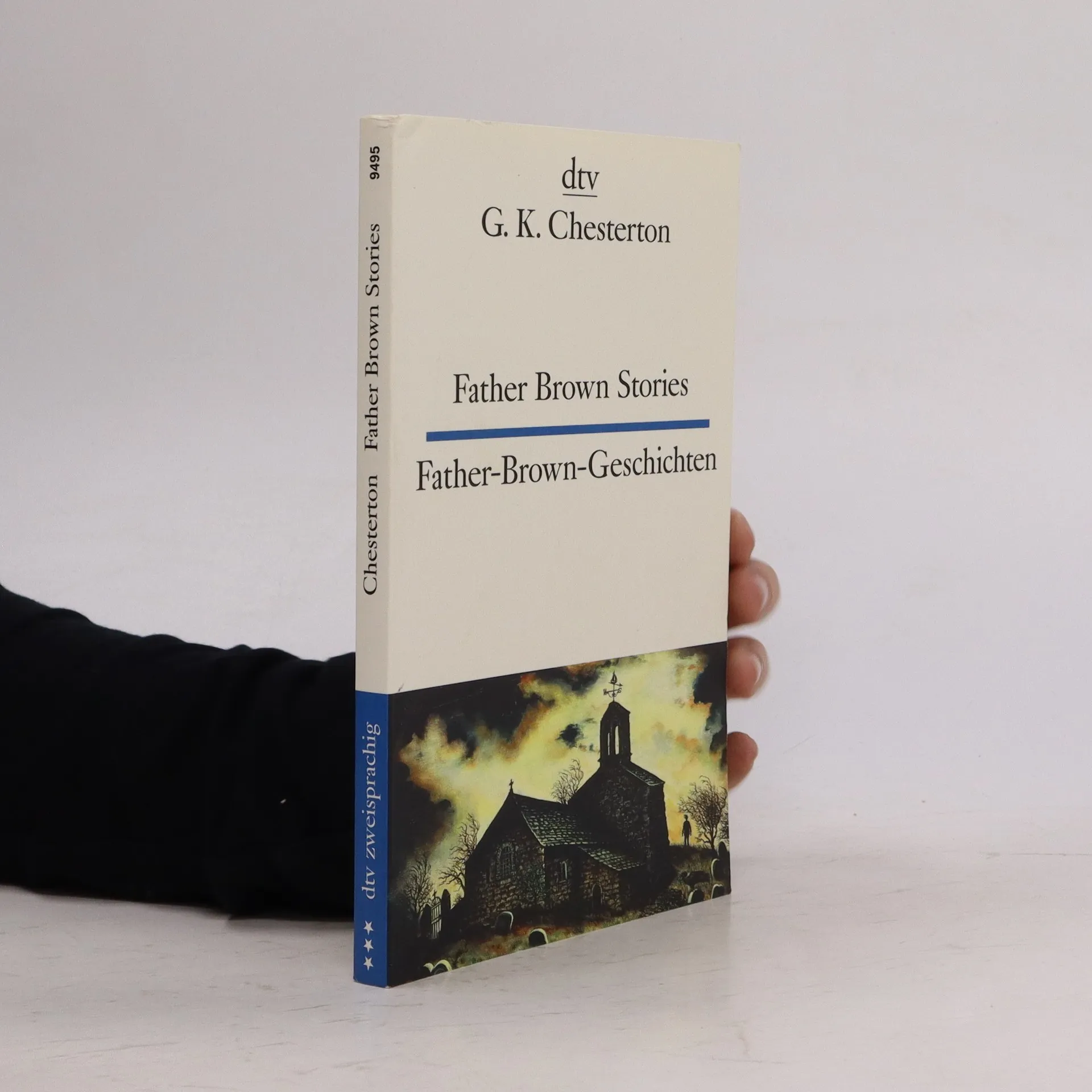
DTV Zweisprachig englisch & deutsch Texte für Könner 'Ich bin ein Mensch und habe daher alle Teufel im Herzen.' Unter den Meisterdetektiven der Krimi-Weltliteratur - man denke an Sherlock Holmes oder Hercule Poirot - ist Father Brown insofern ein Unikum, als er im Hauptberuf Pfarrer ist und demzufolge seinen kriminalistischen Spürsinn weniger auf die 'äußere Logik' des Tathergangs als auf die 'innere Logik' und die Motivation des Täters richtet. Während der kriminalistische Fachmann bei den Ermittlungen auf den Holzweg gerät, gelingt es dem Amateur, rundlich, unbeholfen, zerstreut wirkend, den Fall zu lösen und der Gerechtigkeit zum Sieg zu verhelfen - dank seines gesunden Menschenverstands, seiner scharfen Beobachtungsgabe und seiner im Beichtstuhl erworbenen Menschenkenntnis. The Hammer of God · Der Hammer Gottes The Mirror of the Magistrate · Der Spiegel des Richters The Blast of the Book · Der Fluch des Buches
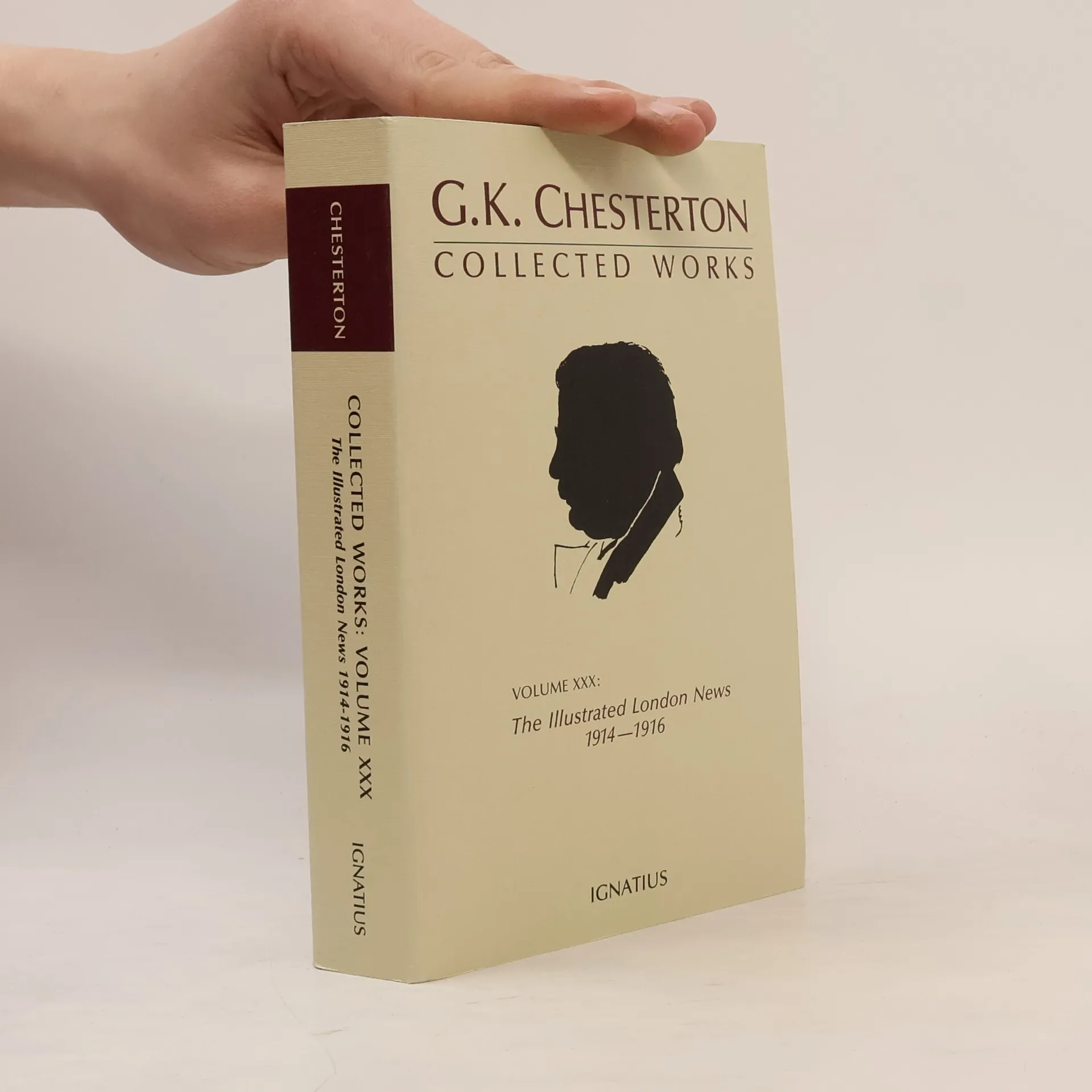
The Illustrated London News 1914-1916
More of the unpublished gems of Chesterton's column from the Illustrated London News . Many Chesterton buffs feel these include some of Chesterton's finest writings. Though written for his very popular newspaper column over 70 years ago, Chesterton's timeless wisdom is just as relevant today as it was then. Some of the topics of the 130 columns in this volume include "The Duties of a Citizen", "Being Too Serious About Animals", "Feminist Ideas About Women", "The Idols of Agnostics", "Pride The Supreme Evil", "The Dead Words of Pacifists", "False Mirror of Success", "Two Creeds in Collision", "My Country, Right or Wrong?", and "A Peace Worthy of War".
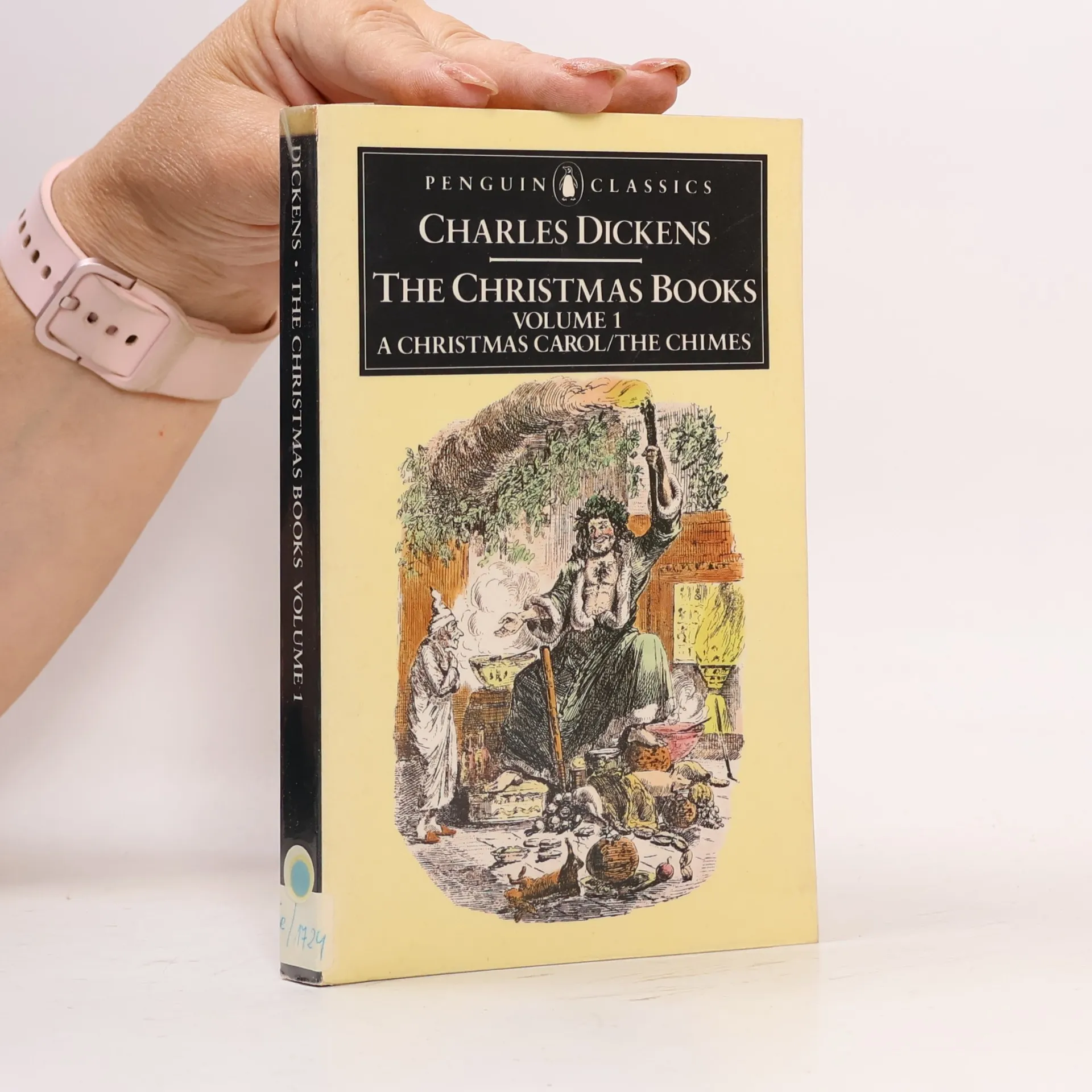
A Christmas carol: Seven years after the death of his business partner Jacob Marley, a miserable old man named Ebenezer Scrooge is working in his office. He hates happiness, love, family, generosity, Christmas, and probably also puppies. When his nephew Fred invites him over to Christmas dinner, Scrooge yells at him and refuses. Scrooge then tells off the people collecting charity donations, and grumbles and complains that the fact that his clerk Bob Cratchit gets a paid day off for Christmas is theft. The chimes: A goblin story of some bells that rang an old year out and a new year in is set during New Year's Eve in London. The story commences with a lengthy, haunting description of a churchyard at night. Dickens sets an evocative scene by stating in the opening paragraph: " ... there are not, I say, many people who would care to sleep in a church."
Diving into diverse characters and thought-provoking essays, this collection showcases G.K. Chesterton's wit and wisdom. The book covers a range of topics, including politics and philosophy, offering timeless insights and profound observations on the complexities of human nature and society. Readers are captivated by Chesterton's unique perspective and engaging prose, making it a compelling exploration of the human experience.
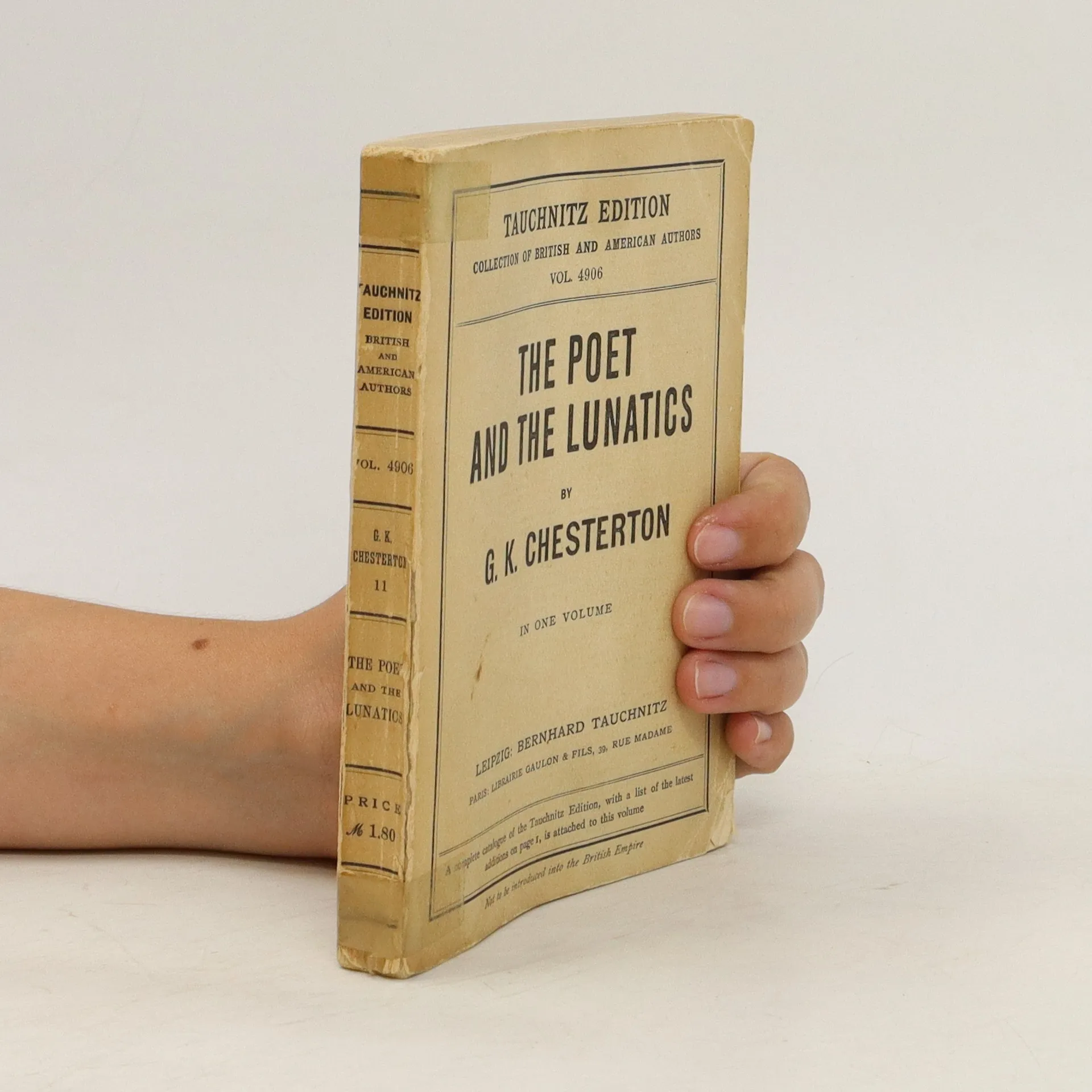
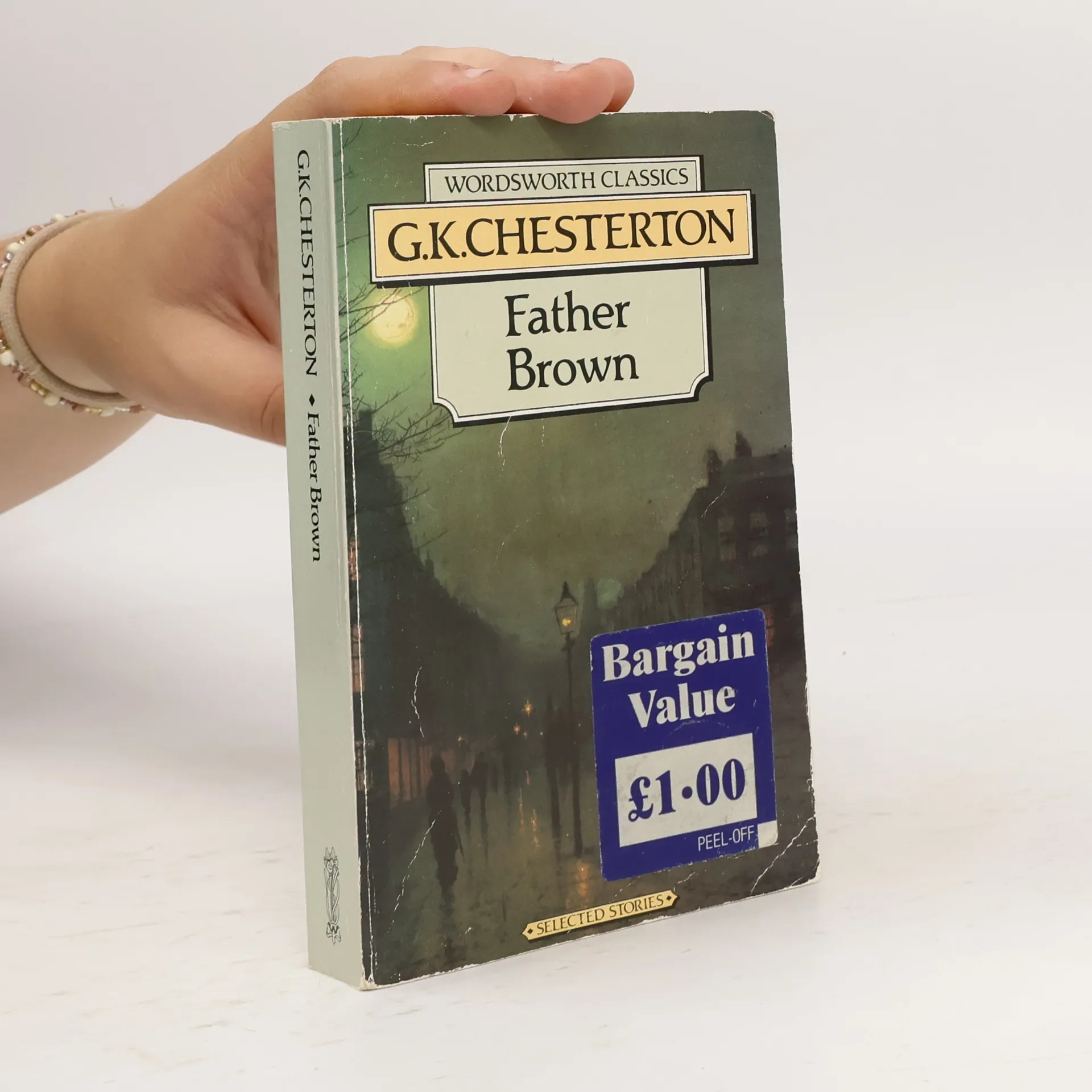
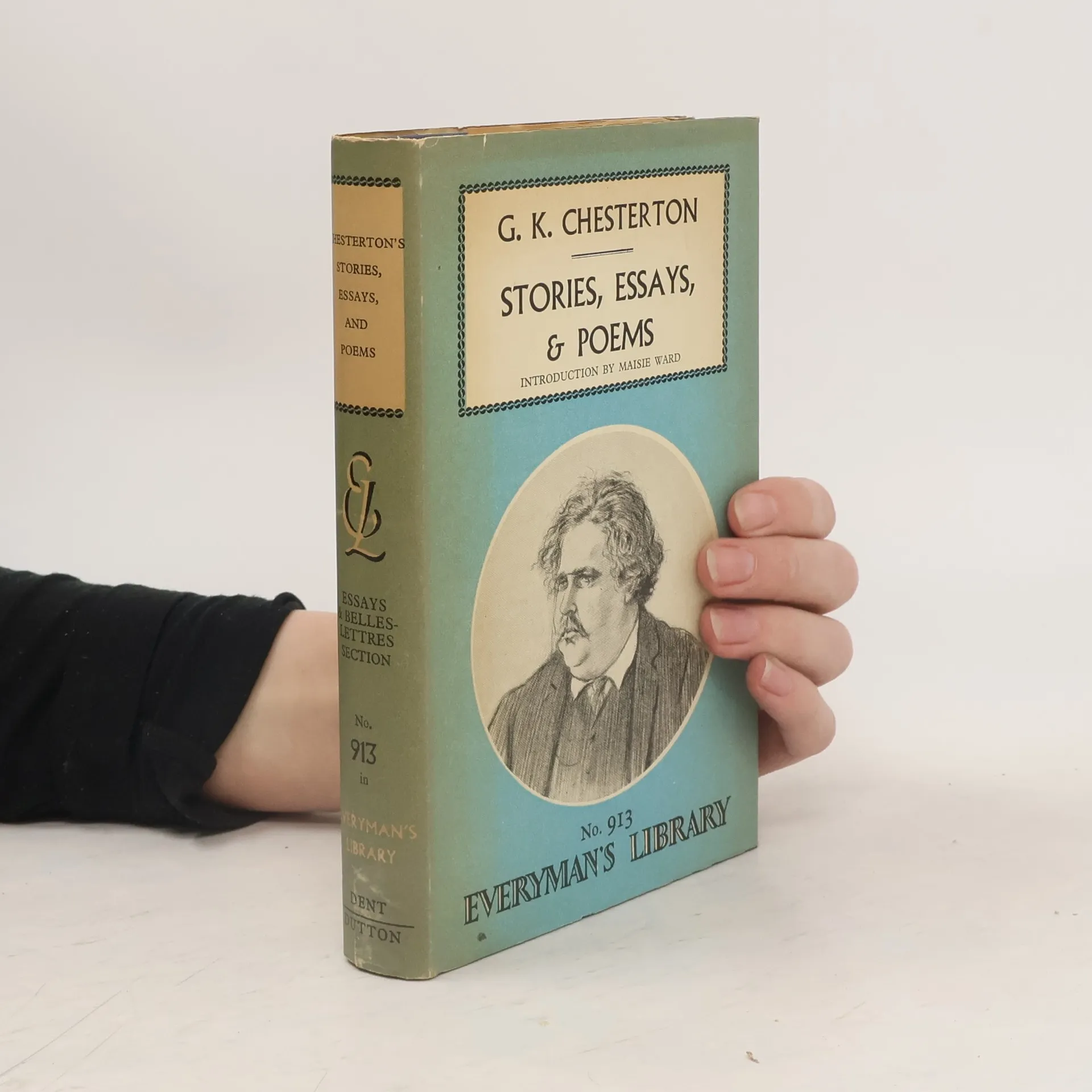
Included here are some of the well-loved Father Brown detective stories, surely among the best in the genre, and a range of poetry, serious and light- hearted - Chesterton wrote some of the best nonsense and satirical verse in the language.
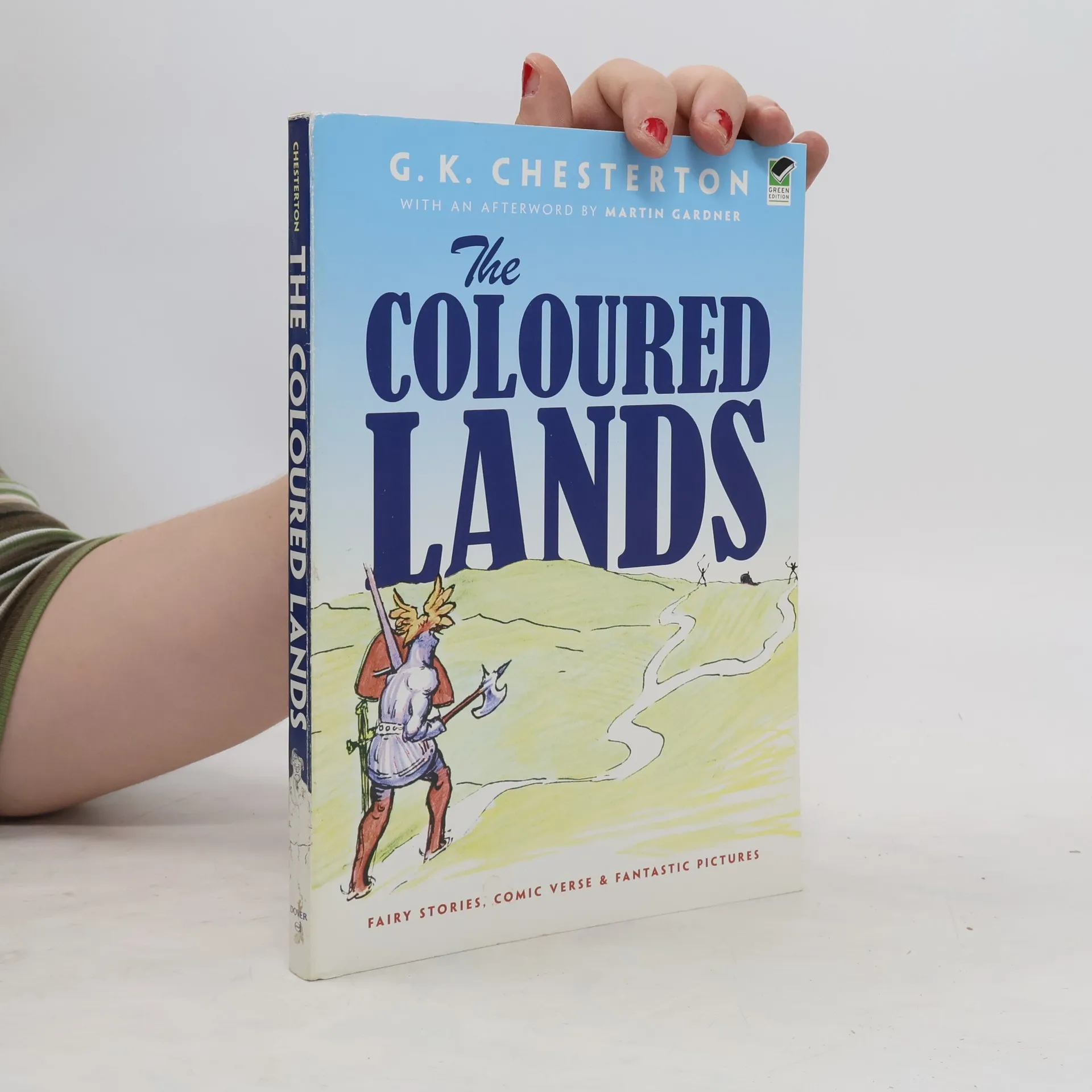
Featuring the author's early work and previously unpublished material, this volume abounds in fairy stories, comic verse, and satirical ballads -- and best of all, Chesterton's distinctive color and black-and-white illustrations.
Antologie 3x3 English Authors je určena všem, kteří ve studiu angličtiny dosáhli určitého stupně pokročilosti. Jedná se o anglicko-český zrcadlový text tří detektivních povídek známých autorů: G. K. Chestertona, A. C. Doyla a H. G. Wellse. Sestavil a přeložil Ivo Pospíšil.
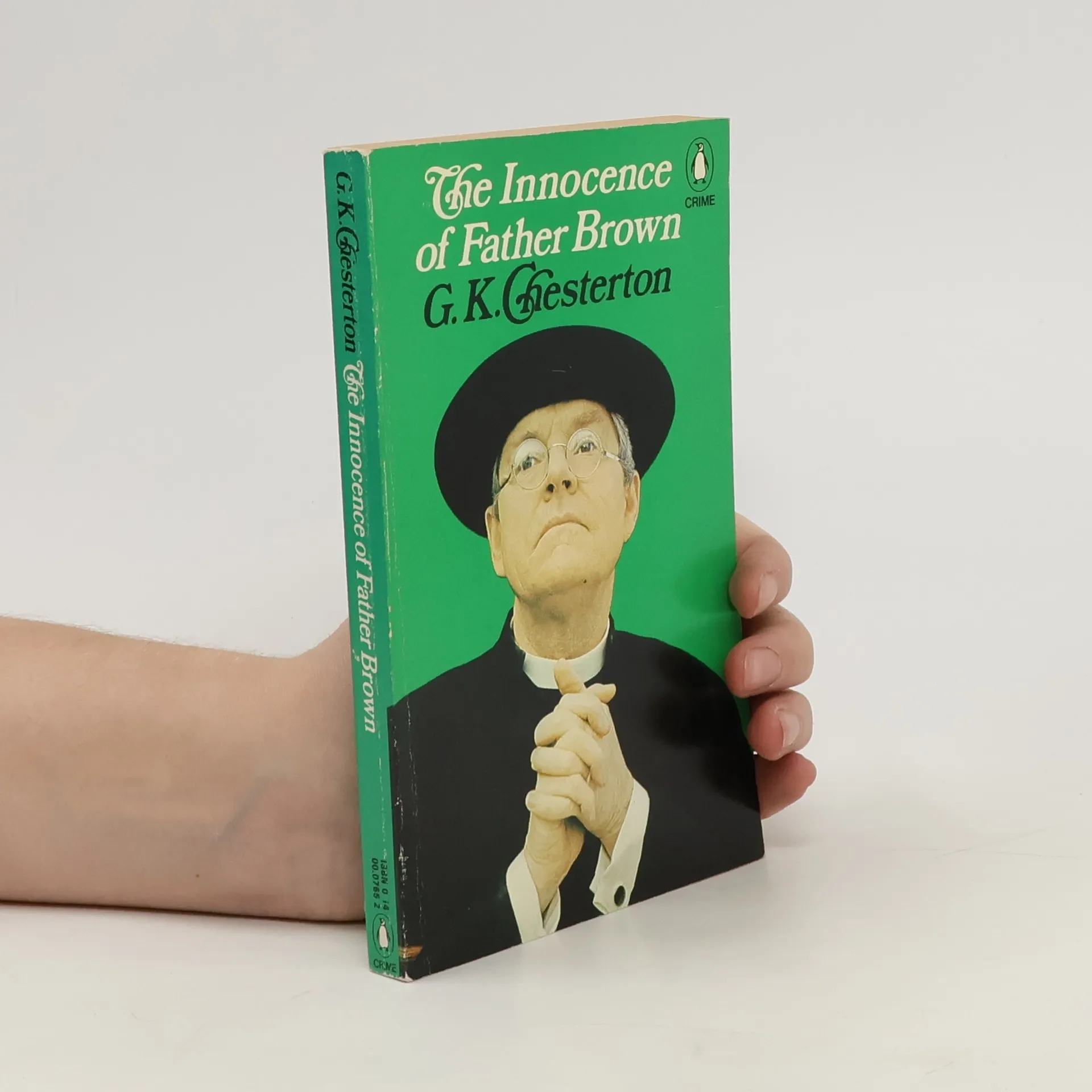
The Innocence of Father Brown is a classic mystery collection and an exciting compilation of twelve mystery classics which are, ?The blue cross?, ?The secret garden?, ?The queer feet?, ?The flying stars?, ?The invisible man?, ?The honour of Israel Gow?, ?The wrong shape?, ?The sins of Prince Saradine?, ?The hammer of God?, ?The eye of Apollo?,?The sign of the broken sword? and ?The three tools of death?
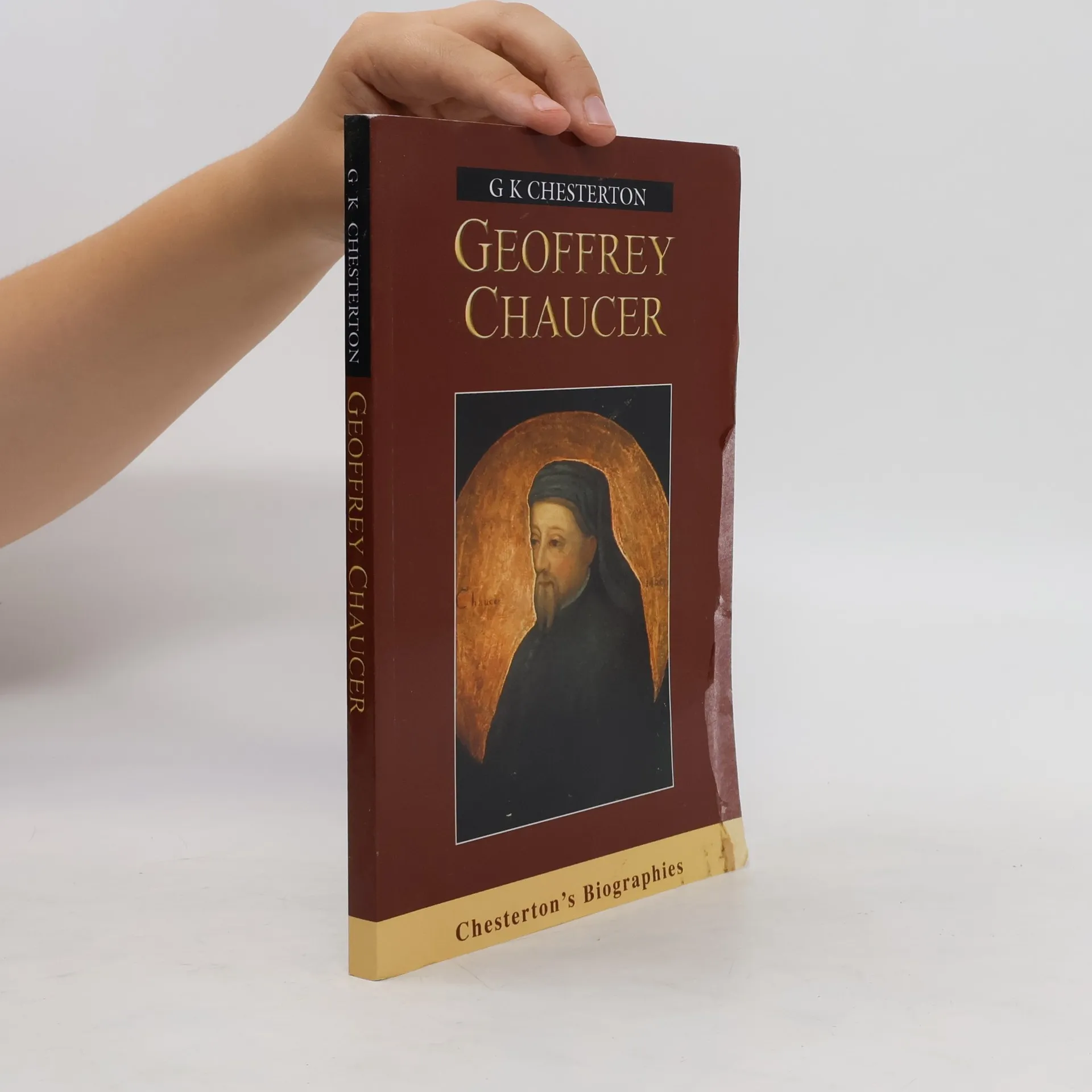
Chesterton expounds the 'genius of Geoffrey Chaucer' in this literary biography which explores both the writer and his time. He claims that Chaucer and his Age were 'more sane, more normal and more cheerful than writers that came after him' and the characters he portrayed have an immediate contemporary relevance. Beautifully and sensitively written, this biography about the 'Father of English Poetry' will inform and inspire.
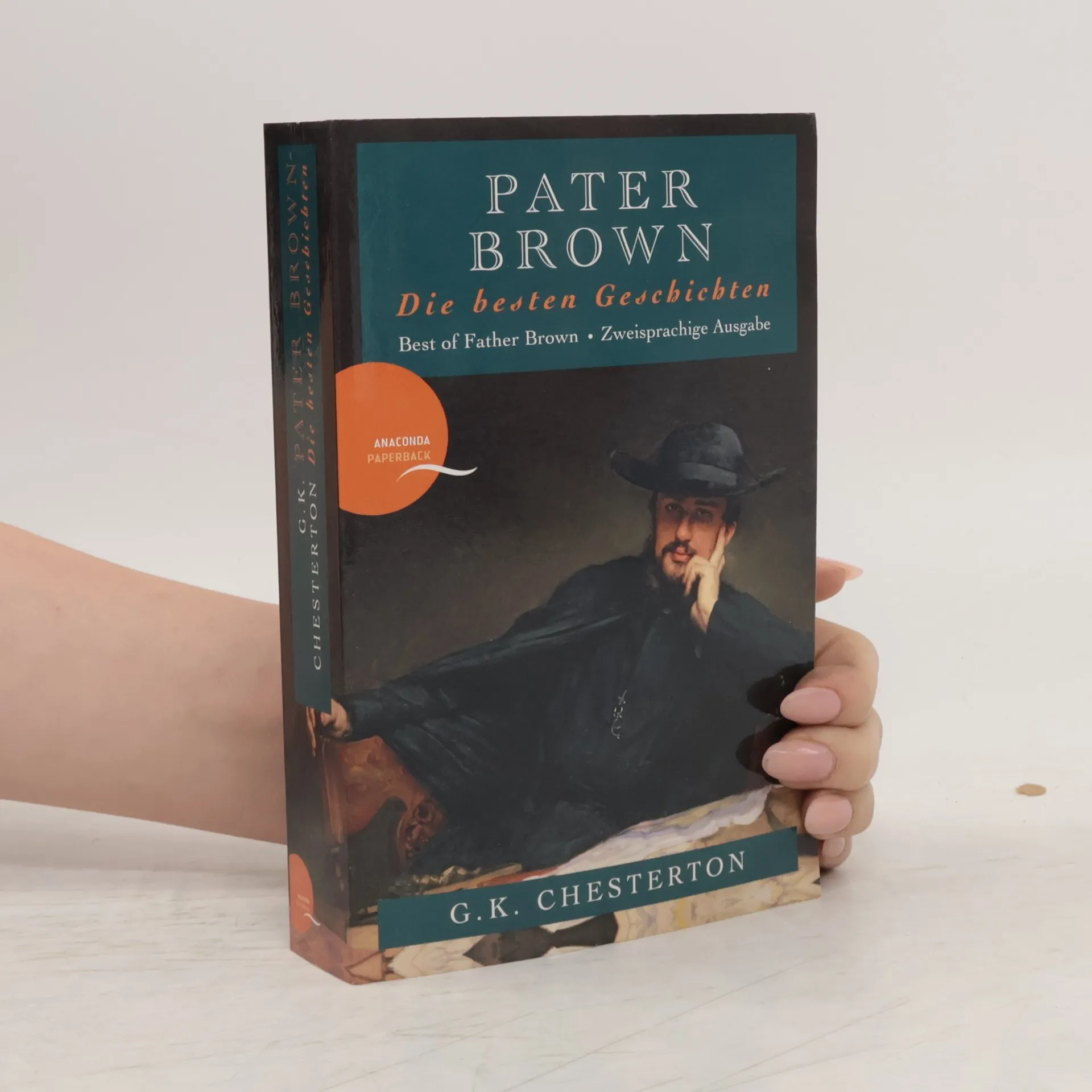
Alec Guinness verkörperte ihn in England, Heinz Rühmann machte ihn in Deutschland populär: den lebensklugen und gewitzten Pater Brown. Mit detektivischem Spürsinn und der zielsicheren Gabe, sich in kriminelle Geister hineinzudenken, löst er ein ums andere andere Mal die kniffligsten Fälle, auf Gott und seine stoische Ruhe vertrauend. Chestertons abenteuerliche Geschichten erschienen zwischen 1910 und 1935 und erfreuten sich schnell außerordentlicher Beliebtheit - die vorliegende Auswahl präsentiert die besten und beliebtesten von ihnen.
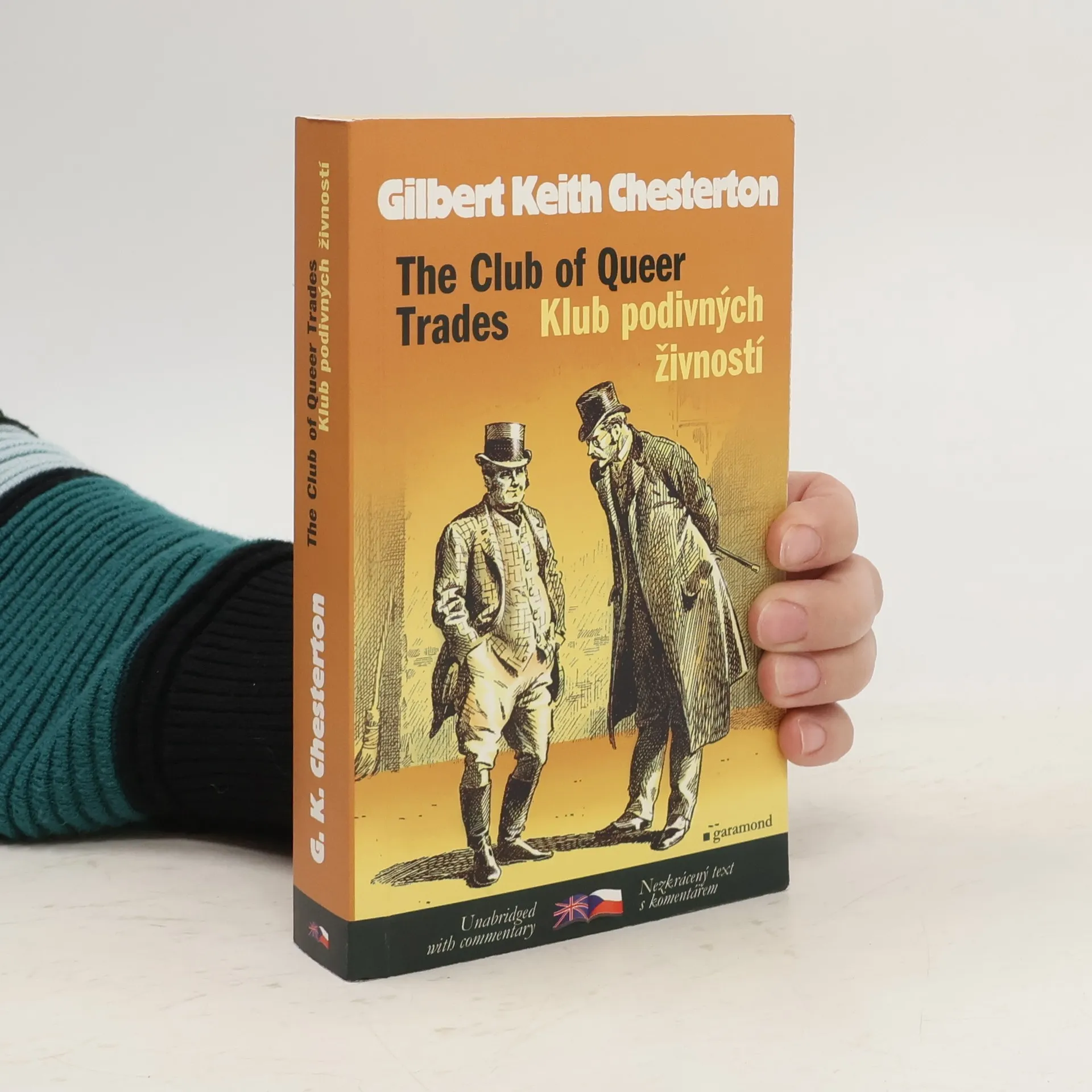
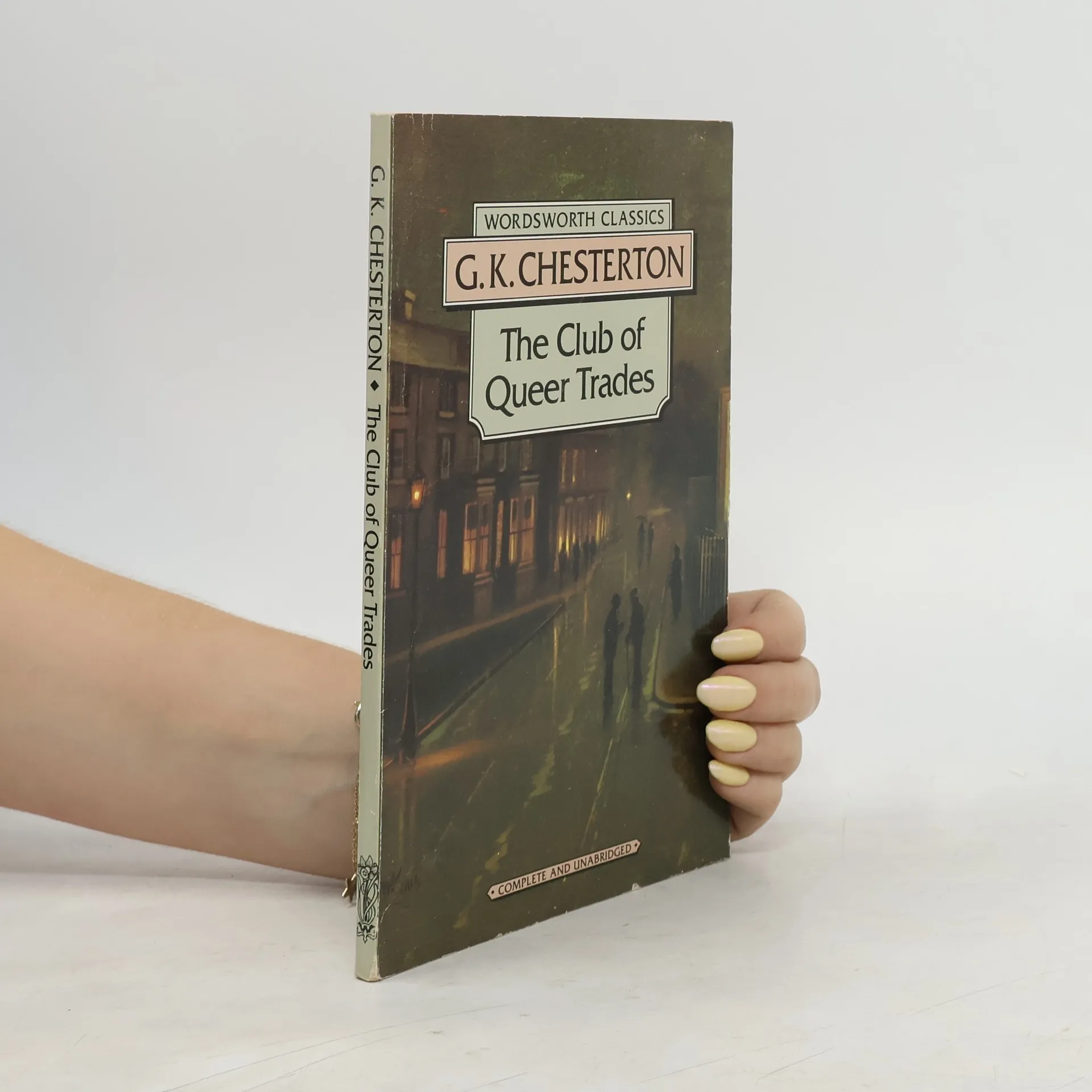
Chestertonovi se připisují v literatuře dva objevy: tím prvním je katolický kněz otec Brown, který se na rozdíl od Sherlocka Holmese řídí zásadně znalostí lidských postav a nikdy dedukcí. Druhým objevem, v literatuře i v životě mnohokrát napodobovaným, je klub gentlemanů, kteří musí k získání členství vykonávat co nejpodivnější zaměstnání. Dvojjazyčné vydání s gramatickým a jazykovým komentářem pod čarou.
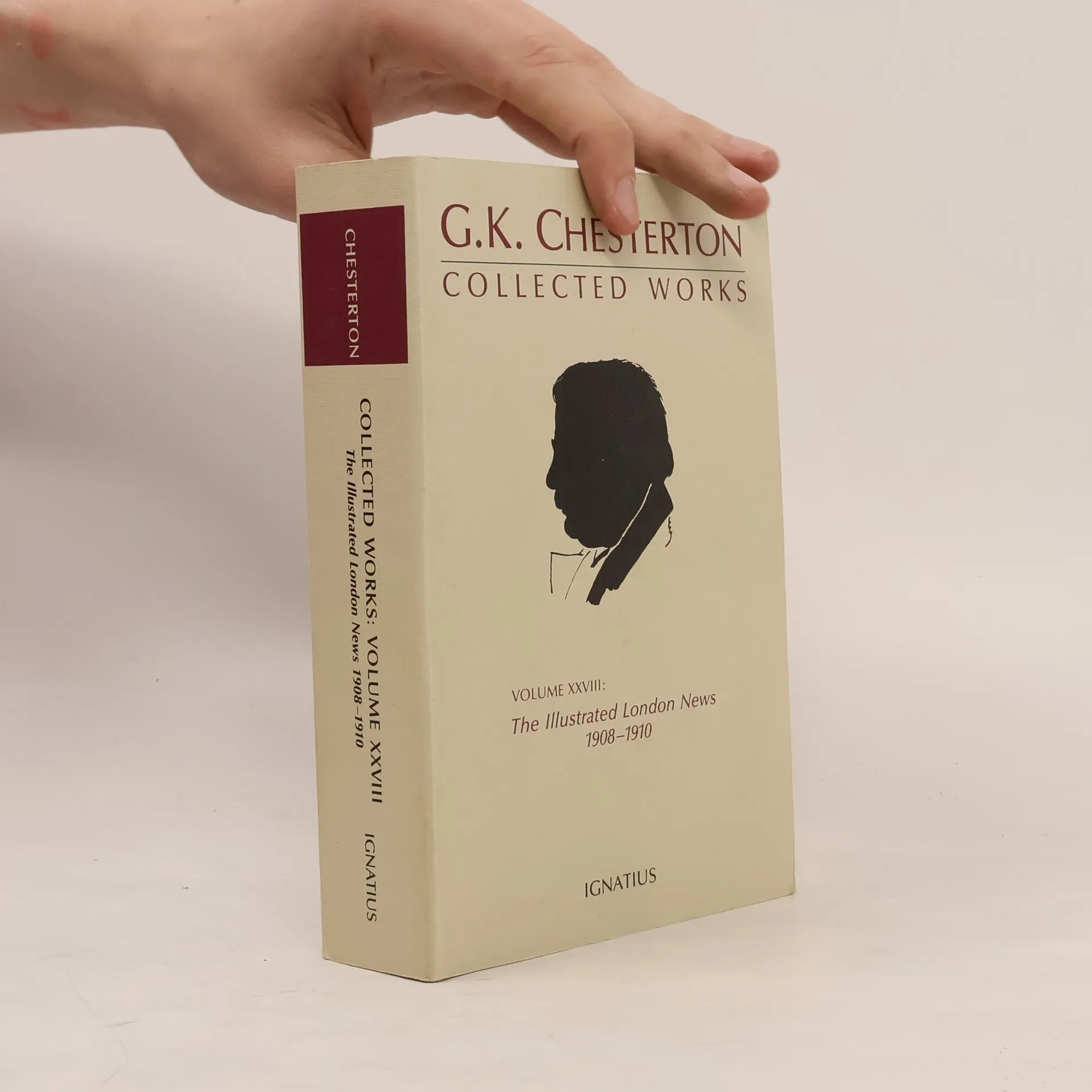
The Illustrated London News, 1908-1910
This volume contains all of G.K. Chesterton's columns in The Illustrated London News from 1932 to 1934. Most of the weekly articles have never been printed in book form until Ignatius Press undertook to do the collected works. Chesterton lovers will be delighted to find this treasure filled with jewels quite the match of his best writing. The breadth and depth of his knowledge - from history to politics to English fads and conventions - never fail to impress, and his wit is as refreshing as when these pieces were first written.
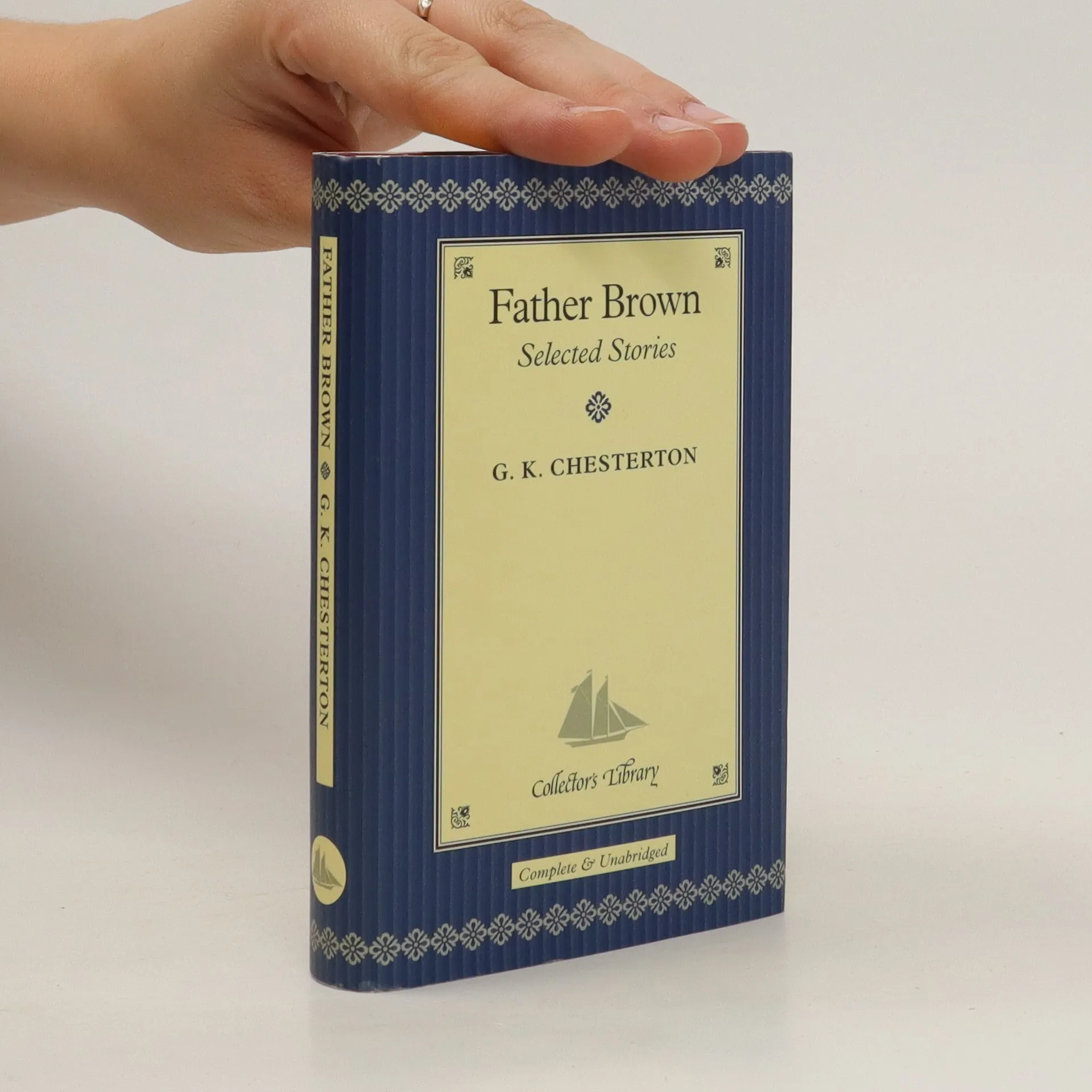
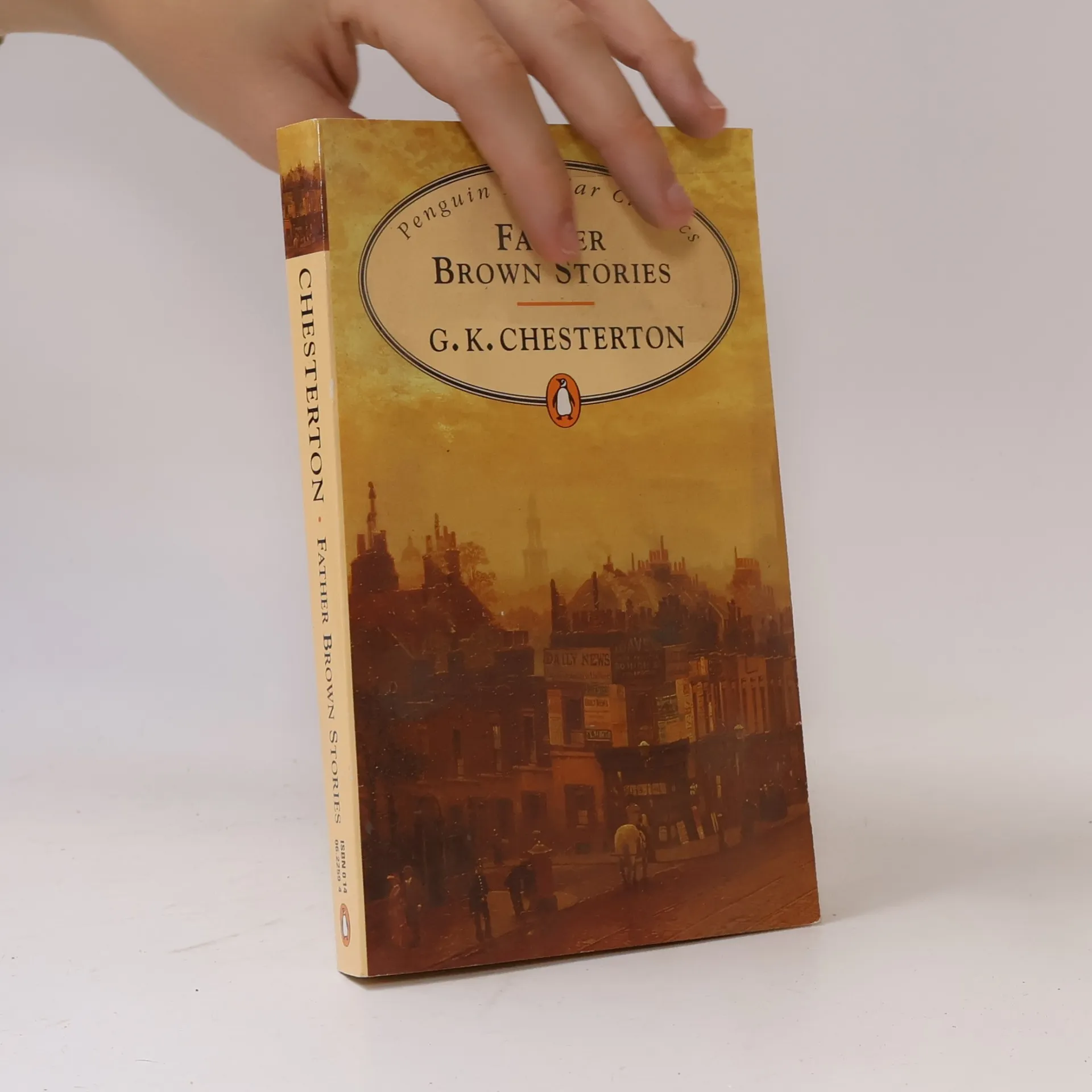
Father Brown first made his appearance in "The Innocence of Father Brown" in 1911. This collection contains all of the Father Brown stories, showing thr quiet wit and compassion that has endeared him to many, whilst solving his mysteries by a mixture of imagination and a sympathetic worldliness in a totally believable manner.
Relates the various activites and adventures of the members of the Pickwick Club.
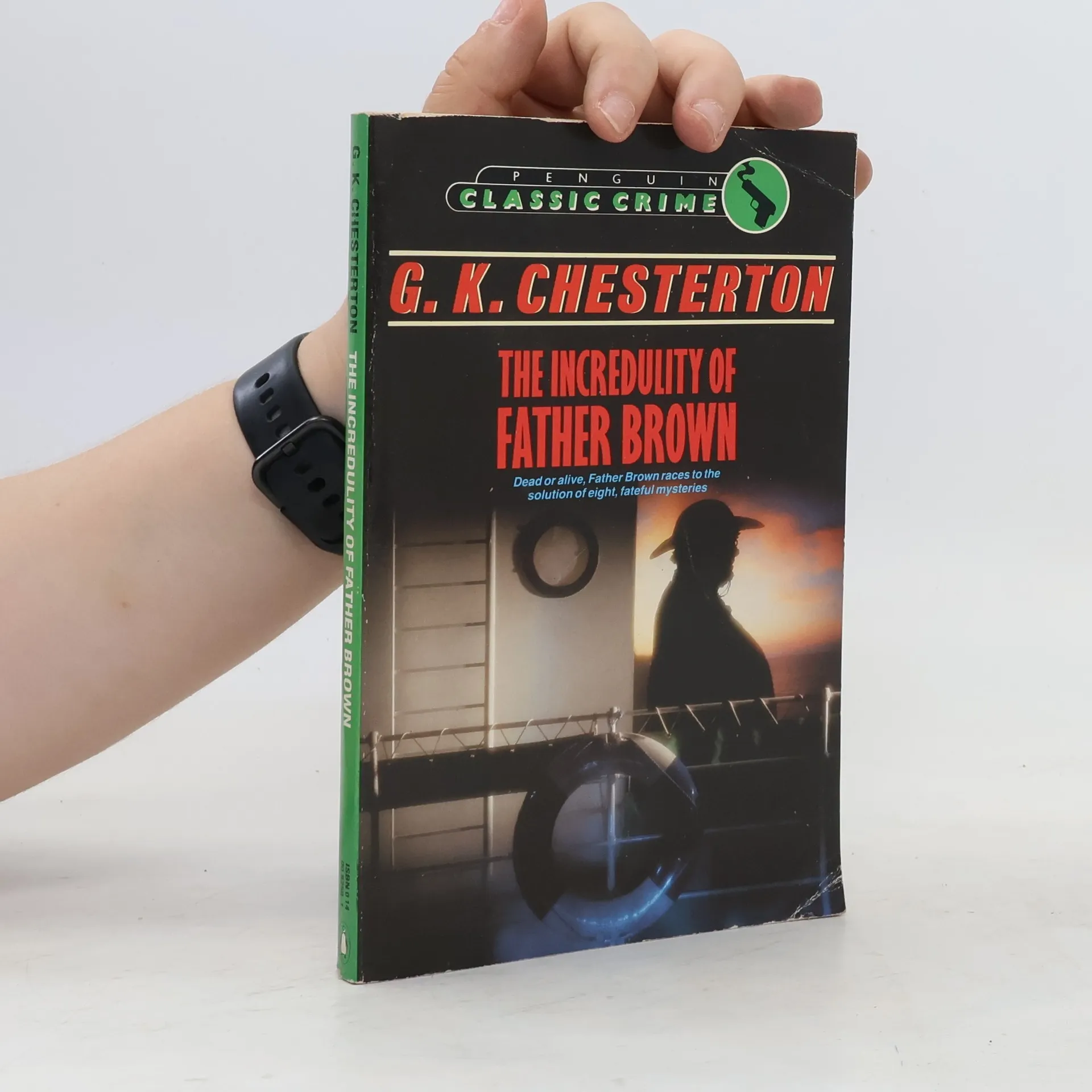
Some of the strange mysteries investigated by Father Brown, a clever little priest who turns out to be the greatest detective of them all.
A chronological collection of works by the 20th-century poet known for his humor & diversity. Includes entertainments, lyrics, hymns, political satires, & more, accompanied by commentary & Chesterton's own b&w illus.
Rare or hard-to-find detective stories, including T̀he man who shot the fox', which has never appeared before in book form.
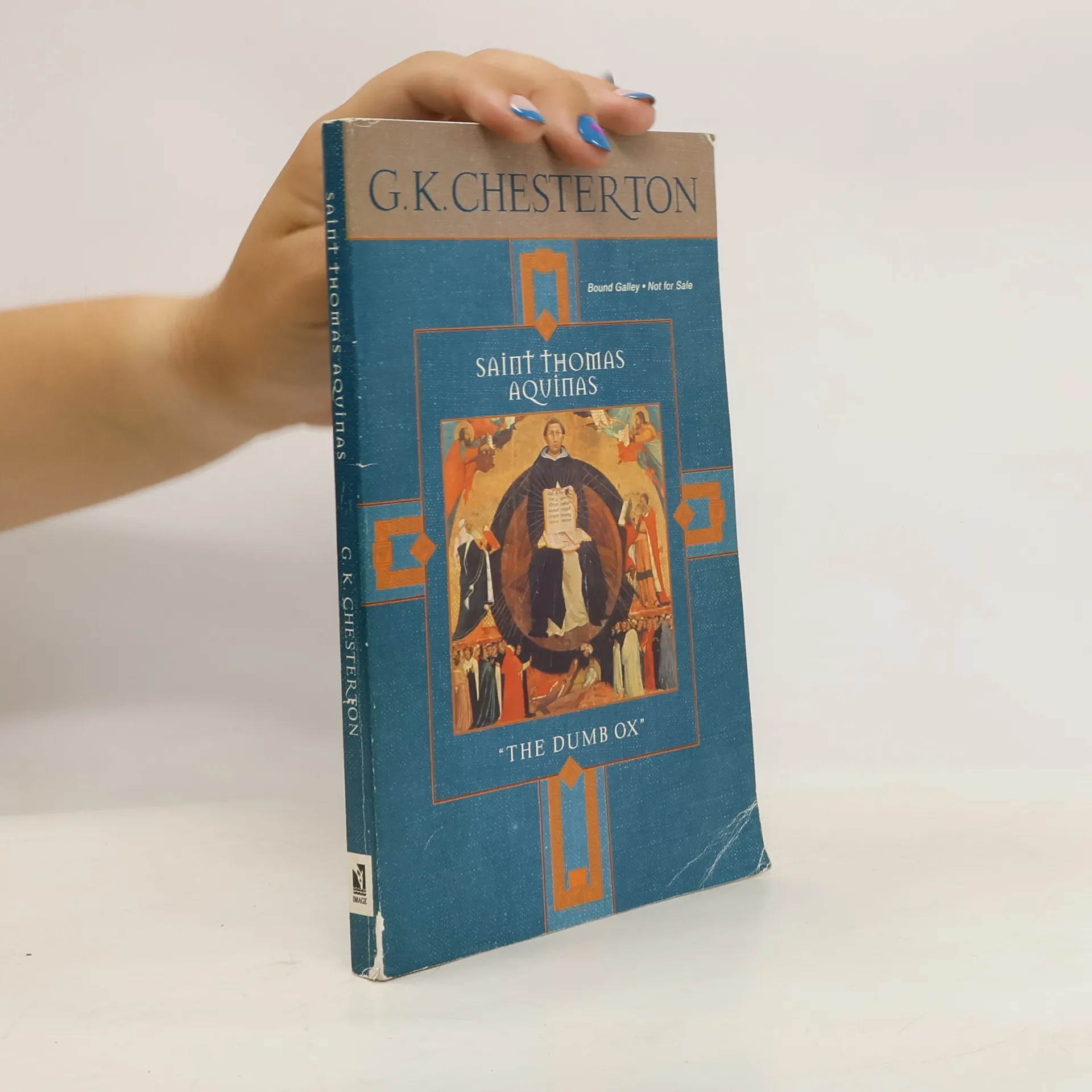
G.K. Chesterton's brilliant sketch of the life and thought of Thomas Aquinas is as relevant today as when it was published in 1933. Then it earned the praise of such distinguished writers as Etienne Gilson, Jacques Martain, and Anton Pegis as the best book ever written on the great thirteenth-century Dominican. Today Chesterton's classic stands poised to reveal Thomas to a new generation.Chesterton's Aquinas is a man of mystery. Born into a noble Neapolitan family, Thomas chose the life of a mendicant friar. Lumbering and shy -- his classmates dubbed him "the Dumb Ox" -- he led a revolution in Christian thought. Possessed of the rarest brilliance, he found the highest truth in the humblest object. Having spent his life amid the vast intricacies of reason, he asked on his deathbed to have read aloud the Song of Songs, the most passionate book in the Bible.As Albert the Great, Thomas's teacher, predicted, the Dumb Ox has bellowed down the ages to our own day. Chesterton's book will enlighten those who would consign Thomas to the obscurity of medieval times. It will confound those who would use Thomas to bolster arid schemes of Christian rationalism. Rather, it will introduce the wondrous mystery of the man who, after a life of unparalleled genius, was seized by a vision of the Unknown and said, "I can write no more. I have seen things which make all my writings like straw."
This is an Upper Level story in a series of ELT readers comprising a wide range of titles - some original and some simplified - from modern and classic novels, and designed to appeal to all age-groups, tastes and cultures. The books are divided into five levels: Starter Level, with about 300 basic words; Beginner Level (600 basic words); Elementary Level (1100); Intermediate Level (1600); and Upper Level (2200). Some of the titles are also available on cassette.
Father Brown, the unassuming detective, stands among the most famous sleuths like Sherlock Holmes and Hercule Poirot, yet he fundamentally differs from them. He is a specialist in the criminal's soul, understanding their passions, weaknesses, and tricks. For him, the logic of murder is primarily a tragic logic of motivation. He knows that especially in affluent societies, vices thrive, as this "class recognizes no authority, not even the law." The perfect crime does not exist; there is always a missing key detail in the picture. Deception and lies have their limitations; one just needs to know how to look. Chesterton viewed detective fiction as one of the highest artistic genres, as at the heart of crime lies the existential question of life's meaning. Perhaps this is why the stories of Father Brown are so captivating.
Renowned for his paradoxical style, Chesterton skillfully employed proverbs and allegories to convey profound insights. He is best known for creating Father Brown, a fictional priest-detective, and for his influential works on apologetics, including Orthodoxy and The Everlasting Man. His journey of faith led him from high church Anglicanism to Roman Catholicism, reflecting his deep commitment to orthodox Christianity. Despite differing opinions, his writings resonate widely, showcasing his unique blend of wit, philosophy, and theological exploration.
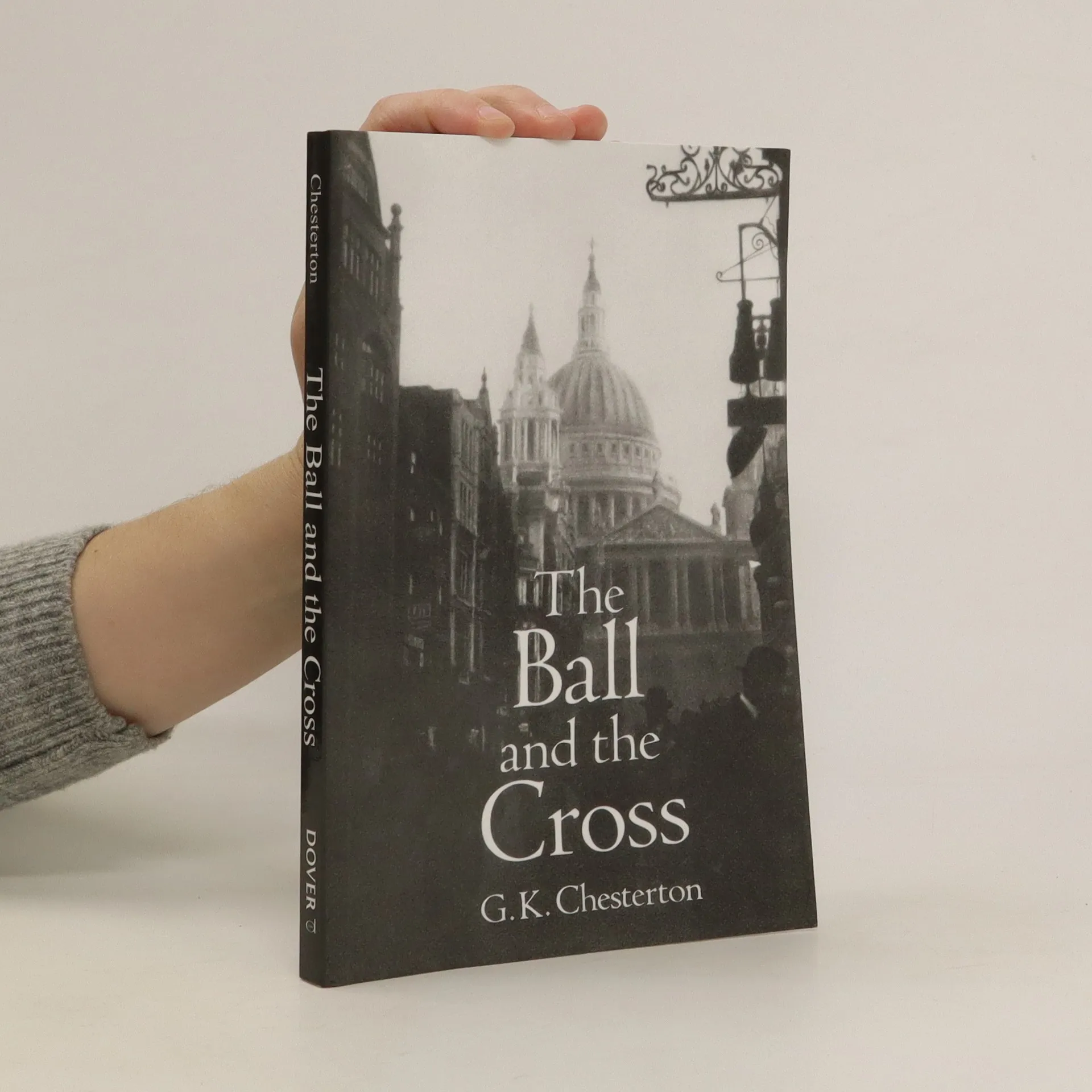
Like much of G. K. Chesterton's fiction, "The Ball and the Cross" is both witty and profound, cloaking serious religious and philosophical inquiry in sparkling humor and whimsy. Serialized in the British publication "The Commonwealth" in 1905-06, Chesterton's second novel first appeared in book form in America in 1909, delighting and challenging readers with its heady mixture of fantasy, farce, and theology. The plot of "The Ball and the Cross "chronicles a hot dispute between two Scotsmen, one a devout but naive Roman Catholic, the other a zealous but naive atheist. Their fanatically held opinions--leading to a duel that is proposed but never fought--inspire a host of comic adventures whose allegorical levels vigorously explore the debate between theism and atheism. Martin Gardner's superb introduction to "The Ball and the Cross" reveals the real-life debate between Chesterton and a famous atheist that provided inspiration for the story, and it explores some of the novel's possible allegorical meanings. Appraising the book's many intriguing philosophical qualities, Mr. Gardner alerts readers as well to the pleasures of its "colorful style . . . amusing puns and clever paradoxes . . . and the humor and melodrama of its crazy plot." Unabridged Dover (1995) republication of the work originally published in 1909-1910. New Introduction by Martin Gardner.
Een meeslepende weergave van de duistere criminele onderwereld van Londen, het verhaal volgt Oliver Twist, een wees die vanaf zijn geboorte geconfronteerd wordt met kwaad en tegenspoed. Na te zijn ontsnapt uit het werkhuis en de pompeuze Mr. Bumble, wordt Oliver in een bende van dieven getrokken, vol levendige personages zoals de sluwe Artful Dodger, de brute inbreker Bill Sikes, zijn hond Bull's Eye en de prostituee Nancy, allemaal onder het waakzame oog van meester-dief Fagin. Dickens mengt elementen van Gothic Romance, Newgate Novel en populair melodrama, en creëert een nieuwe soort fictie die een wrede samenleving bekritiseert, doordrenkt met een gevoel van bedreiging en mysterie. Dit verhaal biedt een kritische blik op de sociale ongelijkheid van de tijd en de strijd van de onschuldige tegen de onderdrukking van de maatschappij.
Though he was on the whole a fun loving and gregarious man, during adolescence Chesterton was troubled by thoughts of suicide. In Christianity he found answers to many of the dilemmas and paradoxes of life. Throughout Heretics he provides a very personal critique of contemporary religious notions. His consistently engaging but often wayward humour is mixed liberally with daring flights of fancy and some startling turns of thought. A highly original contribution to one of the major debates of the last century - one that continues to exercise leading thinkers in the present one.
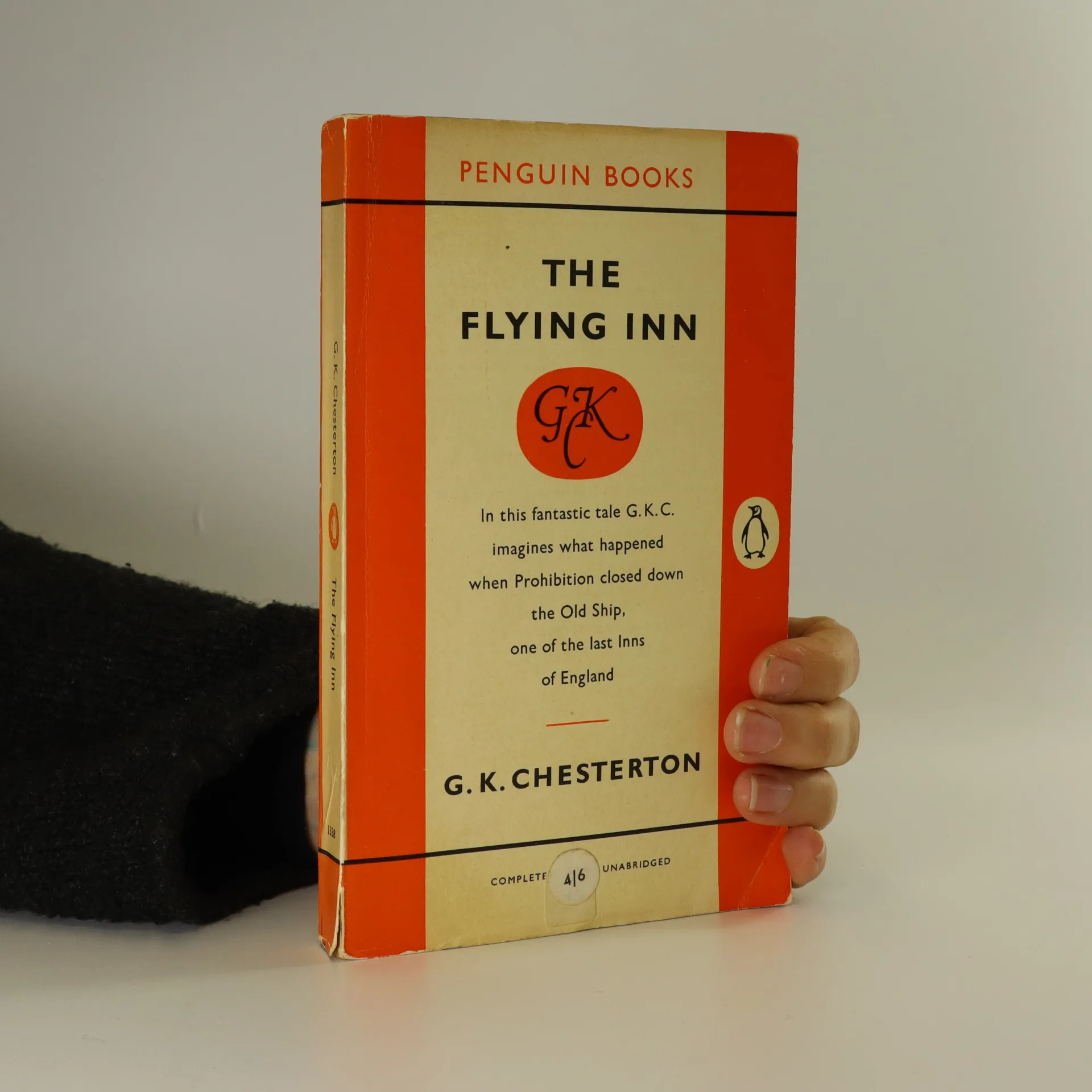
When the government cracks down on alcohol sales, two men decide to leave their small fishing village to avoid the law and find new opportunities. The Flying Inn is an irreverent satire that delivers a unique commentary on power and politics. Humphrey Pump, also known as "Hump," is a bar owner whose business is undercut by strict alcohol regulations. Adult beverages can only be sold when a pub sign in present. But instead of adhering to the rules, he hits the road with a sign and barrel of rum in tow. Pump is joined by Patrick Dalroy, an entertaining companion, who is just as committed to his wandering way of life. Despite their attempts to escape police, the rogue partners are eventually roped into a much larger plot. The Flying Inn is a daring piece of speculative fiction that uses satire to balance its more serious elements. Published in 1914, the story is greatly influence by the social and political concepts of its day. This gives readers insight into the many fears surrounding early twentieth century government. With an eye-catching new cover, and professionally typeset manuscript, this edition of The Flying Inn is both modern and readable.
This Is A New Release Of The Original 1907 Edition.
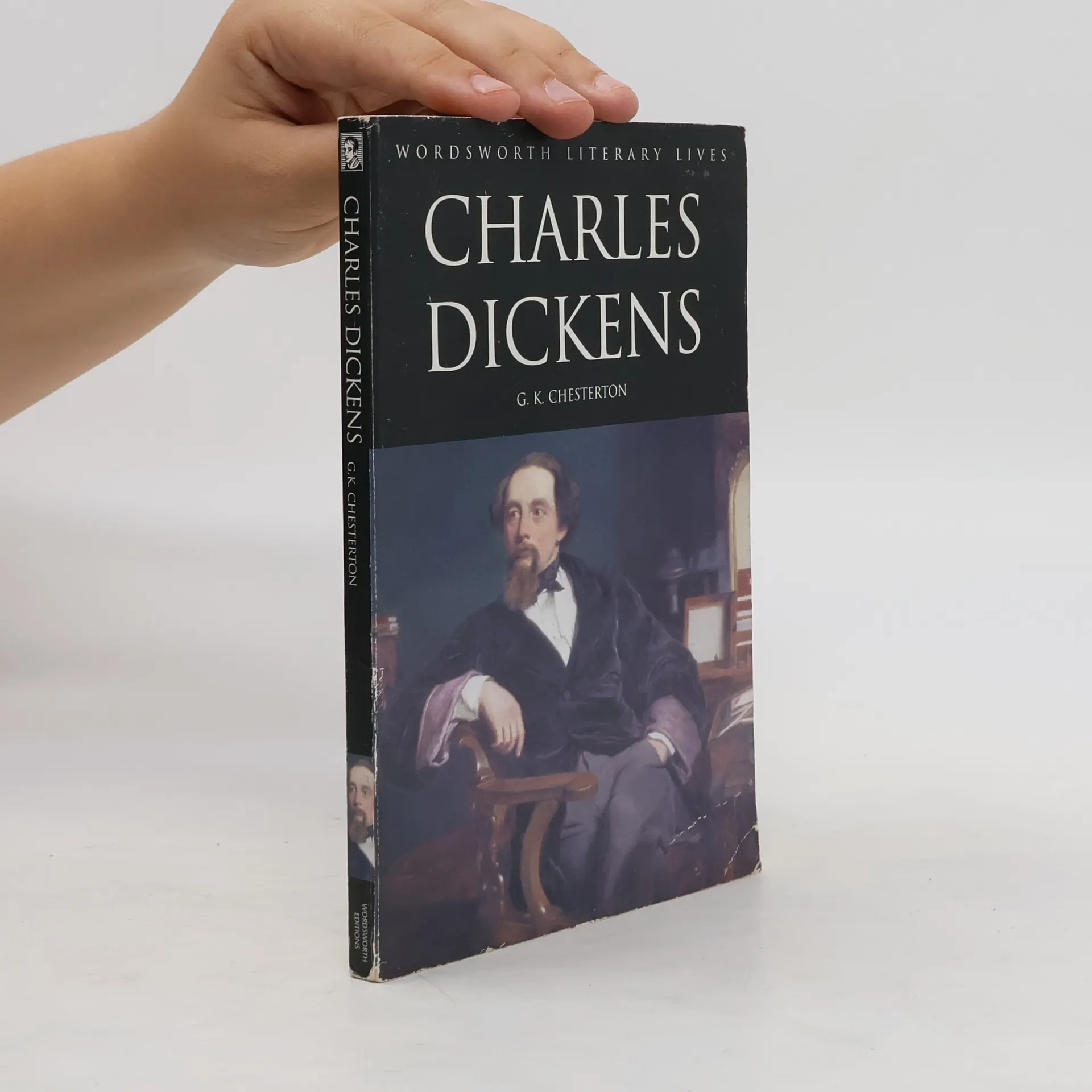
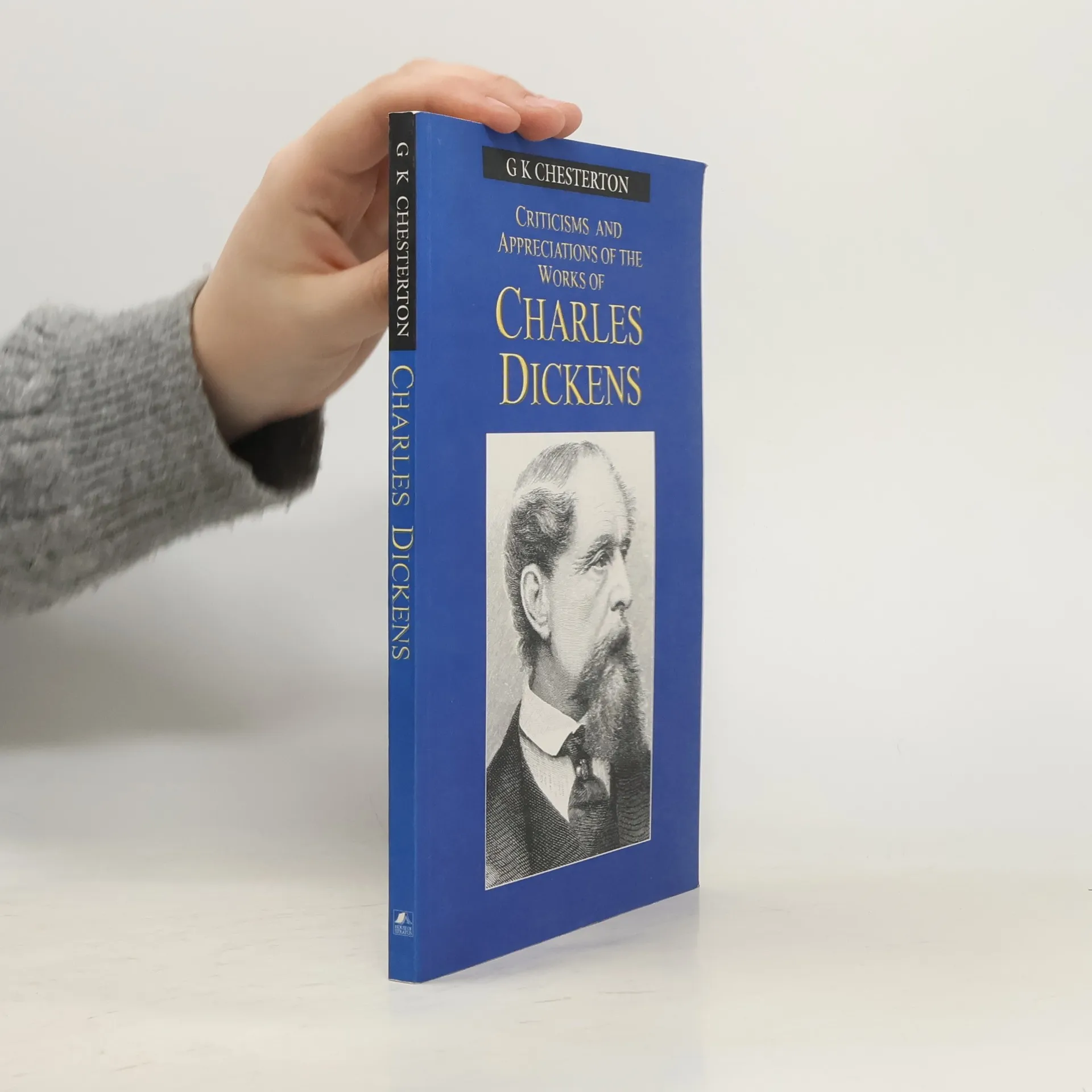
Written with intelligence and authority, these twenty-three essays provide an insight into the works of the literary genius of Charles Dickens. Chesterton greatly admired Dickens as a social prophet and a defender of the common man. Here, he focuses both on the style and ideology of Dickens and provides the critical insight into his work with his characteristic perceptive generosity. Chesterton is still regarded by many as one of the most accomplished and perceptive critics of Dickens. As much about his strongly held beliefs as about Dickens this volume is sure to inform and give pleasure to advocates of both writers.
Written by a master of the tongue in cheek, G.K. Chesterton's ingenious and, above all, paradoxical stories introduce Basil Grant, a sleuth so finely portrayed as to rival Sherlock Holmes. Eschewing facts for physiognomy, deduction for intuition, method for madness, he moves unerringly to his goal.
Focusing on political and economic themes, this collection showcases Sir G.K. Chesterton's incisive critique of the wealthy elite and their detrimental influence on society. Through a series of articles, he explores how a profit-driven mindset undermines essential human qualities, highlighting the impact on daily life. Chesterton's unique blend of humor and logical reasoning effectively conveys his political-economic philosophy, making this compilation a compelling reflection of his views during his time.
It will be very reasonably asked why I should consent, though upon a sort of challenge, to write even a popular essay in English history, who make no pretence to particular scholarship and am merely a member of the public. The answer is that I know just enough to know one thing: that a history from the standpoint of a member of the public has not been written. What we call the popular histories should rather be called the anti-popular histories. They are all, nearly without exception, written against the people; and in them the populace is either ignored or elaborately proved to have been wrong. It is true that Green called his book "A Short History of the English People"; but he seems to have thought it too short for the people to be properly mentioned. For instance, he calls one very large part of his story "Puritan England." But England never was Puritan. It would have been almost as unfair to call the rise of Henry of Navarre "Puritan France." And some of our extreme Whig historians would have been pretty nearly capable of calling the campaign of Wexford and Drogheda "Puritan Ireland."
The narrative explores the profound reflection sparked by discovering a weathered gargoyle near an abandoned abbey. This encounter prompts a contemplation of the grotesque in art and its symbolic significance, leading to an introspective journey through the evolution of artistic expression. The imagery of the dragon-like visage evokes themes of history, decay, and the intersection of nature and human creativity, inviting readers to ponder the deeper meanings behind artistic forms.
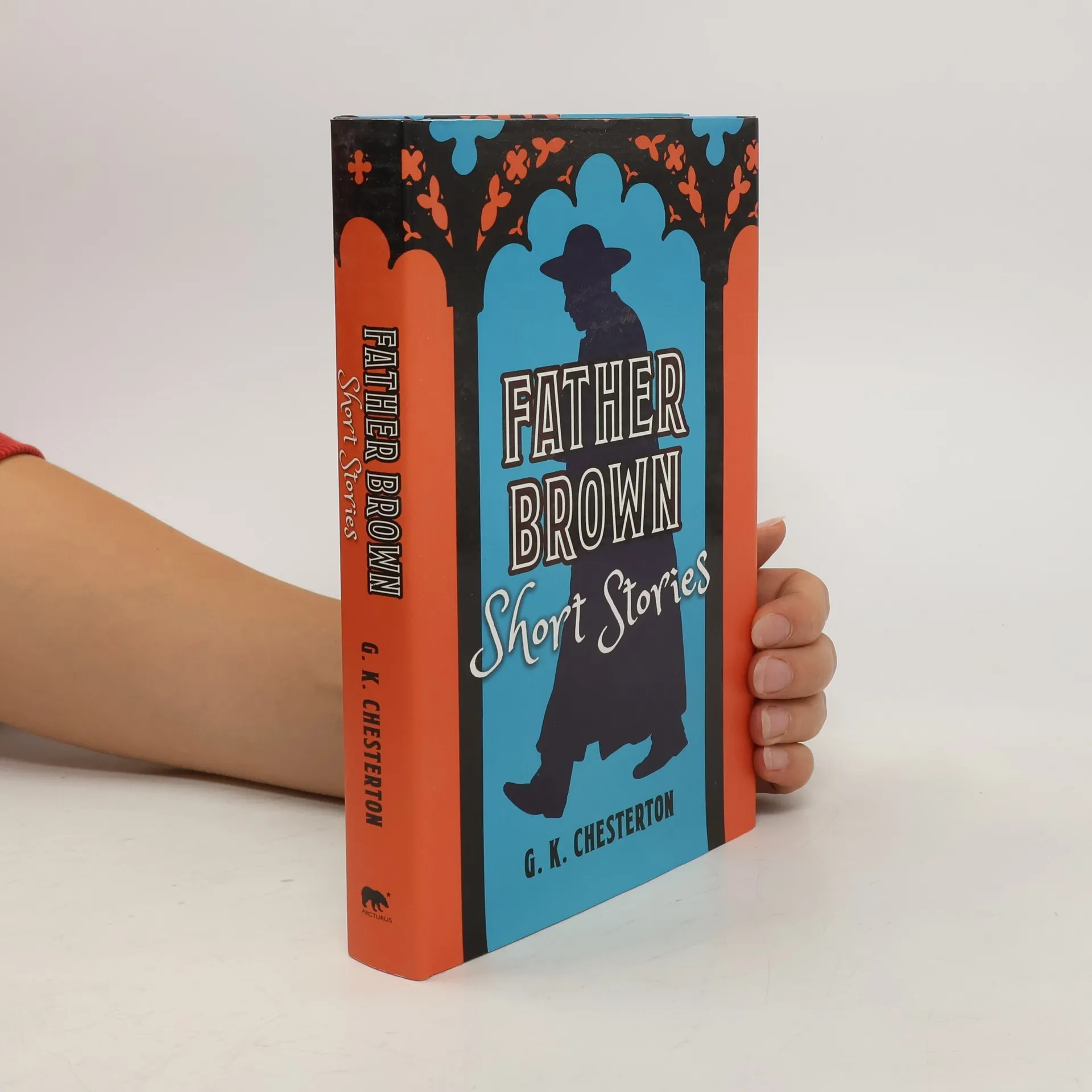
Father Brown is one of the best-loved sleuths from Golden Age of detective fiction. This handsome hardback volume collects four of his classic cases, presented with a modern cover design.Hiding behind his genial appearance, this priest-come-detective has a razor-sharp mind. Through his experience as a confessor, Father Brown has gained has an intrinsic knowledge of humanity's capacity for evil which makes him an expert at solving crimes. This gifted sleuth uses intuition over scientific method, putting himself in the shoes and minds of the criminals he seeks.Stories • The Resurrection of Father Brown• The Oracle of the Dog• The Mirror of the Magistrate• The Actor and the AlibiNow streaming as a popular series on Netflix, Father Brown's crime-solving adventures remain as compelling now as they ever were. This complete and unabridged edition is the perfect companion title to Father Brown Short Stories.ABOUT THE The Arcturus Classic Mysteries and Marvels series brings together thrilling short stories from classic fiction, including spine-chilling ghost stories, gripping detective fiction and cosmic horror. These hardback anthologies with foil-embossed cover designs make wonderful gifts for any classic lover.
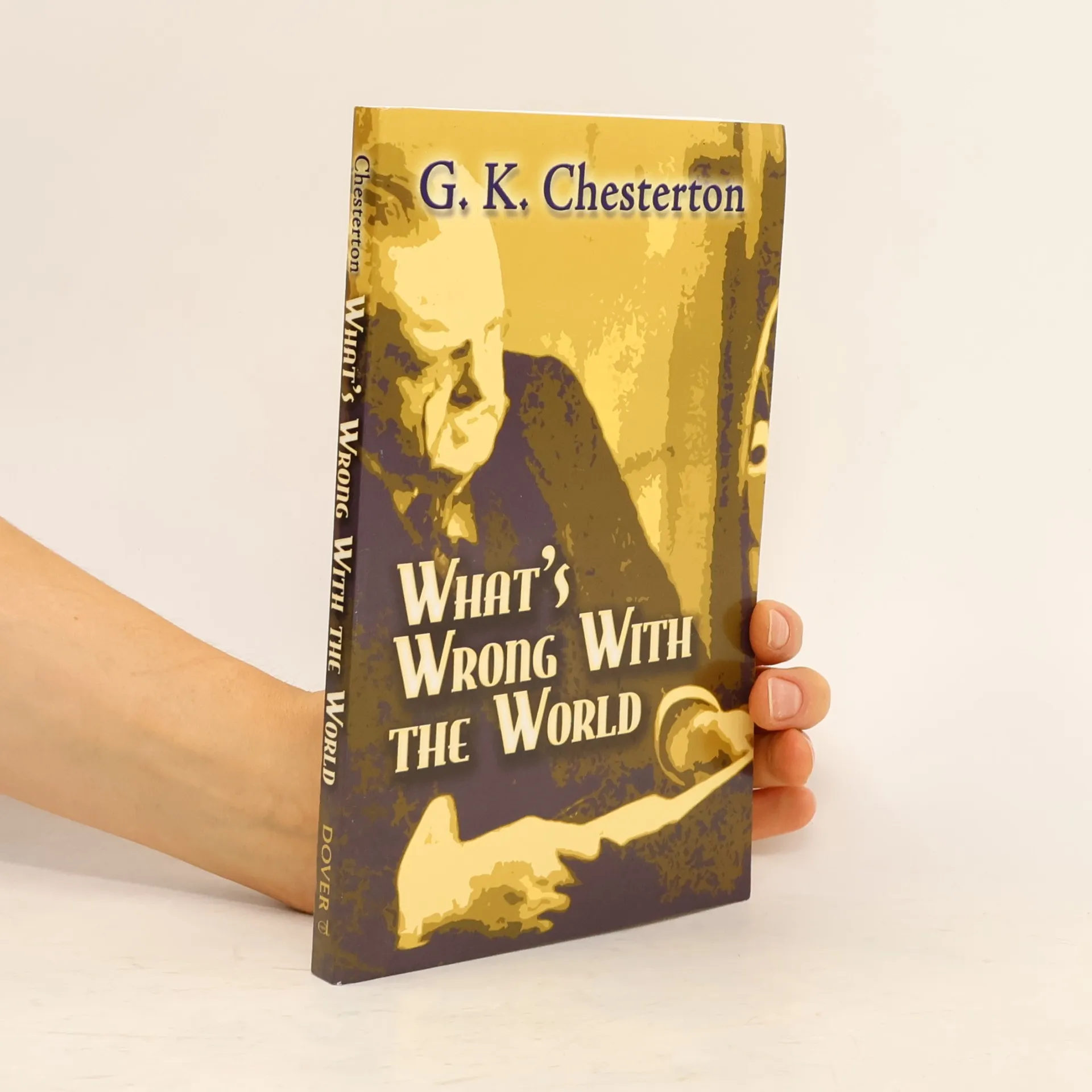
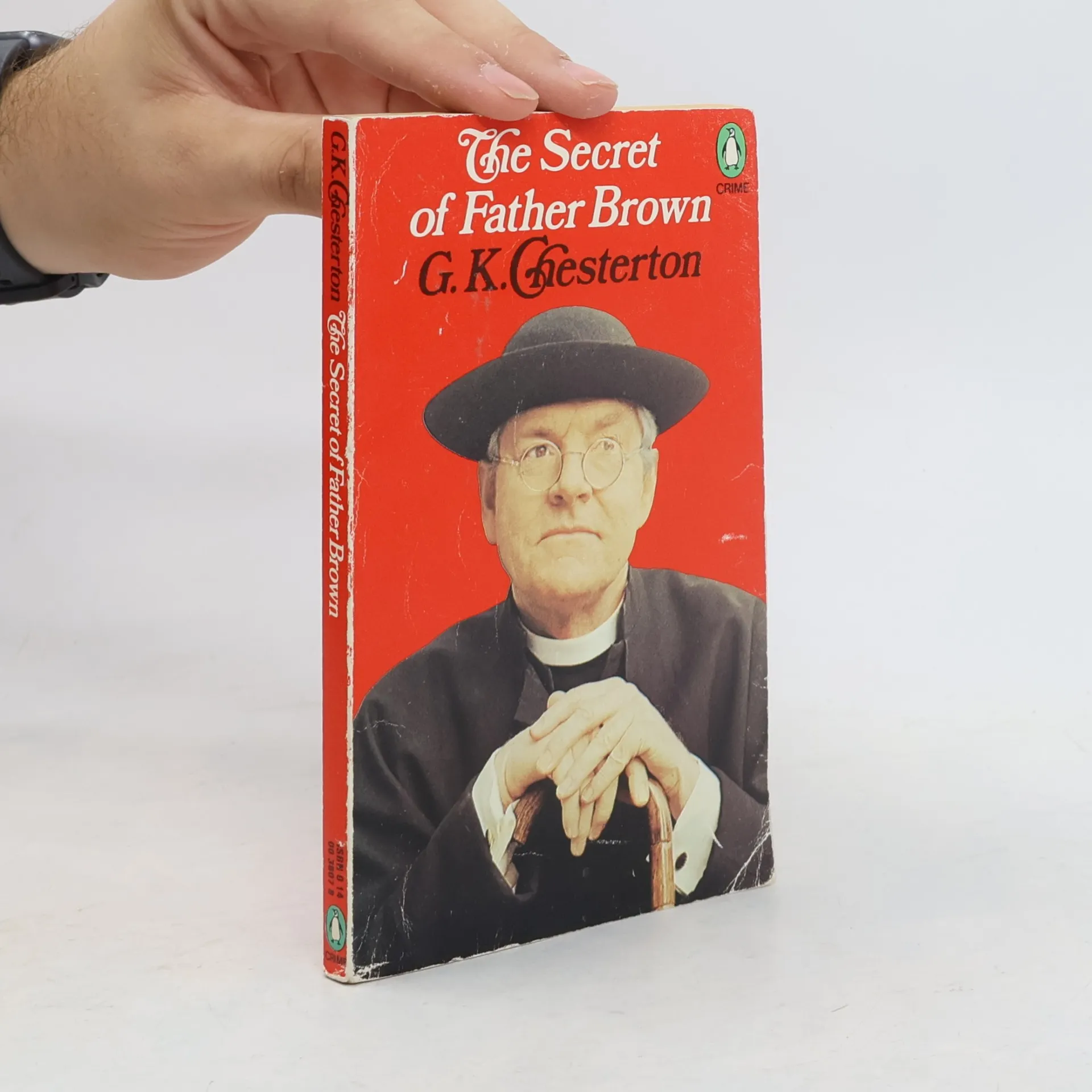
Gilbert Keith Chesterton (1874-1936) was an influential English writer of the early 20th century. His prolific and diverse output included journalism, philosophy, poetry, biography, Christian apologetics, fantasy, and detective fiction. Chesterton has been called the "prince of paradox." He wrote in an off-hand, whimsical prose studded with startling formulations. He is one of the few Christian thinkers who are equally admired and quoted by both liberal and conservative Christians, and indeed by many non-Christians. And in his own words he cast aspersions on the labels saying, "The whole modern world has divided itself into Conservatives and Progressives. The business of Progressives is to go on making mistakes. The business of the Conservatives is to prevent the mistakes from being corrected." Chesterton wrote many books among which are: All Things Considered (1908), Alarms and Discursions (1910), The Ballad of the White Horse (1911), The Appetite of Tyranny (1915), The Everlasting Man (1925), The Secret of Father Brown (1927) and The Scandal of Father Brown (1935).
Shrewd and punctilious, with an intuitive awareness of the dark secrets of human nature gained in the confessional, Father Brown is well equipped to uncover the startling truth wherever murder, mayhem and mystery stalk society.
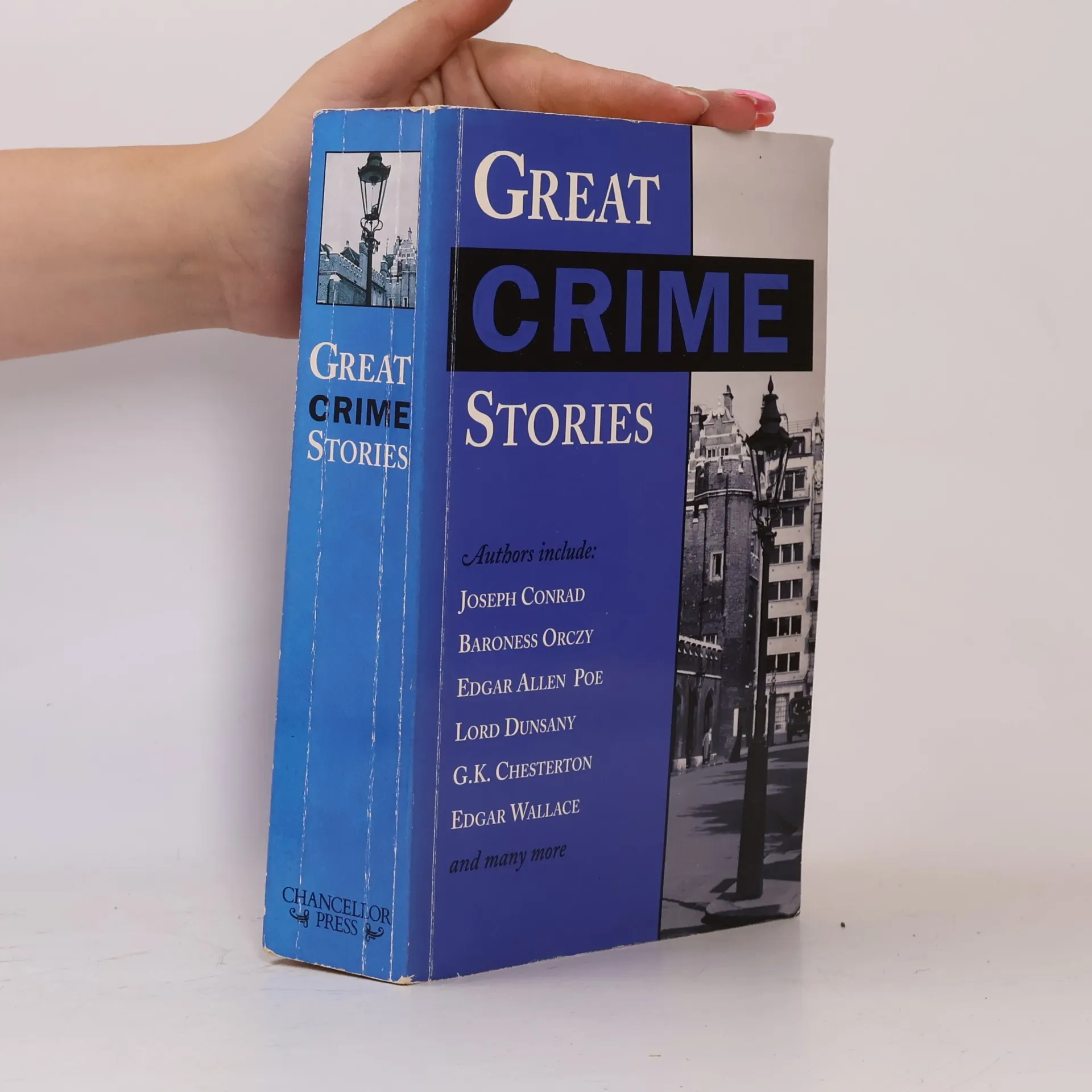
Great Crime Stories gathers together the best fictional stories of crime and criminals, of strange and horrible happenings, of ghosts and grisly deeds. There are beautifully crafted short stories by some of the giants of literature, as well as rediscovered gems by some of the well-known names of yesteryear. From Margery Allingham to Saki this is a collection that makes all the memorable features of the crime story and distills a heady brew that will satisfy the most discerning and demanding of readers.
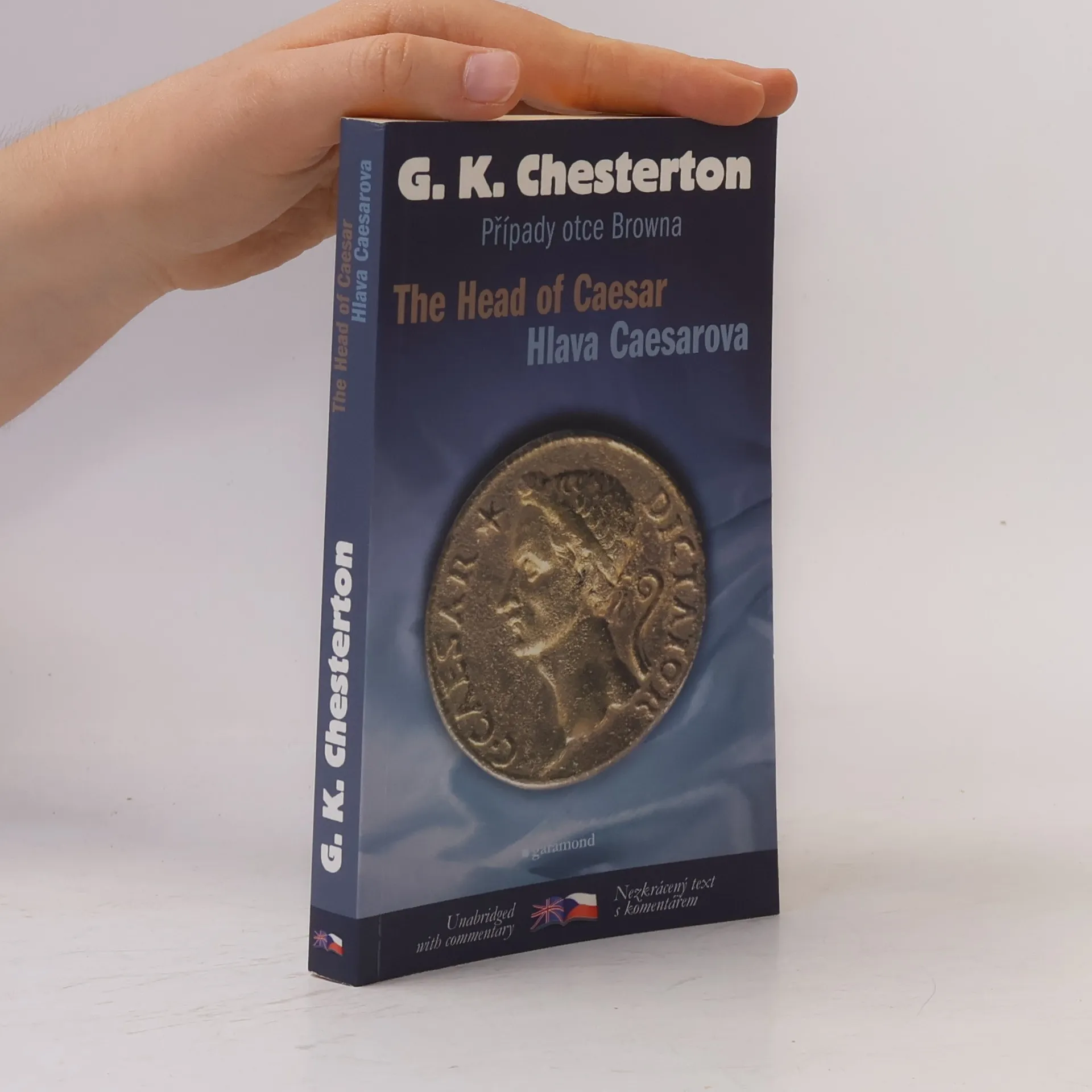
Případy otce Browna. G. K. Chesterton (1874-1936) patří mezi nejplodnější anglické spisovatele první poloviny 20. století. Je autorem mnoha literárních děl i náboženských pojednání. Nesmrtelně se zapsal do literatury jako autor neobvyklého detektiva otce Browna, svérázné, na první pohled poněkud směšné postavičky v kněžském rouchu, jenž na rozdíl od svého „kolegy" Sherlocka Holmese neřeší případy za pomoci chladné dedukce, ale díky hluboké znalosti lidské povahy a psychologie.
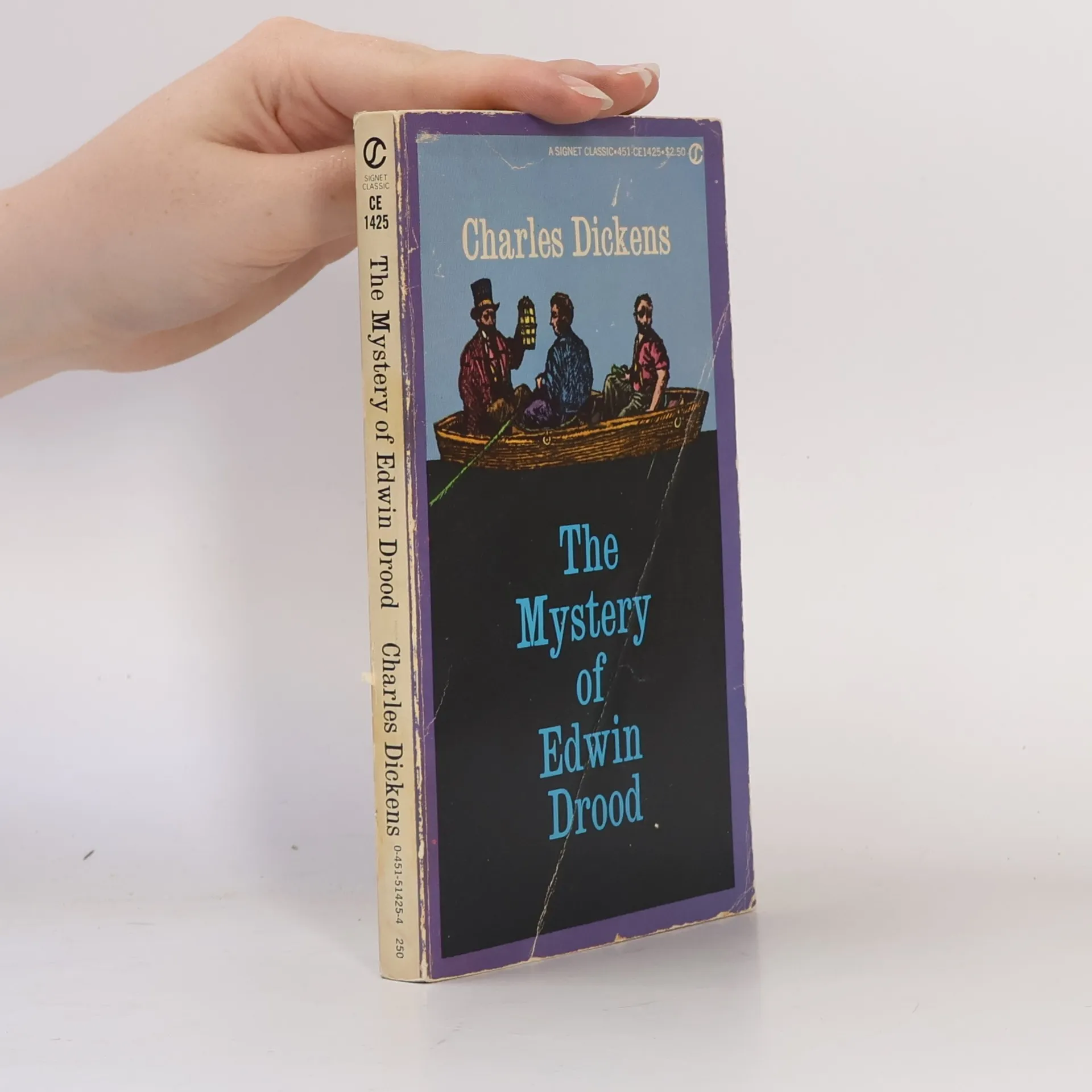
Drugs, sexual obsession and a possible murder are the themes of "The Mystery of Edwin Drood". Also contained in this collection are lesser-known stories and sketeches that deal with subjects as diverse as murder, guilt and childhood.
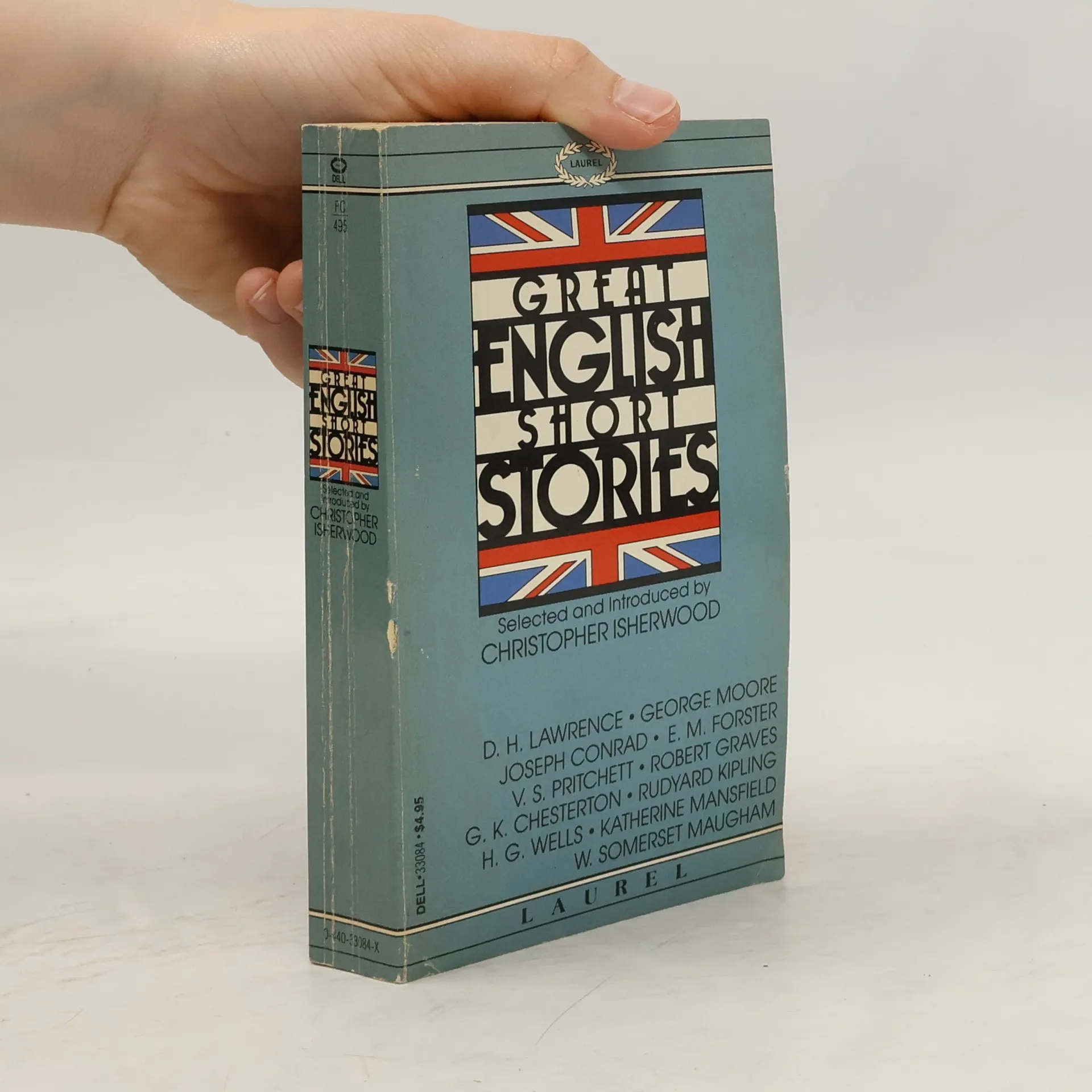
Selected short stories introduced by Christopher Isherwood
A CLASSIC OF CHRISTIAN APOLOGETICS The Everlasting Man is a Christian apologetics book written by G. K. Chesterton. Published in 1925, it is to some extent a deliberate rebuttal of H. G. Wells’ The Outline of History, disputing Wells' portrayals of human life and civilization as a seamless development from animal life and of Jesus Christ as merely another charismatic figure. Whereas Orthodoxy detailed Chesterton's own spiritual journey, in this book he tries to illustrate the spiritual journey of humanity, or at least of Western civilization.
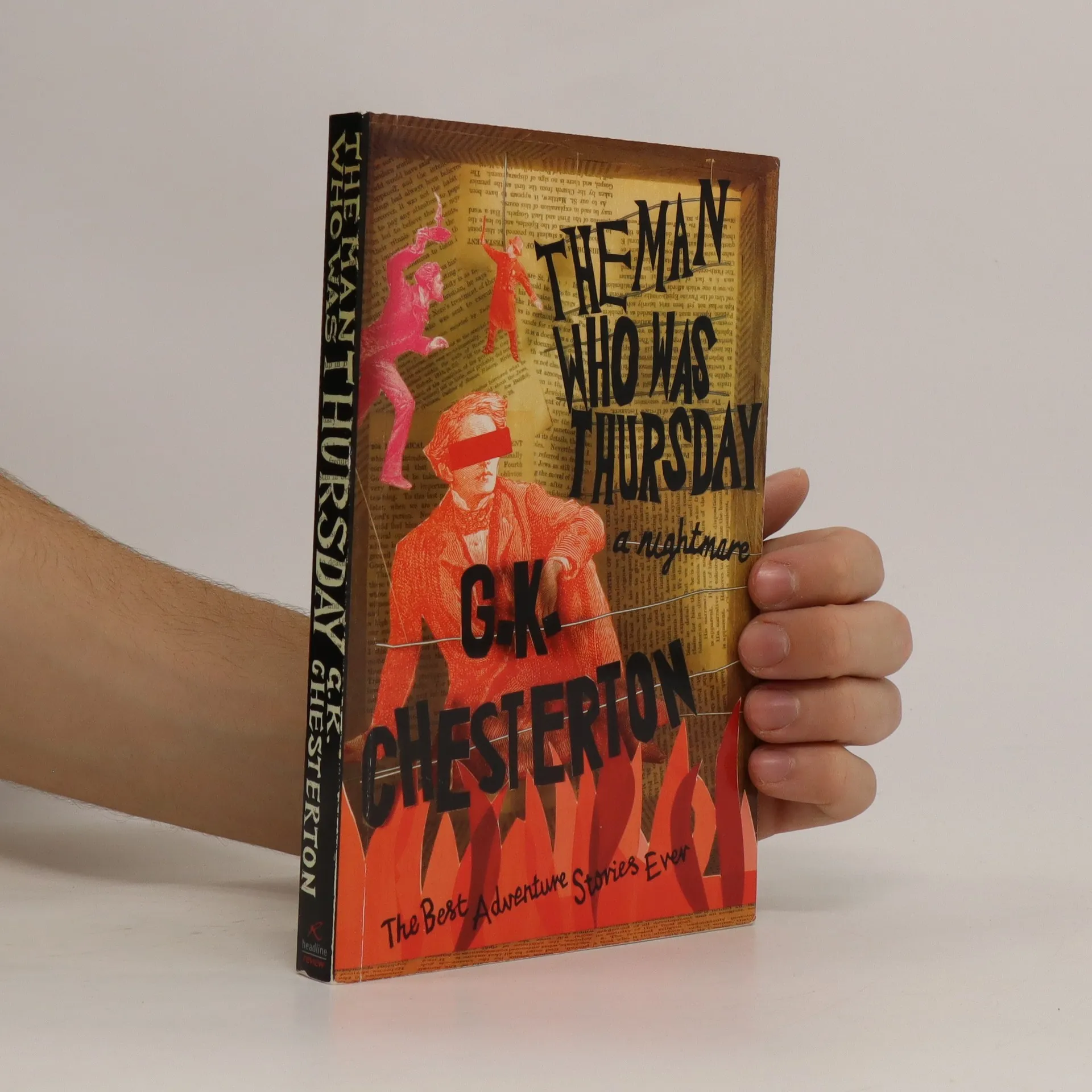
A group of anarchists are under surveillance by Scotland Yard in Chesterton's hugely popular metaphysical thriller. The Supreme Anarchists Council is dedicated to overthrowing the world order. To keep their identities a secret, each of them has been named a day of the week. Gabriel Syme, an eccentric poet, is recruited by Scotland Yard to infiltrate the group. He tracks down the six men and manages to win a place on the council. But in a bizarre and surreal twist of events, Syme realises that five of the six members are not at all what they seem...
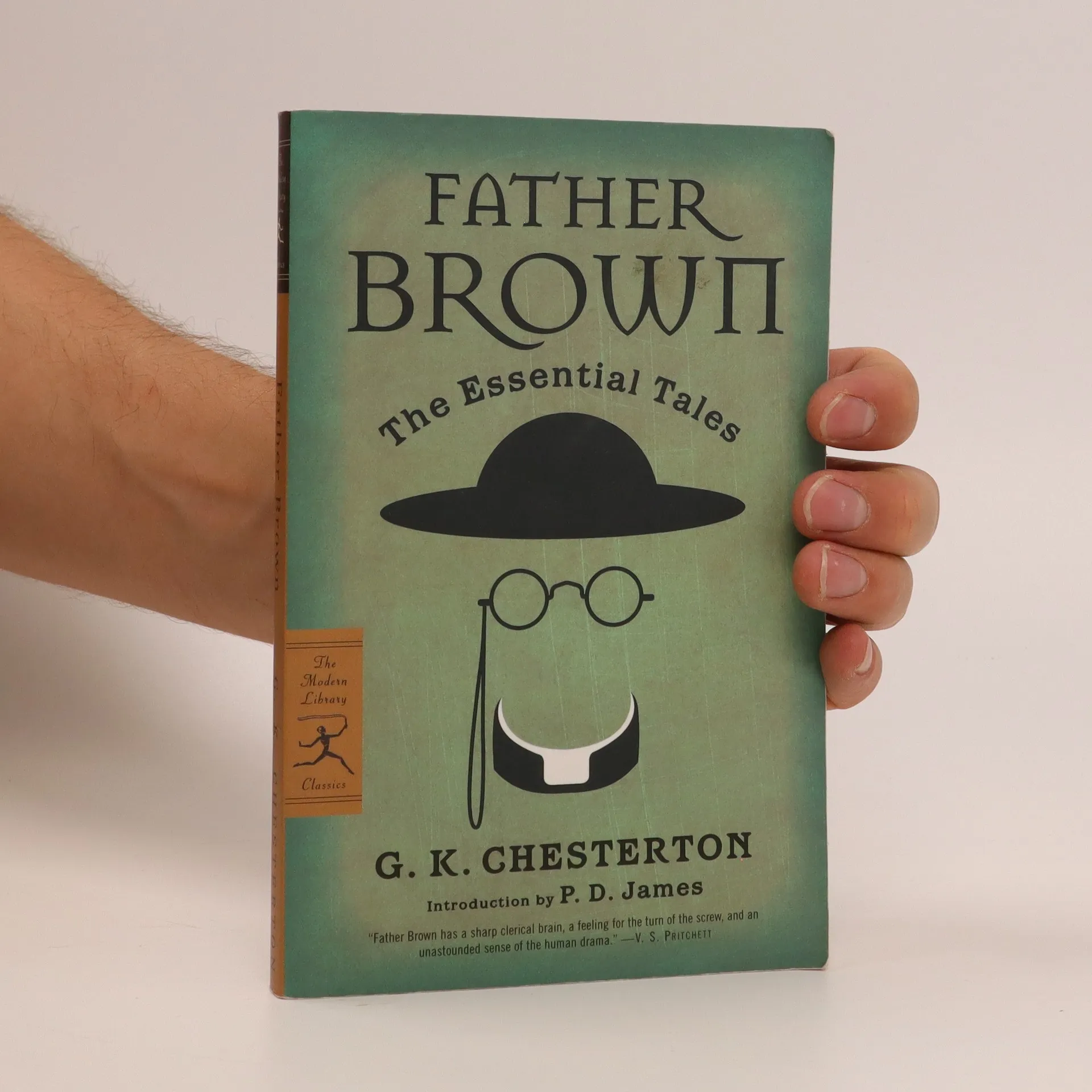
G. K. Chesterton’s Father Brown may seem a pleasantly doddering Roman Catholic priest, but appearances deceive. With keen observation and an unerring sense of man’s frailties–gained during his years listening to confessions–Father Brown succeeds in bringing even the most elusive criminals to justice. This definitive collection of fifteen stories, selected by the American Chesterton Society, includes such classics as “The Blue Cross,” “The Secret Garden,” and “The Paradise of Thieves.” As P. D. James writes in her Introduction, “We read the Father Brown stories for a variety pleasures, including their ingenuity, their wit and intelligence, and for the brilliance of the writing. But they provide more. Chesterton was concerned with the greatest of all problems, the vagaries of the human heart.”
Sociale roman over de moeilijke jeugd van een Engelse jongen.
8 suspenseful tales featuring Chesterton's delightful amateur sleuth. "A masterpiece . . . amusing, full of surprises, supremely readable"--"Saturday Review."
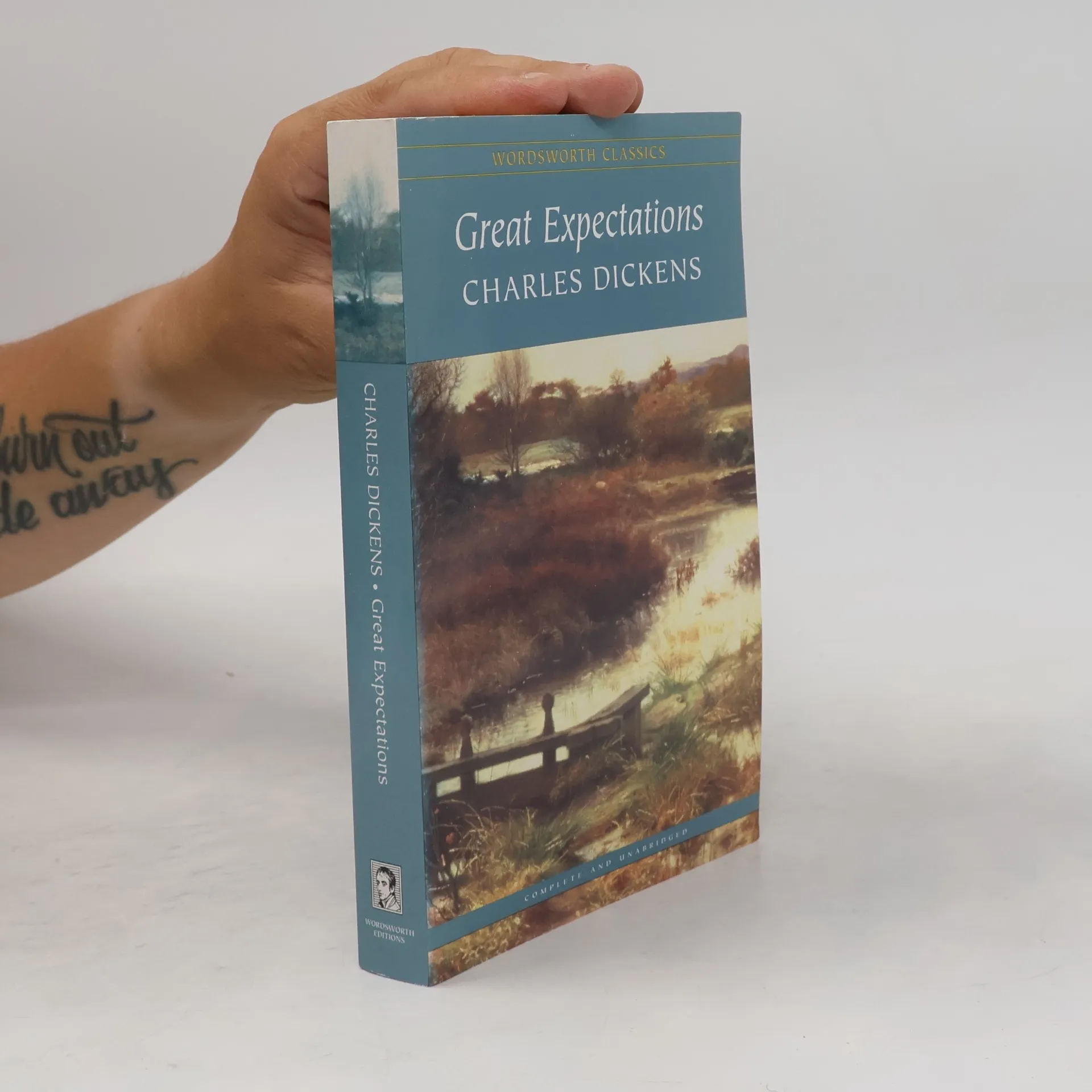
An unknown benefactor provides Philip Pirrip with the chance to escape his poor upbringing. Aspiring to be a gentleman, and encouraged by his expectations of wealth, he abandons his friends and moves to London. His expectations prove to be unfounded however, and he must return home penniless.
These are just some of the problems for Father Brown to solve. In his inimitable way, this gentle, eccentric little cleric-detective sets about unravelling the threads of a colourful skein of mysteries. In the course of the investigations Father Brown travels all over the world.
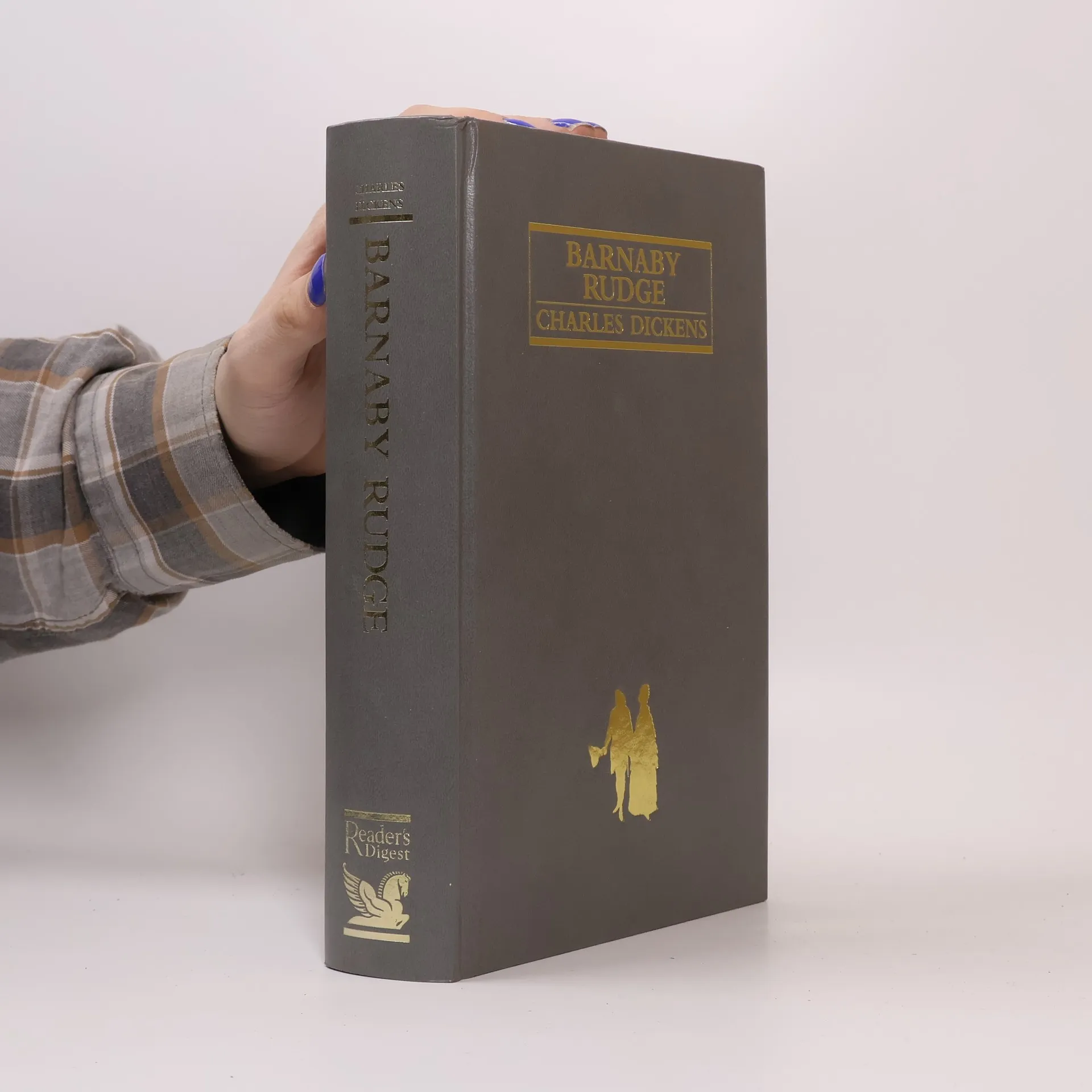
Charles Dickens' eerste historische roman, die zich afspeelt tijdens de anti-katholieke rellen van 1780, biedt een ongeëvenaarde weergave van de terreur van een razende menigte, gezien door de ogen van de individuen die in de chaos worden meegesleurd. Deze individuen omvatten Emma, een katholiek, en Edward, een protestant, wiens verboden liefde door het hart van het verhaal weeft; en de eenvoudige Barnaby, een van de leiders van de rellen, wiens lot verbonden is met een mysterieuze moord en wiens geliefde raaf, Grip, de mystieke kracht van onschuld belichaamt. Het verhaal omvat zowel de verfijnde aristocratische wereld als de onvoorspelbare straten en de nachtmerrieachtige onderbuik van Londen, die Dickens karakteristiek in levendige, pulserende detail beschrijft. Maar de echte focus van het boek ligt op de rellen zelf, die met buitengewone energie worden afgebeeld en doordrenkt zijn van de gevaren, de zinloosheid en de mogelijkheden, zowel voordelig als wreed, van de menigte.
Immortalized in these famous stories, G. K. Chesterton's endearing amateur sleuth has entertained countless generations of readers. For, as his admirers know, Father Brown's cherubic face and unworldly simplicity, his glasses and his huge umbrella, disguise a quite uncanny understanding of the criminal mind at work. This edition includes seven tales from a number of G. K. Chesterton's "Father Brown" books.
The father of modern detectives As punctilious as Poirot, as Miss Marple and as sharp as Sherlock Holmes, Father Brown ranks higher than all of them in the pantheon of literary sleuths. For the confessional, this humble, innocent little priest has gained a deep intuitive knowledge of the paradoxes of human nature. So when murder, mayhem, and mystery stalk smart society, only father Brown can be counted upon to discover the startling truth. The most comprehensive paperback edition available, with introduction and chronology of Chesterton's life and times.
The modest little English priest-detective sits up in his coffin and immediately embarks on an investigation of his own murder and seven other sensational crimes
G. K. Chesterton's fictional amateur detective, the genial Father Brown, was greeted with huge enthusiasm when he first appeared in The Story-Teller magazine in 1910. Depicted with Chesterton's characteristic elegance and wit, this unworldly but perceptive priest-sleuth soon became a major figure in the world of whodunit fiction and continues to charm readers today. This anthology contains 24 Father Brown short stories, including "The Blue Cross," "The Secret Garden," "The Wrong Shape," and "The Three Tools of Death," in which the unassuming Father exercises his formidable powers of intuition and analysis to solve a range of crimes.
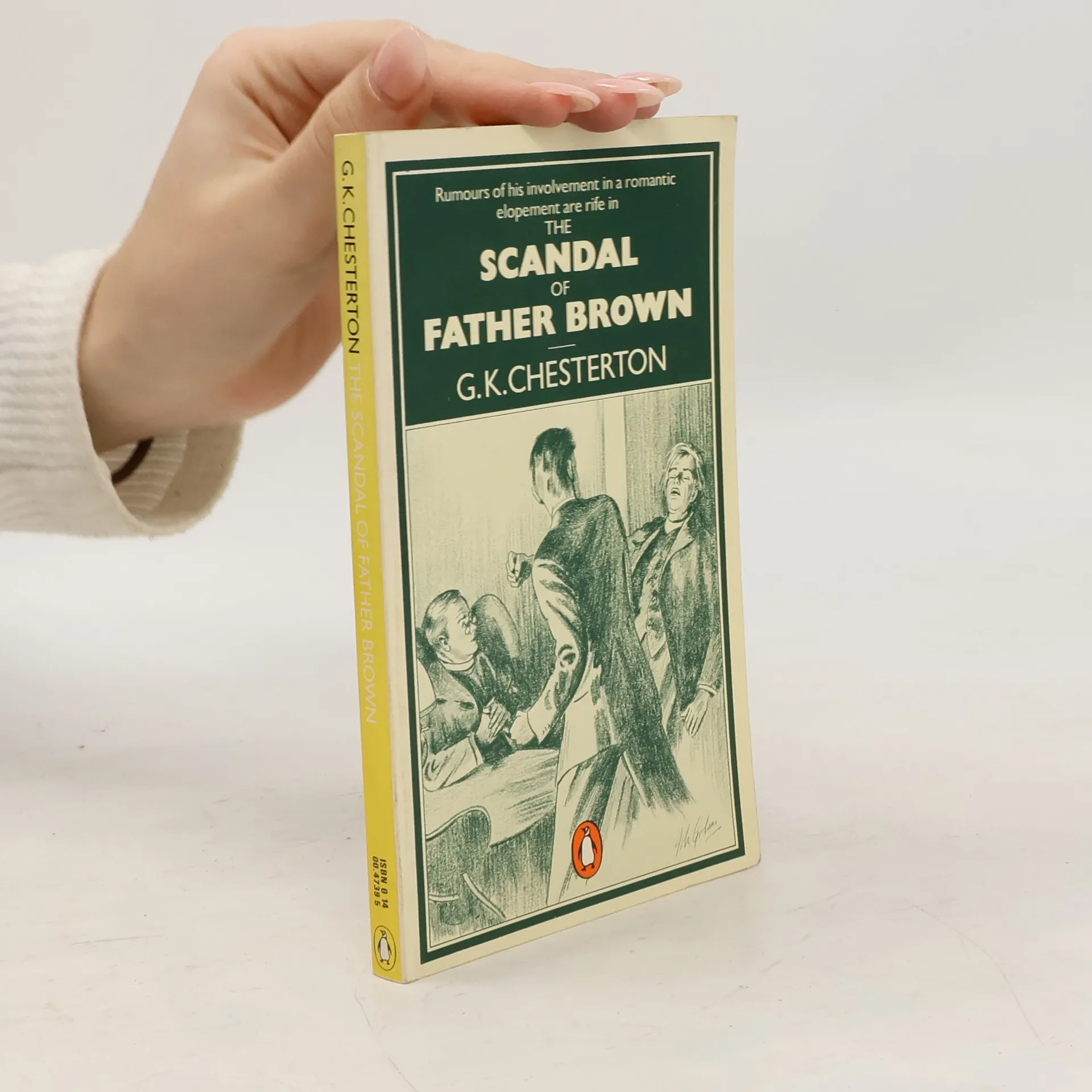
Another collection of G.K. Chesterton's ingenious, thoughtful, and lyrically written mystery stories featuring the unassuming little priest who solves crimes by imagining himself inside the mind and soul of criminals, thus understanding their motives. The stories are full of paradox, spiritual insight, and "Chestertonian fantasy," or seeing the extraordinary in the ordinary. In the title story, a beautiful (and married) rich woman has taken up with a distinguished poet--and Father Brown, rather than reacting as expected, appears to be providing assistance. Also includes The Quick One, The Blast of the Book, The Green Man, The Pursuit of Mr Blue, The Crime of the Communist, The Point of a Pin, The Insoluble Problem, and The Vampire of the Village. Newly designed and typeset in a modern 6-by-9-inch format by Waking Lion Press.