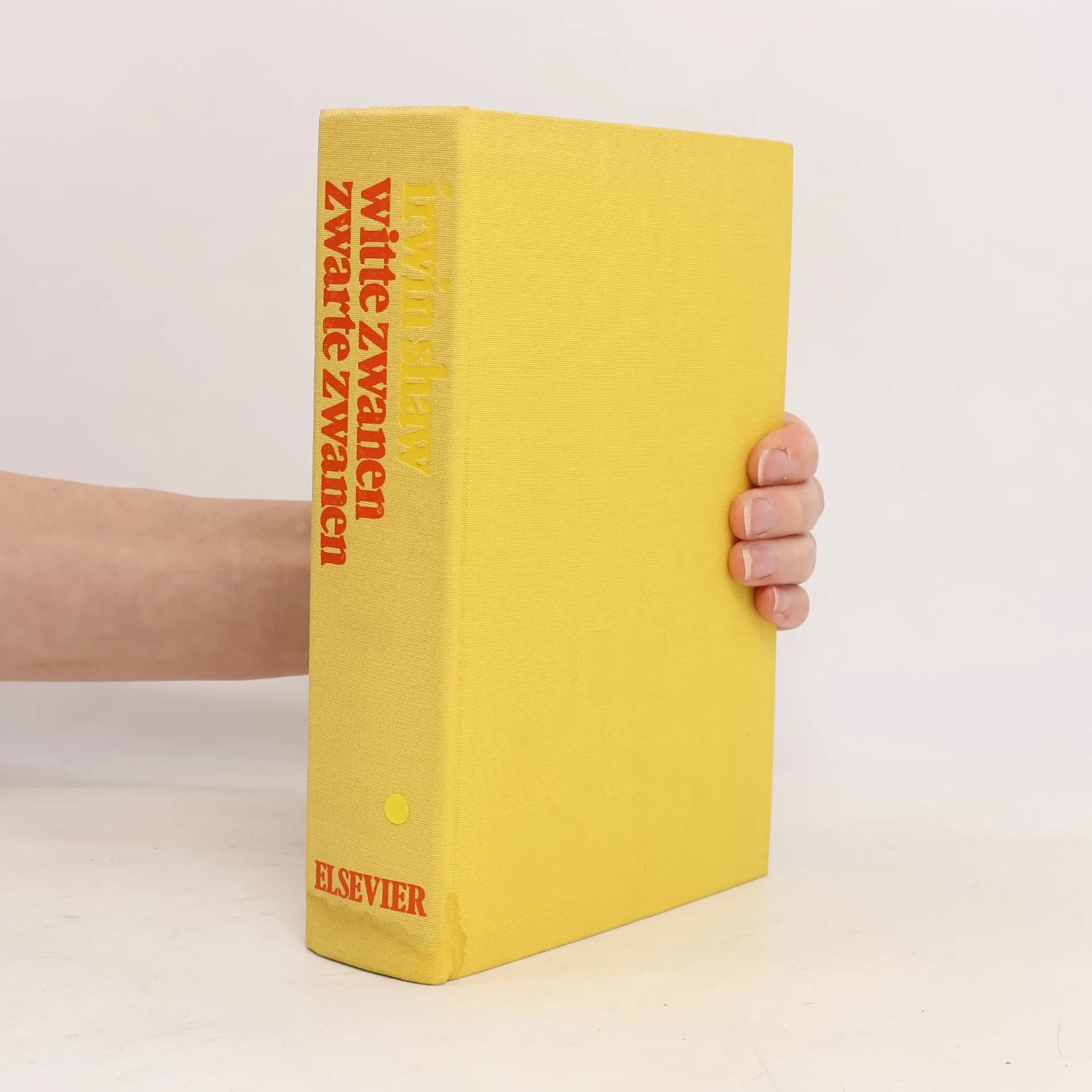
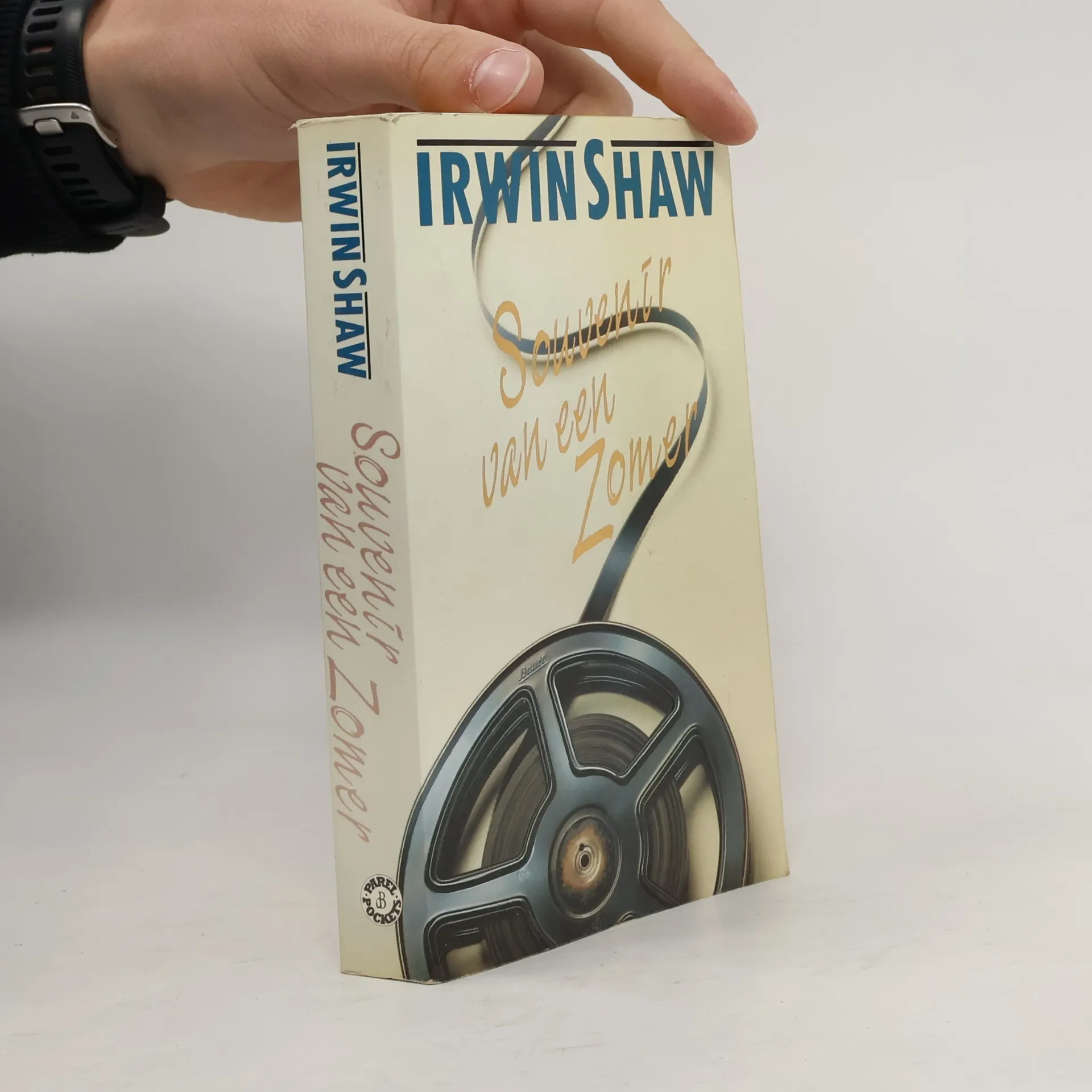
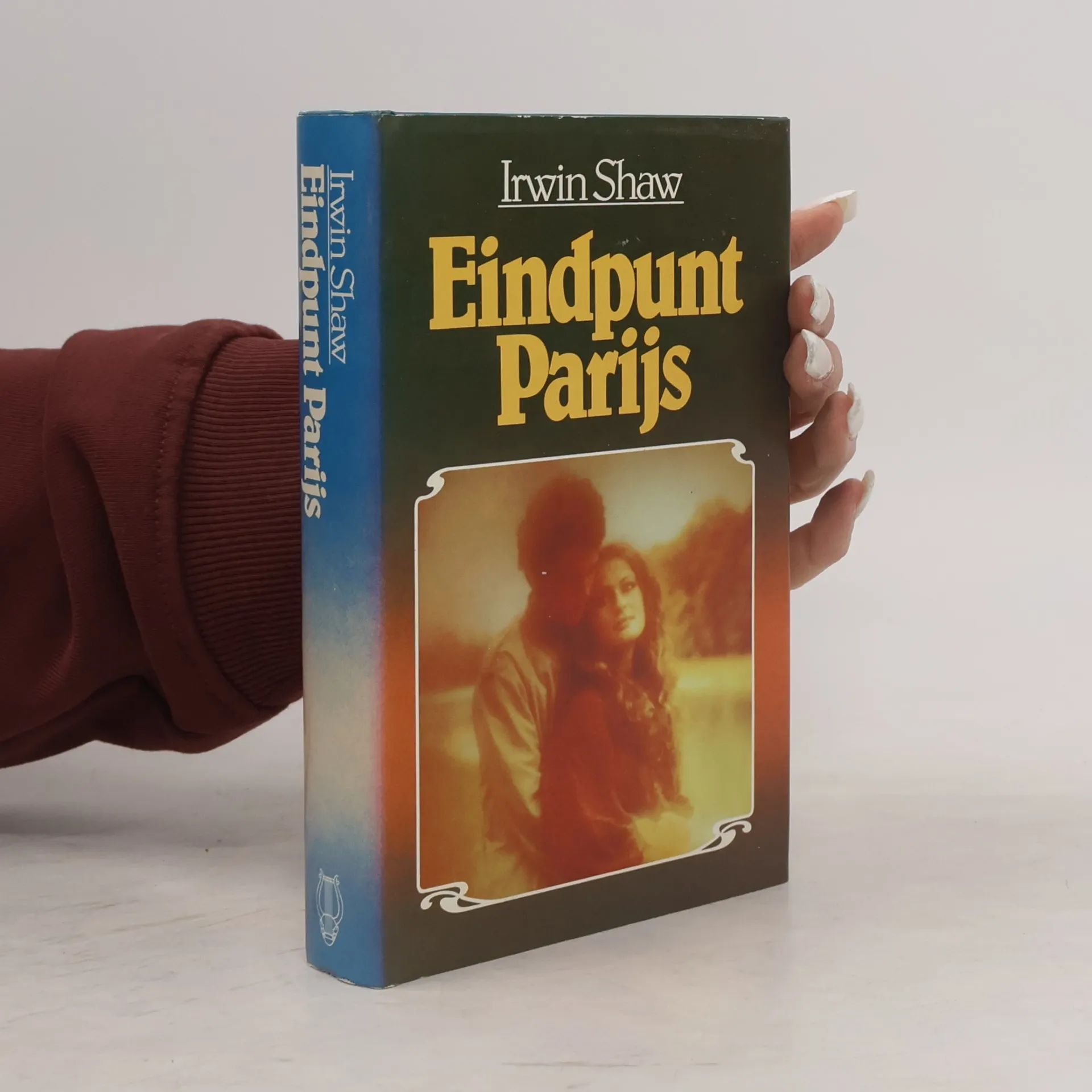
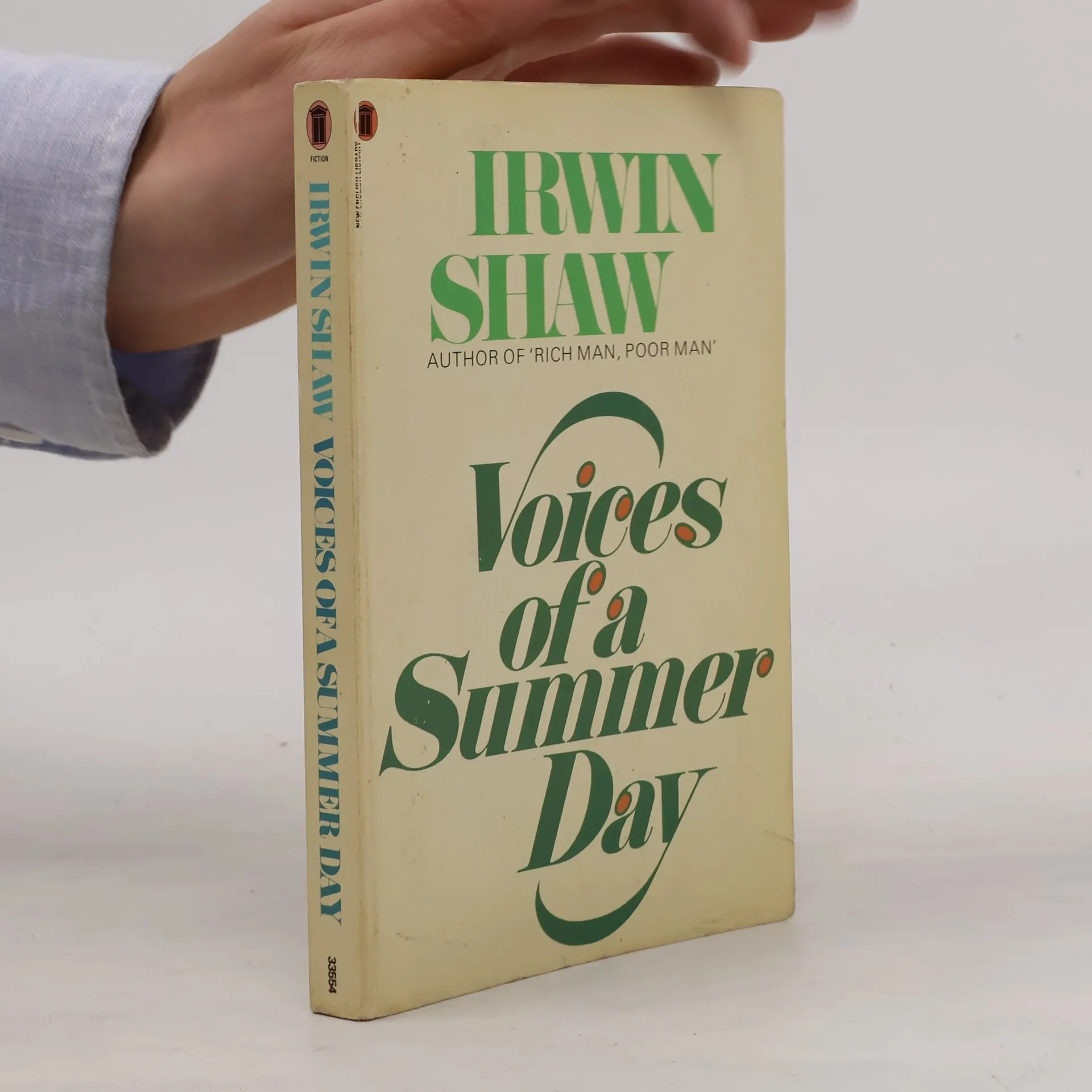
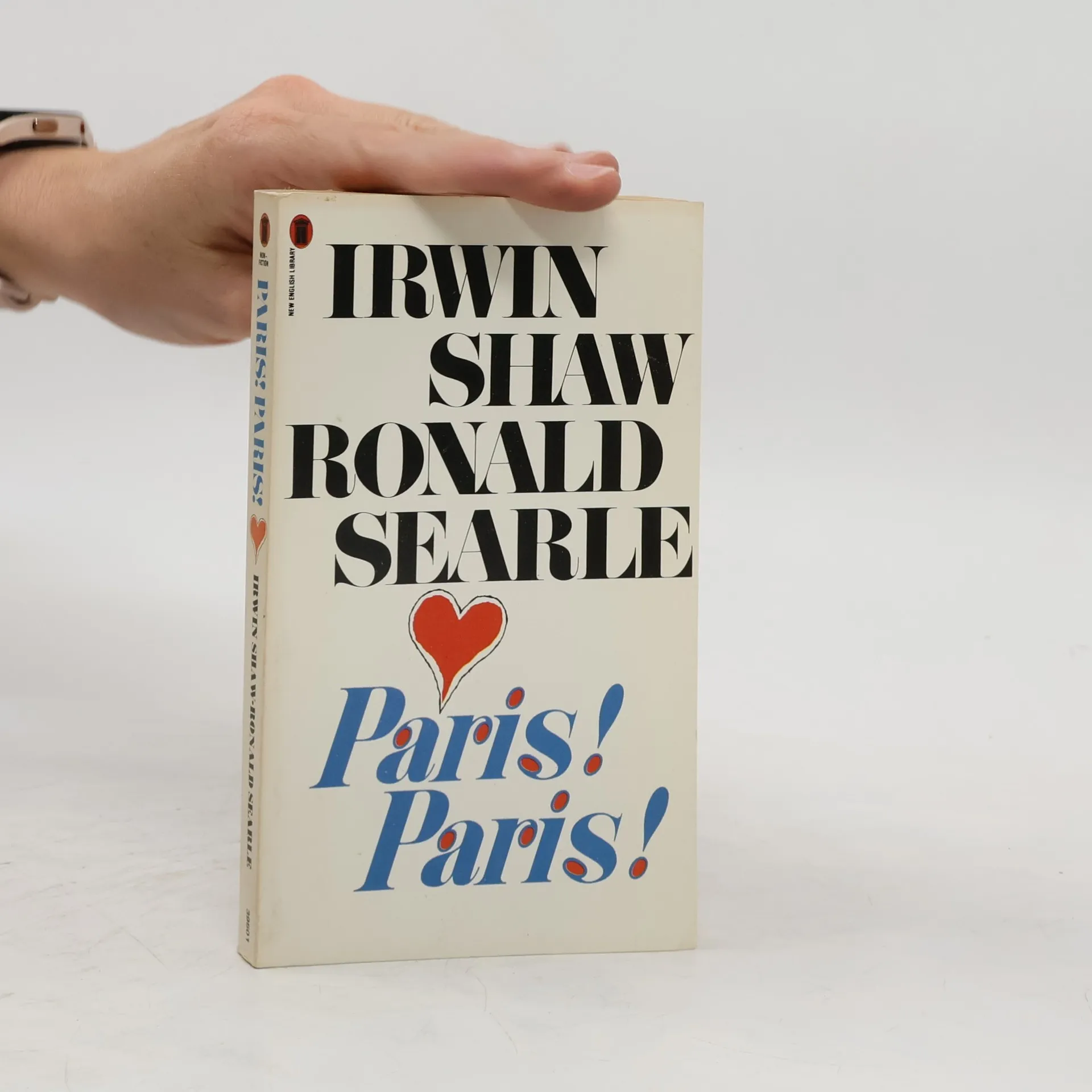
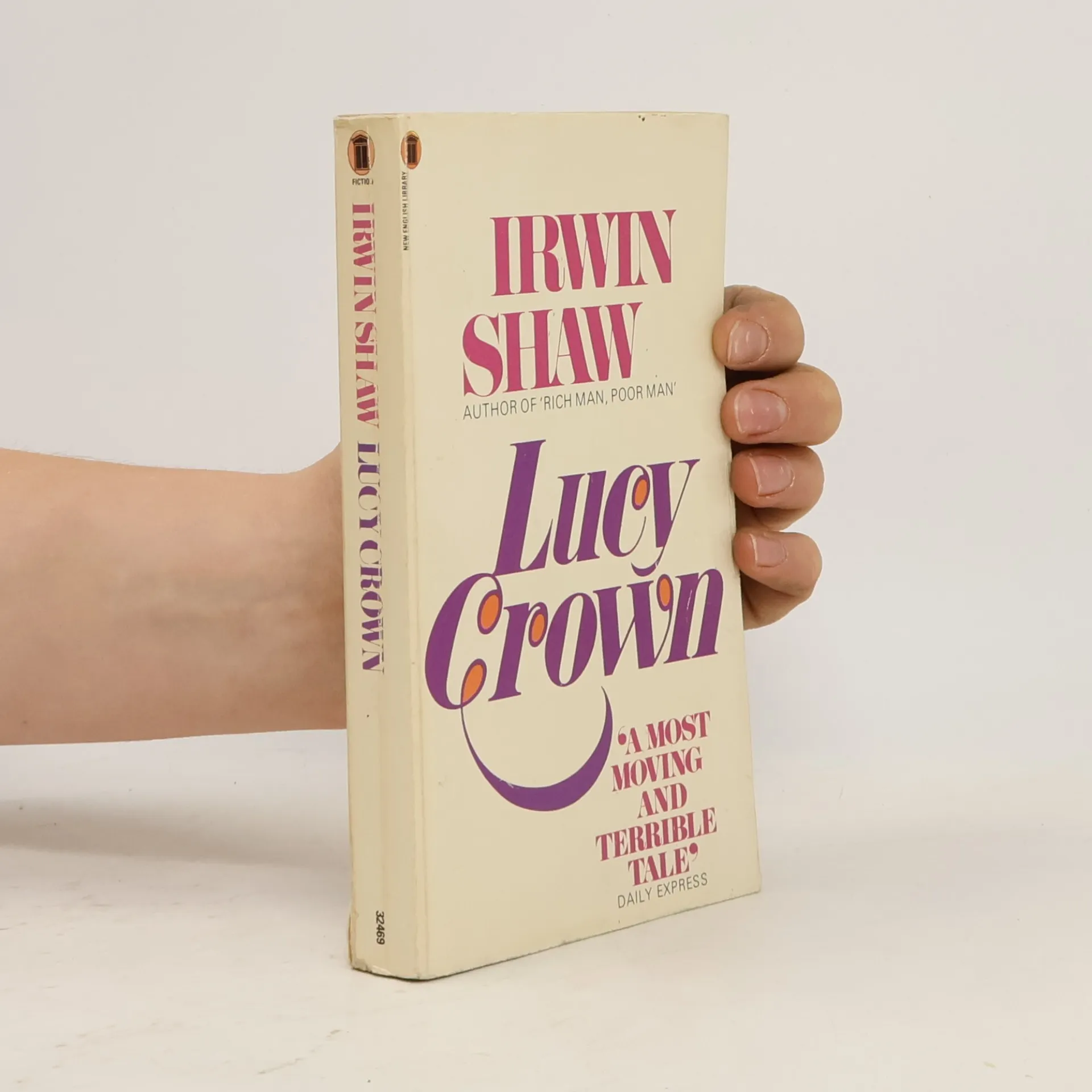
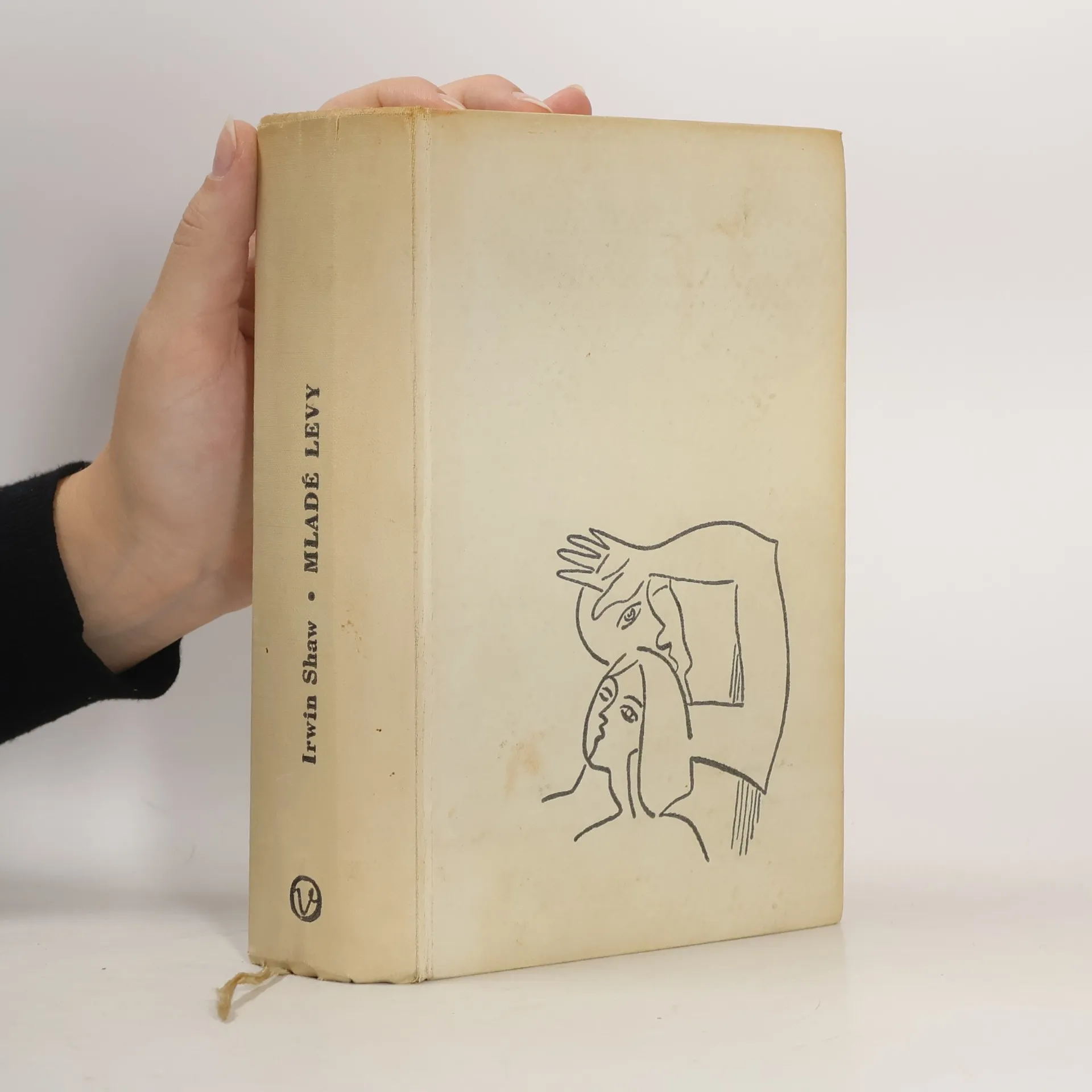
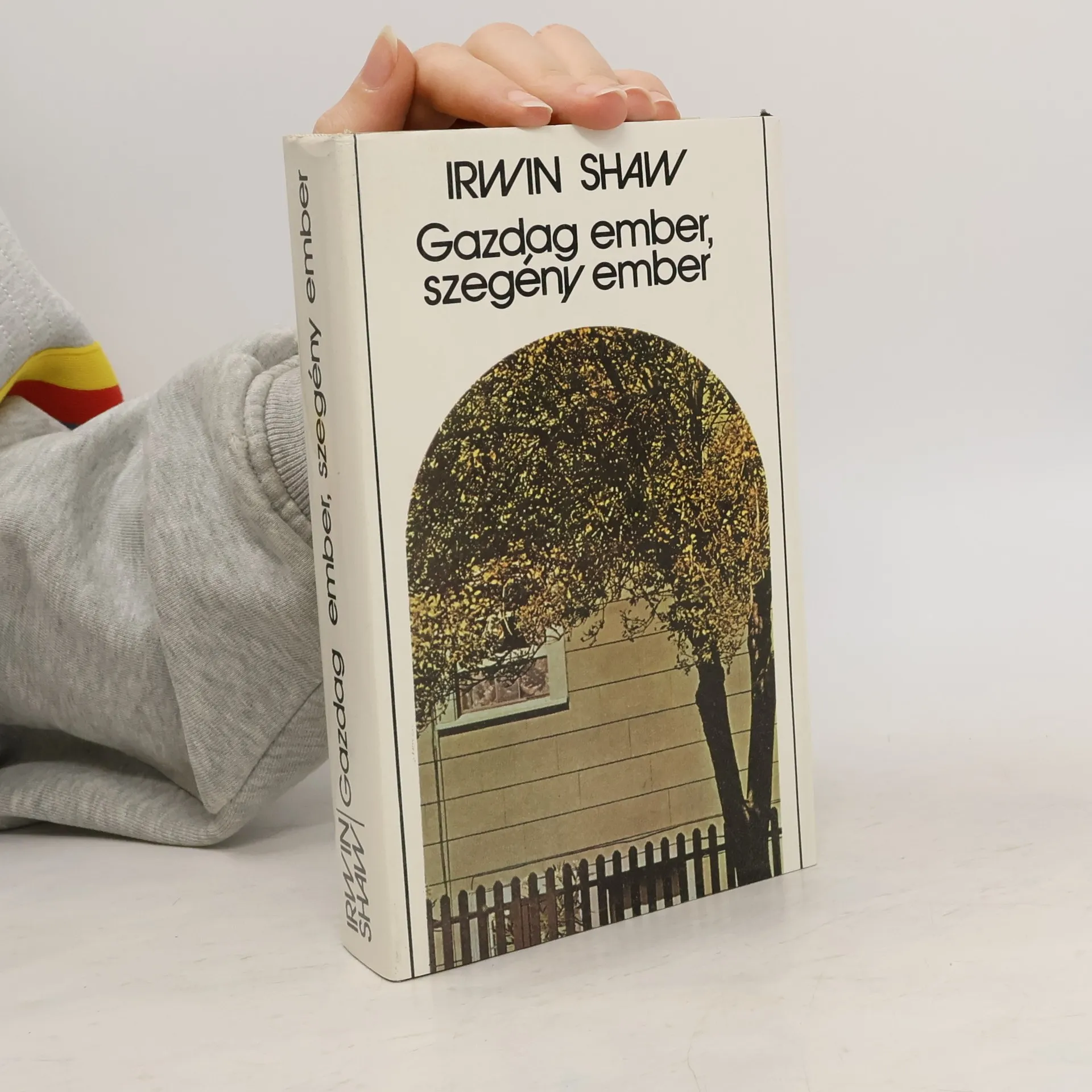
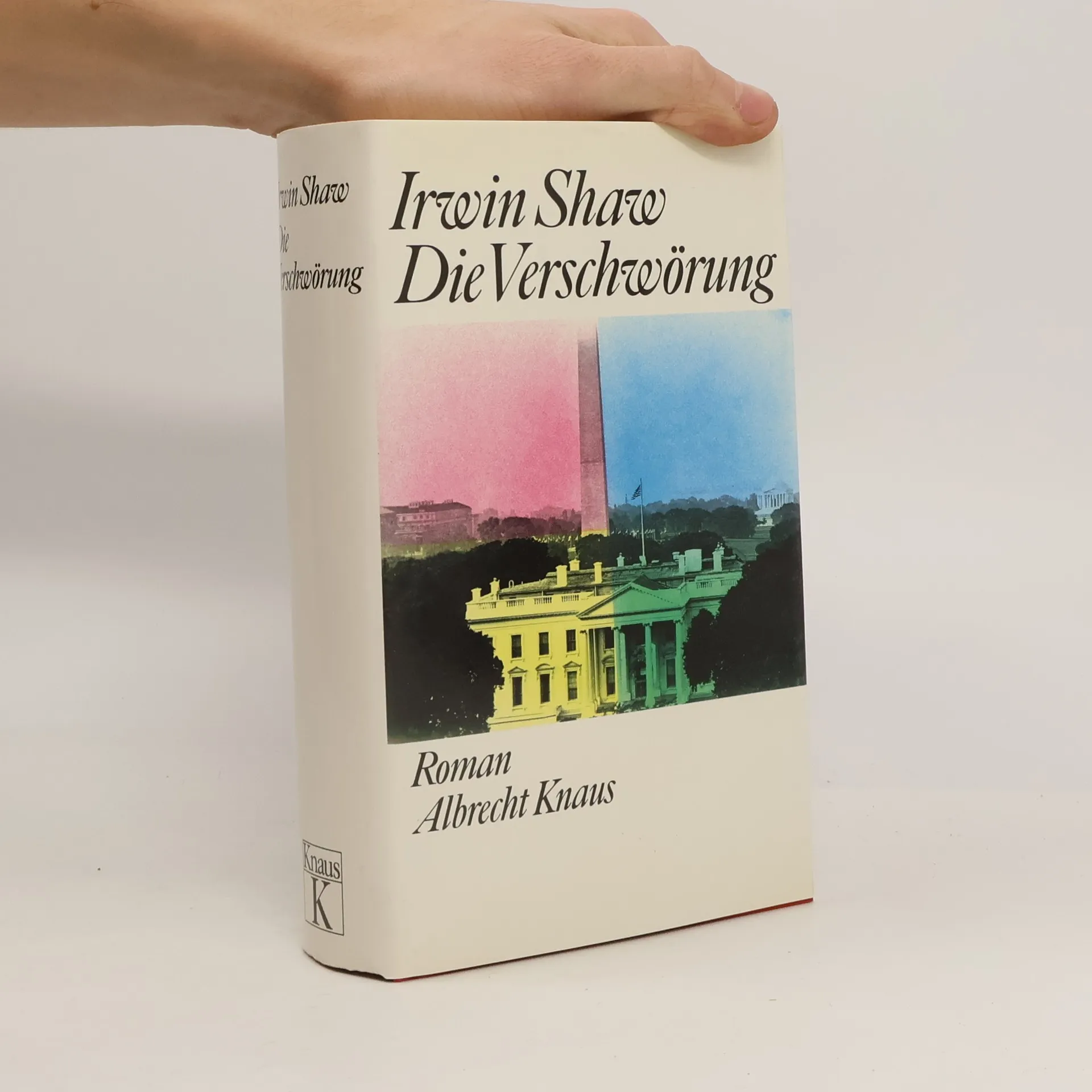
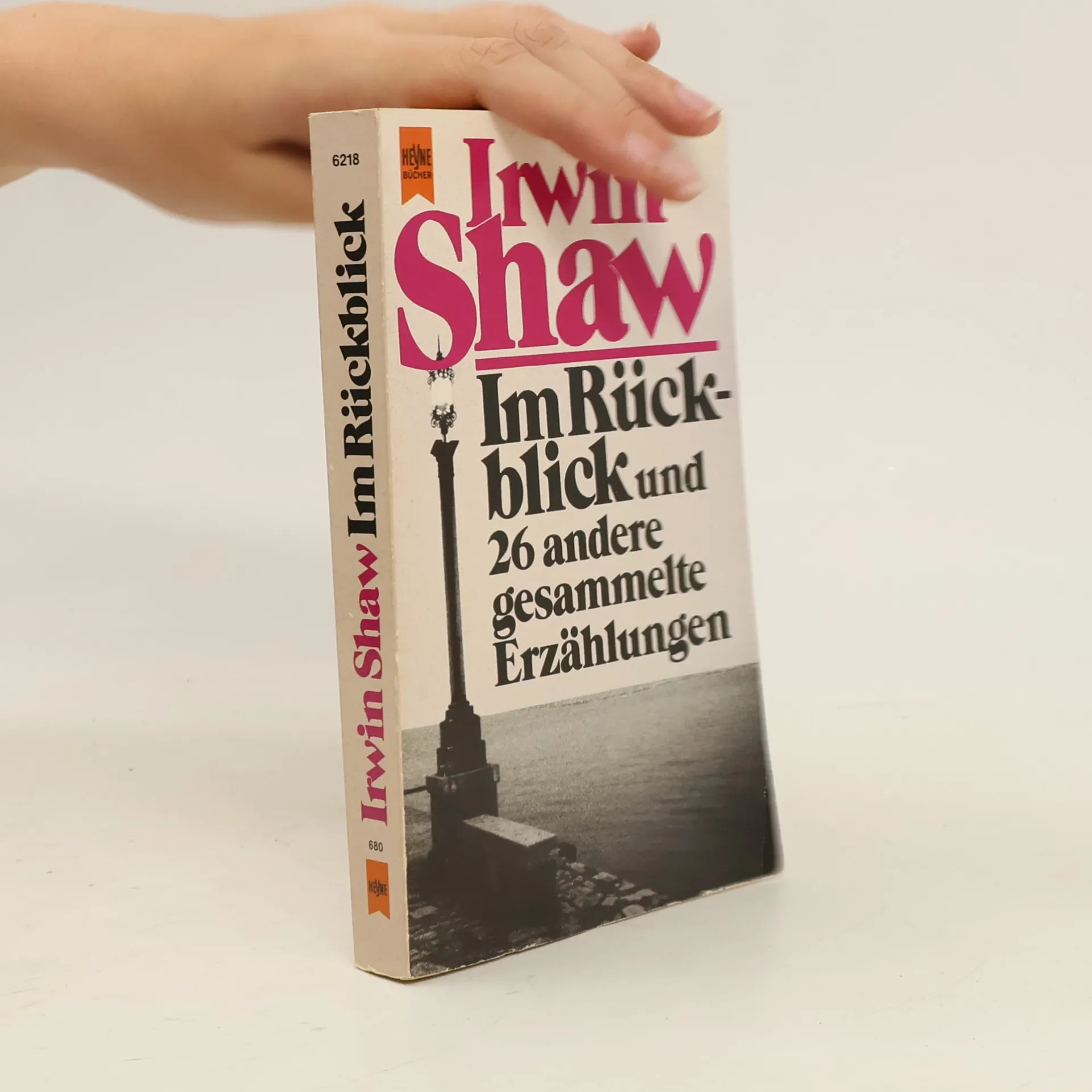
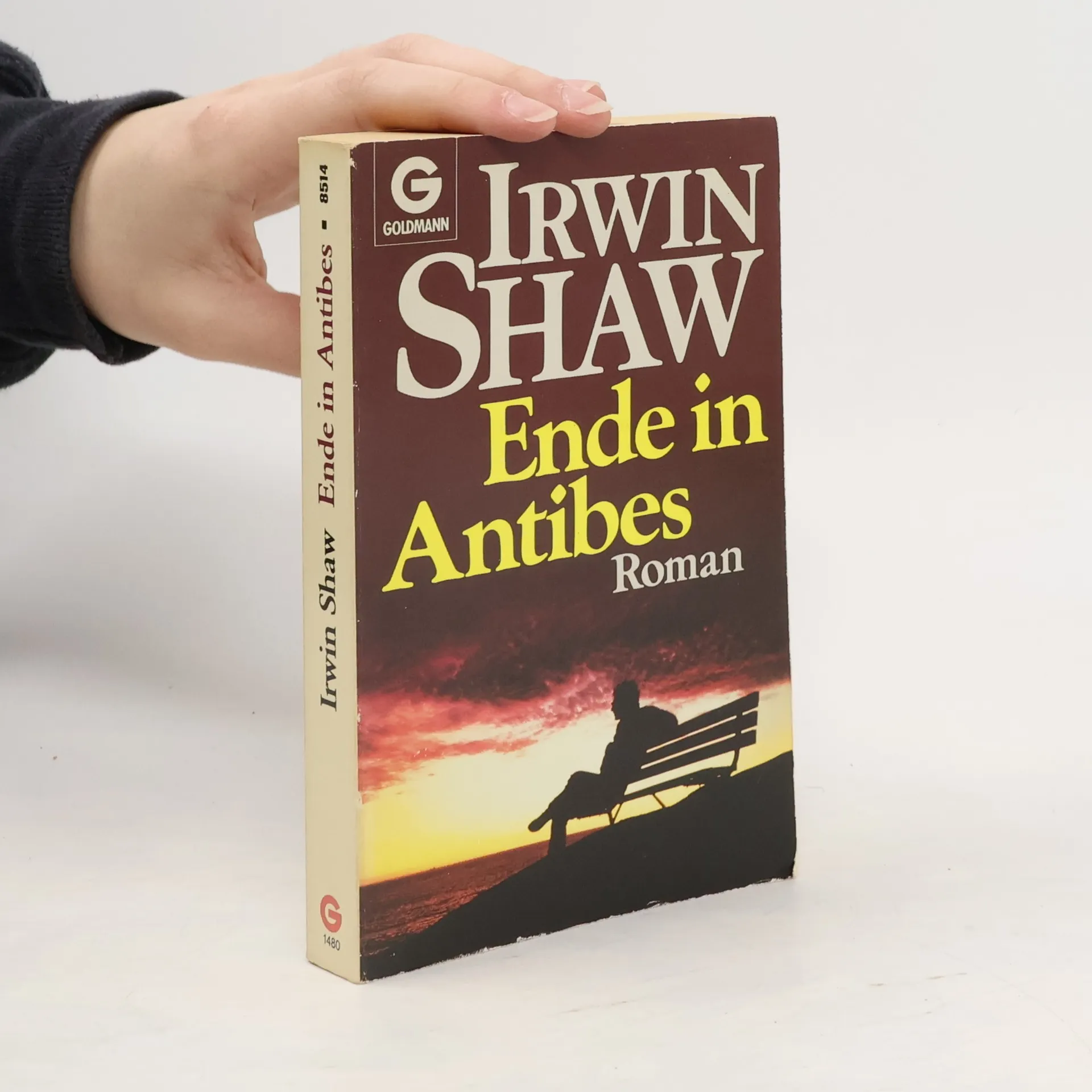
Irwin Shaw was een productief Amerikaans toneelschrijver en romanschrijver wiens werken vaak thema's als oorlog, sociale onrechtvaardigheid en menselijke veerkracht verkenden. Hij verweefde zijn vroege ervaringen uit de Tweede Wereldoorlog meesterlijk in romans die wereldwijde bestsellers werden. Zijn stijl werd gekenmerkt door rauw realisme en een vermogen om complexe personages te creëren die worstelen met innerlijke en uiterlijke conflicten. Shaw ving de geest van zijn tijd, en zijn schrijven resoneert vandaag de dag nog steeds bij lezers die op zoek zijn naar krachtige verhalen over de menselijke conditie.
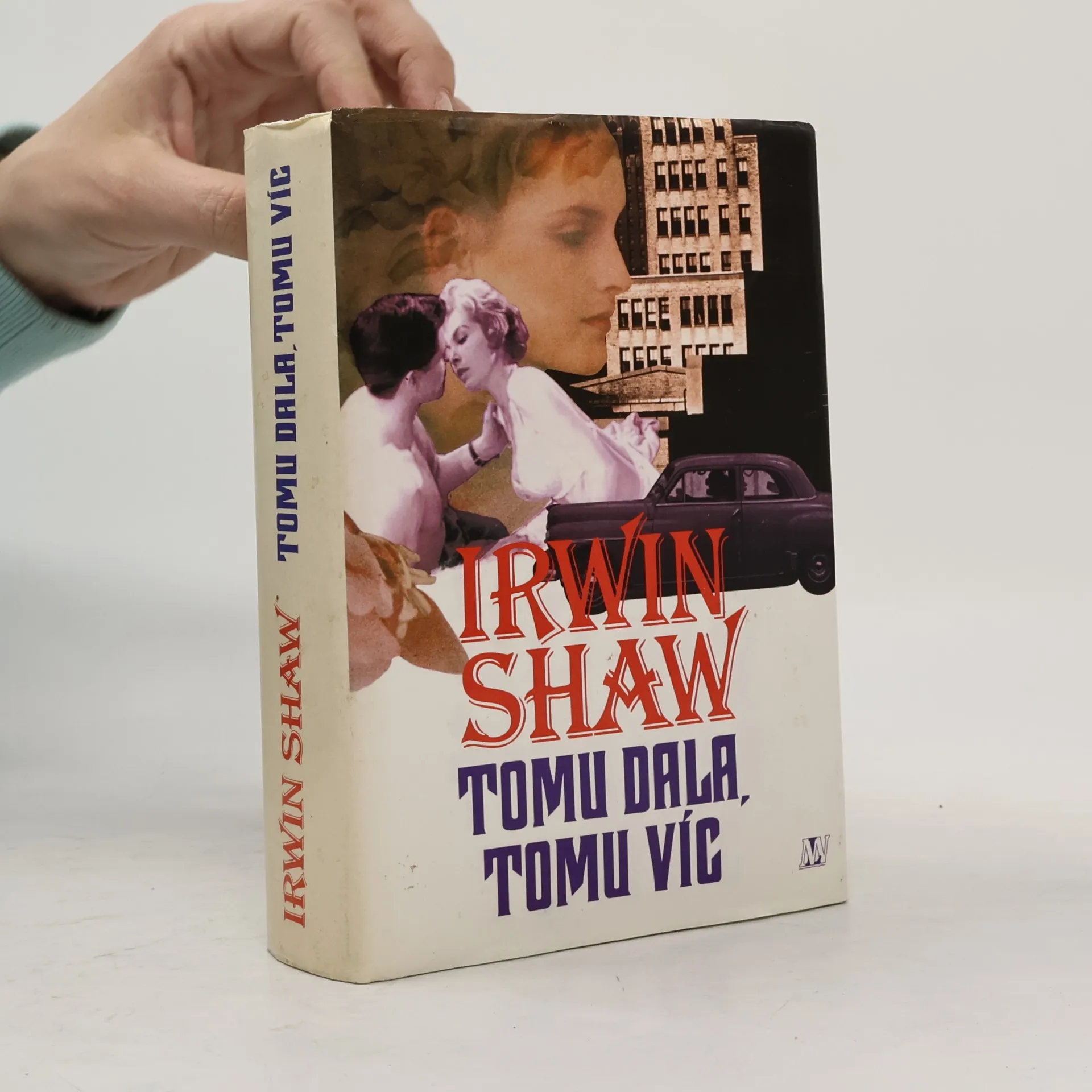
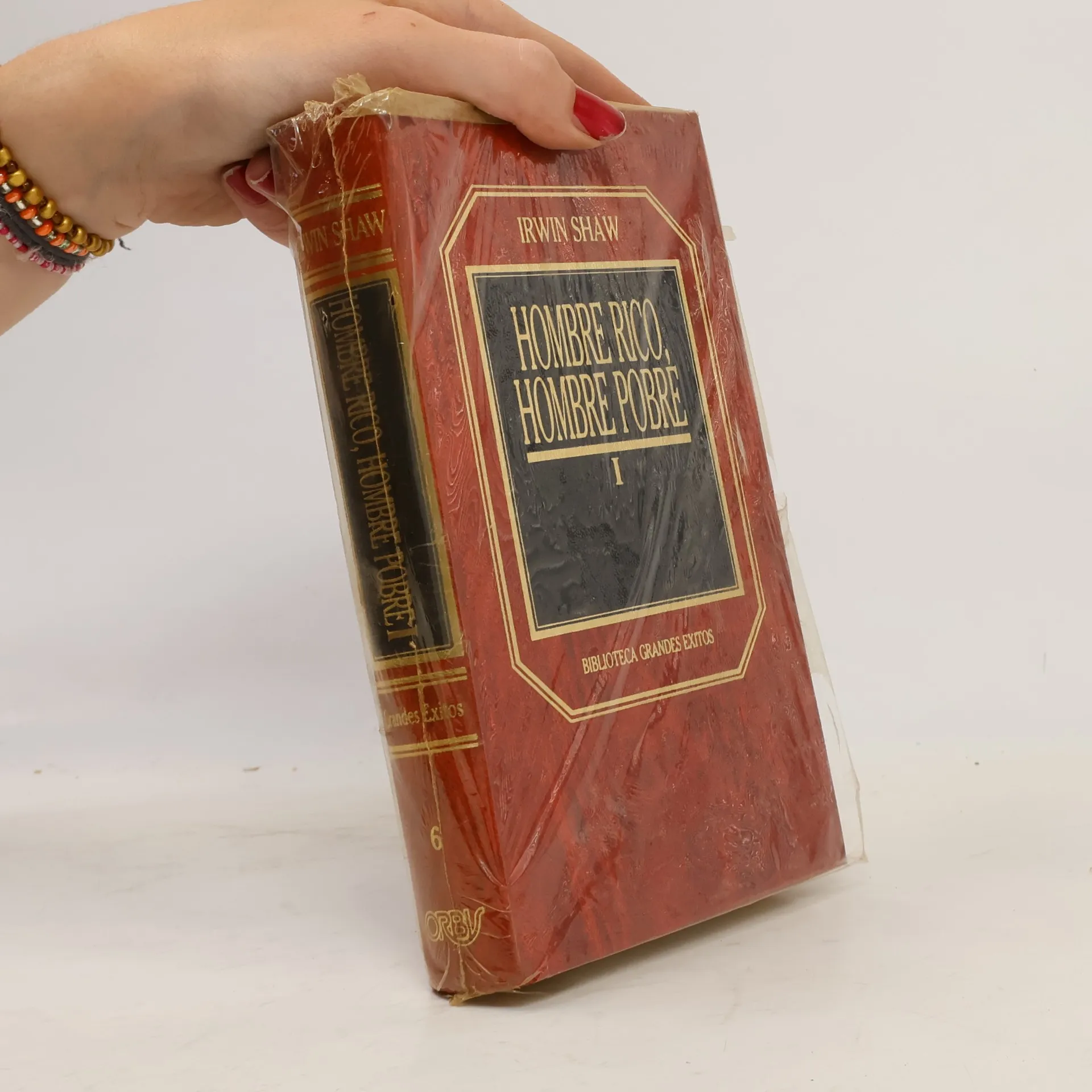
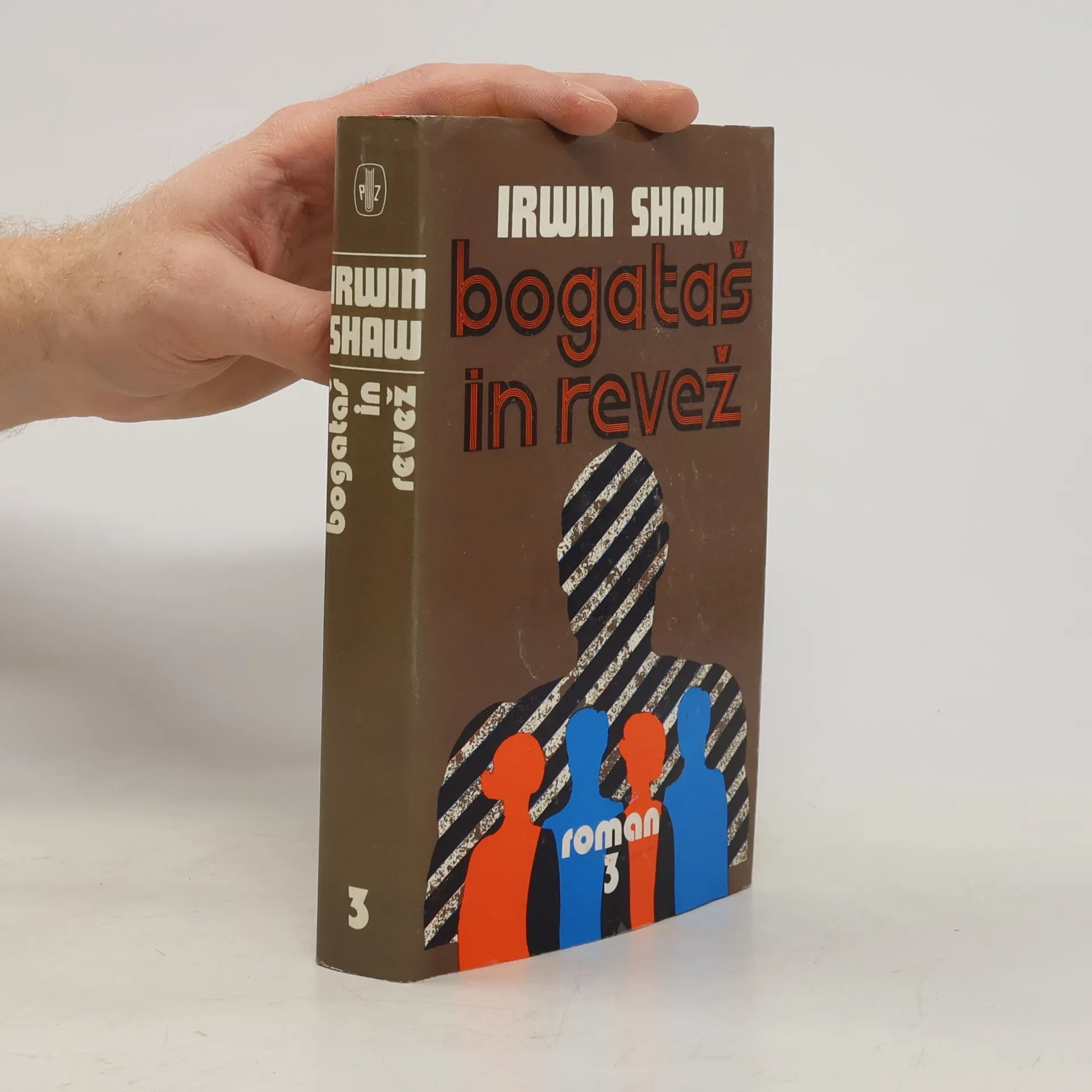
Rich Man, Poor Man is the story of two brothers whose contrasting natures reflect the turmoil of post-war America. Rudy is the rich man - a romantic who would let no one stand between him and success. Tom is the poor man - the black sheep of the family on the run from his violent past.
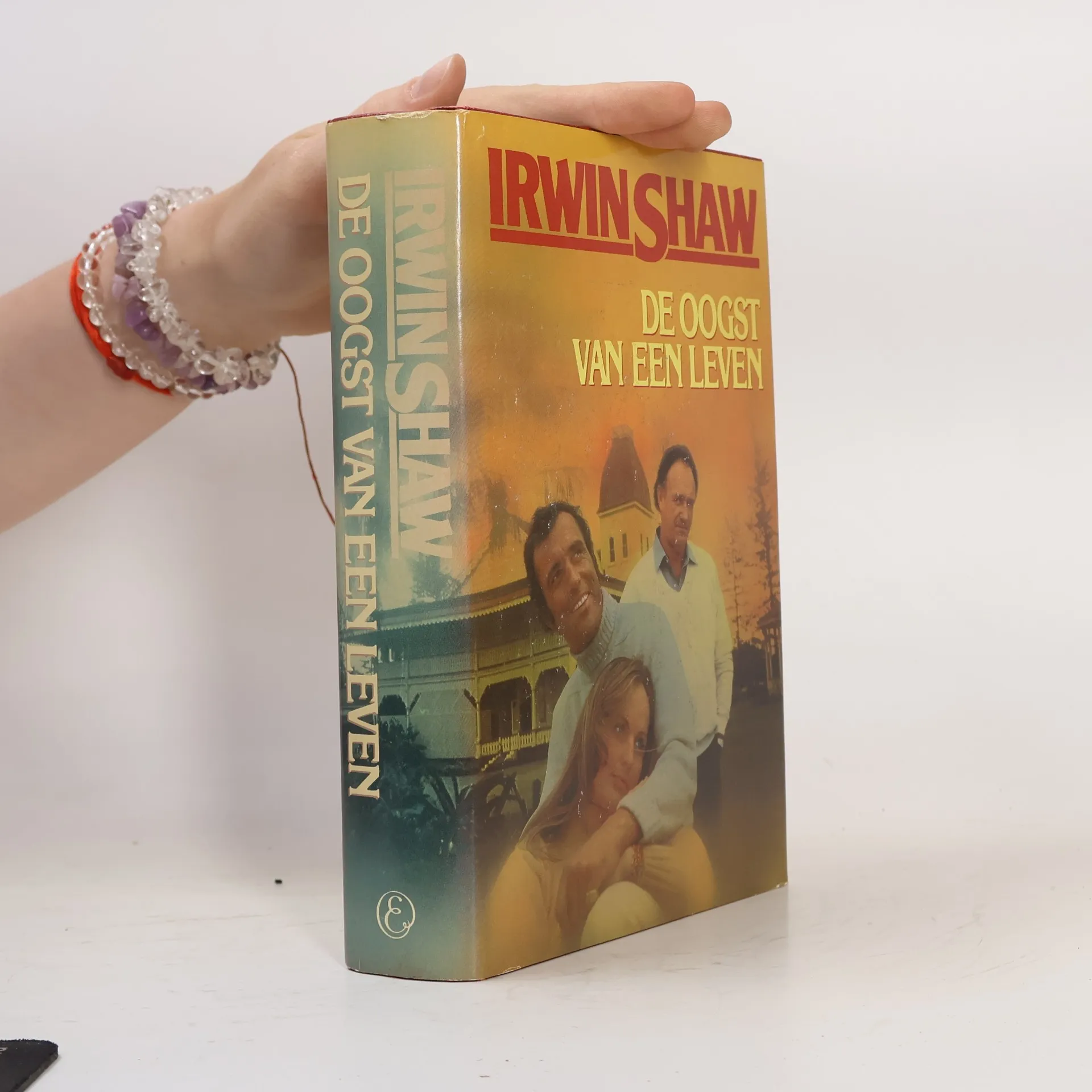
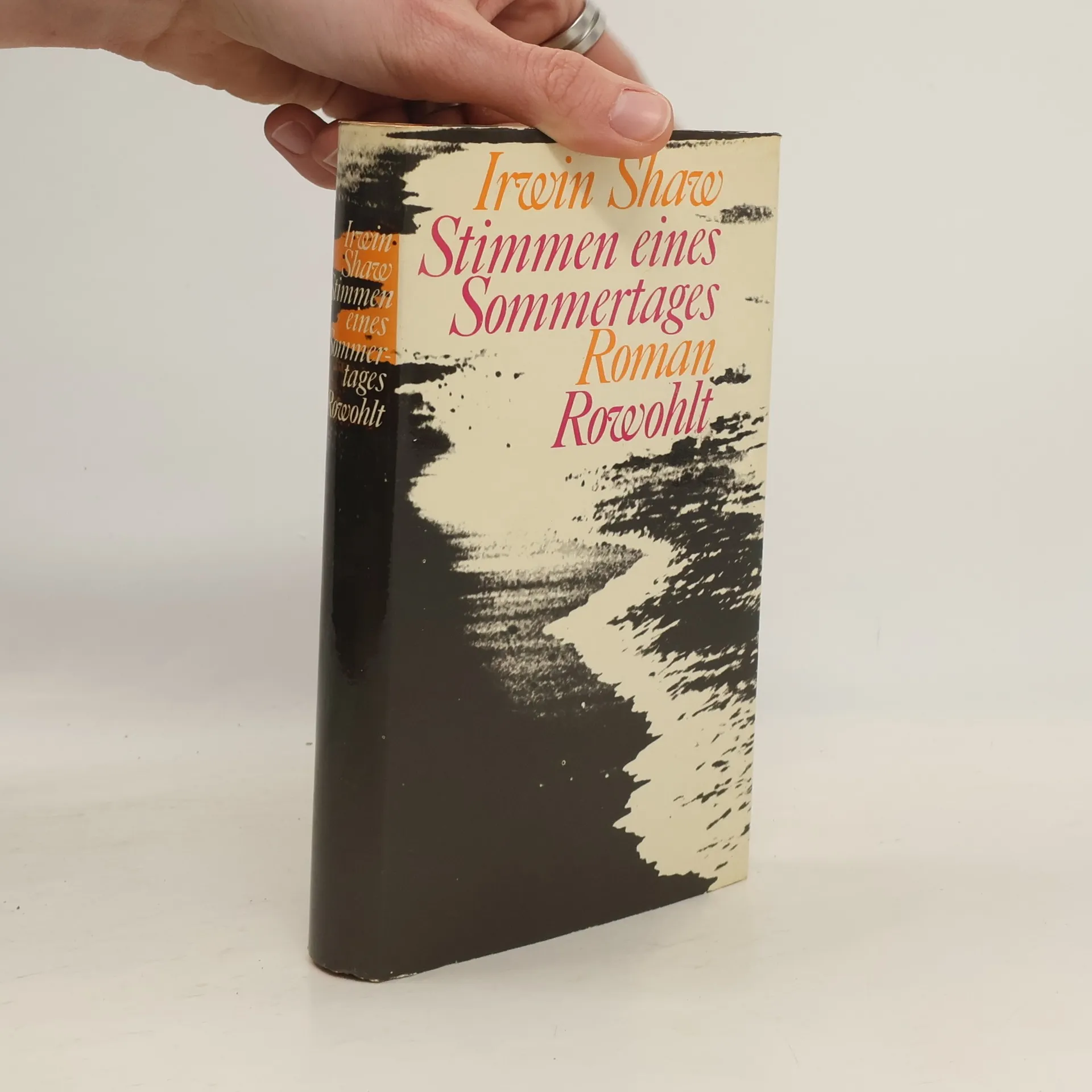
Het begint zo rustig, zo bedrieglijk simpel... De New Yorkse leraar Allen Strand is niet ontevreden over het leven. Zijn nog steeds aantrekkelijke vrouw Leslie geeft pianolessen en vult zo het gezinsinkomen aan. Hun drie begaafde kinderen zijn gelukkig en hebben een goede toekomst voor zich. Alles gaat naar wens, lijkt het. Tot er plotseling een vreemd element in hun leven komt. Caroline, een van de twee dochters, neemt een man mee naar huis die door drie jongens is afgetuigd. Het blijkt Russell Hazen te zijn, multimiljonair en een van de invloedrijkste juristen in New York. Hazen, die een huwelijk vol tegenspoed en mislukkingen achter de rug heeft, wordt getroffen door de harmonie in het gezin Strand. Hij probeert hen te helpen, één van hen te worden, maar zijn bemoeienissen, hoe goed bedoeld ook, hebben tragische gevolgen. In het ogenschijnlijk zo harmonieuze gezin Strand komen verborgen conflicten aan het licht, zekerheden worden in twijfel getrokken, de hechte eenheid dreigt te worden vernietigd. Machteloos ziet Russell Hazen hoe het gezin dat hij wilde helpen juist door zijn inmenging te gronde dreigt te gaan. Hij ziet nog maar één uitweg...
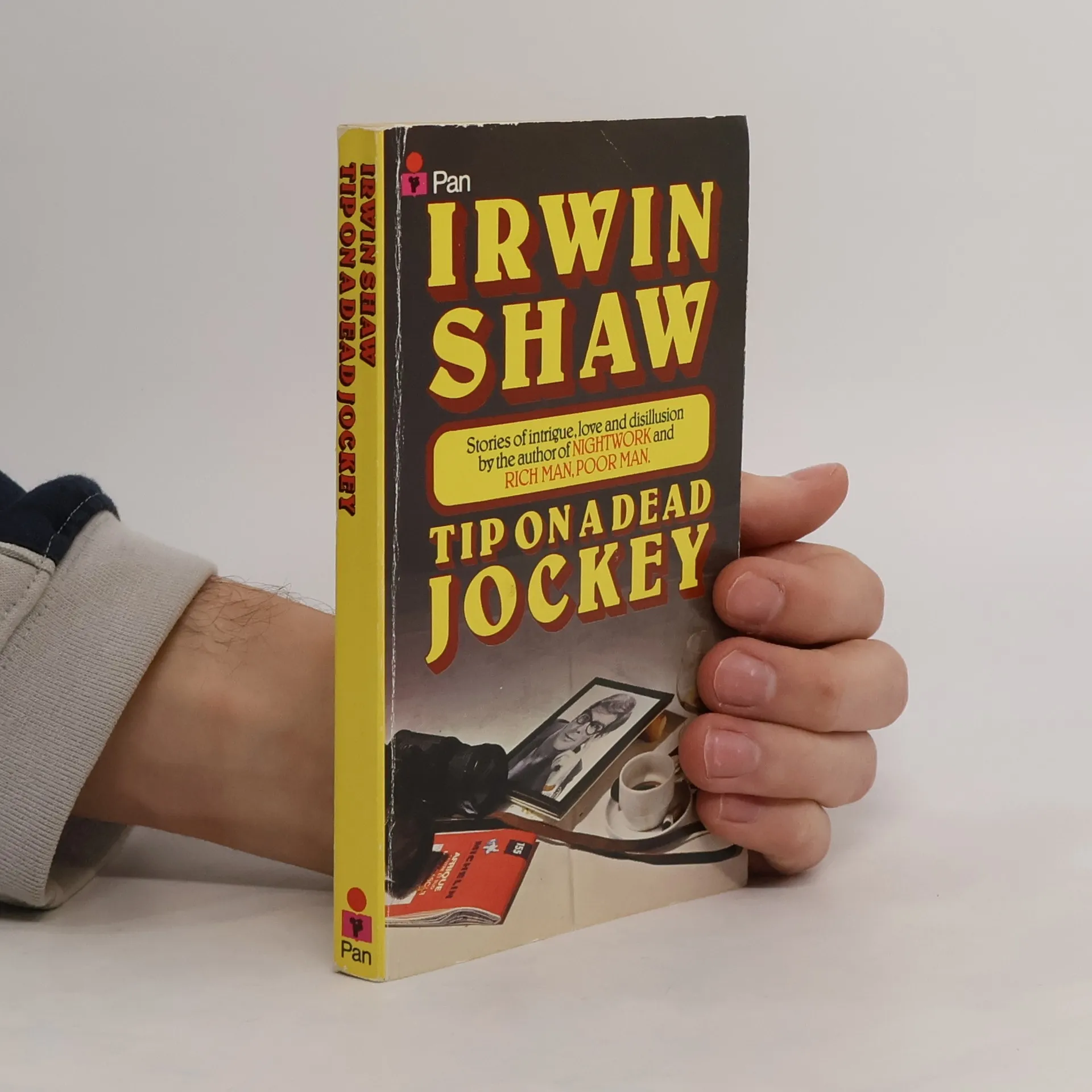
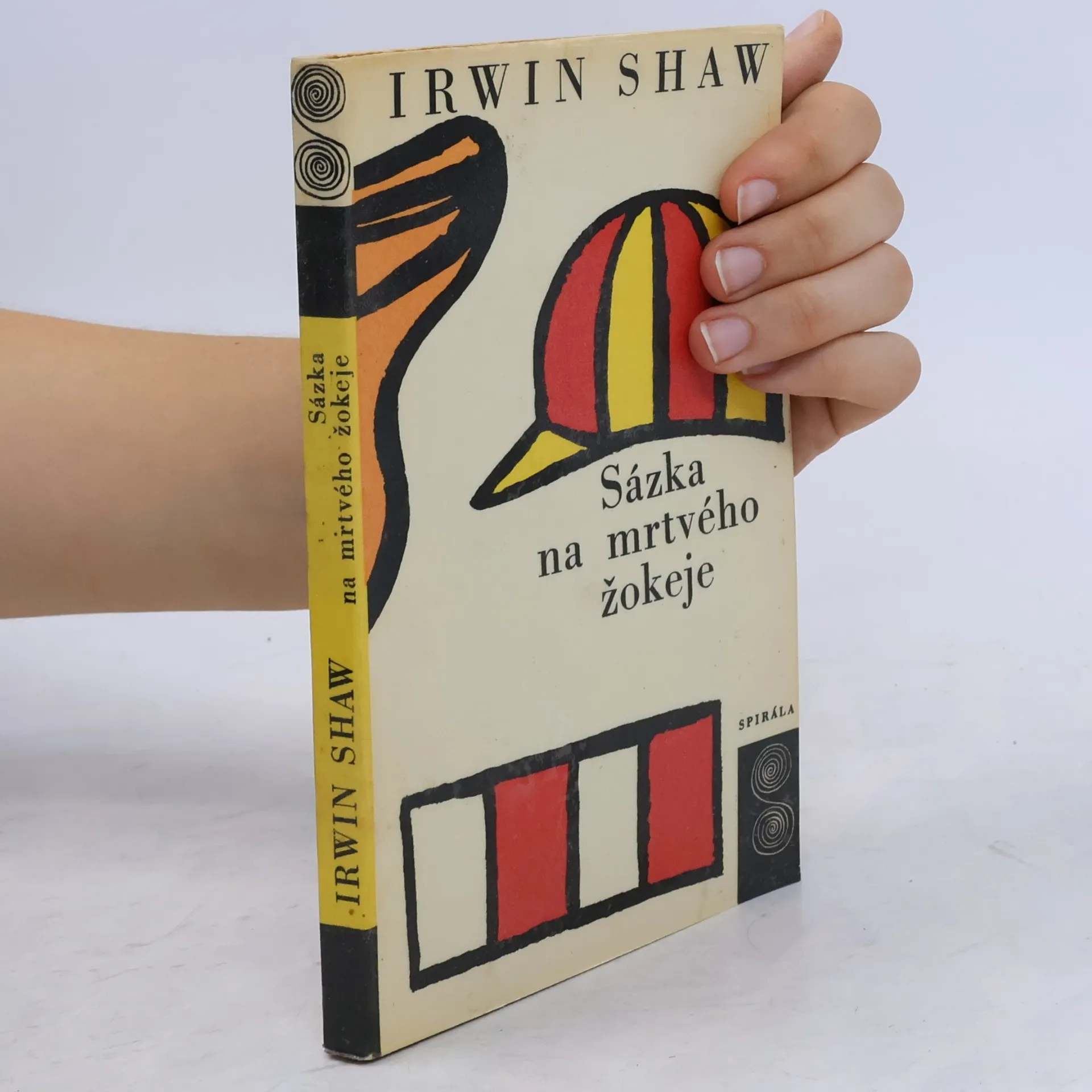
A dead man’s briefcase presents a down-on-his-luck pilot with the chance of a lifetime. Pilot Douglas Grimes’s best days are long behind him. Grounded due to a medical condition, Douglas has resigned himself to menial work as a desk clerk at a seedy hotel. But his fortune flips when he discovers a hotel guest dead from a heart attack and, next to him, a tube jammed with hundred-dollar bills. Douglas grabs the money and, with it, the chance to remake his life. In Europe, he meets Miles Fabian, an elegant and erudite con man with a flair for extravagance. Fabian recruits him for his latest ploy: robbing members of the idle rich. But what will happen when his bad behavior catches up with him?
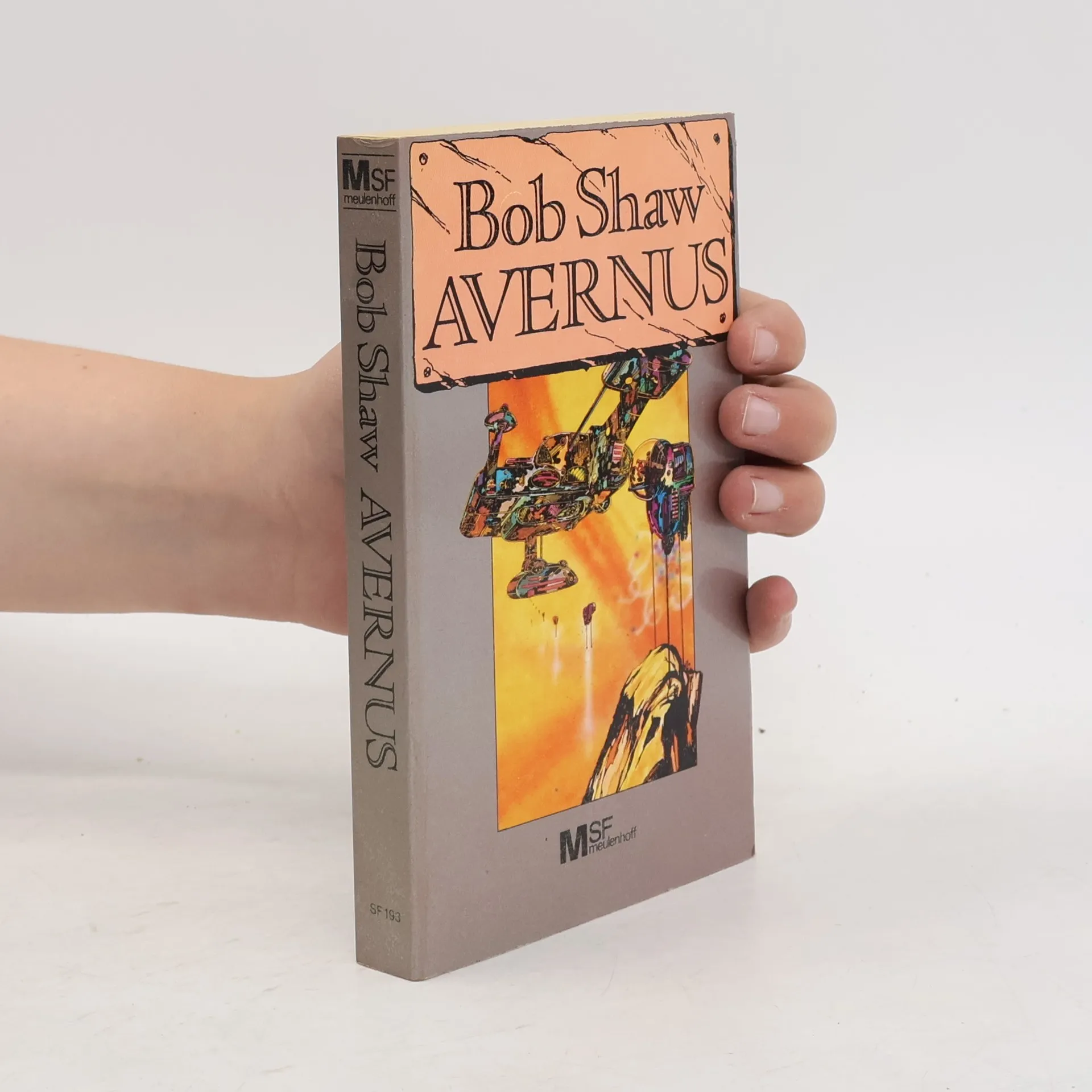
Cover artist: A. Pedro Ironically, for Gilbert Snook who considered himself the human equivalent of a neutrino, a particle able to travel through the Earth without disturbing any other particle it all started with the panic that followed the sighting of the anti neutrino planet as it approached Earth. Earth was unaffected but Snook ended up in a small African Republic teaching English to diamond miners. Then the miners started seeing ghosts and Snook found himself at the centre of a bizarre and far reaching scientific discovery and in the middle of some very dirty political infighting.
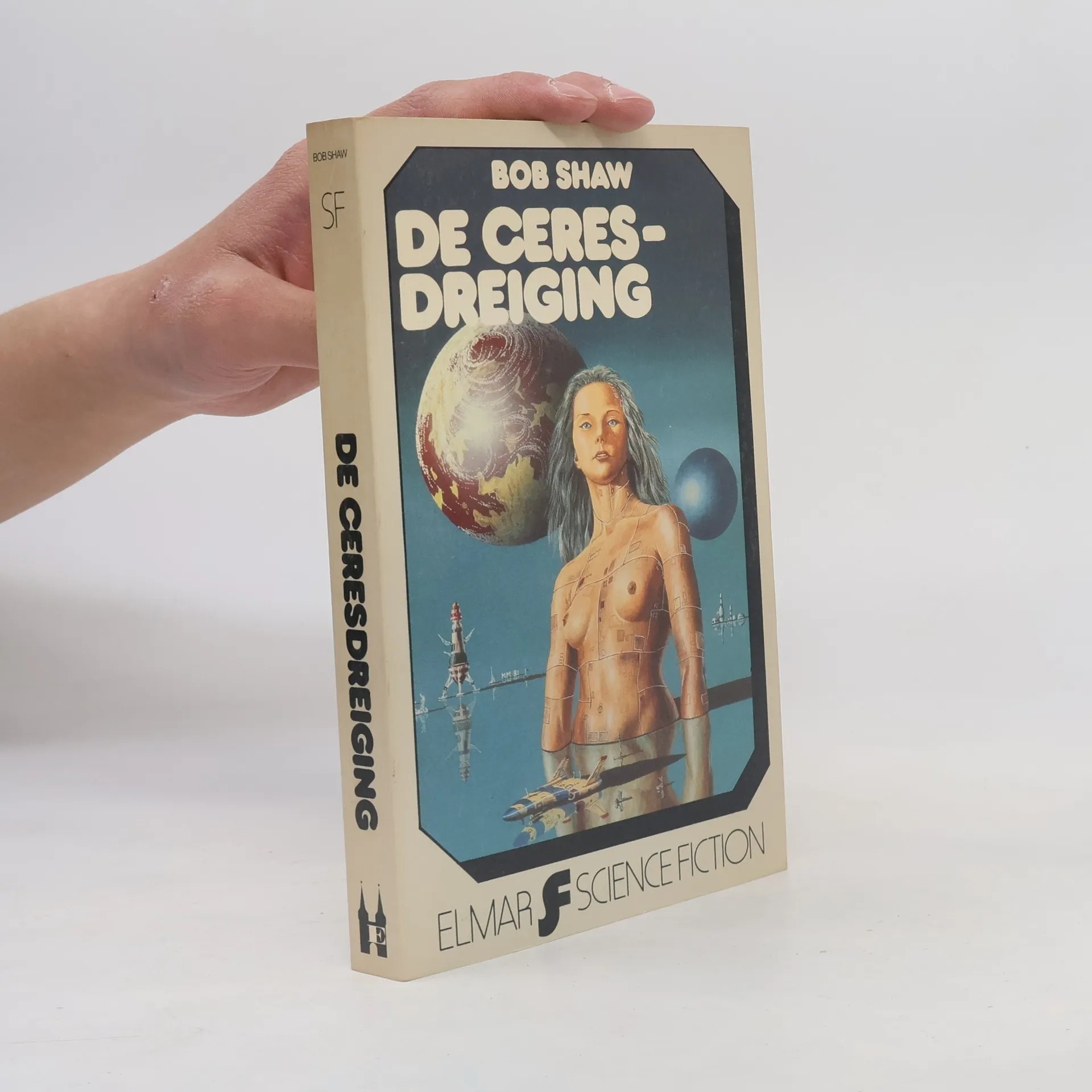
De Ceresdreiging is het verhaal over twee heel verschillende beschavingen die met elkaar in botsing komen: de een op Aarde op de drempel van de 21ste eeuw - overbevolkt, dolgedraaid en hard op weg naar nucleaire zelfvernietiging; de ander op de ver weggelegen wereld Mollan, waarvan de bewoners een zeer hoge ouderdom bereiken en over bijzondere gaven beschikken als teleportatie. De bewoners van Mollan volgen een politiek van strikte afzondering om hun koele, introspectieve maatschappij te behouden, maar de beide culturen zijn bestemd om elkaar diepgaand te beïnvloeden... Shaw beschrijft zijn beelden door de ogen van gewone mensen. Aan de ene kant Denny Hargate, een verbitterd man, veroordeeld tot de rolstoel, maar met een ontembare moed. Aan de andere kant Gretana ty Iltha, spionne op Aarde, die ervan droomt terug te keren in de hoge kringen van haar maatschappij. Maar dat loopt allemaal heel anders...
De directeur van een radio-toneelgezelschap krijgt bevel om vijf van zijn spelers te ontslaan op beschuldiging van communisme. Hij krijgt 2 weken uitstel om de beschuldiging te ontzenuwen.
An act of infidelity tears apart the members of a Depression-era family Friends always envied the Crown marriage, but for Lucy, something was missing. During a family trip to Vermont in the summer of 1937, her husband, Oliver, is called away. When Lucy falls into an affair with a younger man, her son, Tony, walks in on them. The betrayal rips apart the family, ultimately estranging Lucy from her son. Twenty years later, the two run into each other at a bar in Paris, and Lucy realizes that she may have found her best chance at absolution.
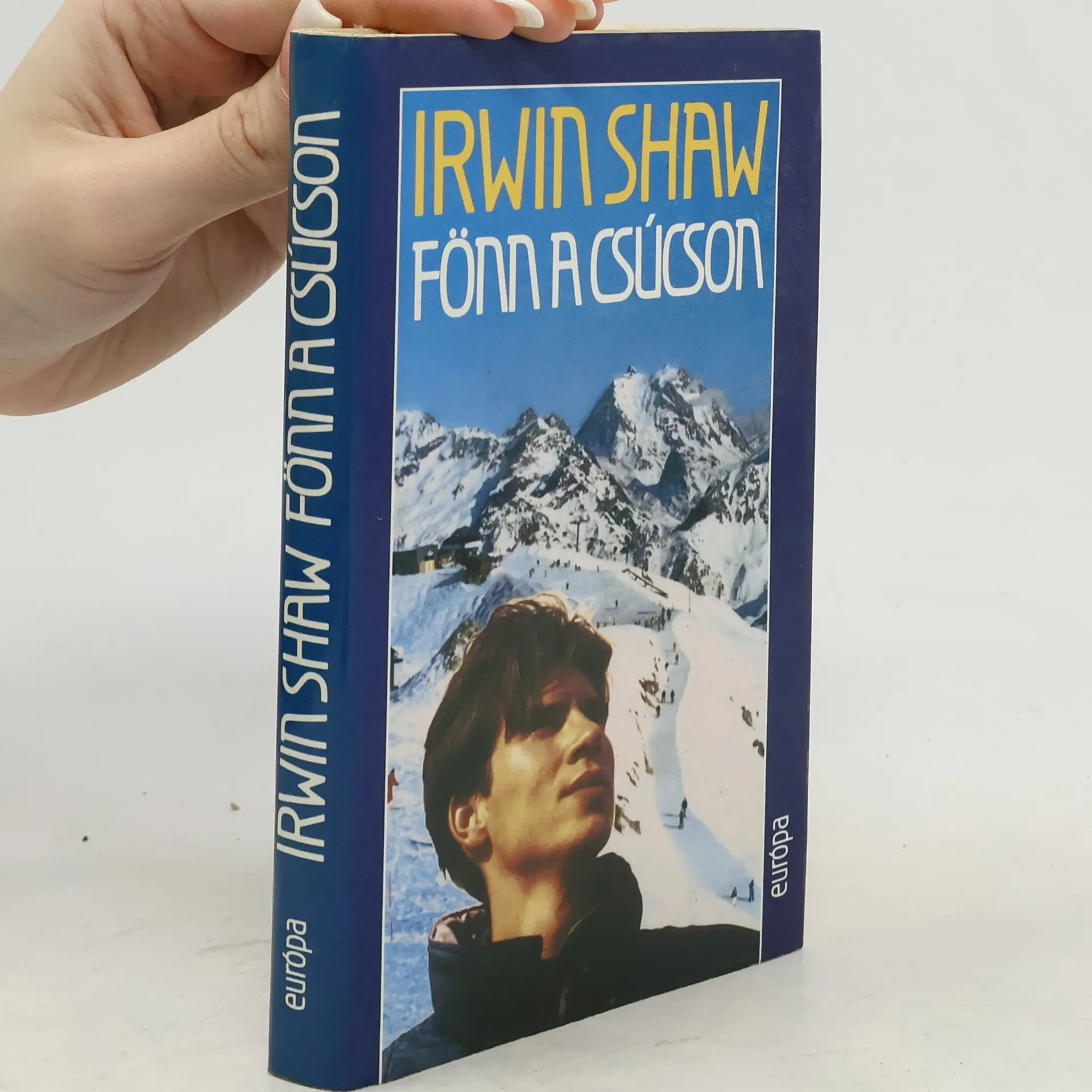
Een succesvol zakenman tracht de verveling te verdrijven door een skivakantie. De ziekte van een hoteleigenaar en een verhouding met diens labiele echtgenote veranderen zijn levenshouding.
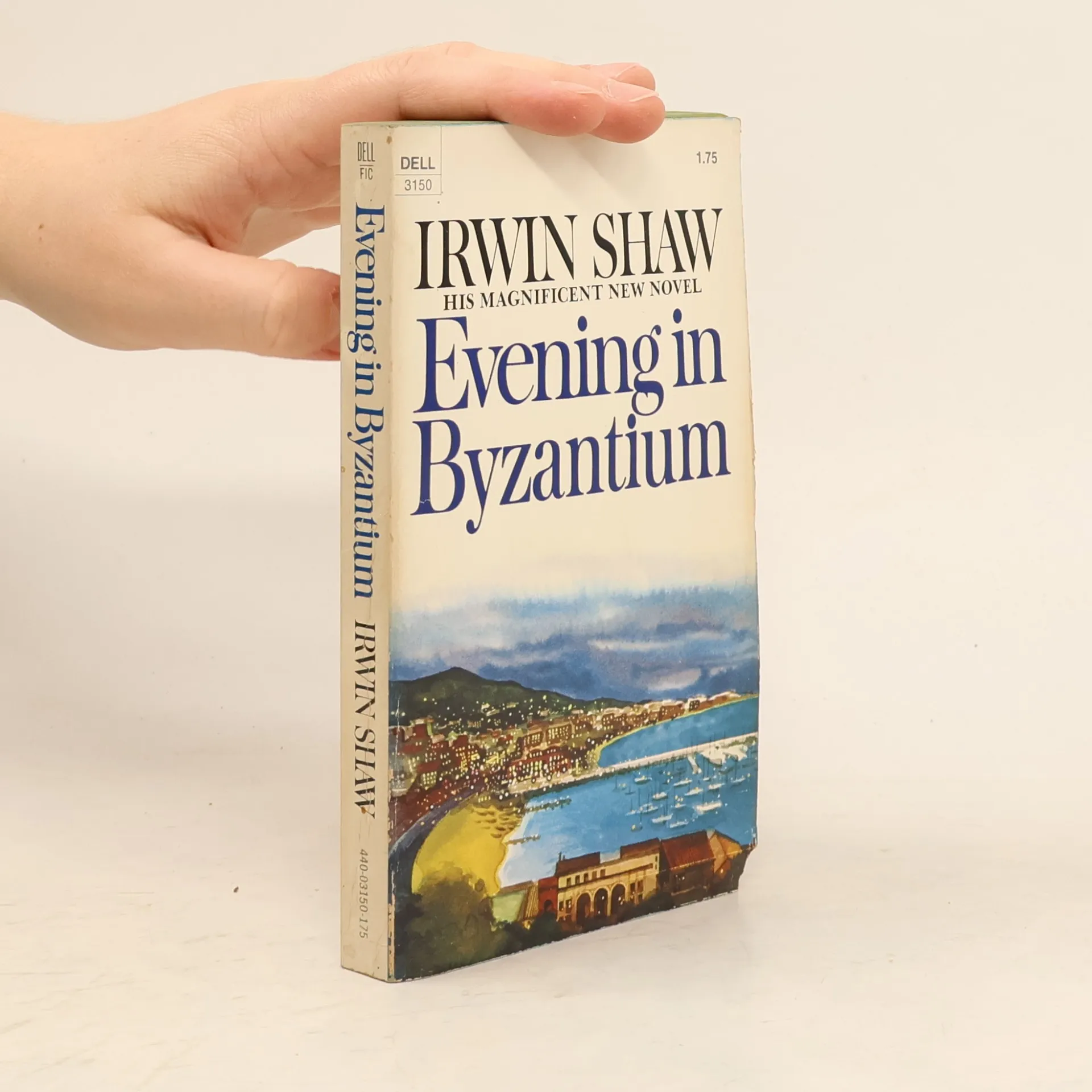
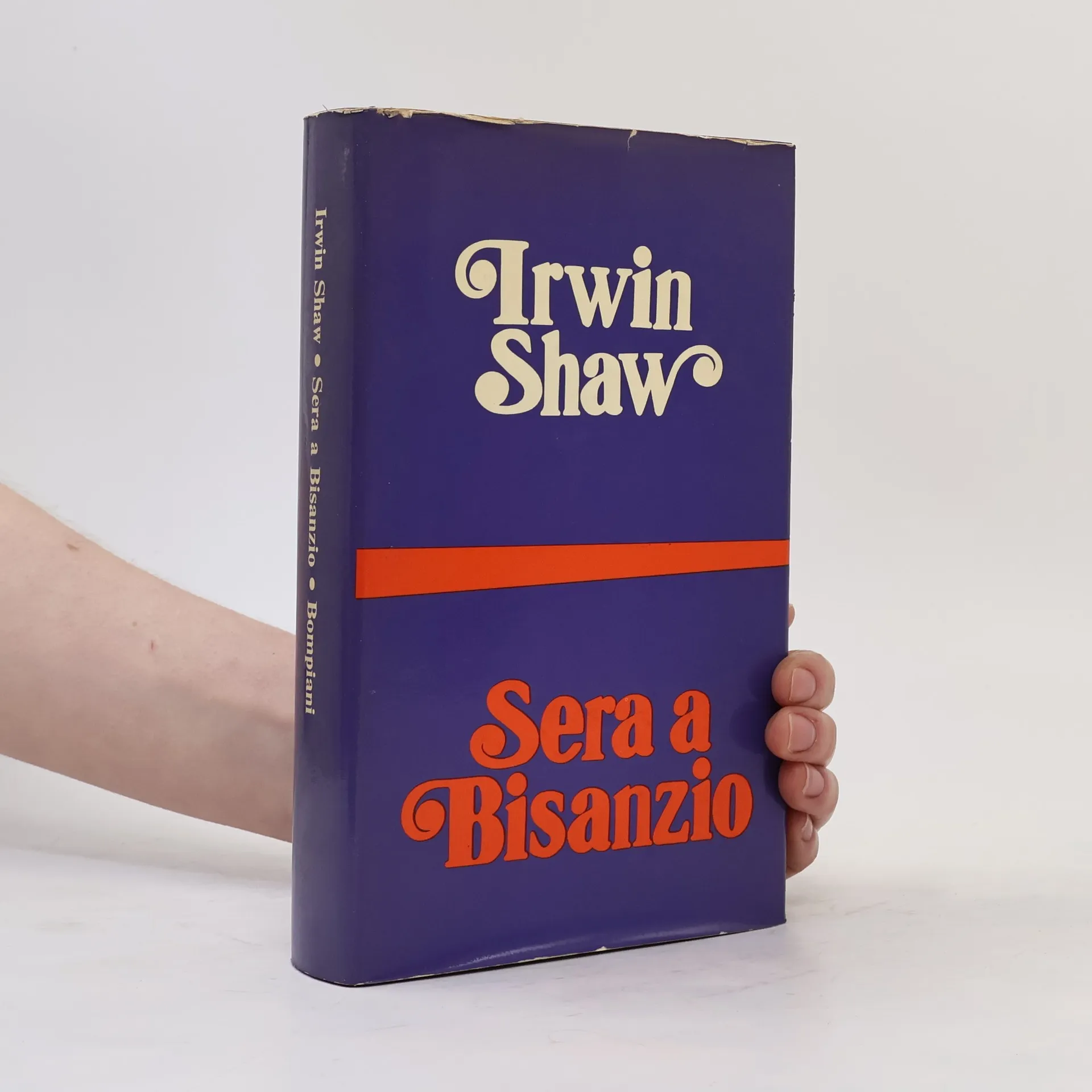
Voorjaar in Cannes. De stad, het decor van het vermaarde filmfestival, wordt overspoeld door filmsterren, regisseurs, producenten en journalisten. Maar Cannes is ook het decor van de vergeten idolen ... Een van hen is Jesse Craig, eens een gevierd filmproducent, maar nu al jaren op een zijspoor gezet. Gail McGrinnon, een jonge brutale journaliste, toont als enige nog belangstelling voor hem. Zij confronteert hem met zijn verleden: successen op Broadway, een stukgelopen huwelijk en de liaison met de betoverende Constance in Parijs. Door deze confrontatie met zijn verleden beseft Craig geen verliezer te willen zijn; hij besluit aan zijn come-back te werken en zijn plaats aan de top te heroveren...
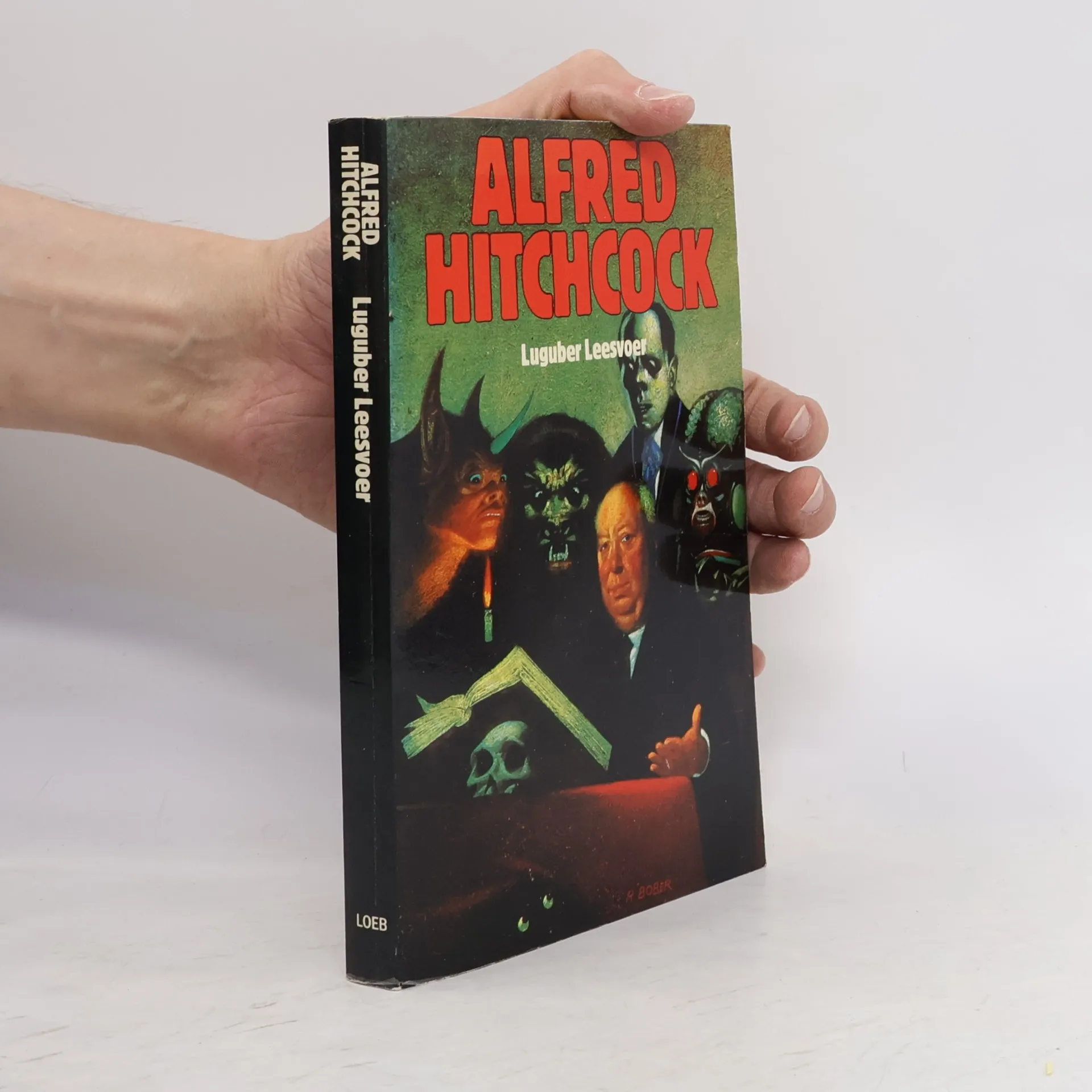
8 spannende verhalen, samengesteld en voorzien van een inleiding door de master of suspense himself, Alfred Hitchcock.De verhalen:Mannichons oplossing (Irwin Shaw); Gratis grond (Charles Beaumont); Opruimingsdienst (Robert Sheckley); De indringer (Richard Matheson); Niet na middernacht (Daphne du Maurier); De erfenis van Peabody (August Derleth); De medepassagier (Chelsea Quinn Yarbro); De fatale groet (Ann Mackenzie).
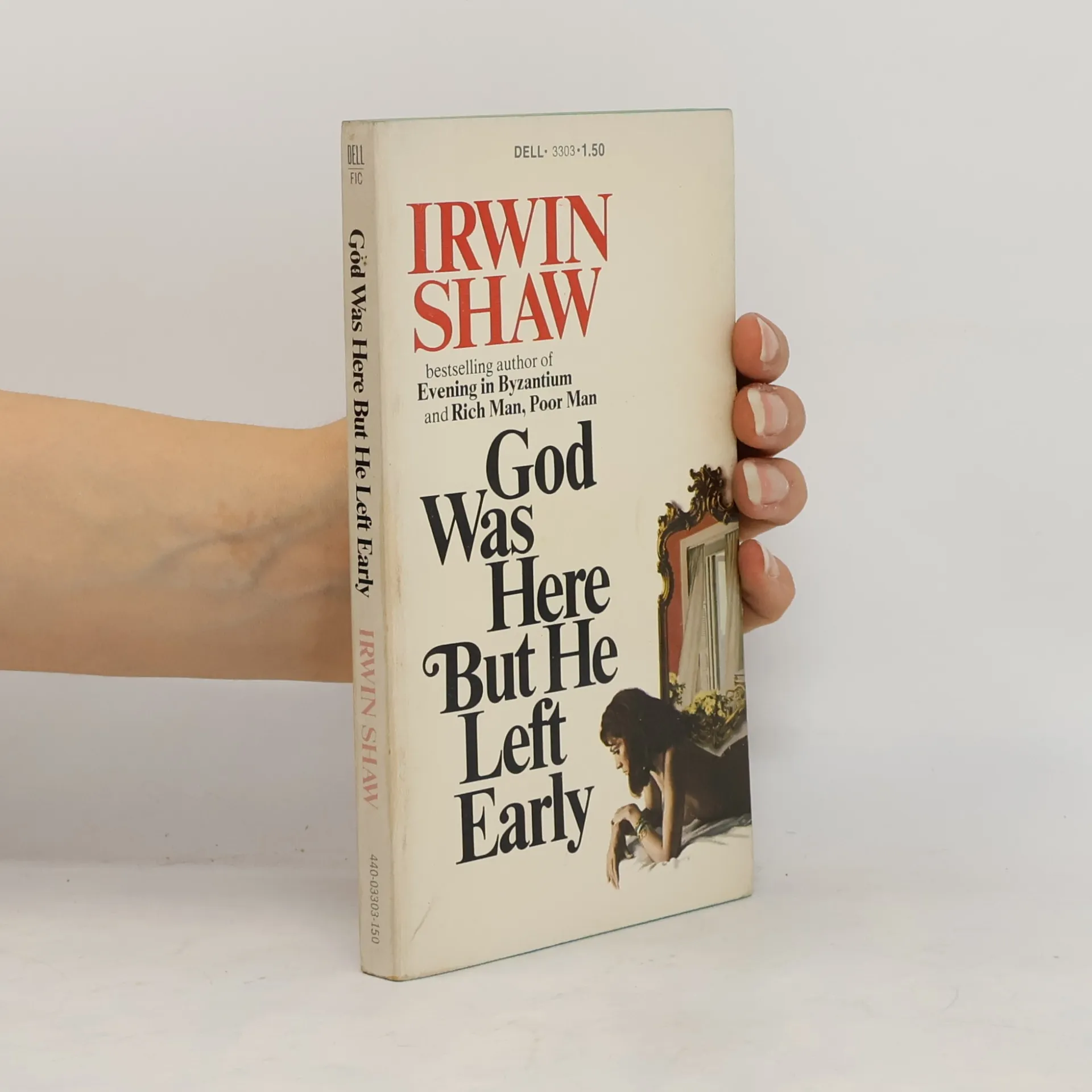
"GOD WAS HIER, MAAR HIJ GING VROEG WEG OMDAT HIJ ER GEEN BROOD MEER INZAG" is een boek van Shaw. Het is uitgegeven door Reed Business. Deze editie verscheen in 1974. De vertaling is verzorgd door R. KLIPHUIS. Dit werk telt 173 pagina's. Het is geschreven in het Nederlands.
In this lively anthology of 21 stories and one classic poem about football, fathers and sons tackle their issues, coaches and quarterbacks collide, and ordinary heroes emerge from the blitz.
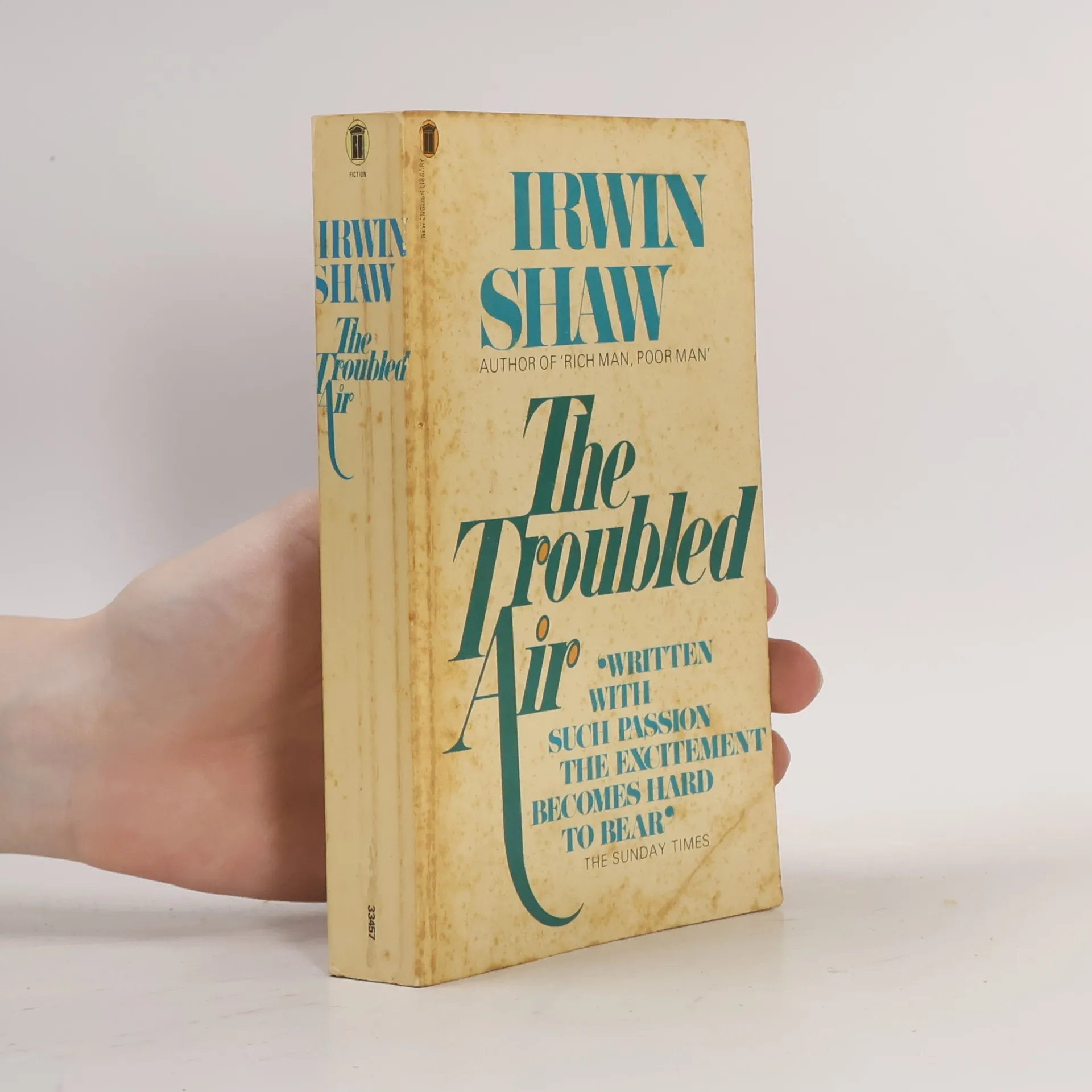
New York Times Bestseller: A provocative novel about one man’s struggle with courage and his conscience at the height of McCarthyism. Clement Archer, head of a popular radio show, faces a profound dilemma: Five of his employees stand accused of being communists, and a magazine threatens disclosure unless Archer fires each and every one. Despite his efforts to meet his own moral standards and avoid self-incrimination, Archer finds himself hounded from both ends of the political spectrum for his seemingly righteous actions. The Troubled Air, Irwin Shaw’s second novel, was published immediately before the author moved to Europe, where he lived for the next twenty-five years. The story remains a powerful portrayal of a good, decent man ensnared by the hysteria and cruelty of a dark period in American history.
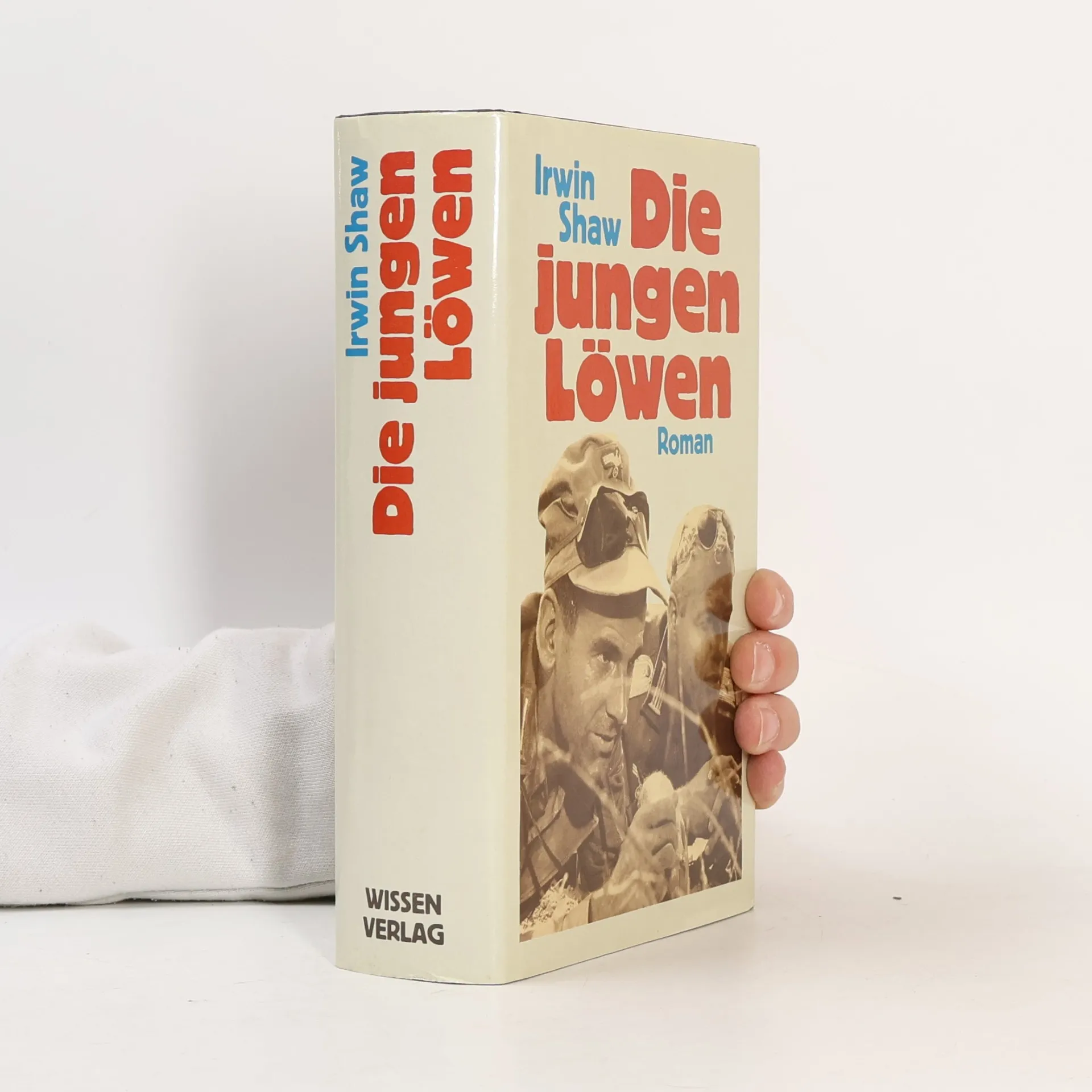
The Young Lions is a vivid and classic novel that portrays the experiences of ordinary soldiers fighting World War II. Told from the points of view of a perceptive young Nazi, a jaded American film producer, and a shy Jewish boy just married to the love of his life, Shaw conveys, as no other novelist has since, the scope, confusion, and complexity of war.
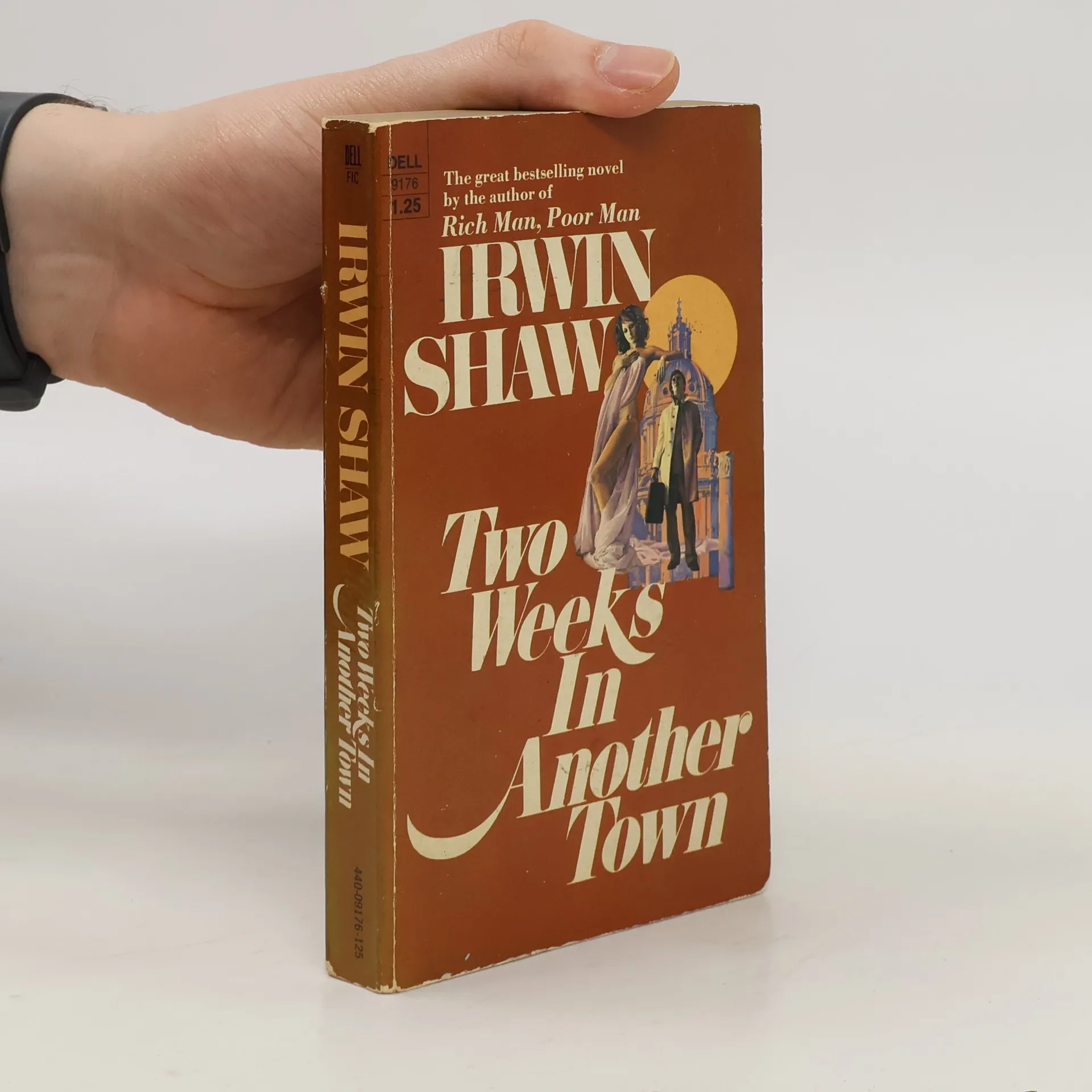
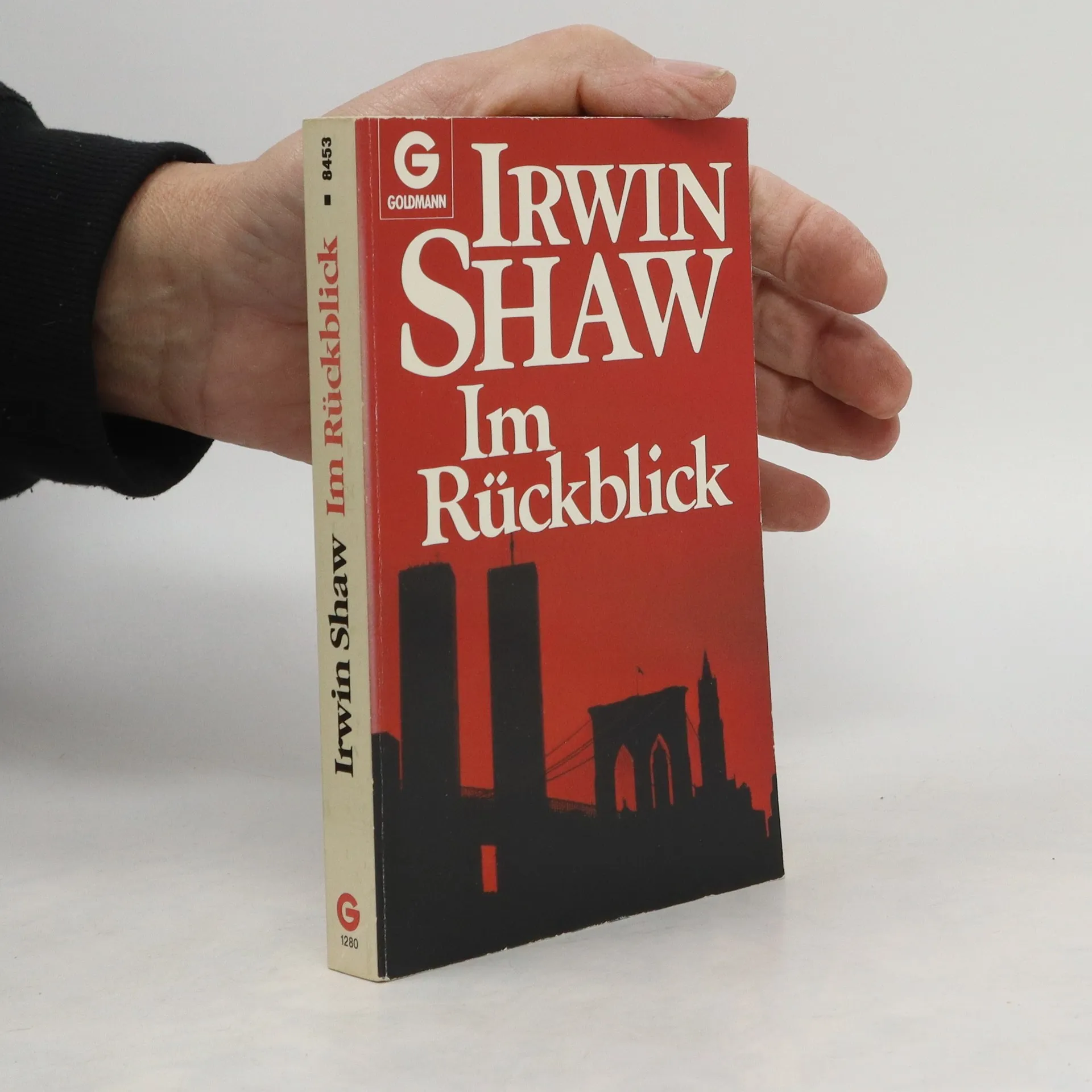
A beautiful Italian girl, a one-time movie idol turned NATO diplomat, a violent, talented young American writer, a once-famous movie director, all come together in Rome in an attempt to salvage a movie and escape the demands of lives they are afraid to face.
Ten Stories by one of America's top ten writers: all with the nuance of city detail, the magical spirit of the present, that the author [...] can bootle so expertely. Daily Mail, Back cover
One of Irwin Shaw's most unforgettable heroes battles to resurrect his declining career against a tough cast of women, whiskey, and old memories Jesse Crain was made for Cannes. A middle-aged filmmaker who dazzled audiences during Hollywood's Golden Age, Crain is talented, worldly, ambitious, and he knows how to play the game. As the Riviera sparkles in the spring of 1970, Crain juggles industry players while charming a persistent young journalist and fending off groupies. Beneath his polished exterior, though, Crain's life is coming apart at the seams. His last two films flopped, and for several years he's been adrift. Now desperate to reignite his career, a hit at any price feels like his only salvation. "Evening in Byzantium" is a masterwork that brilliantly documents a man's precipitous slide--along with that of his industry--from independence toward cynical mediocrity. It is a timeless story of a determined character grappling with the nature of success and power. This ebook features an illustrated biography of Irwin Shaw including rare images and never-before-seen documents from the author's estate.
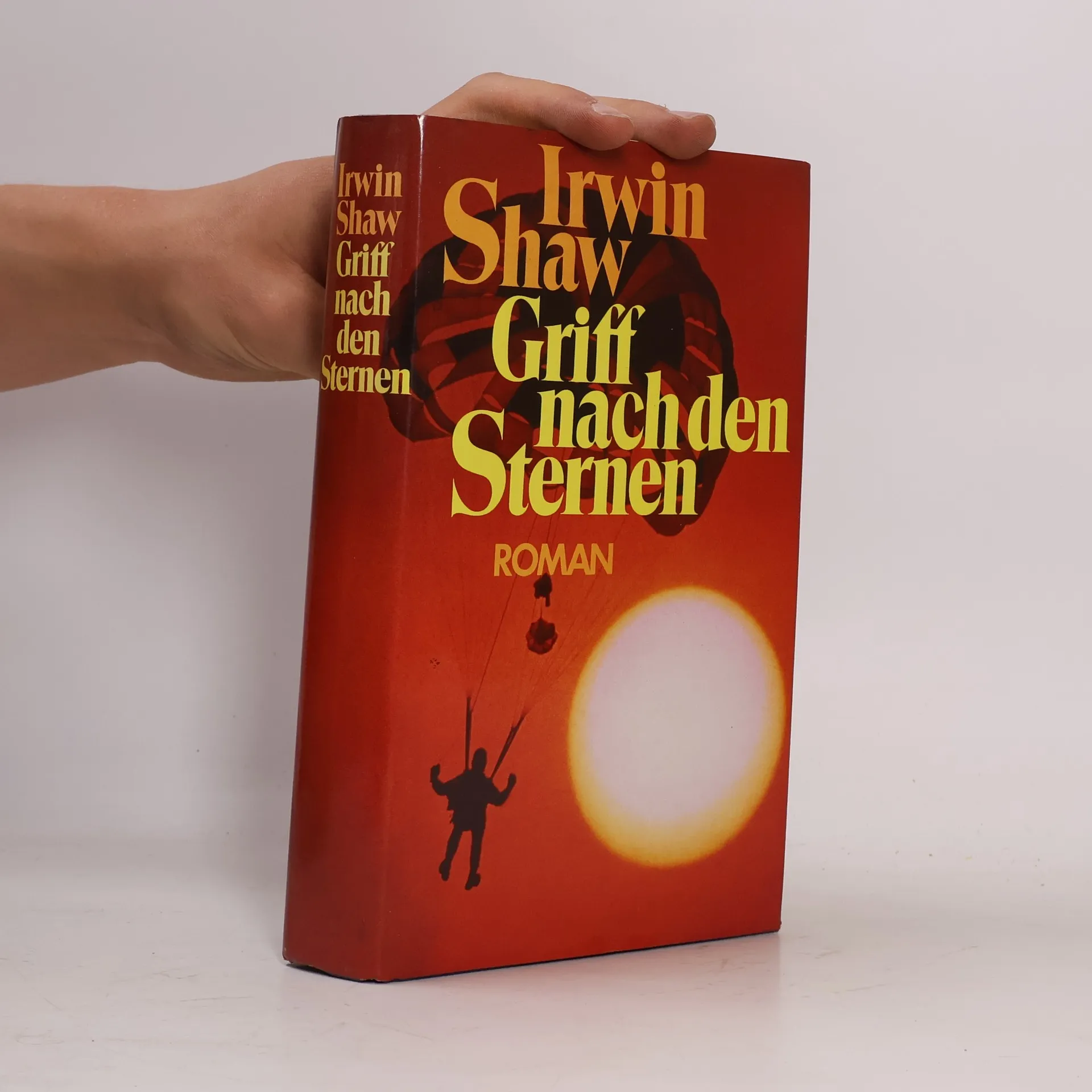
Michael Storr's joy comes from physical danger as a parachutist, a surfer, a hang glider, a free faller, a reckless skier. Oppressed by his life in New York City, he feels choked by his career as an executive in a high powered office as an executive in a high powered office, choked by the airless world of air conditioned towers. His own sanity depends on his finding a purer, simpler, more vigorous existence, and he sets out to search for one, even though he loses his wife in the process. He finds the physical excitement he craves but along with it developments he has not contempated. For some of the personal relationships in which he becomes entangled prove as threatening as the most dangerous of his sports.
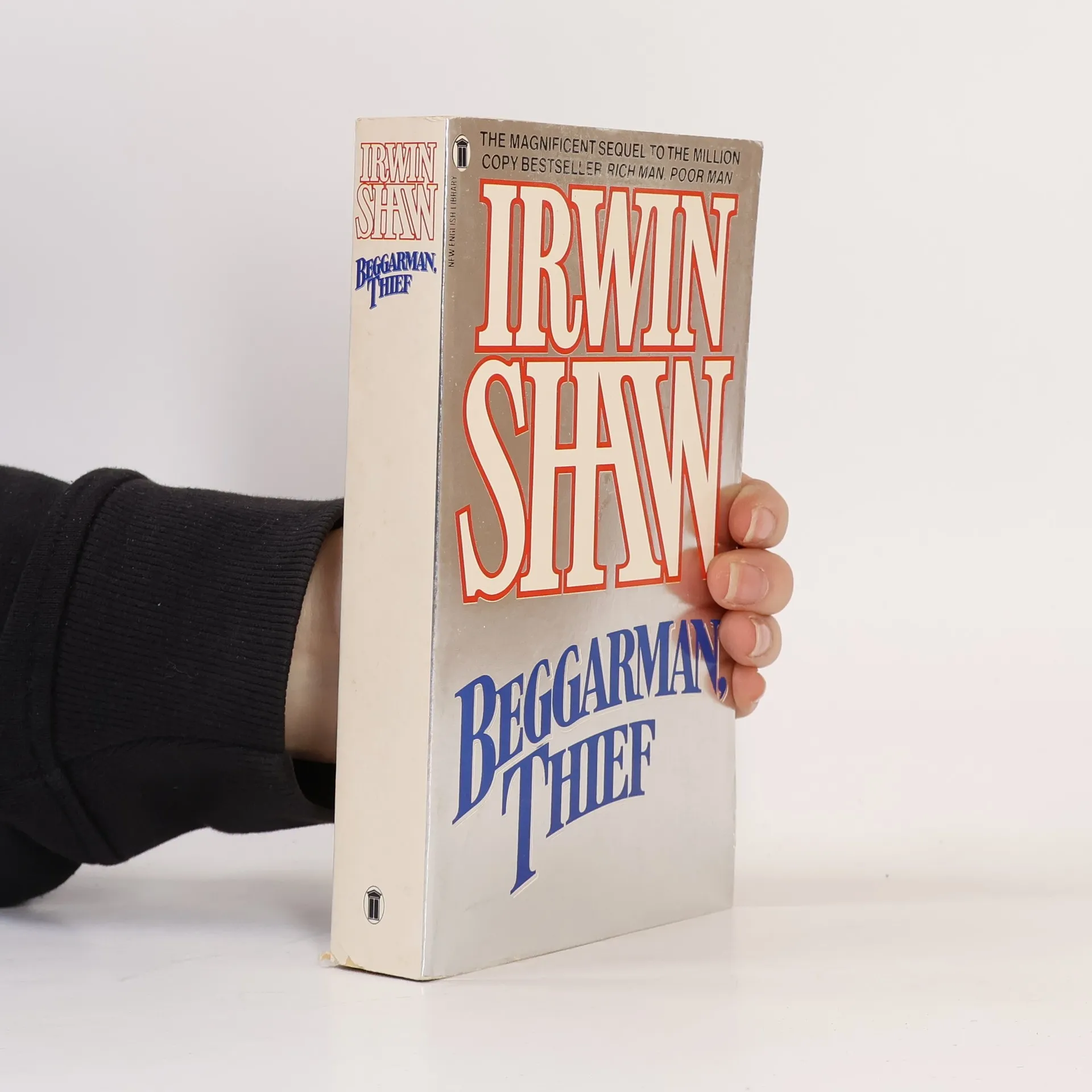
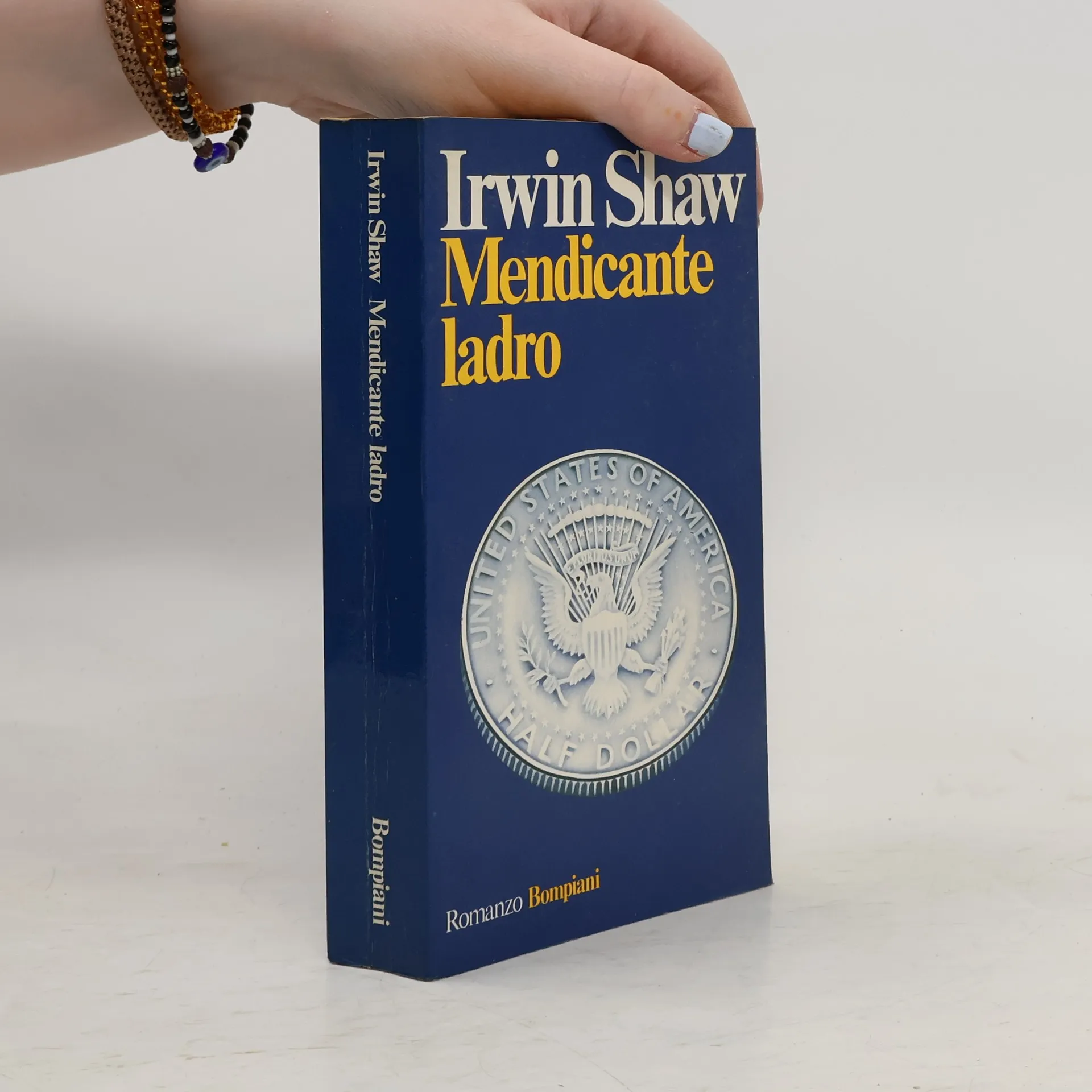
Wesley, haunted by his father's murder, begins a strange and deeply personal quest; Billy becomes involved with a girl who leads him into unexpected dangers; Gretchen finds new challenges and experiences a remarkable twist to her life. Moving between Europe and America, "Beggarman, Thief" is a brilliant novel chronicling the fortunes of one family - the joys, sorrows, successes and failures. This is not only the gripping sequel to Irwin Shaw's bestselling "Rich Man, Poor Man", but also an outstanding novel in its own right.
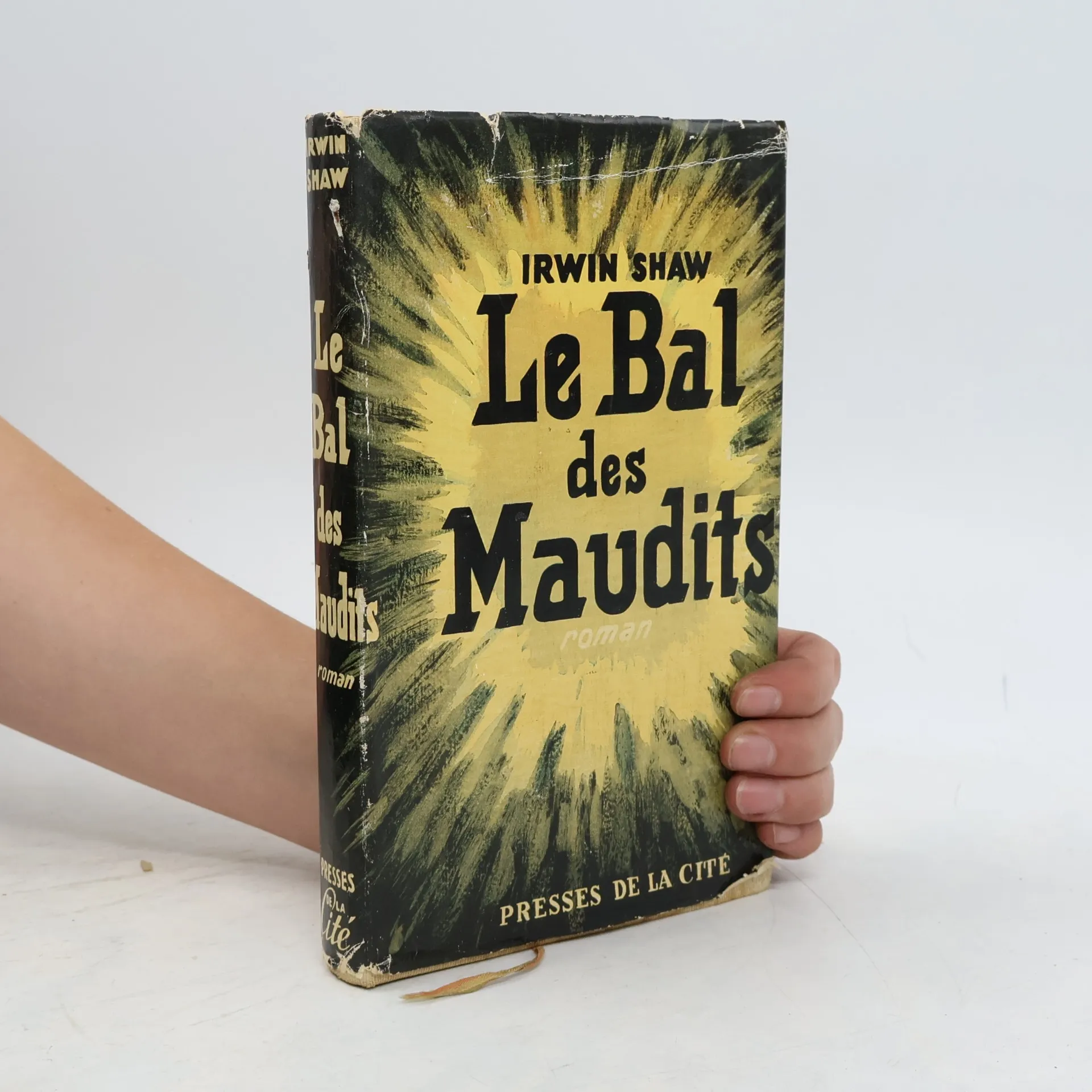
Die jungen Löwen, das sind 1939 die jungen Soldaten, die voll Mut, Entschlossenheit und Tatendrang auf die Schlachtfelder Europas und Afrikas ziehen, die töten und zerstören, weil man es ihnen befiehlt und weil sie glauben, es für eine gerechte Sache zu tun. Manchem ist der Krieg das große Abenteuer, die Chance zur Befriedigung des persönlichen Ehrgeizes, vielen wird er zur Bewährungsprobe, nur wenige erleben ihn als "Aufbruch der Nation". Je länger der Krieg dauert, je grausamer er wird, desto mehr verblassen die großen Worte ..
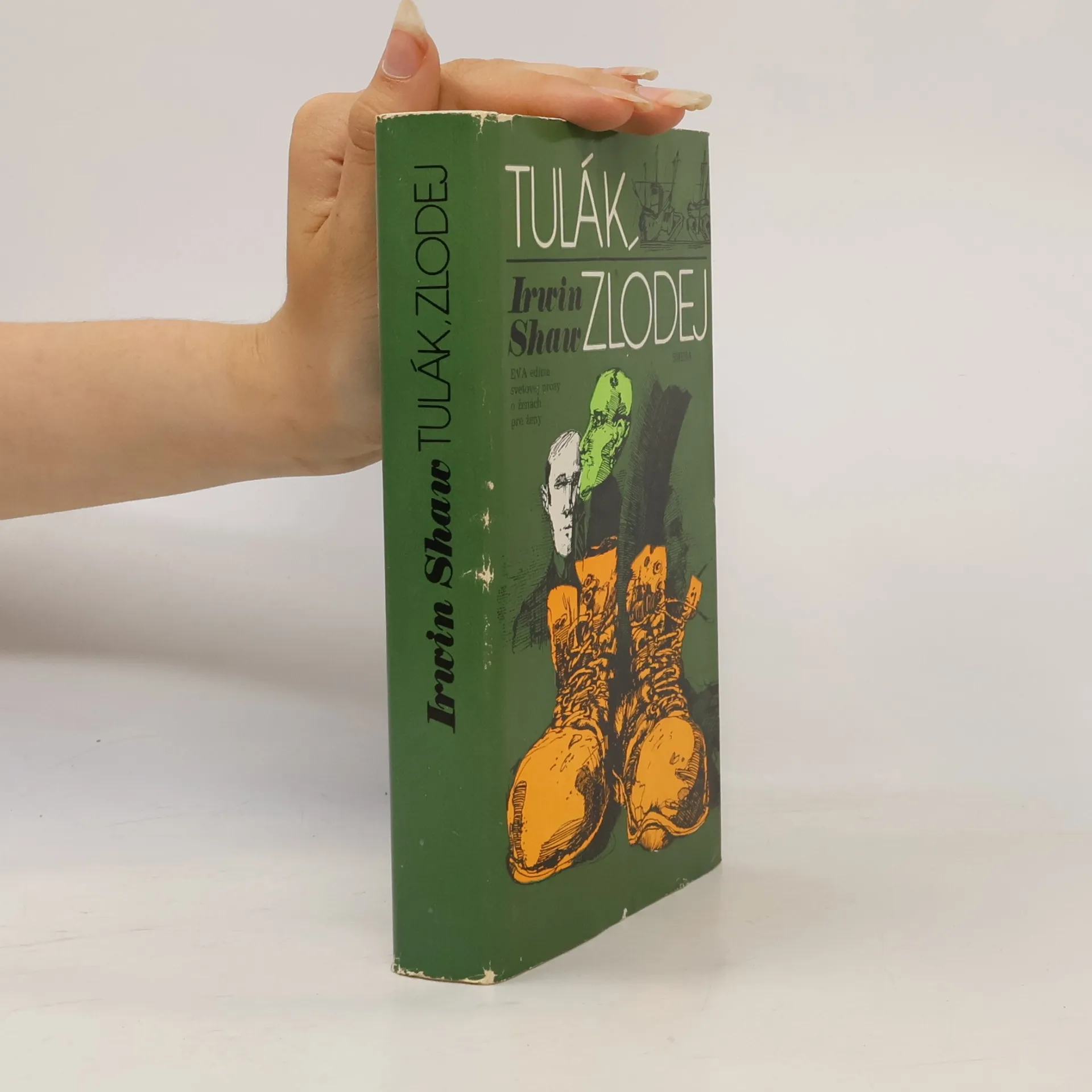
Dva bratři spolu se svou půvabnou sestrou postupně opuštějí domov a každý po svém se snaží postavit na vlastní nohy. Nejstarší bratr, pýcha rodičů, se uplatnil jako podnikatel a myslí jen na svou kariéru, druhý nejprve zápasí jako boxer a později se všelijak protlouká na hranici zákona a jejich sestra se po trpké zkušenosti pohybuje v luxusním polosvětě. Závěrem románu dochází ke konfrontaci osudů všech sourozenců a tragická a zbytečná smrt dává rozhřešení jednomu z nich.
Povídky zachycují atmosféru padesátých let v Americe a v Evropě, ukazují problémy bývalých letců silně poznamenaných válkou, problémy milostné a problémy lidí žijících ve vymoženostech americké civilizace.
Průřezem z celoživotní tvorby se po dvaceti letech opět setkáváme s povídkami Irwina Shawa. Třetinu výboru osmnácti próz oblíbeného autora znají naši čtenáři z knih: Sázka na mrtvého žokeje a Láska v temné ulici. Všechny příběhy charakterizuje Shawův chápavý humor, hluboký humanismus, znalost lidské psychiky a čiré potěšení, jež povídky čtenáři přinášejí....
Tento román sa odohráva v napätom, vzrušujúcom prostredí medzinárodného sveta filmu - peniaze, úspechy, moc, rivalita - ústrednou postavou je Jack Andrus, predtým slávny filmový herec, v posledných rokoch - pre zranenie z druhej svetovej vojny, ktoré mu znemožnilo ďalšiu hereckú kariéru - radový zamestnanec NATO v Paríži.
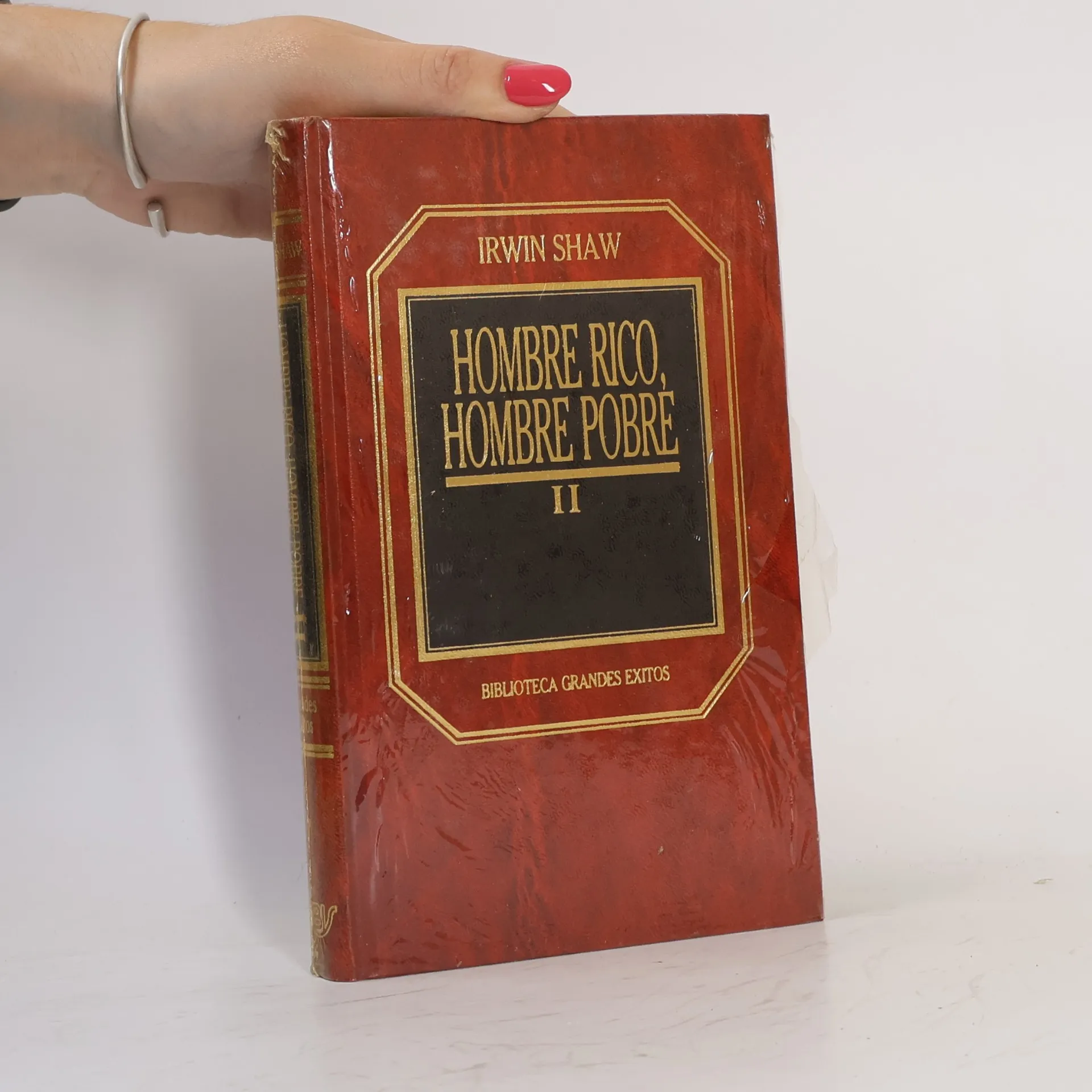
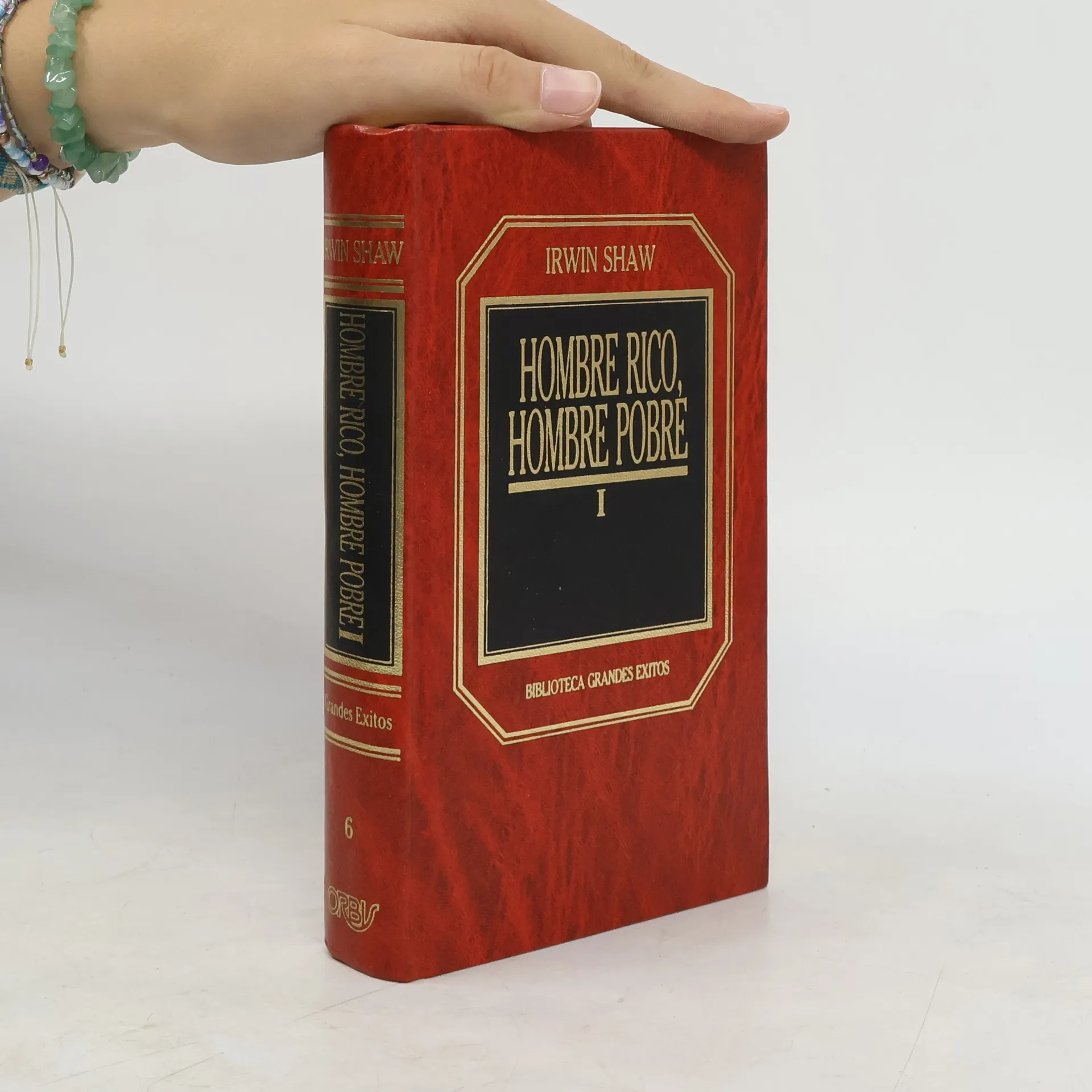
La turbulenta familia Jordache, centro argumental de la novela, representa los Estados Unidos de la posguerra, desde las neurosis colectivas de la época McCarthy hasta el boom que siguió a la depresión johnsoniana. Hombre rico, hombre pobre sirvió de argumento para la inolvidable serie de televisión del mismo título.
Одно из лучших произведений Ирвина Шоу. Не просто роман, который лег в основу знаменитых сериалов. Не просто "золотой эталон" семейной сани и современной англоязычной "психологической беллетристики"
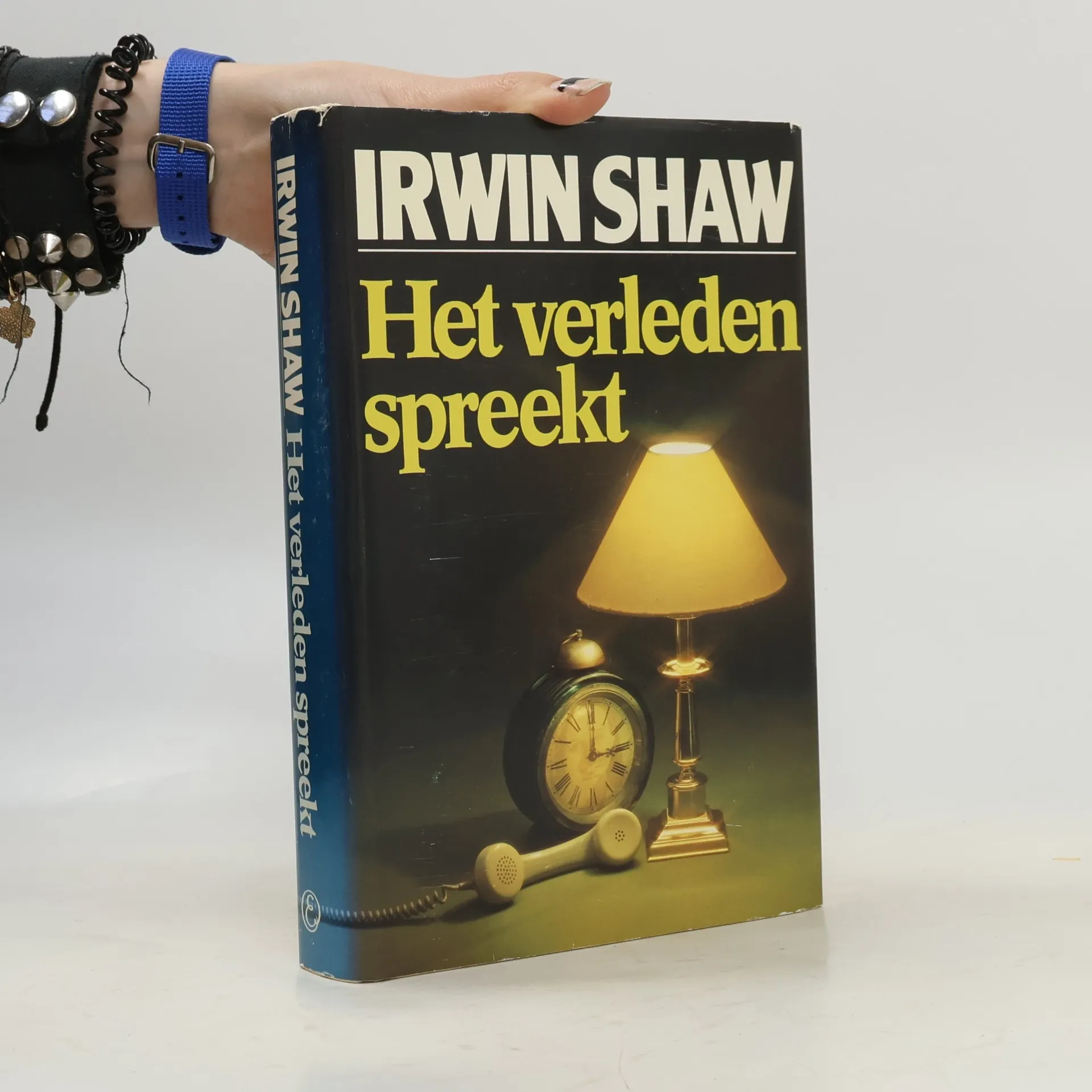
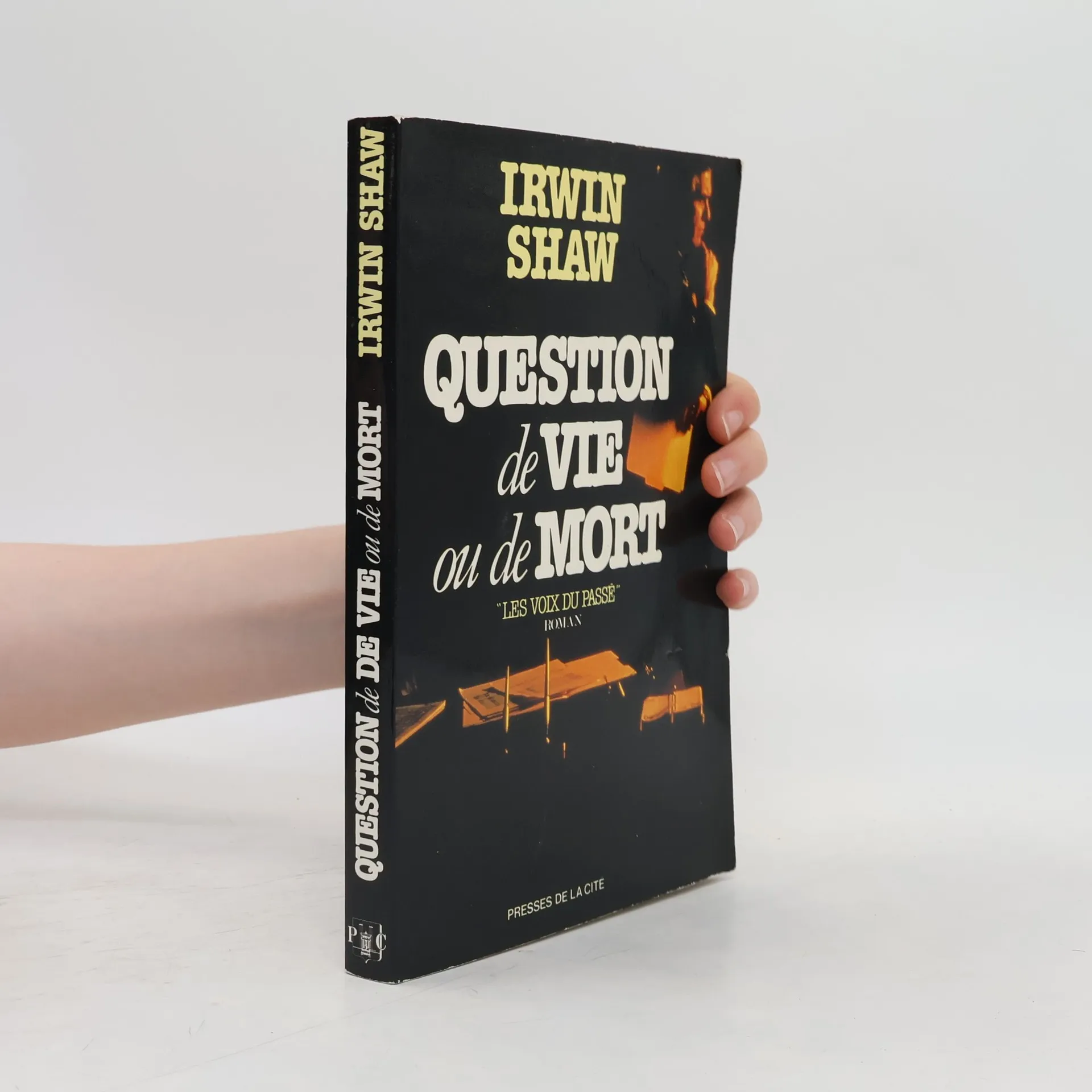
Ces quelques mots murmurés la nuit, au bout du fil, suffisent pour plonger Ron Damon en plein cauchemar. Que lui veut cet inconnu menaçant? Damon ne se connaît pas. Or, cet homme digne et amer commence à faire le bilan de sa vie à travers liaisons et mariages ratés, relations, conflits et aussi professionnels. Au fur et à mesure qu'il remonte désespérément dans son passé, le filet se resserre autour de lui. Une à une les pistes se brûlent. Roger reste face à face avec lui-même. Un récit hallucinant, un tableau féroce de la vie actuelle aux États-Unis où s'affrontent, dans un combat chaque jour renouvelé, les forces du Bien et du Mal. Irwin Shaw, un des grands maîtres du roman américain, a peut-être signé là son œuvre la plus percutante et la plus personnelle.