

Earlier editions published as: Managing cultural differences / Philip R. Harris, Robert T. Moran.
Philip Robert Harris Volgorde van de boeken (chronologisch)
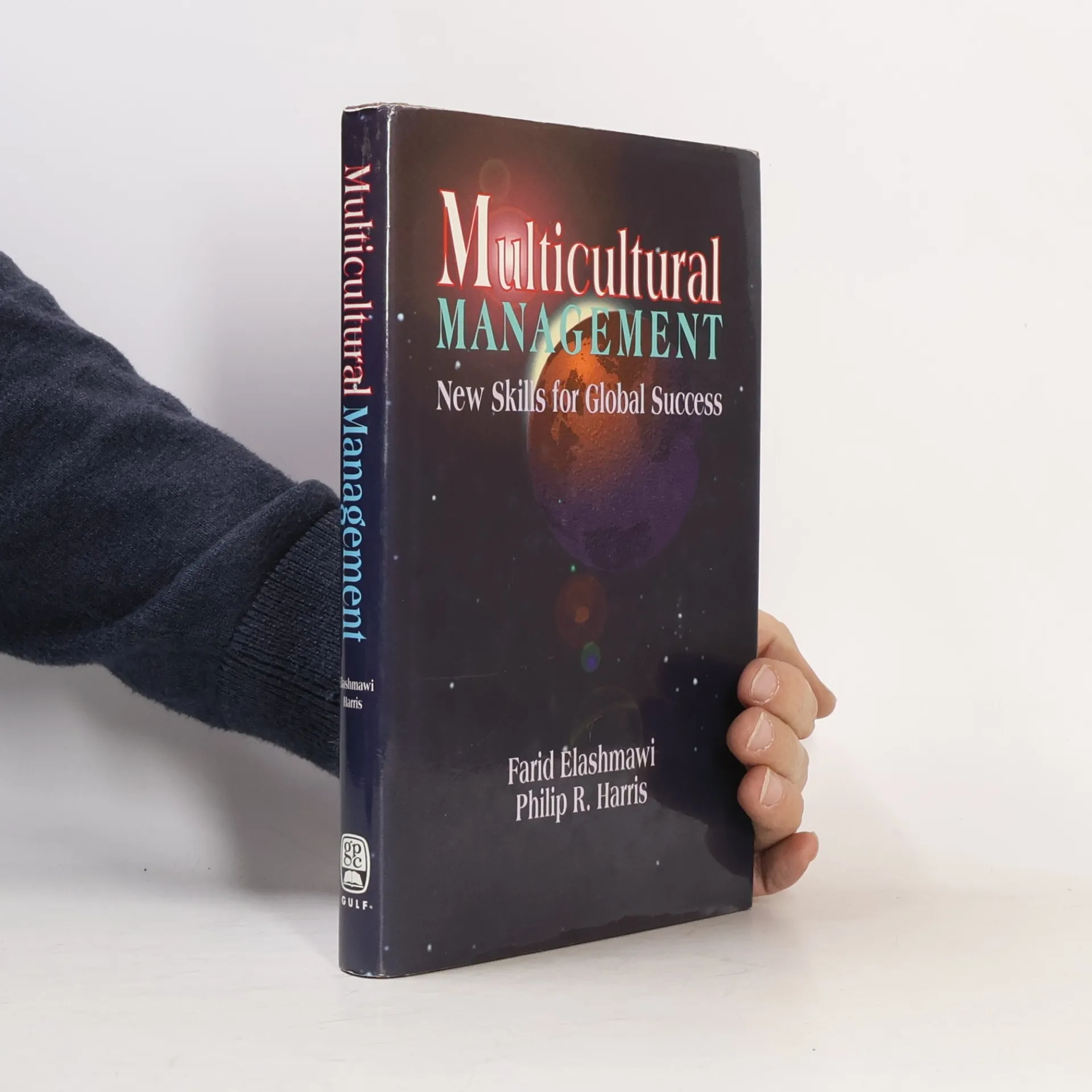

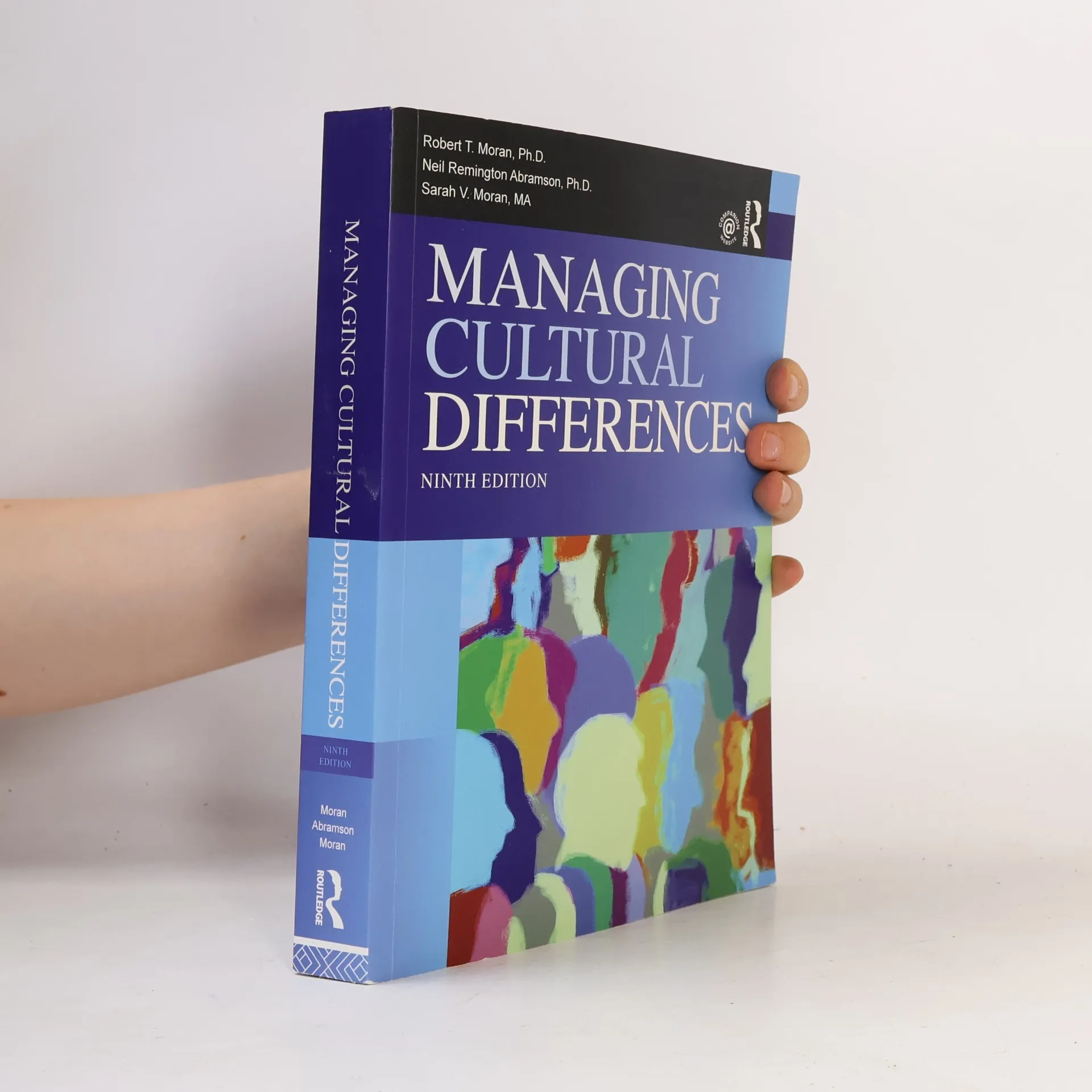
Managing Cultural Differences: Developing the Global Organization
Strategies for Human Resource Professionals
- 334bladzijden
- 12 uur lezen
With the rise of global markets and intensified international competition, there is a growing need for organizations and individuals equipped to navigate the complexities of global commerce. As a human resource professional, it is essential to ensure your team is prepared for these challenges. This text offers strategies and insights to help you stay ahead. It addresses key concepts such as the distinction between global and multinational corporations, the significance of "economies of scope," and the potential benefits of "partnership marketing." Additionally, it explores effective cross-cultural training strategies to enhance your personnel's capabilities. The book provides answers to pressing questions about how to "globalize" your organization and prepares HRD specialists to meet the demands of corporate globalization. Readers will find various training and education strategies designed to develop global organizations and managers who can thrive in international markets. By combining theoretical foundations with practical information, this resource empowers you to become an agent of change, fostering a high-performance workforce ready to seize international and intercultural opportunities.
Business leaders seeking increased market expansion through acquisition, mergers, and joint ventures, as well as those managing overseas or multicultural subsidiaries, can greatly increase their effectiveness by becoming culturally aware. Multicultural Management exposes in detail the special skills needed to successfully negotiate and work with people from other cultures, clearing up the "mysteries" behind these and other questions.You'll learn how three specific cultures - American, Asian, and Arab - deal with everyday business situations like rewarding and motivating employees, communicating, training, transferring technology, and negotiating across cultures. This incisive guide targets these three groups to provide sharp cultural contrast, but you can apply the skills taught to people from any culture. It also explores the subcultures that exist within organizations, demonstrating that "culture" means not only values learned in your country of origin, but also those assimilated from the groups with whom you associate.Every management expert in the world agrees on one The country or company whose citizens have the greatest cross-cultural competency will have the advantage in the coming years. Multicultural Management is an invaluable tool for gaining the management skills you need to succeed in today's global economy.
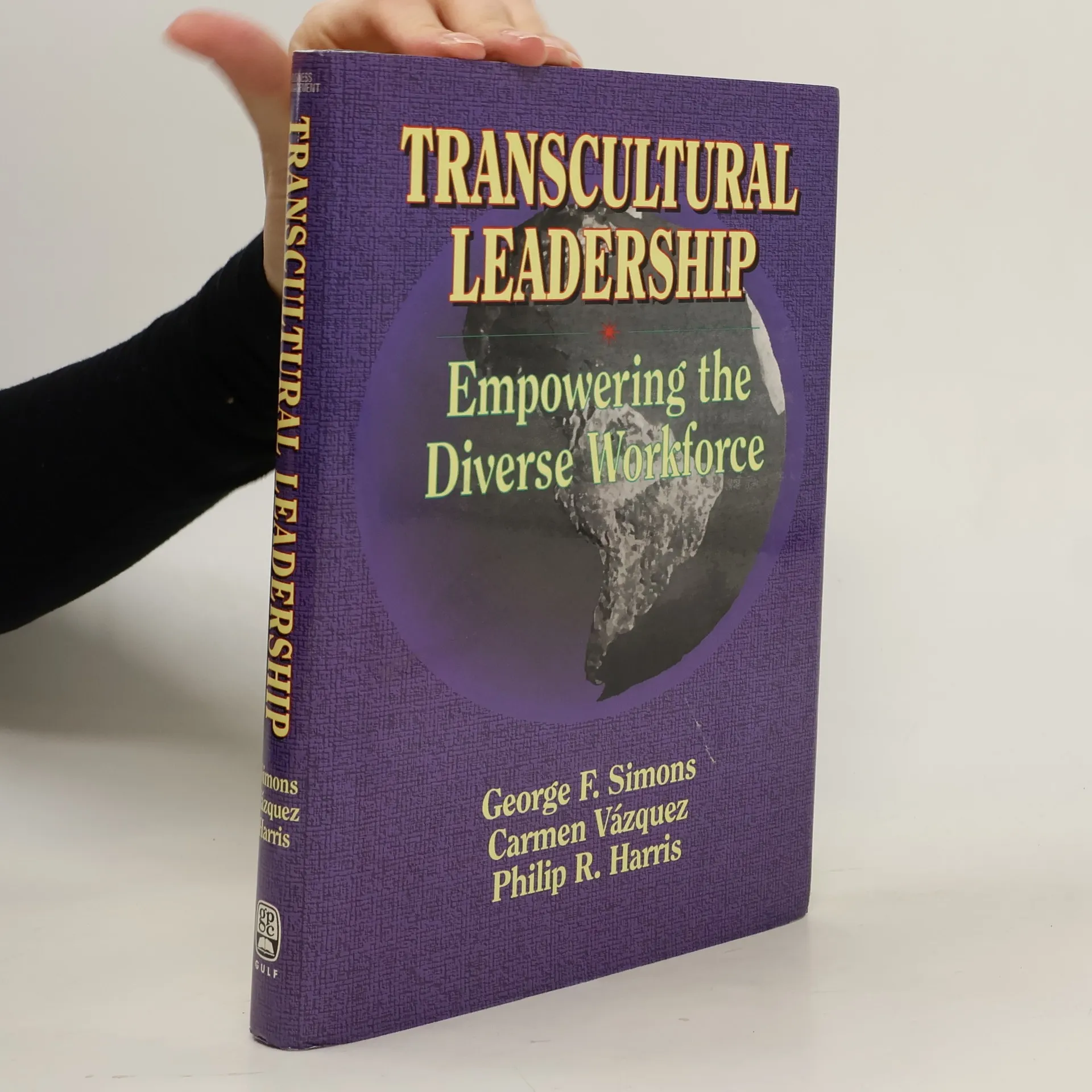
Transcultural Leadership
Empowering the Diverse Workforce
Supervisors, project managers and CEOs should find this book useful as it deals with an emerging global reality - culturally diverse people of both genders in the workplace. The new workplace environment demands that employees be selected, evaluated and promoted on the basis of performance competency, regardless of sex, race, religion or place of origin. Focusing on workplace diversity instead of concepts of "majority" and "minority" allows managers to offer all personnel equal opportunities. Affirmative action is now aimed at developing human potential. Diversity is becoming a worldwide phenomenon. Written from the North American viewpoint, this book examines the key concepts that drive American plants and offices today which are likely to be realities overseas tomorrow, and the concepts espoused in this book can be applied universally. The book fills a gap in management education and development. It is a practical manual designed to teach and encourage managers to lead and strengthen the human resources of an organization.