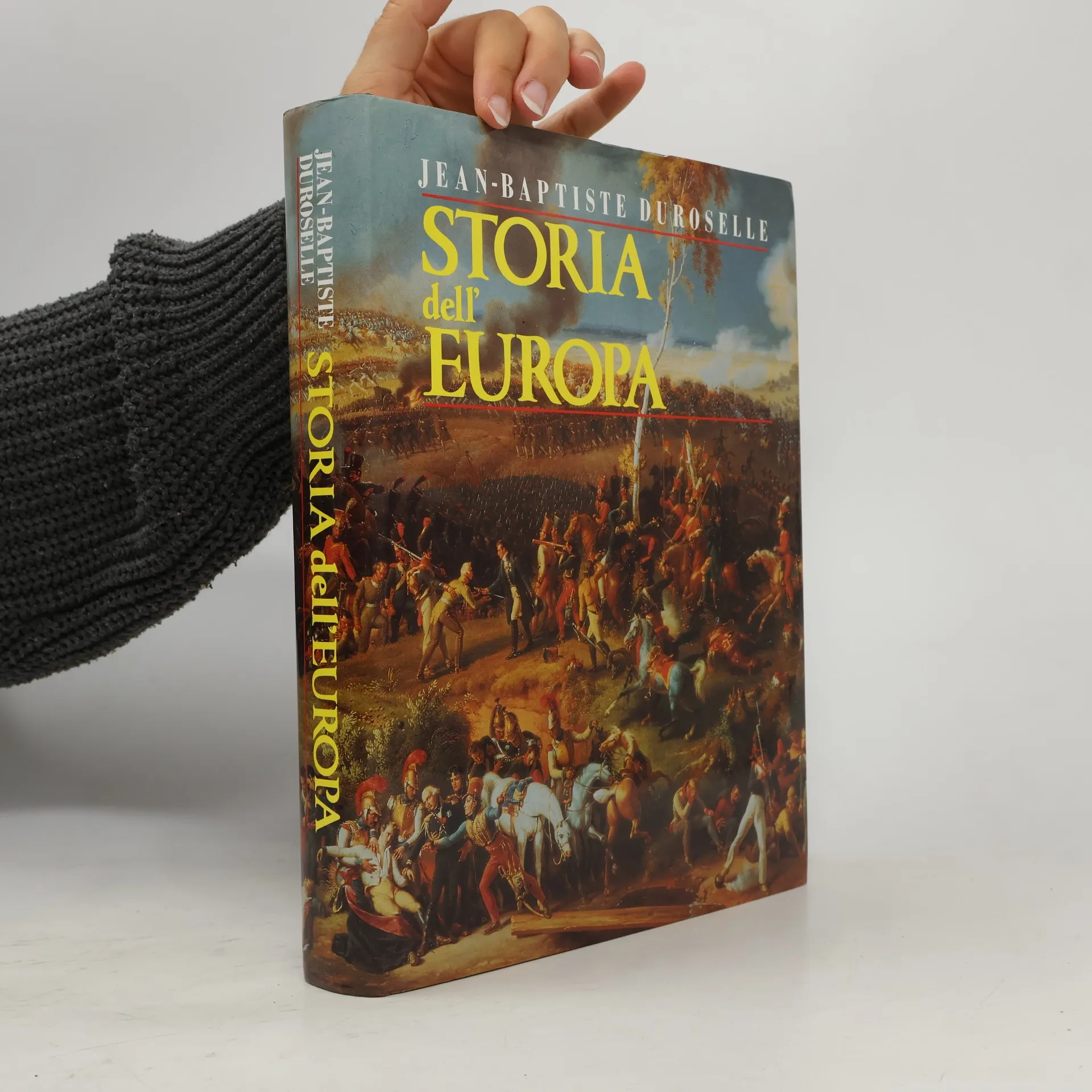
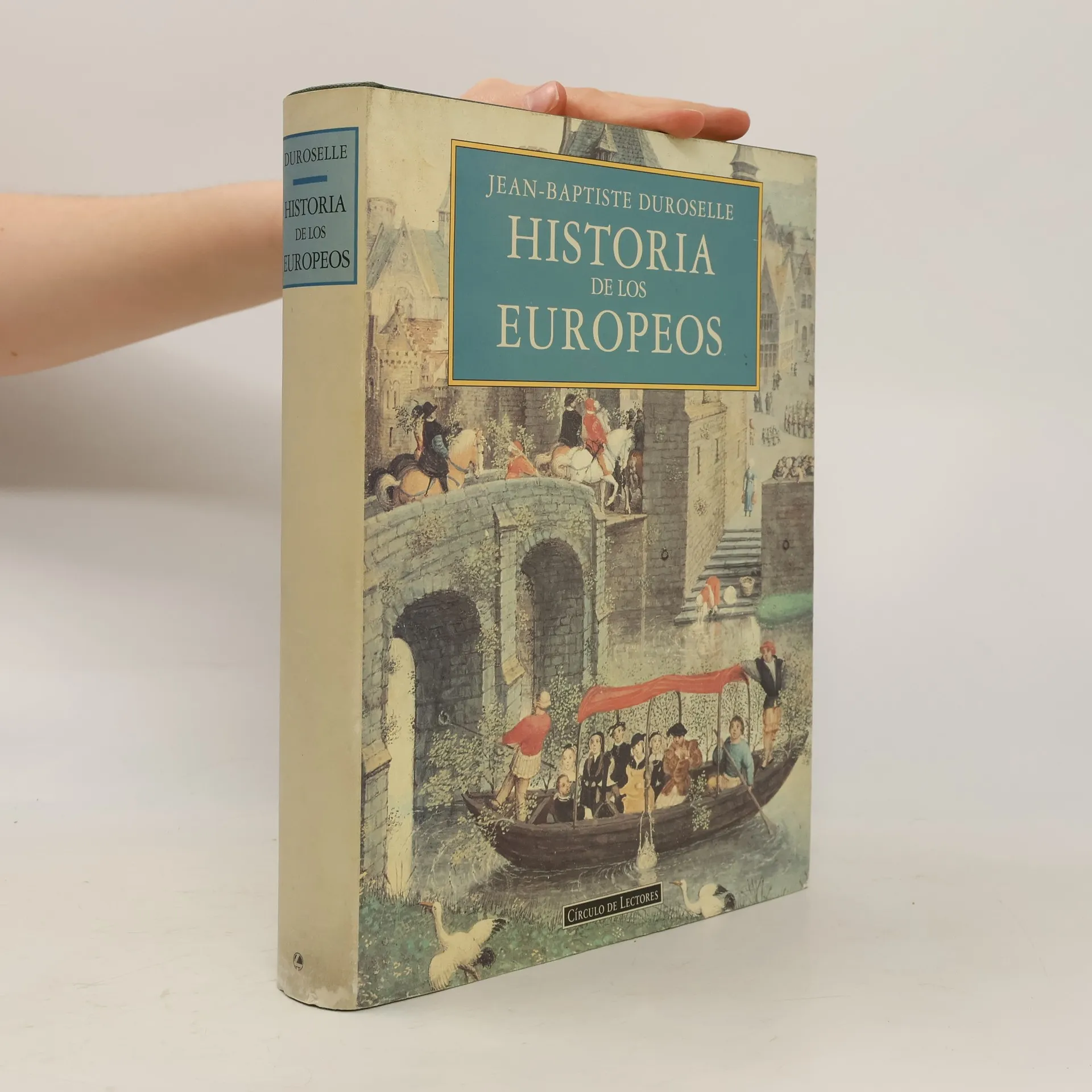
Europa - Geschiedenis van zijn bewoners
- 422bladzijden
- 15 uur lezen



A one-volume history of Europe, by a distinguished French historian, which aims to give a European view rather than a history seen from one particular national viewpoint. It has been written under the guidance of a strong advisory board, including Keith Robbins, Professor of Modern History at the University of Glasgow, and the English translation has been undertaken by Richard Mayne, a former winner of the Scott-Moncrieff prize. The period covered is from pre-history to the present day.
Kniha profesora nejnovějších dějin na Sorbonně předkládá zasvěcený přehled historie našeho kontinentu a jeho národů, viděný pod zorným úhlem formování jednotné evropské identity. Autor kombinuje brilantní výklad civilizačního vývoje v Evropě se sledováním snah o překročení rámce národů a států v historické škále od nejstarších dob po současné evropské sjednocovací úsilí. Orientaci ulehčují synoptické tabulky. Dílo je bohatě ilustrováno barevnými reprodukcemi dokumentů a uměleckých děl.
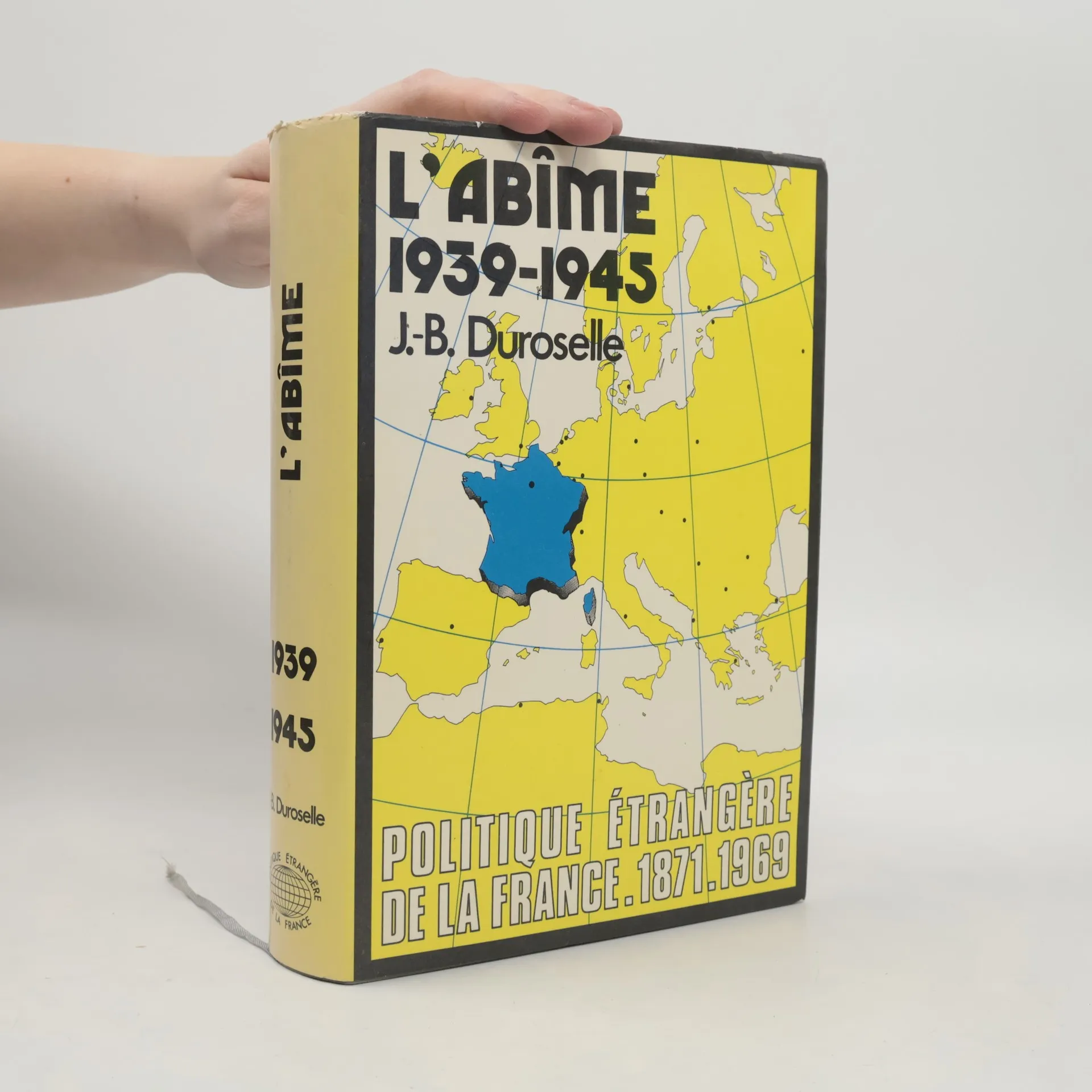
En novembre 1918, la Grande Guerre prend fin. Vingt et un ans plus tard, l'Europe s'enflamme. L'incendie ne tarde pas à gagner le reste du monde. Comment expliquer l'échec des forces de paix ? Pourquoi les traités de l'après-Première Guerre mondiale n'ont-ils pas assuré la réconciliation entre les peuples ? Les Etats n'ont-ils pas su ou pas tenté de surmonter leurs tensions, leurs frictions et leurs revendications ? L'accession au pouvoir des dictateurs a-t-elle accéléré la marche à la guerre ? La Seconde Guerre mondiale est totale. Cette fois-ci, de nouveaux acteurs occupent le devant de la scène internationale, à commencer par les Etats-Unis de Franklin Roosevelt, la Grande-Bretagne de Winston Churchill et l'Union soviétique de Joseph Staline. Ont-ils mieux réussi l'après-guerre que leurs prédécesseurs ? La sécurité collective triomphe-t-elle enfin avec la création de l'Organisation des Nations unies ? La défaite de l'Italie fasciste, la capitulation de l'Allemagne nazie, l'écrasement du japon annoncent-ils un monde pacifique ?