New Collected Poems
- 740bladzijden
- 26 uur lezen
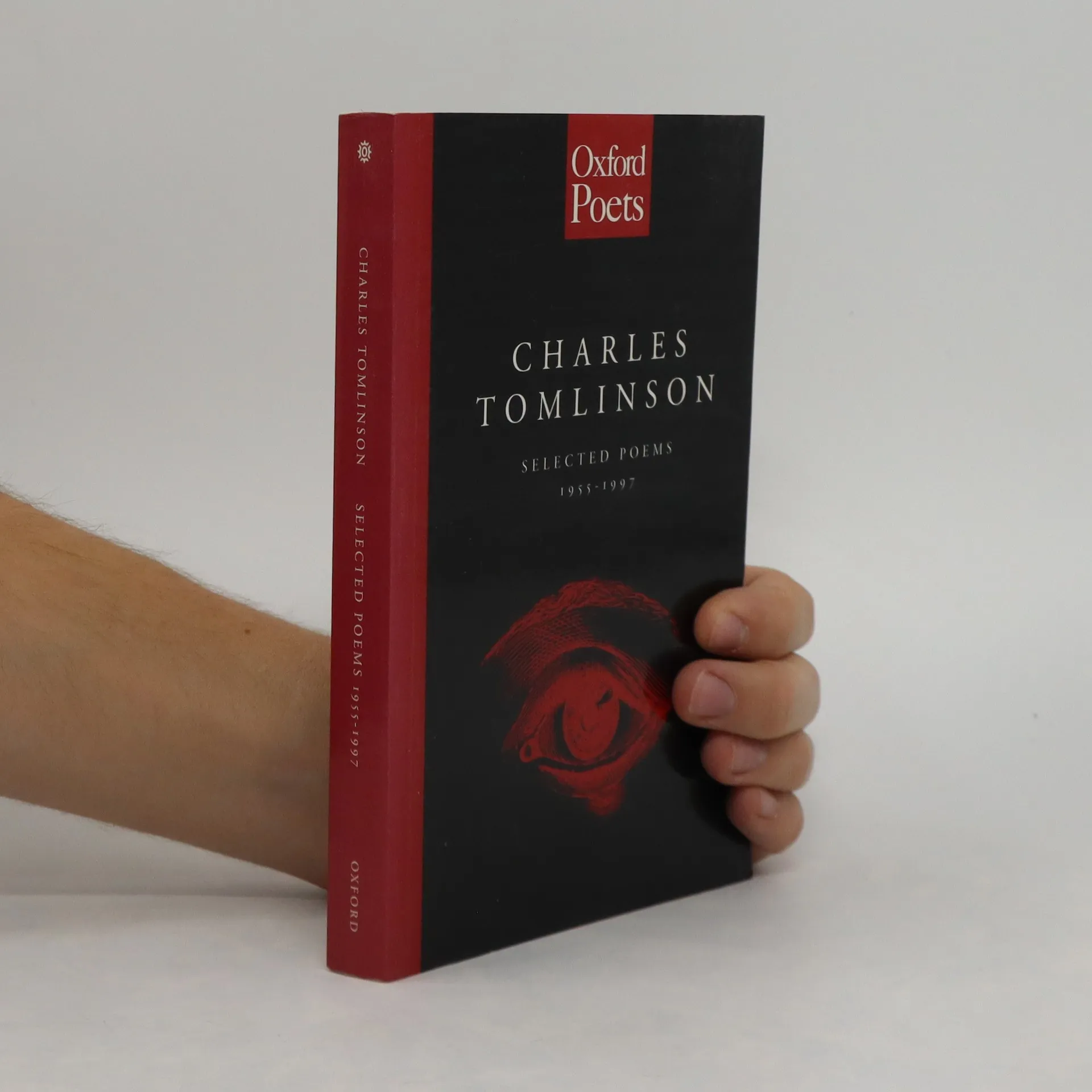
A collection of poems that gathers the poet's lifetime's work, from the 1950s to 2006.



A collection of poems that gathers the poet's lifetime's work, from the 1950s to 2006.
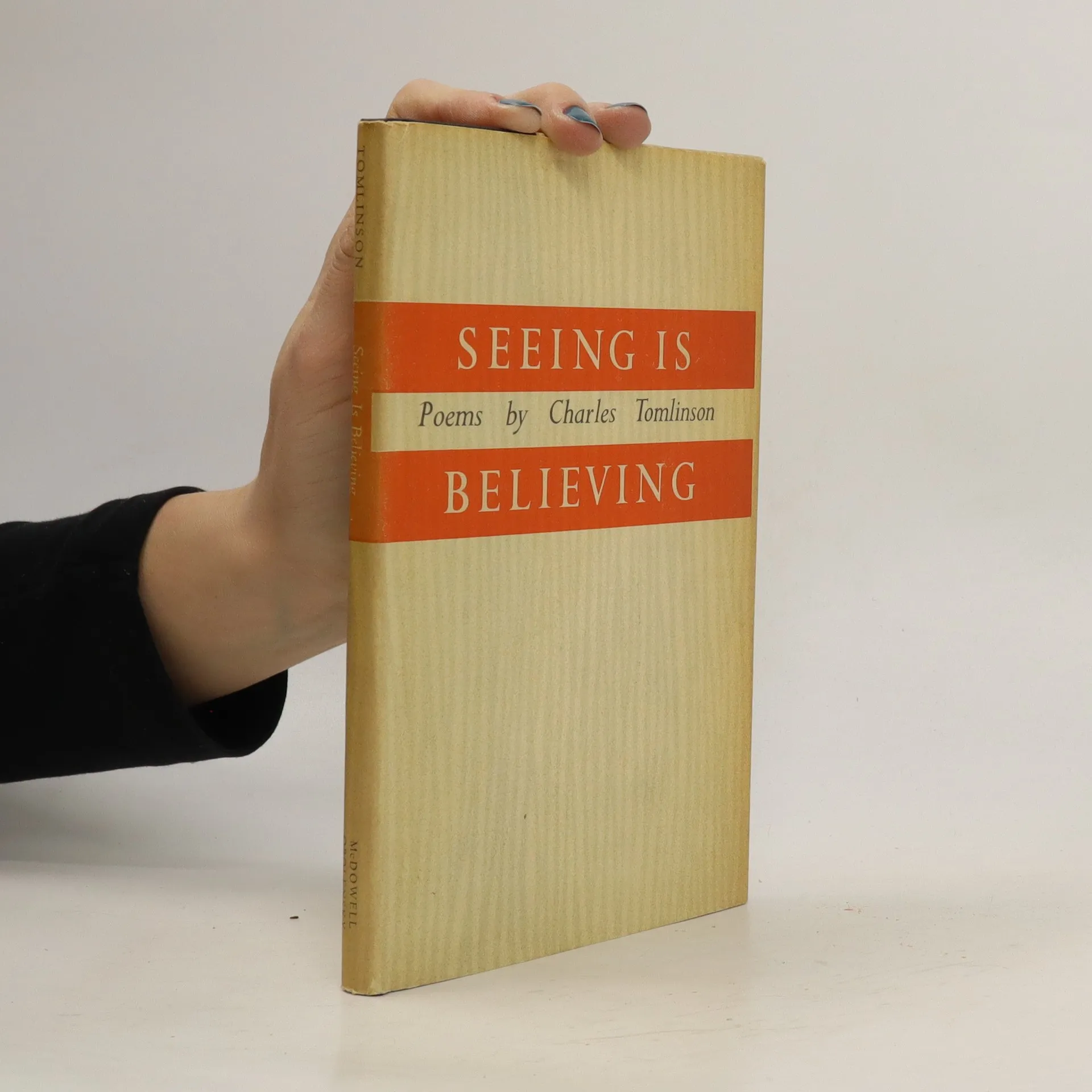
Tomlinson's poems concern the English countryside, travel, foreign cities, walks and conversations with fellow writers and friends. This selection of poems, compiled by the author from his fourteen books written since 1955, also includes two new poems written in this, his seventieth year.
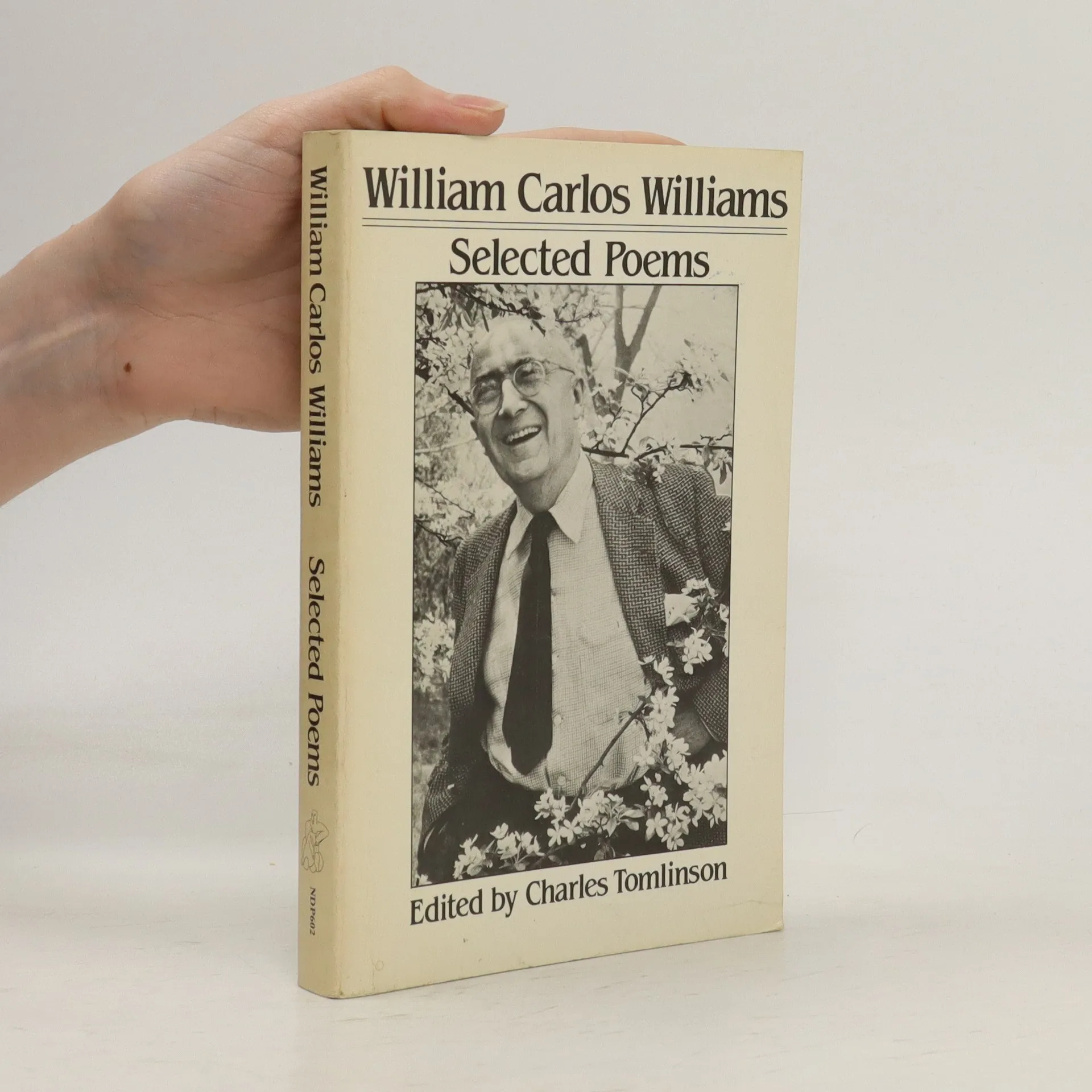
Opening with Professor Tomlinson's superbly clear and helpful introduction this selection reflects the most up-to-date Williams scholarship. In addition to including many more pieces, Tomlinson has organized the whole in chronological order.It isn't what he [the poet] says that counts as a work of art," Williams maintained, "it's what he makes, with such intensity of purpose that it lives with an intrinsic movement of its own to verify its authenticity.
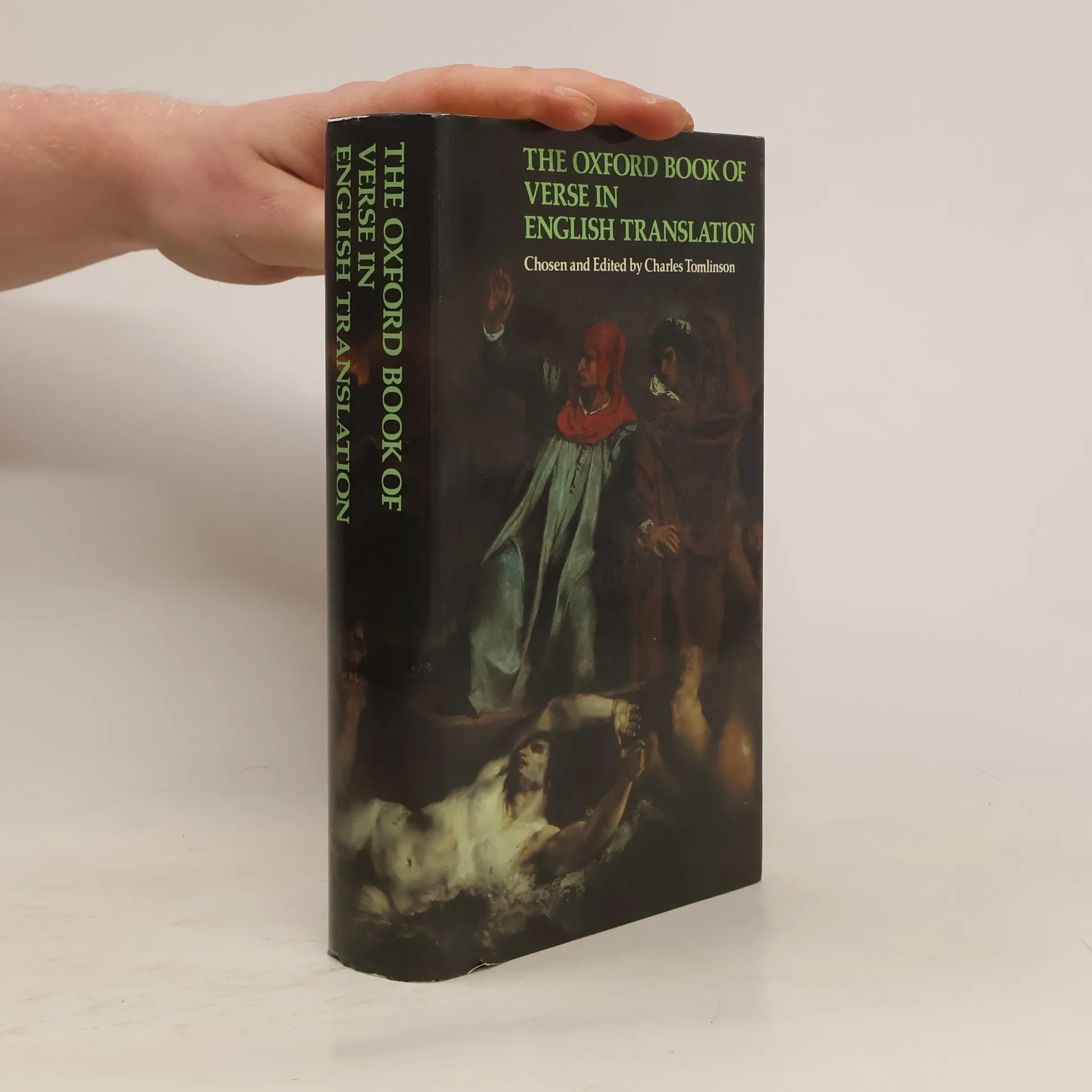
Our vast and often neglected literature of poetic translation is represented in this anthology by some 600 poems or extracts. The choice encompasses many languages, including the Hebrew of the Bible, the Greek of Homer, the Latin of Virgil and Ovid, Persian, French, German, Russian, Italian, Anglo-Saxon, Icelandic, Irish, and the American Indian, all rendered into English.
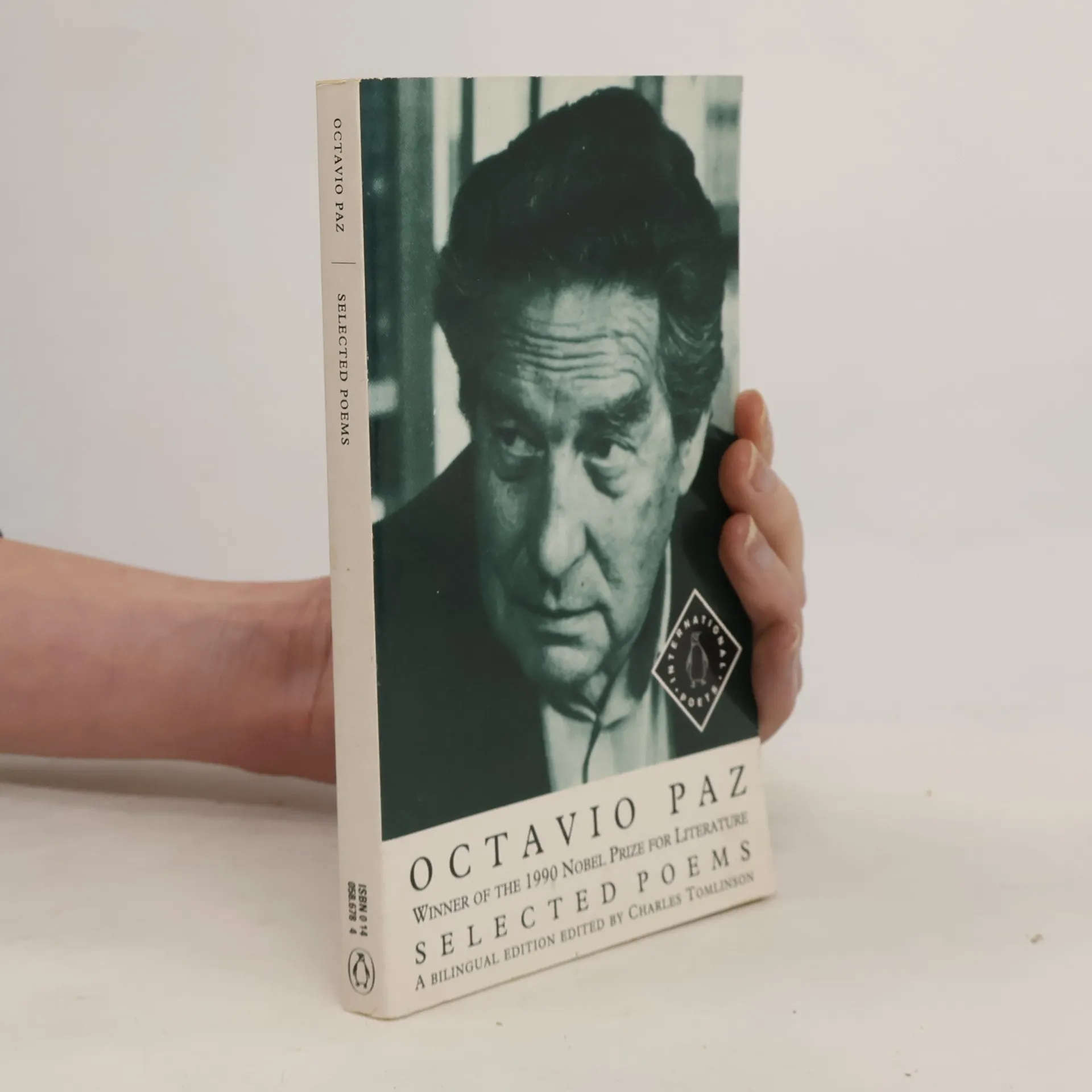
Octavio Paz, as noted by Eliot Weinberger in his introduction to these Selected Poems, is one of the last modernists who "drew their own maps of the world." For Latin America's eminent poet, Mexico serves as the center of a global mandala, a cultural journey traced through his life and work. This journey spans from Spain during the Civil War, to San Francisco and New York in the early 1940s, to postwar Paris as a surrealist, and further to India and Japan in 1952. He also served as Mexico's ambassador to India from 1962 to 1968, and held various academic positions in the U.S. during the 1970s. The rich diversity of Paz's thought is showcased in this collection of sixty-seven selections, which includes Muriel Rukeyser's classic version of "Sun Stone" and new translations by Weinberger of “Blanco" and "Maithuna." Since Paz believed there could be no "definitive text," all poems have been revised to reflect his latest changes in the original Spanish. Alongside Rukeyser and Weinberger, translations are provided by G. Aroul, Elizabeth Bishop, Paul Blackburn, Lysander Kemp, Denise Levertov, Mark Strand, Charles Tomlinson, William Carlos Williams, and Monique Fong Wust.