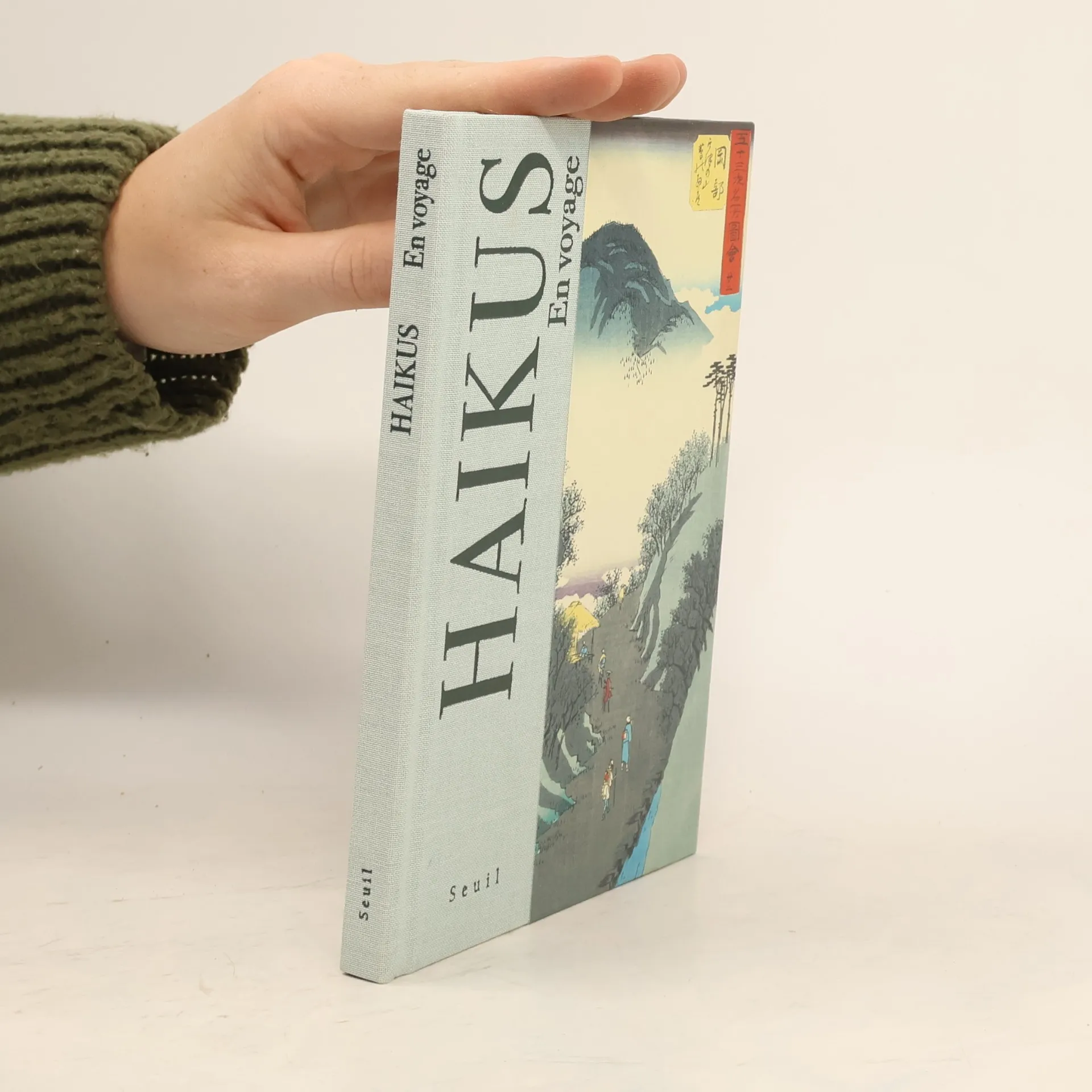
Haiku - Poèmes japonais classiques: Poème japonais classiques
- 96bladzijden
- 4 uur lezen




Matsuo Bashō (1644-1694) is a towering figure in Japanese literature and the master of haiku. This collection presents 980 of his poems in English, translated by Andrew Fitzsimons, who adheres strictly to the original syllabic count. The book also includes translations of Bashō's headnotes to poems often overlooked by previous translators. Fitzsimons's rendering showcases Bashō not only as a philosopher of nature and a proponent of refined Japanese sensibility but also as a poet exploring themes of queer love, eroticism, urban and rural life, and the complexities of solitude and companionship. His work reflects the diverse social experiences of Edo Japan, capturing interactions with friends and followers across social strata, including the elite, the marginalized, and the less fortunate. This collection reveals how Bashō's poetry resonates with contemporary concerns while also portraying a Japan transitioning from the Middle Ages. With an insightful introduction and helpful notes, Fitzsimons's elegant translation invites both dedicated scholars and newcomers to appreciate the full glory of Bashō's work.
In later life Basho turned to Zen Buddhism, and the travel sketched in this volume relfect his attempts to cast off earthly attachments and reach out to spiritual fulfillment. The sketches are written in the "haibun" style--a linking of verse and prose. The title piece, in particular, reveals Basho striving to discover a vision of eternity in the transient world around him and his personal evocation of the mysteries of the universe.
American readers have been fascinated, since their exposure to Japanese culture late in the nineteenth century, with the brief Japanese poem called the hokku or haiku. The seventeen-syllable form is rooted in a Japanese tradition of close observation of nature, of making poetry from subtle suggestion. Infused by its great practitioners with the spirit of Zen Buddhism, the haiku has served as an example of the power of direct observation to the first generation of American modernist poets like Ezra Pound and William Carlos Williams and also as an example of spontaneity and Zen alertness to the new poets of the 1950s. This definite collection brings together in fresh translations by an American poet the essential poems of the three greatest Matsuo Basho in the seventeenth century; Yosa Buson in the eighteenth century; and Kobayashi Issa in the early nineteenth century. Robert Haas has written a lively and informed introduction, provided brief examples by each poet of their work in the halibun, or poetic prose form, and included informal notes to the poems. This is a useful and inspiring addition to The Essential Poets series.