

'Unjustifiable Risk?' is the story of the social, economic and cultural conditions that gave rise to the sport, and the achievements and motives of those who have shaped its development over the past 200 years.
Simon Thompson Boeken


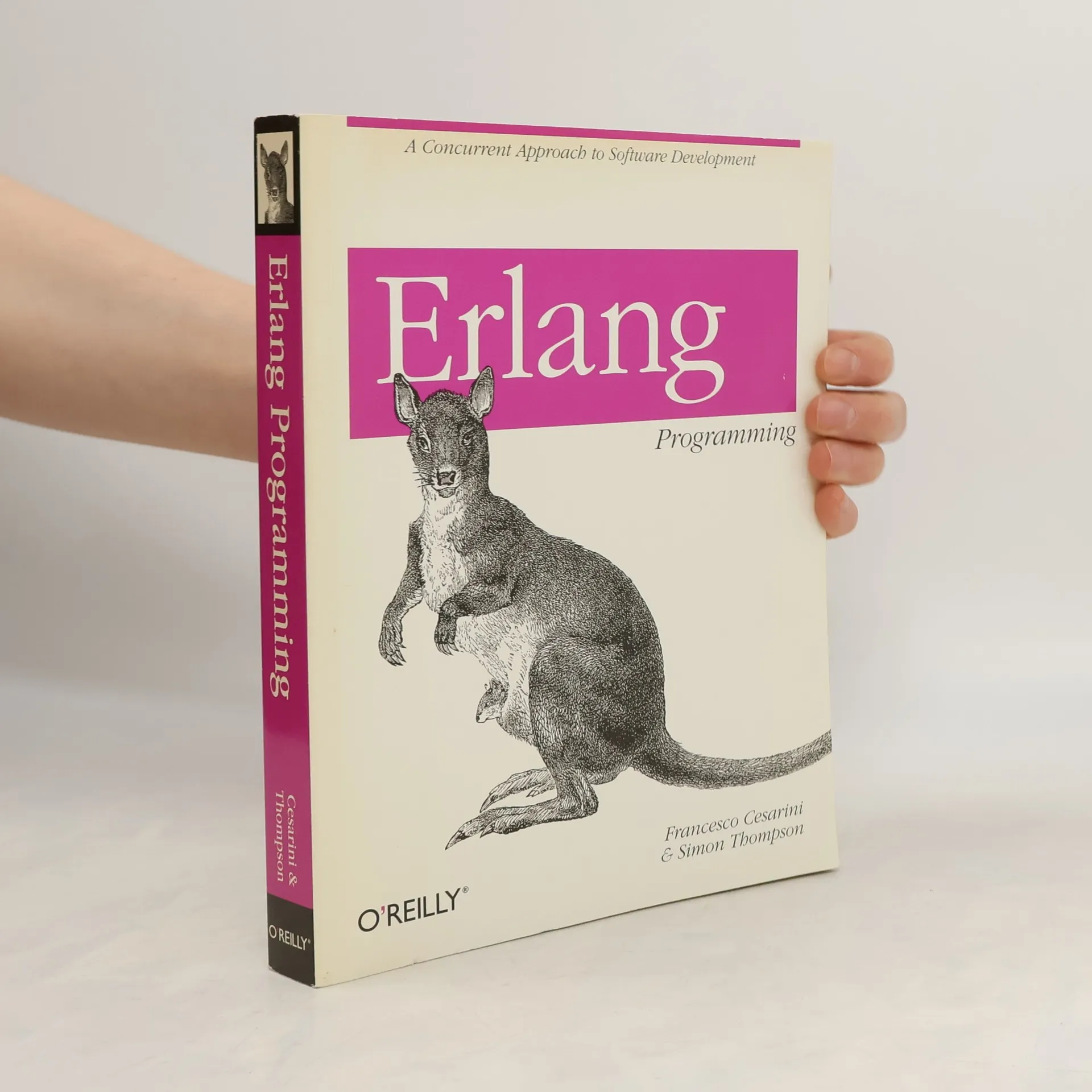
Erlang Programming
- 470bladzijden
- 17 uur lezen
Offers an explanation of Erlang, a programming language ideal for any situation where concurrency, fault-tolerance, and fast response is essential. This book focuses on the language's syntax and semantics, and explains pattern matching, proper lists, recursion, debugging, networking, and concurrency.
Trading Secrets
- 178bladzijden
- 7 uur lezen
By following 20 hard and fast rules, fledgling investors can learn how make the same high returns as experienced investors and traders. Using historical, economic, and technical trend analysis from the last 50 years, Trading Secrets identifies ways to capitalize on such events as religious holidays, major sporting events, and even the U.S. presidential election.
Haskell. The Craft of Functional Programming
- 585bladzijden
- 21 uur lezen
This book introduces functional programming using Haskell, targeting students and novice programmers. It focuses on program crafting, problem-solving, and steering clear of common programming pitfalls.
Green and Sustainable Finance
Principles and Practice in Banking, Investment and Insurance
- 600bladzijden
- 21 uur lezen
Exploring the intersection of finance and environmental sustainability, this book delves into the principles of green finance and its role in promoting sustainable development. It highlights innovative financial instruments and strategies that support eco-friendly projects, emphasizing the importance of responsible investment. The text also addresses regulatory frameworks and the growing demand for transparency in environmental impact. By showcasing case studies and best practices, it aims to equip finance professionals with the tools needed to drive positive change in the industry.
This student-focused introduction to the Haskell programming language emphasizes the process of crafting programs, problem solving and avoiding common pitfalls. Running examples and case studies highlight new concepts and alternative approaches to program design.
