

Bookbot

Azadeh Moaveni

    Azadeh Moaveni's werk duikt in de kruising van gender en conflict, voortbouwend op uitgebreide journalistieke ervaring in het Midden-Oosten. Haar schrijven onderzoekt de ingewikkelde verbanden tussen individuele verhalen en bredere politieke dynamieken. Door middel van haar onderzoeken en analyses biedt ze diepgaande inzichten in de maatschappelijke impact van conflicten, met een bijzondere focus op de ervaringen van vrouwen. Haar aanpak benadrukt het cruciale belang van het begrijpen van de menselijke dimensie binnen mondiale crises.

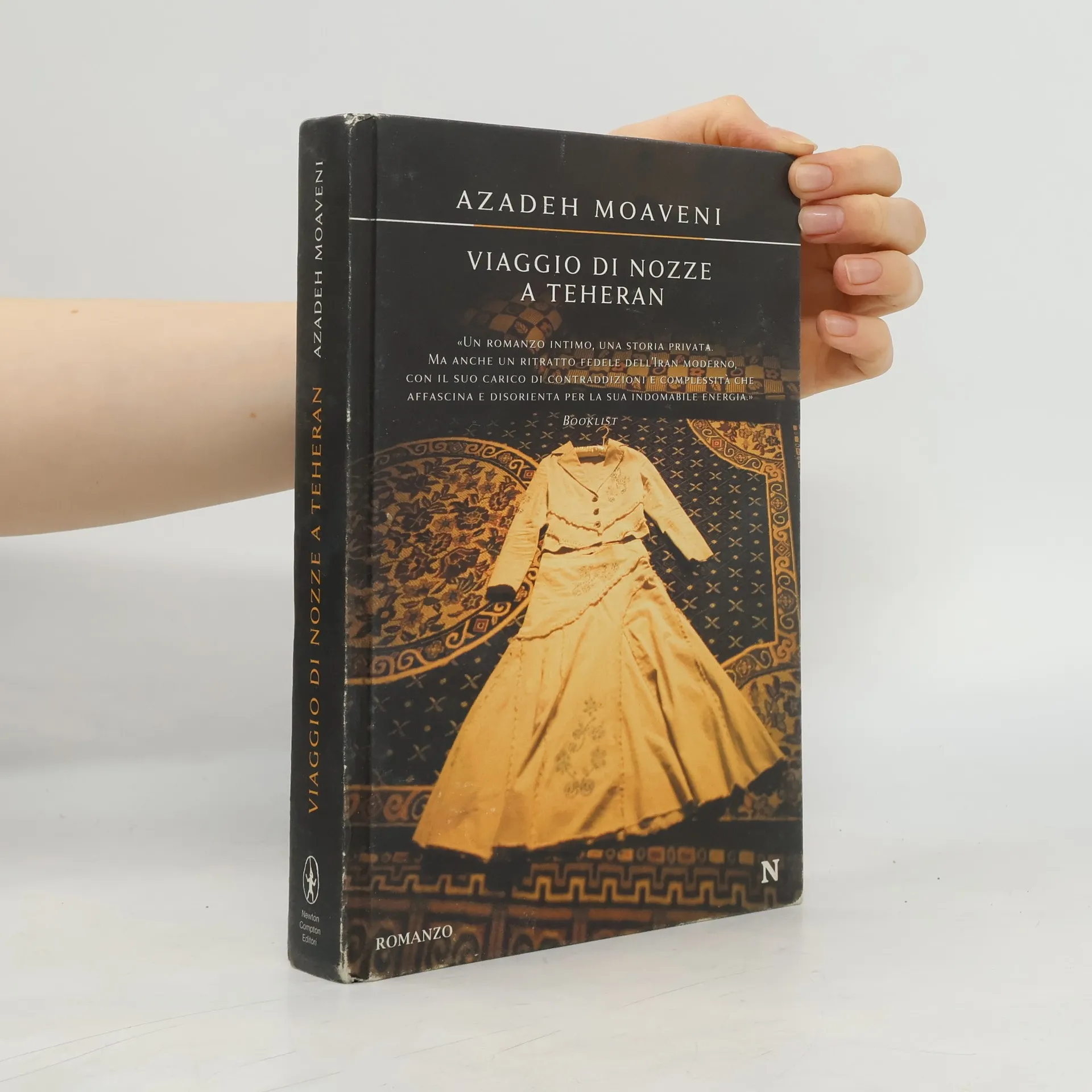
    Viaggio di nozze a Teheran
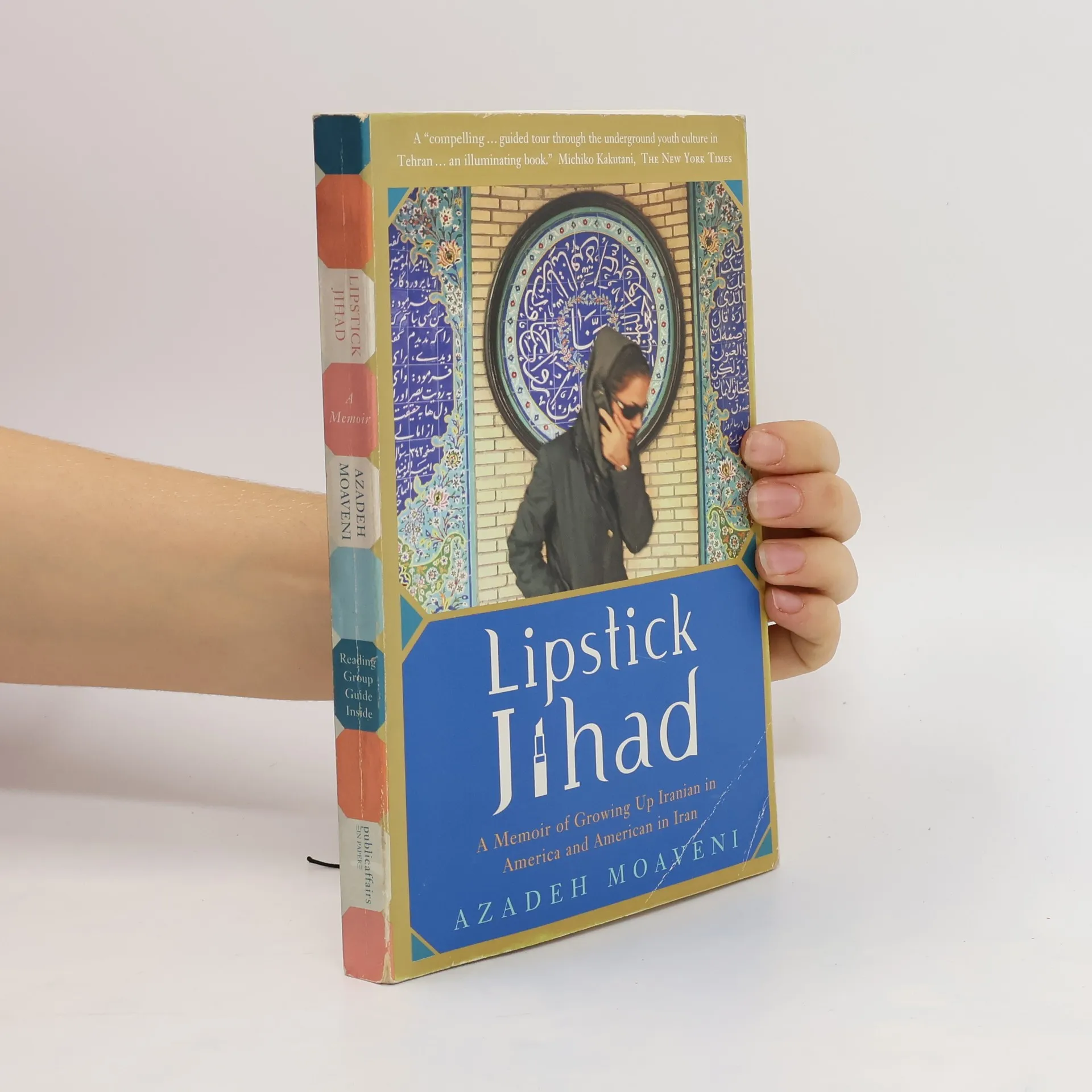
    Lipstick Jihad
    Guest House for Young Widows
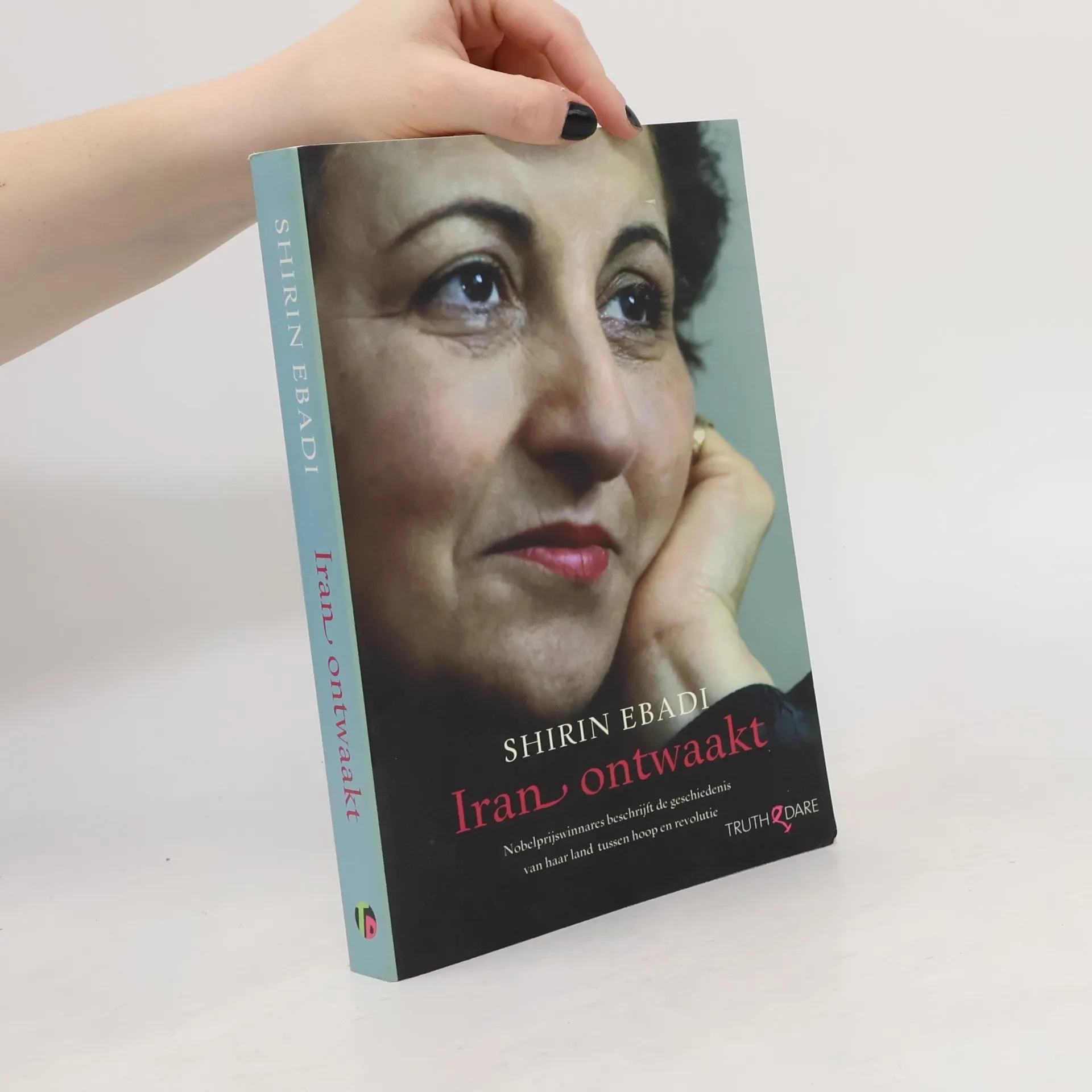
    Iran ontwaakt
    • Guest House for Young Widows

      • 338bladzijden
      • 12 uur lezen

      SHORTLISTED FOR THE BAILLIE GIFFORD PRIZE FOR NON FICTION AND THE RATHBONES FOLIO PRIZE. A GUARDIANAND OBSERVERBOOK OF THE YEAR. An intimate, deeply reported account of the women who made a shocking decision: to leave their ordinary lives behind and join the Islamic State. These women, some still in school, some with university degrees, many with cosmopolitan dreams of travel and adventure, left their homes and lives in the West to join what they thought would be a movement of justice and piety. Instead, they found themselves trapped in the most brutal terrorist regime of the twenty-first century. Azadeh Moaveni tells their stories with little intervention, providing just enough context for us to see how and why they were pulled into this world.

      Guest House for Young Widows2019
      4,0
    • Viaggio di nozze a Teheran

      • 336bladzijden
      • 12 uur lezen

      Alla vigilia dell'elezione di Ahmadinejad, nella primavera del 2005, il "Time" invia come corrispondente a Teheran la giornalista Azadeh Moaveni. Per lei, originaria dell'Iran, è l'occasione di riabbracciare il suo Paese e vincere la forte nostalgia che da sempre la lega alla sua terra. L'arrivo nella capitale è sconvolgente. Azadeh subisce l'impatto con uno stile di vita e una cultura lontani dalla libertà a cui è abituata negli Stati Uniti. Ma l'aria di casa non tarda a travolgerla, le antiche abitudini riprendono vita grazie all'amicizia con Nasrine, giornalista come lei. L'Iran si svela così ai suoi occhi di donna e reporter: un incontro di tradizioni e di culture, nel quale convivono etnie diverse e orientamenti politici e religiosi opposti. E nel mezzo di questo mondo, percorso da contraddizioni e infinite contaminazioni tra modernità e tradizione, tra fondamentalismo e innovazione, che Azadeh apre il suo cuore e incontra Arash, giovane e brillante ingegnere deciso a portare la tecnologia open source, democratica e aperta, nella sua patria. Bastano poche parole ed è subito amore. Anche Arash ha vissuto a lungo in Occidente, e i due fanno fatica a conformarsi alle consuetudini iraniane. Vanno ad abitare insieme e, quando Azadeh rimane incinta, i due capiscono che non possono più sfidare la clemenza del regime. Frequentano quindi un corso prematrimoniale e si sposano. Ma per Azadeh e Arash è l'inizio di un'altra vita...

      Viaggio di nozze a Teheran2009
      3,5
    • Iran ontwaakt

      De geschiedenis van mijn land tussen hoop en revolutie

      • 238bladzijden
      • 9 uur lezen

      Throughout her extraordinary career as a lawyer, writer, activist, and dissident, Shirin Ebadi has been a powerful voice for her native Iran, resonating well beyond its borders. As a dedicated human rights advocate and Nobel Peace Prize winner, she has instilled hope for a better future in both Iran and the world. In her memoir, Ebadi shares her eyewitness account of standing courageously at a pivotal moment in history. Known for defending women and children in politically sensitive cases, she reveals her public career alongside her private life, including her faith, experiences, and desire for a traditional life while being a rebellious voice in a repressive society. Ebadi reflects on her upbringing in a modest Tehran household, her education, and her rise as Iran's most accomplished female jurist in the mid-1970s. She articulates her initial hopes for the 1979 Islamic Revolution and her subsequent disillusionment with the hard-line clerics' rule. She recounts her demotion to clerk after being deemed unfit to serve as a judge and speaks out against the oppressive patriarchy that has stripped women of their rights and citizens of their freedoms. Despite her formidable presence, Ebadi is portrayed as an everywoman—a devoted daughter, wife, and mother—who balances her activism with family responsibilities, never leaving for a lecture or prison without preparing meals for her loved ones.

      Iran ontwaakt2006
      4,2
    • Lipstick Jihad

      • 260bladzijden
      • 10 uur lezen

      The story of the Iranian-American author's search for identity between two cultures torn apart by a violent history paints a portrait of Iran's next generation.

      Lipstick Jihad2006
      3,7