

Koop 10 boeken voor 10 € hier!
Bookbot

Azra Akšamija

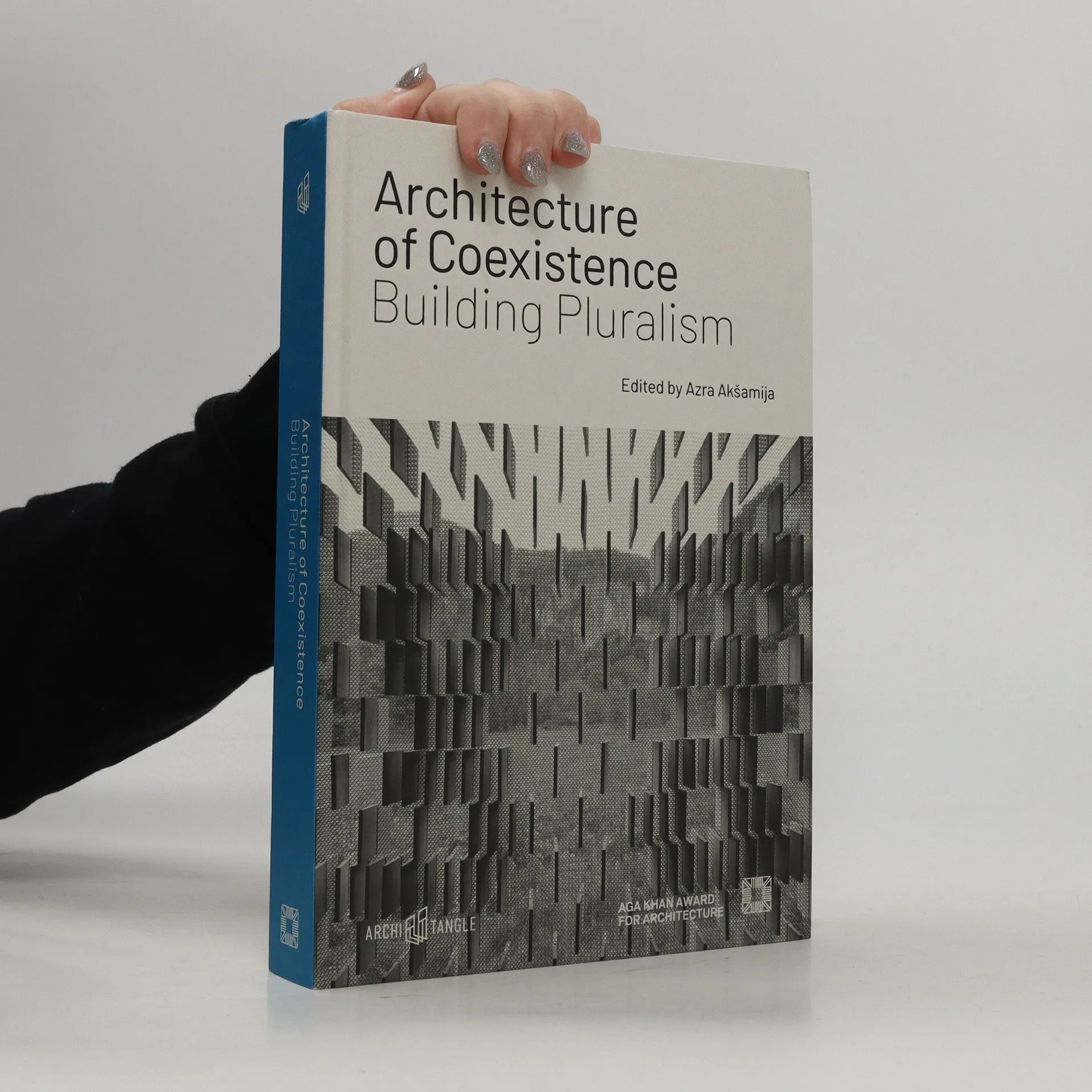
    Architecture of Coexistence: Building Pluralism
    Sammlung Philara
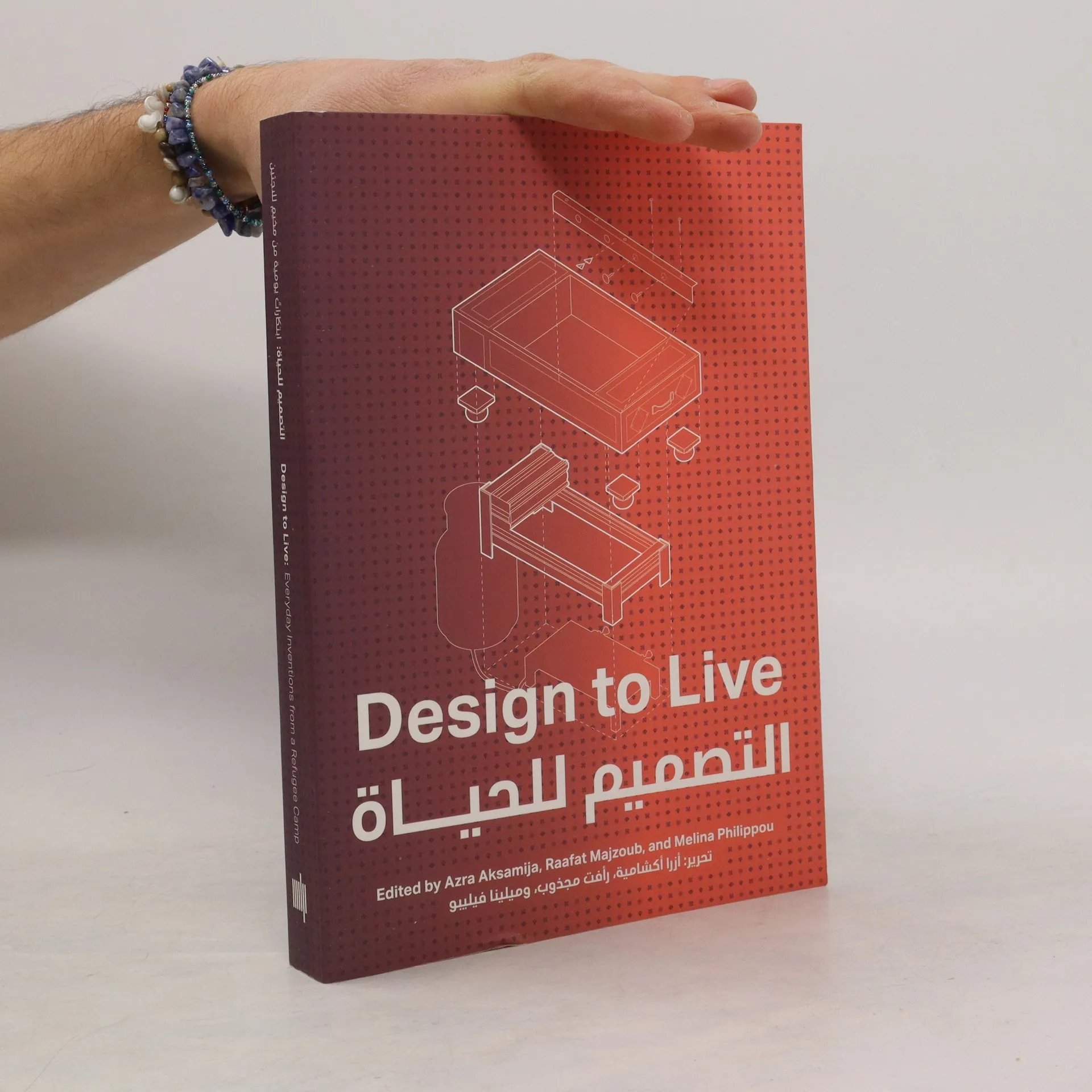
    Design To Live
    • Design To Live

      • 344bladzijden
      • 13 uur lezen
      4,7(14)Tarief

      This book shows how refugees use art and design to transform their living environments, restoring humanity within circumstances that seem aimed at depriving them of it. Featuring more than twenty projects created by Syrian refugees at the Azraq Refugee Camp in Jordan, Design to Live offers a new way of understanding design as a subversive worldmaking practice and as tool for reclaiming agency in conditions of forced displacement. The projects?including a vertical garden, an arrangement necessitated by regulations that forbid planting on the ground; a front hall, fashioned to protect privacy; a baby swing, made from recycled school desks; and a chess set, carved from broomsticks?showcase the discrepancy between standardized humanitarian design and the real sociocultural needs of refugees.00This bilingual book in English and Arabic documents designs by refugees through architectural drawings, illustrations, photographs, and texts by the camp residents, humanitarian workers, and researchers who collaborated on the book across cultural and disciplinary borders. Design to Live is the product of a three-year joint project of the MIT Future Heritage Lab and the Syrian refugees at the Azraq Refugee Camp, supported by CARE-Jordan and the German Jordanian University

      Design To Live
    • Architecture of Coexistence: Building Pluralism This book investigates how architecture can shape an open-minded and inclusive society, highlighting three internationally renowned projects: the White Mosque in Visoko, Bosnia-Herzegovina (1980); the Islamic Cemetery Altach in Altach, Austria (2012); and the Superkilen public park in Copenhagen, Denmark (2012). Scholarly essays across various disciplines, along with interviews with the architects and users of these projects, provide intriguing insights into architecture’s ability to bridge cultural differences. Soliciting a wide array of questions about migration, transculturalism, visibility, inclusion, and exclusion, the book sheds light on the long-term social processes generated between architectural form and its users. Architecture of Coexistence offers a truly interdisciplinary perspective on a very timely subject: “Building pluralism” means designing for a respectful inclusion of different cultural needs, practices, and traditions. With contributions by Azra Akšamija, Mohammad al-Asad, Ali S. Asani, Simon Burtscher-Matis, Amila Buturović, Farrokh Derakhshani, Robert Fabach, Eva Grabherr, Amra Hadžimuhamedović, Tina Gudrun Jensen, Jennifer Mack, Nasser Rabbat, Barbara Steiner, Helen Walasek and Wolfgang Welsch. Photo essays by Velibor Božović, Cemal Emden, Jesper Lambaek, and Nikolaus Walter.

      Architecture of Coexistence: Building Pluralism