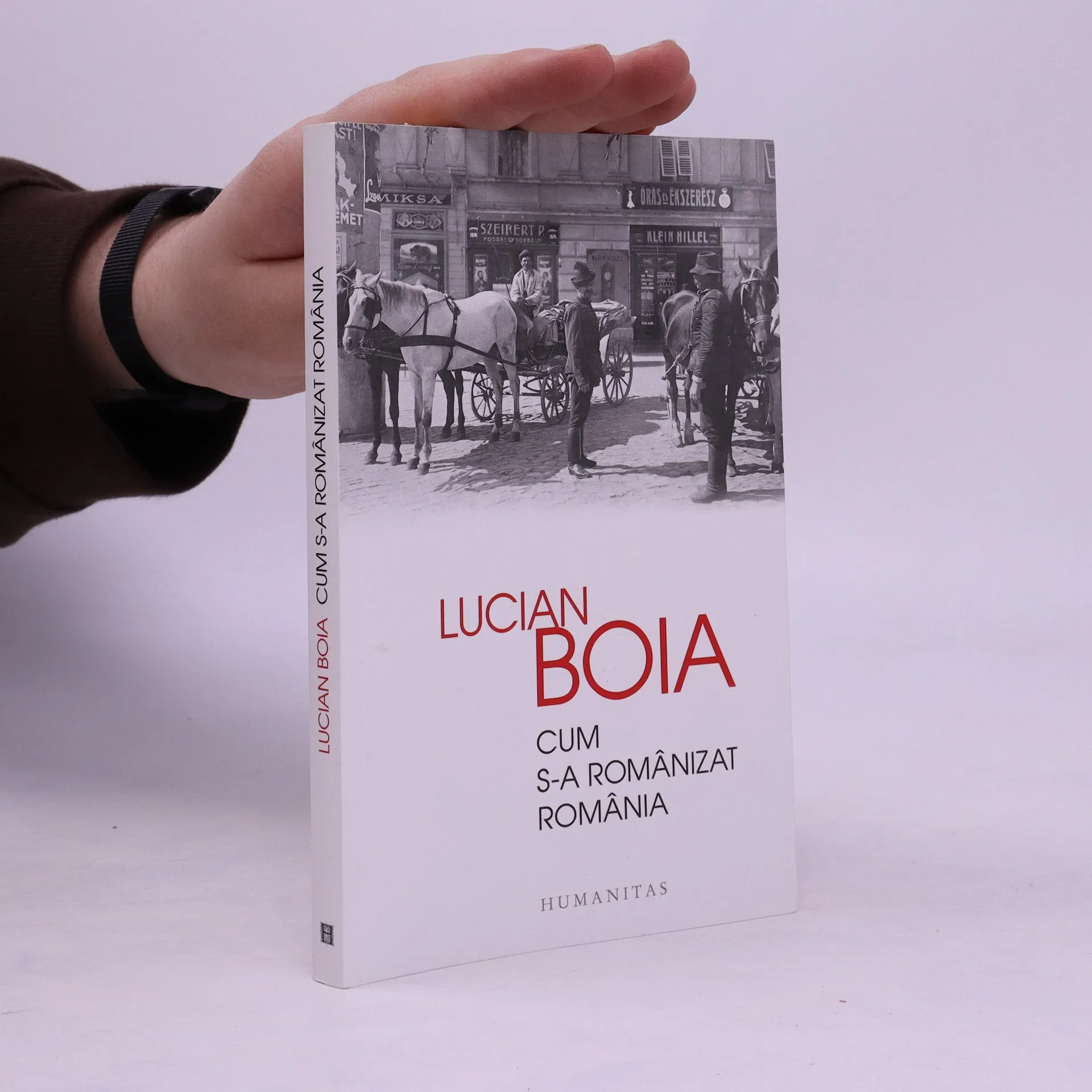
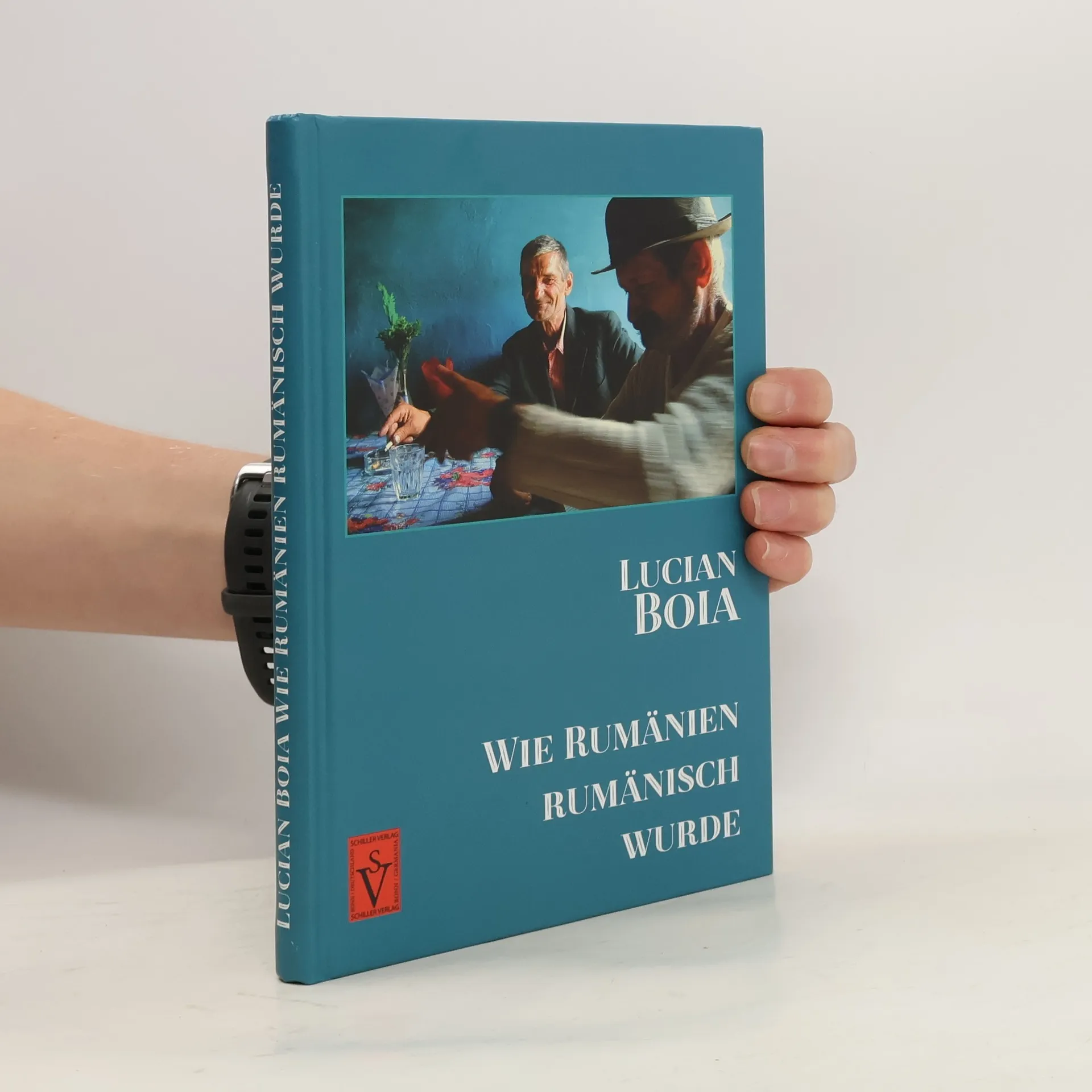
Examine le développement du plus peuplé et du plus étendu des pays du sud-est de l'Europe, du Moyen Age au début du XXIe siècle. Montre les difficultés dues à l'isolement politique et économique subi pendant les années 80, à la chute du communisme et aux divisions provoquées par la modernisation.
LUCIAN. BOIA Boeken
2 februari 1944


Works
- 506bladzijden
- 18 uur lezen
Lucian (c. 120 190 CE), apprentice sculptor then travelling rhetorician, settled in Athens and developed an original brand of satire. Notable for the Attic purity and elegance of his Greek and for literary versatility, he is famous chiefly for the lively, cynical wit of the dialogues in which he satirizes human folly, superstition, and hypocrisy.
History and Myth in Romanian Consciousness
- 280bladzijden
- 10 uur lezen
There is a considerable difference between real history and discourse history - this book stems from this idea. The author points out that history is constantly reconstructed, adapted and sometimes mythified from the perspective of the present day, of present states of mind and ideologies. Boia closely examines the process of historical culture and conscience in nineteenth and twentieth century Romania, particularly concentrating on the impact of the national ideology on history. Based upon his findings, the author identifies several key mythical configurations and analyses the manner in which Romanians have reconstituted their own highly ideologized history over the last two centuries. The strength of History and Myth in Romanian Consciousness lies in the author's ability to fully deconstruct the entire Romanian historiographic system and demonstrate the increasing acuteness of national problems in general, and in particular the exploitation of history to support national ideology.
The Downward Journey or the Tyrant
- 528bladzijden
- 19 uur lezen
Lucian (c. 120 190 CE), apprentice sculptor then travelling rhetorician, settled in Athens and developed an original brand of satire. Notable for the Attic purity and elegance of his Greek and for literary versatility, he is famous chiefly for the lively, cynical wit of the dialogues in which he satirizes human folly, superstition, and hypocrisy.
The Dead Come to Life or the Fisherman
- 498bladzijden
- 18 uur lezen
Lucian (c. 120 190 CE), apprentice sculptor then travelling rhetorician, settled in Athens and developed an original brand of satire. Notable for the Attic purity and elegance of his Greek and for literary versatility, he is famous chiefly for the lively, cynical wit of the dialogues in which he satirizes human folly, superstition, and hypocrisy.
True History
- 40bladzijden
- 2 uur lezen
B&R Samizdat Express edition, including Instructtions from Writing History as well as The True History, with links from the table of contents. According to Wikipedia: "True History or True Story is a travel tale by the Greek-speaking Syrian author Lucian of Samosata, the earliest known fiction about travelling to outer space, alien life-forms and interplanetary warfare. Written in the 2nd century, the novel has been referred to as "the first known text that could be called science fiction". The work was intended by Lucian as a satire against contemporary and ancient sources, which quote fantastic and mythical events as truth... Lucian of Samosata (Greek: Λουκιανός ὁ Σαμοσατεύς, Latin: Lucianus Samosatensis; c. A.D. 125 – after A.D. 180) was a rhetorician, and satirist who wrote in the Greek language. He is noted for his witty and scoffing nature. "
In der rumänischen Geschichtsschreibung hält sich bis heute ein Mythos: Zu Beginn des Ersten Weltkrieges hätten die Rumänen – bis auf wenige Ausnahmen unter den Politikern – einhellig das „nationale Ideal“ vertreten; man sei in den Krieg gegen Österreich-Ungarn eingetreten, um sich mit Transsilvanien vereinigen zu können. Die Presse und andere Dokumente jener Zeit – von den Anhängern der Entente ignoriert und schließlich von den Historikern vergessen – zeigen jedoch, dass ein großer Teil der intellektuellen und politischen Elite Rumäniens für einen anderen Weg plädierte. Lucian Boia stellt diese „Germanophilen“, ihre Überzeugungen, Beweggründe und Argumente vor. Er zeigt, wie sie sich während der deutschen Besatzung verhielten und wie sie, nach dem unerwarteten Sieg der Gegner, politisch und intellektuell überlebten.
Între înger şi fiară
- 260bladzijden
- 10 uur lezen
O galerie surprinzătoare de portrete legate de cunoștințele și temerile fiecărei epoci: de la bunul sălbatic la pericolul galben, de la sirenă la mutant, de la om-elefant la yeti; imagini ale celuilalt, care sunt, de altfel, un mod de a ne întreba despre umanitate.
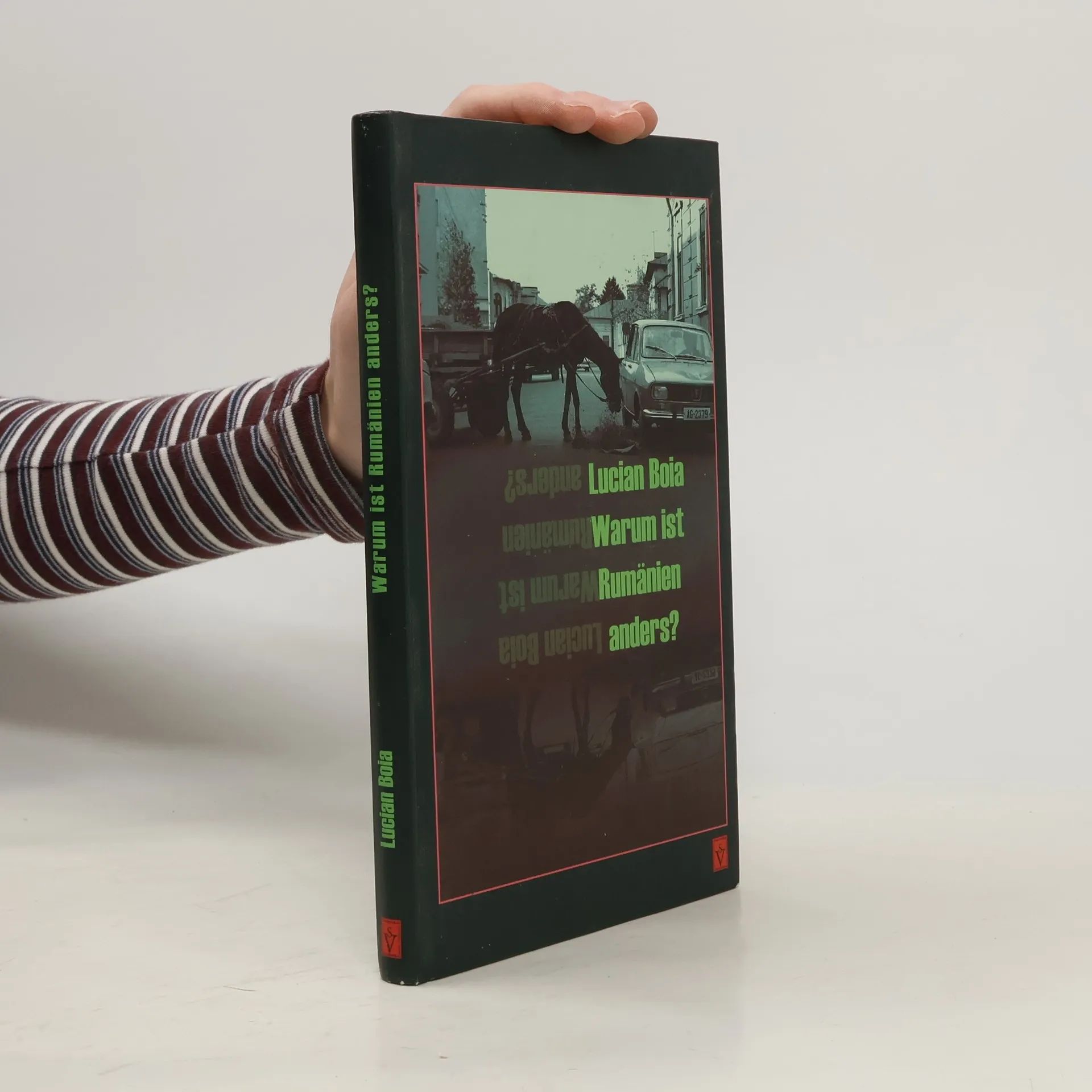
Warum ist Rumänien anders?
- 95bladzijden
- 4 uur lezen
Länder und Völker unterscheiden sich. Sie gleichen und unterscheiden sich. Rumänien nimmt natürlich teil an diesem Spiel der Ähnlichkeiten und Unterschiede. Ist es aber nicht vielleicht noch unterschiedlicher? Mit anderen Worten, liegt es nicht, unter vielerlei Gesichtspunkten, noch 'exzentrischer' im Verhältnis zu dem, was man als europäisches Mittel oder als relative Normalität annimmt? Lucian Boia
În urma semnalului de alarmă tras de istorici şi publicişti francezi, potrivit cărora Franţa s-ar afla în declin, Lucian Boia supune afirmaţia unei analize istorice riguroase, întinsă pe câteva secole din istoria „surorii noastre de gintă latină". Cercetând o multitudine de evenimente, de serii statistice revelatoare sau de aspecte semnificative ale peisajului cultural din Franţa, Lucian Boia scoate în evidenţă câteva constante ale drumului parcurs de la statutul de naţiune hegemonică a Europei la cel de putere de rang secund ocupat astăzi. Răspunzător de acest declin ar fi, potrivit autorului, un complex de cauze, între care tendinţa spre conservatorism social şi economic, pe care nici măcar Revoluţia n-a reuşit s-o schimbe, şi îndeosebi declinul demografic, început încă în secolul al XVIII-lea şi accentuat până într-o perioadă recentă, revirimentul actual venind cam târziu. Istoricul nu ezită să ducă analiza până în zilele noastre, încercând să facă o adevărată istorie a prezentului, în care, fără să formuleze predicţii, sondează avantajele potenţiale ale Franţei în contextul actualei crize economice internaţionale şi al mondializării.
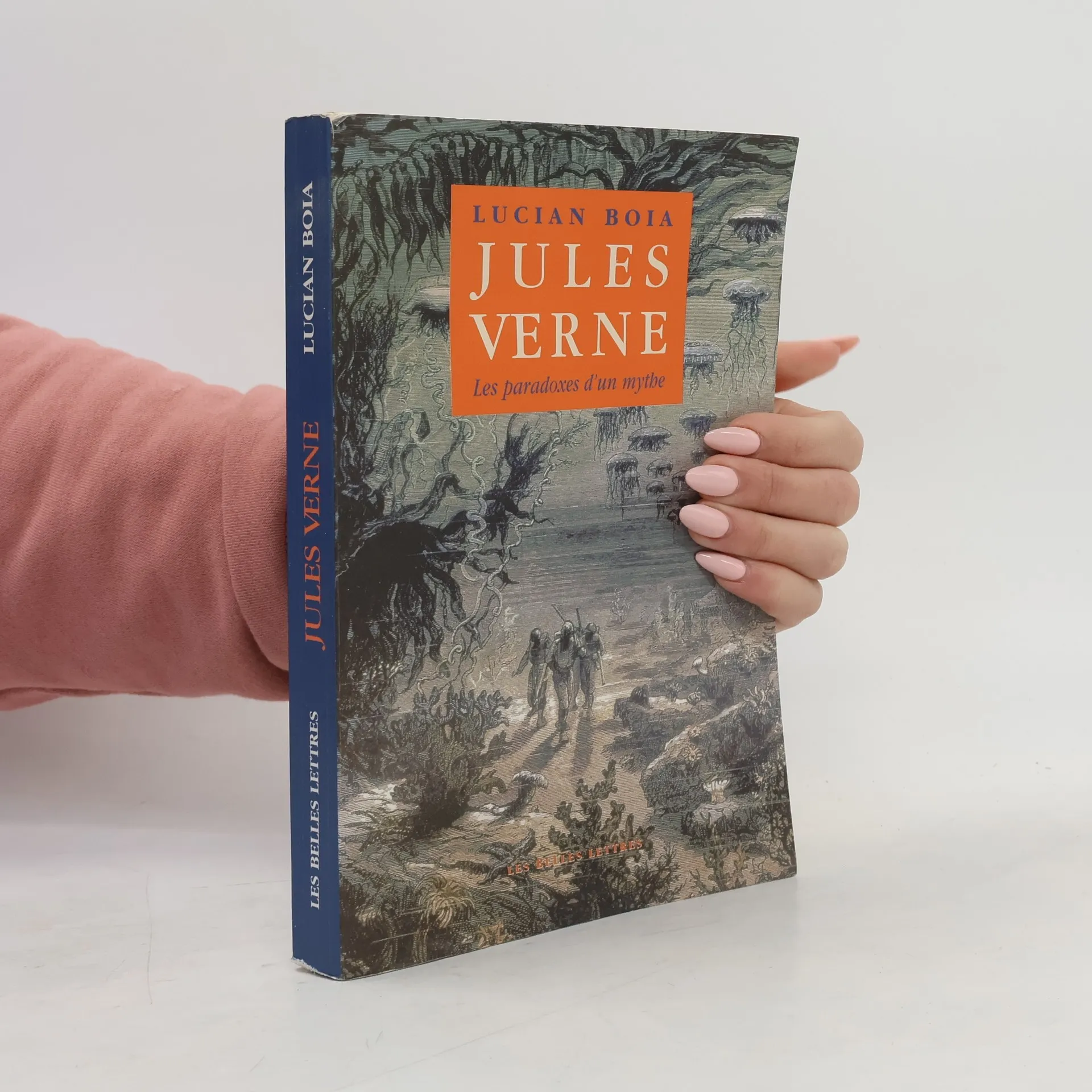
Longtemps percu comme vulgarisateur et auteur de romans destines a la jeunesse, Jules Verne est devenu un ecrivain a part entiere et plus que cela, un veritable mythe, tiraille entre des interpretations contradictoires. Pionnier de la technologie moderne (les Americains auraient repris sa recette pour aller sur la lune) ou porteur d'un message mythologique et religieux? Progressiste ou traditionaliste? Optimiste ou pessimiste? De droite ou de gauche? Raciste et antisemite ou absolument respectueux de toutes les cultures? Jusqu'a ses penchants sexuels sur lesquels le desaccord regne: misogynie, tendances homosexuelles, liaisons feminines?Specialiste du decryptage des constructions imaginaires, Lucian Boia entend eclairer la formule spirituelle de l'ecrivain et sa maniere, bien a lui, de concevoir ses fictions. Le lecteur aura des surprises: le prophete de l'avenir se presente comme un conservateur, et l'allure theatrale et ironique de l'oeuvre laisse peu de substance a son cote " scientifique ." Si l'evasion et l'isolement semblent bien definir les tentations les plus fortes de l'homme et de l'ecrivain, l'ampleur des interventions " exterieures " se revele non moins surprenante: l'oeuvre de Jules Verne ne lui appartiendrait pas en entier!Une enquete minutieuse effectuee par un historien qui s'attache a voir au-dela des artifices litteraires et des jeux ideologiques.
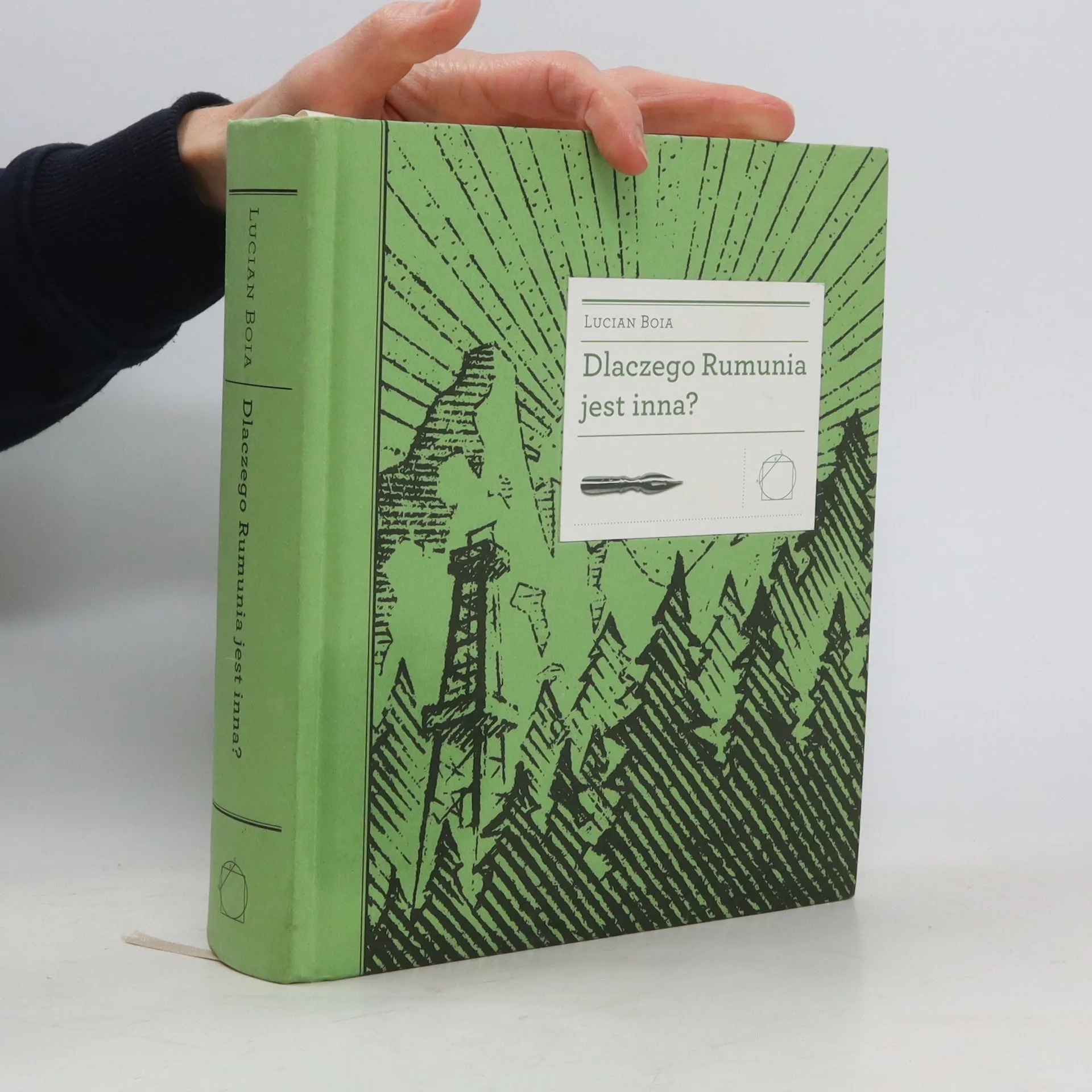
Dlaczego Rumunia jest inna
- 500bladzijden
- 18 uur lezen
To wydanie łączy w sobie dwie książki: "România, ţară de frontieră a Europei" ("Rumunia, na krańcach Europy") z 2001 roku oraz "De ce este România altfel?" ("Dlaczego Rumunia jest inna?") z 2013. Pierwsza z tych książek była przeznaczona dla czytelnika brytyjskiego (została wydana w Wielkiej Brytani pod tytułem "Romania: Borderland of Europe"), a druga dla rumuńskiego.
Koniec Zachodu? W stronę jutrzejszego świata
- 192bladzijden
- 7 uur lezen
Lucian Boia - urodzony w 1944 r. w Bukareszcie historyk jest jednym z najważniejszych, a zarazem najbardziej poczytnych i cenionych współczesnych rumuńskich intelektualistów. Znany głównie ze swych prac poświęconych Rumunii, tym razem bierze na warsztat przyszłość świata, a w nim – zwłaszcza Zachodu. Na pozór niewielka książka, złożona z krótkich, nieraz prowokacyjnie zatytułowanych rozdziałów, kryje w sobie rozmach myśli i przenikliwość rzadko spotykane. Czas zweryfikował niektóre z przytaczanych prognoz, wiele diagnoz i scenariuszy jawi się jednak wciąż zaskakująco świeżo, podobnie jak język, jakim o nich Boia pisze - jednocześnie wolny od politycznej poprawności i chęci antagonizowania. Jak będzie wyglądał jutrzejszy świat? Jakie miejsce będzie w nim zajmował Zachód? Jaka przyszłość czeka demokrację? Ile wolności i sprawczości będzie miał człowiek jutra? Niezależnie od odpowiedzi, jakie przyniesie czas, autor spieszy z pocieszeniem, bo wszak „człowiek jest istotą najbardziej zdolną do adaptacji; tak że bez obaw – przystosuje się doskonale do wszelkich możliwych historii i nie będzie miał żadnego powodu, by żałować, że kiedyś istniał”.
România de astăzi. O ţară care se încăpăţânează să fie altfel. Ţările şi naţiunile sunt diferite. Asemănătoare şi diferite. România intră şi ea, fireşte, în acest joc al asemănărilor şi deosebirilor. Nu cumva este totuşi şi mai diferită? Cu alte cuvinte, nu se situează oare mai „excentric", sub tot felul de aspecte, în raport cu ceea ce ar fi o medie sau o relativă normalitate europeană? Modul extravagant în care s-a derulat psihodrama politică din vara anului 2012 a lăsat impresia că ţara e defectă. Desigur, cei care privesc din afară sunt mai impresionaţi decât românii, obişnuiţi cât de cât cu ei înşişi, dar până şi printre români exasperarea creşte. Ceva nu merge în România, şi nu doar sus, în clasa politică, şi nu doar de ieri, de alaltăieri. Să fie un blestem? Nu, e doar o istorie. Dar poate că înseamnă acelaşi lucru.
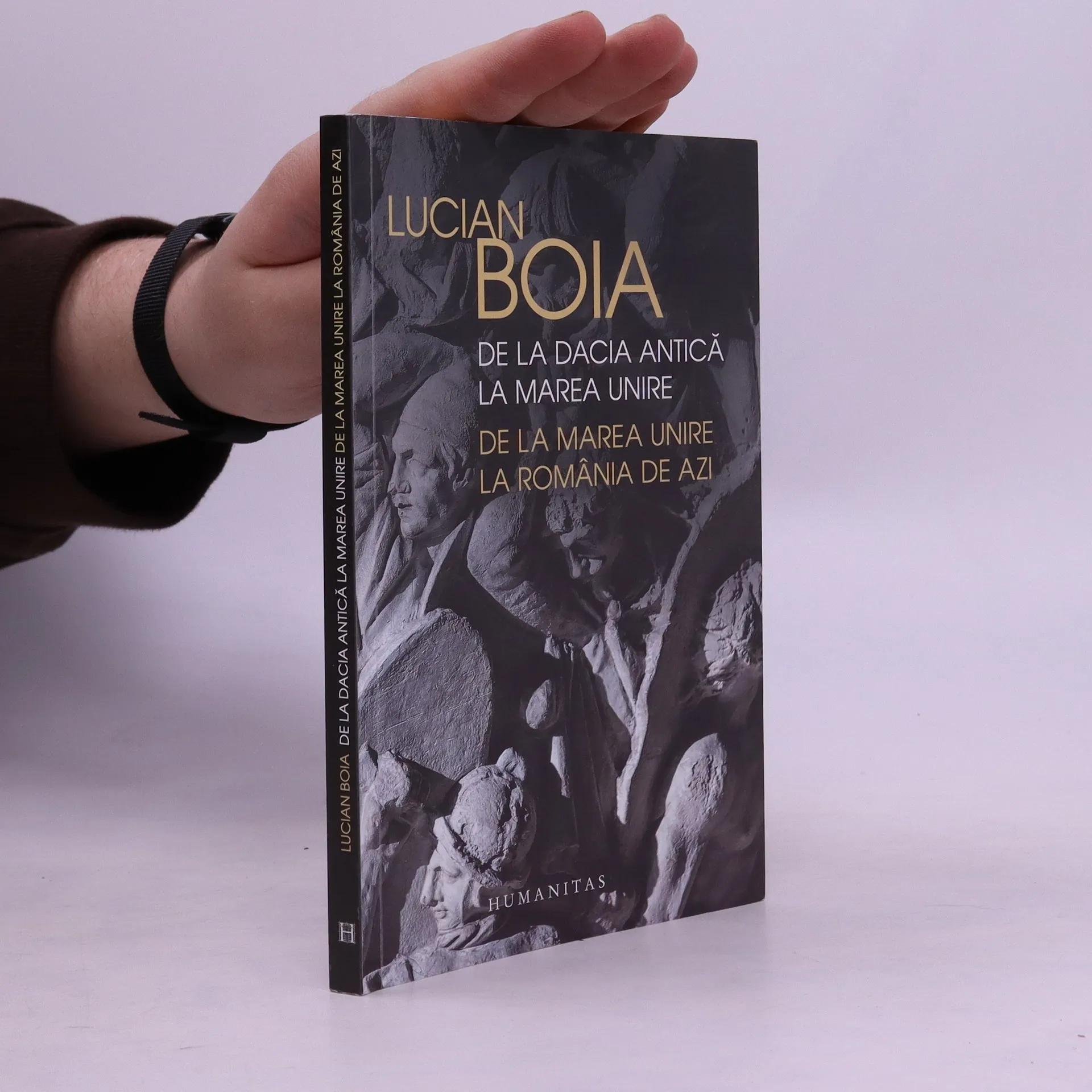
De la Dacia antică la Marea Unire, de la Marea Unire la România de azi
- 104bladzijden
- 4 uur lezen
„Încerc să înfăţişez, cât pot de echilibrat, problema alcătuirii României (din părţi asemănătoare, însă distincte). Avem o ţară (aproape) întregită. Ce am făcut însă cu ea? Ce facem cu ea în prezent? Cât suntem de capabili să înfruntăm viitorul? Să recunoaştem deschis cum stau lucrurile, altminteri nu ne vom îndrepta nicicând. România nu arată deloc bine: e afectată de mari întârzieri şi de mari dereglări. Toate acestea, adunate, ar putea genera un amestec exploziv, de natură să pună în pericol inclusiv construcţia naţională. La 100 de ani de la Marea Unire, avem datoria să ne reparăm ţara.“
Jak zrumunizowała się Rumunia
- 120bladzijden
- 5 uur lezen
Ceniony i poczytny rumuński historyk Lucian Boia proponuje nowe spojrzenie na relacje Rumunów z innymi narodami. Każda nacja ma własne doświadczenia z Innymi, jednak tylko nieliczne doświadczyły ich obecności w takim stopniu i z podobną intensywnością co Rumuni. Aktualny obszar państwa rumuńskiego na przestrzeni dziejów stykał się z wieloma etnicznymi i kulturowymi wpływami oraz zaznał dominacji ze strony różnych kultur i narodów. Lucian Boia ukazuje, jak począwszy od drugiej wojny światowej, a następnie w okresie komunizmu i później ta różnorodność zanikała. Rumunia jest dziś bardziej rumuńska niż kiedykolwiek. Niestety, jak udowadnia autor, także Rumuni zrumunizowali się, zrywając, w znacznym stopniu za sprawą praktykowanego przez reżim komunistyczny izolacjonizmu, z wartościami kultury zachodniej, na której zbudowano współczesną Rumunię.
Gut hundert Jahre liegt der Ausbruch des Ersten Weltkriegs zurück. Kaum ein anderes historisches Ereignis hat sich dermaßen tief ins kollektive Ge- dächtnis eingegraben. Das ist durchaus erklärbar, schließlich hat dieses Ereignis die Welt begründet, in der wir leben. [...] Mein Ansinnen läuft ebenfalls auf eine historiographische Neudeutung hinaus. Es handelt sich nicht um eine »vollständige« Dar- stellung, sondern um einen Kommentar, eine Reihe von Kommentaren zu Schlüsselfragen. Der folgende chronologische Aufriss bietet dem Leser eine Hilfe zur Orientierung im Wirbel der Ereignisse. Da ein Essay kein wissenschaftliches Werk ist, habe ich die bibliographischen Hinweise auf ein Minimum redu- ziert und nur jene Arbeiten angeführt, denen ich Textabschnitte oder Interpretationen der jeweiligen Autoren entnommen habe. L. B.
Bei der Entstehung Rumäniens durch die Vereinigung der Fürstentümer Moldau und Walachei im Jahr 1859 lebte weniger als die Hälfte der Rumänen auf dessen Gesamtfläche. Siebenbürgen und die Gebiete Transsilvaniens hatten sich über fast tausend Jahre in einem ungarischen und später habsburgischen Raum entwickelt, wobei die Rumänen zwar die Mehrheit, jedoch nur etwas mehr als die Hälfte der Bevölkerung ausmachten, neben dominierenden Minderheiten wie Ungarn und Deutschen. Die Dobrudscha war durch die jahrhundertlange Zugehörigkeit zum Osmanischen Reich mehrheitlich islamisch geprägt. Die Bukowina, nach ihrer Annexion durch Österreich 1775, war eine multiethnische Region mit Rumänen, Ukrainern, Deutschen und Juden. Bessarabien, 1812 von Russland annektiert, erlebte einen Russifizierungsprozess. In den Städten Siebenbürgens und der Moldau lebten stets mehrheitlich Ungarn und Deutsche, Armenier, Juden, Griechen und Bulgaren, wobei sich die Zusammensetzung je nach Zeitraum änderte. Auch die Aristokratie wies eine griechische Komponente auf. Selbst Michael der Tapfere, ein Nationalsymbol der Rumänen, war der Sohn einer Griechin. In der Fanariotenzeit entstand eine rumänisch-griechische Symbiose unter den Eliten.
In den vergangenen zwei Jahrzehnten wurden das Handeln und die Entscheidungen rumänischer Intellektueller im 20. Jahrhundert immer wieder kontrovers diskutiert. Die meisten dieser Darstellungen sind entweder einseitige Beschuldigungen oder beschwichtigende Verteidigungen. Sie werden weder der historischen Situation noch der komplexen Quellenlage gerecht. Die Jahre zwischen 1930 und 1950 sind in Rumänien geprägt von drastischen politischen Veränderungen, auf die sich die Gesellschaft und insbesondere die Elite immer wieder neu einstellen musste – zum Teil innerhalb weniger Monate. Lucian Boia schafft ein gesellschaftliches Panorama, das zeigt, wie sich geschichtliche Ereignisse, persönliche und politische Interessen, Stolz, Ehrgeiz und Machtspiele für manche Intellektuellen zu „Fallstricken der Geschichte“ verbunden haben.
Geschichte und Mythos
- 400bladzijden
- 14 uur lezen
Diese kritische Auseinandersetzung mit nationalen und nationalkommunistischen Geschichtsmythen, die teilweise bis heute in der rumänischen Gesellschaft wirksam sind, ist eines der wichtigsten Bücher, die von der Historiographie Rumäniens nach 1989/1990 vorgelegt wurden. Die brillant geschriebene Synthese, die dank des unverkrampften Umgangs mit der eigenen Vergangenheit auch den Beitrag der Minderheiten zur Entwicklung des Landes erkennt, wird dazu beitragen, dass die in den Jahrzehnten der Diktatur diskreditierte rumänische Geschichtsschreibung wieder am allgemeinen wissenschaftlichen Diskurs teilnehmen kann. Durch die schonungslose Analyse der Verbindung von Geschichtswissenschaft und Politik trägt das Buch zudem in großem Maße zur Vergangenheitsbewältigung bei, zur Bewältigung von Nationalismus und Fremdenfeindlichkeit. Das Buch erschien erstmals 1997 in rumänischer Sprache. Die deutsche Übersetzung folgt der dritten Auflage und ist mit einem eigenen Vorwort des Autors versehen.