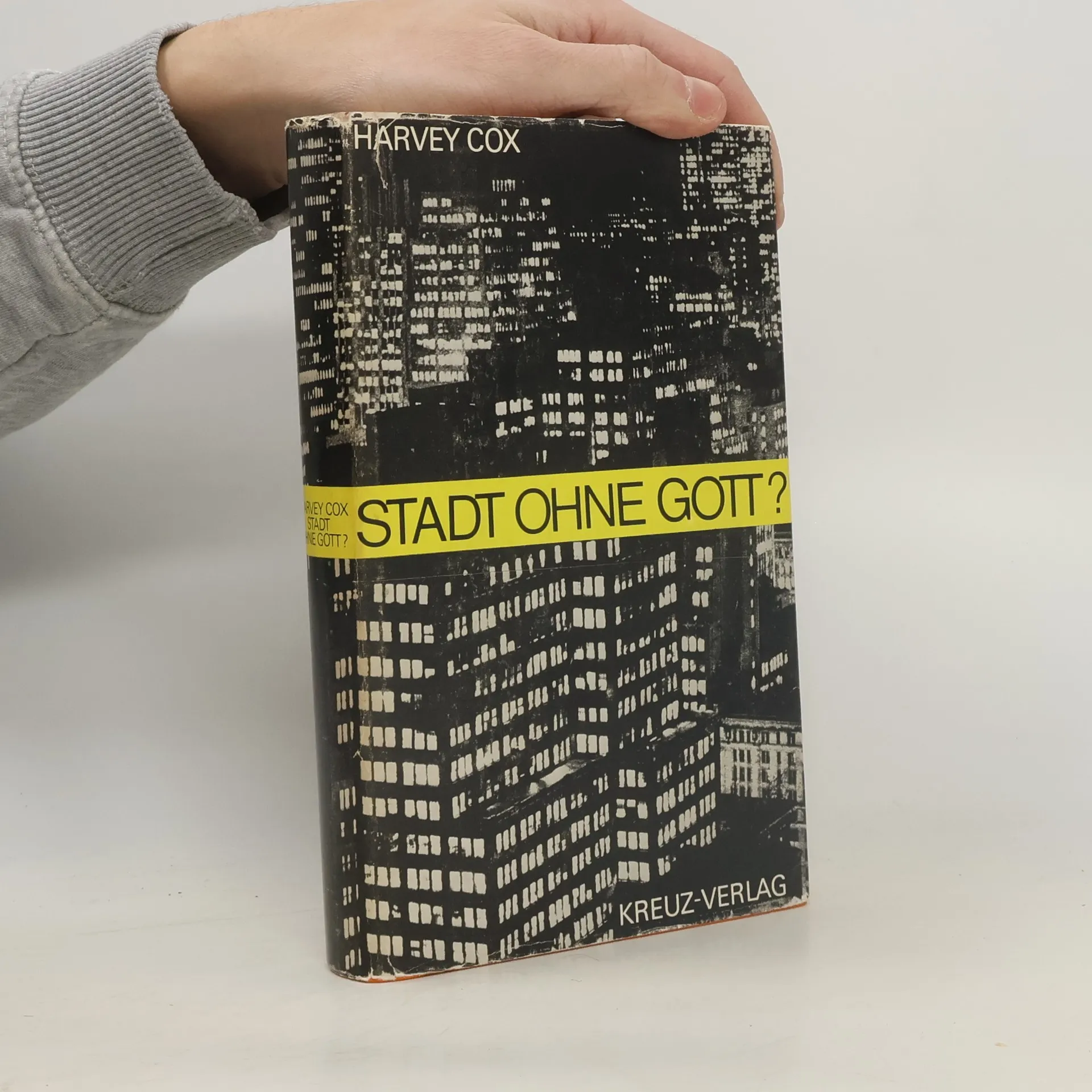
The Silencing of Leonardo Boff
The Vatican and the Future of World Christianity
- 208bladzijden
- 8 uur lezen


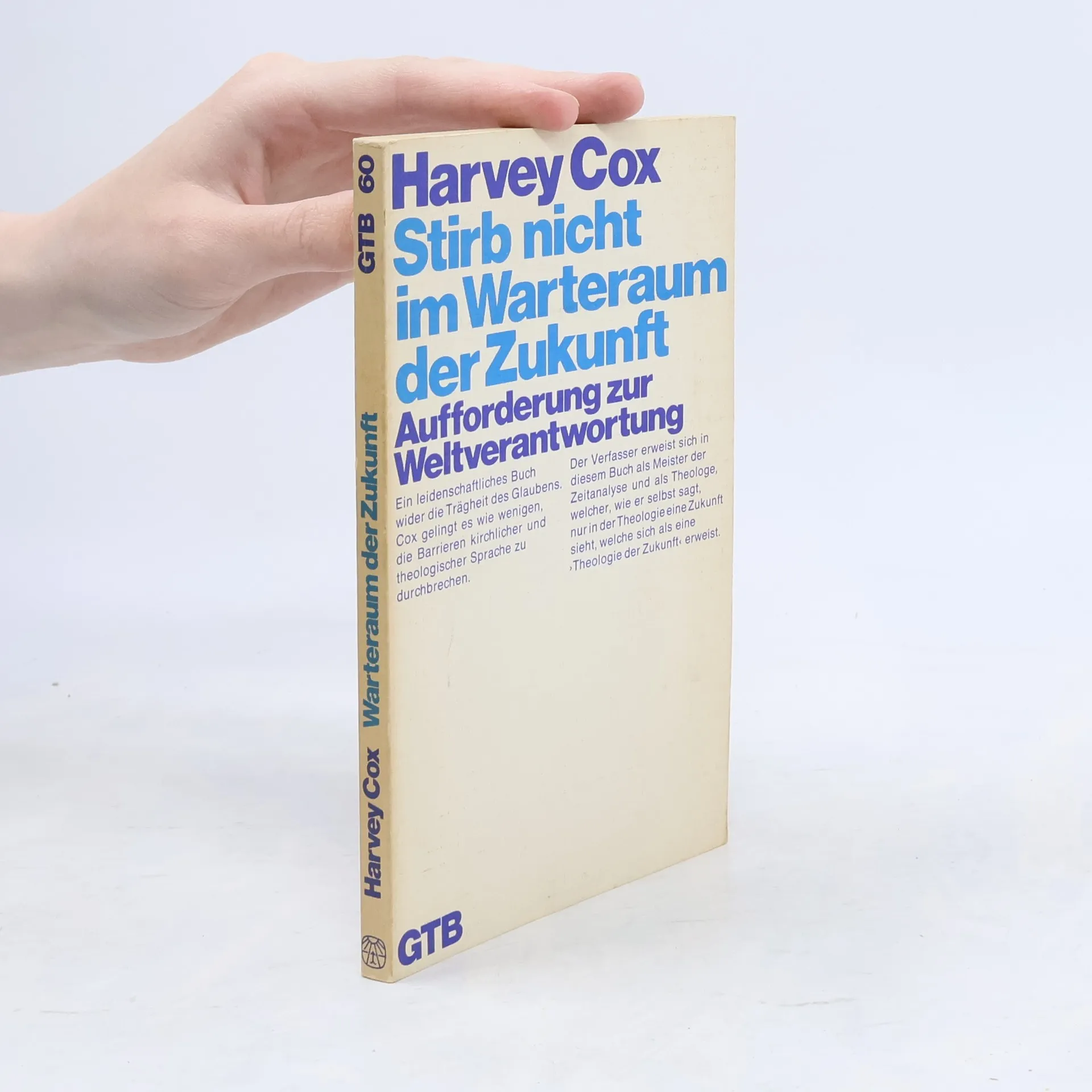
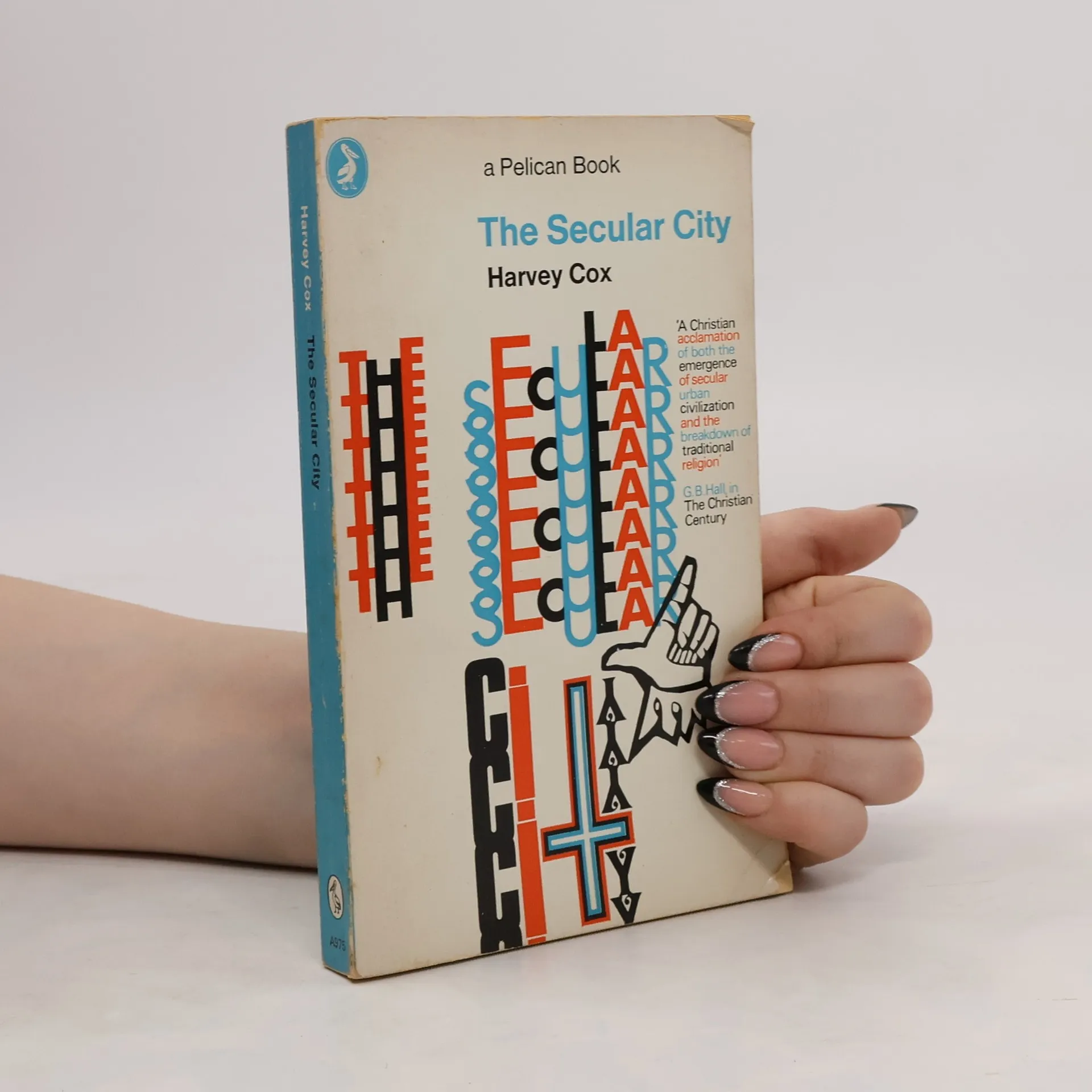
Harvey Cox Jr. is een vooraanstaand theoloog wiens werk kritisch de wisselwerking tussen religie, cultuur en politiek onderzoekt. Hij duikt in belangrijke thema's zoals verstedelijking, de evolutie van het wereldwijde christendom, joods-christelijke betrekkingen en hedendaagse spirituele bewegingen wereldwijd. Zijn baanbrekende boek 'The Secular City' uit 1965 werd een internationale bestseller en werd erkend als een diepgaand invloedrijk werk in de protestantse theologie van de twintigste eeuw. Cox' geschriften worden geprezen om hun scherpzinnige analyse die theologisch denken verbindt met de realiteit van het moderne leven en urgente maatschappelijke vraagstukken.


The Vatican and the Future of World Christianity
Our times offer abundant evidence that organized Christianity is failing to fulfill its responsibilities in bringing about the changes most desperately needed in the world. The great events of our day are occurring apart from the church, and this fact indicates to Harvey Cox that the secular world is the principal arena of God's work today. Where does this leave the organized church, the clergy, and the lay member as they witness in modern society? These are the kind of questions that Harvey Cox faces and provocatively discusses in this book. There is no doubt as to where he stands personally with regard to the issues that trouble society most deeply. He is a prophet of God's reconciliation, whether in matters of race, ecumenical relationships, or world order, and he feels that Christians who stand with him will have to enter more vitally into the secular world if they are to be agents of reconciliation. You may or may not agree with this book, but you owe it to yourself to read it.
Harvey Cox revisits his classic work amidst the evolving landscape of global religion and society, reflecting on the significant shifts since the 1960s. His insightful analysis highlights both the changes that have occurred and the enduring issues that persist. This contemporary reading serves as a thought-provoking stimulus for new reflections and encourages readers to engage more deeply with his original ideas, making it a valuable intellectual exploration for those interested in the intersection of faith and modernity.
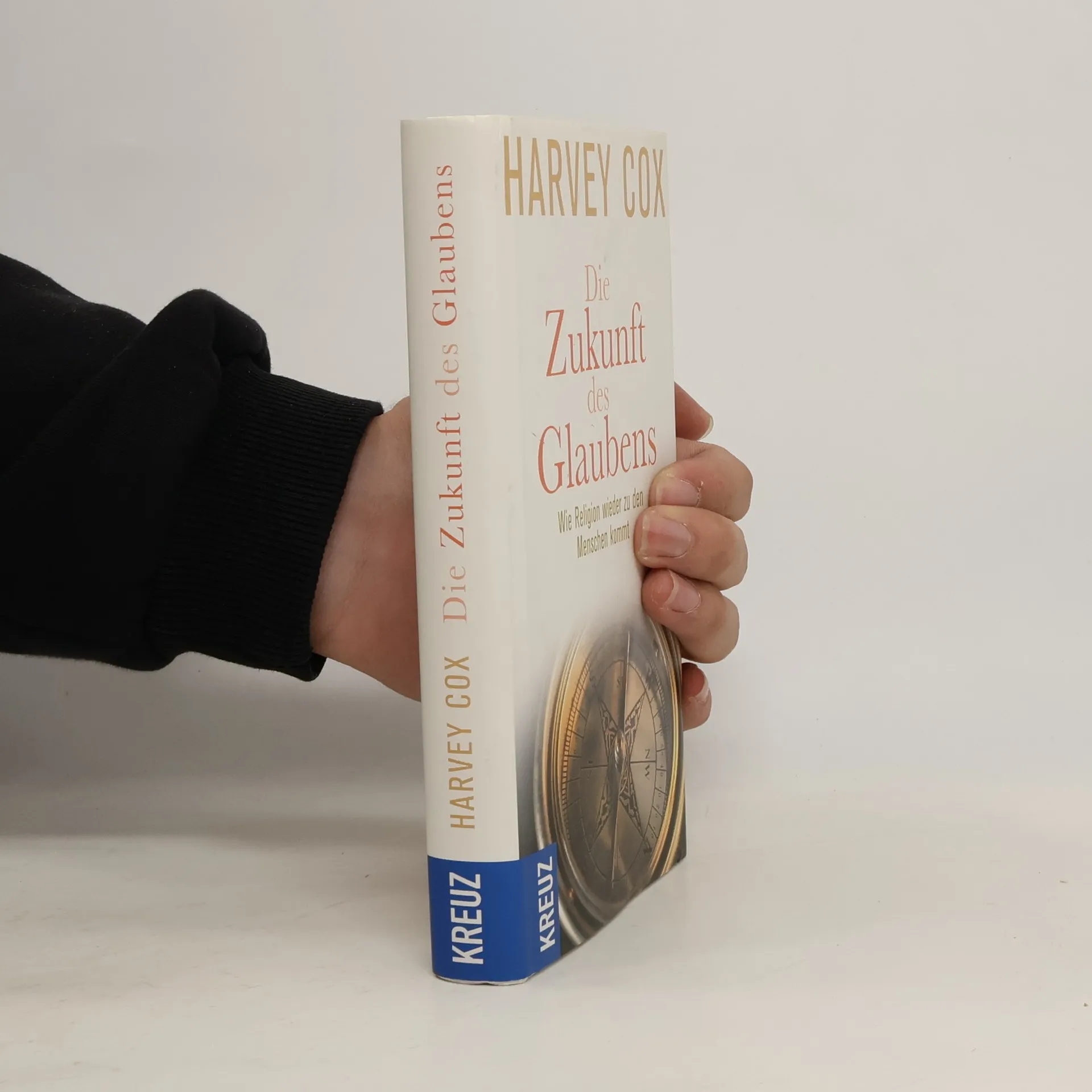
Die Zukunft des Glaubens ist die wegweisende Untersuchung des Harvard-Religionswissenschaftlers Harvey Cox, warum der christliche Dogmatismus einem basisorientierten Christentum Platz macht, das in sozialer Gerechtigkeit und Spiritualität verwurzelt ist. Cox legte mit seinem Klassiker von 1965, Die säkulare Stadt, den Grundstein für moderne religiöse Schriften und ebnete den Weg für Autoren wie Diana Butler Bass, Karen Armstrong, Stephen Prothero und Deepak Chopra, der Die Zukunft des Glaubens als „eine frische Vision für die Auferstehung eines neuen globalen Christentums“ bezeichnet.