Is Critique Secular?
- 148bladzijden
- 6 uur lezen
Four leading thinkers confront the paradoxes and dilemmas attending the supposed stand-off between Islam and liberal democratic values.


Talal Asad is een vooraanstaand antropoloog wiens werk belangrijke theoretische bijdragen levert aan postkoloniale studies, het Christendom, de Islam en ritestudies. Onlangs heeft hij zich gericht op de antropologie van secularisme, waarbij hij een genealogische methode toepast, geïnspireerd door Nietzsche en Foucault. Asads benadering compliceert de vergelijkingskaders en daagt vaak als vanzelfsprekend aangenomen aannames uit. Hierdoor opent hij nieuwe mogelijkheden voor communicatie en creatieve gedachten waar voorheen oppositie of onverschilligheid heerste.

Four leading thinkers confront the paradoxes and dilemmas attending the supposed stand-off between Islam and liberal democratic values.
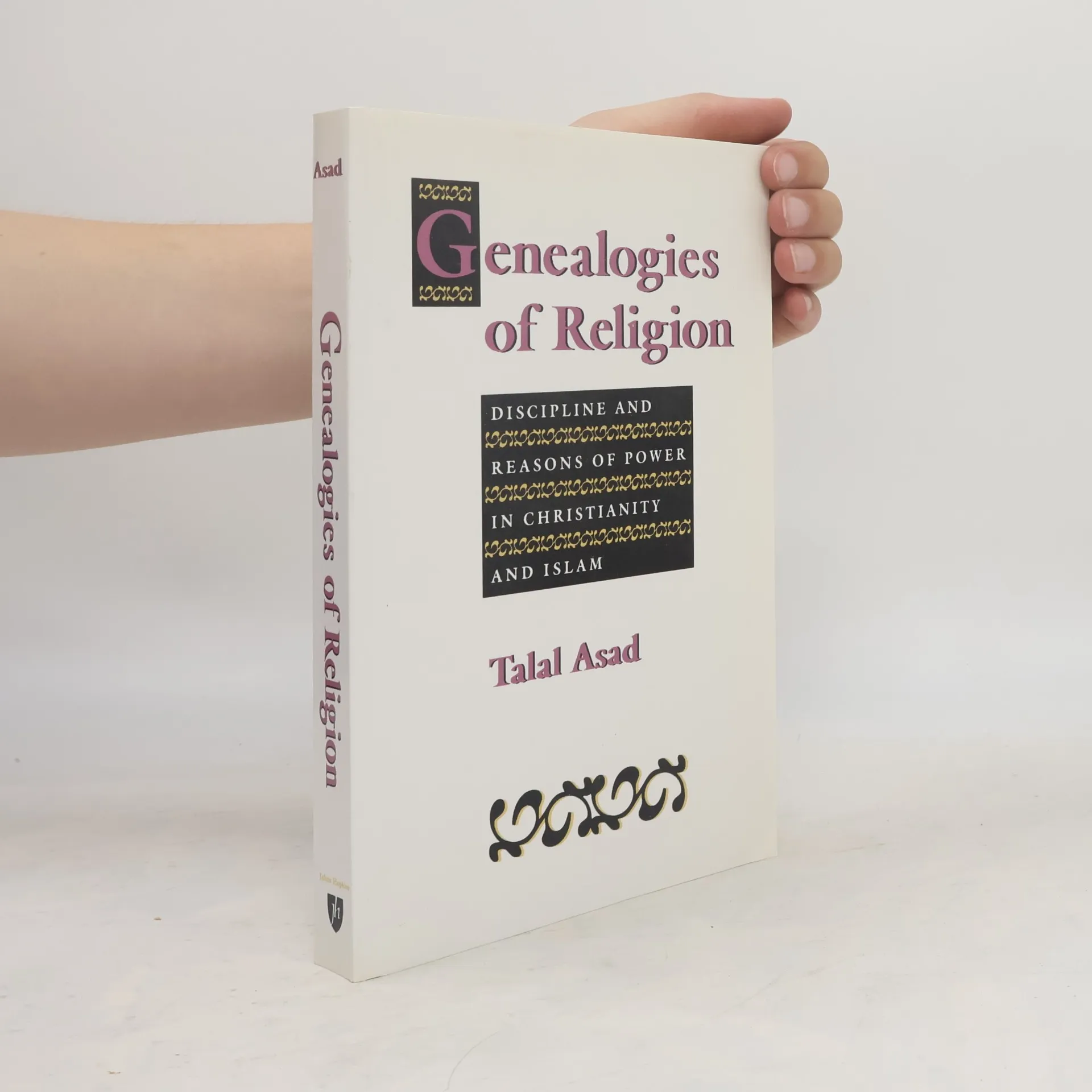
In Geneologies of Religion , Talal Asad explores how religion as a historical category emerged in the West and has come to be applied as a universal concept. The idea that religion has undergone a radical change since the Christian Reformation—from totalitarian and socially repressive to private and relatively benign—is a familiar part of the story of secularization. It is often invokved to explain and justify the liberal politics and world view of modernity. And it leads to the view that "politicized religions" threaten both reason and liberty. Asad's essays explore and question all these assumptions. He argues that "religion" is a construction of European modernity, a construction that authorizes—for Westerners and non-Westerners alike—particular forms of "history making."
Opening with the provocative query what might an anthropology of the secular look like? this book explores the concepts, practices, and political formations of secularism. The focus is on major historical shifts that have shaped secular sensibilities and attitudes towards Islam in the modern West and the Middle East. schovat popis
In Secular Translations, anthropologist Talal Asad reflects on his lifelong engagement with secularism and its contradictions. He draws out the ambiguities in our concepts of the religious and the secular through a rich consideration of translatability and untranslatability.
Questions Western assumptions regarding death and killing. This title scrutinizes the idea of a clash of civilizations, the claim that Islamic jihadism is the essence of modern terror, and the arguments put forward by liberals to justify war in our time.