
Bookbot

Oskar Bätschmann

    Das Kunstschaffen in der Schweiz 1848-2006
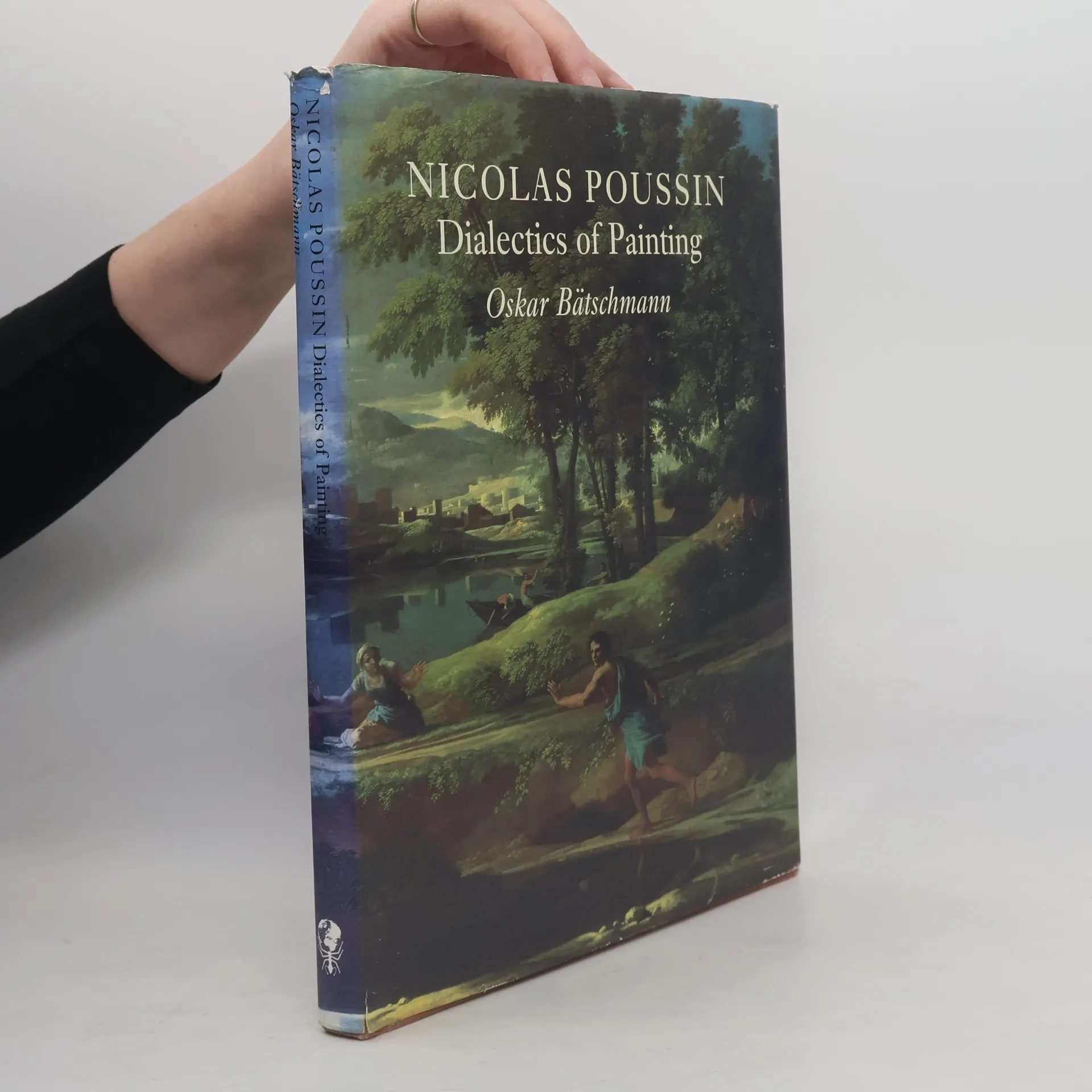
    Nicolas Poussin
    Paul Klee - Ad Parnassum
    The Art Public
    Giovanni Bellini
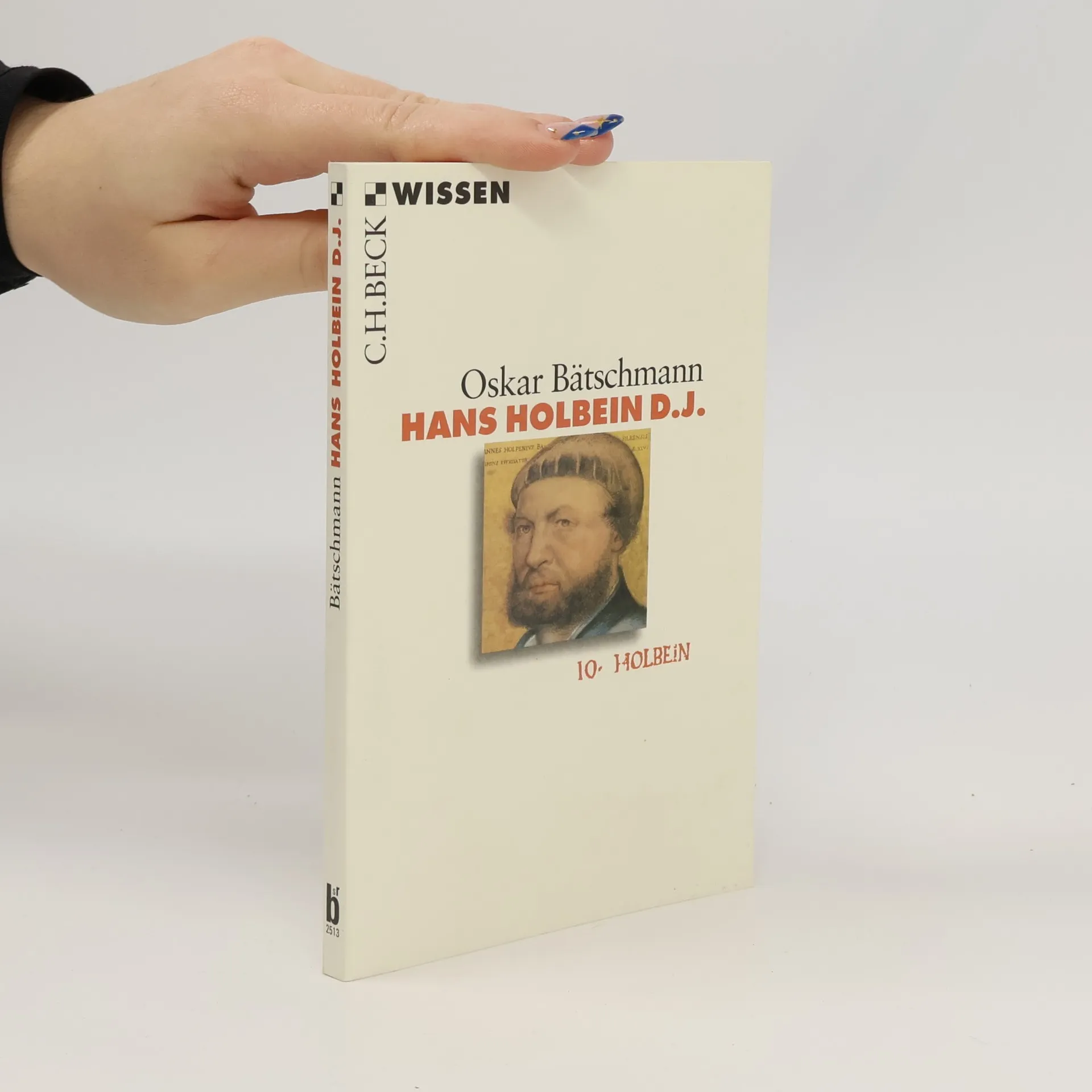
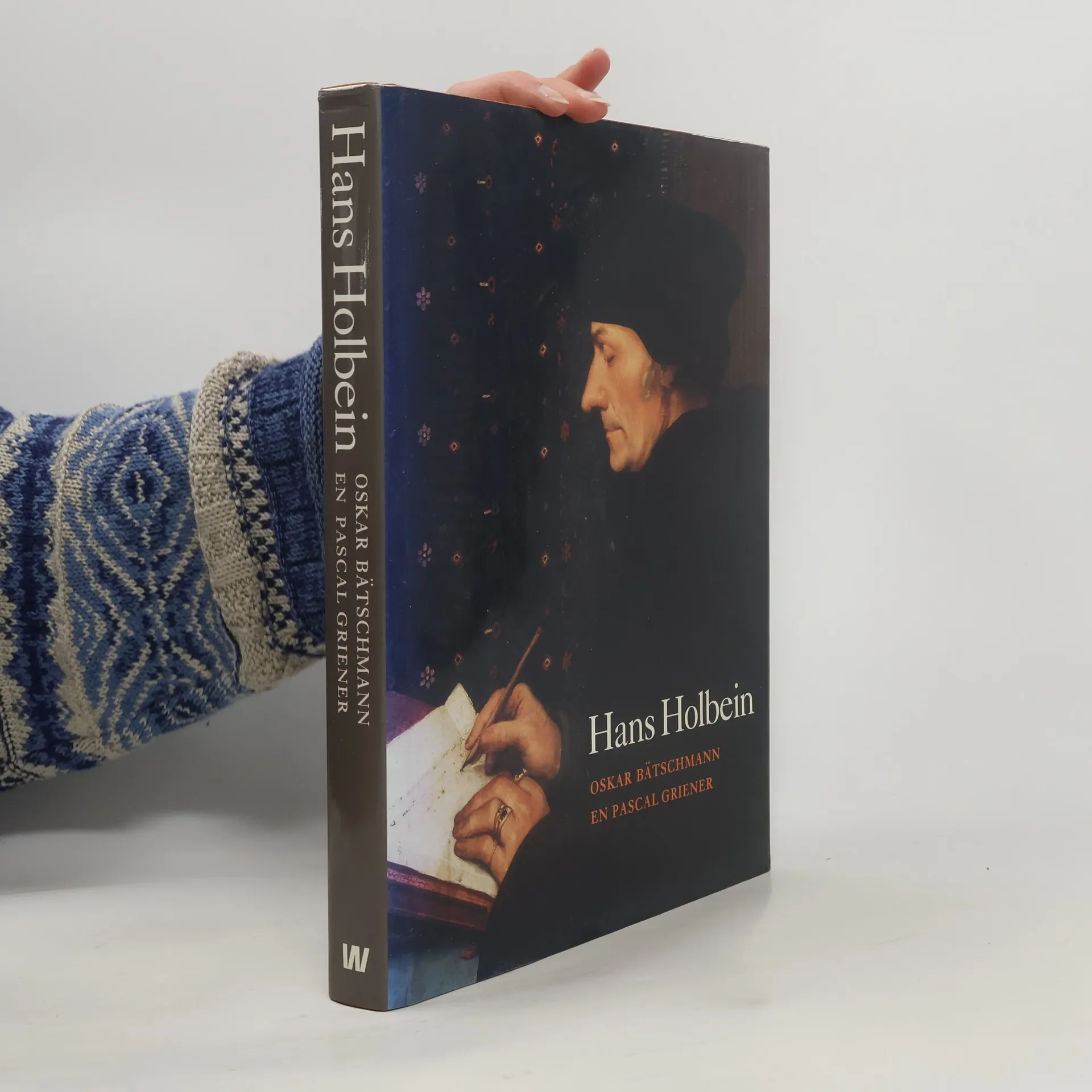
    Hans Holbein
    • Hans Holbein

      • 255bladzijden
      • 9 uur lezen

      This far-reaching study is the first comprehensive volume on Hans Holbein in 40 years. It is filled with color reproductions of the Renaissance artist's magnetic portraits, such as the well-loved rendering of the baby Edward, Prince of Wales, wielding his gold rattle like a scepter. Art historians will find the scholarship deep and subtle; all readers will enjoy stories such as the tale about Anne of Cleves, one of Henry VIII's prospective brides. Holbein enhanced her plain looks with regal robes of gold-encrusted velvet. The portrait persuaded Henry to propose; when Anne arrived, though, he called her a "fat Flanders mare." Holbein's reception at court turned chilly as a result: sic transit gloria pictoris.
      Hans Holbein
    • Giovanni Bellini

      • 256bladzijden
      • 9 uur lezen

      Giovanni Bellini is portrayed as a crucial figure in Italian Renaissance art, recognized for his significant contributions to Venetian painting. The book explores the evolution of his career, emphasizing key works that solidified his influence during this transformative period in art history. Through the lens of his artistry, it illustrates Bellini's impact on the Renaissance and his esteemed reputation among contemporaries like Jacob Burckhardt and Albrecht Durer.

      Giovanni Bellini
      5,0
    • A sweeping account of the 'art public', the collective audience for art.

      The Art Public
      2,9
    • Paul Klee - Ad Parnassum

      • 98bladzijden
      • 4 uur lezen

      A profound study of Paul Klee's painting Ad Parnassum, a key work in the painter's oeuvre. In the 1920s, German-Swiss artist Paul Klee (1879-1940) began his long-lasting engagement with polyphonic art--a multi-voiced way of painting analogous to music. A relentless experimenter, Klee began these studies while teaching at the Bauhaus in Dessau, developed them further during his tenure at the art academy in Düsseldorf, and brought them to a conclusion after his return to Switzerland in 1933. In this book, distinguished art historian Oskar Bätschmann explores Klee's seminal painting Ad Parnassum (1932). Painted shortly after the artist's departure from the Bauhaus, it symbolizes a new era--one of Klee's own self-discovery. Bätschmann documents how the artist strove for a connection of music to painting in his color hues and in the rhythmic movement of colored dots. Richly illustrated, this book uses Ad Parnassum to place Klee's polyphonic understanding of art in an art-historical context and offers insight into the synesthetic thinking that emerged in the art world during his time.

      Paul Klee - Ad Parnassum
    • Nicolas Poussin

      Dialectics of Painting

      • 176bladzijden
      • 7 uur lezen

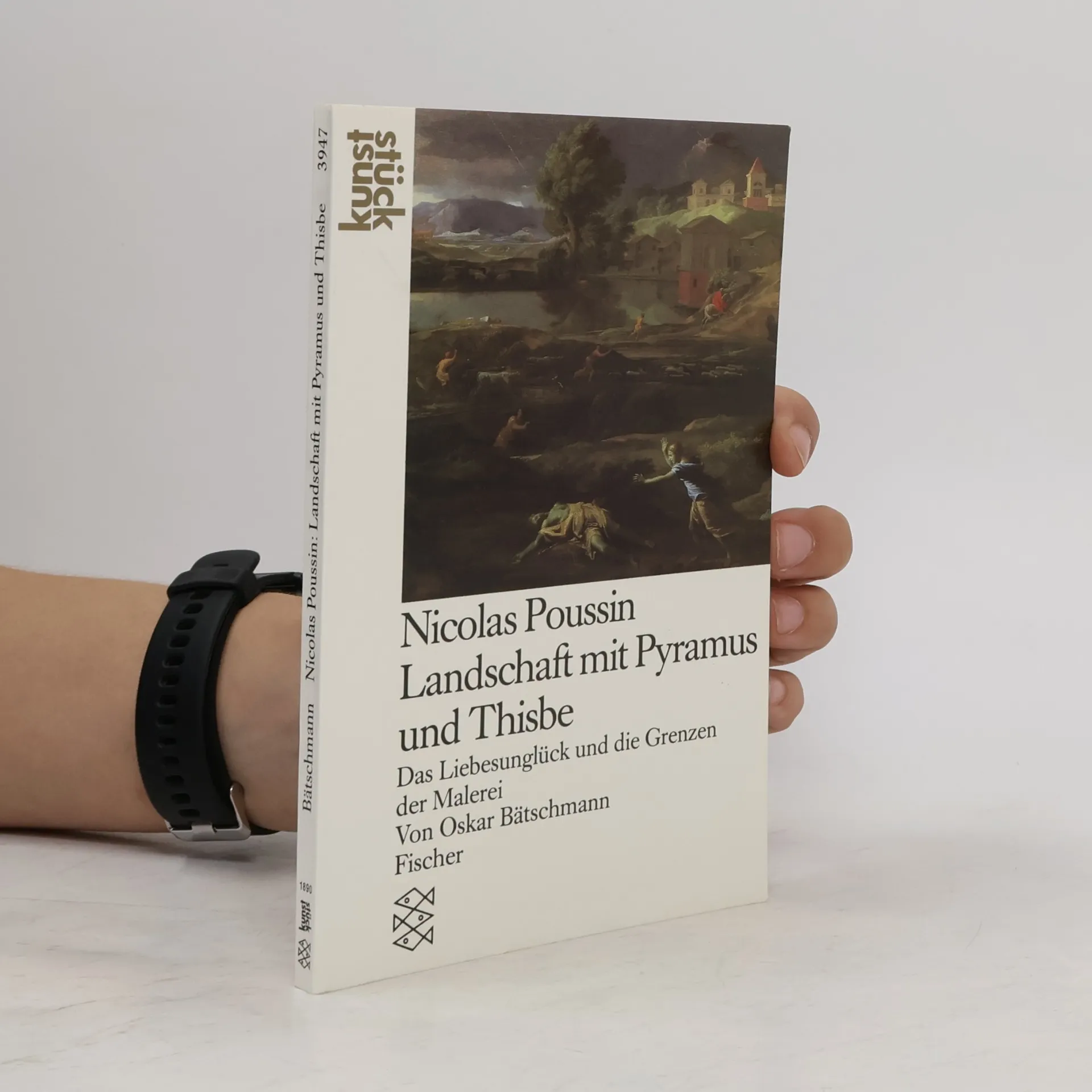
      In this highly original and innovative study of Nicolas Poussin, one of seventeenth-century Europe's greatest artists, Oskar Batschmann presents a series of connected studies that offer new ways of interpreting the work and ideas of this brilliant and complex figure. This superbly illustrated book is a polemical challenge in a field of art-historical research that has often lost its way in insoluble disputes and erudite details

      Nicolas Poussin
    • Giovanni Segantini

      Im Dialog mit Symbolismus und Futurismus, Ferdinand Hodler und Joseph Beuys

      • 122bladzijden
      • 5 uur lezen

      Dieses neue Buch versammelt Beiträge namhafter Segantini-Experten, die das Werk des grossen italienisch-schweizerischen Symbolisten und Meisters der Landschaftsmalerei in einem erweiterten internationalen Kontext zur Diskussion stellen. Entstanden sind die Texte für eine Vortragsreihe im Segantini Museum in St. Moritz im Sommer und Herbst 2013. Matthias Fischer ergründet zum ersten Mal fundiert Gemeinsamkeiten und Differenzen zwischen Ferdinand Hodler und Segantini. Oskar Bätschmann beschäftigt sich mit der Rezeptionsgeschichte und der Frage, wie die drei Schweizer Künstler Böcklin, Segantini und Hodler um 1900 in Wien aufgenommen wurden. Paul Müller schildert, weshalb die Futuristen ausgerechnet einem Maler wie Segantini huldigten. Eva Mongi-Vollmer erforscht aus deutscher Perspektive die Frage, ob Segantini für die nationalsozialistischen Kunstideologen von besonderem Interesse war. Schliesslich widmet sich Beat Stutzer der komplexen Rauminstallation Voglie vedere le miei montagne von Joseph Beuys und dessen Bezug zu Segantini und bringt zudem mit Not Vital, Franz Wanner und Hannes Vogel drei zeitgenössische Auseinandersetzungen mit Segantini zur Sprache.

      Giovanni Segantini
      4,0
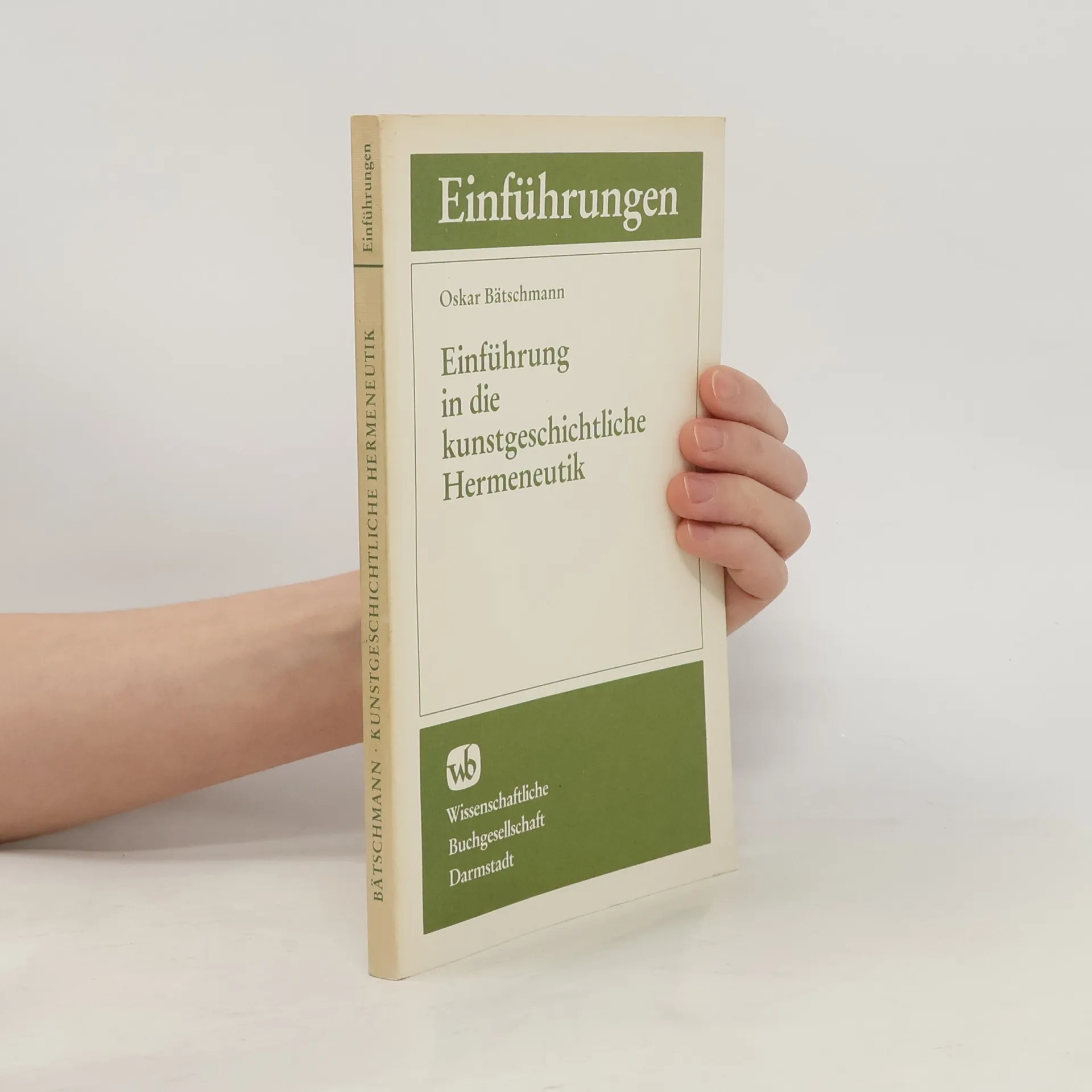
    • Kunstgeschichtliche Hermeneutik befasst sich mit der begründeten Auslegung von Werken der bildenden Kunst. Ziel von Bätschmanns Einführung ist es, Wege von der falschen Selbstverständlichkeit des Sehens zu einer erkennenden Anschauung zu eröffnen. Deshalb ist dieses Buch ein Lernbuch, kein Lehrbuch, wobei das Lernen mit der Kritik unseres eigenen Verhaltens vor den Bildern beginnt.

      Einführung in die kunstgeschichtliche Hermeneutik
      3,5