Dr. William H. Willimon is een vooraanstaande stem in de christelijke theologie en bediening. Zijn werk duikt diep in de praktische aspecten van geloof en de toepassing ervan in de hedendaagse wereld. Voortbouwend op uitgebreide ervaring als universitair professor en bisschop, biedt Willimon diepgaande inzichten in het geestelijk leven. Zijn schrijven wordt gewaardeerd om zijn helderheid en zijn vermogen om een breed publiek aan te spreken.
In seven chapters, Willimon examines United Methodism and the ways it has made and continues to make a difference in his life. In an inspiring and enlightening way, he writes of his pride in being part of a church that has grown from one man's experience to a worldwide movement covering the globe with its message. A learning guide for groups and individuals is included.Chapter Because Religion Is of the Heart Because the Bible Is Our Book Because Religion Is Practical Because Christians Are to Witness Because Christians Are to Grow Because Religion Is Not a Private Affair
Interpretation: A Bible Commentary for Teaching and Preaching
210bladzijden
8 uur lezen
Focusing on the purpose of Acts, William Willimon offers a fresh interpretation that emphasizes the preservation of the church's integrity amid classical culture rather than seeking acceptance from the Roman state. By integrating contemporary Lukan scholarship with pastoral and theological insights, he addresses the educational needs of the local church, providing a unique perspective on the text's significance and its implications for modern faith communities.
This brief introduction spells out the major beliefs of the United Methodist Church in a clear, nontechnical style. William Willimon, the beloved United Methodist author, preacher, teacher, and bishop, discusses the great theological themes that United Methodists share in common with all Christians as well as the particular accents and emphases that characterize United Methodist understandings of Christian doctrines. In his engaging style, Willimon opens the door for further study, challenging the reader to move toward a continuing reflection on their faith. This guide will be of great value to those who are beginning their study of United Methodist beliefs as well as those who have long been in the church and want a helpful way to refresh their understandings of the distinctiveness of United Methodist doctrine.
Exploring the transformative power of Scripture, this book delves into how biblical messages shape and reform congregations. William Willimon examines the challenges and responsibilities that come with engaging with the Bible, highlighting both the ways it can inspire and the tendencies individuals may have to evade its influence. Through thoughtful insights, it encourages readers to confront their relationship with the biblical text and its implications for community and faith.
In this straightforward book, spiritual guide Will Willimon challenges readers to embrace the gospel command to love those deemed “Other” in society. Drawing from the faith of Israel and the Christian narrative, he offers a Wesleyan perspective on the difficult task of accepting and loving individuals as they are, without expecting conformity. Willimon emphasizes biblical teachings that encourage welcoming Others and appreciating their differences as gifts from God. He critiques the privileged who often discuss reconciliation while overlooking the injustices faced by foreigners and strangers. He provides practical ways to cultivate a welcoming spirit without erasing individual identities. Grounded in the New Testament's view of Gentiles included in the covenant community, Willimon calls for a faith that recognizes God’s presence in outsiders, immigrants, and the marginalized. He urges Christians to adopt a posture of humility and understanding, moving beyond societal norms. The book is described as timely and transformative, with endorsements highlighting its ability to provoke thought, challenge complacency, and inspire a deeper commitment to loving the Other. Readers are encouraged to engage with its message for personal and communal change.
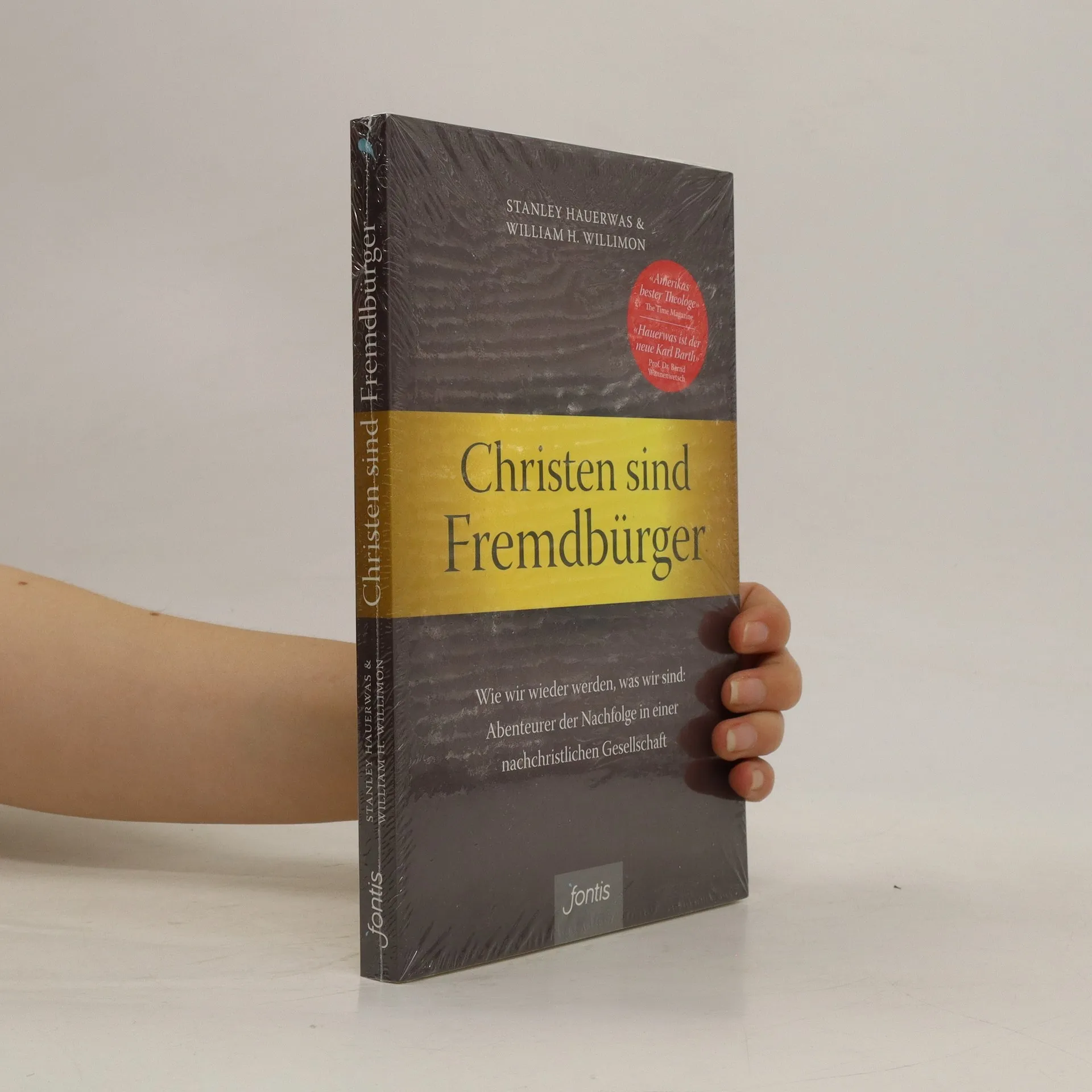
Wie wir wieder werden, was wir sind: Abenteurer der Nachfolge in einer nachchristlichen Gesellschaft
256bladzijden
9 uur lezen
Hauerwas und Willimon zeigen, wie porös das Hantieren mit christlichen Machtfantasien von jeher war, und setzen die christliche Gemeinde auf die Fährte des Nazareners: Im Zeichen der «Ohn-Macht» und gleichzeitig im Zeichen der Versöhnung liegt die Sprengkraft der christlichen Gemeinde, um die Welt zu verändern.