

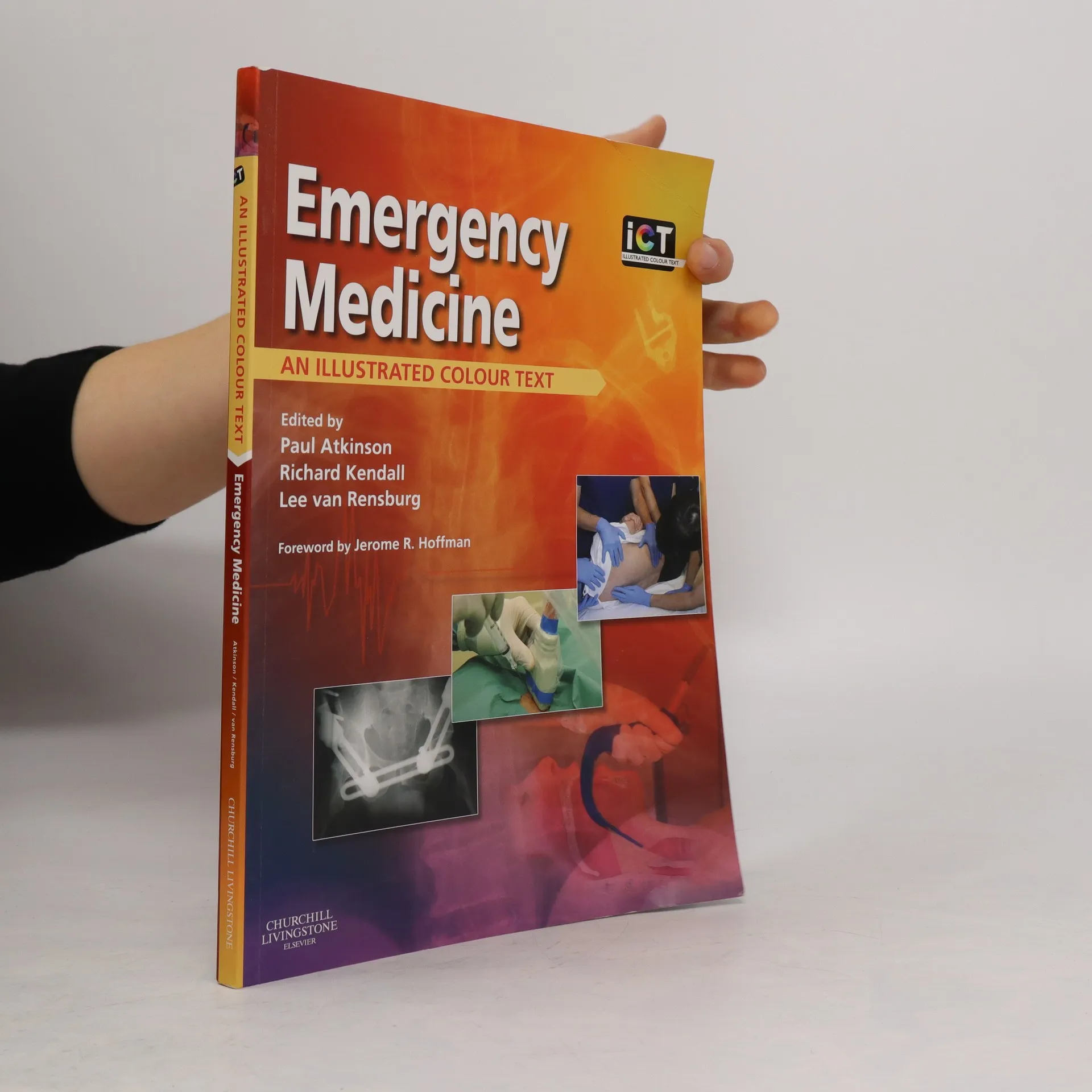
This innovative new resource provides a highly visual introduction to the basic principles and practice of emergency medicine. Each topic is covered in a single two-page unit to make reference and study uncommonly easy and effective. Abundant full-colour line diagrams, clinical photographs, and radiological images demonstrate essential concepts at a glance. Concise, double page spread permits rapid review of essential information. Wide range of colour clinical photographs, radiological images, ECGs and artwork schematics. Covers the main aspects of emergency medicine. Contains useful 'key point' boxes and 'paediatric application' boxes. Joins a very successful series with a high profile in the market.
Paul Atkinson Boeken


Thoroughly updated, this accessible introduction to the methods of ethnographic fieldwork reconsiders the status of ethnography and places it quite explicitly in a general methodological context.
Now in its third edition, this leading introduction to ethnography has been thoroughly updated and substantially rewritten. It offers a systematic introduction to ethnographic principles and practice. New material covers the use of visual and virtual research methods, hypermedia software and the issue of ethical regulation. There is also a new prologue and epilogue. The authors argue that ethnography is best understood as a reflexive process. What this means is that we must recognize that social research is part of the world that it studies. From an outline of the principle of reflexivity the authors go on to discuss and exemplify main features of ethnographic work, including: the selection and sampling of cases the problems of access observation and interviewing recording and filing data the process of data analysis and writing research reports. Throughout, the discussion draws on a wide range of illustrative material from classic and more recent studies within a global context. The new edition of this popular textbook will be an indispensable resource for students and researchers utilizing social research methods in the social sciences and cultural studies.
Writing Ethnographically
- 208bladzijden
- 8 uur lezen
Focusing on ethnographic writing, this book offers insightful and reflective guidance from esteemed academic Paul Atkinson. As the third installment in his influential series on ethnographic research, it delves into the complexities of mastering this essential skill, making it a valuable resource for both students and practitioners in the field.
The Clinical Experience, Second edition (1997)
The Construction and Reconstrucion of Medical Reality
- 216bladzijden
- 8 uur lezen
The second edition of this ethnography delves into the intricacies of medical education in the UK, building on the foundational insights of the original 1981 publication. It addresses key theoretical, methodological, and substantive issues that remain relevant to the fields of sociology and anthropology, particularly in understanding medical knowledge and practices. This updated edition reflects ongoing developments and continues to be a significant resource for scholars interested in the social dimensions of medicine.
Crafting Ethnography
- 176bladzijden
- 7 uur lezen
Focusing on material culture and sensory ethnography, this concluding volume of Paul Atkinson's quartet draws on original fieldwork to examine the interplay between materials, techniques, tools, and sensory experiences. It highlights how these elements shape ethnographic methods, offering a unique perspective on understanding cultural practices through the senses.
Sociological Readings and Re-readings (1996)
- 164bladzijden
- 6 uur lezen
The collection features essays by Paul Atkinson that delve into the intricacies of reading and writing within the social sciences. Through his reflections, Atkinson explores the interplay between these processes and their implications for understanding social phenomena, offering insights into the methodologies and practices that shape academic discourse.
The Radicalism of Ethnomethodology
- 208bladzijden
- 8 uur lezen
This book offers a well-informed and timely appraisal of the rationale for ethnomethodology and conversation analysis. It examines some of the influences that have shaped work of this kind, and its relationship to mainstream social science. -- .