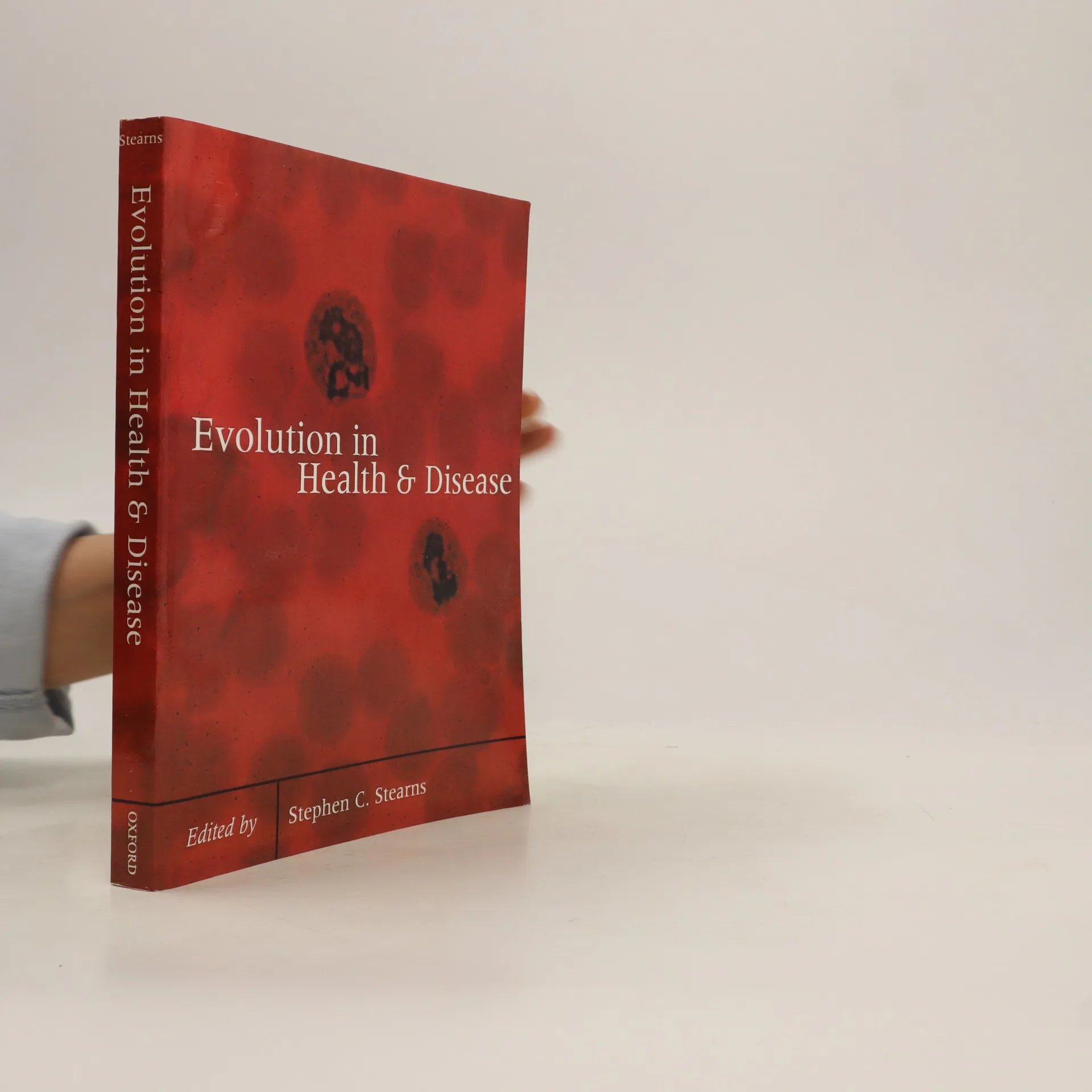
Have you ever considered how the life experiences of our ancestors might impact our health today? For most of our evolutionary history, humans lived in small hunter-gatherer groups with diets, lifestyles, and living conditions vastly different from contemporary life. The adaptations that define us—height, brain size, body proportions, metabolic rate—were established during the Pleistocene, a period far longer than our recent evolutionary history, and may not align with modern conditions. This engaging exploration examines how our ancient genes interact with contemporary human life. It provides a comprehensive look at the intersections of evolutionary biology and medical science, an area often overlooked in medical education yet rich with insights into human health and disease. Topics covered include antibiotic resistance, pathogen virulence, aging, vaccine design, and population-specific drug responses. The book also delves into mother-offspring conflict during pregnancy, menstruation, menopause, child abuse, homicide, depression, schizophrenia, and chronic diseases like cancer and osteoporosis. Written by leading experts in evolutionary medicine, it offers accessible insights into the primary literature, making a compelling case for integrating evolutionary biology into medical practice for students, researchers, and practitioners alike.
Stephen C. Stearns Volgorde van de boeken (chronologisch)
Stephen C. Stearns is een Amerikaanse bioloog en hoogleraar ecologie en evolutionaire biologie. Hij staat bekend om zijn werk op het gebied van levensgeschiedenis-theorie en evolutionaire geneeskunde. Zijn onderzoek richt zich op het begrijpen van de adaptieve mechanismen die organismen in staat stellen te overleven en zich voort te planten in diverse omgevingen. Stearns' werk heeft ons begrip van de evolutionaire principes die levenscycli en gezondheidsproblemen beïnvloeden, aanzienlijk versterkt.