

Deserted by his mother and abandoned by his father at just three months old, Jerry Coyne was sent to live in a Catholic children's home run by nuns of the order of the Sisters of Nazareth. Life soon settled into a rhythm and then, one day, the beatings started. Harsh, vicious punishments became part of everyday life for the bemused little boy as the nuns attempted to beat the Devil out of him. Jerry began to hide behind bad behaviour and at the age of 12, his defiance resulted in him being sent to a boarding for boys with behavioural problems. Life then got worse when his housemaster, the man whose job it was to take care of him, began a regime of mental, physical and sexual abuse. Years of self-hatred and guilt led to Jerry suffering from a severe stammer and, eventually, he tried to hang himself. This was the turning point and, after finally finding the courage to go to the authorities, Jerry and numerous other victims came forward and were instrumental in the conviction and imprisonment of their abuser. Devil's Child is the devastating true story of a childhood destroyed by abuse and of a young man's struggle to try to come to terms with the past and believe in the future.
Jerry A. Coyne Volgorde van de boeken (chronologisch)
Het werk van Jerry Coyne duikt in de ecologische en evolutionaire genetica, met een bijzondere focus op soortvorming, met name bij fruitvliegjes. Zijn geschriften, die zowel in prestigieuze wetenschappelijke tijdschriften als in mainstream publicaties verschijnen, onderzoeken complexe onderwerpen zoals populatiegenetica, evolutionaire mechanismen en de fijne kneepjes van spermacompetitie. Coyne biedt lezers diepgaande inzichten in de processen die de evolutie en de vorming van nieuwe soorten aansturen. Zijn toegankelijke stijl maakt uitdagende wetenschappelijke ideeën begrijpelijk voor een breed publiek.

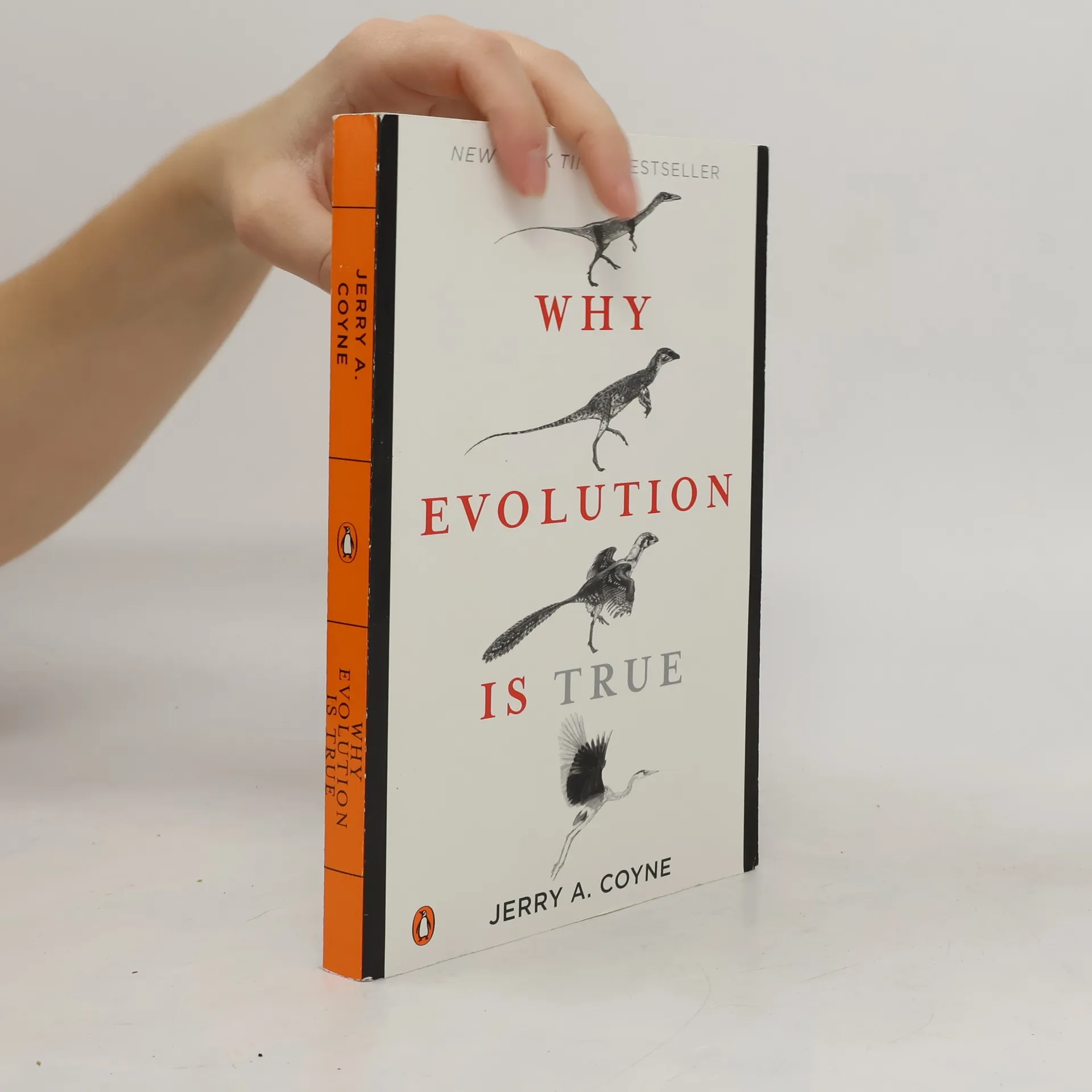
Why Evolution is True
- 304bladzijden
- 11 uur lezen
An argument in favor of evolution places an emphasis on the factual evidence supporting it, drawing on scientific evidence and discussing the significance of archaeological findings that reveal key moments in evolutionary history.