

Focusing on accessibility, this publication from Megali aims to provide historical works in large print format, catering specifically to readers with impaired vision. The commitment to enhancing readability ensures that these important texts remain available to a wider audience, preserving their historical significance while facilitating easier engagement with the material.
Edgar Jepson Volgorde van de boeken (chronologisch)
Edgar Jepson was een Engelse schrijver, voornamelijk gevierd om zijn mainstream avonturen- en detectivefictie, hoewel zijn bovennatuurlijke en fantasyverhalen misschien het meest blijvend worden herinnerd. Hij creëerde verhalen die spannende plotlijnen combineerden met boeiende personages, en dompelde de lezers onder in werelden van mysterie en actie. Naast zijn eigen creatieve output was Jepson ook redacteur en vertaler, en leverde hij een belangrijke bijdrage aan het literaire landschap. Zijn nalatenschap wordt verder weerspiegeld in de voortzetting van zijn literaire traditie door zijn nakomelingen, die ook hun stempel hebben gedrukt als auteurs.
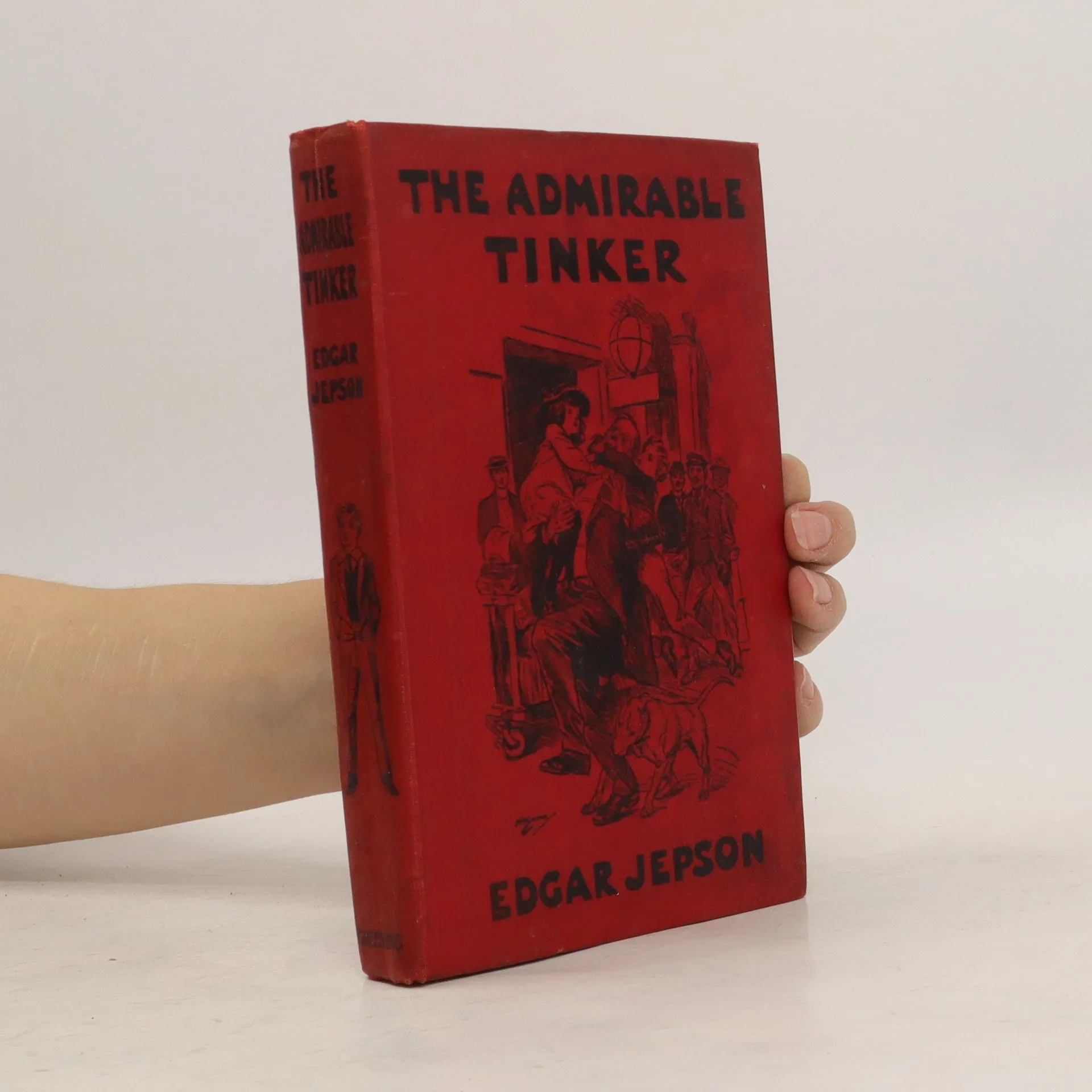

The Man With the Black Feather
- 116bladzijden
- 5 uur lezen
Gaston Leroux, a French journalist and detective fiction author, is renowned for "The Phantom of the Opera" and "The Mystery of the Yellow Room," a classic locked-room mystery. His works often explore themes of despair and intrigue, as illustrated by a haunting encounter in a newspaper waiting room.
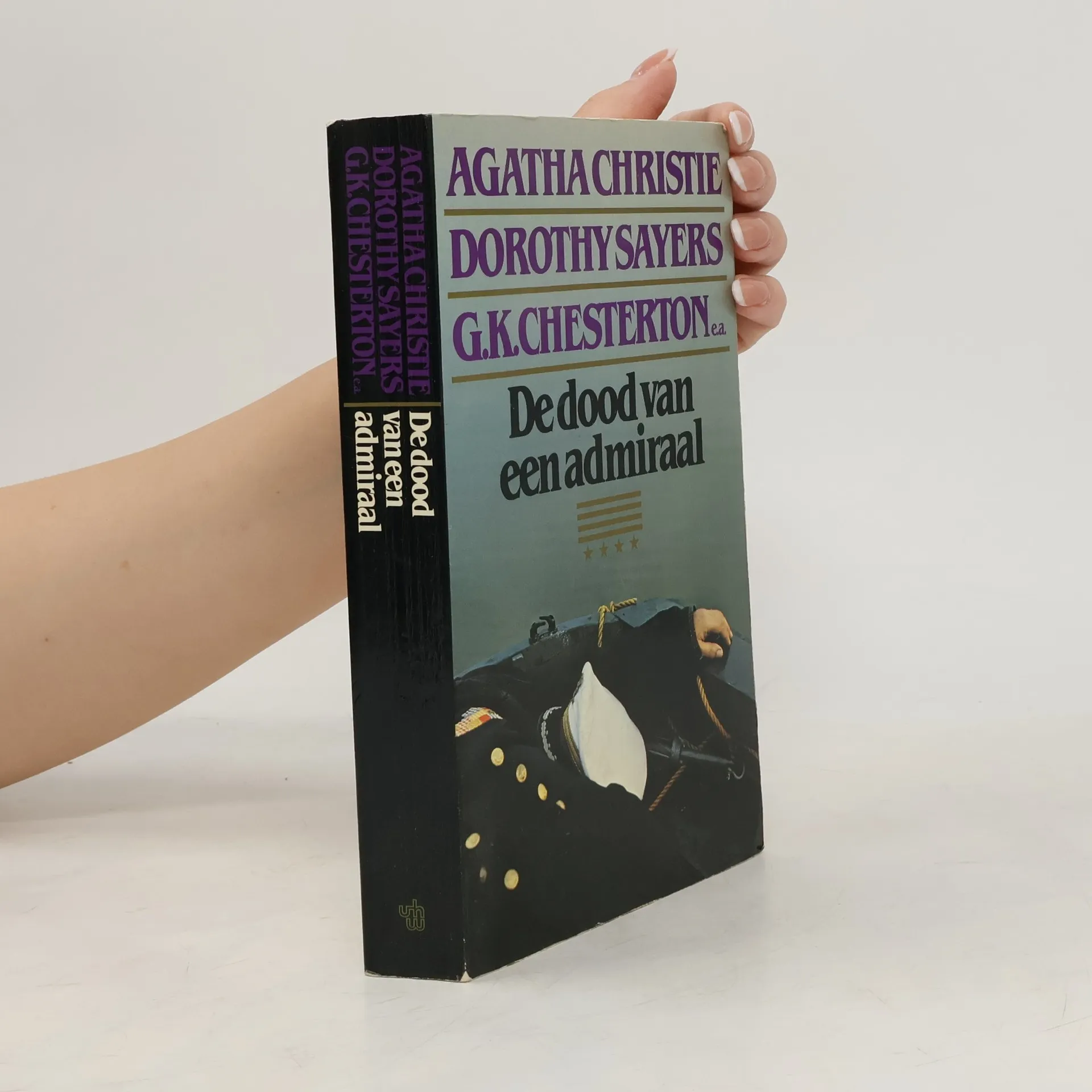
De dood van een admiraal
- 257bladzijden
- 9 uur lezen
Inspector Rudge rarely deals with murder in the quiet seaside town of Whynmouth, but everything changes when an old sailor arrives with a rowing boat containing a fresh corpse, stabbed in the chest. The investigation quickly reveals obstacles, including a vicar who seems to be hiding information and the mysterious disappearance of the victim's niece. The case grows more complex as the victim's identity comes into question, leading Rudge to ponder the number of people involved in this extraordinary crime and whether he will ever solve it. In 1931, a group of crime writers from the newly formed Detection Club, including Agatha Christie and Dorothy L. Sayers, collaborated on a unique crime novel. Each author contributed a chapter in a literary game of consequences, with G.K. Chesterton writing a paradoxical prologue and Anthony Berkeley providing the conclusion. All authors submitted their own solutions in sealed envelopes, which were included at the end of the book, with Christie's clever resolution noted as particularly noteworthy. The contributing authors include G.K. Chesterton, Canon Victor Whitechurch, G.D.H. Cole, Margaret Cole, Henry Wade, Agatha Christie, John Rhode, Milward Kennedy, Dorothy L. Sayers, Ronald Knox, Freeman Wills Crofts, Edgar Jepson, Clemence Dane, and Anthony Berkeley.