Derek Llewellyn-Jones Boeken
Lloyd Llewellyn-Jones is een specialist in de geschiedenissen en culturen van het oude Iran en Griekenland. Zijn onderzoek duikt in kleding en gender in de oudheid, en onderzoekt hoe deze elementen oude samenlevingen vormden. Hij onderzoekt ook de aanwezigheid van de oude wereld in de populaire cultuur, met een bijzondere focus op de cinema van Hollywood. Llewellyn-Jones verbindt academische nauwkeurigheid met toegankelijke inzichten, en biedt nieuwe perspectieven op de klassieke geschiedenis.


Esther is the most visual book of the Hebrew Bible and largely crafted in the Fourth Century BCE by an author who was clearly au fait with the rarefied world of the Achaemenid court. It therefore provides an unusual melange of information which can enlighten scholars of Ancient Iranian Studies whilst offering Biblical scholars access into the Persian world from which the text emerged. In this book, Lloyd Llewellyn-Jones unlocks the text of Esther by reading it against the rich iconographic world of ancient Persia and of the Near East. Ancient Persia and the Book of Esther is a cultural and iconographic exploration of an important, but often undervalued, biblical book, and Llewellyn-Jones presents the book of Esther as a rich source for the study of life and thought in the Persian Empire. The author reveals answers to important questions, such as the role of the King's courtiers in influencing policy, the way concubines at court were recruited, the structure of the harem in shifting the power of royal women, the function of feasting and drinking in the articulation of courtly power, and the meaning of gift-giving and patronage at the Achaemenid court.
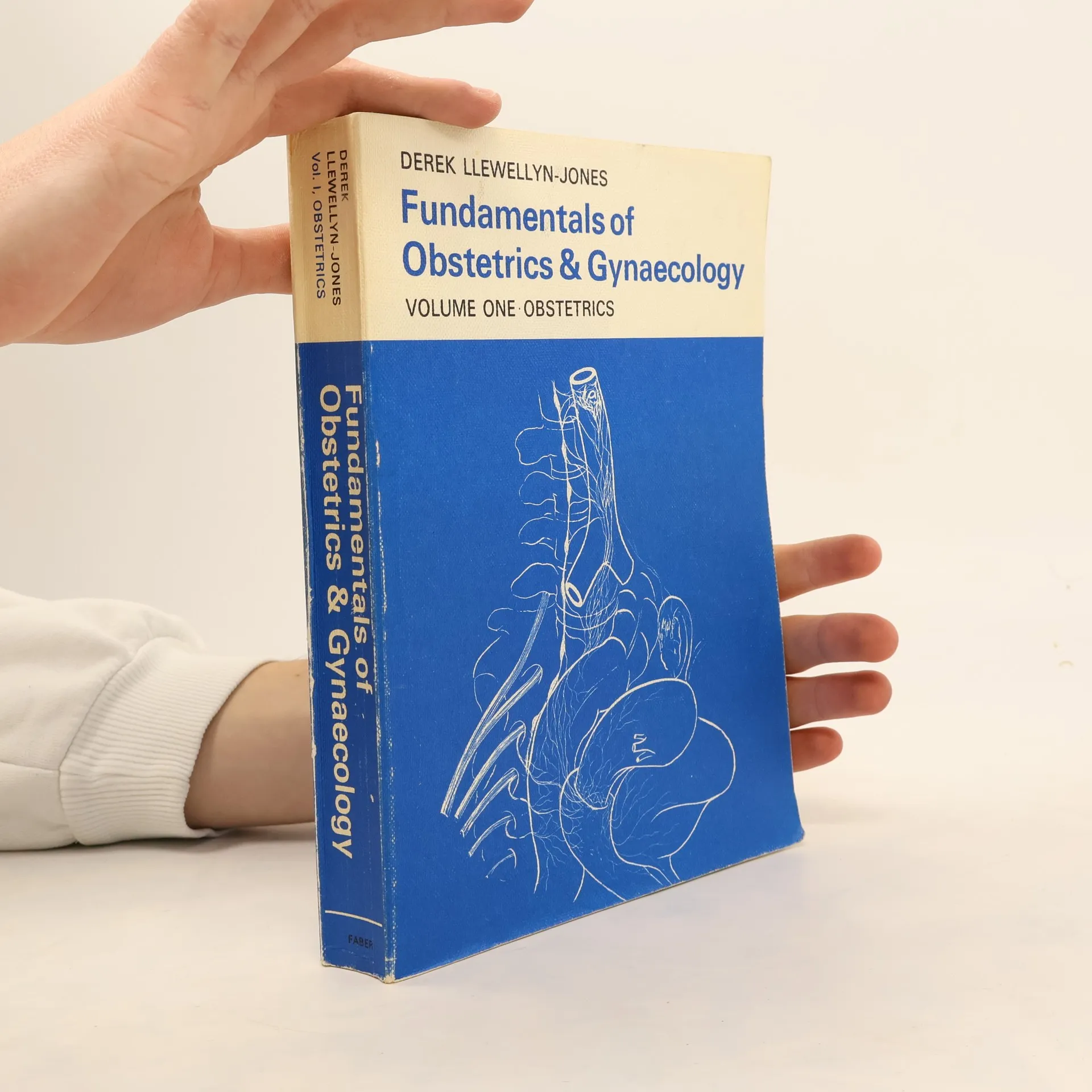
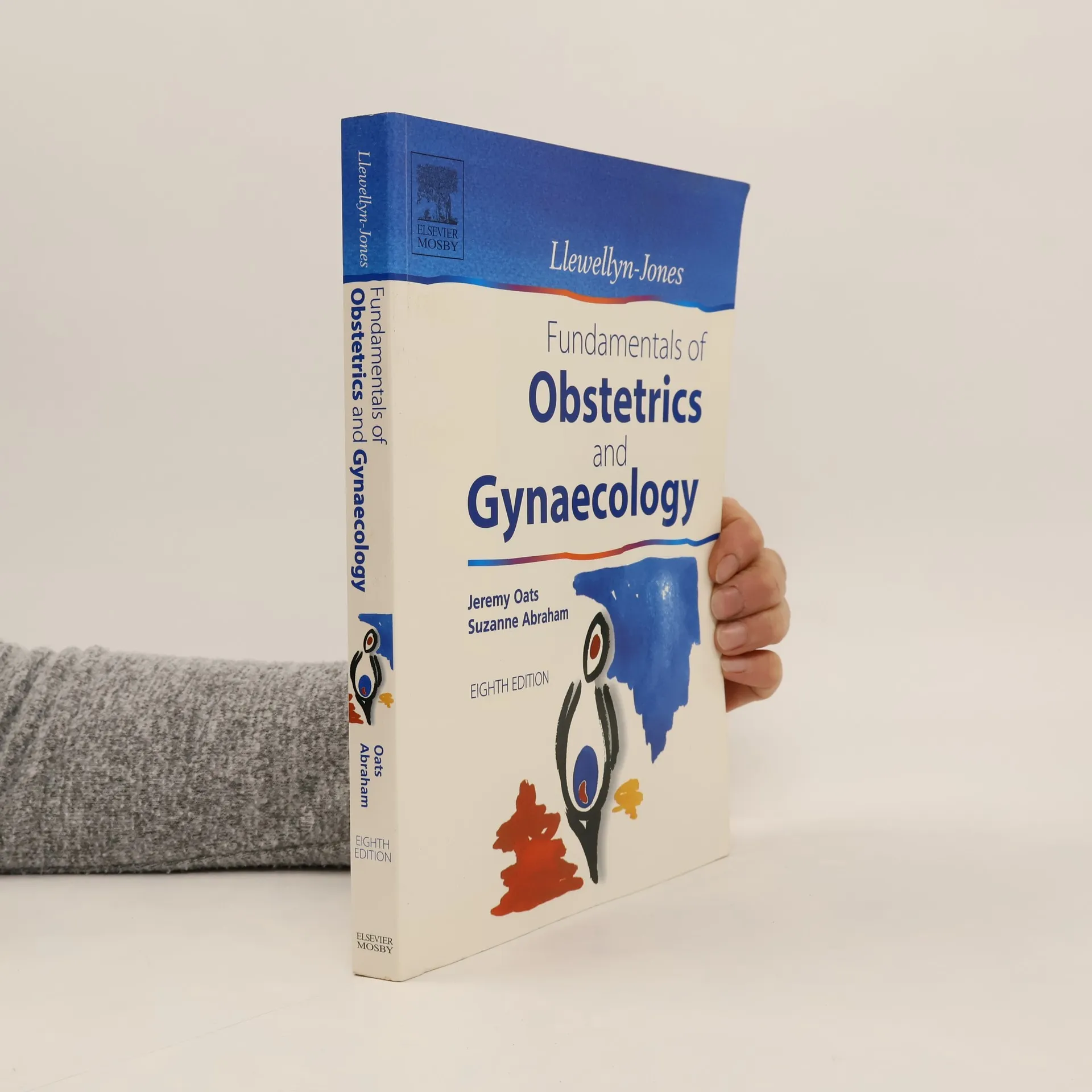
Llewellyn-Jones Fundamentals of Obstetrics and Gynaecology - Eighth Edition
- 376bladzijden
- 14 uur lezen
A colourful, well-illustrated textbook of obstetrics and gynaecology that combines clear writing and excellent presentation with the latest advances in the management of normal and abnormal pregnancy and gynaecological disorders and their treatment. A hallmark of the book is its sympathetic approach to the needs of the woman, which is nevertheless combined with an equally strong dedication to including the latest important scientific advances in the field.
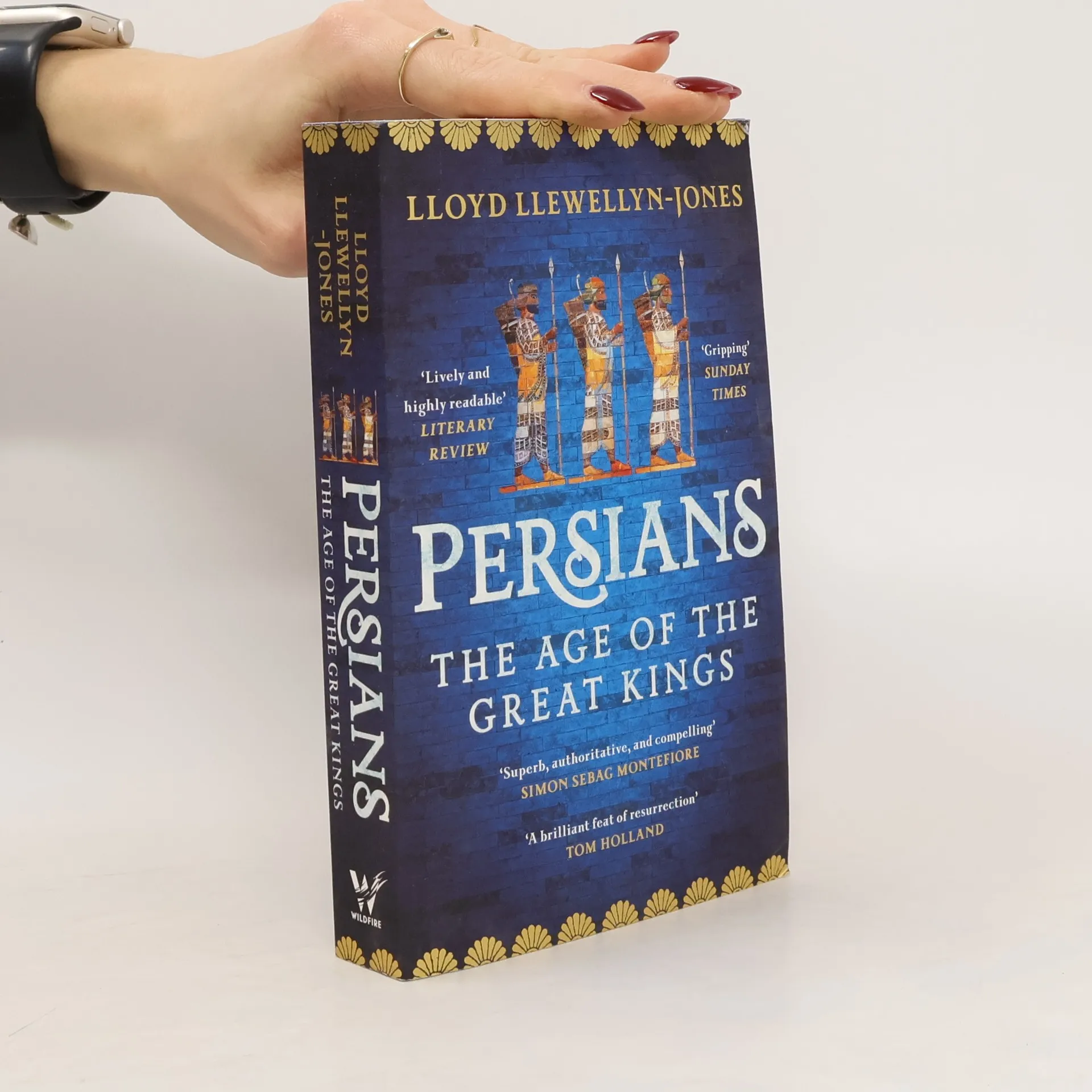
A definitive new history of the Persian Empire, the world's first superpower. číst celé
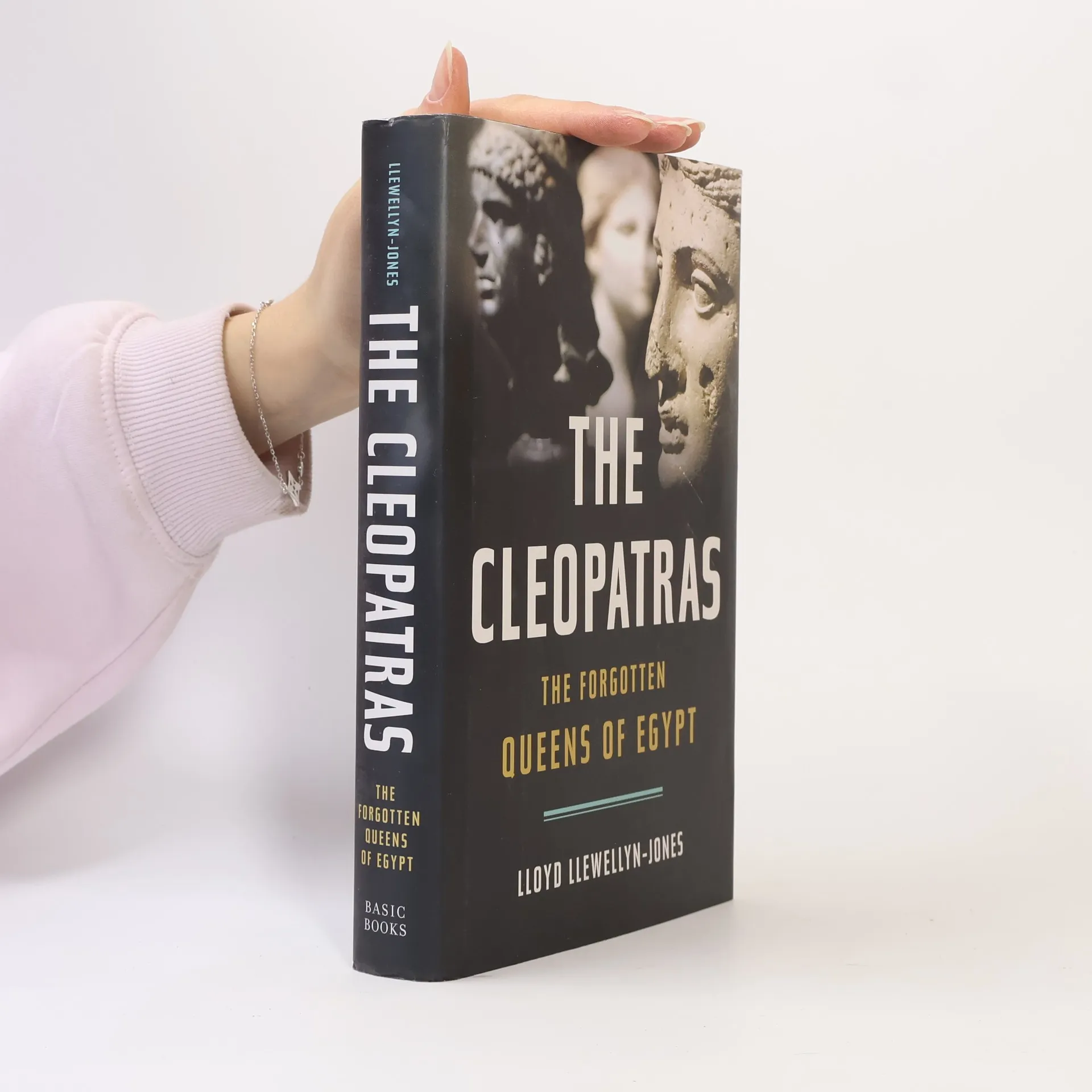
The definitive story of the seven Cleopatras, the powerful goddess-queens of ancient Egypt One of history’s most iconic figures, Cleopatra is rightly remembered as a clever and charismatic ruler. But few today realize that she was the last in a long line of Egyptian queens who bore that name. In The Cleopatras , historian Lloyd Llewellyn-Jones tells the dramatic story of these seven incomparable women, vividly recapturing the lost world of Hellenistic Egypt and tracing the kingdom’s final centuries before its fall to Rome. The Cleopatras were Greek-speaking descendants of Ptolemy, the general who conquered Egypt alongside Alexander the Great. They were closely related as mothers, daughters, sisters, half-sisters, and nieces. Each wielded absolute power, easily overshadowing their husbands or sons, and all proved to be shrewd and capable leaders. Styling themselves as goddess-queens, the Cleopatras ruled through the canny deployment of arcane rituals, opulent spectacles, and unparalleled wealth. They navigated political turmoil and court intrigues, led armies into battle and commanded fleets of ships, and ruthlessly dispatched their dynastic rivals. The Cleopatras is a fascinating and richly textured biography of seven extraordinary women, restoring these queens to their deserved place among history’s greatest rulers.
This is a selection of tracks taken from Robbie Williams' three-night run at Knebworth House in the summer of 2003, all arranged for piano, voice and guitar, together with full lyrics. The book also includes a colour picture section featuring photographs from the concerts.
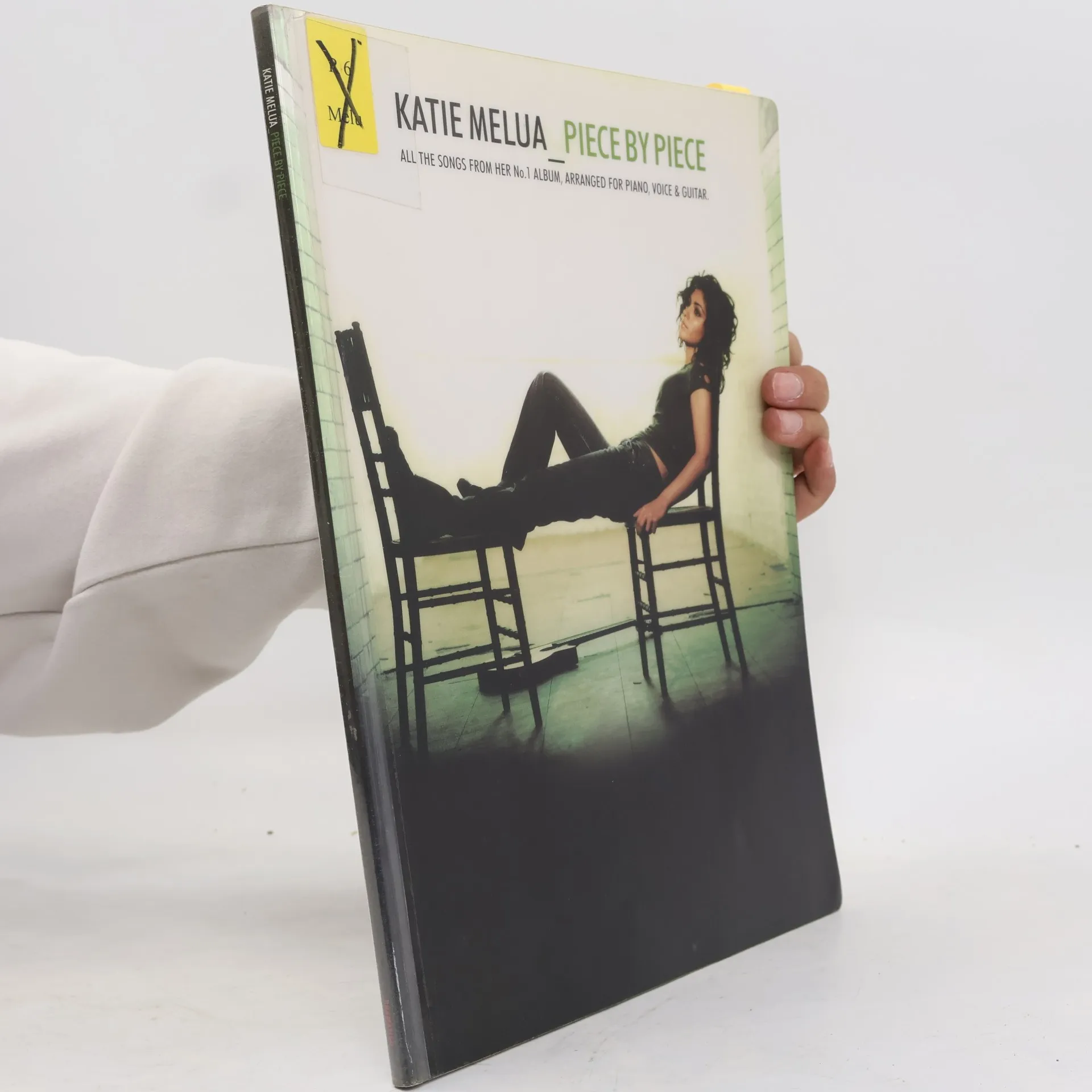
Piece by Piece
All the Songs from Her No. 1 Album, Arranged for Piano, Voice & Guitar
- 63bladzijden
- 3 uur lezen
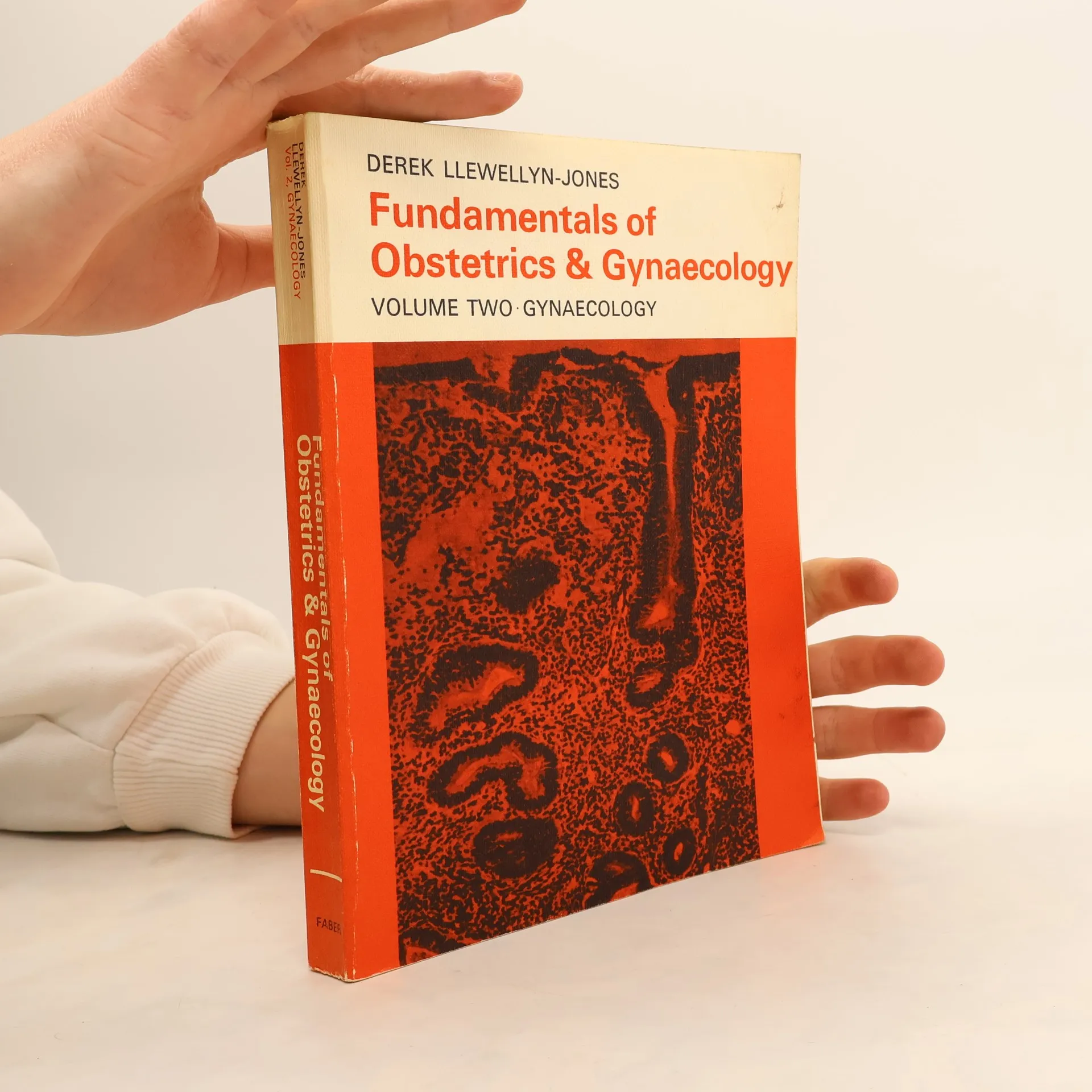
Textbook for medical students reviewing normal and abnormal pregnancy, pap smears, infertility, menopause, sexual assault, and more. Full-color with tables, drawings, and photographs.
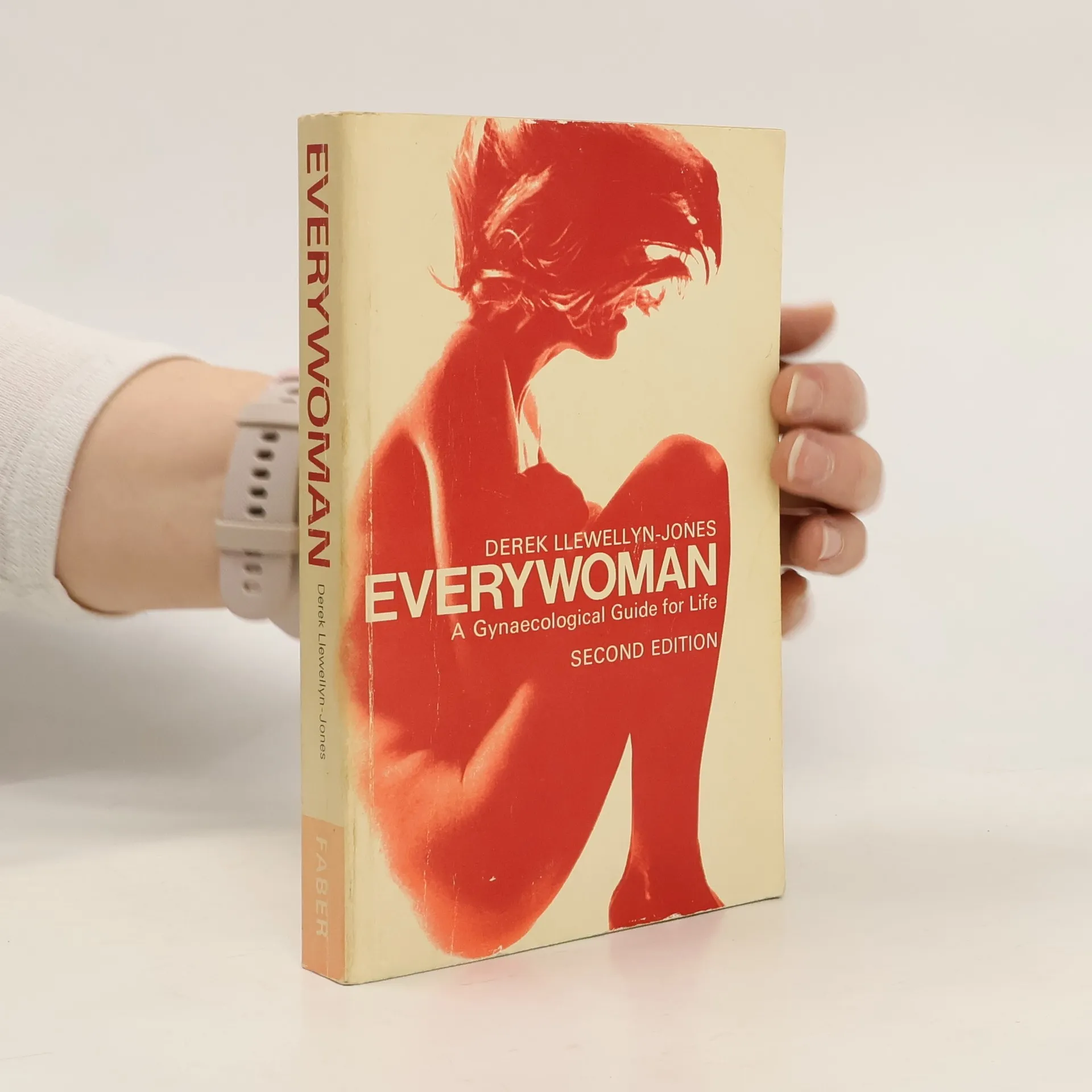
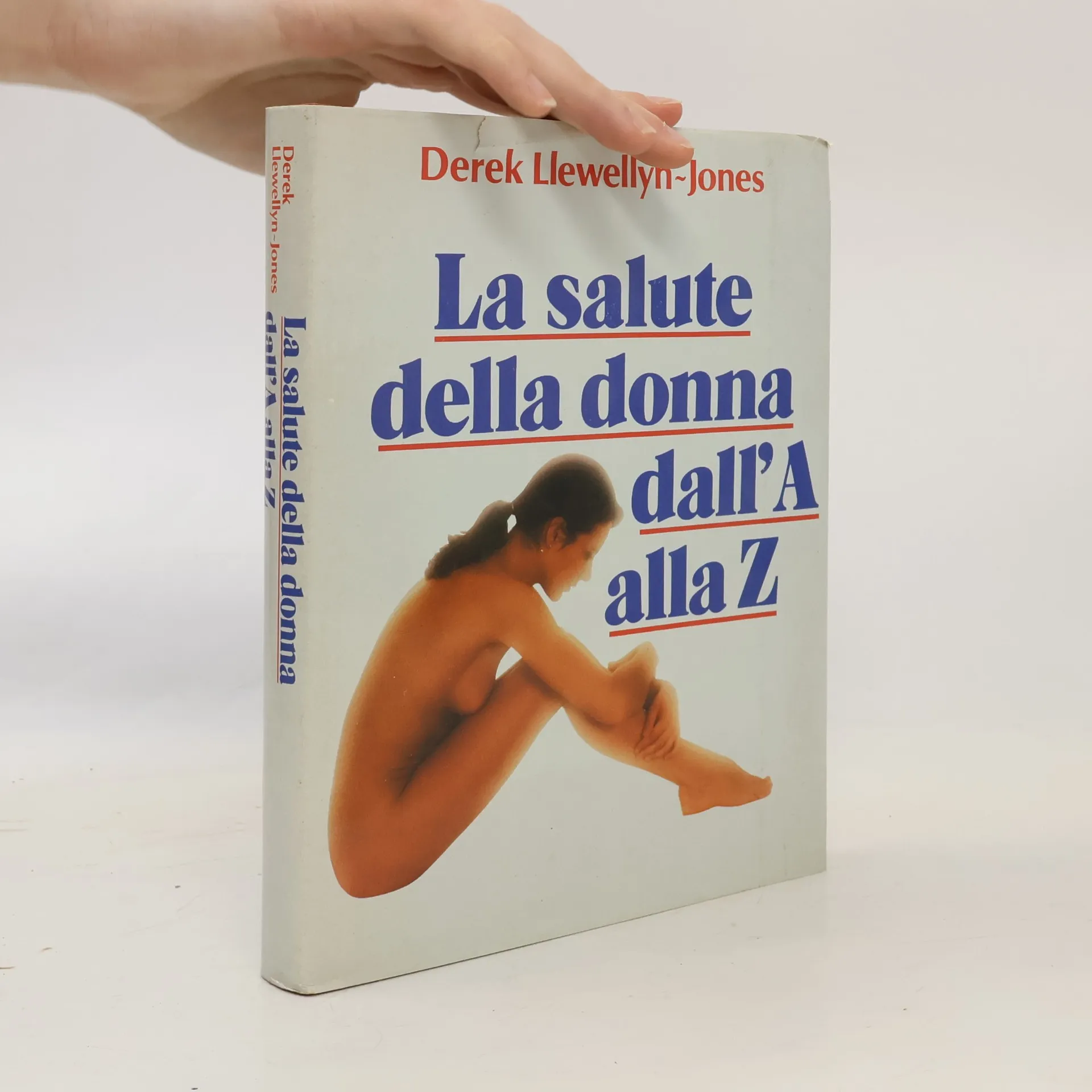
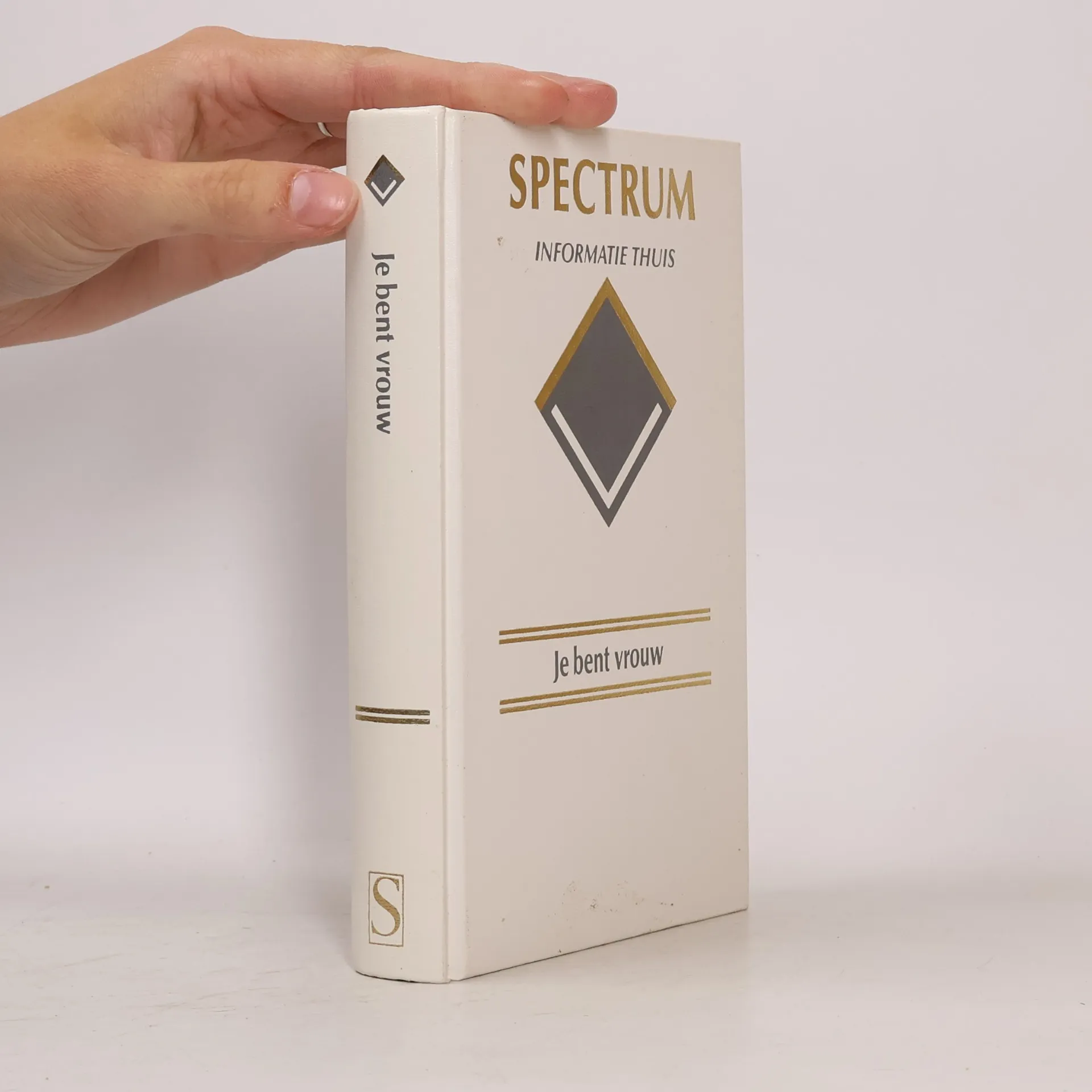
Everywoman deals sensitively and thoroughly with every physical and psychological aspect of internal female development. Everywoman is the essential manual to women's health. This book will provide you with the knowledge to ask questions and make empowered decisions about your own wellbeing. A leading pioneer in gynaecology, Derek Llewellyn-Jones' balanced and clear-cut advice provides medical guidance and a comprehensive exploration of women's sexuality. Everywoman will educate you on: · Adolescence and sexual development · Birth control and family planning · Pregnancy and labour · Postpartum care. Everywoman is a gynaecological guide for life for the twenty-first century women.