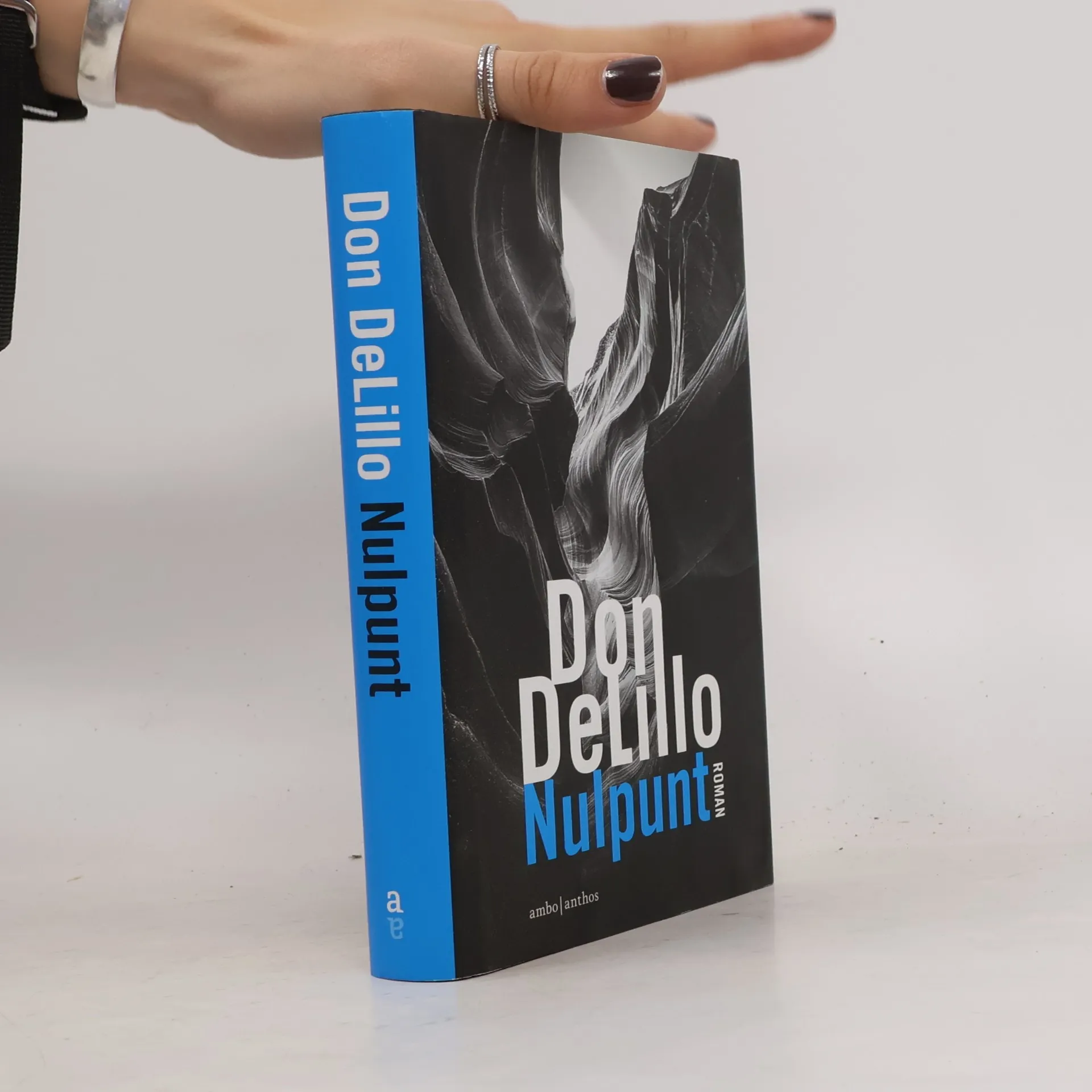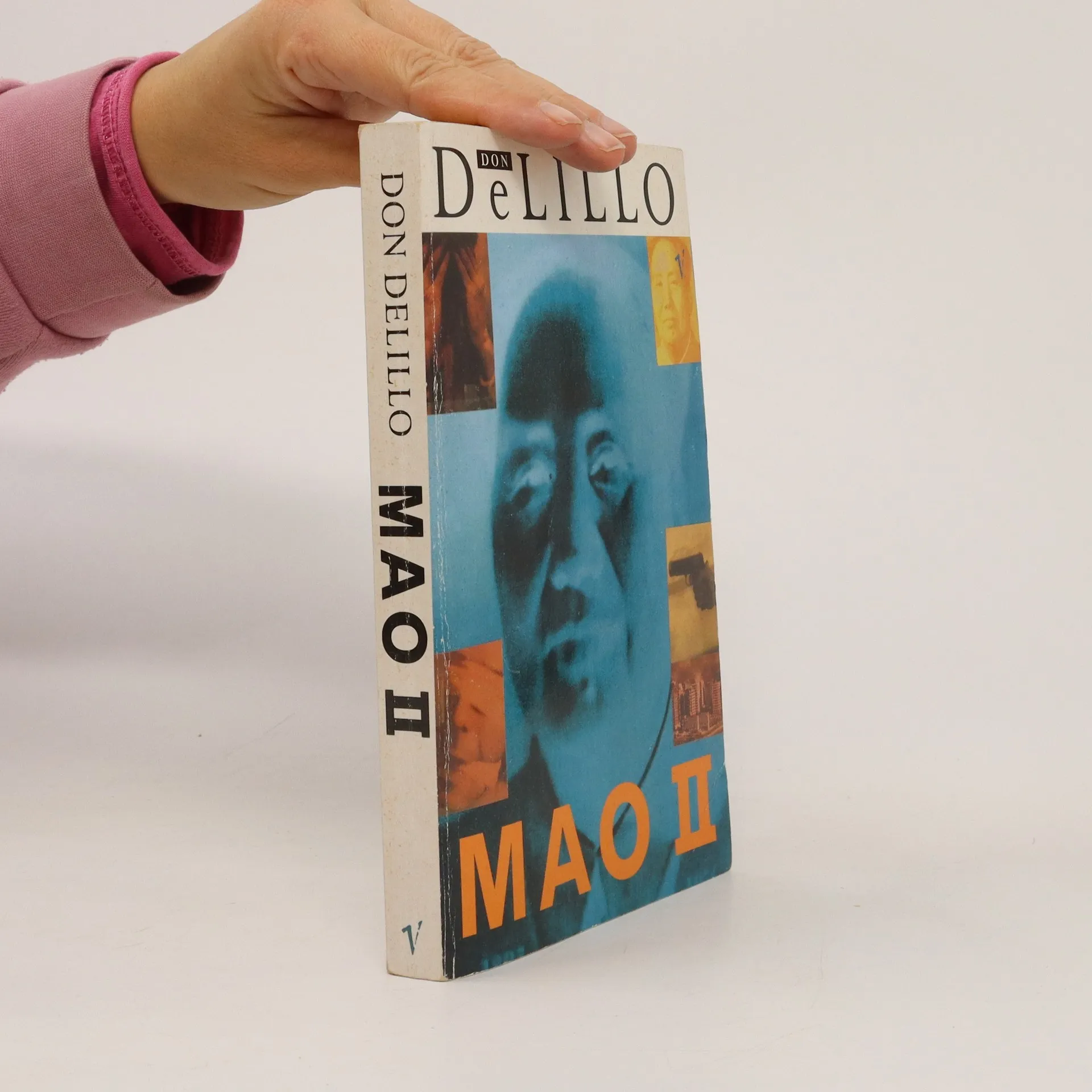
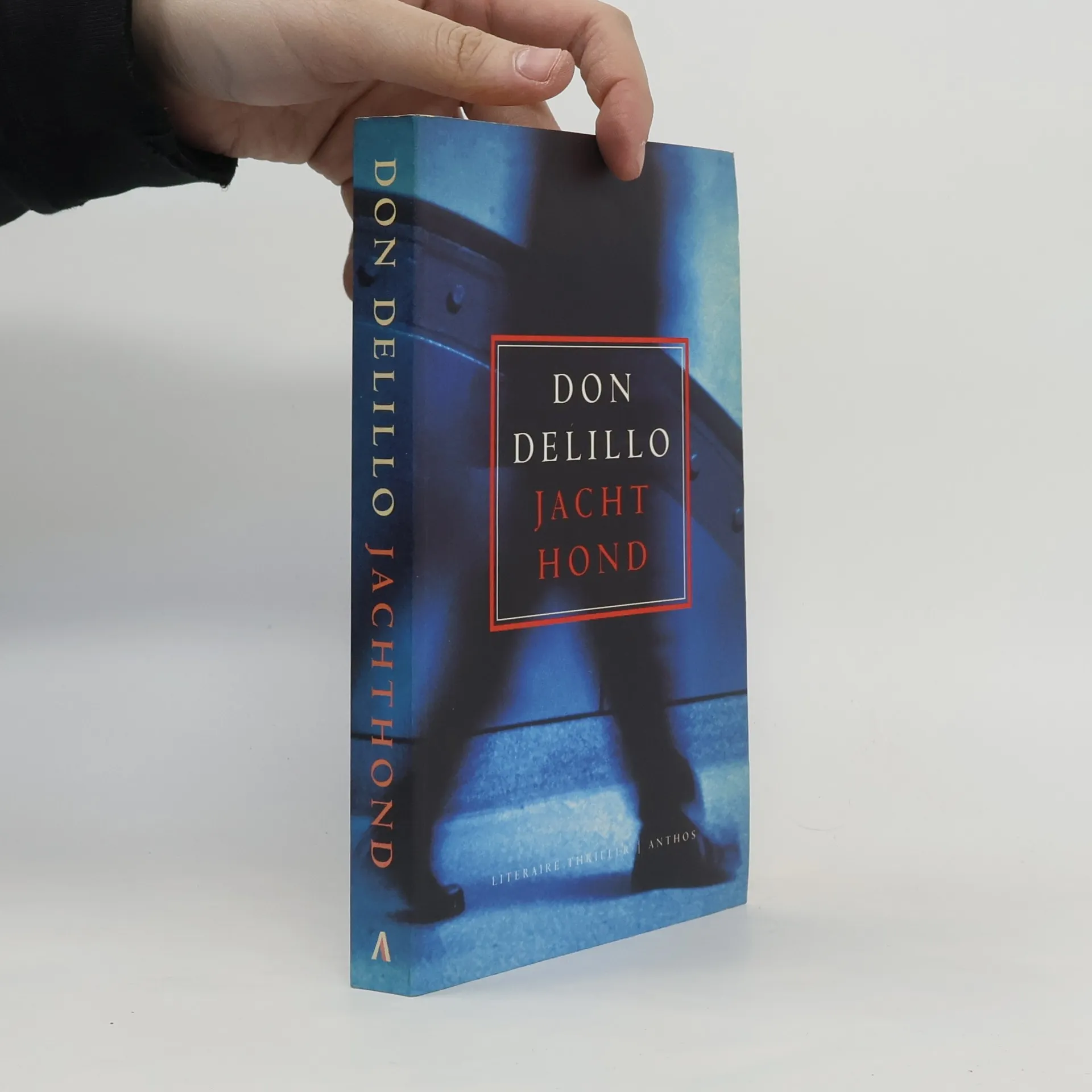
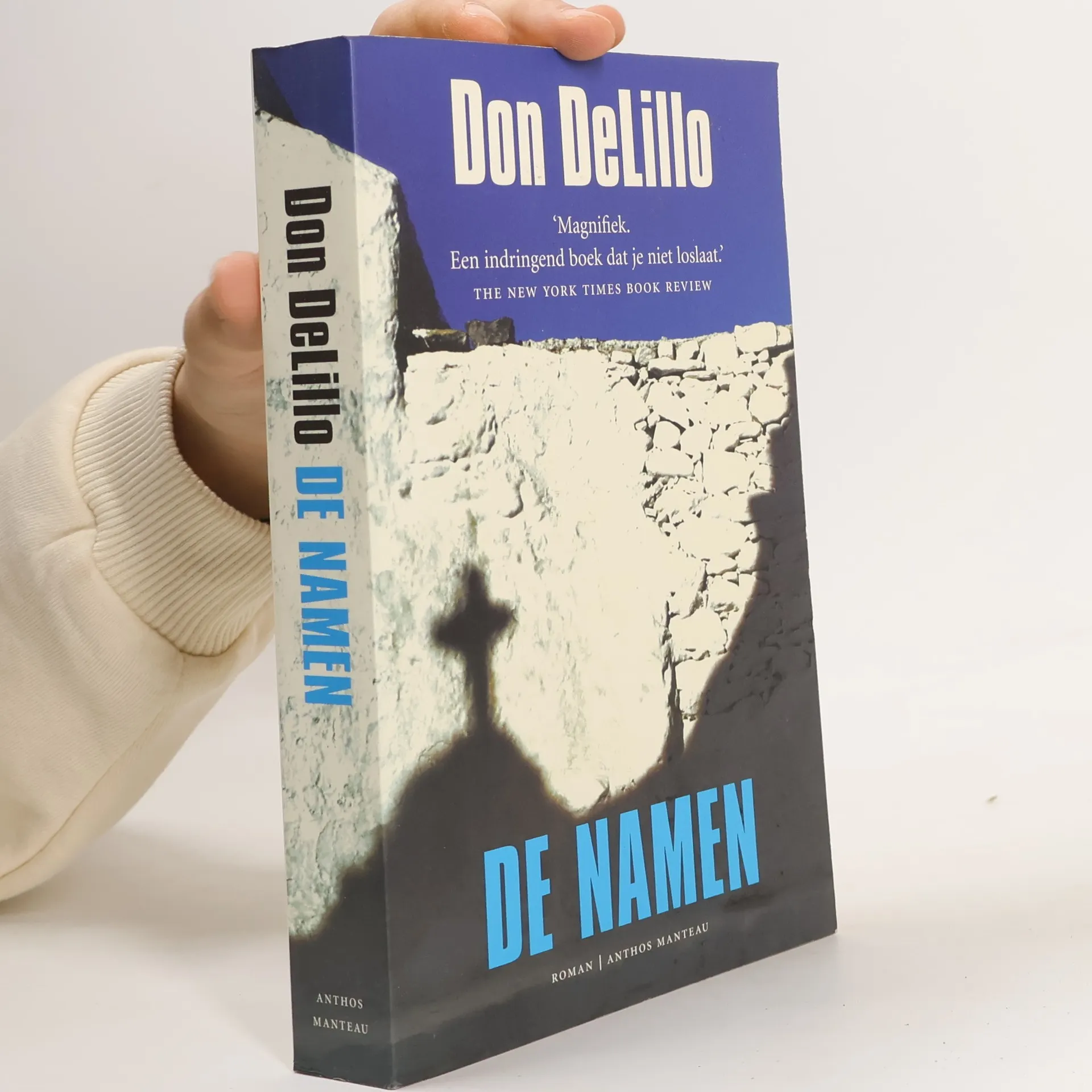
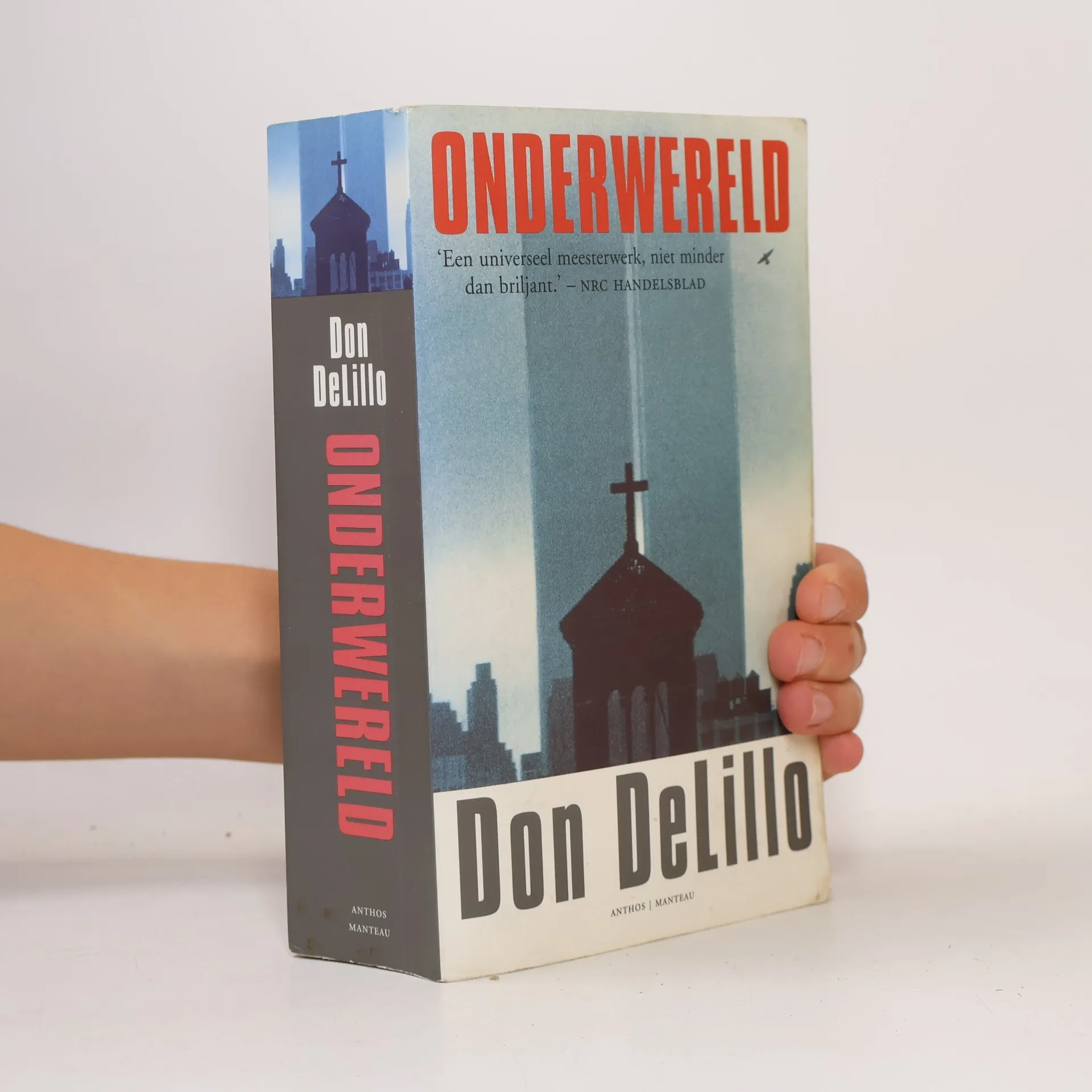
De namen
- 358bladzijden
- 13 uur lezen
Een Amerikaan in Griekenland raakt geïnteresseerd in een geheimzinnige sekte die rituele moorden pleegt.
Don DeLillo is een Amerikaanse auteur die wordt gevierd om zijn romans die ingewikkelde portretten schetsen van het Amerikaanse leven in de late 20e en vroege 21e eeuw. Zijn werk duikt in thema's als massamedia, consumentisme en moderne technologieën, en onderzoekt hun diepgaande impact op de menselijke psychologie en maatschappij. Met een onderscheidende stijl en scherpe inzichten in de Amerikaanse cultuur heeft DeLillo zijn positie verstevigd als een belangrijke stem in de hedendaagse literatuur.


Een Amerikaan in Griekenland raakt geïnteresseerd in een geheimzinnige sekte die rituele moorden pleegt.
Moll Robbins, journaliste, werkt bij het radicale tijdschrift 'Jachthond'. Zelf is Moll allang niet meer radicaal: als zwoegende broodschrijfster zoekt ze slechts nieuwe invalshoeken voor oude thema's. En het oudste thema is seks. Maar deze keer is de invalshoek wel heel bijzonder. In Manhattan wordt het lijk van een man in vrouwenkleren gevonden. Het slachtoffer had geprobeerd de enige nog bestaande kopie van een film te verkopen - een pornografische film, opgenomen in de bunker van Hitler tijdens de laatste dagen van het Derde Rijk. Het verdwenen stukje celluloid wordt door veel mensen gezocht: een invloedrijke senator, een kunsthandelaar, een gepensioneerde CIA-agent, een Vietnam-veteraan, een pornoverzamelaar, en de maffia. En er is één persoon - misschien wel van dezelfde lijst - die beweert te weten hoe hij aan het unieke nazi-materiaal kan komen. Een koper en een verkoper op een markt waar niet met geld gehandeld wordt, maar met chantage, marteling en corruptie. En waar iemand die op zoek is naar een goed verhaal wel eens terecht kan komen tussen de overlijdensberichten.
De terroristische aanslag op het WTC heeft een enorme invloed op het leven van enkele mensen.
Het leven in de Verenigde Staten sedert 1951 zoals weerspiegeld in de lotgevallen van een groot aantal fictieve personages en historische figuren als Frank Sinatra, J. Edgar Hoover en Lenny Bruce.
This first volume in the Library of America Don DeLillo edition features three essential novels from the 1980s, each accompanied by new prefaces from the author. In The Names (1982), DeLillo's breakthrough work, James Axton, a risk analyst, investigates ritual murders linked to a cult fascinated by ancient languages, leading to profound reflections on identity, disconnection, and language. White Noise (1985), a blend of campus satire and midlife character study, presents a darkly humorous portrayal of postmodern America, where brand names infiltrate daily life and individuals are reduced to their data. Libra (1988) serves as a counter-history of the JFK assassination, offering a nuanced view of Lee Harvey Oswald and exploring the complexities of historical narratives. DeLillo notes that the novel, while rooted in history, also seeks to clarify and balance it. The volume includes two rare essays: "American Blood," a 1983 Rolling Stone article addressing the JFK assassination and its surrounding speculation, and "Silhouette City," which examines extremist right-wing groups and the rise of neo-Nazism in the U.S. Together, these works showcase DeLillo's incisive exploration of contemporary themes.
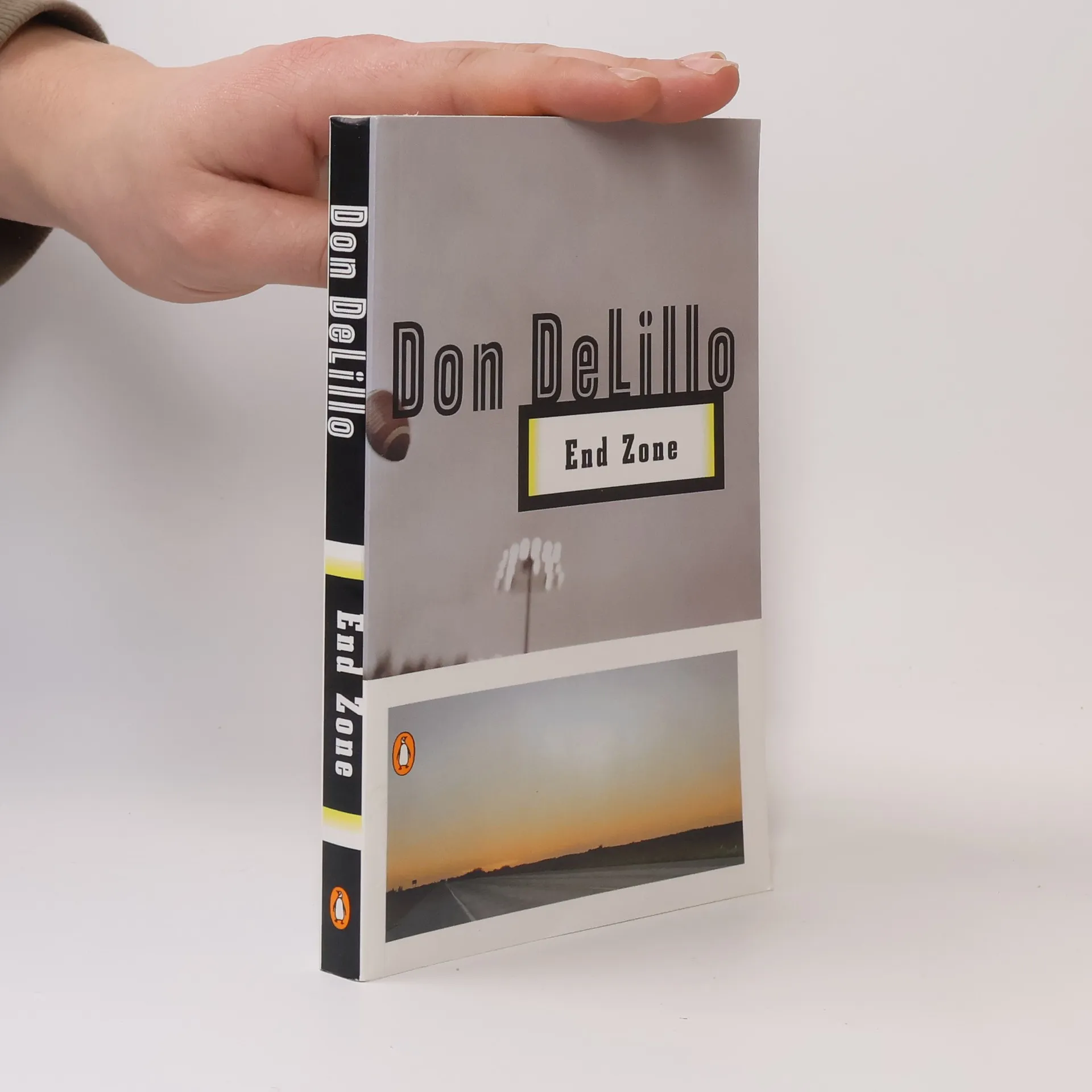
At Logos College in West Texas, huge young men, vacuum-packed into shoulder pads and shiny helmets, play football with intense passion. During an uncharacteristic winning season, the perplexed and distracted running back Gary Harkness has periodic fits of nuclear glee; he is fueled and shielded by his fear of and fascination with nuclear conflict. Among some of the players, the terminologies of football and nuclear war—the language of end zones—become interchangeable, and their meaning deteriorates as the collegiate year runs its course. In this triumphantly funny novel, Don DeLillo explores the the borders of organized violence.
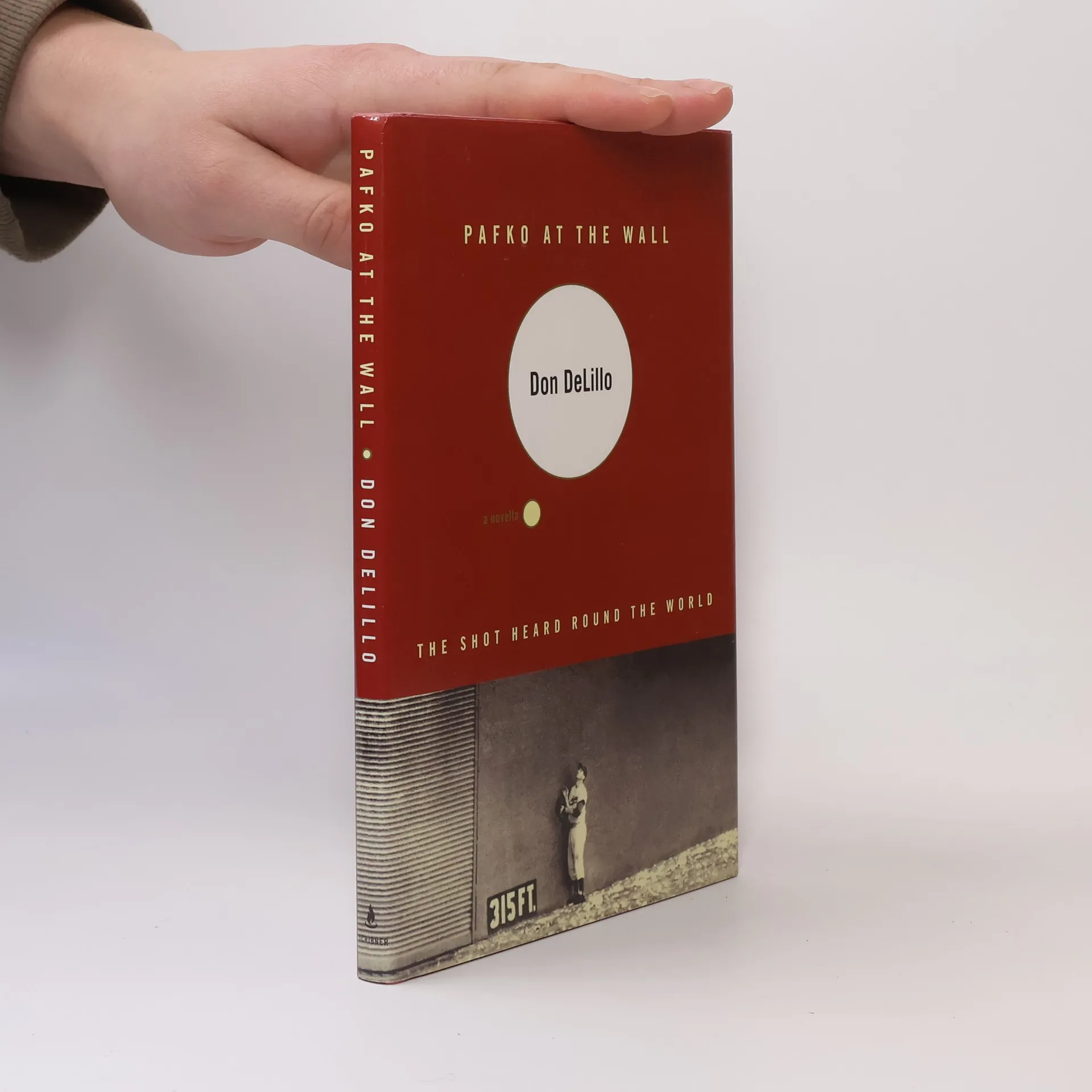
"There's a long drive. It's gonna be. I believe. The Giants win the pennant. The Giants win the pennant. The Giants win the pennant. The Giants win the pennant." -- Russ Hodges, October 3, 1951 On the fiftieth anniversary of "The Shot Heard Round the World," Don DeLillo reassembles in fiction the larger-than-life characters who on October 3, 1951, witnessed Bobby Thomson's pennant-winning home run in the bottom of the ninth inning. Jackie Gleason is razzing Toots Shor in Leo Durocher's box seats; J. Edgar Hoover, basking in Sinatra's celebrity, is about to be told that the Russians have tested an atomic bomb; and Russ Hodges, raw-throated and excitable, announces the game -- the Giants and the Dodgers at the Polo Grounds in New York. DeLillo's transcendent account of one of the iconic events of the twentieth century is a masterpiece of American sportswriting.
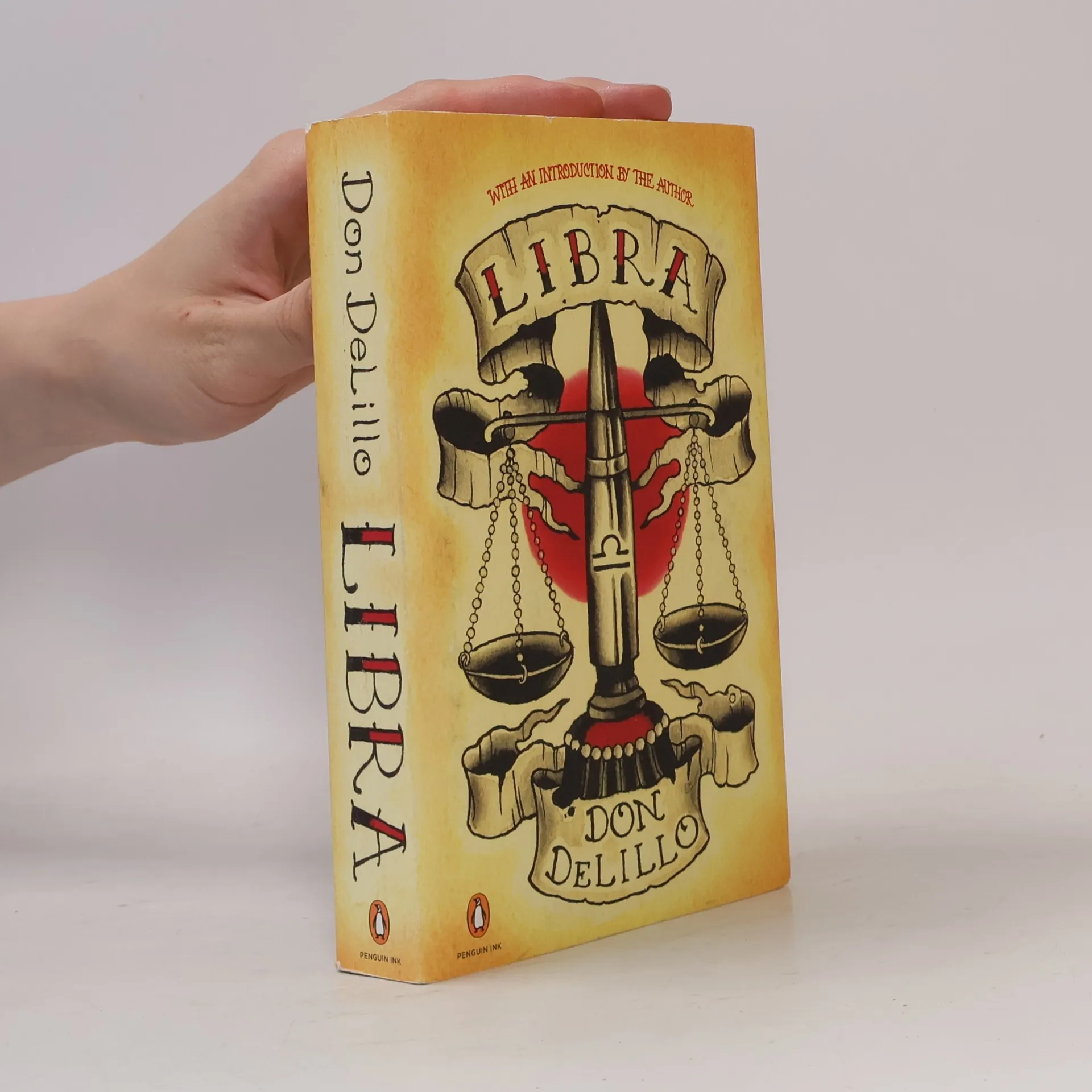
'Think of two parallel lines. One is the life of Lee H. Oswald. One is the conspiracy to kill the President. What bridges the space between them? What makes a connection inevitable? There is a third line. It comes out of dreams, visions, intuitions, prayers, out of the deepest levels of the self.' A troubled adolescent endlessly riding New York's subway cars, Lee Harvey Oswald enters adulthood believing himself to be an agent of history. This makes him fair game to a pair of discontented CIA operatives convinced that a failed attempt on the life of the US president will force the nation to tackle the threat of communism head on. Libra is a gripping, masterful blend of fact and fiction, laying bare the wounded American psyche and the dark events that still torment it. 'An audacious blend of fiction and fact' The Times
A fictional speculation on the assassination of John F Kennedy. It chronicles Lee Harvey Oswald's odyssey from troubled teenager to a man of precarious stability who imagines himself an agent of history.
A finalist for the National Book Award, Don DeLillo's most powerful and riveting novel--"a great American novel, a masterpiece, a thrilling page-turner" (San Francisco Chronicle)--Underworld is about the second half of the twentieth century in America and about two people, an artist and an executive, whose lives intertwine in New York in the fifties and again in the nineties. With cameo appearances by Lenny Bruce, J. Edgar Hoover, Bobby Thompson, Frank Sinatra, Jackie Gleason and Toots Shor, "this is DeLillo's most affecting novel...a dazzling, phosphorescent work of art" (Michiko Kakutani, The New York Times).