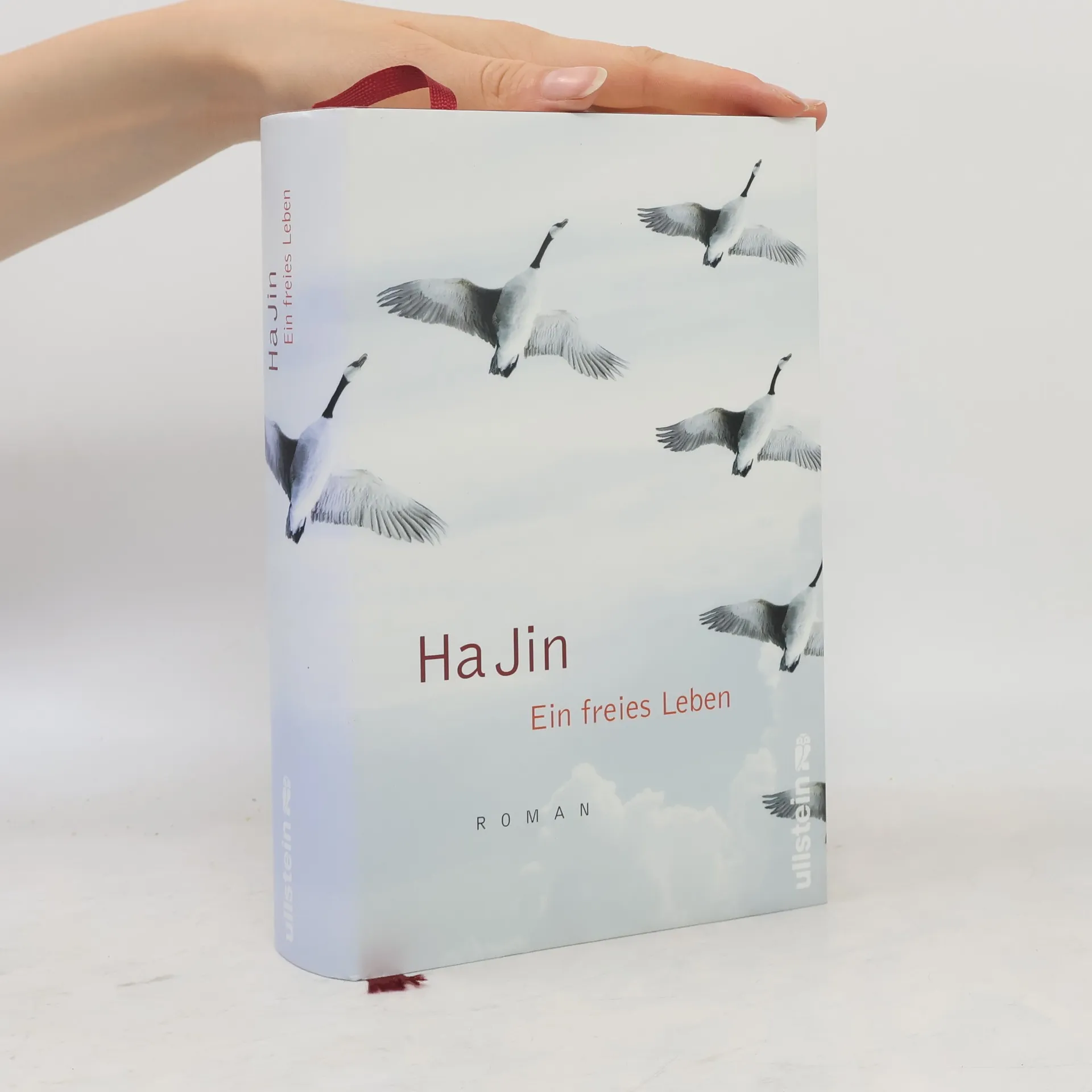
Wachten - druk 1
- 378bladzijden
- 14 uur lezen
Een Chinese arts wordt, in de periode 1963-1985, door het systeem en door zijn eigen zwakheid, heen en weer getrokken tussen zijn vrouw en zijn vriendin.




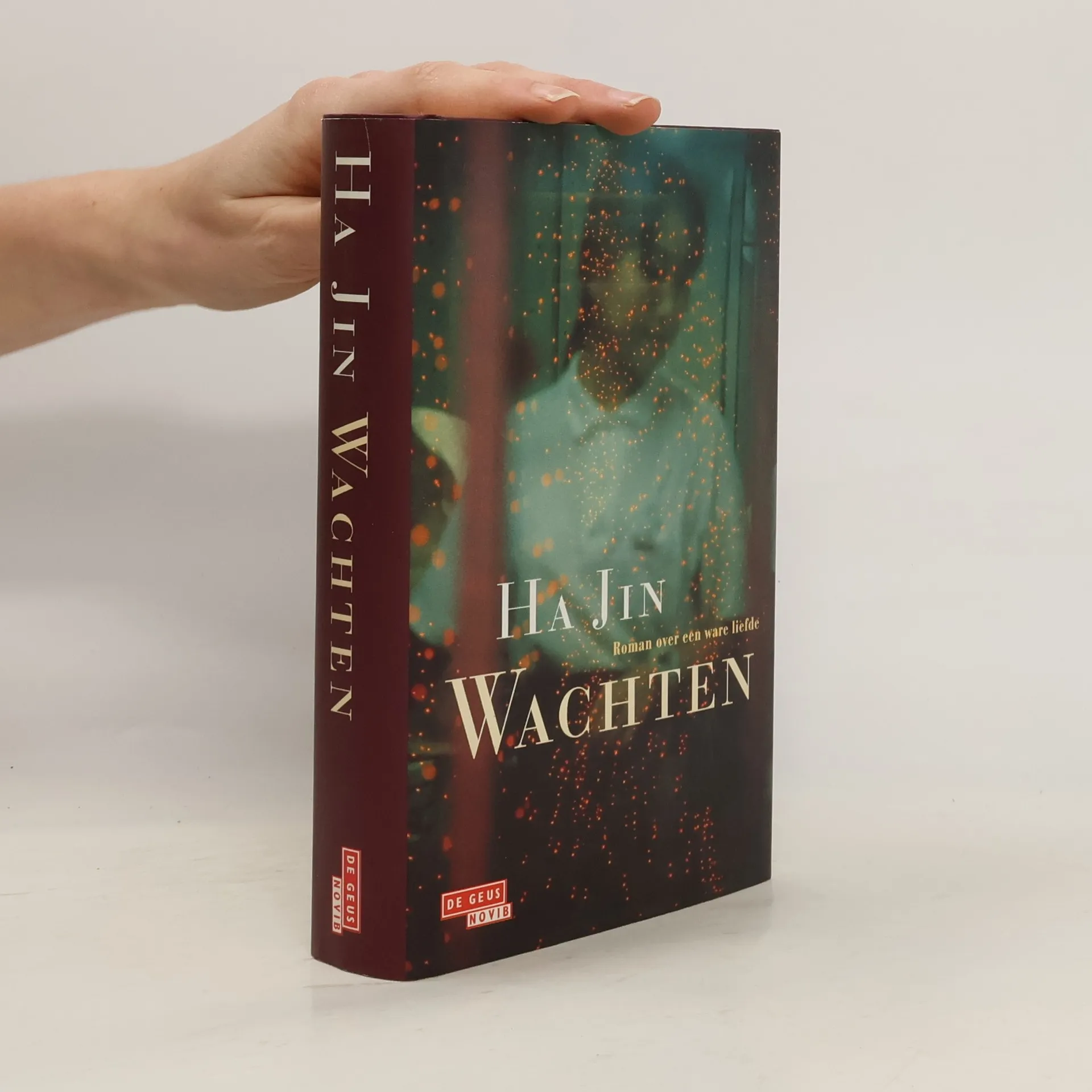
Een Chinese arts wordt, in de periode 1963-1985, door het systeem en door zijn eigen zwakheid, heen en weer getrokken tussen zijn vrouw en zijn vriendin.
Een professor krijgt een beroerte, waarna zijn student en aanstaande schoonzoon plichtsgetrouw de verzorging op zich neemt.
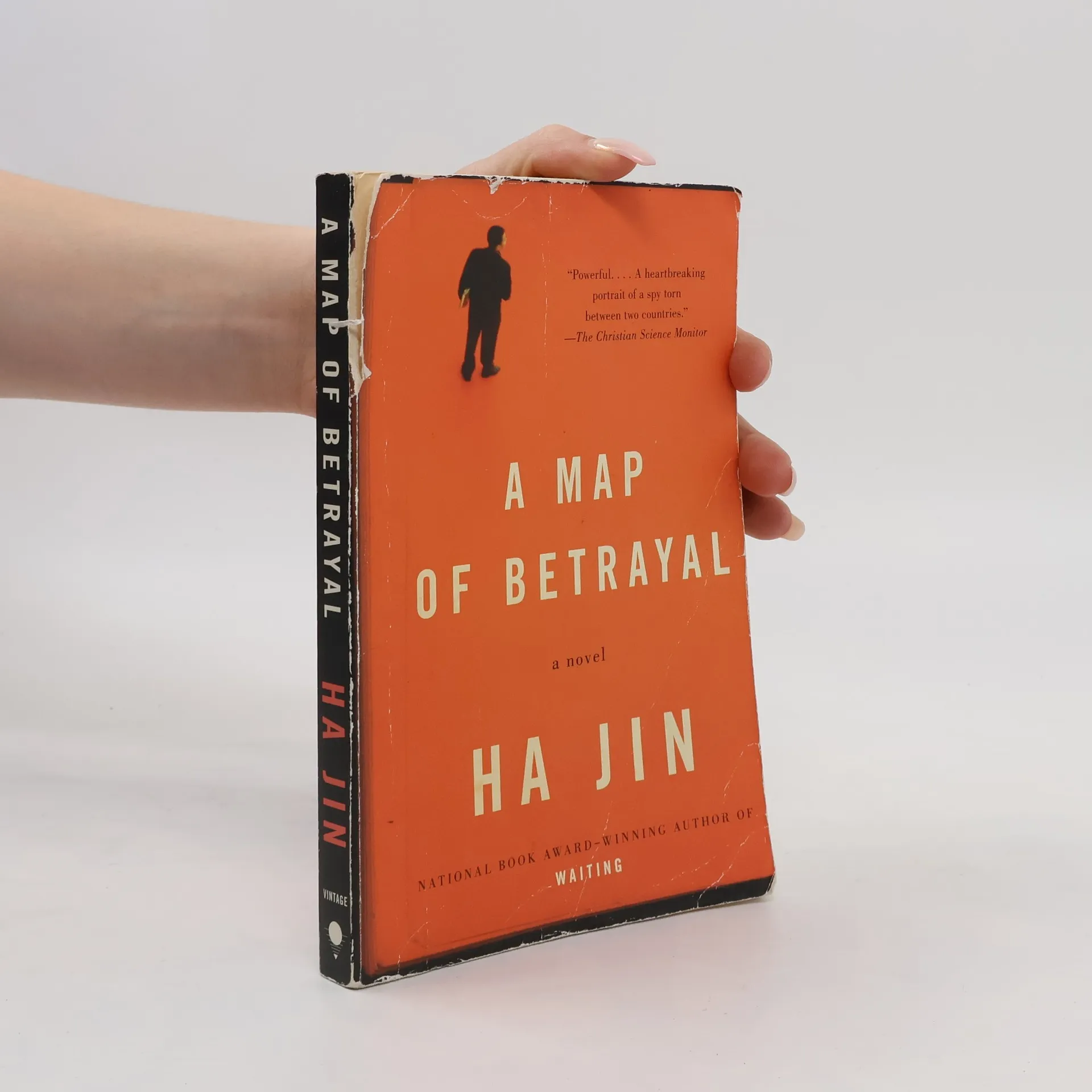
A Christian Science Monitor Best Book of the Year Lilian Shang, a history professor in Maryland, knew that her father, Gary, had been the most important Chinese spy ever caught in the United States. But when she discovers his diary after the death of her parents, its pages reveal the full pain and longing that his double life entailed—and point to a hidden second family that he’d left behind in China. As Lilian follows her father’s trail back into the Chinese provinces, she begins to grasp the extent of her father’s dilemma—torn between loyalty to his motherland and the love he came to feel for his adopted country. As she starts to understand that Gary, too, had been betrayed, she finds that it is up to her to prevent his tragedy from endangering yet another generation of the Shangs. A stunning portrait of a multinational family, an unflinching inquiry into the meaning of patriotism, A Map of Betrayal is a spy novel that only Ha Jin could write.
The collection features a blend of humor and poignancy, exploring the complexities of contemporary life in China. Through a series of engaging tales, Ha Jin captures the warmth and humanity of his characters while revealing surprising and sometimes disturbing truths about their experiences. Each story offers a unique glimpse into the cultural and emotional landscape of modern China, making for a compelling read that balances delight with depth.
Novelist Ha Jin raises questions about language, migration, and the place of literature in a rapidly globalizing world. Consisting of three interconnected essays, The Writer as Migrant sets Ha Jin’s own work and life alongside those of other literary exiles, creating a conversation across cultures and between eras. He employs the cases of Alexander Solzhenitsyn and Chinese novelist Lin Yutang to illustrate the obligation a writer feels to the land of their birth, while Joseph Conrad and Vladimir Nabokov—who, like Ha Jin, adopted English for their writing—are enlisted to explore a migrant author’s conscious choice of a literary language. A final essay draws on V. S. Naipaul and Milan Kundera to consider the ways in which our era of perpetual change forces a migrant writer to reconceptualize the very idea of home. Throughout, Jin brings other celebrated writers into the conversation as well, including W. G. Sebald, C. P. Cavafy, and Salman Rushdie—refracting and refining the very idea of a literature of migration. Simultaneously a reflection on a crucial theme and a fascinating glimpse at the writers who compose Ha Jin’s mental library, The Writer as Migrant is a work of passionately engaged criticism, one rooted in departures but feeling like a new arrival.
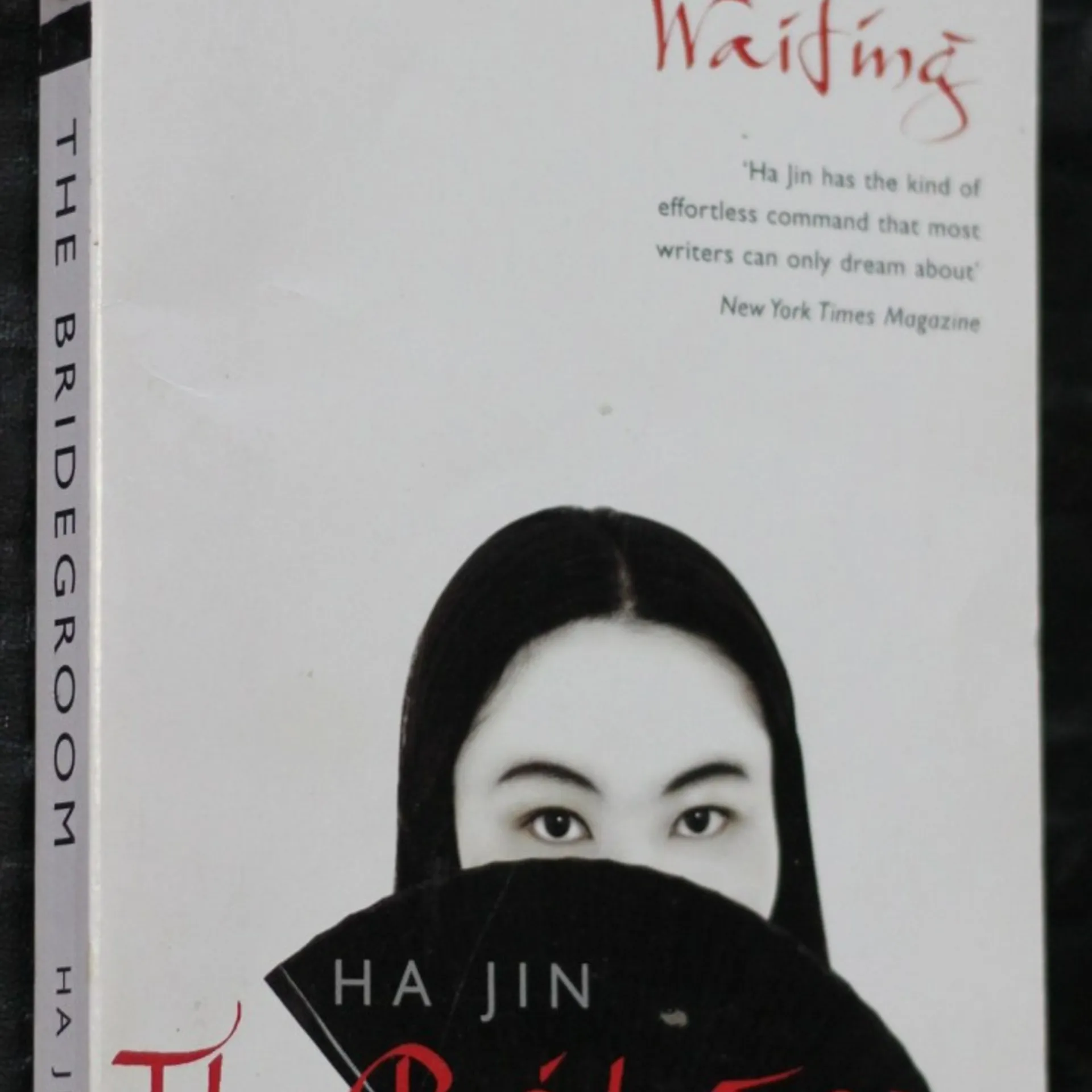
The story follows an amateur calligrapher in a provincial Chinese town who uses his artistic skills as a means of resistance against oppressive party bureaucrats. Blending dark humor with sharp social commentary, the novel explores themes of power, individuality, and the struggles of creativity within a repressive regime. Ha Jin's debut captures the tension between art and authority, offering a poignant reflection on the role of the artist in society.
From the universally admired, National Book Award-winning, bestselling author of Waiting—a timely novel that follows a famous Chinese singer severed from his country, as he works to find his way in the United States At the end of a U.S. tour with his state-supported choir, popular singer Yao Tian takes a private gig in New York to pick up some extra cash for his daughter’s tuition fund, but the consequences of his choice spiral out of control. On his return to China, Tian is informed that the sponsors of the event were supporters of Taiwan’s secession, and that he must deliver a formal self-criticism. When he is asked to forfeit his passport to his employer, Tian impulsively decides instead to return to New York to protest the government’s threat to his artistic integrity. With the help of his old friend Yabin, Tian’s career begins to flourish in the United States. But he is soon placed on a Chinese government blacklist and thwarted by the state at every turn, and it becomes increasingly clear that he may never return to China unless he denounces the freedoms that have made his new life possible. Tian nevertheless insists on his identity as a performer, refusing to give up his art. Moving, important, and strikingly relevant to our times, A Song Everlasting is a story of hope in the face of hardship from one of our most celebrated authors.
Der chinesische Student Nan Wu und seine Frau Pingping entschließen sich im Sommer 1989, kurz nach den Ereignissen auf dem Platz des Himmlischen Friedens, in den USA zu bleiben und dort ein neues Leben zu beginnen. Es sollte nur ein Studienaufenthalt werden, doch mit jedem Jahr in den Staaten steigt die Wut auf die politischen Verhältnisse in der fernen Heimat. Endlich dürfen sie nun auch ihren sechsjährigen Sohn Taotao zu sich holen, der sich schnell an die neue Umgebung gewöhnt. Nan aber träumt davon, ein großer Dichter zu sein, und hat es wesentlich schwerer: Ihn plagen Schuldgefühle seiner Frau gegenüber, der er sich eher solidarisch als in Liebe verbunden fühlt, weil er seine Jugendfreundin Beina nicht vergessen kann; schwer wiegt auch die Verantwortung, seiner Familie ein sicheres Auskommen zu ermöglichen. Über zwölf Jahre begleiten wir Leser den Alltag der Familie Wu, ihr tägliches Ringen um Heimat, Liebe und Glück. Seite für Seite wachsen sie uns ans Herz, weil unsere eigenen Träume sich in den ihren spiegeln.
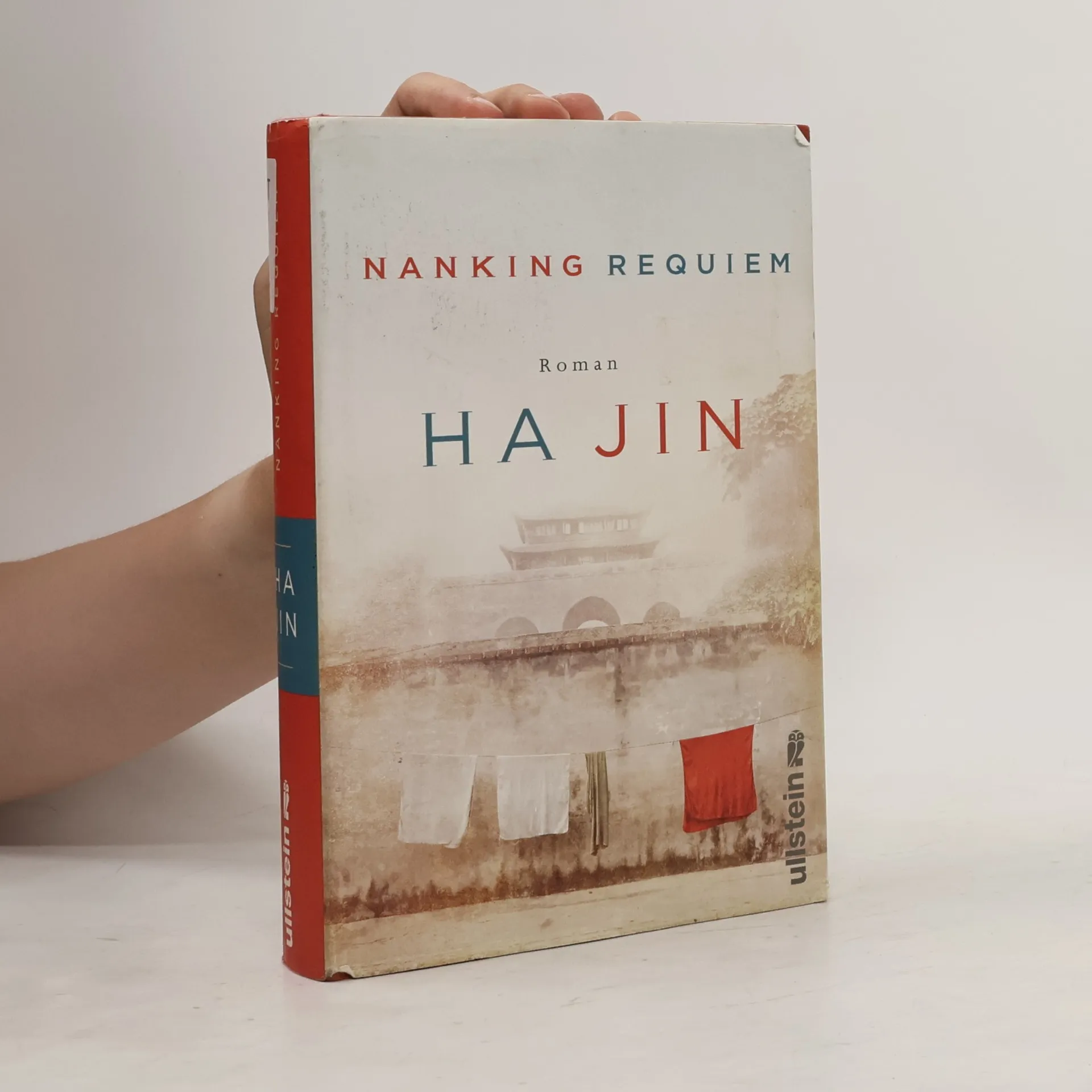
Nanking, Dezember 1937: Die japanische Armee verübt ein unvorstellbares Massaker an der chinesischen Zivilbevölkerung. Die amerikanische Missionarin Wilhelmine „Minnie“ Vautrin ist eine von wenigen Mitarbeitern ausländischer Einrichtungen, die sich entschließen, zu bleiben. Gemeinsam mit ihrem kleinen Team verwandelt sie das amerikanische College, das sie leitet, in ein Flüchtlingslager für Frauen und Kinder – und rettet Tausenden von Menschen das Leben. Der preisgekrönte Autor Ha Jin erzählt in seinem neuen Roman die tragische Geschichte dieser ungewöhnlichen Frau. Er hat ihre Tagebücher sowie zahlreiche Zeitdokumente ausgewertet und daraus ein feines Geflecht verschiedener Schicksale und Konflikte geknüpft. Entstanden ist ein ergreifender Antikriegsroman, der dem Leser von heute das Grauen von damals spürbar macht.
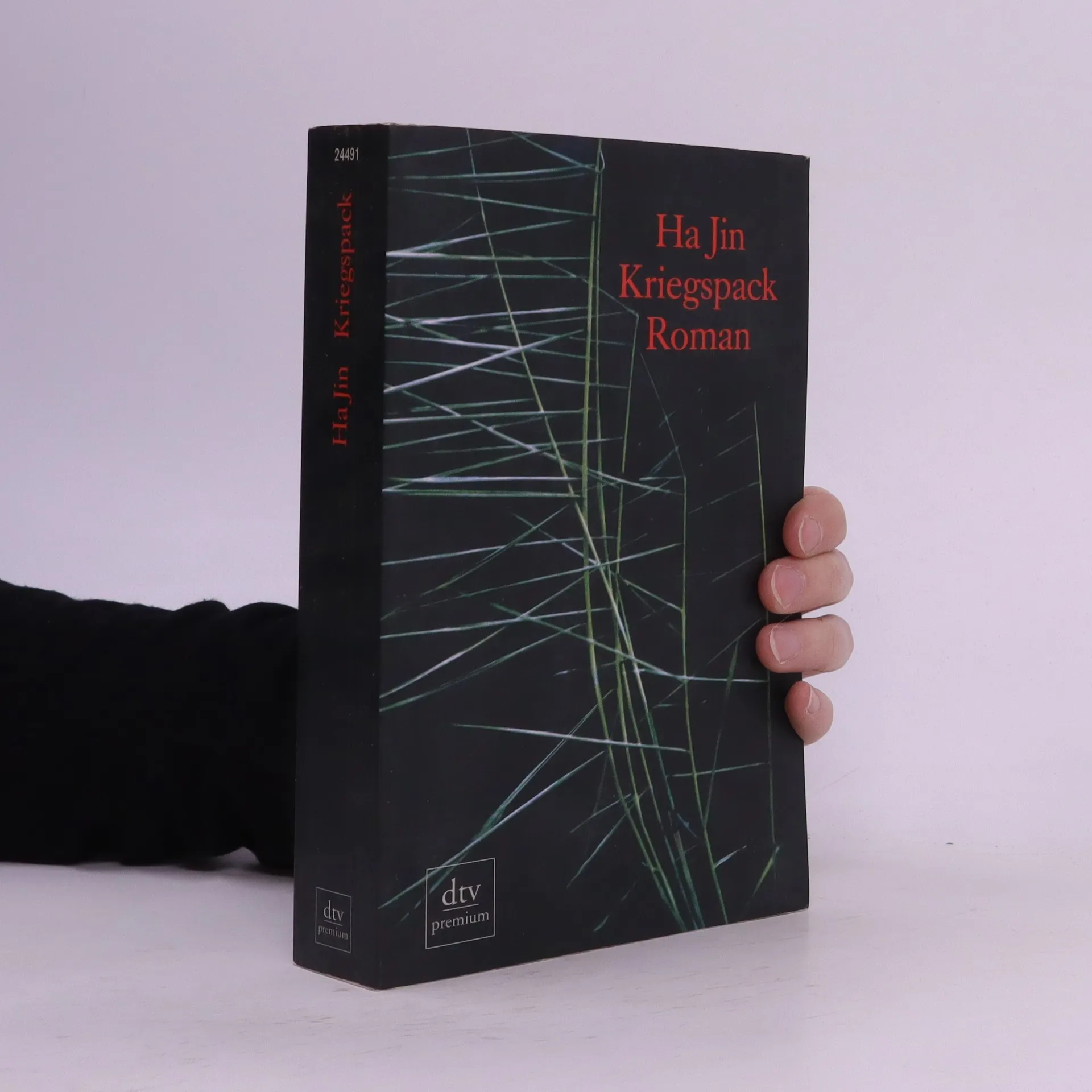
1951, kurz nach Ausbruch des Koreakriegs, wird Yu Yuan, ein junger chinesischer Offizier, wie Tausende Freiwillige von Mao Zedong nach Nordkorea geschickt, um den kommunistischen Brüdern im Norden des Landes zur Seite zu stehen. Er gerät amerikanische Gefangenschaft und einzig der Gedanke an die Heimat birgt für ihn die Hoffnung, wieder zu dem Menschen zu werden, der er vor dem Krieg einmal war. Doch als Yu schließlich nach Hause zurückkehrt, muss er feststellen, dass es diese Heimat so nicht mehr gibt. Vierzig Jahre nach seiner Freilassung schreibt der inzwischen siebzigjährige Yu gegen das Vergessen an.
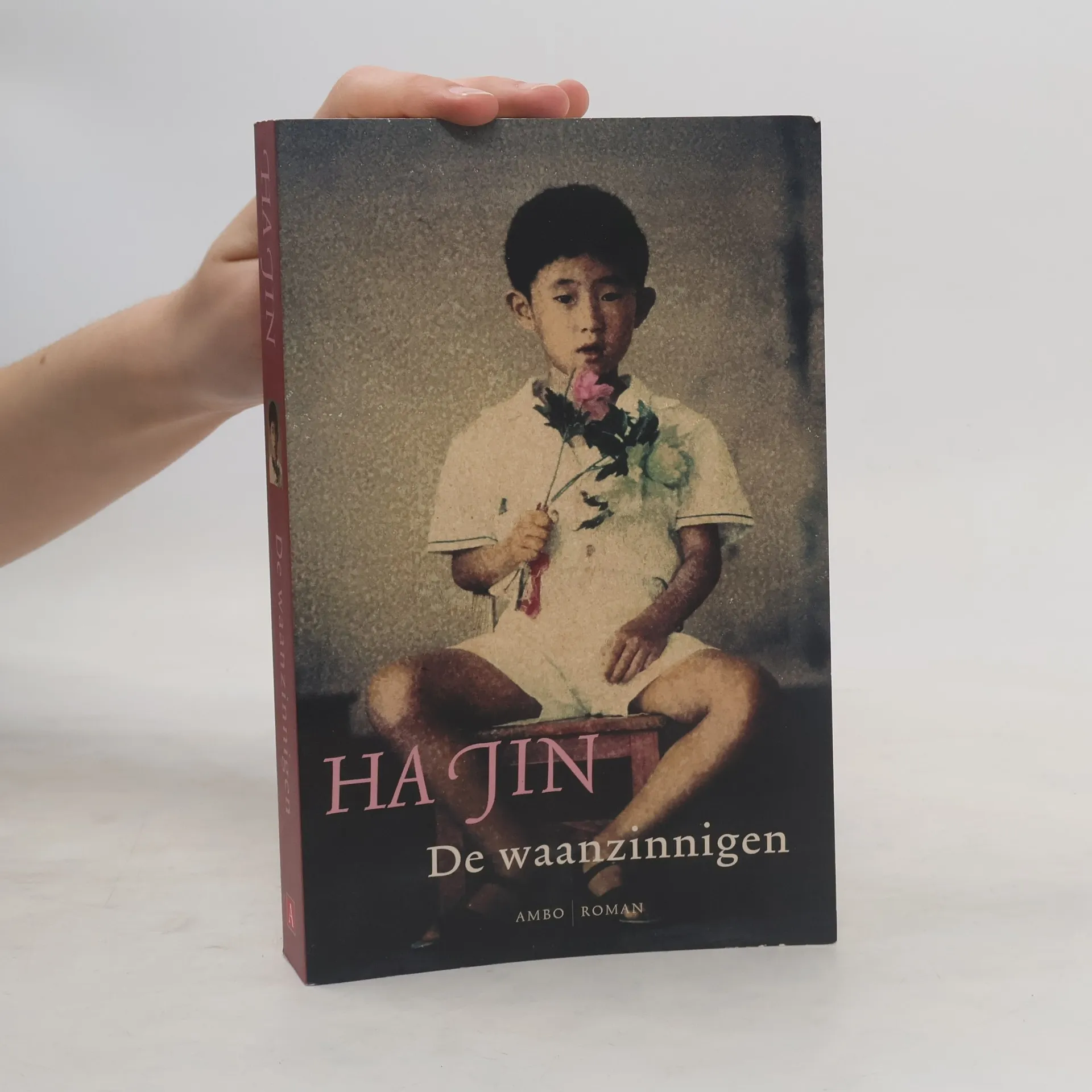
Professor Yang, a respected teacher of literature, has had a stroke and it falls to Jian Wan - who is also engaged to Yang's daughter - to care for him. It initially seems a simple duty until the professor begins to rave, pleading with invisible tormentors and denouncing his family... Are these just manifestations of illness, or is Yang spewing up the truth? In a China convulsed by the Tiananmen uprising, those who listen to the truth are as much at risk as those who speak it. Lyrical and heart-breaking, The Crazed is an incisive portrait of modern Chinese society.
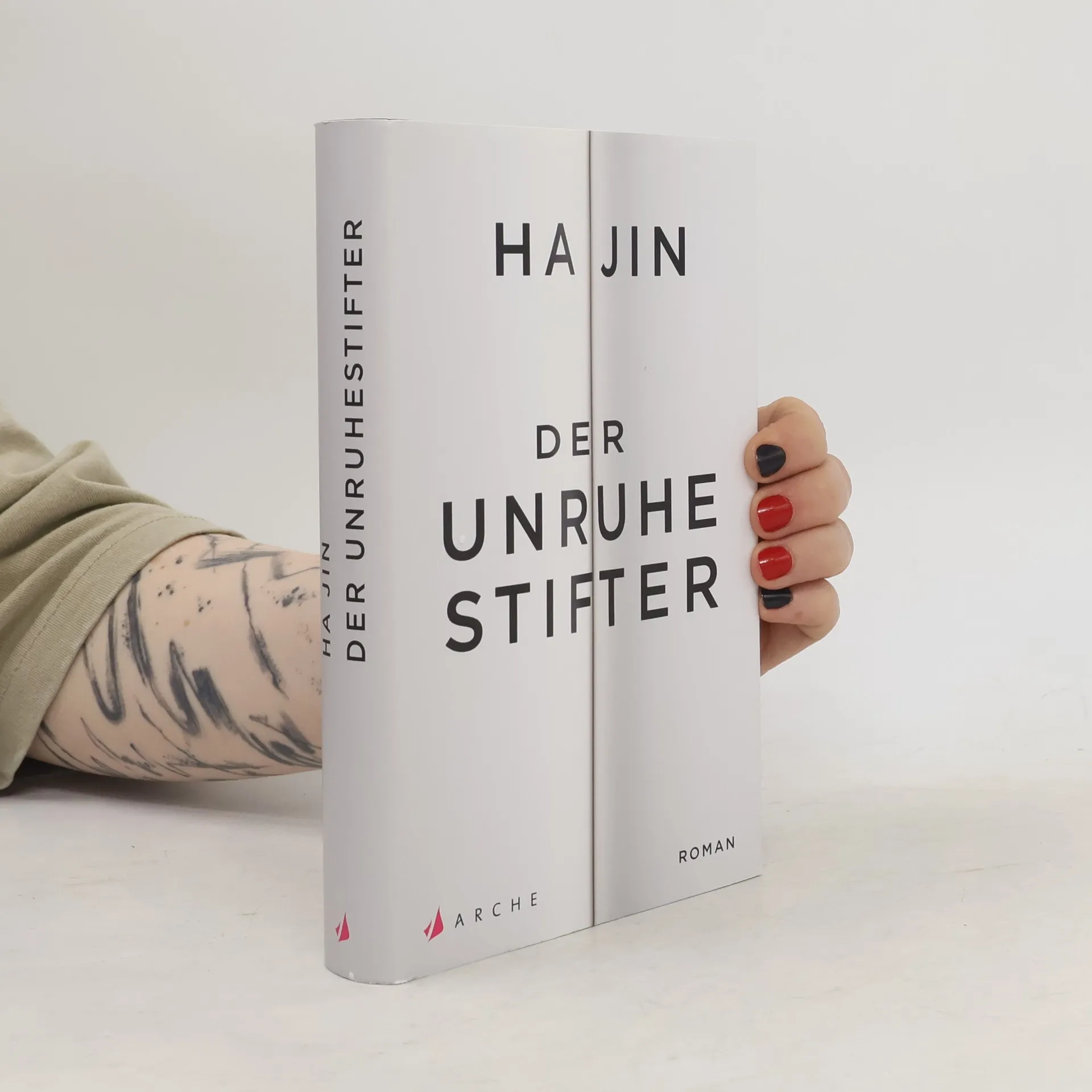
Als Reporter einer kleinen New Yorker Nachrichtenagentur schreibt Feng Danlin für eine Website, die Exilchinesen weltweit mit aktuellen Nachrichten versorgt. Bei den Lesern beliebt für seine klugen, stets prinzipientreuen Kommentare, verheißt der neueste Auftrag seines Chefs allerdings nicht Gutes für ihn: Er soll seine Exfrau ausspionieren, die als literarischer Star international groß rauskommen will und sich dafür offenbar nicht zu schade ist, mit Peking und Washington gleichermaßen unter einer Decke zu stecken. Moralisch wie persönlich tief verletzt von dieser Skrupellosigkeit, will Danlin sie als Heuchlerin entlarven und verstrickt sich in immer krudere Verschwörungstheorien. Schließlich legt er sich mit allen Seiten an und wird seine gesamte journalistische Raffinesse aufbringen müssen, will er heil aus dieser Sache wieder herauskommen.
Das Leben des Tang-Dichters Li Bai
Ein »verbannter Unsterblicher« wurde Li Bai (701–762) schon zu Lebzeiten genannt: In der offiziellen chinesischen Literatur kaum gewürdigt, erlangten seine Gedichte, die von daoistischem Gedankengut geprägt sind und sich durch Leidenschaft und Lebenslust auszeichnen, bereits in der gesamten Tang-Dynastie über die Rezitationen von Hofunterhaltern, Tavernensängern, Soldaten und Schriftstellern großen Ruhm und landesweite Verbreitung. Noch heute werden seine von tiefer Sehnsucht nach einer höheren, vollkommeneren Welt geprägten Verse chinesischen Schulkindern beigebracht und bei Festen als Trinksprüche aufgesagt; längst sind sie untrennbarer Teil der chinesischen Sprache. Doch wer war dieser Jahrtausenddichter? Mit seinem Gespür eines meisterhaften Romanciers gelingt es Ha Jin, aus den uns überlieferten historischen und literarischen Quellen die Lebensgeschichte des großen Dichters als ein Porträt seiner Zeit zu erzählen. Er folgt Li Bai von seiner Kindheit an der westlichen Grenze bis hin zu seinen Wanderungen als junger Mann, die von Strebsamkeit, aber auch von fröhlicher Unbekümmertheit und lustvollen Ausschweifungen geprägt waren. Er folgt dem Dichter durch seine späten Jahre, in denen er in eine umwälzende militärische Rebellion verwickelt wurde, die den Lauf der chinesischen Geschichte veränderte – und erzählt von den mysteriösen und von Legenden umrankten Umständen seines Todes.
Der einzigartige Weg einer professionellen Go-Spielerin
„Ich begrüßte freudig meine Mitspieler und setzte mich an den Platz mit meinem Namensschild. Das Brett vor mir war leer und blank. Neben dem Brett zeigte eine silbrige Digitaluhr drei Stunden plus fünfmal sechzig Sekunden Zeitzuschlag pro Spieler an. Als ich auf das leere Holzbrett blickte, war mir plötzlich, als schaute das Brett mich fragend an: „Wo warst du denn?“ Ich wusste nicht, was ich sagen sollte.“ Die Stimme einer bemerkenswerten jungen Frau erzählt uns in diesen Texten vom Leben einer erfolgreichen professionellen Go-Spielerin, und dann von ihrem Weg in ein anderes, facettenreicheres Leben. Dieses Buch ist eine Sammlung von Aufsätzen und Betrachtungen, die sehr klar geschrieben und leicht und bereichernd zu lesen sind. Go ist das komplexeste Spiel, das die Menschheit hervorgebracht hat. Es kam vor etwa 4000 Jahren in China ans Licht der Welt. So wie die Schrift wurde auch die Kunst des Go-Spiels früh nach Korea importiert (wo es Baduk genannt wird), und gelangte von dort nach Japan. Während in Japan bereits im 17. Jahrhundert professionelle Strukturen entstanden, etablierte sich in Korea ein Profi-System erst sehr spät, in der zweiten Hälfte des 20. Jahrhunderts. Es brachte eine Vielzahl starker Spieler hervor, und mit ihm veränderte sich auch die Art und die Qualität des Go-Spiels.