La Primavera (Der Frühling) op. 8 Nr. 1 RV 269
Vereinfache Klavierbegleitung


Antonio Vivaldi was een Italiaanse barokcomponist, priester en vioolvirtuoos, wiens werk gekenmerkt wordt door meesterlijke instrumentale concerten, met name voor viool, en sacrale koorwerken. Zijn composities, vaak geschreven voor specifieke ensembles, verspreidden zich over Europa en beïnvloedden generaties musici. Ondanks een periode van afnemende populariteit kende Vivaldi's muziek in de 20e eeuw een krachtige heropleving en behoort hij nu tot de meest gevierde en meest opgenomen barokcomponisten.


Vereinfache Klavierbegleitung
Vereinfache Klavierbegleitung
Die wissenschaftlich-kritische Ausgabe bietet eine fundierte Analyse und tiefgehende Einblicke in den historischen Kontext sowie die Aufführungspraxis des Werkes. Mit einem Vorwort, das sowohl auf Deutsch als auch auf Englisch verfasst ist, wird der Leser in die Thematik eingeführt und erhält wertvolle Informationen zur Interpretation und Inszenierung. Diese Ausgabe richtet sich an Studierende, Theaterliebhaber und Fachleute, die ein besseres Verständnis für die künstlerischen und kulturellen Dimensionen des Werkes gewinnen möchten.
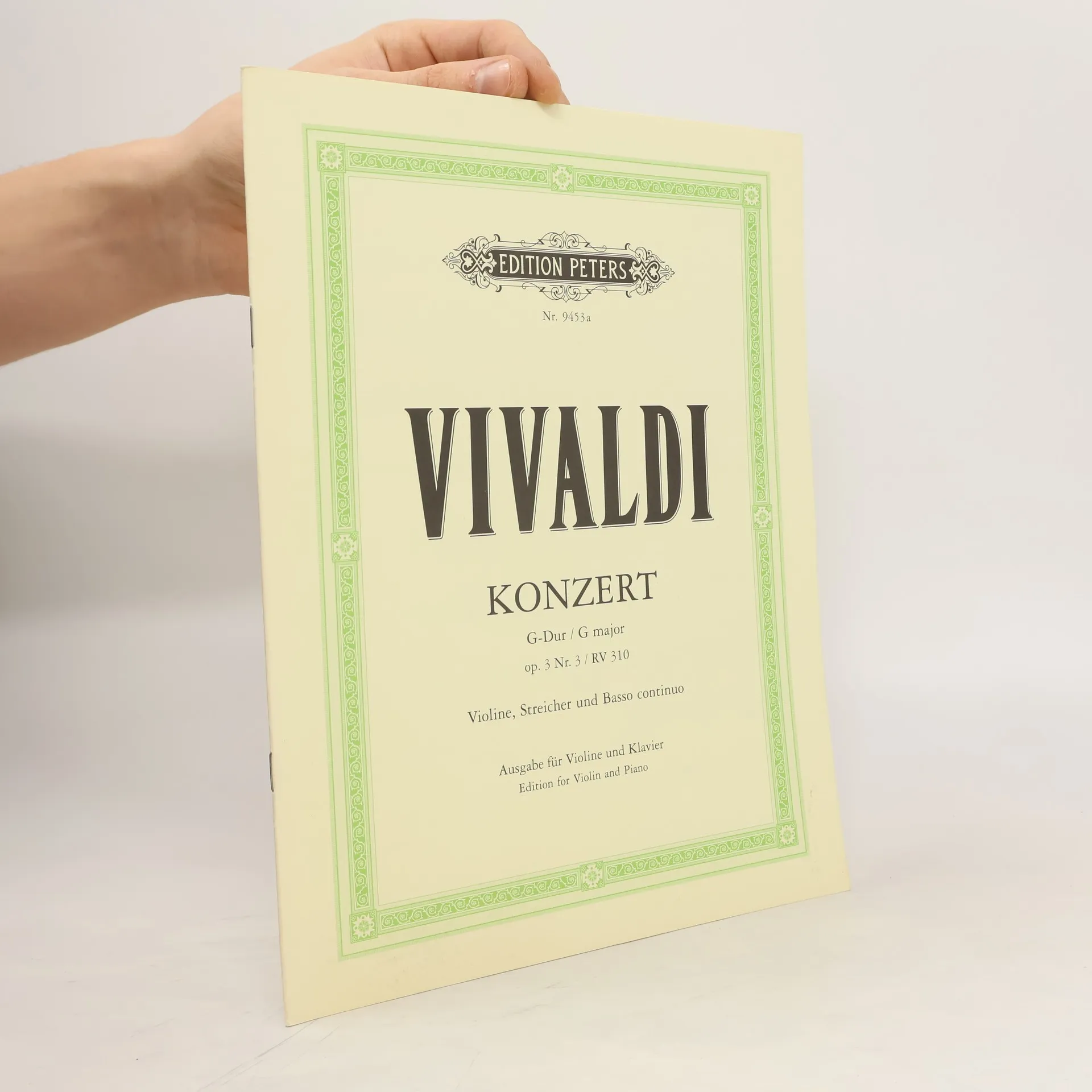
Konzerte. Op. 8/1-4. RV 269, 315, 293, 297 / PV 241, 336, 257, 442. Violine, Streicher und Basso Continuo. Studienpartitur.
Study Score
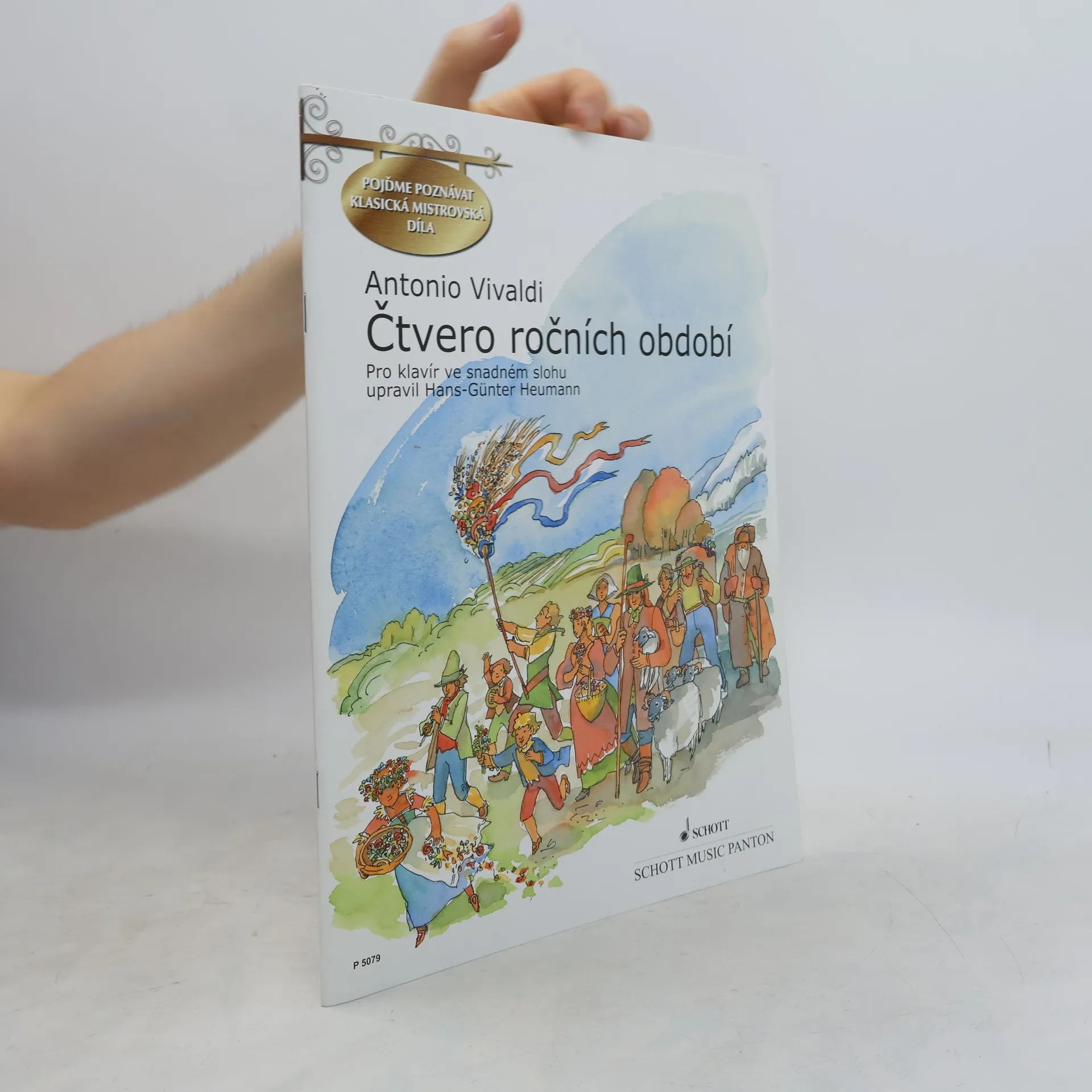
Pro klavír ve snadném slohu
Vynikající edice klavír ve snadném slohu, rozšíření repertoáru pro všechny začínající hráče
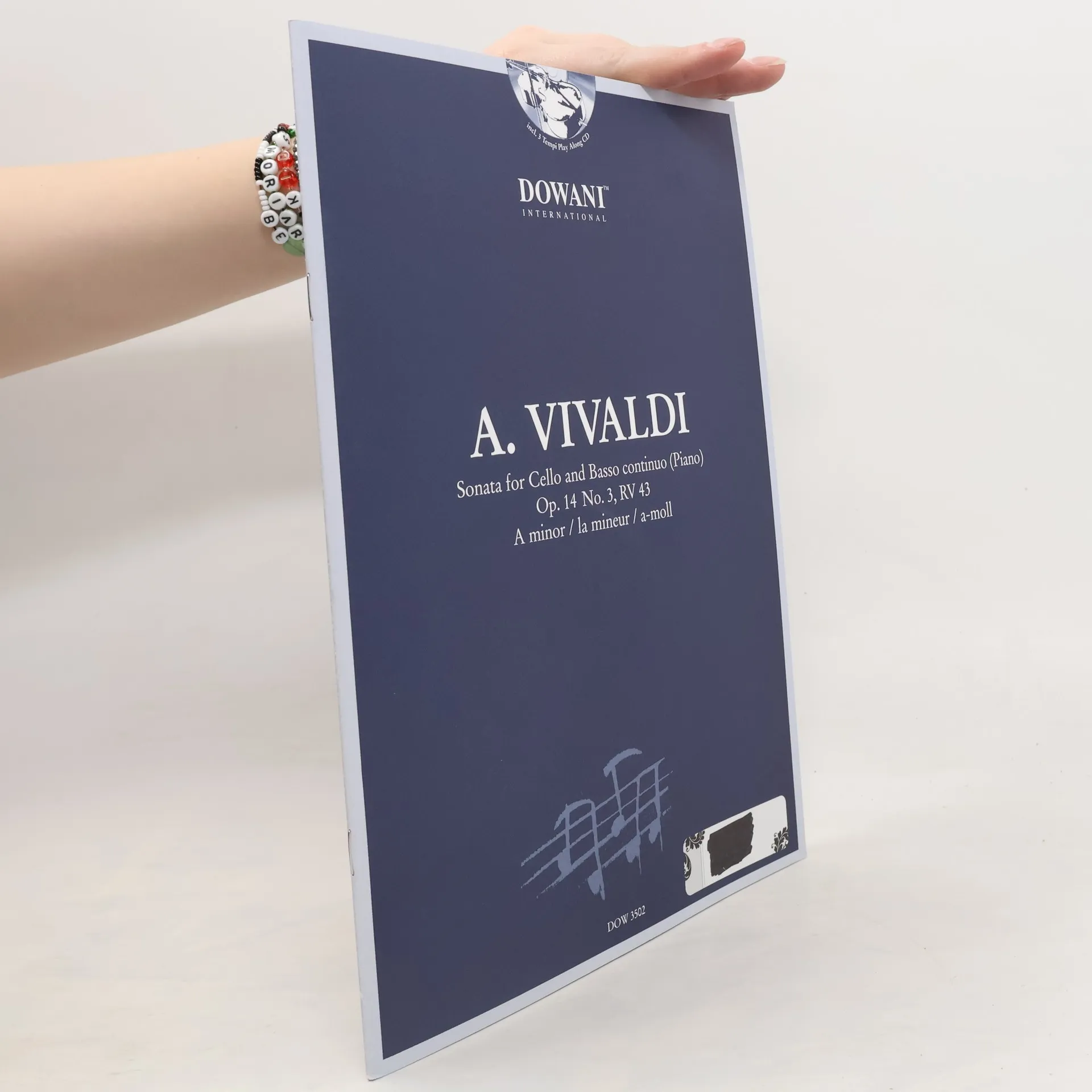
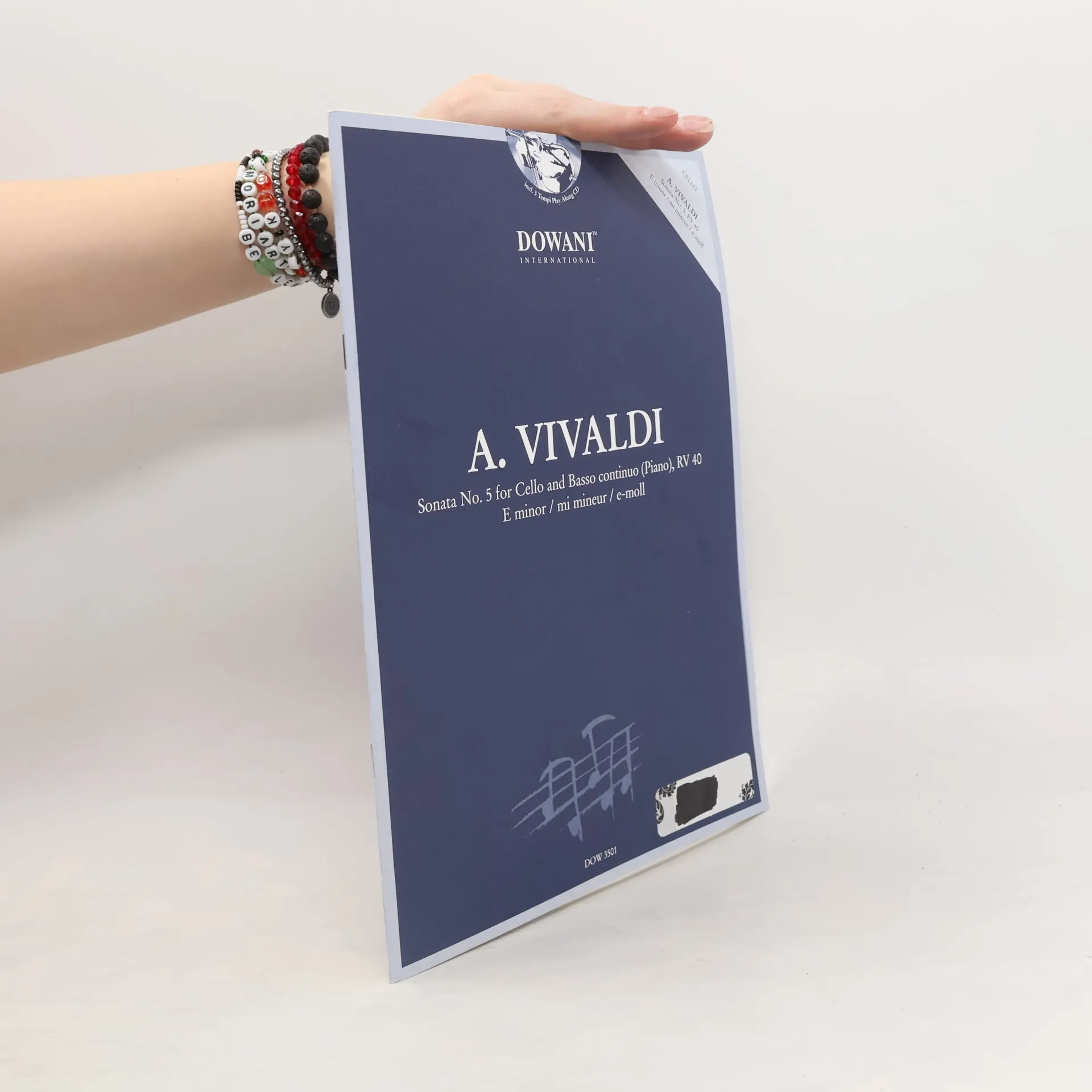
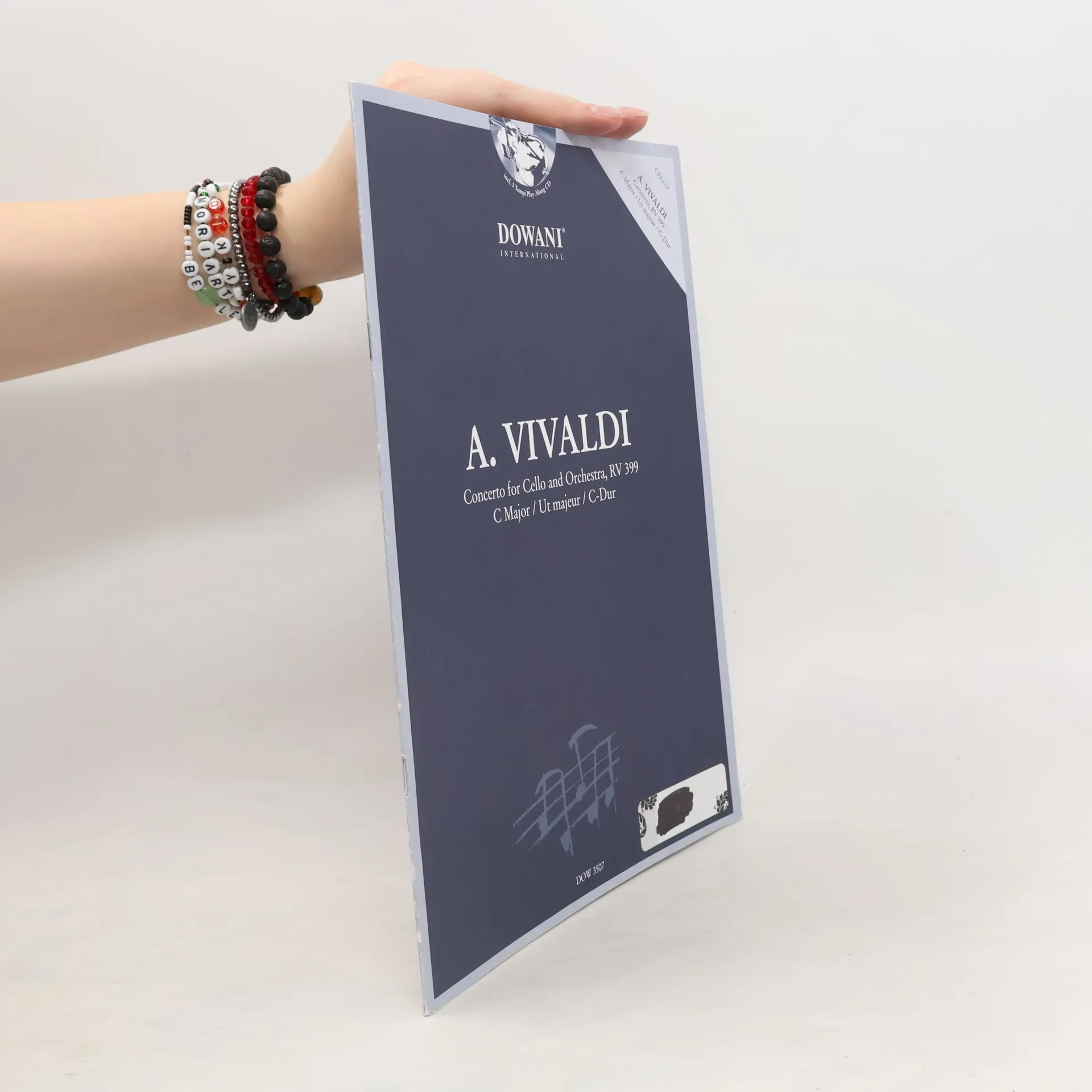
(Dowani Book/CD). Dowani 3 Tempi Play Along is an effective and time-tested method of practicing that offers more than conventional play-along editions. Dowani 3 Tempi Play Along enables you to learn a work systematically and with accompaniment at different tempi. The first thing you hear on the CD is the concert version in a first-class recording with solo instrument and orchestral, continuo, or piano accompaniment. Then the piano or harpsichord accompaniment follows in slow and medium tempo for practice purposes with the solo instrument heard softly in the background at a slow tempo. Finally, you can play at the original tempo to the accompaniment of an orchestra, piano, or basso continuo. All versions appearing on the CD were recorded live by renowned soloists, accompanists, and orchestras. There are no synthesised sounds in a Dowani edition!
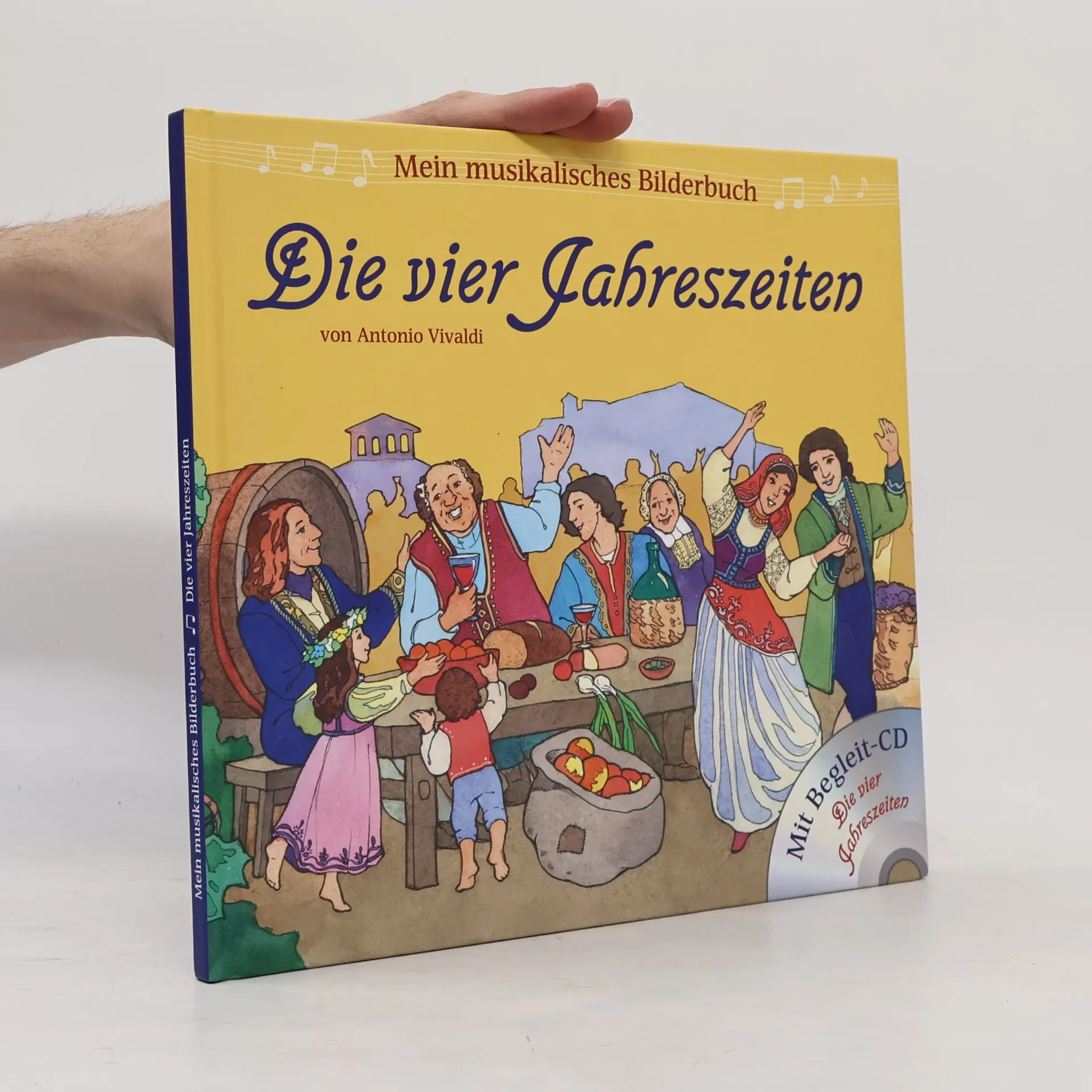
Die vier Violinkonzerte aus Vivaldis „Vier Jahreszeiten“ gehören zu den berühmtesten Werken der klassischen Musik. Diese wundervolle Komposition führt mit stimmungsvoll arrangierten Naturfotografien durch die unglaubliche Schönheit der verschiedenen Jahreszeiten in Europa. Mal gewaltig und kraftvoll – mal sanft und still. Musik-CDs: Neben Vivaldis weltberühmten „Vier Jahreszeiten“ finden sich hier weitere wunderschöne musikalische Charakterisierungen von Frühling, Sommer, Herbst und Winter – ganz unterschiedlich, je nach Epoche und Gattung, interpretiert von Sibelius, Beethoven, Debussy und viele anderen.
Dowani 3 Tempi Play Along ist eine effektive und bewährte Methode des Übens, die mehr als herkömmliche Play-Along-Ausgaben bietet. Dowani 3 Tempi Play Along ermöglicht es Ihnen, ein Werk systematisch zu lernen und mit Begleitung in verschiedenen Tempi zu üben. Zuerst hören Sie die Konzertversion in einer erstklassigen Aufnahme mit Soloinstrument und Orchester-, Continuo- oder Klavierbegleitung. Danach folgt die Klavier- oder Cembalobegleitung in langsamen und mittleren Tempi zum Üben, wobei das Soloinstrument leise im Hintergrund in einem langsamen Tempo zu hören ist. Schließlich können Sie im Originaltempo zur Begleitung eines Orchesters, Klaviers oder Basso continuo spielen. Alle auf der CD enthaltenen Versionen wurden live von renommierten Solisten, Begleitern und Orchestern aufgenommen. In einer Dowani-Ausgabe gibt es keine synthetischen Klänge!
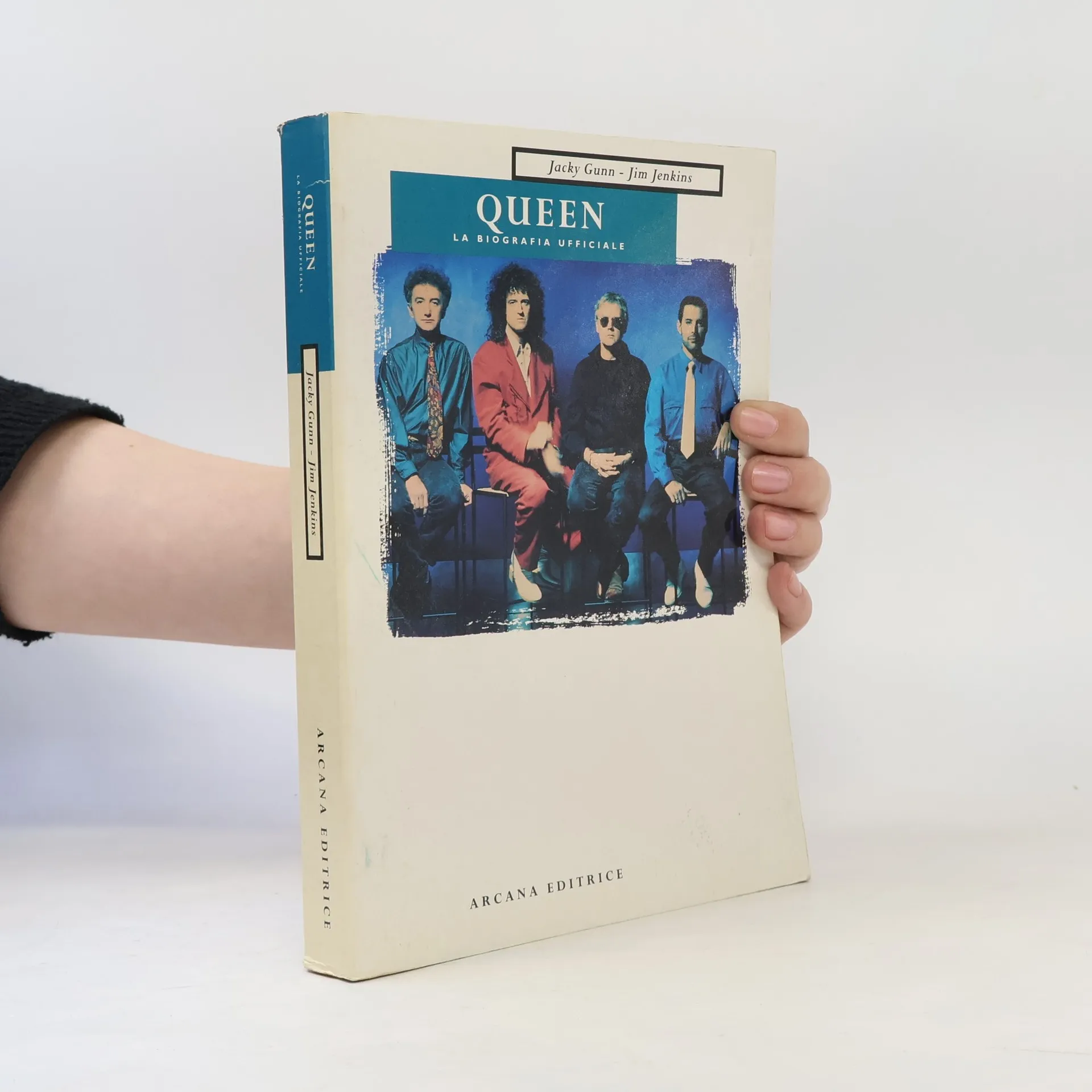
La morte di Freddie Mercury ha sigillato nel dramma la lunga e fortunata vicenda dei Queen, consegnandola alla storia del rock. Col trascorrere del tempo, il mito che circonda il quartetto che inventò il rock sinfonico tende ad accentuarsi anziché a sfumare. Il testo presenta una biografia definitiva e ufficiale del gruppo, scritta da due dei massimi esperti e realizzata con il contributo di Brian May, chitarrista e cuore musicale della formazione. Dall'inizio giovanile ai trionfi di Wembley, ecco il ritratto dettagliato di quattro protagonisti dell'epoca d'oro del rock.
Mottetto per contralto, due violini, viola e basso - Edizione critica
Mottetto per soprano, due violini, viola e basso - RV 626 - Edizione critica